Category: Article

  • Clove Oil for Toothache: How It Works, How to Use It Safely & When to See a Dentist

    Clove Oil for Toothache: How It Works, How to Use It Safely & When to See a Dentist

    clove oil for toothache

    Using clove oil for toothache is a practice that has been relied upon for centuries — and it remains one of the most effective natural pain relief options available from a home medicine cabinet..

    Modern dentistry still uses eugenol, the primary compound in clove oil, as the active ingredient in zinc oxide eugenol (ZOE) dental cement and topical anaesthetics.

    This is not folk tradition persisting despite science — it is tradition validated by science.

    But clove oil is a temporary pain relief measure, not a dental treatment.

    Understanding what it can and cannot do — and knowing when it is time to see a dentist regardless of pain relief — is the most important thing this article can teach you.

    This guide covers the science behind clove oil’s anaesthetic action, how to use it safely and effectively, what dilution to use for different types of tooth pain, and the situations where clove oil is not appropriate.

    We write as Global Essential Oil — an Indonesian clove oil manufacturer — and we include the technical perspective that only a manufacturer can provide: the difference between clove bud, leaf, and stem oil for dental applications, and why eugenol content matters for effectiveness.

    The Short Answer Does clove oil work for toothache?
    Yes — eugenol in clove oil is a proven topical anaesthetic and anti-inflammatory. It provides real, temporary pain relief for many types of tooth pain.  Does clove oil cure a toothache? No — it relieves the symptom (pain) but does not address the cause (decay, infection, cracked tooth). You still need to see a dentist
    ⚕️  Medical Disclaimer — Please Read First
    This article is for informational purposes only and does not constitute medical or dental advice. Clove oil is a temporary pain relief measure, not a treatment or cure for toothache. Toothache is always a symptom of an underlying dental condition — only a qualified dentist can diagnose and treat the cause. If you are experiencing tooth pain, please schedule a dental appointment as soon as possible. If you have severe pain, facial swelling, fever, or difficulty swallowing, seek emergency dental or medical care immediately.

    The Science: Why Does Clove Oil Relieve Toothache Pain?

    clove oil relieve toothache pain

    The active compound responsible for clove oil’s anaesthetic effect is eugenol (4-allyl-2-methoxyphenol, CAS 97-53-0) — a phenylpropanoid that constitutes 70–92% of clove oil depending on the plant part (bud, leaf, or stem).

    Eugenol works through two distinct mechanisms that together produce its characteristic pain-relieving effect:

    TRPV1 Receptor Inhibition — The Primary Mechanism

    TRPV1 (Transient Receptor Potential Vanilloid 1) is a ion channel protein found on nociceptors (pain-sensing neurons) throughout the body, including dental pulp tissue.

    It is the same receptor targeted by capsaicin (chilli pepper’s active compound).

    Eugenol acts as a TRPV1 receptor antagonist — it blocks this receptor, effectively preventing pain signals from being transmitted from the tooth tissue to the brain.

    This is a direct, pharmacologically validated mechanism of pain suppression, not just a numbing sensation.

    Voltage-Gated Sodium Channel Blockade

    Eugenol also inhibits voltage-gated sodium channels in nerve fibres — the same mechanism by which lidocaine and other local anaesthetics work in dental procedures.

    By reducing sodium ion conductance, eugenol slows nerve signal transmission, producing a localised reduction in pain signal propagation.

    This dual mechanism (TRPV1 + sodium channel) explains why eugenol’s pain relief is more effective than many other natural compounds.

    Anti-inflammatory Action

    Beyond direct pain inhibition, eugenol has documented anti-inflammatory properties — it inhibits prostaglandin synthesis (similar to NSAIDs like ibuprofen) and reduces COX-2 enzyme activity.

    In the context of tooth pain caused by pulp inflammation (pulpitis), this anti-inflammatory action addresses a contributing cause of pain, not just the symptom.

    Antimicrobial Activity

    Eugenol demonstrates potent antimicrobial activity against the bacteria most commonly associated with tooth decay and dental infections — including Streptococcus mutans, Lactobacillus acidophilus, and Porphyromonas gingivalis.

    This is why dentists have used eugenol-containing materials for over a century — it simultaneously reduces bacterial load while managing pain in dental procedures.

    Scientific Validation
    A 2006 study published in the Journal of Dentistry (Matthews et al.) directly compared eugenol to benzocaine (the most common OTC dental anaesthetic) for post-extraction pain relief. The study found eugenol was equivalent to benzocaine in pain relief efficacy — a landmark finding that validated centuries of traditional clove oil use with modern clinical evidence. Eugenol has been used in professional dentistry in zinc oxide eugenol (ZOE) temporary fillings, pulp capping, and root canal sealers for over 100 years.

    Which Clove Oil to Use: Bud, Leaf, or Stem?

    bulk clove oil supplier Indonesia

    Not all clove oil is identical — there are three commercial types, each with different eugenol content, and this difference matters for dental applications:

    TypeEugenol ContentAromaBest For Dental Use?Notes
    Clove Bud Oil75 – 85%Sweet, warm, spicy — most pleasant✓ Yes — preferredMost commonly available in health food stores; best aroma profile for home use
    Clove Leaf Oil70 – 78%Harsher, more medicinal✓ Yes — acceptableIndustrial grade; effective but less pleasant aroma than bud oil
    Clove Stem Oil80 – 92%Very intense, harsh⚠ Use with cautionHighest eugenol but very strong — more likely to cause irritation if incorrectly diluted
    Eugenol USP (isolated)≥99.0%Clinical, phenolic★ Best for dental formulationsUsed directly in professional dental products (ZOE cement); not for home use without professional guidance

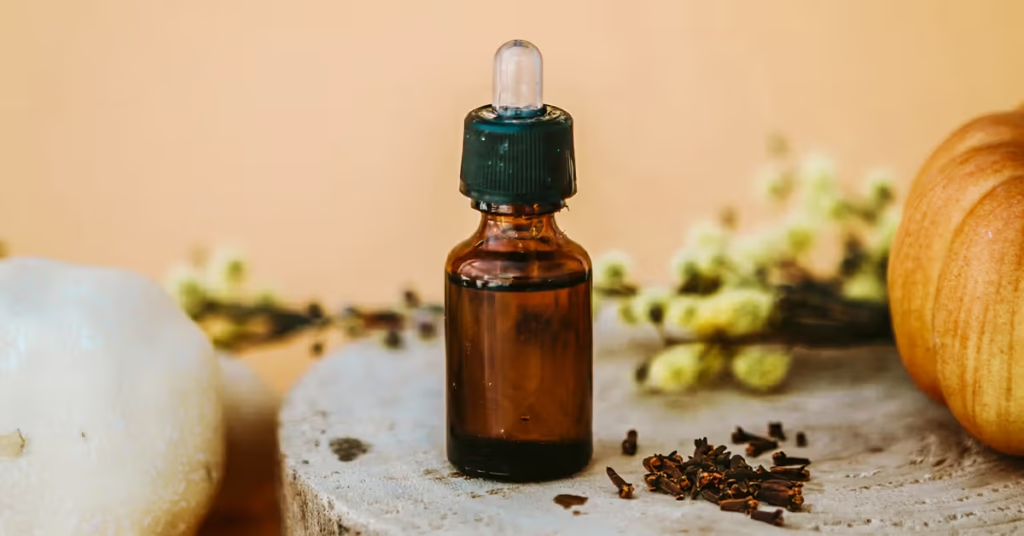
    For home toothache relief: Use clove bud oil — it has sufficient eugenol content (75–85%) for effective pain relief and the most pleasant aroma. Ensure you are purchasing pure clove bud essential oil, not a fragrance oil or blend. Look for the botanical name Syzygium aromaticum on the label.

    For the complete guide to clove oil types and eugenol content, see: Clove Oil Safety for Cosmetic & Industrial Use — IFRA Limits & MSDS.

    How to Use Clove Oil for Toothache: Step-by-Step Guide

    Critical safety note first: Clove oil must always be diluted before applying to gum or tooth tissue.

    Undiluted clove oil can cause chemical burns, tissue irritation, and eugenol toxicity when applied directly and repeatedly to soft tissue.

    This is not a theoretical risk — it is a documented clinical finding. See dilution guidelines below.

    Dilution Guidelines by Application Method

    ApplicationDilution RatioCarrierMax Frequency
    Cotton ball / cotton swab (direct application)1 drop clove bud oil + 3–5 drops carrier oil (approx. 20–25%)Olive oil or coconut oilEvery 4–6 hours maximum — not more than 2–3 times/day
    Clove oil rinse (diluted mouthwash)2 drops in 30ml warm waterWater (shake before use)Once or twice daily — not a continuous rinse
    Clove oil paste (with carrier)1:5 dilution with coconut or olive oilCoconut oil preferredAs needed, max 3×/day
    Commercial ZOE temporary fillingAs directed on product packaging (eugenol USP ≥99%)Zinc oxide powder componentPer product instructions — typically 24–72 hour maximum

    Step-by-Step Application (Cotton Swab Method)

    1. Prepare dilution: Mix 1 drop of clove bud essential oil with 4–5 drops of a carrier oil (olive oil, coconut oil, or almond oil) in a small dish. This gives approximately 15–20% dilution — strong enough to be effective, dilute enough to minimise irritation risk
    2. Rinse your mouth: Rinse with warm water to remove loose food debris from the affected area before application
    3. Apply with cotton: Saturate a small cotton ball or cotton swab with the diluted oil. Gently place directly on or adjacent to the painful tooth and surrounding gum tissue
    4. Hold in place: Hold for 5–10 minutes. You should feel a characteristic warmth and then numbing sensation within 2–5 minutes. This is the eugenol taking effect
    5. Remove and rinse: Remove the cotton and rinse gently with warm water. Avoid eating or drinking for 30 minutes after application to allow the eugenol to remain in contact with the tissue
    6. Limit frequency: Do not exceed 3 applications per day. Repeated high-frequency application of clove oil to soft tissue can cause irritation and sensitisation

    What You Should Feel — and What Is Normal

    • Expected: Initial warmth or mild burning sensation (1–2 minutes) followed by numbing/anaesthetic effect (2–5 minutes). Some taste of clove is normal
    • Normal duration of relief: 30 minutes to 2 hours depending on the cause of pain, the eugenol content of the oil, and individual response
    • Not normal — discontinue if: Intense burning or pain that does not subside, swelling of the gum or cheek that was not present before, or numbness spreading beyond the treated area
    🚨  When to Seek Emergency Dental Care — Do Not Delay
    Clove oil is NOT appropriate as the sole response to:  • Facial swelling or swelling of the jaw, cheek, or neck — possible spreading infection (dental abscess) — seek emergency care immediately • Fever accompanying tooth pain — systemic infection sign — seek medical or dental care same day • Severe pain not relieved by clove oil — indicates serious underlying cause (abscess, cracked tooth, acute pulpitis) • Difficulty swallowing or breathing — rare but serious complication of dental infection — go to emergency room • Pain lasting more than 2–3 days — requires professional diagnosis regardless of pain level  Clove oil can buy you time before a dental appointment — it cannot replace one

    Clove Oil by Tooth Pain Type: What Works and What Doesn’t

    clove oil

    The effectiveness of clove oil varies significantly by the underlying cause of tooth pain. Understanding this helps you make better decisions about when to use it and when to skip straight to calling a dentist:

    Cause of Tooth PainClove Oil EffectivenessExpected Relief DurationSee Dentist?
    Mild sensitivity (hot/cold, sweet)Good — eugenol reduces nerve response30–60 minYes — sensitivity is a sign of enamel erosion or exposed dentin
    Dental cavity (early)Moderate — reduces inflammation in exposed dentin30–90 minYes — cavity will worsen without treatment
    Gum pain / gingivitisGood — antimicrobial + anti-inflammatory1–2 hoursYes — gum disease requires professional cleaning
    Cracked toothModerate — reduces nerve pain from exposed pulp30–60 minYes — cracked tooth requires immediate professional evaluation
    Post-extraction socket painGood — eugenol is standard dental treatment for dry socket2–4 hoursYes if pain worsens — dry socket requires professional irrigation
    Dental abscessLow — clove oil cannot treat infection30–60 min (symptoms only)★ Urgent — abscess can spread. See dentist same day
    Acute irreversible pulpitisLow — severe nerve pain responds poorlyMinimal★ Urgent — requires root canal or extraction. Do not delay
    Erupting wisdom toothModerate — reduces gum inflammation around eruption site1–2 hoursYes — impacted wisdom teeth require assessment

    Safety Precautions: Using Clove Oil Without Causing More Harm

    benefit of clove oil uses for toothache

    Dilution Is Non-Negotiable

    The most common mistake with clove oil for toothache is using it undiluted, directly from the bottle.

    Undiluted clove oil applied directly to gum tissue repeatedly is a documented cause of chemical burns and soft tissue damage — several case reports in dental literature describe gum and cheek damage from incorrect clove oil application.

    The safe protocol is clear: always dilute 1:4 or more before any oral application

    Do Not Swallow

    Keep clove oil away from children. Do not allow swallowing — eugenol at ingested doses can cause liver toxicity and gastrointestinal irritation.

    If clove oil is accidentally swallowed in significant quantity (more than a few drops), contact poison control.

    Eugenol Allergy

    Eugenol sensitisation is a documented phenomenon — particularly in patients with a history of multiple dental treatments using ZOE cement (eugenol is widely used in dentistry).

    If you have ever had a reaction to dental materials or know you have a eugenol sensitivity, do not use clove oil.

    Children and Infants

    Clove oil is NOT recommended for children under 2 years. For older children, use only under adult supervision with very dilute preparation (1–2 drops in 10ml carrier) and for maximum 1–2 applications only. For any child with toothache, dental professional assessment should take priority over home remedies.

    Pregnancy

    Limited data exists on the safety of topical eugenol application during pregnancy. The general principle is to avoid non-essential topical agents in the first trimester and to consult a healthcare professional before using clove oil for dental pain during any stage of pregnancy.

    Related Reading

    →  Clove Oil Safety — IFRA Limits, MSDS & Formulation Guidelines

    →  Clove Essential Oil — Product Specifications from Indonesia

    Indonesian Clove Oil: Why Origin and Quality Matter

    Indonesia is the world’s largest clove producer — with Maluku (the historic Spice Islands), East Java, and Sulawesi as the primary producing regions.

    When you purchase clove essential oil, the most likely origin is Indonesian — whether or not the label says so. Understanding the source matters for quality:

    • Maluku Island origin: The indigenous home of Syzygium aromaticum — Maluku clove has the highest eugenol content and the most complete aromatic profile. Banda Island clove, in particular, is the global quality benchmark
    • Eugenol content verification: For dental applications, eugenol content matters. Always look for ‘pure clove bud essential oil’ from a supplier who can provide a Certificate of Analysis (COA) showing eugenol ≥75%. Without this, you cannot know how much active compound is in the oil
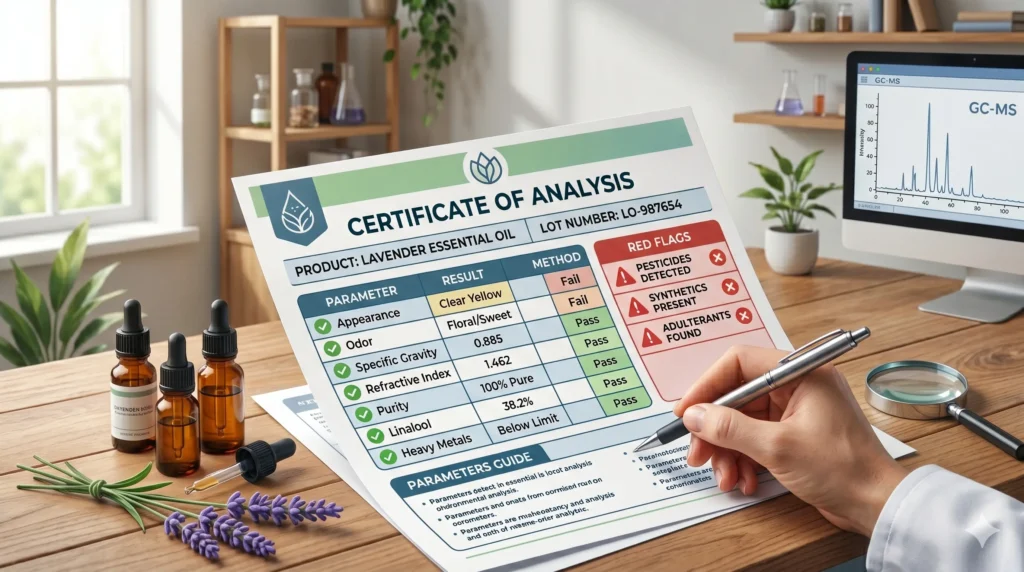
    • Adulteration risk: Clove oil adulteration with synthetic eugenol, eugenyl acetate, or caryophyllene is documented. Adulterated oil will have lower eugenol content and different therapeutic activity. Purchase from suppliers who provide GCMS documentation. See: Understanding COA & GCMS Reports.
    • Eugenol USP for professional dental use: If you are a dental professional or formulating dental products, Eugenol USP (≥99.0%) from Indonesian clove is the pharmaceutical-grade isolate used in professional dental formulations — with full pharmacopoeial documentation

    For Dental Product Formulators: Eugenol USP from Indonesia

    For dental product manufacturers, compounding pharmacies, and oral care formulators who require pharmaceutical-grade eugenol — the active ingredient behind clove oil’s dental applications — Indonesian Eugenol USP (≥99.0%) is available directly from Global Essential Oil with complete pharmacopoeial documentation:

    • Purity: ≥99.0% by GC analysis — meets USP, BP, and Ph.Eur. standards
    • Natural isolate: Isolated from Indonesian clove stem oil — GCMS confirms natural origin (not synthetic)
    • Documentation: Batch-specific CoA, GCMS, MSDS, Halal certificate (MUI), Certificate of Origin
    • Applications: ZOE temporary fillings, pulp capping, root canal sealers, topical dental anaesthetics, periodontal dressings, oral care formulations

    For more on eugenol sourcing from Indonesia, see: Eugenol Manufacturer Indonesia — USP Grade & Sourcing Guide.

    Request Indonesian Clove Oil or Eugenol USP Sample
    Contact Global Essential Oil to request a clove bud oil sample with COA (eugenol %) or Eugenol USP sample with full pharmacopoeial documentation. We supply both consumer-grade clove essential oils and pharmaceutical-grade Eugenol USP to manufacturers globally. We respond within 1 business day.
    → Contact Global Essential Oil — Request Clove Oil or Eugenol Sample

    Product pages: Clove Essential Oil (Bud/Leaf/Stem)  ·  Eugenol USP from Indonesia

  • Agarwood Oil Benefits for Aromatherapy: Uses, Science & Complete Application Guide

    Agarwood Oil Benefits for Aromatherapy: Uses, Science & Complete Application Guide

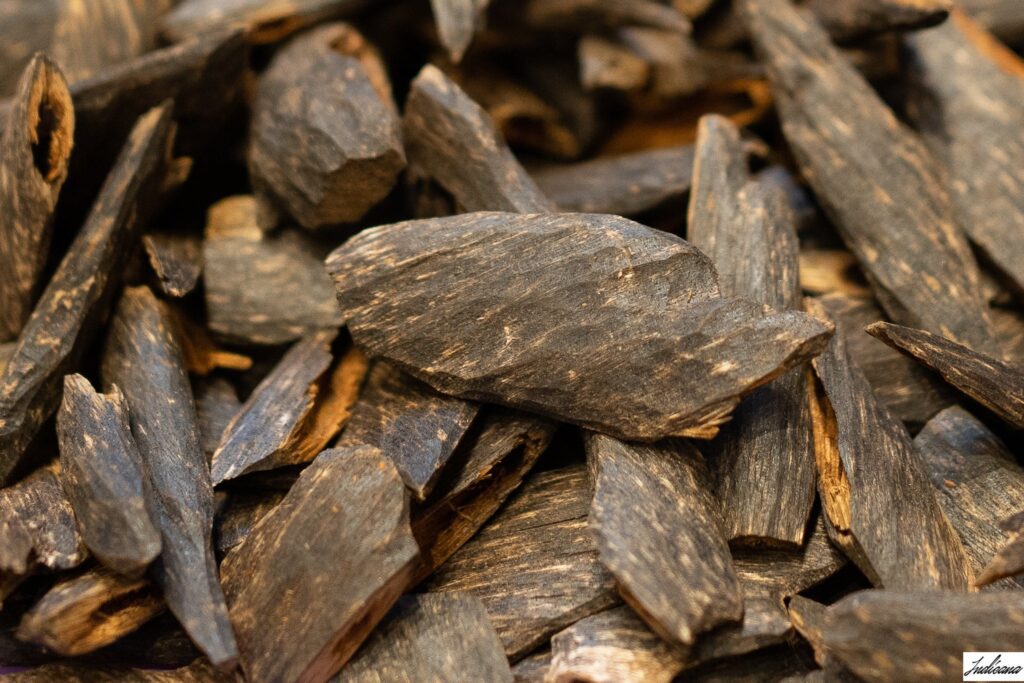
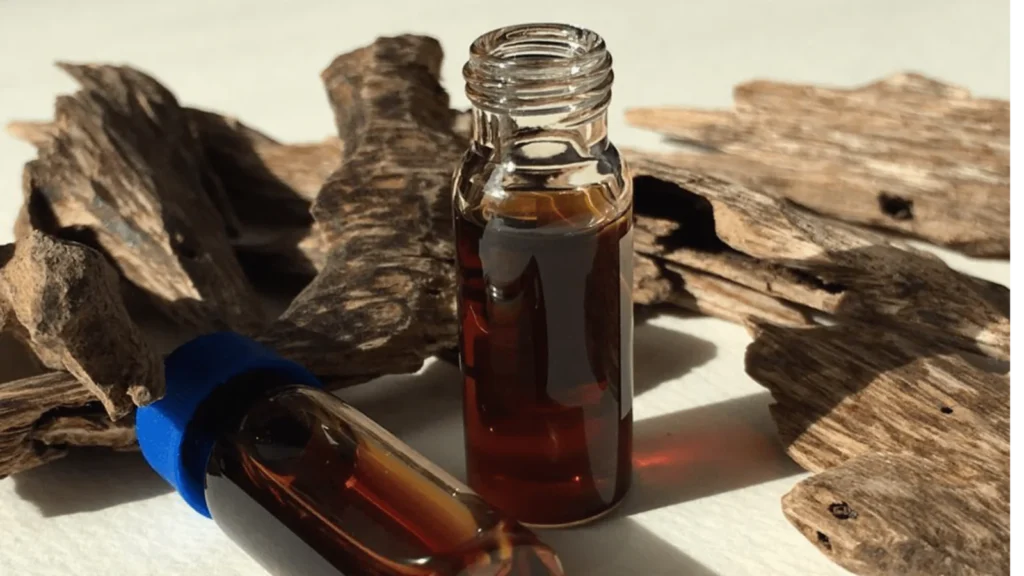
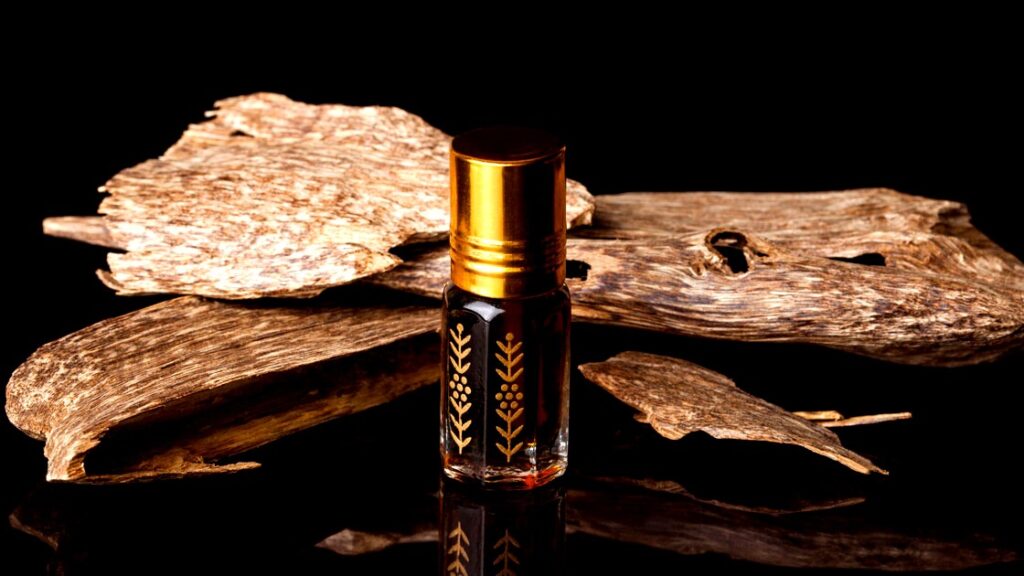
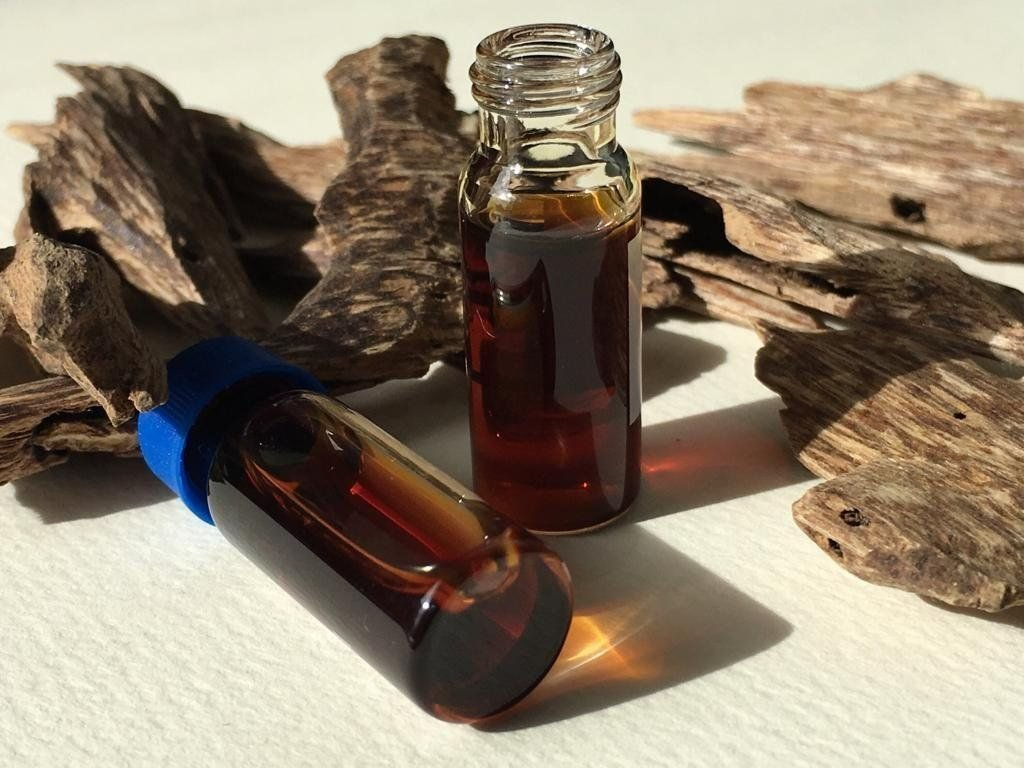
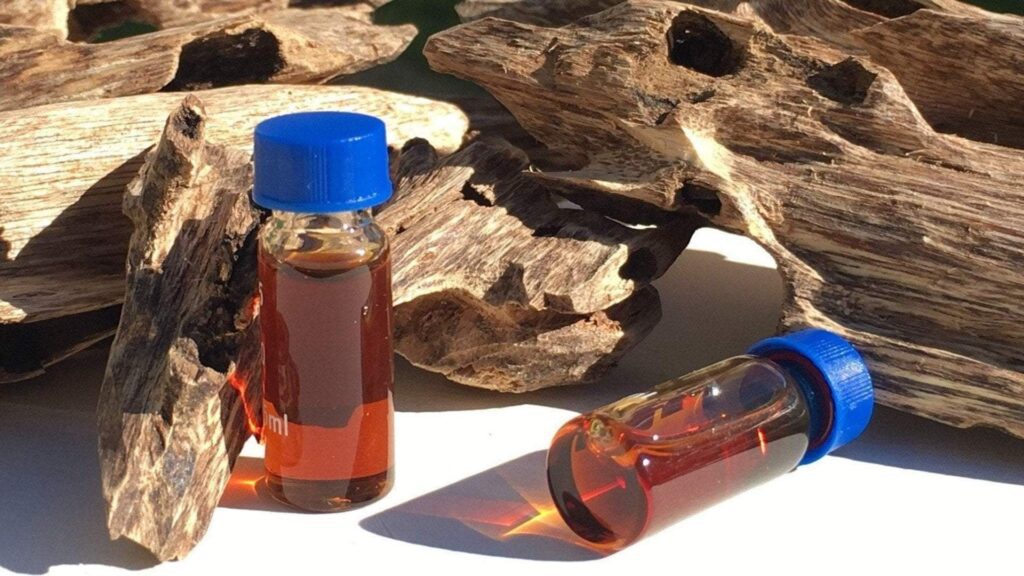
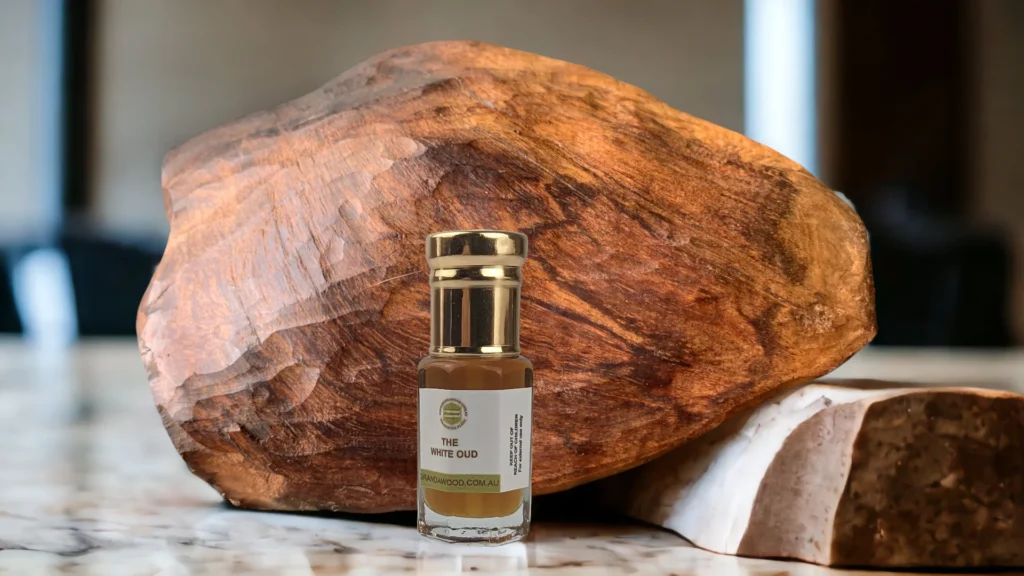
    Agarwood oil — known as oud in the Arabic world and gaharu in Southeast Asia — is one of the rarest, most complex, and most historically revered aromatic substances in human history.

    Commands prices that regularly exceed gold by weight. Appears in religious texts from ancient China, India, and the Middle East. And has been the subject of increasing scientific investigation for its genuine therapeutic properties that support its traditional reputation.

    This guide covers the evidence-based benefits and applications of agarwood oil in aromatherapy — from anxiety relief, sleep support, and meditation to skincare and fine fragrance — with compound data, practical application examples, and safety guidance.

    We also cover the important sustainability context of Indonesian agarwood, the primary global source, and what it means for responsible sourcing.

    As an Indonesian manufacturer of both Aquilaria agarwood oil and Aetoxylon agarwood oil from Kalimantan and Sumatra, we write from direct production and sourcing experience — not as distributors or wellness bloggers.

    Quick Summary: Agarwood Oil Benefits for Aromatherapy
    Agarwood oil is used for: (1) anxiety relief and emotional calming; (2) sleep support and insomnia; (3) meditation and spiritual practice; (4) mood enhancement and antidepressant effects; (5) skin care — anti-ageing, antimicrobial; (6) aphrodisiac and sensory experience; (7) fine fragrance — luxury base note; (8) traditional medicine across Ayurveda, TCM, and Islamic medicine. Read on for the science and practical guidance behind each benefit.

    What Is Agarwood Oil? Formation, Species & Why It Is So Rare

    Agarwood Oil

    Agarwood oil is not extracted from a healthy tree — it is the product of a remarkable biological defence response.

    When Aquilaria or Gyrinops trees are injured or infected by a specific mould (Phialophora parasitica or related species), they produce a dark, dense, aromatic resin in the heartwood as a pathological response.

    It is this resin-saturated heartwood — called agarwood or oud wood — that is steam-distilled to produce agarwood essential oil.

    Not every Aquilaria tree produces this resin — only approximately 7–10% of wild trees are naturally infected, which explains agarwood’s extraordinary rarity and price.

    Cultivated agarwood plantations use inoculation techniques to artificially trigger resin production at scale — this is the primary source of commercial agarwood today, and the approach used in Indonesian sustainable production.

    Key Species from Indonesia

    • Aquilaria malaccensis: The most commercially important species globally. CITES Appendix II listed. Found across Kalimantan, Sumatra, and Java. Produces oil with the classic dark, smoky, resinous oud profile prized in Middle Eastern and Western niche perfumery
    • Aquilaria crassna: Common in Kalimantan. Slightly sweeter, less smoky than malaccensis. Used in both aromatherapy and fine fragrance
    • Aetoxylon sympetalum: A related agarwood-producing species from Kalimantan — produces an oil with a distinctly different, slightly greener-woody character. Available as Aetoxylon agarwood oil from Global Essential Oil

    CITES Status and Sustainability

    All commercially traded Aquilaria species are listed under CITES Appendix II — meaning international trade requires official documentation confirming the oil originates from legal, sustainable sources. Wild harvesting of Aquilaria trees is now severely restricted to protect wild populations.

    ⚠️  Always verify CITES compliance when sourcing agarwood
    When purchasing agarwood oil in bulk for commercial use, always request CITES export documentation and verify that the supplier can confirm the oil originates from legally cultivated, not wild-harvested, trees. Indonesian suppliers with legitimate operations will have CITES permits as a standard document. See our quality verification guide: Understanding COA & GCMS Reports.

    What Makes Agarwood Oil Therapeutically Active? The Chemistry

    agarwood oil therapeutically

    Agarwood oil is one of the most chemically complex essential oils known — containing over 150 identified compounds.

    Unlike most essential oils dominated by one or two primary compounds, agarwood’s therapeutic and aromatic profile is the result of a complex interplay of chromones, sesquiterpenes, and oxygenated derivatives unique to the pathological resin-formation process.

    Chromones — The Signature Compounds

    Chromones (benzopyrones) are the signature compounds of agarwood that no other essential oil contains. They are formed specifically during the resin-producing pathological response of Aquilaria trees. Key chromones include:

    • 2-(2-Phenylethyl)chromones: The most abundant chromone class in agarwood — directly responsible for the distinctive warm, sweet, balsamic-resinous character that defines high-quality oud oil. Their presence and profile in GCMS analysis is used to authenticate genuine agarwood oil versus synthetic blends or lower-quality substitutes
    • Jinkohol and related chromone derivatives: Traditional Japanese incense literature identifies these compounds as responsible for the most prized aspects of agarwood fragrance — their concentration is higher in older, more resin-saturated wood

    Sesquiterpenes — The Therapeutic Fraction

    The sesquiterpene fraction of agarwood oil carries the primary therapeutic activity — particularly for aromatherapy and wellness applications:

    • α-Guaiene and δ-Guaiene: Anti-inflammatory sesquiterpenes — contribute to agarwood oil’s calming and skin-soothing properties. Also present in patchouli and vetiver, reinforcing the therapeutic synergy of these three oils when blended
    • Agarospirol: A bicyclic sesquiterpene alcohol specific to agarwood — associated with the oil’s sedative and anxiolytic properties in pharmacological studies
    • β-Agarofuran and related furanoid sesquiterpenes: Contribute to the distinctive ‘oud’ character and support the oil’s antimicrobial activity
    Why Compound Data Matters for Agarwood Quality Assessment
    A genuine, high-quality agarwood oil should show chromones as a significant fraction in GCMS analysis — their presence confirms authentic resin-origin oil. Synthetic oud oils (increasingly common as the real product commands high prices) will show absence of chromones and an atypical sesquiterpene profile. Always request batch-specific GCMS for agarwood oil purchases. See: Understanding COA & GCMS Reports.

    Agarwood Oil Benefits in Aromatherapy: Evidence and Practice

    agarwood oil in aromatherapy,

    Anxiety Relief and Emotional Calming

    Agarwood oil’s anxiolytic (anxiety-reducing) properties are its most researched therapeutic application.

    A 2022 PMC study confirmed that inhaled agarwood extract demonstrated measurable anxiolytic effects in animal models — with the sesquiterpene fraction, particularly agarospirol, proposed as the primary active compound acting on GABAergic pathways (the same mechanism as pharmaceutical benzodiazepines, though at much lower potency).

    The deep, heavy, resinous aroma of agarwood oil also activates the parasympathetic nervous system response via the olfactory-limbic pathway — the same mechanism documented for vetiver and patchouli oils — helping shift the nervous system from sympathetic (fight-or-flight) to parasympathetic (rest-and-digest) states.

    Practical application: 2–3 drops in a cold diffuser for 20–30 minutes. For direct calming: 1 drop in 1 teaspoon of VCO applied to inner wrists or base of throat. Blend with 2 drops bergamot to add uplifting freshness to the grounding base.

    Sleep Support and Insomnia

    Agarwood’s sedative properties — documented in traditional medicine across Ayurveda, TCM, and Islamic medicine — are supported by emerging pharmacological evidence.

    The sesquiterpene fraction’s effects on GABAergic and serotonergic pathways provide a plausible mechanism for the sleep-facilitating properties observed in traditional practice.

    Practical application: 2 drops agarwood + 2 drops lavender + 1 drop vetiver in diffuser for 20 minutes before sleep. The combination creates a deeply grounding, sleep-conducive aromatic environment. Alternatively: 1 drop agarwood on a tissue placed near the pillow — the aroma will gradually diffuse throughout the night.

    Meditation and Spiritual Practice

    This is arguably the oldest and most cross-culturally consistent use of agarwood — its presence in religious and spiritual contexts spans thousands of years across virtually every major religious tradition:

    • Islamic tradition: Oud is the most prized incense in Islamic practice — used in mosques and for personal purification. The Prophet Muhammad is recorded to have recommended burning agarwood for spiritual purification
    • Buddhism: Agarwood incense is burned in temples across Japan, China, Korea, and Southeast Asia. Japanese kōdō (“the way of incense”) is an entire art form centred on appreciating agarwood’s subtle aromatic transformations
    • Hinduism: Referenced in Sanskrit texts including the Vedas — used in temple rituals, yoga practice, and Ayurvedic medicine
    • Christianity: References to ‘aloe’ in the Old Testament are believed by some scholars to refer to agarwood — its use as incense in early Christian religious practice is documented

    Practical application for meditation: 1–2 drops in diffuser or on a charcoal incense disk 10–15 minutes before meditation practice. The aroma creates an immediate sensory shift that helps establish a meditative mindset — experienced meditators often report that consistent use of agarwood creates a conditioned response that facilitates entering meditative states more quickly over time.

    Mood Enhancement and Antidepressant Effects

    Agarwood oil’s effects on mood go beyond simple relaxation. Traditional medicine systems consistently describe it as a “spirit lifter” — improving overall emotional tone, reducing feelings of heaviness or sadness, and promoting a sense of wellbeing.

    Pharmacological investigation has identified inhibition of 5-HT (serotonin) reuptake as a potential mechanism — the same pathway targeted by SSRI antidepressants, though at fundamentally different potency levels.

    Practical application: Personal inhaler with 3 drops agarwood + 2 drops bergamot — carried for use during low-mood moments. Or 2–3 drops in diffuser for general uplifting environment in home or workspace.

    Skin Care Benefits

    The sesquiterpene and chromone fractions of agarwood oil contribute several skin-relevant properties:

    • Anti-inflammatory: α-Guaiene and related sesquiterpenes reduce skin inflammation — relevant for reactive, sensitive, and acne-prone skin
    • Antimicrobial: Inhibitory activity against P. acnes and S. aureus documented in laboratory studies — supports use in acne formulations
    • Antioxidant: Chromone fraction demonstrates free radical scavenging — relevant for anti-ageing applications

    Practical application: 0.5–1% agarwood oil in a luxury facial serum or body oil. Its heavy, resinous character makes it best suited to night-time application in an oil or rich cream base. Blends exceptionally with patchouli MD grade and vetiver for a luxurious Indonesian-origin skincare oil.

    Aphrodisiac and Sensory Experience

    Agarwood oil’s reputation as an aphrodisiac is one of its longest-documented traditional uses — appearing in texts from ancient India, Arabia, and China.

    The mechanism likely involves the oil’s complex interaction with the limbic system (the brain’s emotional and instinctive processing centre) and its powerful effect on mood and physical relaxation.

    The deep, warm, animalic-sweet character of oud oil has a documented cross-cultural association with intimacy and attraction.

    Agarwood Oil in Traditional Medicine Systems

    agarwood oil in traditional

    The therapeutic tradition of agarwood spans multiple established medical systems — each approaching its benefits from a different theoretical framework but consistently arriving at similar applications:

    Medical SystemTraditional Uses of AgarwoodActive Preparation
    Ayurveda (India)Digestive disorders, respiratory conditions, nervous system disorders, mental clarity, joint pain, feverOil, decoction, incense smoke inhalation
    Traditional Chinese Medicine (TCM)Regulating qi, relieving pain, calming shen (spirit), digestive disorders, asthma, vomitingOral decoction, incense, topical application
    Tibetan MedicineMental disorders, emotional imbalance, ‘wind’ diseases (anxiety, insomnia, tremors)Compound formulas, incense
    Islamic Medicine (Unani)Strengthening heart and brain, improving memory, purification, aphrodisiacFumigation (incense), oil application, oral preparations
    Japanese KampoSedative effects, digestive supportDecoction; refined form in kōdō (incense ceremony)

    Agarwood Oil in Fine Fragrance: The Perfumer’s Perspective

    In fine fragrance, agarwood oil occupies a position of unparalleled prestige — it is the single most expensive natural ingredient used in mainstream commercial perfumery, and the foundation of an entire fragrance family (oud/oriental) that now dominates the Middle Eastern market and has powerfully influenced Western niche and mainstream perfumery.

    Agarwood as a Luxury Base Note

    Agarwood functions primarily as a base note — contributing deep, resinous, sweet-smoky warmth to a composition.

    Its extraordinary longevity (lasting on skin for 12–24+ hours from quality oil) makes it one of the most powerful natural fixatives available.

    Major fragrance houses — including Tom Ford, Chanel, Dior, Amouage, and Creed — have launched oud-featuring compositions that have become commercial benchmarks.

    Indonesian Agarwood in Modern Perfumery

    Indonesian agarwood oil — particularly from Kalimantan (Borneo) — has a distinctive character: deeper, smokier, more resinous than Cambodian or Indian oud.

    It is particularly prized by niche perfumers for its animalic, leathery facets that add complexity to oriental and oud compositions.

    Vetiver from Garut, West Java and dark patchouli from Sulawesi are the natural blending partners for Indonesian agarwood — creating a fully Indonesian-origin luxury base accord.

    Practical Blending Guide

    • Patchouli (Dark grade) at 3:1 (patchouli:agarwood) — earthy-resinous oriental base. The most classic Indonesian luxury accord
    • Vetiver (Garut) at 2:1 (vetiver:agarwood) — smoky-volcanic depth. Used in niche oud compositions for maximum complexity
    • Rose absolute at 5:1 (rose:agarwood) — floral-oud accord. The foundation of the classic Middle Eastern oud rose fragrance genre
    • Frankincense + agarwood at 1:1 — sacred incense accord for meditation products and spiritual fragrance

    How to Use Agarwood Oil: Practical Guide

    Aromatherapy Diffusion

    Add 1–3 drops of agarwood oil to a cold-water diffuser with 100ml water. Agarwood’s heavy, complex aroma requires very small amounts — its concentration and tenacity mean that even 1–2 drops will fill a room.

    Run for 15–20 minute sessions; unlike lighter oils, agarwood’s aroma persists in the room long after the diffuser stops. Best times: before meditation, before sleep, or for creating a special ambience.

    Personal Inhaler

    2–3 drops on a personal inhaler wick — the most economical way to use agarwood oil therapeutically, preserving the expensive oil for targeted inhalation rather than diffusion.

    Ideal for anxiety management during the day without exposing others to the aroma.

    Topical Application

    Dilute 0.5–1% in a carrier oil for skin application. Virgin Coconut Oil (VCO) is an excellent carrier — its mild scent does not compete with agarwood’s complex profile.

    Apply to: pulse points (inner wrist, neck) for personal fragrance; affected areas for skin care; chest and back for respiratory support during aromatherapy.

    Traditional Incense / Bakhoor

    In Middle Eastern tradition, agarwood wood chips (oud/bakhoor) are burned on charcoal for fumigation of rooms, clothing, and personal spaces.

    For those using agarwood oil rather than wood chips, place 2–3 drops on an incense disk or charcoal — the result is similar but more oil-efficient than burning chips.

    Agarwood Oil Safety: What You Need to Know

    • Always dilute for skin: Maximum 1–2% in carrier oil for leave-on application. Undiluted application can cause sensitisation — agarwood contains reactive sesquiterpene aldehydes that can irritate sensitive skin
    • Patch test: Apply 1% dilution to inner arm, wait 24 hours before broader use. Agarwood allergies are uncommon but documented
    • IFRA status: Agarwood oil is IFRA-approved for fragrance use — usage limits vary by product category. For leave-on cosmetics, stay within category-appropriate limits
    • Pregnancy: As with all essential oils, consult a healthcare professional before using during pregnancy. Traditional systems have documented both therapeutic and contraindicated uses — professional guidance is recommended
    • Quality and adulteration: Agarwood oil is one of the most frequently adulterated essential oils due to its high price. Synthetic oud, diluted oil, and oils from non-Aquilaria sources are common in the market. Always request GCMS analysis confirming chromone presence before purchasing
    • Sustainability: Only purchase from suppliers who can provide CITES documentation confirming legal, cultivated origin. Wild agarwood is an endangered resource — responsible purchasing matters

    Sourcing Indonesian Agarwood Oil: What Buyers Need to Know

    For fragrance houses, cosmetic manufacturers, and therapeutic product brands sourcing agarwood oil in bulk, Indonesia remains the most important and accessible source of legal, documented agarwood oil:

    • Aquilaria malaccensis from Kalimantan: Deep, classic Indonesian oud character — most prized for niche perfumery
    • Aetoxylon sympetalum from Kalimantan: Lighter, woody-green character — more affordable, suitable for personal care and therapeutic applications
    • Required documentation: CITES export permit (mandatory), batch-specific COA + GCMS (confirms chromone content), MSDS, Halal certificate if required
    • MOQ: 5–50ml sample for evaluation; 500g–1kg for small bulk; 5kg+ for industrial/fragrance applications

    For complete supplier verification and sourcing guidance from Indonesia, see: How to Source Essential Oils from Indonesia. For the full range of Indonesian agarwood and other essential oils, see: Essential Oils from Indonesia — Complete List.

    Request Indonesian Agarwood Oil Sample
    Contact Global Essential Oil to request an Aquilaria or Aetoxylon agarwood oil sample from our current Kalimantan stock — with batch-specific COA, GCMS (chromone content), CITES documentation, and Halal certificate. We respond within 1 business day.
    → Contact Global Essential Oil — Request Agarwood Oil Sample Now

    Or visit our product pages: Aquilaria Agarwood Essential Oil · Aetoxylon Agarwood Essential Oil.

  • What Is Vetiver Oil Good For? Benefits, Uses & Practical Application Guide

    What Is Vetiver Oil Good For? Benefits, Uses & Practical Application Guide

    what is vetiver oil good for

    Vetiver oil is one of the most complex, multi-functional, and underappreciated essential oils available.

    Called “the oil of tranquillity” in India and “miracle grass” in ancient Chinese medicine, it has been used therapeutically for thousands of years across Ayurvedic, TCM, and Southeast Asian healing traditions.

    Today, it is valued across an extraordinary range of applications: from anxiety and focus support to luxury perfumery, premium skincare, and soil erosion control.

    The question “what is vetiver oil good for?” deserves a comprehensive answer — one that goes beyond the generic lists found on most wellness websites.

    This guide covers vetiver oil’s 9 most well-documented uses with practical application examples, the chemistry behind why it works, how origin (particularly Garut, West Java, Indonesia) affects oil quality, and what formulators and brand owners need to know about sourcing it in bulk.

    We write this as Global Essential Oil — an Indonesian manufacturer of Garut vetiver oil, produced from Chrysopogon zizanioides roots grown in the volcanic highland soils of Garut, West Java. This origin context matters — as we explain in Section 2.

    Quick Summary: What Is Vetiver Oil Good For?
    Vetiver oil is good for: (1) anxiety relief and emotional grounding; (2) focus and ADHD support; (3) sleep improvement; (4) skincare — anti-ageing, acne, and scar healing; (5) hair and scalp care; (6) fine fragrance — as a base note and fixative; (7) natural insect repellent; (8) massage and muscle recovery; (9) meditation and spiritual practice. Read on for detailed guidance on each use.

    What Is Vetiver Oil? Botanical Profile & Key Compounds

    what is vetiver oil

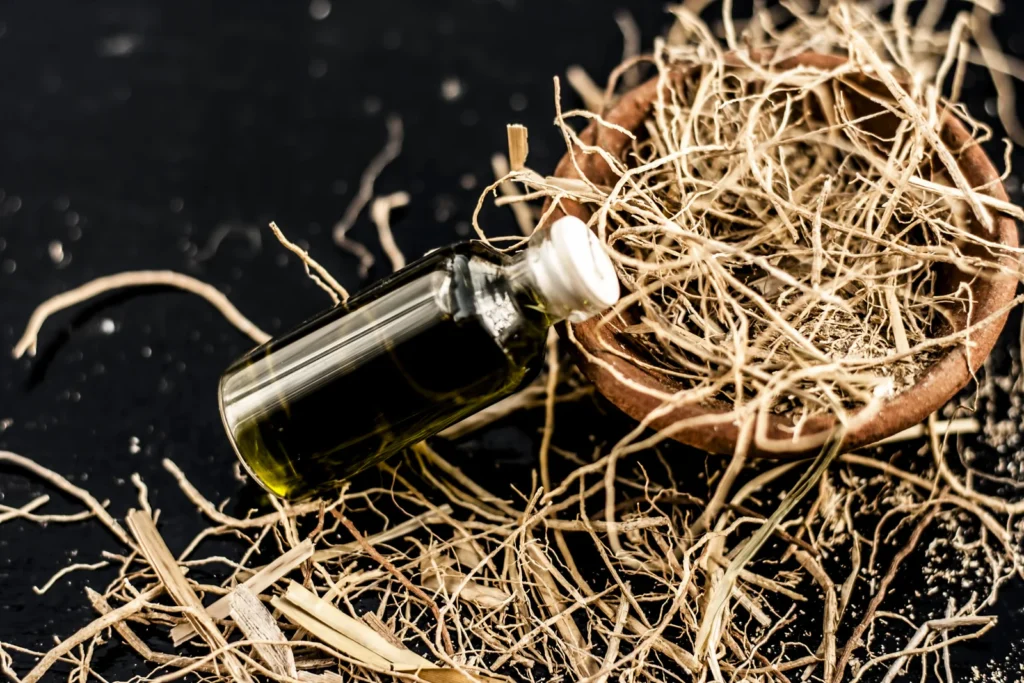
    Vetiver oil is an essential oil extracted by steam distillation of the dried roots of Chrysopogon zizanioides (L.) Roberty (formerly classified as Vetiveria zizanioides) — a tall, perennial, clumping grass in the family Poaceae.

    Native to India and now cultivated across tropical regions including Indonesia, Haiti, and Réunion Island, it is known by several names: khus oil (India), vetiver (French Creole), and in Indonesia as akar wangi (“fragrant root”).

    Unlike most essential oils that are distilled from leaves, flowers, or bark, vetiver oil comes from the root system — which gives it a uniquely complex, earthy, woody, and deeply grounding aroma profile that no other essential oil replicates.

    The roots are harvested after 12–24 months of growth, washed, dried, and then submitted to steam distillation for 15–24 hours — one of the longest distillation times of any commercially produced essential oil — to extract its full chemical complexity.

    Key Active Compounds

    Vetiver oil contains over 100 identified compounds — primarily sesquiterpene hydrocarbons and oxygenated sesquiterpenes. The key compounds and their functional roles:

    • Khusimol (vetiver alcohol), 5–15%: Primary sesquiterpene alcohol — the key quality marker and the compound most associated with vetiver’s characteristic grounding aroma. Higher khusimol % generally indicates superior quality and more potent fixative properties.
    • Isovalencenol, 5–10%: Important sesquiterpene alcohol contributing to the earthy, rooty character of the oil and its anti-anxiety activity
    • α-Vetivone and β-Vetivone, 2–8%: Sesquiterpene ketones — contribute a distinctive smoky, incense-like facet to the aroma. Higher in Réunion (Java) type than Indian type.
    • Zizaene and other sesquiterpene hydrocarbons, 10–20%: Structural complexity contributors — the large number of sesquiterpene hydrocarbons gives vetiver its unmatched aroma complexity in perfumery
    • Vetiselinenol, vetivazulene (trace): Minor compounds contributing blue-green tint in some vetiver oils — not present in Garut type at significant levels

    Why Origin Defines Vetiver Oil Quality

    Unlike most essential oils where origin differences are subtle, vetiver oil from different origins has meaningfully different chemical profiles and aroma characters — significant enough that perfumers actively specify origin in their briefs:

    OriginKey CharacterKhusimol %Best For
    Garut, West Java, IndonesiaSmoky, earthy, woody — deep volcanic character. Dark, intense, complex.8–14%Premium perfumery (Oriental, Oud), luxury skincare, men’s grooming
    Haiti (Ayiti)Cleaner, rooty, slightly sweet — most widely used globally7–12%Fine fragrance, mainstream cosmetics, personal care
    India (Rajasthan)Mildly grassy-earthy, less complex than Java or Haiti5–10%Aromatherapy, Ayurvedic preparations, functional wellness
    Réunion Island (Java type)Closest to Garut in character — deep, smoky, complex8–13%Niche perfumery, luxury formulations
    Sri LankaLighter, more grassy — less valued commercially5–8%Economy fragrance, basic personal care
    Why Garut, West Java Is the Premium Indonesian Origin
    Garut’s volcanic soil — formed from the geothermal activity of the Papandayan and Guntur volcanic complexes — provides a unique mineral-rich growing medium that develops higher sesquiterpene complexity in the vetiver root system than flat-plain cultivation. The resulting oil has a distinctly deeper, smokier, more resinous character than Indian or mass-market Haitian vetiver — which is why Indonesian Garut vetiver commands premium pricing from niche perfume houses and luxury cosmetics manufacturers. For the complete Garut origin guide, see: Vetiver Oil Supplier Indonesia — Garut Origin Guide.

    Vetiver Oil for Anxiety, Stress Relief & Emotional Grounding

    Global Essential Oil, What Is Vetiver Oil Good For? Benefits, Uses & Practical Application Guide

    This is vetiver oil’s most celebrated and best-documented wellness application.

    The oil has been called “the oil of tranquillity” — and its grounding, calming effect on the nervous system is supported by both centuries of Ayurvedic and traditional medicine use and emerging scientific evidence.

    The Science Behind Vetiver’s Calming Effect

    A 2015 animal study linked vetiver inhalation to measurable stress reduction — subjects showed increased GABA-A receptor modulation after exposure to vetiver oil vapour, which is the same mechanism targeted by benzodiazepine anxiolytic drugs.

    While this does not make vetiver a pharmaceutical substitute, it provides a plausible mechanism for the relaxing effect widely reported by users and practitioners.

    The sesquiterpene alcohols in vetiver oil — particularly khusimol and isovalencenol — are thought to modulate the limbic system (the brain’s emotional processing centre) via olfactory pathways.

    This direct neural pathway — from nose to limbic system — is why inhaled vetiver oil can have a relatively rapid calming effect.

    Practical Application for Anxiety and Grounding

    • Diffusion: 3–5 drops in a cold-water diffuser for 20–30 minutes. Blend with 2 drops bergamot or lavender to soften the intensity — vetiver’s heavy aroma can be overwhelming in a small space at full strength
    • Pulse point application: 1–2% dilution in Virgin Coconut Oil (VCO) or jojoba. Apply to inner wrists, base of throat, or behind ears. The slow volatilisation from skin provides sustained aroma exposure
    • Inhaler stick: 3–4 drops on a personal inhaler wick — allows targeted inhalation during moments of acute anxiety without affecting others in the same space
    • Bath: 5–8 drops in 1 tablespoon bath dispersant — the combination of warm water and vetiver vapour creates a deeply relaxing, grounding bath experience

    Vetiver Oil for Focus, Concentration & ADHD Support

    Vetiver Oil

    One of the most surprising and scientifically interesting applications of vetiver oil is its positive effect on focus and concentration — particularly in children and adults with attention challenges.

    This is the opposite of what most people expect from a ‘calming’ oil, but the mechanism is distinct: vetiver appears to reduce mental noise and distractibility rather than inducing sedation, allowing focused attention to emerge.

    ADHD Research

    A 2001 pilot study by Dr. Terry Friedmann assessed the effects of vetiver oil inhalation on children with ADHD over 30 days.

    The results showed improvement in academic performance and teacher-rated attention scores, with some subjects showing improvements described as up to 100% better focus scores.

    While this was a small pilot study and not a clinical trial, it generated significant interest in vetiver for attentional support.

    A 2016 controlled study on human subjects found that vetiver inhalation decreased mental fatigue and demonstrated measurable increases in alertness and attentional performance.

    The proposed mechanism involves vetiver’s sesquiterpenes modulating dopamine and norepinephrine pathways — the same neurotransmitter systems involved in attention regulation.

    Practical Application for Focus

    • Study/work diffusion: 2–3 drops vetiver + 1 drop rosemary in diffuser while working or studying. The vetiver grounds mental restlessness; the rosemary adds mental clarity and alertness
    • Pre-task inhaler: 2 drops vetiver + 1 drop peppermint on personal inhaler. Inhale 3–5 times before a focused task to reduce mental distraction
    • Children’s aromatherapy: For children exploring aromatherapy for focus support — use very light concentration (0.5–1%) and cold diffusion only. Always consult a qualified aromatherapist for children’s use protocols

    Vetiver Oil for Sleep Support

    Vetiver oil’s sedative-adjacent properties — its ability to quiet mental restlessness and reduce anxiety without causing grogginess — make it a valuable tool in sleep support protocols.

    Unlike pharmaceutical sleep aids, vetiver does not alter REM architecture; it works by reducing the pre-sleep mental activation that prevents natural sleep onset.

    Practical Application for Sleep

    • Pre-sleep diffusion: 2 drops vetiver + 2 drops lavender + 1 drop patchouli in diffuser for 20 minutes before sleep. This combination creates a deeply grounding, sleep-inducing environment
    • Pillow spray: 3–5 drops vetiver in 100ml water + 1 teaspoon vodka (emulsifier) in a small spray bottle. Mist pillow and pillowcase 20 minutes before sleep. The slow release of vetiver vapour supports sustained sleep depth
    • Foot massage: Traditional Ayurvedic application — 2% vetiver in sesame or coconut oil, massaged into the soles of the feet before bed. The feet’s rich nerve endings make this an effective route for the grounding effect
    Note on vetiver and snoring
    Some sources suggest vetiver oil diffusion may reduce snoring by supporting deeper, more regular breathing during sleep. This is based on limited anecdotal evidence, not controlled clinical data. If snoring is a significant health concern, consult a healthcare professional for proper assessment.

    Vetiver Oil for Skincare: What Does the Research Say?

    vetiver essential oil

    The 2017 PMC study (Burger et al., Medicines) — one of only five top-ranking pages for this keyword — specifically examined vetiver oil’s cosmetic applications and confirmed several evidence-backed skin benefits.

    The study identified vetiver oil as a promising cosmetic ingredient particularly for its antioxidant, anti-inflammatory, and antimicrobial properties.

    Anti-Ageing and Antioxidant Activity

    The Burger et al. 2017 study confirmed that vetiver oil demonstrates significant antioxidant activity — neutralising free radicals that accelerate skin ageing, collagen degradation, and uneven skin tone.

    The sesquiterpene fraction — particularly khusimol and vetivone — is responsible for this activity.

    Practical application: 0.5–1% vetiver oil in a facial serum or night oil. Pairs excellently with rosehip seed or argan oil as a carrier for enhanced antioxidant synergy.

    Garut type preferred for skincare due to higher sesquiterpene complexity and richer compound profile than Indian type.

    Acne and Antimicrobial Properties

    Vetiver oil demonstrates antimicrobial activity relevant to acne management — inhibitory activity against Propionibacterium acnes (acne-causing bacteria) and Staphylococcus aureus (secondary skin infection bacteria) has been documented in laboratory studies.

    The oil’s sebum-regulating astringent properties also help control excess sebum on oily and combination skin.

    Practical application: 0.5% vetiver in jojoba oil as a daily facial oil for oily/acne-prone skin. Combine with lemongrass oil (0.5% lemongrass + 0.5% vetiver) for enhanced antimicrobial activity and brightening effect.

    Scar and Wound Healing Support

    Vetiver oil’s cicatrisant properties — its ability to support the healing of scars and skin marks — are referenced in both traditional Ayurvedic literature and modern phytochemical studies.

    The mechanism involves stimulation of new cell growth (cytophylaxis) and anti-inflammatory action that supports the scar remodelling process.

    Dry and Mature Skin

    Vetiver oil’s lipophilic, high-molecular-weight sesquiterpene fraction provides excellent emollient and skin-barrier-supporting properties for dry and mature skin. Its antioxidant activity adds anti-ageing function, and its minimal skin sensitisation risk at appropriate concentrations makes it suitable for long-term daily use.

    Related Reading

    →  Pure Patchouli Oil Benefits for Skin — Companion Skincare Guide

    →  Lemongrass Oil Benefits for Cosmetics — Complementary Skincare Ingredient

    Vetiver Oil in Fine Fragrance and Perfumery

    Vetiver oil’s role in fine fragrance is one of the most commercially significant of any essential oil — and it is an area where Indonesian Garut vetiver has a distinct quality advantage over other origins.

    For a complete technical guide to vetiver in perfumery, see: Vetiver Oil in Perfumery — Formulator’s Guide.

    Role as a Base Note

    Vetiver is one of perfumery’s most important base notes — it possesses exceptional tenacity, projecting its earthy, woody character for many hours on skin and fabric.

    It occupies a similar structural role to patchouli, sandalwood, and oakmoss in providing depth, longevity, and naturalness to fragrance compositions.

    Role as a Fixative

    Like patchouli, vetiver functions as a natural fixative in fragrance composition — anchoring more volatile top and heart notes and extending the overall longevity of the composition on skin.

    The high molecular weight of its sesquiterpene alcohols (particularly khusimol) makes this fixative action especially effective at low concentrations.

    Famous Fragrances Featuring Vetiver

    • Guerlain Vetiver (1959): The most famous vetiver fragrance — a classic masculine composition that put vetiver on the global perfumery map
    • Hermès Terre d’Hermès: Vetiver in a mineralic-woody accord — one of the best-selling masculine fragrances of the 21st century
    • Chanel Sycomore: Vetiver-dominant luxury composition showcasing the depth of high-quality vetiver
    • Dior Eau Sauvage: Vetiver as structural base under citrus — defining the modern cologne category

    Blending Partners for Vetiver

    Vetiver pairs exceptionally well with other Indonesian essential oils available from Global Essential Oil — enabling single-supplier sourcing:

    • Patchouli Oil (Dark grade) at 1:2 (vetiver:patchouli) — deep oriental base accord. The combination of vetiver’s smokiness and patchouli’s earthiness creates an exceptionally complex base note
    • Lemongrass Oil at 1:6 (vetiver:lemongrass) — grounding effect under bright citrus notes. Classic structure for fresh-earthy masculine compositions
    • Agarwood (Oud) oil at 1:1 — Indonesian oud-inspired luxury accord. Both oils from the same Indonesian archipelago, combining vetiver’s earthiness with oud’s resinous depth

    Other Uses of Vetiver Oil

    Hair and Scalp Care

    Vetiver oil has been used in traditional Indian hair care for centuries — and with good reason.

    Its antimicrobial, sebum-regulating, and scalp-stimulating properties make it a functional ingredient in hair care formulations.

    Use Light-coloured vetiver (Haitian or lighter Indonesian batches) for formulations where colour neutrality matters. Usage: 0.3–0.8% in shampoo or scalp serum.

    Natural Insect Repellent

    Vetiver oil has documented repellent activity against termites, ticks, and mosquito larvae — making it useful in natural pest deterrent formulations.

    A 2001 study found vetiver significantly reduced termite tunnelling activity. Blend with citronella oil for a broader-spectrum natural repellent.

    Massage and Muscle Recovery

    Vetiver oil’s anti-inflammatory and warming properties make it a valued ingredient in massage oil blends for muscle tension, joint discomfort, and sports recovery.

    The grounding aroma adds a therapeutic mental dimension to physical massage. Usage: 1–2% in a warming carrier such as VCO or sesame oil.

    Traditional and Cultural Uses

    Vetiver has deep roots in Ayurvedic medicine (Ushira in Sanskrit) — used for muscle pains, headaches, fevers, and loss of energy.

    In traditional Chinese medicine, it was used to balance emotions and dispel negative energy.

    In South Asian culture, vetiver roots were woven into “khus curtains” — screens hung in windows through which water was dripped, creating a fragrant natural air conditioning effect in hot weather.

    This cooling-fragrance application, still practiced today, is one of the oldest documented uses of vetiver in human history.

    How to Use Vetiver Oil Safely

    • Always dilute: Maximum 2–3% for leave-on skin applications; 0.5–1% for facial use. Vetiver’s viscosity means it is best pre-diluted before adding to formulations
    • Viscosity note: Vetiver oil is notably more viscous than most essential oils — particularly in cooler temperatures. Gentle warming of the bottle (in warm water, not direct heat) before use makes dispensing easier
    • Skin sensitisation risk: Vetiver oil has low sensitisation potential compared to many other essential oils — but patch testing is always recommended for new users or sensitive skin types
    • Pregnancy: As with all essential oils, consult a qualified healthcare practitioner before use during pregnancy. Traditional Ayurvedic use during pregnancy is documented but should be approached with medical guidance
    • Children: Appropriate for aromatherapy use in children over 2 years at very low concentrations (0.5–1%). The ADHD focus research was conducted with light inhalation protocols — not topical application
    • Quality matters: Vetiver oil adulteration is common — synthetic isovalencenol and synthetic sesquiterpenes can be used to extend or replace genuine vetiver oil. Always request a GCMS report to verify authentic Garut or Haiti compound profile. See: Understanding COA & GCMS Reports.

    Vetiver Oil for Industry: Sourcing at Commercial Scale

    For formulators, cosmetic brands, and fragrance houses sourcing vetiver oil in bulk from Indonesia, here is what you need to know:

    ApplicationOrigin RecommendedMOQKey Documents
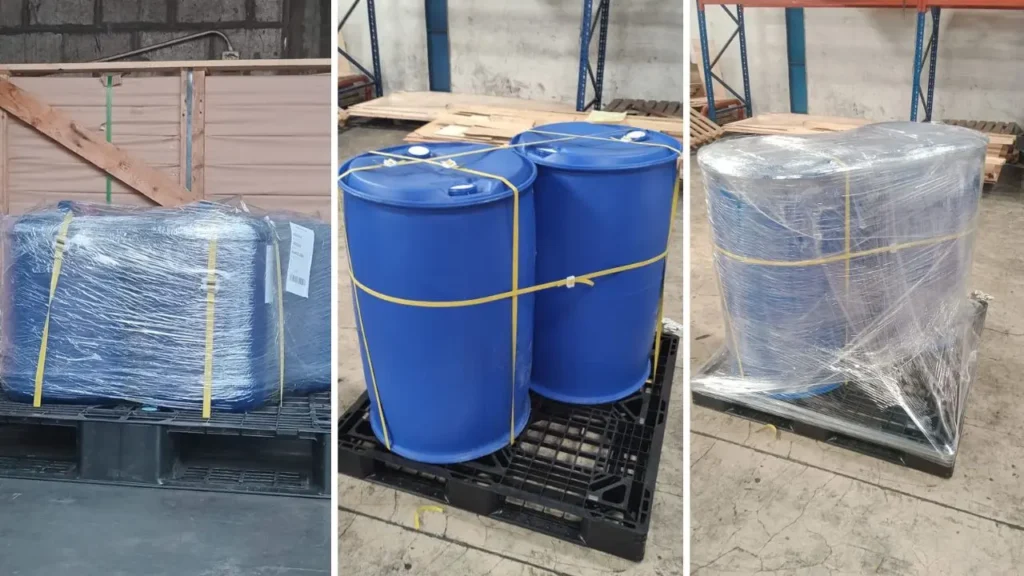
    Niche/luxury fine fragranceGarut, West Java5–25 kg trial, then 180 kg drumCOA + GCMS (khusimol %), MSDS, Halal cert
    Mainstream fragrance & personal careGarut or standard Indonesian25–180 kgCOA + GCMS, MSDS, Halal cert
    Premium skincareGarut, West Java5–25 kg (trial), scale to drumCOA + GCMS, MSDS, Halal cert
    Aromatherapy & wellness brandIndonesian (any grade)1–25 kgCOA, MSDS, Halal cert
    Private label formulationsGarut preferredTrial: 5 kgCOA + GCMS, Halal cert, then scale

    For complete supplier verification and bulk ordering guide, see: Vetiver Oil Supplier Indonesia — Garut, West Java.

    For perfumery applications, see: Vetiver Oil in Perfumery — Usage Rates & Blending Guide.

    For the full range of Indonesian essential oils, see: How to Source Essential Oils from Indonesia.

    Final Thoughts

    Vetiver oil is one of the most versatile essential oils available — moving seamlessly from wellness applications (anxiety, focus, sleep) to luxury perfumery, premium skincare, and traditional cultural practices.

    Its extraordinary complexity, exceptional tenacity, and broad functional profile make it worth knowing in depth, regardless of whether you are a curious consumer, a practitioner, or an industrial formulator.

    The question “what is vetiver oil good for?” has a genuinely rich answer — and we hope this guide has done it justice.

    For Indonesian Garut vetiver specifically, the answer is even more compelling: one of the most distinctive, terroir-specific essential oils produced anywhere in the world, from volcanic soils that leave their character unmistakably in the oil.

    Request Indonesian Garut Vetiver Oil Sample
    Contact Global Essential Oil to request a Garut vetiver oil sample from our current West Java stock — with batch-specific COA (khusimol %), GCMS compound profile, MSDS, and Halal certificate. We respond within 1 business day.
    → Contact Global Essential Oil — Request Garut Vetiver Sample Now

    Or visit our Vetiver Essential Oil product page for full specifications, or explore the complete Indonesian essential oil range.

  • What Is Patchouli Oil Used For? 10 Proven Uses, Benefits & Practical Application Guide

    What Is Patchouli Oil Used For? 10 Proven Uses, Benefits & Practical Application Guide

    what is patchouli oil used for

    Patchouli oil is one of the most recognisable and widely used essential oils in the world — yet it remains one of the most misunderstood.

    Many people know it for its distinctive earthy, musky aroma and its association with 1960s counterculture, but far fewer know about its remarkable functional versatility across skincare, haircare, aromatherapy, fine fragrance, soap manufacturing, home care, and pharmaceutical applications.

    This guide answers the question “what is patchouli oil used for” comprehensively — covering 10 proven uses with practical application guidance for both consumers and professional users.

    We also cover the science behind why patchouli works, how to choose the right grade, safety guidelines, and frequently asked questions.

    As one of the world’s largest manufacturers of Indonesian patchouli oil — produced from Pogostemon cablin plants grown in the volcanic highlands of Sulawesi and Sumatra — we bring a unique perspective to this topic: the experience of actually producing, testing, and supplying this oil to industries around the world.

    Quick Summary: What Is Patchouli Oil Used For?
    Patchouli oil is used for: (1) skincare — acne, eczema, anti-ageing; (2) aromatherapy — stress relief, grounding; (3) hair care — scalp health, dandruff control; (4) fine fragrance — base note and fixative; (5) soap manufacturing — fragrance and antimicrobial; (6) natural insect repellent; (7) home fragrance — candles, diffusers; (8) massage and body oil; (9) natural deodorant; (10) industrial cosmetic manufacturing. Read on for detailed guidance on each use.

    What Is Patchouli Oil? A Brief Overview

    What Is Patchouli Oil

    Patchouli oil is an essential oil produced by steam distillation of the dried leaves of Pogostemon cablin (Blanco) Benth. — a perennial aromatic herb in the family Lamiaceae, native to tropical Asia.

    The plant grows 50–100cm tall with soft, fuzzy leaves that release a characteristic earthy aroma when crushed.

    Indonesia — specifically the islands of Sulawesi, Sumatra, and Java — accounts for approximately 80–90% of global patchouli oil production, making it the definitive source for this ingredient.

    The combination of volcanic soil, tropical highland climate, and generational farming expertise produces patchouli oil with consistently high patchoulol content — the primary active compound responsible for the oil’s characteristic aroma and therapeutic properties.

    Key Active Compounds

    • Patchoulol (patchouli alcohol), 29–35%: Primary sesquiterpene alcohol — responsible for the distinctive deep, earthy aroma and the oil’s anti-inflammatory, antimicrobial, and fixative properties. The percentage of patchoulol is the most important quality indicator for patchouli oil.
    • β-Caryophyllene, 5–12%: Sesquiterpene with documented CB2 receptor agonist activity — contributes to anti-inflammatory effects, particularly relevant for skin applications.
    • α-Guaiene, α-Bulnesene, β-Patchoulene: Sesquiterpene hydrocarbons contributing to aroma complexity and the oil’s skin-penetrating character.
    • Norpatchoulenol (trace): Responsible for the characteristic ‘top note’ of genuine patchouli — its presence or absence in GCMS analysis indicates oil authenticity.

    Available Grades

    Patchouli oil is traded in three commercial grades, each suited to different applications. Choosing the right grade matters significantly for both performance and formulation aesthetics:

    • Dark grade: Deep amber to dark brown — maximum aroma intensity, most affordable. Best for soap, incense, and opaque cosmetic formulations.
    • Light (Iron-Free) grade: Pale yellow to light gold — colour-neutral, cleaner aroma. Best for transparent soaps, skincare serums, and hair care where colour matters.
    • MD (Molecular Distilled) grade: Near-colourless — highest patchoulol content (≥32%), most refined. Best for luxury fragrance and premium anti-ageing skincare.

    For a complete technical comparison of all three grades, see: Patchouli Oil Grades Explained — Dark, Light & MD.

    Patchouli Oil for Skincare: Benefits & How to Use

    patchouli oil for skincare

    Skincare is one of the most established applications of patchouli oil — and unlike many botanical claims, patchouli’s skin benefits are backed by documented pharmacological mechanisms.

    The oil functions as both a fragrance component and a functional active in cosmetic formulations.

    Acne-Prone Skin

    Patchouli oil addresses the three primary mechanisms of acne: excess sebum production, bacterial colonisation, and inflammation.

    Patchoulol demonstrates inhibitory activity against Cutibacterium acnes (the primary acne-causing bacterium); β-caryophyllene reduces inflammatory response; and the oil’s astringent action helps regulate sebum secretion.

    Practical application: 1–2 drops of Light (Iron-Free) grade patchouli oil in 1 teaspoon of jojoba oil. Apply as a spot treatment or diluted facial oil.

    Do not use Dark grade for facial applications — the amber colour can temporarily tint skin.

    Eczema and Sensitive Skin

    Patchouli oil’s cytophylactic properties — the promotion of new cell growth — support recovery of the compromised skin barrier characteristic of eczema. β-Caryophyllene’s CB2 agonist activity reduces chronic skin inflammation.

    A 2021 study confirmed that patchoulol demonstrates meaningful anti-inflammatory activity through NF-κB pathway inhibition.

    Practical application: 0.5% patchouli in a gentle carrier (oat oil or calendula-infused carrier) for sensitive skin. Always patch test 24 hours before full facial use. Avoid on broken or actively weeping eczema.

    Anti-Ageing and Wrinkle Prevention

    The cytophylactic and antioxidant activity of patchouli oil supports skin cell regeneration and free radical neutralisation — two mechanisms directly relevant to preventing and reducing visible skin ageing.

    Its ability to reduce transepidermal water loss (TEWL) also helps maintain the skin’s plumpness and elasticity over time.

    Practical application: 0.5–1% MD grade patchouli in a rosehip seed or argan oil carrier.

    Apply as a night facial oil — MD grade is near-colourless and will not tint a white or pale cream base. See full guide: Pure Patchouli Oil Benefits for Skin.

    Scar and Wound Healing Support

    Traditional use of patchouli oil for wound healing and scar reduction is supported by evidence of its cytophylactic activity.

    Post-acne scarring, stretch marks (preventive use), and minor surgical scars (post-healing phase) are the most common applications.

    Consistent daily application in a nourishing carrier is required for visible results over 6–12 weeks.

    Related Reading

    →  Pure Patchouli Oil Benefits for Skin — Complete Skincare Guide

    →  Patchouli Oil in Cosmetics, Perfumes & Soaps — Formulator’s Guide

    Patchouli Oil in Aromatherapy: Grounding, Calming & Mood Support

    patchouli oil in aromatheraphy

    Aromatherapy is one of the most widely known uses of patchouli oil. Its grounding, earthy, and slightly sweet aroma has a distinctive effect on mood and emotional state that has been observed across cultures and now has emerging scientific support.

    Stress and Anxiety Relief

    Inhalation of patchouli oil’s volatile compounds — particularly patchoulol and its sesquiterpene fractions — has been associated with reduced cortisol levels and activation of the parasympathetic nervous system.

    The oil’s deeply grounding character makes it particularly effective for anxiety, restlessness, and emotional overwhelm — situations where the nervous system is over-activated and needs anchoring.

    Practical application: 3–5 drops in a cold diffuser for 20–30 minute sessions. Blend with lemongrass oil (1 drop lemongrass: 3 drops patchouli) to add uplifting freshness while retaining the grounding base.

    Sleep Support

    Patchouli oil’s sedative-adjacent properties make it a popular choice in sleep support blends — used in bedtime diffusion or diluted in a carrier oil for pillow spray application.

    Its aroma is heavy and long-lasting, which means even a small amount diffused before sleep can persist through several hours.

    Practical blend: 2 drops patchouli + 2 drops lavender + 1 drop vetiver in diffuser. The combination of patchouli’s earth note, lavender’s floral calm, and vetiver’s deep smokiness creates a deeply grounding sleep environment.

    Focus and Grounding During Meditation

    Patchouli has centuries of documented use in spiritual and meditative practices across South and Southeast Asian traditions — as incense in Hindu and Buddhist rituals, and as a grounding element in Sufi practice.

    The earthy, root-like quality of the aroma is described by practitioners as “connecting to the earth” — which aligns with its documented effect on the nervous system’s grounding response.

    Patchouli Oil for Hair and Scalp

    Patchouli Oil for Hair

    Patchouli oil’s antimicrobial, sebum-regulating, and anti-inflammatory properties make it a functional ingredient in hair and scalp care — beyond just its contribution as a fragrance component.

    Scalp Health and Dandruff Control

    Patchouli oil demonstrates inhibitory activity against Malassezia globosa — the primary fungal species responsible for dandruff.

    A 2025 study published in PMC on light fraction patchouli oil (LFPO) showed inhibition zone of 31.18mm against M. globosa and a 41.6mm increase in hair length in the test model.

    This positions Light (Iron-Free) grade as the specifically validated grade for anti-dandruff and hair growth formulations.

    Practical application: 0.5–1% patchouli (Light grade) in a scalp serum or pre-shampoo treatment oil. Combine with Virgin Coconut Oil (VCO) as carrier for additional antimicrobial and hair-conditioning benefit.

    Sebum Regulation for Oily Scalp

    The astringent action of patchouli oil helps regulate excess sebum on an oily scalp — reducing the environment that promotes rapid resoiling after washing.

    Add 3–4 drops to your regular shampoo (per 100ml) or dilute in a light carrier for a post-wash scalp tonic.

    Related Reading

    →  Patchouli Oil for Hair Growth — Complete Guide for Consumers & Formulators

    Patchouli Oil in Fine Fragrance and Perfumery

    This is the category in which patchouli oil has its most commercially significant global role.

    Patchouli appears in thousands of named commercial fragrances — from iconic classics like Chanel N°5 (1921), Guerlain Vetiver, and Dior Eau Sauvage, to contemporary niche and mainstream releases. It is one of perfumery’s most irreplaceable naturals.

    Role as a Base Note

    In fragrance classification, patchouli is a base note — one of the most tenacious and long-lasting in the naturals palette.

    Its high molecular weight sesquiterpene alcohols give it extraordinary longevity on skin and fabric, often persisting 6–12+ hours after application.

    Role as a Fixative

    Patchouli’s most functionally important role in fragrance composition is as a fixative — it anchors lighter, more volatile top and heart notes, significantly extending the overall longevity and evolution of a fragrance.

    Even at 1–3% concentration, patchouli can meaningfully extend the life of a composition on skin.

    Fragrance Families Where Patchouli Excels

    • Oriental and amber: Heavy, warm, resinous compositions — patchouli provides depth and earthiness. Dark grade preferred.
    • Fougère (masculine): Classic lavender + coumarin + patchouli base structure — defines men’s fragrance for decades.
    • Chypre: Citrus + labdanum + oakmoss + patchouli — elegant, sophisticated compositions.
    • Oud-inspired: Patchouli’s smoky, resinous character complements agarwood oil in Middle Eastern-influenced fragrance compositions.

    Patchouli Oil in Soap Making and Cosmetics Manufacturing

    For soap makers and cosmetic manufacturers, patchouli oil is one of the most reliable and versatile essential oil ingredients available. Three properties define its suitability for these applications:

    • Alkali stability: Patchouli’s heavy sesquiterpenes survive the high-pH saponification process in cold and hot process soap making — the fragrance remains strong in the finished bar
    • High usage rate tolerance: Can be used at 1–3% in finished products without sensitisation concerns at typical wash-off exposure levels
    • Grade flexibility: Dark grade for opaque/natural bars; Light grade for transparent or white-coloured soap and skincare where colour neutrality is required

    For the complete application guide including usage rates per product type, blending recommendations, and IFRA compliance notes, see: Patchouli Oil in Cosmetics, Perfumes & Soaps.

    Other Proven Uses of Patchouli Oil

    Natural Insect Repellent

    Patchouli oil has documented insect-repelling properties — sesquiterpenes, particularly patchoulol and β-patchoulene, have demonstrated repellent activity against several insect species including mosquitoes, moths, and ants.

    While its repellency is not as potent as citronella-specific oils, it functions effectively as a fixative in repellent blends, extending the duration of more active repellent ingredients.

    Practical use: 2–3% in a carrier oil blend alongside citronella oil for a natural insect repellent body oil. Patchouli anchors the citronella and extends its effective time on skin.

    Home Fragrance — Candles and Reed Diffusers

    Patchouli’s heavy, complex aroma makes it one of the most effective essential oils for home fragrance applications.

    Its high boiling point and low volatility give it excellent hot throw in candles — the scent released when burning — and sustained cold throw in reed diffusers.

    Usage: 3–6% in soy wax candles; 5–8% in reed diffuser base.

    Natural Deodorant

    Patchouli oil’s antimicrobial activity against odour-causing bacteria combined with its long-lasting aroma makes it a functional natural deodorant ingredient.

    In formulation, 0.5–1.5% patchouli (Light grade) in a deodorant stick, cream, or spray base provides both antimicrobial protection and a distinctive, masculine-leaning natural fragrance.

    Massage Oil

    Patchouli oil in massage applications combines fragrance, mild anti-inflammatory activity, and skin conditioning in one ingredient.

    The warming sensation and grounding aroma are particularly well-suited to deep tissue massage, relaxation massage, and sports recovery formulations. Blend 1–3% patchouli in VCO or sweet almond oil.

    Traditional and Cultural Uses

    Patchouli has deep roots in traditional medicine systems across Asia. In Traditional Chinese Medicine (TCM), patchouli (Huoxiang) is used to address ‘dampness’ conditions and digestive complaints.

    ‘In Ayurvedic medicine, it is classified as warming, grounding, and useful for conditions of excess Vata.

    In Southeast Asian traditional practice, it has been used topically for skin conditions and as a moth repellent for stored fabrics — a practice so widespread that arriving Asian goods were historically identified in European markets by their patchouli scent.

    Patchouli Oil Safety: How to Use It Correctly

    Patchouli oil is generally well-tolerated when used appropriately — but as with all essential oils, correct usage is important for safety:

    • Always dilute before skin application: Maximum 1–3% for leave-on products (face, body, scalp). Never apply undiluted directly to skin — can cause sensitisation, particularly in sensitive individuals
    • Patch test: Apply a small amount of diluted oil (1%) to inner arm, leave 24 hours. If no redness, itching, or swelling occurs, proceed to normal use
    • Pregnancy: Consult a qualified healthcare practitioner before using patchouli oil during pregnancy — as with all essential oils, precautionary avoidance in the first trimester is advisable
    • Children: Use diluted (0.5% or less) for children over 2 years. Avoid use on or near infants under 2 years
    • Sensitivity: Patchouli is classified as a potential skin sensitiser by IFRA — stay within recommended IFRA limits for the product category. IFRA allows up to 2% in leave-on face products and up to 5% in leave-on body products
    • Internal use: Essential oils should not be taken internally without guidance from a qualified practitioner. The information in this guide refers to topical and aromatic use only
    Medical disclaimer
    The information in this article describes the traditional uses and functional properties of patchouli oil. It is not medical advice and does not constitute a claim that patchouli oil treats, cures, or prevents any medical condition. For any health concerns, consult a qualified healthcare professional.

    Patchouli Oil for Industry: From Consumer to Commercial Scale

    For businesses moving beyond consumer-scale use — from formulators creating new products to brands looking to launch a patchouli-based range — here is what you need to know about sourcing patchouli oil at commercial scale from Indonesia:

    Business TypeRecommended GradeTypical VolumeKey Documents Needed
    Small cosmetic brand (DIY to small-batch)Light (Iron-Free)1–5 kg jerrycanCOA, MSDS, Halal cert
    Soap manufacturerDark or Light5–25 kg/monthCOA, MSDS, Halal cert
    Personal care brand (shampoo, lotion)Light or MD25–180 kgCOA + GCMS, MSDS, Halal, IFRA documentation
    Fragrance house / perfumerMD or Dark25–180 kgCOA + GCMS, MSDS, IFRA compliance documentation
    Industrial cosmetics manufacturerDark or Light180 kg drumsFull spec sheet, COA + GCMS, MSDS, Halal, CoO
    Private label brand launchLight or MDTrial: 5–25 kgCOA, GCMS, Halal — then scale to drums

    For complete guidance on supplier verification, documentation, and structuring a bulk order from Indonesia, see: How to Source Essential Oils from Indonesia — Importer’s Complete Guide.

    For private label patchouli products under your brand, see: Private Label Essential Oil Manufacturing from Indonesia.

    Final Thoughts: What Makes Patchouli Oil Worth Using

    Patchouli oil’s enduring popularity — spanning centuries of traditional use, decades of commercial fragrance dominance, and a growing body of scientific literature — is not accidental.

    It is the result of a genuinely unusual combination of properties: extraordinary fixative performance, broad functional activity across skin, scalp, and antimicrobial applications, aroma versatility across consumer and industrial contexts, and a supply infrastructure (anchored in Indonesia) that can support everything from the individual DIY enthusiast to the global fragrance house.

    Whether you are a consumer exploring patchouli oil for the first time, a formulator adding it to a new product, or a buyer evaluating Indonesian patchouli suppliers — we hope this guide has answered the question “what is patchouli oil used for” in the depth it deserves.

    Ready to Source Patchouli Oil Directly from Indonesia?
    Contact Global Essential Oil to request a grade sample kit — Dark, Light (Iron-Free), and MD patchouli oil from our current Indonesian stock — with batch-specific COA, GCMS report, and Halal certificate. Compare all three grades before committing to bulk. We respond within 1 business day.
    → Contact Global Essential Oil — Request Patchouli Sample Kit Now

    Or visit our Patchouli Essential Oil product page for full specifications, or explore the complete Indonesian essential oil range.

  • Repel Insects Naturally: Why Lemongrass Oil Belongs in Every Home

    Repel Insects Naturally: Why Lemongrass Oil Belongs in Every Home

    As awareness grows about the health risks and environmental impacts of synthetic chemicals, many households are turning to natural alternatives for everyday needs. Among these, lemongrass oil stands out as a powerful, eco-friendly insect repellent. With its fresh citrus scent and wide range of uses, lemongrass oil is not only effective at keeping pests at bay but also offers numerous benefits for health, wellness, and home care. Here’s why this versatile oil deserves a place in every household.

    The Power of Lemongrass Oil

    Lemongrass (Cymbopogon citratus) is a tropical plant known for its tall, thin stalks and strong citrus aroma. Its essential oil is extracted through steam distillation of the plant’s leaves and stalks. The primary active compounds—citral and geraniol—give lemongrass its distinctive scent and powerful insect-repelling properties.

    Unlike synthetic repellents, lemongrass oil is plant-based, biodegradable, and free from harmful toxins such as DEET (commonly found in commercial repellents). It provides an effective, natural alternative that’s safe for both humans and pets when used correctly.

    Why Use Natural Insect Repellents?

    Synthetic insect repellents often come with a list of side effects—skin irritation, respiratory issues, headaches, and environmental contamination. Many families are looking for safer options that still get the job done. Lemongrass oil is one such solution that balances safety and effectiveness.

    Natural repellents are particularly valuable for people with sensitive skin, children, pregnant women, and pets. Lemongrass oil offers peace of mind, knowing you’re not introducing potentially harmful chemicals into your living environment.

    Insects Lemongrass Oil Repels

    Lemongrass oil is known to repel a wide range of insects, including:

    • Mosquitoes: One of the most well-known benefits of lemongrass oil is its ability to keep mosquitoes at bay. Citral, one of its main components, disrupts mosquitoes’ sensory receptors.
    • Flies: The fresh, citrusy aroma deters houseflies and fruit flies.
    • Ants: When applied to entry points, lemongrass oil masks scent trails that ants use to navigate.
    • Fleas and Ticks: Pet owners often use diluted lemongrass oil to help prevent infestations.
    • Gnats and Moths: A few drops in closets or drawers can ward off moths and other small flying insects.

    How to Use Lemongrass Oil as an Insect Repellent

    1. DIY Spray Repellent

    Create a simple and effective spray by mixing:

    • 10–15 drops of lemongrass essential oil
    • 2 tablespoons of witch hazel or vodka (for preservation)
    • 1/2 cup of distilled water

    Shake well and spray around windows, doors, furniture, or directly on your skin (after patch testing). You can also spray it on your clothes or outdoor gear before heading out.

    2. Diffuser Blend

    Add a few drops of lemongrass oil to an essential oil diffuser to keep indoor spaces insect-free. The scent not only deters bugs but also refreshes the room and uplifts your mood.

    3. Topical Application

    For personal protection, dilute lemongrass oil with a carrier oil (like coconut or jojoba oil) before applying to the skin. A safe ratio is about 1–2 drops of essential oil per teaspoon of carrier oil.

    4. Outdoor Use

    Lemongrass oil can be added to citronella candles or torches for natural bug deterrent in outdoor settings. It can also be sprayed on patio furniture and garden areas to create a mosquito-free zone.

    Safety Precautions

    Although lemongrass oil is natural, it’s still potent and should be used with care:

    • Dilution is key: Never apply undiluted lemongrass oil directly to the skin.
    • Patch test: Before topical use, do a small patch test to rule out any allergic reactions.
    • Pets: While generally safe, some pets may be sensitive to essential oils. Avoid applying directly to animals unless advised by a veterinarian.
    • Pregnancy: Pregnant women should consult a healthcare provider before using essential oils.

    Additional Benefits of Lemongrass Oil

    Sustainable and Affordable

    Beyond repelling insects, lemongrass oil offers a variety of additional benefits:

    Air Freshener: Its clean, lemony aroma eliminates odors and refreshes the air naturally.

    Antimicrobial Properties: Lemongrass oil has antibacterial and antifungal effects, making it useful for cleaning surfaces.

    Stress Reduction: Aromatherapy with lemongrass can help reduce anxiety and improve mood.

    Pain Relief: Topical application (when diluted) may help relieve muscle aches and headaches.

    Skin Care: Due to its antiseptic qualities, it can support acne treatment and improve overall skin tone when properly diluted.

    Incorporating lemongrass oil into your home routine is not only eco-conscious but also cost-effective. A small bottle of essential oil can last for months and replace multiple products—from bug sprays and air fresheners to surface cleaners and mood boosters.

    Choosing natural products like lemongrass oil supports sustainable farming and reduces your carbon footprint. It’s a small change with a big impact, both for your household and the planet.

    Lemongrass Oil for Insect Repellent in Indonesia: Practical Uses

    Indonesia’s tropical climate makes it one of the most mosquito-prone environments in the world.

    During the rainy season — which typically runs from October through April — mosquito populations surge across Java, Sumatra, Kalimantan, and other islands, bringing with them an elevated risk of dengue fever (demam berdarah), chikungunya, and malaria.

    In this context, lemongrass oil, known locally as minyak sereh wangi, has long been used by Indonesian households as a natural, accessible alternative to chemical insect repellents.

    What makes lemongrass oil particularly effective as an insect repellent in Indonesia is its high citral content — the same compound responsible for its sharp lemony scent.

    Citral interferes with the olfactory receptors of mosquitoes, making it difficult for them to detect carbon dioxide and lactic acid emitted by the human body — the primary signals mosquitoes use to locate their hosts.

    Indonesia is also one of the world’s leading producers of lemongrass essential oil (Cymbopogon citratus and Cymbopogon nardus), making it a locally-sourced, sustainable option for repellent formulation.

    Common Insect Problems in Indonesia and How Lemongrass Oil Helps

    Insect / PestLocal Name (Indonesian)How Lemongrass Oil Helps
    Mosquitoes (Aedes aegypti)Nyamuk DBDMasks human scent signals; reduces mosquito landing by up to 40%
    Common House Mosquito (Culex)Nyamuk rumahDiffusing indoors creates a protective scent barrier
    HousefliesLalat rumahCitrus aroma disrupts flies’ navigation; effective around kitchen areas
    CockroachesKecoaApplied to entry points (gaps, drains) acts as a deterrent
    AntsSemutMasks foraging scent trails when applied to surfaces

    How Indonesian Households Use Lemongrass Oil as Insect Repellent

    Beyond the general methods described above, there are several ways lemongrass oil is commonly used in Indonesian homes:

    • Bedtime protection: A few drops in a plug-in diffuser placed in the bedroom overnight, especially during peak mosquito hours (dusk and early evening).
    • Rainy season spray: During musim hujan, dilute 10 drops of lemongrass oil in 100 ml water and spray around windows, doors, and under the dining table — areas where mosquitoes tend to gather.
    • Outdoor gatherings: For outdoor events like arisan or family gatherings, adding lemongrass oil to citronella candles creates a wider mosquito-free zone without the smell of chemical repellents.

    Natural lotion alternative: Mix 3–4 drops of lemongrass essential oil with 1 tablespoon of coconut oil (minyak kelapa) — both widely available in Indonesia — for a safe, chemical-free body repellent.

    Conclusion: A Must-Have for Every Home

    Lemongrass essential oil is a safe, natural, and multipurpose solution for keeping your home insect-free. It offers a gentle yet effective way to protect your family without the use of harsh chemicals. Its versatility—ranging from pest control and aromatherapy to natural cleaning—makes it a truly indispensable addition to any natural household toolkit.

    Whether you’re tired of mosquito bites in the summer or looking for a non-toxic alternative to commercial bug sprays, lemongrass oil is a smart, sustainable choice. Make room for this citrus-scented powerhouse in your home, and enjoy a fresher, safer, and more comfortable living environment.

    Looking for Bulk Lemongrass Essential Oil from Indonesia?
    Global Essential Oil is an Indonesian manufacturer and exporter of pure lemongrass essential oil (Cymbopogon citratus), sourced and distilled locally. We supply to cosmetic manufacturers, repellent formulators, and essential oil distributors worldwide. Contact our team for product specifications, samples, and bulk pricing.
  • Citronella Spiritual Meaning: Cultural History & Symbolism

    Citronella Spiritual Meaning: Cultural History & Symbolism

    Citronella, a fragrant grass native to Southeast Asia, is most commonly known today for its use in insect repellents and essential oils. However, its legacy extends far beyond modern practicality. For centuries, citronella has held a place in various cultures not only for its medicinal and functional uses, but also for its deep spiritual symbolism. This article explores the rich cultural history and spiritual significance of citronella, tracing its journey through time and tradition.

    Origins and Botanical Background

    Citronella belongs to the Cymbopogon genus, which includes two main varieties: Cymbopogon nardus and Cymbopogon winterianus. These aromatic grasses thrive in tropical climates and are cultivated in countries such as Indonesia, Sri Lanka, India, and parts of Africa. The name “citronella” is derived from the French word meaning “little lemon,” referencing its citrus-like aroma.

    The essential oil extracted from citronella has been used since antiquity for its antiseptic, antifungal, and insect-repelling properties. But beyond its physical applications, citronella has served as a symbol of purification, protection, and spiritual clarity in many traditional cultures.

    Citronella in Southeast Asian Cultures

    Indonesia and Bali

    In Indonesia, particularly in Bali, citronella plays a vital role in daily spiritual practice. Balinese Hindu rituals often include offerings and incense infused with citronella. The scent is believed to purify the environment, warding off malevolent spirits and negative energy. During ceremonies, burning citronella can act as a signal to ancestral spirits that they are being honored and remembered.

    Citronella is also used to cleanse sacred spaces. Temples and homes are frequently smudged with citronella-infused smoke, especially during the New Year or after moments of grief or illness. The plant represents a fresh beginning, a clearing away of spiritual clutter to make way for balance and harmony.

    India

    Though citronella is not as central to Indian religious tradition as other herbs like sandalwood or tulsi, it still holds a respected place in Ayurvedic medicine and spiritual hygiene. Ayurveda, the ancient Indian holistic system of medicine, uses citronella for its cooling properties and its ability to balance the pitta dosha, which governs fire and heat.

    In traditional Indian households, citronella oil might be diffused in living spaces to promote mental clarity and concentration during meditation or prayer. Its scent is thought to bring calm and drive away mental fog, which is considered essential for spiritual focus.

    African Traditions and Folk Practices

    In many African cultures, citronella has long been associated with protection and cleansing. Healers and spiritual leaders, often called shamans or herbalists, use citronella in herbal baths and smoke rituals to remove curses or the “evil eye.” It is believed that the plant’s sharp, fresh scent cuts through spiritual stagnation and deters negative entities.

    Citronella leaves may be carried in amulets or charms as a talisman against spiritual attack. In these traditions, the plant is not only seen as a physical insect deterrent but also as a metaphysical protector, keeping both seen and unseen pests at bay.

    Caribbean and Afro-Caribbean Religions

    The cultural influence of African spiritual practices carried by the transatlantic slave trade contributed to the use of citronella in the Caribbean, particularly in Afro-Caribbean religions such as Santería, Vodou, and Obeah.

    In these belief systems, citronella is used in spiritual baths, often combined with other herbs such as basil, rue, or rosemary. These baths serve to cleanse the body and spirit of negative energies. Practitioners believe that citronella has the power to remove hexes and spiritual blockages, allowing for the free flow of energy and favor from the spirits or ancestors.

    During spiritual rituals, citronella oil may be rubbed on the body or poured in the corners of ritual spaces to invoke divine protection and to sanctify the area.

    Western Adaptations and New Age Symbolism

    In more contemporary Western spiritual and metaphysical circles, citronella has found new interpretations. The plant’s clarity-inducing scent has aligned it with the element of air, and it is often associated with the third eye and solar plexus chakras. These chakras govern intuition and personal power, respectively.

    New Age practitioners may use citronella in aromatherapy or spiritual rituals aimed at increasing self-awareness, dispelling illusions, and fortifying personal boundaries. The oil is often used in manifestation practices where protection and clarity are required—especially when one is embarking on a new endeavor or entering unfamiliar territory.

    Citronella has also been adopted into Wiccan and Pagan practices. In spellwork, it is considered an herb of purification and is burned to cleanse tools, altars, and sacred spaces. It is also used in spells to banish unwanted influences or protect against psychic attack.

    Symbolism of Citronella

    Across its various cultural and spiritual uses, citronella embodies several core symbolic themes:

    1. Purification

    The most common symbolic thread is purification. Whether used in incense, baths, or diffusers, citronella is believed to cleanse the mind, body, and space of negative energies and spiritual impurities.

    2. Protection

    Citronella’s insect-repelling property is mirrored in its spiritual symbolism. It acts as a barrier against harmful influences—be they physical, emotional, or spiritual.

    3. Clarity and Focus

    The plant’s sharp, lemony scent cuts through mental clutter, promoting focus, intention, and mindfulness. This makes it especially valuable in meditative and prayerful states.

    4. Renewal and Fresh Beginnings

    Citronella is often used during rituals of renewal, such as the beginning of a new year or after a period of illness or emotional turmoil. It symbolizes starting anew with a clean and protected slate.

    Conclusion

    While citronella may be best known today as a natural mosquito repellent, its spiritual and cultural significance reaches far deeper. Across continents and centuries, it has been used as a tool for spiritual hygiene, protection, and clarity. Its powerful scent continues to carry symbolic resonance, reminding us that nature’s gifts often serve more than just physical needs—they offer pathways to emotional and spiritual well-being.

    By exploring the historical and symbolic layers of plants like citronella, we not only deepen our understanding of cultural traditions but also reawaken a connection to the natural world as a source of healing and sacred meaning.

    If you are looking for high-quality citronella essential oil for your product formulation, Global Essential Oil supplies bulk citronella oil directly from Indonesia. Explore our citronella oil or contact our team for samples and pricing.

  • Eugenol Manufacturer Indonesia: USP Grade, Pricing & Complete Buyer’s Sourcing Guide

    Eugenol Manufacturer Indonesia: USP Grade, Pricing & Complete Buyer’s Sourcing Guide

    Global Essential Oil, Eugenol Manufacturer Indonesia: USP Grade, Pricing & Complete Buyer's Sourcing Guide

    If you are looking for a reliable eugenol manufacturer Indonesia, you are in the right place. Indonesia is the world’s dominant source of natural eugenol — and for good reason.

    The country’s Maluku Islands produce the highest-quality clove in the world, and clove oil contains 70–92% eugenol depending on the plant part distilled (bud, leaf, or stem).

    No other country combines Indonesia’s clove production scale, distillation infrastructure, and established eugenol isolation capability to compete at this level.

    Eugenol (CAS 97-53-0) is a critical industrial compound used across dental anaesthetics, pharmaceutical topicals, fine fragrance, food flavouring, and increasingly as a green chemistry feedstock for synthesising other aroma chemicals.

    Demand has been growing steadily — and recent market data confirms that eugenol prices have entered a sustained bullish cycle, with pharmaceutical-grade material trading at $30–60/kg and food/fragrance grade at $25–50/kg, with landed costs in North America up 10–25% since early 2025.

    This guide — written by Global Essential Oil, an Indonesian clove oil manufacturer and eugenol supplier — covers everything a B2B buyer needs: the different grades of eugenol, the isolation process, technical specifications, current pricing context, supplier verification, and how to structure a bulk order. For our product page, see: Eugenol USP from Indonesia.

    Related Reading

    →  Eugenol USP — Product Specifications & Sample Request

    →  Clove Essential Oil — Product Page (Source Material for Eugenol)

    →  Bulk Clove Oil Supplier Indonesia — Complete Sourcing Guide

    Why Indonesia Is the World’s Primary Source of Natural Eugenol

    Global Essential Oil, Eugenol Manufacturer Indonesia: USP Grade, Pricing & Complete Buyer's Sourcing Guide

    Natural eugenol can technically be isolated from multiple plant sources — including nutmeg, cinnamon, basil, and bay leaf — but the economics and scale of production are overwhelmingly determined by one source: clove oil from Indonesia. Here is why:

    • Highest eugenol concentration in clove oil: Clove stem oil contains 80–92% eugenol by GC analysis — the highest natural concentration of any commercially available essential oil feedstock. This makes isolation efficient and cost-effective compared to other botanical sources where eugenol is present at 1–10%
    • Indonesia’s scale of clove production: Indonesia accounts for approximately 70–80% of global clove production, with the Maluku Islands, East Java, and Sulawesi as the primary producing regions. This production scale creates a eugenol supply base that no other country can match
    • Established isolation infrastructure: Decades of clove oil processing have created a mature vacuum fractional distillation infrastructure in Indonesia — the industrial process used to isolate eugenol from crude clove oil at scale
    • Halal-native supply chain: For Middle East, Malaysian, and Southeast Asian buyers requiring Halal-certified eugenol, Indonesian manufacturers offer MUI Halal certification as a standard credential — something non-Indonesian suppliers cannot provide with the same authenticity
    Market Context 2025–2026
    Eugenol prices have entered a bullish market cycle — driven by: (1) climate-induced supply pressure on Indonesian clove harvests (extended rainy season keeping yields under pressure), (2) new US tariffs adding 10–25% to North American landed costs for Indonesian products, and (3) accelerating pharmaceutical and natural ingredient demand. Food/fragrance grade: $25–50/kg. Pharmaceutical (USP) grade: $30–60/kg (2025 benchmark). For buyers, this means strategic inventory planning and direct Indonesian manufacturer relationships are increasingly valuable.

    Eugenol Grades: USP, Food, Fragrance & Industrial — What’s the Difference?

    Eugenol Grades

    Not all eugenol is equal. The grade determines purity level, documentation requirements, permitted applications, and price. Understanding which grade you need before requesting quotes is essential for accurate procurement.

    GradePurityPrimary ApplicationKey DocumentationPrice Tier (2025)
    Eugenol USP≥99.0% (United States Pharmacopoeia)Dental anaesthetic, pharmaceutical topicals, drug compoundingCoA meeting USP monograph; MSDS; Halal (if required)$30–60/kg
    Eugenol BP/Ph.Eur.≥98.0% (British/European Pharmacopoeia)EU pharmaceutical use; cosmetic active ingredientCoA meeting Ph.Eur. monograph; EU REACH registration preferred$28–55/kg
    Eugenol Food Grade (FCC/FEMA)≥98.0%–99.0%Food flavouring (FEMA 2467), beverage, confectioneryFCC compliant; FEMA GRAS status; Halal/Kosher if required$25–50/kg
    Eugenol Fragrance Grade≥97.0%–98.0%Fine fragrance, personal care, aroma chemical feedstockStandard CoA + GCMS; IFRA compliance documentation$22–45/kg
    Eugenol Industrial Grade≥95.0%–97.0%Aroma chemical synthesis (isoeugenol, methyl eugenol), agricultural chemicalBasic CoA + MSDS; no pharmacopoeia compliance required$18–35/kg
    Which grade does your application require?
    Dental/pharmaceutical → USP or BP/Ph.Eur. grade only — no substitution acceptable in regulated applications. Food flavouring → Food Grade (FCC) minimum — FEMA GRAS status required for US market; EU flavouring regulation compliance for EU. Cosmetic formulation → Fragrance or USP grade — depends on application concentration and market. EU cosmetics requires REACH compliance. Fragrance manufacturing → Fragrance grade — most cost-effective for aroma applications where pharmacopoeia compliance is not required. Aroma chemical synthesis → Industrial grade — lowest cost per kg; purity sufficient for downstream chemical conversion.

    How Indonesian Eugenol Is Produced: From Clove to Isolated Compound

    eugenol oil indonesia

    Understanding the production process helps buyers evaluate supplier capabilities and verify that the eugenol they receive was genuinely isolated from natural Indonesian clove oil — not synthetic or from a non-Indonesian source.

    Step 1 — Clove Oil Distillation

    The process begins with steam distillation of clove stems, leaves, or buds to produce crude clove essential oil. The choice of plant part matters significantly:

    • Clove stem oil: Highest eugenol content (80–92%) — preferred feedstock for eugenol isolation due to the high yield and cost-effectiveness
    • Clove leaf oil: Medium eugenol content (70–78%) — widely available, commonly used as eugenol source
    • Clove bud oil: High eugenol (75–85%) but more expensive raw material — typically reserved for premium whole oil applications rather than eugenol isolation

    Step 2 — Alkali Washing (Separation)

    Crude clove oil is treated with sodium or potassium hydroxide solution, which converts eugenol (a phenol) into its sodium phenolate salt. This salt is water-soluble and separates from the non-phenolic fraction (caryophyllene, other terpenes) which floats on top and is removed. The sodium eugenolate solution is retained.

    Step 3 — Acidification and Separation

    The sodium eugenolate solution is acidified with dilute sulfuric or hydrochloric acid, regenerating free eugenol which separates as a distinct oily layer. The eugenol layer is separated by liquid-liquid extraction.

    Step 4 — Vacuum Fractional Distillation (Purification)

    The crude eugenol fraction is purified by vacuum fractional distillation — the key step that determines the final purity grade. USP grade requires distillation to ≥99.0% purity; fragrance grade to ≥97%; industrial grade to ≥95%.

    The quality of the distillation equipment and process control directly determines the achievable purity — this is where a genuine manufacturer differs from a trader who sources crude isolation and re-labels it.

    Why This Process Matters for Supplier Verification
    A genuine eugenol manufacturer has the following on-site or contracted: steam distillation equipment, alkali washing facility, liquid-liquid extraction capability, and vacuum fractional distillation column. When you conduct a supplier video call, you should be able to see evidence of this infrastructure. A supplier without this equipment is a trader or broker who sources from a third-party manufacturer — not a producer. This distinction matters for traceability, documentation ownership, and price negotiation.

    Technical Specifications: USP Eugenol from Indonesian Clove Oil

    eugenol essential oil

    The following specifications apply to Eugenol USP (CAS 97-53-0) produced from Indonesian clove oil.

    These are the parameters that should appear on the batch-specific Certificate of Analysis:

    ParameterUSP SpecificationMethodWhy It Matters
    Chemical Name4-Allyl-2-methoxyphenolIUPAC identifier for regulatory documentation
    CAS Number97-53-0Universal chemical registry — verify on all documentation
    Molecular FormulaC₁₀H₁₂O₂Confirms correct compound — MW 164.20
    Purity (GC)≥99.0%Gas ChromatographyPrimary quality parameter — USP requires minimum 99.0%
    AppearanceClear, colourless to pale yellow liquidVisualCloudiness or dark colour indicates impurity or degradation
    Refractive Index (20°C)1.540 – 1.542RefractometryKey authenticity check — synthetic eugenol can have different RI
    Specific Gravity (25°C)1.064 – 1.070HydrometryPurity and authenticity indicator
    Optical RotationPractically optically inactive (−0.1° to +0.1°)PolarimetryConfirms no chiral impurities from incomplete isolation
    Boiling Point~254°C (at 760 mmHg)Physical constant — confirms correct compound
    Flash Point~112°CShipping classification — DG Class 3
    SolubilitySlightly soluble in water; miscible with ethanol, chloroform, etherRelevant for formulation compatibility
    Heavy Metals≤10 ppm (USP specification)ICP-MS or colorimetricRequired for pharmaceutical and food applications
    Residual SolventsWithin USP Class 2/3 limitsGC HeadspaceRequired for pharmaceutical grade
    OriginIndonesia (ex. clove oil — Syzygium aromaticum)Natural isolate — non-GMO, non-synthetic

    For guidance on reading and verifying Certificate of Analysis documentation for essential oil-derived products, see: Understanding COA & GCMS Reports in Essential Oil Trading.

    Industry Applications of Eugenol from Indonesia

    Dental & Pharmaceutical (Largest Sector)

    Eugenol is best known globally as a dental anaesthetic and antiseptic — it has been used in dentistry for over a century. Key pharmaceutical applications:

    • Dental cement and restorations: Zinc oxide-eugenol (ZOE) cement is one of the most widely used dental materials globally for temporary fillings, root canal sealers, and pulp capping
    • Periodontal dressings: Eugenol provides analgesic and antimicrobial action in post-surgical periodontal dressings
    • Topical anaesthetics: Combined with benzocaine or as standalone application for pain relief in oral mucosa
    • Pharmaceutical topicals: Anti-inflammatory and analgesic ointments, creams, and gels for dermatological conditions
    • Animal feed additive: Increasingly used to improve immunity in livestock — cattle, poultry, and swine applications growing rapidly

    For dental and pharmaceutical applications, only USP or BP/Ph.Eur. grade is acceptable. See our safety guide: Clove Oil Safety for Cosmetic & Industrial Use — IFRA Limits & MSDS.

    Fine Fragrance & Aroma Chemicals

    Eugenol is a key building block in the fragrance and aroma chemical industry. Its warm, spicy, clove character is used directly in fragrance compositions — and it is also a feedstock for chemical synthesis of several other important aroma chemicals:

    • Isoeugenol: Synthesised from eugenol via isomerisation — used in fragrance (carnation, spicy notes) and as a flavouring agent
    • Methyl eugenol: Methyl ether of eugenol — used in fragrance and as an insect attractant in agricultural applications
    • Eugenyl acetate: Acetate ester of eugenol — softer, sweet-spicy character used in fine fragrance and as a flavouring agent
    • Vanillin (via guaiacol route): Eugenol can be converted to vanillin via guaiacol — an important industrial synthesis pathway for synthetic vanilla flavour

    Food Flavouring

    Eugenol carries FEMA GRAS status (FEMA 2467) for food use in the United States and is approved as a flavouring substance in the EU (Regulation EC 1334/2008). Applications include: clove-flavoured confectionery, spice blends, meat products, beverages, and bakery.

    For food applications, FCC (Food Chemical Codex) grade minimum is required, with documentation confirming natural origin from Indonesian clove oil.

    Cosmetics & Personal Care

    Eugenol is used in cosmetic formulations for its antimicrobial, anti-inflammatory, and fragrance properties.

    Key applications: mouthwash and toothpaste (antimicrobial active), skin care (penetration enhancer, anti-inflammatory), and fragrance compounds.

    Important: eugenol is classified as an allergen under EU Cosmetics Regulation — it must be declared on the label if present above 0.001% in leave-on products or 0.01% in rinse-off products. See our full compliance guide: Clove Oil Safety for Cosmetic Use — IFRA Limits & Formulation Guidelines.

    How to Verify an Eugenol Manufacturer Indonesia vs a Trader

    The eugenol market has a significant broker and trader problem — particularly for pharmaceutical-grade material where margins are highest.

    Many entities present themselves as manufacturers when they are simply purchasing isolated eugenol from a third party and re-packaging. Here is a systematic verification approach:

    Verification PointGenuine ManufacturerTrader/Broker
    Production facilityHas distillation equipment + isolation facility — will show on video callWarehouse or office only — no production equipment
    COA ownershipIssues CoA in their own company name from their own QC laboratoryPasses through third-party CoA, often with batch numbers inconsistent with their own packaging
    Source material specificationCan confirm which clove plant part (stem/leaf/bud) is used as feedstockCannot specify — does not know or control the feedstock
    Batch-specific GCMSProvides GCMS from their own or contracted analytical lab for each batchCannot provide batch-specific GCMS — relies on generic documentation
    Halal certificationMUI certificate in their own company nameMay claim Halal but certificate belongs to their supplier
    DUNS registrationVerifiable at dnb.com in their company nameMay not have independent DUNS — operates under parent company
    Business registration (NIB)Active NIB and export license verifiable at oss.go.idMay not hold independent export license
    MOQ flexibilityCan accommodate trial orders + scale to full industrial supplyFixed large MOQ — cannot adjust
    Origin specificityCan name the Maluku district where clove is sourcedVague — ‘from Indonesia’
    Price transparencyExplains pricing based on clove leaf/stem cost + processing marginCannot explain cost structure — just quotes a number

    Step-by-Step Verification Checklist

    1. Request NIB and export license: Verify at oss.go.id — confirm export authorization for chemical products, not just essential oils
    2. Verify Halal certificate at halalmui.org: Certificate must be in the manufacturer’s own name — not a parent company or affiliated entity
    3. Confirm DUNS number at dnb.com: Established manufacturers have this; newly-formed trading companies often do not
    4. Request video call with facility tour: Must see distillation equipment, isolation/fractionation column, and QC lab — not just storage facility
    5. Order sample with USP-compliant CoA: CoA must show purity ≥99.0% by GC, refractive index, specific gravity, heavy metals — all for the specific batch being sampled
    6. Verify GCMS compound profile: Authentic natural eugenol from Indonesian clove has a specific trace impurity profile — synthetic eugenol has a different GC profile. Third-party lab verification recommended for first orders
    7. Check for residual solvents (USP/pharma): USP grade requires residual solvent testing — confirm the CoA includes this or request separately

    Related Reading

    →  Complete Supplier Verification Guide — How to Source Essential Oils from Indonesia

    →  COA & GCMS Verification Guide — Essential Reading Before Any Bulk Order

    MOQ, Pricing & Logistics for Bulk Eugenol from Indonesia

    MOQ, Pricing & Logistics for Bulk Eugenol from Indonesia

    Minimum Order Quantities

    • Sample: 100ml–500ml — CoA, GCMS, MSDS, Halal certificate included. Essential before bulk commitment
    • Small bulk: 5–25kg in aluminium jerrycan — trial order tier for new buyer relationships
    • Standard bulk: 50–180kg in aluminium drum — single container unit; most common B2B order
    • Industrial bulk: 500kg–1,000kg+ in IBC tank or multiple drums — for pharmaceutical manufacturers and aroma chemical producers

    Packaging

    Eugenol must be shipped in aluminium containers — it is a reactive phenol that can discolour and degrade in contact with iron or oxidising materials.

    Sealed, nitrogen-blanketed drums are recommended for large bulk orders to prevent oxidation during long sea freight transit.

    Flash point of eugenol is approximately 112°C, classifying it as a DG Class 3 Flammable Liquid — all shipments must comply with IMDG regulations for sea freight.

    Market Pricing Context (2025–2026)

    • Fragrance grade (≥97%): $22–45/kg FOB Indonesia
    • Food grade (FCC, ≥98%): $25–50/kg FOB Indonesia
    • USP/Pharma grade (≥99%): $30–60/kg FOB Indonesia
    • Industrial grade (≥95%): $18–35/kg FOB Indonesia

    Note on current market: Eugenol pricing is in a bullish cycle as of 2025–2026 due to supply pressure from Indonesian clove harvest challenges and rising global pharmaceutical demand.

    Buyers planning large volumes should consider forward purchasing agreements with trusted manufacturers to lock in pricing ahead of further increases.

    Documentation for Import Compliance

    • Certificate of Analysis (CoA): Batch-specific, signed by QC — purity %, RI, SG, heavy metals, residual solvents (for pharma grade)
    • GCMS report: Compound profile confirming natural origin from clove oil — distinguishes from synthetic eugenol
    • MSDS/SDS: Required for DG Class 3 shipping and customs clearance
    • Halal certificate (MUI): Verifiable at halalmui.org — required for Middle East and Muslim-market pharma/food applications
    • Certificate of Origin: Confirms Indonesian natural origin — relevant for import duty and ‘natural’ ingredient declarations
    • REACH registration (EU buyers): For EU import — check if supplier has REACH registration for eugenol (pre-registered substance) or if buyer needs to register as importer

    Eugenol USP from Global Essential Oil — Indonesian Manufacturer

    As a leading eugenol manufacturer Indonesia with production facilities in West Java and sourcing networks across Maluku, Global Essential Oil offers eugenol isolated from Indonesian clove oil with complete pharmaceutical and food-grade documentation:

    • Grade available: Eugenol USP (≥99.0%) and Eugenol Fragrance/Food Grade — specify at time of inquiry
    • Source material: Indonesian clove stem and leaf oil from Maluku — complete origin traceability
    • Batch-specific CoA: Purity by GC, refractive index, specific gravity, heavy metals — per batch, not generic
    • GCMS report: Natural isolate verification — confirms authentic Indonesian clove origin vs synthetic
    • Halal certified (MUI): Verifiable at halalmui.org — certificate in our company name
    • DUNS registered: Verified manufacturer credentials — verifiable at dnb.com
    • Companion clove products: Clove Bud Oil, Clove Leaf Oil, and Clove Stem Oil also available — view clove oil range
    • Sample policy: 100ml–500ml sample with full documentation available — no bulk commitment required to evaluate quality

    Related Reading

    →  Clove Essential Oil — Bud, Leaf & Stem: Source Material for Eugenol

    →  Essential Oils from Indonesia — Full Product Range

    Request Eugenol USP Sample with CoA & GCMS Documentation
    Contact our team to request a eugenol USP sample from our current Indonesian production with batch-specific CoA (purity ≥99.0% by GC), GCMS compound profile confirming natural clove origin, MSDS, and Halal certificate. Ready to discuss bulk pricing? Tell us your volume, grade requirement, and destination market. We respond within 1 business day.
    → Contact Global Essential Oil — Request Eugenol USP Sample & Bulk Quote

    Or visit our Eugenol USP product page for full specifications, or our Clove Essential Oil page for whole clove oil products.

  • Citronella Oil vs Lemongrass Oil: Key Differences, Uses & Which to Choose

    Citronella Oil vs Lemongrass Oil: Key Differences, Uses & Which to Choose

    citronella oil vs lemongrass oil difference

    When exploring the citronella oil vs lemongrass oil difference, buyers quickly realise these two are the most commonly confused essential oils in the market.

    Both come from the Cymbopogon genus of tropical grasses, both have a fresh citrus-like aroma, both are produced in Indonesia, and both are used in insect repellent formulations — leading many buyers, formulators, and consumers to assume they are interchangeable. They are not.

    The two oils have meaningfully different chemical profiles, distinct primary active compounds, and substantially different optimal applications.

    Choosing the wrong one for your formulation can mean reduced efficacy, unexpected aroma profiles, or unnecessary cost.

    This guide — written by Global Essential Oil, an Indonesian manufacturer of both oils — gives you the complete picture: chemistry, applications, compound data, and a clear decision framework for every use case.

    Quick Answer
    Citronella oil (primary compound: citronellal 32–45%) → best for insect repellent, outdoor products, soap, and candle. Lemongrass oil (primary compound: citral 70–85%) → best for cosmetics, hair care, personal care, fine fragrance, and food flavour.  Both are produced in Indonesia and available in bulk from Global Essential Oil.

    The Citronella Oil vs Lemongrass Oil Difference: Comparison Table

    The table below covers all key differences between the two oils — designed for both consumers and B2B formulators.

    This is the most comprehensive side-by-side comparison available online for these two oils

    ParameterCitronella Oil (Java Type)Lemongrass Oil
    Botanical SpeciesCymbopogon winterianus (Java) / C. nardus (Ceylon)Cymbopogon citratus (West Indian) / C. flexuosus (East Indian)
    Primary OriginJava, Indonesia (Java type — global standard)West Java, Sumatra, India (citratus); India, Nepal (flexuosus)
    Primary CompoundCitronellal: 32–45% (Java) / 8–15% (Ceylon)Citral (geranial + neral): 70–85%
    Secondary CompoundsGeraniol 12–18%; Citronellol 11–15%; Geranyl acetate 3–8%Myrcene, Limonene, Linalool; minor terpenes
    Aroma ProfileStronger, fresher, more citrus-rosy; slightly sweet; more pungentSharper, intensely lemon-forward; earthy undertones; cleaner citrus
    ColourPale yellow to yellowish-brownPale yellow to amber
    Specific Gravity0.880 – 0.9100.869 – 0.894
    Refractive Index1.466 – 1.4761.483 – 1.489
    Flash Point~75–80°C~70–75°C
    Insect Repellent EfficacyHIGH — citronellal is the primary repellent activeMODERATE — citral has some repellent activity
    Cosmetics SuitabilityModerate — suitable for deodorant, soap, body washHIGH — skincare, hair care, facial products
    Fine Fragrance UseTop/heart note — fresh, outdoorsy characterSharp citrus note — widely used in fragrance
    Food Flavour UseLimited — mainly industrial cleaning/householdEXTENSIVE — FEMA GRAS; beverage, bakery, seasoning
    Soap MakingExcellent — alkali-stable, strong aromaExcellent — alkali-stable, intense citrus
    Candle ApplicationVery Good — strong hot throw + repellent bonusGood — intense citrus, less repellent benefit
    Pharmaceutical UseModerate — antiseptic, minor analgesicLimited direct pharma use
    IFRA StatusApproved — usage limits applyApproved — usage limits apply (citral sensitiser)
    Price (relative)Similar range — Java type at premium vs CeylonSimilar to citronella; flexuosus usually higher
    Available from GEO✓ Yes — Java type (C. winterianus)✓ Yes — citratus and flexuosus types

    Related Reading

    →  Bulk Citronella Oil from Indonesia — Complete Wholesale Guide

    →  Lemongrass Oil Benefits for Cosmetics — Formulator’s Guide

    Botanical Origins: The Same Genus, Very Different Plants

    Cymbopogon genus

    Both citronella and lemongrass belong to the Cymbopogon genus — a group of aromatic tropical grasses in the family Poaceae.

    This shared botanical family is the source of much of the confusion between the two oils. But within that genus, they are distinct species with different chemical evolution:

    Citronella Oil — Two Types You Need to Know

    citronella oil

    There are two commercially important types of citronella oil, and they are not interchangeable:

    • Java type (Cymbopogon winterianus Jowitt): The superior commercial grade. Produced primarily in Java, Indonesia. Citronellal content 32–45% — significantly higher than Ceylon type. This is the global industry standard for premium citronella oil applications.
    • Ceylon type (Cymbopogon nardus L.): Lower quality grade from Sri Lanka. Citronellal content only 8–15%. Less effective for repellent applications. Trades at lower price but delivers substantially less active compound per kg. When buyers specify ‘citronella oil’ without clarifying type, they should be receiving Java type — always verify on the COA.
    A Common Misconception Worth Clarifying
    Many nurseries sell plants labelled ‘citronella plant’ or ‘mosquito plant’ — these are typically Pelargonium citrosum (a scented geranium), NOT Cymbopogon species. These plants have very little actual mosquito-repelling ability. True citronella oil comes exclusively from Cymbopogon winterianus (Java) or C. nardus (Ceylon) — always specify botanical name when sourcing essential oil for repellent applications.

    Lemongrass Oil — Also Two Types

    lemongrass oil
    • West Indian type (Cymbopogon citratus): Most widely used. Lower citral (70–75%) but excellent aroma profile for food and personal care. Widely produced in Indonesia, India, and Central America.
    • East Indian type (Cymbopogon flexuosus): Higher citral content (75–85%). More intensely lemon-forward. Preferred by fragrance and flavour industry for maximum citral yield. Produced primarily in India and Indonesia.

    The Chemistry That Explains Everything: Citronellal vs Citral

    The fundamental difference between citronella oil and lemongrass oil comes down to one core distinction: citronellal is the primary compound in citronella; citral is the primary compound in lemongrass.

    These are two completely different molecules with different properties — and understanding this distinction resolves every question about which oil to use for what.

    Citronellal — What Makes Citronella Oil Work

    Citronellal (3,7-dimethyl-6-octenal, CAS 106-23-0) is the aldehyde responsible for citronella oil’s characteristic fresh, citrus-rosy aroma and its primary functional activity:

    • Insect repellent: Citronellal is a proven mosquito repellent — it works by masking the human-derived odour cues (carbon dioxide and lactic acid) that attract mosquitoes. Higher citronellal % = more effective repellency. This is why Java type citronella (32–45%) significantly outperforms Ceylon type (8–15%) as a repellent.
    • Antimicrobial: Inhibitory activity against a range of bacteria and fungi — supports use in natural cleaning and personal care applications
    • Aroma contribution: Provides the distinctive fresh, slightly sweet-citrus character of citronella — the aroma most associated with ‘outdoor’ and ‘natural repellent’ fragrance profiles

    Citral — What Makes Lemongrass Oil Effective

    Citral is actually a mixture of two geometric isomers: geranial (citral A) and neral (citral B), in roughly 60:40 ratio. CAS 5392-40-5. Citral is the compound that gives lemongrass oil its intensely lemon-like aroma and its functional properties:

    • Antimicrobial: Citral demonstrates potent antimicrobial activity — particularly effective against gram-positive bacteria and Candida species. This is the basis for lemongrass oil’s strong position in cosmetic applications for acne-prone skin and anti-dandruff hair care
    • Anti-inflammatory: Citral inhibits pro-inflammatory mediators — supporting lemongrass oil’s use in skincare for reactive and sensitive skin types
    • Aroma contribution: The sharp, intensely fresh lemon character of lemongrass — more linear and ‘clean’ than citronella. This is what drives its dominance in food flavour and fine fragrance applications
    • Important: Citral is a known sensitiser: Higher citral % in lemongrass (70–85%) means stricter IFRA limits for leave-on skin applications compared to citronella. Always verify IFRA limits for your specific product category
    Key Technical Takeaway
    Citronellal (citronella) and citral (lemongrass) are different molecules. They are not interchangeable in formulations. A repellent formulation using lemongrass (citral) instead of citronella (citronellal) will have significantly reduced efficacy. A cosmetic formulation using citronella (citronellal) instead of lemongrass (citral) will have a different aroma profile and reduced antimicrobial activity for skincare applications. Always choose based on which compound — citronellal or citral — serves your formulation objective.

    Application-by-Application Comparison: Which Performs Better?

    Insect Repellent — Citronella Wins Clearly

    pure citronella oil

    This is the application where the difference is most stark. Citronella oil is significantly more effective than lemongrass oil as an insect repellent — because the mechanism of mosquito repellency relies primarily on citronellal, not citral. Java citronella at 32–45% citronellal provides substantially more active ingredient per kg than lemongrass at 70–85% citral.

    • Citronella oil recommended: 2–5% in body spray/lotion repellent; 3–8% in repellent candle; blend with lemongrass oil at 1:1 for enhanced spectrum repellent
    • Lemongrass oil role: Supportive — adds complementary aroma and some additional repellent activity as a blend component, but should not be the sole repellent active

    Cosmetics & Skincare — Lemongrass Wins Clearly

    lemongrass oil

    For cosmetic applications — particularly anti-acne, brightening, anti-dandruff, and sebum-regulating formulations — lemongrass oil is substantially more suitable.

    Citral’s stronger antimicrobial activity against skin-relevant bacteria and fungi, combined with lemongrass oil’s more pleasant cosmetic aroma profile, makes it the preferred choice in this category.

    • Lemongrass oil recommended: 0.5–2% in facial toner, serum, acne treatment; 0.3–0.8% in shampoo/conditioner; 0.5–1.5% in body lotion. See full guide: Lemongrass Oil Benefits for Cosmetics
    • Citronella oil role: Can be used in deodorant, body wash (rinse-off) for its antimicrobial deodorising properties — but generally not first choice for facial skincare

    Soap Manufacturing — Both Work Well

    Both essential oils are excellent for soap making — both have good alkali stability and survive the saponification process well. The choice comes down to the specific aroma and positioning of your soap product:

    • Citronella soap: 1.5–3% — natural outdoor/anti-insect positioning; slightly sweeter, more complex aroma than lemongrass
    • Lemongrass soap: 1.0–2.5% — fresh, intensely lemon positioning; widely used in spa and natural soap ranges
    • Blend: 1:1 citronella:lemongrass at 1.5–2% total — best of both worlds: fresh lemon aroma + repellent functionality

    Candles & Home Fragrance — Citronella for Function, Lemongrass for Fragrance

    For outdoor/repellent candles: citronella oil is clearly preferred — 3–8% for maximum repellent efficacy and the recognisable ‘citronella’ aroma associated with outdoor protection.

    For indoor fragrance candles: lemongrass oil’s cleaner, sharper lemon note makes for a more elegant room scent. Many candle formulators use a blend.

    Food Flavour — Lemongrass Only

    This is a category where lemongrass oil has near-exclusive relevance. Lemongrass oil (particularly C. flexuosus) is FEMA GRAS approved and widely used in beverage, bakery, confectionery, and Asian cuisine applications.

    Citronella oil is not commonly used in food flavour applications — its citronellal-dominant profile is not suited to food use.

    Fine Fragrance — Lemongrass Preferred

    In fragrance composition, lemongrass oil is the more versatile and widely used of the two — its sharp, transparent citrus note blends more cleanly into modern fragrance compositions.

    Citronella oil can be used as a supporting citrus-green note but its slightly sweeter, more complex profile makes it less adaptable in fine fragrance.

    Patchouli oil is an excellent base note to pair with either oil in fragrance composition.

    Which Should You Choose? Decision Guide by Use Case

    Understanding the citronella oil vs lemongrass oil difference allows you to make a fast, confident decision based on your specific application. For most use cases, the right choice is clear — only a few applications benefit from blending both:

    Your Use CaseChooseReason
    Mosquito / insect repellent spray or lotionCitronella (Java)Citronellal is the primary mosquito repellent active — citral (lemongrass) is much weaker
    Outdoor repellent candleCitronellaStandard choice; recognisable repellent aroma; strong hot throw
    Anti-acne serum or facial oilLemongrassSuperior antimicrobial vs P. acnes; appropriate for facial leave-on use
    Anti-dandruff shampooLemongrassCitral active against Malassezia; scalp-safe; colour-neutral
    Natural deodorantCitronella or blendCitronella’s antimicrobial + deodorising; or 1:1 blend for balanced profile
    Bar soap (natural/outdoor positioning)Citronella or blendCitronella for repellent claim; lemongrass for fresh lemon; blend for both
    Bar soap (spa/wellness positioning)LemongrassFresher, more refined citrus note suited to premium spa positioning
    Body wash / shower gelLemongrassMore elegant in personal care context; rinse-off reduces sensitisation risk
    Food & beverage flavouringLemongrass onlyFEMA GRAS; citral is the relevant flavour compound
    Fine fragrance top noteLemongrassCleaner citrus note; more versatile in composition
    Reed diffuser / home fragranceLemongrass (indoor) / Citronella (outdoor)Lemongrass for elegant indoor; citronella for outdoor/patio diffusion
    Natural cleaning productEither / blendBoth have antimicrobial + fresh fragrance properties; cost-effective choice
    Aromatherapy blend (uplifting)LemongrassBrighter citrus character; more widely used in therapeutic aromatherapy
    Men’s grooming productBlendCitronella’s complexity + lemongrass’s brightness = versatile masculine fresh accord

    Safety & IFRA Compliance: Important Differences

    Both oils have IFRA-approved status but with different sensitisation profiles that create different formulation constraints:

    • Citronella oil (citronellal): Classified as a skin sensitiser — IFRA limits apply by product category. Leave-on skin products have stricter limits than rinse-off. Generally well-tolerated at typical usage rates in personal care. Avoid undiluted application.
    • Lemongrass oil (citral): Citral is a known skin sensitiser at higher concentrations — with stricter IFRA limits than many other essential oils for leave-on formulations. Always calculate usage based on the citral % in your specific batch (verify via COA). For EU/UK commercial products, CPSR assessment is required.
    • Lemongrass oil (citral): Citral is a known skin sensitiser at higher concentrations — with stricter IFRA limits than many other essential oils for leave-on formulations. Always calculate usage based on the citral % in your specific batch (verify via COA). For EU/UK commercial products, CPSR assessment is required.
    • Citral allergen declaration (EU/UK): If citral (from lemongrass oil) is present at >0.001% in a leave-on product or >0.01% in a rinse-off product, it must be declared as an allergen on the label under EU Cosmetics Regulation Annex III.
    • Children and infants: Both oils should be used at reduced concentrations for products intended for children under 3 years. Follow specific IFRA limits for baby product categories.

    Related Reading

    →  Understanding COA & GCMS Reports — Verify Compound Content Before Formulating

    →  Clove Oil Safety & IFRA Guide — Understanding Essential Oil Safety in Cosmetics

    Sourcing Both Oils from Indonesia: Key Specifications

    Both citronella oil and lemongrass oil are produced in Indonesia — and sourcing both from the same Indonesian manufacturer offers significant advantages in terms of documentation consistency, logistics, and relationship management.

    Citronella Oil — What to Specify

    • Species: Always specify Cymbopogon winterianus (Java type) — not C. nardus (Ceylon). Without this specification, you may receive the inferior Ceylon type
    • Minimum citronellal %: State ‘citronellal ≥35%’ for repellent applications or ‘citronellal ≥30%’ for general use
    • COA + GCMS: Citronella is frequently adulterated with synthetic citronellal — always request GCMS to verify authentic compound profile

    Lemongrass Oil — What to Specify

    • Species: Specify C. citratus (wider use, cosmetics/personal care) or C. flexuosus (higher citral, fragrance/flavour applications)
    • Minimum citral %: State ‘citral ≥70%’ for C. citratus or ‘citral ≥75%’ for C. flexuosus
    • COA + GCMS: Verify geranial/neral ratio — should be approximately 60:40 in genuine lemongrass

    For complete supplier verification, documentation requirements, and bulk ordering guide, see: How to Source Essential Oils from Indonesia.

    Related Reading

    →  Citronella Essential Oil — Product Page

    →  Lemongrass Essential Oil — Product Page

    →  How to Source Essential Oils from Indonesia — Complete Importer’s Guide

    →  Essential Oils from Indonesia — Complete Product List

    Source Both Citronella and Lemongrass Oil from One Indonesian Manufacturer

    As an Indonesian manufacturer of both citronella oil (Java type, Cymbopogon winterianus) and lemongrass oil (C. citratus and C. flexuosus), Global Essential Oil offers buyers the ability to source both oils with:

    • Species-confirmed supply: Botanical name on every COA — C. winterianus or C. citratus/flexuosus as specified
    • Batch-specific COA + GCMS: Citronellal % and citral % verified for every batch — no generic documentation
    • Halal certified (MUI): Both oils — verifiable at halalmui.org
    • Single shipment, single documentation: Order both in the same container with one export documentation set
    • Private label blends: Citronella + lemongrass pre-blended repellent formulations under your brand. See: Private Label Essential Oil Manufacturing
    Request Citronella & Lemongrass Oil Samples Side-by-Side
    Contact our team to request evaluation samples of both Java citronella oil (C. winterianus) and lemongrass oil, with batch-specific COA, GCMS compound profile, and Halal certificate for each. Compare them side-by-side for your specific formulation before placing a bulk order. We respond within 1 business day.
    → Contact Global Essential Oil — Request Citronella & Lemongrass Comparison Samples
  • Essential Oils from Indonesia: Complete List of 15+ Oils, Origins & Industry Applications

    Essential Oils from Indonesia: Complete List of 15+ Oils, Origins & Industry Applications

    essential oils from Indonesia list

    Indonesia is one of the world’s most important sources of essential oils — and yet most buyers who are new to Indonesian essential oils are only familiar with one or two of its most famous exports, like patchouli or clove.

    The reality is far richer: Indonesia exports at least 40 essential oils commercially, spanning fragrance, pharmaceutical, cosmetic, food flavour, and industrial applications.

    The country’s 17,000+ islands, diverse ecosystems from volcanic highlands to tropical lowlands, and centuries of spice trade heritage create conditions for a botanical diversity that no other country can match

    If you are looking for an essential oils from Indonesia list, this article is the most comprehensive guide available, written by Global Essential Oil, one of Indonesia’s largest multi-product essential oil manufacturers.

    For each oil we cover: botanical name, primary producing region, key active compound, and main industry applications. We also include sourcing links for oils we supply directly.

    Whether you are a first-time buyer researching Indonesian essential oils, a formulator building a new product, or a procurement manager expanding your supply chain — this is the reference guide you need.

    For the complete guide on how to source, verify, and order Indonesian essential oils in bulk, see: How to Source Essential Oils from Indonesia.

    Why Indonesia Is the World’s Most Important Essential Oil Producing Country

    indonesia essential oil

    The case for Indonesia’s dominance in essential oil production rests on three pillars that no other country replicates simultaneously:

    • Botanical diversity: Spanning the equator across thousands of islands, Indonesia’s ecosystems include tropical rainforest, volcanic highlands, coastal mangroves, and semi-arid savannah — each supporting different aromatic plant species. This diversity translates directly into a breadth of essential oil production that no single-climate country can match.
    • Indigenous origin: Several of the world’s most commercially important essential oil plants — including patchouli, clove, nutmeg, cajuput, and agarwood — are either native to Indonesia or have been cultivated there for centuries, developing distinct chemotypic characteristics that define their global quality benchmark.
    • Production infrastructure: An estimated 3,300 small and medium-sized distilling operations across Indonesia, supported by approximately 200,000 people in farming and processing communities, creates a supply network of extraordinary scale and reach.
    CategoryIndonesia’s PositionKey Oils
    Global market share#1 producer worldwidePatchouli (80–90% of global supply)
    Spice islands heritageNative originClove, nutmeg, cajuput — historically exclusive to Indonesia
    Luxury fragrancePremium supplierAgarwood (oud), vetiver, ylang-ylang
    Industrial scaleTop 3 globalCitronella, lemongrass, clove leaf
    PharmaceuticalKey supplierCajuput, clove, eugenol USP, nutmeg

    The Complete Essential Oils from Indonesia List

    The following is the most comprehensive publicly available list of commercially traded essential oils from Indonesia.

    For each oil, we note the botanical name, primary Indonesian producing region, key active compound, and main industry applications.

    Tier 1 — Indonesia’s Flagship Exports (Global Market Leaders)

    Patchouli Oil  (Pogostemon cablin)

    patchouli oil
    • Origin: Sulawesi (South & Central), Sumatra (Aceh), Java

    Indonesia supplies 80–90% of global patchouli oil — making it the defining source for one of perfumery’s most essential base notes.

    Available in Dark, Light (Iron-Free), and MD grades. Produced from highland farms in Sulawesi and Sumatra. See our complete grade guide: Patchouli Oil Grades Explained.

    Clove Oil  (Syzygium aromaticum)

    clove oil

    Indonesia is the world’s largest clove producer. Three types are commercially available: Clove Bud Oil (highest quality, 75–85% eugenol), Clove Leaf Oil (industrial grade, 70–78% eugenol), and Clove Stem Oil (highest eugenol 80–92%).

    Also available: Eugenol USP — isolated eugenol for pharmaceutical applications. See: Bulk Clove Oil Sourcing Guide.

    Lemongrass Oil  (Cymbopogon citratus / C. flexuosus)

    lemongrass essential oil
    • Origin: West Java, Central Java, Sumatra
    • Key compound: Citral 70–85% (geranial + neral) — primary aroma & active compound
    • Industries: Cosmetics, personal care, fragrance, food flavour, insect repellent →  Lemongrass Essential Oil — Product Page

    Two botanical varieties are produced in Indonesia: C. citratus (West Indian type, widely used) and C. flexuosus (East Indian type, higher citral).

    Used extensively in cosmetics, hair care, aromatherapy, and food flavouring. Full application guide: Lemongrass Oil Benefits for Cosmetics.

    Vetiver Oil  (Chrysopogon zizanioides)

    vetiver oil
    • Origin: Garut, West Java (primary); also Blitar, East Java
    • Key compound: Khusimol (vetiver alcohol) 40–55% — primary fixative compound
    • Industries: Fine fragrance, luxury perfumery, cosmetics, aroma chemicals →  Vetiver Essential Oil — Garut, West Java

    Garut, West Java, produces one of the world’s most prized vetiver oils — with a distinctly smoky, earthy, oud-like character derived from volcanic soil.

    A premium fixative and base note in fine fragrance. For perfumers: Vetiver Oil in Perfumery — Formulator’s Guide. For sourcing: Vetiver Oil Supplier Indonesia.

    Cajuput Oil  (Melaleuca cajuputi)

    cajuput essential oil
    • Origin: Maluku Islands (Ambon, Buru, Seram), Java
    • Key compound: 1,8-Cineole (eucalyptol) 50–65% — primary therapeutic compound
    • Industries: Pharmaceutical (OTC topicals, expectorants), wellness, personal care, cleaning →  Cajuput Essential Oil — Product Page

    Known in Indonesia as Minyak Kayu Putih — the most widely used traditional medicinal oil in the archipelago.

    High 1,8-cineole content drives pharmaceutical applications in chest rubs, expectorants, and analgesic liniments. Indonesia is the primary global source.

    Nutmeg Oil  (Myristica fragrans)

    nutmeg oil
    • Origin: Banda Islands, Maluku (benchmark origin); also Sulawesi, West Papua
    • Key compound: Monoterpenes 50–65% (sabinene, α-pinene) + Myristicin 5–14%
    • Industries: Fragrance, pharmaceutical (topical analgesic), food flavour, Ayurvedic medicine →  Indonesian Nutmeg Oil — Manufacturer & Exporter Guide

    The Banda Islands — known historically as the “Spice Islands” — are the indigenous home of Myristica fragrans and produce nutmeg oil with the highest myristicin content of any global origin. Indonesia is the world’s largest nutmeg producer.

    Citronella Oil  (Cymbopogon winterianus (Java type))

    bulk citronella oil
    • Origin: Java (primary global source for Java type)
    • Key compound: Citronellal 32–45% + Geraniol 12–18% — primary active compounds
    • Industries: Insect repellent, personal care, soap, candle, household cleaning →  Bulk Citronella Oil Wholesale from Indonesia

    Indonesian Java-type citronella (C. winterianus) has significantly higher citronellal content than Ceylon type (C. nardus) — making it the preferred commercial grade globally.

    Java is the world’s primary source of the superior Java-type citronella oil.

    Tier 2 — Premium & Specialty Indonesian Essential Oils

    Agarwood Oil (Oud) (Aquilaria malaccensis / A. microcarpa)

    agarwood oil
    • Origin: Kalimantan, Sumatra (wild); also farmed Aquilaria plantations
    • Key compound: Sesquiterpenes & chromones — complex resinous compound profile
    • Industries: Luxury fragrance (Middle East & Western niche perfumery), incense, spiritual →  All Indonesian Essential Oils — Explore Full Range

    One of the world’s most expensive essential oils by weight. Indonesian agarwood (oud) has a distinctly smoky, leathery, resinous character that differs from Middle Eastern oud.

    Wild Aquilaria species are CITES-listed — farmed agarwood from Indonesian plantations is the sustainable commercial source. Indonesia is one of the world’s largest oud oil exporters.

    Ylang-Ylang Oil (Cananga odorata)

    ylang ylang oil
    • Origin: Java (Bogor area), Sulawesi, Maluku
    • Key compound: Benzyl acetate, linalool, caryophyllene — floral fragrance compounds
    • Industries: Fine fragrance (iconic in oriental and floral compositions), cosmetics, aromatherapy →  All Indonesian Essential Oils — Explore Full Range

    A cornerstone of fine fragrance — ylang-ylang is one of the most recognisable floral essential oils in perfumery.

    The Extra grade (first distillation fraction) commands premium prices for fine fragrance use. Indonesia produces significant volumes alongside the Philippines and Comoros.

    Sandalwood Oil  (Santalum album (East Indian))

    sandalwood oil
    • Origin: East Nusa Tenggara (Timor, Flores), also Sulawesi
    • Key compound: α-Santalol + β-Santalol >80% combined — primary luxury fragrance compounds
    • Industries: Luxury fragrance, premium cosmetics, meditation/spiritual, Ayurvedic →  All Indonesian Essential Oils — Explore Full Range

    Santalum album from Timor (Indonesian East Nusa Tenggara) produces the East Indian sandalwood oil — one of the most prized ingredients in luxury perfumery.

    Supply is strictly regulated due to CITES restrictions on wild harvesting; sustainably farmed sources are preferred by international buyers.

    Cananga Oil  (Cananga odorata var. macrophylla)

    cananga oil
    • Origin: Java (Semarang area), Sulawesi
    • Key compound: Benzyl benzoate, germacrene D — different profile from ylang-ylang
    • Industries: Industrial fragrance (soaps, detergent, household products), cosmetics →  All Indonesian Essential Oils — Explore Full Range

    Often confused with ylang-ylang, cananga oil from Cananga odorata var. macrophylla is a different, lower-priced oil used in industrial fragrance applications — soaps, detergents, and household cleaning products — where the cost of ylang-ylang extra is not justified. Indonesia is one of the primary global suppliers.

    Tier 3 — Additional Indonesian Essential Oils

    Essential OilBotanical NamePrimary RegionKey Application
    Ginger OilZingiber officinaleJava, SumatraFood flavour, pharma (digestive), fragrance
    Black Pepper OilPiper nigrumLampung, SulawesiFood flavour, fragrance, pharma (analgesic)
    Cubeb OilPiper cubebaWest Java (Sukabumi area)Fragrance (tobacco), pharma, unique Indonesia-specific oil
    Cinnamon Oil (bark/leaf)Cinnamomum burmanniWest Sumatra (Padang)Food flavour, fragrance, pharma (Padang cassia benchmark)
    Massoia OilCryptocarya massoiaPapuaUltra-premium fragrance and flavour — Indonesia exclusive
    Kaffir Lime OilCitrus hystrixBali, JavaFood flavour, cosmetics, Southeast Asian cuisine flavouring
    Fennel OilFoeniculum vulgareEast JavaPharma (carminative), food flavour, personal care
    Vanilla OleoresinVanilla planifoliaJava, BaliPremium food flavour, fragrance — Indonesian Vanilla benchmark

    Where Do Indonesian Essential Oils Come From? A Regional Guide

    Global Essential Oil, Essential Oils from Indonesia: Complete List of 15+ Oils, Origins & Industry Applications

    Indonesia’s geography is as important as its biodiversity when understanding its essential oil industry. Different islands and regions produce different oils — and origin matters for quality. Here is a regional breakdown:

    RegionPrimary Essential OilsQuality Distinction
    Sulawesi (Celebes)Patchouli (Dark grade), CanangaPrimary patchouli heartland — high volume production
    Sumatra (Aceh, North Sumatra)Patchouli (Aceh premium grade), Cinnamon (Padang cassia)Aceh patchouli commands premium; Padang cassia (Cinnamomum burmanni) is unique to Indonesia
    Maluku (Moluccas / Spice Islands)Clove (Bud/Leaf/Stem), Nutmeg, CajuputHistoric spice island origin — global benchmark for all three oils
    West Java (Garut, Sukabumi, Banten)Vetiver (Garut), Citronella, Clove Bud, Patchouli LightGarut vetiver is globally prized; Sukabumi hosts major manufacturer facilities
    East/Central JavaYlang-ylang, Cananga, Ginger, CajuputCananga production center; ylang-ylang for industrial fragrance
    East Nusa Tenggara (Timor, Flores)Sandalwood (Santalum album)East Indian sandalwood — premium global benchmark
    Kalimantan (Borneo)Agarwood / Oud (Aquilaria species)Primary wild agarwood habitat; farmed plantations for sustainable supply
    Papua / West PapuaMassoia Oil, Nutmeg, AgarwoodUltra-premium massoia (Indonesia exclusive); Papua nutmeg varieties

    Which Indonesian Essential Oils Are Right for Your Industry?

    Use this section to identify the most relevant Indonesian essential oils for your specific industry:

    Your IndustryPrimary Indonesian Oils to SourceWhy Indonesia
    Fine Fragrance & PerfumeryPatchouli (MD/Dark), Vetiver, Agarwood/Oud, Ylang-ylang, Nutmeg, CanangaNo other country provides this breadth of base and heart note naturals at comparable quality and scale
    Cosmetics & SkincarePatchouli (Light/MD), Lemongrass, Citronella, VetiverHigh functional activity + natural fragrance + Indonesian origin story appeal to premium cosmetic positioning
    Pharmaceutical & OTCCajuput (1,8-cineole), Clove/Eugenol USP, Nutmeg, FennelHistorically validated therapeutic plants with documented compound profiles
    Soap ManufacturingPatchouli (Dark), Clove Leaf, Citronella, Lemongrass, CanangaCost-effective, alkali-stable, high-performance fragrance for both bar and liquid soap
    Food & FlavourClove Bud, Nutmeg, Ginger, Black Pepper, Cinnamon, Vanilla, Kaffir LimeFEMA GRAS ingredients; Indonesia’s spice heritage unmatched globally
    Candle & Home FragrancePatchouli, Citronella, Lemongrass, Vetiver, AgarwoodStrong hot throw; natural positioning; insect repellent bonus for outdoor candles
    Natural/Organic BrandPatchouli, Vetiver, Lemongrass, CloveHalal-certified supply available; natural origin documentation; growing demand from clean beauty brands
    Aromatherapy & WellnessCajuput, Lemongrass, Patchouli, Vetiver, Ylang-ylangProven traditional use heritage + modern phytochemical validation

    How to Source Indonesian Essential Oils Directly

    citronella oil wholesale

    For buyers ready to source Indonesian essential oils directly — whether for the first time or expanding an existing supply chain — here are the key principles:

    • Source from manufacturers, not brokers: A genuine manufacturer can provide batch-specific COA, GCMS documentation, origin specificity (island/district), and Halal certification in their own company name. Brokers cannot.
    • Always start with a sample: Request 50–200ml with full documentation (COA, GCMS, MSDS, Halal certificate) before any bulk commitment. A credible manufacturer will always accommodate this.
    • Verify independently: Halal certificate at halalmui.org, DUNS number at dnb.com, business registration at oss.go.id
    • Specify quality parameters in your PO: ‘Patchouli oil’ is not a specification. State the grade (Dark/Light/MD), minimum patchoulol %, origin preference (Sulawesi/Sumatra), and documentation required
    • Understand Incoterms: FOB Tanjung Priok (Jakarta) is the standard starting point for first-time buyers

    For the complete guide covering supplier verification, documentation checklist, Incoterms, payment terms, and a 14-point pre-order checklist, see: How to Source Essential Oils from Indonesia — Importer’s Complete Guide.

    Looking to Launch Your Own Indonesian Essential Oil Brand?
    If you are a brand owner looking to create private label products — essential oil blends, wellness products, or personal care formulations — using Indonesian essential oils, see: Private Label Essential Oil Manufacturing from Indonesia. We formulate and package finished products under your brand name from our Indonesian-origin essential oil range.

    Source Multiple Indonesian Essential Oils from One Verified Manufacturer

    As one of Indonesia’s largest multi-product essential oil manufacturers, Global Essential Oil produces and exports a comprehensive range of Indonesian essential oils from our facilities across West Java, Sulawesi, Sumatra, and Maluku. The advantage of sourcing multiple oils from a single manufacturer:

    • Single documentation set: One Halal certificate, one DUNS verification, one set of export documents — covering all products in your order
    • Consistent quality framework: Same QC process, same COA format, same GCMS verification for every product
    • Simplified logistics: Multi-product orders consolidated in a single shipment — one container can carry patchouli, lemongrass, vetiver, clove, and citronella together
    • Relationship-based supply: Direct manufacturer relationship means honest communication on stock availability, harvest conditions, and pricing changes

    Refer back to this essential oils from Indonesia list whenever you need to source Patchouli (Dark/Light/MD), Clove (Bud/Leaf/Stem/Eugenol USP), Lemongrass, Vetiver, Cajuput, Nutmeg, Citronella, Agarwood, Virgin Coconut Oil (VCO), and more. Browse the full range: Global Essential Oil — Complete Indonesian Essential Oil Range.

    Request a Multi-Product Sample Kit from Indonesia
    Contact our team to request a sample kit of Indonesian essential oils relevant to your industry — with batch-specific COA, GCMS report, and Halal certificate for each product. Tell us your industry, target applications, and which oils you want to evaluate. We respond within 1 business day.
    → Contact Global Essential Oil — Request Indonesian Essential Oil Sample Kit
  • Cajuput Essential Oil: Therapeutic Properties, Wellness Applications & Industrial Sourcing Guide

    Cajuput Essential Oil: Therapeutic Properties, Wellness Applications & Industrial Sourcing Guide

    cajuput essential oil

    Cajuput essential oil — distilled from the leaves and twigs of Melaleuca cajuputi — is one of Southeast Asia’s most historically significant medicinal plants, and one of Indonesia’s most commercially important essential oil exports.

    Used for centuries in traditional Malay, Javanese, and Malukan medicine for respiratory conditions, pain relief, and wound care, cajuput oil is today recognised in both traditional medicine systems and modern pharmaceutical formulations for its high 1,8-cineole content and broad-spectrum antimicrobial activity.

    Indonesia — specifically the Maluku Islands (Moluccas) — is the primary global source of cajuput oil.

    The country’s Melaleuca cajuputi forests and cultivated plantations produce an oil with consistently high 1,8-cineole content (typically 50–65%), making Indonesian cajuput one of the most therapeutically active in the global market.

    This guide serves two audiences. For consumers and wellness practitioners curious about cajuput oil’s traditional and functional properties, the first sections explain its key therapeutic characteristics and safe usage.

    For pharmaceutical manufacturers, wellness product formulators, and essential oil buyers, the latter sections provide technical specification, industry application data, and sourcing information for bulk Indonesian cajuput oil.

    Related Reading

    →  Cajuput Essential Oil — Product Specifications & Sample Request

    →  How to Source Essential Oils from Indonesia — Importer’s Complete Guide

    What Is Cajuput Essential Oil? Botanical Profile & Origin

    cajuput essential oil

    Melaleuca cajuputi Powell (syn. M. leucadendron var. cajuputi) is a medium to large tree in the Myrtaceae family — related to tea tree (M. alternifolia) and niaouli (M. quinquenervia).

    Native to the coastal and lowland forests of Indonesia, Malaysia, Papua New Guinea, and northern Australia, it is known in Indonesia as “kayu putih” — literally “white wood” — referring to the characteristic white bark of the tree.

    Indonesia’s Maluku Islands (particularly Ambon, Buru, and Seram) are historically the heartland of cajuput production, with the oil extracted by steam distillation of fresh or wilted leaves and young twigs.

    The distinctive fresh, camphoraceous, slightly fruity aroma of cajuput oil is immediately recognisable — and is the aromatic signature of Minyak Kayu Putih, Indonesia’s most widely sold traditional medicinal product, consumed by millions across the archipelago for generations.

    Indonesia’s Cajuput Heritage
    Cajuput oil has been commercially distilled in Indonesia for over 300 years — making it one of the oldest established essential oil industries in the country. The iconic Minyak Kayu Putih brand (“Kayu Putih Oil”) is found in virtually every Indonesian household, used topically for everything from colds and muscle pain to insect bites. This deep domestic market has sustained a mature distillation infrastructure that now serves both Indonesian consumers and international B2B buyers.

    The Key Compound: Why 1,8-Cineole Defines Cajuput Oil Quality

    The therapeutic and industrial value of cajuput oil is fundamentally determined by its 1,8-cineole content (also known as eucalyptol — CAS 470-82-6).

    This oxygenated monoterpene is the primary active compound responsible for cajuput oil’s antimicrobial, expectorant, analgesic, and anti-inflammatory properties, and it is the single most important specification parameter for any B2B buyer evaluating cajuput oil quality.

    Key Compounds in Indonesian Cajuput Oil

    Compound% Range (Indonesian)Primary ActivitySignificance
    1,8-Cineole (Eucalyptol)50 – 65%Antimicrobial, expectorant, analgesic, anti-inflammatoryPrimary quality indicator — higher % = more potent therapeutic action
    α-Terpineol4 – 8%Antimicrobial, antifungalSecondary active; contributes to broad-spectrum antimicrobial profile
    α-Pinene3 – 8%Anti-inflammatory, bronchodilatoryContributes to respiratory applications
    Limonene1 – 5%Antifungal, antioxidantFresh citrus character; minor active compound
    β-Caryophyllene1 – 3%Anti-inflammatory (CB2 agonist)Contributes to anti-inflammatory activity
    Terpinen-4-ol1 – 3%Antimicrobial, immunomodulatoryActive compound shared with tea tree oil
    1,8-Cineole Specification — What to Request from Your Supplier
    For pharmaceutical and wellness applications, always specify minimum 1,8-cineole % in your purchase order. Indonesian cajuput oil typically ranges from 50–65% 1,8-cineole. For chest rub and expectorant formulations (pharma-grade application), specify minimum 55%. For personal care and cosmetic applications, minimum 50% is acceptable. Always verify via batch-specific COA and GCMS report. See: Understanding COA & GCMS Reports.

    Traditional Uses and Wellness Properties of Cajuput Oil

    cajuput oil, cajuput essential oil, cajuput eucalyptus, cajuput oil benefits

    Cajuput oil’s traditional uses across Southeast Asia represent centuries of empirical evidence for its functional properties.

    While these do not constitute medical claims, they reflect the accumulated knowledge of communities that have used this oil extensively — and many are supported by modern phytochemical research on its constituent compounds.

    Respiratory Support

    The most widely documented traditional use of cajuput oil is as a respiratory aid — specifically for colds, coughs, congestion, and bronchitis.

    This application is directly supported by the pharmacology of 1,8-cineole, which has well-documented mucolytic (mucus-thinning), expectorant, and bronchodilatory properties.

    Inhalation of 1,8-cineole has been shown in clinical research to reduce mucus viscosity and support airway clearance — the mechanism behind cajuput oil’s traditional use in steam inhalation for respiratory congestion.

    Analgesic and Anti-inflammatory Properties

    Topical application of cajuput oil is traditionally used for muscle pain, joint discomfort, and headache.

    The mechanism involves the combined action of 1,8-cineole (which inhibits inflammatory mediators) and α-pinene (with documented anti-inflammatory activity).

    The characteristic cooling-then-warming sensation of cajuput oil on skin — the result of cineole’s interaction with thermoreceptors — is part of the perceived analgesic effect in traditional topical preparations.

    Antimicrobial Properties

    Laboratory studies confirm that cajuput oil demonstrates inhibitory activity against a range of bacteria and fungi — including S. aureus, E. coli, and Candida species.

    This antimicrobial activity (primarily driven by 1,8-cineole and α-terpineol) supports its traditional use for skin infections, insect bites, and minor wound care.

    Insect Repellent

    Cajuput oil is a component in some natural insect repellent formulations, where its 1,8-cineole content contributes to repellent efficacy.

    It is often combined with citronella oil (for citronellal content) and lemongrass oil (for citral content) in natural DEET-free repellent formulations.

    ⚠️  Important: These are not medical claims
    The properties described above reflect the pharmacological activity of cajuput oil’s constituent compounds, supported by laboratory and phytochemical research. Cajuput essential oil is not a medicine and cannot be promoted as treating, curing, or preventing any disease in consumer products in the EU, US, UK, or Australia without regulatory approval. For pharmaceutical use, products must comply with relevant pharmacopoeia standards and regulatory requirements in the target market. Always consult regulatory specialists for claim compliance.

    Industrial Applications: Where Cajuput Oil Is Used in B2B Markets

    Cajuput oil’s high 1,8-cineole content positions it as a versatile industrial ingredient across multiple sectors. Here is the breakdown of its primary commercial applications:

    IndustryApplicationKey ActiveRecommended Spec
    Pharmaceutical — OTCChest rubs (e.g., Vicks-type), expectorant syrups, nasal decongestant1,8-CineoleMin 55% cineole; BP/USP-compliant where required
    Pharmaceutical — TopicalAnalgesic liniments, muscle pain rubs, joint pain preparations1,8-Cineole + α-PineneMin 50% cineole; MSDS + COA batch-specific
    Traditional MedicineJamu (Indonesian herbal) formulations, Ayurvedic preparationsFull oil profileHalal certified; COA + GCMS required
    Personal Care — Spa/WellnessMassage oil, aromatherapy blend, wellness diffuser product1,8-CineoleMin 50% cineole; Halal if Middle East market
    Natural Repellent ProductsInsect repellent spray, body lotion, outdoor personal care1,8-CineoleBlend with citronella; IFRA compliance required
    Oral CareMouthwash, toothpaste (cineole as antimicrobial agent)1,8-CineoleFood-grade quality documentation; BP standard
    Household CleaningDisinfectant spray, surface cleaner, floor wash1,8-CineoleIndustrial grade; MSDS required
    Fragrance / Aroma ChemicalCamphoraceous note in fragrance compounds; feedstock for cineole isolation1,8-CineoleGCMS-verified; standard commercial grade

    Related Reading

    →  Clove Oil Safety & IFRA Compliance Guide — Companion Pharma Article

    →  Bulk Clove Oil Supplier Indonesia — Another Indonesian Pharma-Grade Oil

    Technical Specifications for Indonesian Cajuput Oil

    cajuput essential oil benefits

    Every bulk order of cajuput oil should be accompanied by a batch-specific COA confirming the following parameters.

    Indonesian cajuput oil aligns with the general monograph for cajuput oil in the European Pharmacopoeia (Ph. Eur.) where applicable:

    ParameterIndonesian Cajuput SpecificationNotes
    Botanical NameMelaleuca cajuputi PowellConfirms species — distinguish from M. leucadendron and M. quinquenervia
    CAS Number8008-98-8Standard regulatory identifier
    Plant PartFresh or wilted leaves and young twigsSteam distillation of leaf material
    1,8-Cineole Content50 – 65% (commercial grade)Primary quality parameter — specify minimum on PO
    ColourColourless to pale yellowClear, mobile liquid
    Specific Gravity (20°C)0.900 – 0.930Purity and authenticity check
    Refractive Index (20°C)1.460 – 1.475Optical confirmation of genuine cajuput profile
    Optical Rotation(+) 0° to (+) 10°Distinguishes from adulterated or synthetic cineole blends
    Flash PointApprox. 45–55°CDG Class 3 Flammable Liquid — sea freight required for bulk
    Shelf Life24 months (sealed, cool, dark)Cineole is relatively stable; store away from heat and UV
    OriginMaluku Islands, IndonesiaPrimary producing region — Ambon, Buru, Seram

    Safe Usage Guide for Cajuput Oil

    Aromatherapy / Inhalation

    Add 3–5 drops to a diffuser or steam inhalation bowl. The 1,8-cineole vapour supports respiratory comfort during diffusion. Duration: 15–30 minutes. Not recommended for prolonged exposure or for infants and young children in the same room.

    Topical Application (Diluted)

    Blend 1–3% cajuput oil in a carrier oil (Virgin Coconut Oil or jojoba) for topical massage application. Apply to affected area — chest for respiratory use, muscles/joints for analgesic use. Avoid broken skin, eyes, and mucous membranes. Perform patch test before first use.

    Bath Use

    Add 5–8 drops to 1 tablespoon of bath dispersant before adding to warm bath. Cajuput oil does not mix directly with water — always pre-dilute. The steam inhalation during bathing amplifies the respiratory benefits.
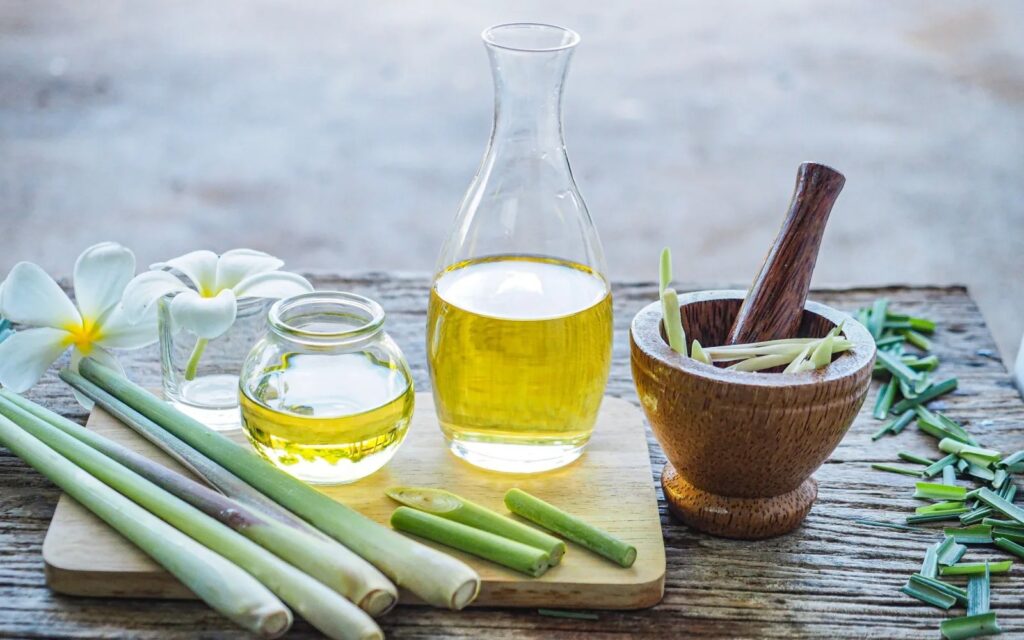
    Safety Notes Do not apply undiluted to skin.
    Always dilute to maximum 3% for leave-on skin applications. Do not ingest without guidance from a qualified medical practitioner. Keep away from children under 2 years — high 1,8-cineole concentration can cause respiratory distress in infants. Not for use during pregnancy without medical guidance. If you are formulating pharmaceutical products with cajuput oil, consult current pharmacopoeia monographs and applicable regulations for your target market.
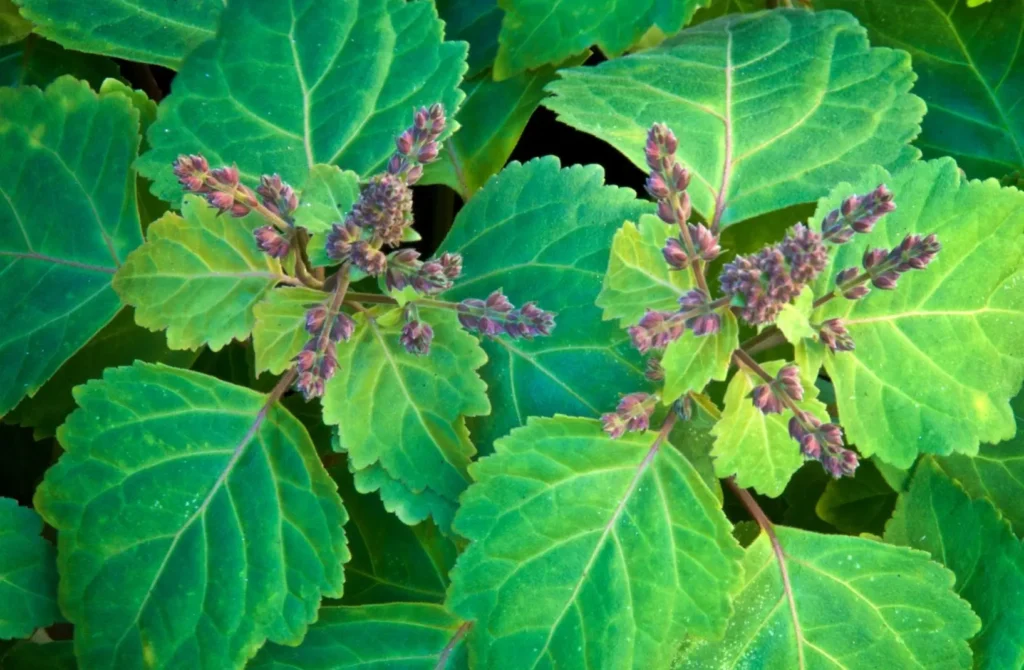
    Sourcing Indonesian Cajuput Oil in Bulk

    For pharmaceutical manufacturers, wellness product formulators, and personal care brands sourcing cajuput oil in bulk from Indonesia, here is what to specify in your purchase order:

    • Minimum 1,8-cineole %: State explicitly — ‘min 55% 1,8-cineole’ for pharmaceutical/OTC; ‘min 50%’ for personal care/wellness
    • Botanical species: Melaleuca cajuputi — specify on PO to distinguish from other Melaleuca species
    • Batch-specific COA: 1,8-cineole %, specific gravity, refractive index, optical rotation, colour
    • GCMS report: Full compound profile — verify cineole content and detect adulteration with synthetic cineole
    • MSDS: Required for DG Class 3 shipping compliance
    • Halal certificate (MUI): Required for Middle East, South Asian, and Muslim-market products
    • Certificate of Origin: Confirms Indonesian (Maluku) origin — relevant for import duty and provenance documentation

    For the complete supplier verification and bulk sourcing guide, see: How to Source Essential Oils from Indonesia.

    Indonesian Cajuput Oil from Global Essential Oil

    eucalyptus cajuput, cajuput oil benefits, cajuput essential oil, cajuput leaves, cajuput essential oil, cajuput oil, antifungal, infections

    As one of Indonesia’s leading essential oil manufacturers, Global Essential Oil produces cajuput oil from our distillation networks across the Maluku Islands — the heartland of Indonesian cajuput production.

    Our cajuput oil is available for bulk pharmaceutical and industrial applications with complete compliance documentation.

    • Origin: Maluku Islands, Indonesia — historically the global benchmark for cajuput quality
    • 1,8-Cineole content verified: Batch-specific COA confirms cineole % — not a generic document
    • GCMS report: Full compound fingerprint for adulteration-free verification
    • MSDS: Current safety data for shipping and handling compliance
    • Halal certified (MUI): Verifiable at halalmui.org
    • DUNS registered: Verified manufacturer credentials — not a broker
    • Companion pharma products: Clove oil and Eugenol USP also available — single supplier for multiple pharmaceutical-grade Indonesian oils
    Private Label Wellness Products with Cajuput Oil
    Looking to launch a Minyak Kayu Putih-style traditional wellness product, a natural chest rub, or an aromatherapy blend under your own brand? Global Essential Oil’s private label service can formulate and package cajuput-based products — body oils, balms, massage preparations — with your brand name and specifications. Contact our team to discuss your product concept.
    Request a Cajuput Oil Sample with COA & 1,8-Cineole Specification
    Contact our team to request a Melaleuca cajuputi oil sample from our current Maluku stock, with batch-specific COA (1,8-cineole %), GCMS compound profile, MSDS, and Halal certificate. Ready to discuss bulk pricing or pharma-grade supply? We respond within 1 business day.
    → Contact Global Essential Oil — Request Cajuput Oil Sample & Bulk Quote

    Or visit our Cajuput Essential Oil product page for full specifications, or explore our complete range of Indonesian essential oils.