Category: Article

  • 5 Proven Benefits Of Patchouli Oil For Skin Conditions

    5 Proven Benefits Of Patchouli Oil For Skin Conditions

    Benefits Patchouli Oil for Skin Conditions

    patchouli perfume, patchouli body oil, patchouli origins from indonesia
    patcouli essential oil and fresh patchouli leaves on the wooden board

    Patchouli oil is derived from the leaves of the Pogostemon cablin plant, a fragrant herb from the mint family. For centuries, patchouli oil has been used in traditional Asian medicine to treat various ailments. Today, patchouli oil continues to grow in popularity due to its many therapeutic benefits, especially for various skin conditions.

    Some of the top skin benefits of patchouli oil include:

    Best Patchouli Oil Uses For Treating Acne

    shallow focus photography of woman outdoor during day

    Patchouli oil is an effective natural remedy for acne and breakouts. It has powerful antiseptic and anti-inflammatory properties that help get rid of bacteria while soothing irritation and redness. The oil helps regulate and reduce excessive oil production, preventing clogged pores and new pimples from forming.

    Research shows that patchouli oil works against Propionibacterium acnes, the bacteria responsible for acne. The oil’s anti-fungal abilities also prevent fungal infections that can worsen acne. Simply dabbing a few drops of patchouli oil on acne blemishes can help clear them up faster.

    Patchouli oil can also be used to make homemade acne creams, masks, toners and spot treatments. It blends well with other essential oils like lavender oil, tea tree oil, geranium oil and frankincense oil. Adding a couple drops of patchouli oil into your regular face wash or moisturizer can also help prevent breakouts.

    Patchouli Oil Blends Can Healing Eczema and Dermatitis

    patchouli essential oil supplier, patchouli essential oil manufacturer, what fragrance patchouli oil blends with?, patchouli origins

    Patchouli pogostemon cablin oil provides relief for common inflammatory skin conditions like eczema and dermatitis. It soothes the irritated, angry, red skin that occurs with eczema flares. The oil’s anti-inflammatory compounds calm swelling and sensitivities. Its antibacterial and antifungal properties also prevent secondary infections that can worsen the rash.

    Applying diluted patchouli oil directly on eczema patches helps decrease inflammation and dryness. For widespread eczema, add 5-10 drops of patchouli oil to one ounce of carrier oil like coconut oil or jojoba oil, and massage it gently onto affected areas. You can also add a few drops to your moisturizer. Patchouli oil reduces dryness and irritation that often trigger eczema flares. With regular use, the skin barrier improves and eczema rashes gradually disappear.

    Benefit Patchouli Oil For Skin Minimizing Scars

    orange band aid on concrete surface crack

    Patchouli oil stimulates new cell growth and aids in the healing process of wounds. This ability makes it effective in fading scars left by wounds, acne, boils, pox and measles faster. The vitamin E and other nutrients in patchouli oil enhance skin cell regeneration and fade scar tissue.

    Simply massage a diluted patchouli oil blend over the scar area once or twice a day. The bioactive compounds will work to break down scar tissue while increasing new collagen production for smoother, more even skin. Over time, scars start diminishing. Patchouli oil also evens skin tone and reduces the discoloration commonly seen with scars.

    Patchouli Pogostemon Cablin For Anti-aging Properties

    a woman laying in a bed with a sheet on her head

    Patchouli oil for skin has excellent anti-aging benefits that help minimize wrinkles, fight sagging skin and tone aged skin. The antioxidants in the oil fight free radical damage caused by environmental stressors like pollution and UV rays. This protects skin cells and prevents premature signs of aging.

    Patchouli oil boosts collagen production, increasing skin elasticity and firmness for a more youthful complexion. It also helps regenerate new skin cells faster and sheds off dead skin cells. This stimulates faster cell turnover to reveal brighter, smoother skin.

    Using patchouli oil regularly improves skin texture, evens out skin tone and reduces age spots and blemishes. The oil’s anti-inflammatory action also reduces puffiness, prevents fine lines and increases blood circulation for glowing skin. Add a few drops of patchouli oil to your night cream or simply massage it onto your face and neck.

    Patchouli Oil For Skin Moisturizer

    stainless steel spoon on white surface

    Patchouli oil is an excellent natural moisturizer for all skin types. It contains beneficial nutrients like vitamin E, B vitamins and minerals that nourish, hydrate and repair damaged skin. The antioxidants fight free radicals that cause skin dryness, cracking and chapping.

    Patchouli oil helps balance oil production by regulating sebum secretion in both dry and oily skin. In dry skin, it boosts moisture retention and suppleness. For oily skin, it reduces excess oil while still providing hydration. The oil absorbs easily without leaving skin feeling greasy.

    Add 2-3 drops of patchouli oil into your regular lotion or carrier oil and apply it all over the body, focusing on dry areas like hands, elbows and feet. Use regularly to enjoy soft, glowing and hydrated skin.

    How to Use Best Patchouli Oil on Skin

    • Always dilute patchouli oil with a carrier oil before applying it to the skin. Use a ratio of 3-5 drops of patchouli oil per ounce of carrier oil. Popular choices are coconut, jojoba, olive, almond and avocado oils.
    • Do a patch test on a small area of skin, like your forearm, before initial use to check for allergic reactions or sensitivity.
    • Use gentle circular motions to massage diluted patchouli oil into the affected skin area for a few minutes until fully absorbed.
    • Use patchouli oil once or twice daily for best results. Consistency is key when using essential oils.
    • Mix patchouli oil with skin-soothing ingredients like aloe vera gel or raw honey to enhance its nourishing properties.
    • For baths, add 5-7 drops of the oil into your warm bath water and soak for 20-30 minutes. Add Epsom salts for additional detox and relaxation benefits.
    • For spot treatments, use a cotton ball to dab diluted patchouli oil directly onto pimples, eczema patches or scar tissue 2-3 times a day.
    • Make sure to always do a patch test before applying patchouli oil directly near the eyes or sensitive areas.
    • Store patchouli oil in a dark glass bottle away from direct sunlight to retain its bioactive compounds and fragrance.

    Precautions When Using Patchouli Oil For Skin

    Despite its many benefits, patchouli oil does come with some precautions:

    • Patchouli oil is very strong and can irritate sensitive skin in high concentrations. Always dilute it before topical use.
    • Perform a patch test before initial use to check for allergic reactions. Discontinue use if any irritation occurs.
    • Avoid getting patchouli oil in the eyes and other mucous membranes as it can irritate.
    • Consult your doctor before using patchouli oil if you have any medical conditions or are taking medications, especially blood thinners.
    • Pregnant and nursing women should consult their doctor before using patchouli oil for safety.
    • Keep patchouli oil out of reach of children to avoid accidental ingestion.
    • Using too much patchouli oil can make skin photosensitive. Avoid sun exposure or use sunscreen after application.

    Is Patchouli Oil For Skin Are Really Good?

    Patchouli oil blends is a highly beneficial essential oil for treating a variety of inflammatory skin conditions and improving overall skin health. Its anti-inflammatory, antimicrobial, anti-aging and healing properties make it effective against acne, eczema, scars, wrinkles and dryness. However, be sure to take proper safety precautions when using this potent oil. Implementing patchouli oil into your skincare routine can help achieve clear, glowing skin naturally.

  • Citronella Oil Processing Plant: Distillation Method & Setup Costs

    Citronella Oil Processing Plant: Distillation Method & Setup Costs

    How Citronella Oil Distillation Process Works in 2024?

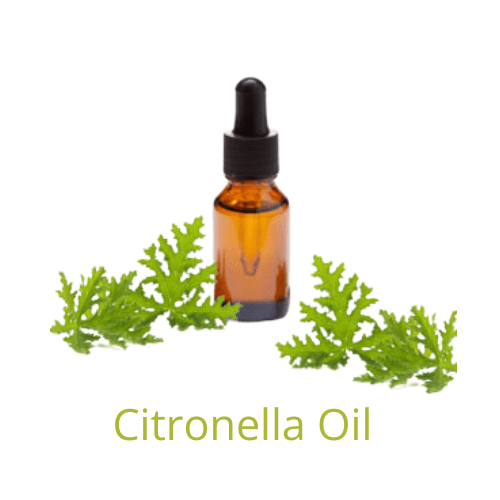
    Citronella essential oil is an aromatic essential oil derived from certain species of Cymbopogon grasses. The oil is popularly used as an insect repellent and as a fragrance component in soaps, candles and cosmetics. There are two main varieties of citronella oil that are commercially produced – Ceylon citronella oil and Java citronella oil. They are extracted from different species of Cymbopogon grasses and have slightly different compositions and aromas. This article provides an overview of the production methods and distillation processes used to obtain citronella essential oil from the Cymbopogon grasses.

    Cultivation of Citronella Grasses

    citronella essential oil, citronella java oil, citronella oil manufacturers, global essential oil id

    Ceylon citronella oil is derived from Cymbopogon nardus which is native to Sri Lanka. Java citronella oil comes from Cymbopogon winterianus which thrives in Indonesia and parts of Southeast Asia.

    Both grasses grow best in warm, humid tropical climates with good sunlight and rainfall. The grasses are propagated through clump division or by seeds. They are planted in rows with spacing of about 60-90 cm between each clump or seed planting spot.

    Fertilizers are applied regularly to support growth. Weeding and pest control measures are implemented as needed. The grasses typically reach a height of 1.5-2 meters at maturity in about 10-12 months. Harvest time is usually just before flowering.

    Harvesting and Drying Citronella Essential Oil


    Source : Sparrow Sunshine Gardener Youtube

    The mature citronella grasses are manually cut with sickles about 10-15 cm above the ground. Leaving the lower stalk portions allows the grasses to regrow for subsequent harvests. Freshly cut grasses are stacked briefly in the fields before being transported to drying areas. Drying is done in thin layers either under the sun or in drying sheds equipped with ventilation systems. Drying helps reduce moisture content from around 70% to 8-12% over 2-3 days. Dried grasses are then packed in bales or loose sacks for storage and further processing into essential oil.

    The Industrial Citronella Oil Extraction Method: Steam vs Water Distillation

    citronella oil distillation process

    There are two main methods used to extract and distill citronella essential oil from the dried grasses – steam distillation and water distillation. Steam distillation is the more common and efficient industrial method. The dried grass is placed into large distillation chambers or stills. Pressurized steam is injected into the chambers to liberate and vaporize the aromatic oil compounds from the grass material. The oil vapor mixture is passed through condensers where the vapors cool and liquefy. The resulting mixture of oil and water is collected in Florentine flasks for separation. Since citronella oil is lighter than water, it floats to the top from where it is skimmed off.

    In water distillation, the dried grass is completely submerged in water inside the stills. The water is heated instead of using direct steam injection. As the water boils, the vapor carries the essential oil constituents upwards to undergo condensation and collection in a similar manner as steam distillation. Water distillation is slower and less efficient but can be done at smaller scales. It may be preferred by smaller producers or for organic citronella oil production where steam is not permitted.

    Regardless of the distillation method, the product is crude citronella oil that still contains impurities and water. It undergoes further refining steps described in the next section.

    Commercial Citronella Oil Processing Plant: Setup & Supply Considerations

    Evaluating the citronellol production plant cost or setting up a large-scale citronella oil processing plant cost requires heavy capital investment.

    Beyond the stainless steel steam distillation boilers, investors must secure a vast, consistent supply of fresh Cymbopogon winterianus (Java Citronella) grass, specialized technical labor, and strict quality control setups to stabilize Citronellal and Geraniol levels.

    For many global businesses entering the citronella oil market, building a distillation plant from scratch presents high logistical risks.

    Partnering with an established, on-the-ground manufacturer in Indonesia is often the most cost-effective solution.

    This eliminates infrastructure overhead while guaranteeing a steady supply of export-ready, pure essential oils.

    BYPASS THE PLANT INVESTMENT. SOURCE DIRECTLY FROM INDONESIA.
    Skip the high setup costs of a processing plant. Global Essential Oil provides scalable industrial steam distillation capacity to meet your global demand. Secure high-grade Java Citronella oil with stable active compounds straight from the source.
    → Contact Global Essential Oil — Start Your Sourcing Conversation Now

    Refining and Completion Citronella Essential Oil

    The crude distilled citronella oil is allowed to rest in settling tanks to allow any remaining water and particulates to separate from the oil. The oil is then filtered through cloth filters to further remove debris and impurities. In some cases, a second distillation process may be done using steam or water to purify the oil even further. Chemical refining processes can also be used to remove unwanted constituents from the oil at this stage.

    The purified oil is then ready for quality testing and packaging. Various analytical tests are done to check the oil’s chemical composition and to ensure it meets quality specifications. Blending with other essential oils may also be done at this point to produce different grades or varieties of citronella oil for different markets. The finished product is then packaged into metal drums or glass bottles of various sizes ready for use in aromatherapy, cosmetics, soaps and other applications. Proper labeling, storage and handling procedures are followed to maintain oil quality and shelf life.

    In summary, citronella oil production employs traditional cultivation and harvesting methods followed by steam or water distillation processes to extract the aromatic compounds from the grasses. Various refining steps are then used to purify and prepare the final essential oil product for commercial markets. The oil’s characteristic lemony aroma and insect repelling properties make it a valuable natural oil with global demand. Careful production methods and quality control help ensure its purity and maximum aromatic properties are retained.

    If you are interested to try high quality citronella essential oil, feel free to contact us

  • Essential Oil Diffuser Manufacturers Must Own DUNS Number?

    Essential Oil Diffuser Manufacturers Must Own DUNS Number?

    Global Essential Oil, Essential Oil Diffuser Manufacturers Must Own DUNS Number?

    Global Essential Oil as essential oil diffuser manufacturers, have been registered in the US FDA database, this shows the seriousness of Global Essential Oil in expanding its market to the United States market. Remember, the United States is the largest essential oil market in the world, and is followed by China as the second largest essential oil market in the world.

    Essential oils themselves can be used for various things, most commonly, essential oils are used as fragrances such as diffusers, perfumes, and cleaning products that provide a good fragrance. However, apart from that, essential oils can be used as traditional medicines, for example, if you have a toothache, you can use clove oil to gargle. This has caused many toothpaste producing companies in the United States to use clove oil as one of their product ingredients because clove oil provides good benefits for relieving tooth pain.

    We have also registered on the Dun & Bradstreet platform, this aims to make our company data quite transparent. So anyone who wants to collaborate with global essential oils will feel comfortable and confident because our company data is easy to find, accurate and transparent.

    Registering these 2 things will have an impact on quality standardization, which will further strengthen the Global Essential Oils as High Quality Essential Oils Wholesale Supplier In USA

    What Is US FDA Registration?

    global essential oil id, fda registered essential oil supplier

    The US Food and Drug Administration (FDA) requires registration of cosmetic manufacturing establishments, packaging/labeling establishments, and ingredient suppliers under the Federal Food, Drug, and Cosmetic Act (FD&C Act). This registration helps the FDA protect public health by knowing who is manufacturing, packaging, labeling, and supplying ingredients for cosmetics marketed in the United States.

    Any facility engaged in these activities must register with the FDA, regardless of whether the products are being exported. Registration provides the FDA with current, updated information about cosmetic companies and ingredients. The registration must include the company name and address, name of the owner or operator, and emergency contact information. Establishments must also provide the FDA with a list of all cosmetic products made at that facility. Updates must be made within 60 days of any changes.

    There is no registration fee for domestic or foreign cosmetic establishments. Registration helps the FDA act quickly in the event of safety issues or contamination. If a health hazard is reported in a cosmetic, the FDA can use the registration database to notify establishments that may be associated with the problem cosmetic. The FDA can also inspect registered facilities at a reasonable time to ensure compliance with the FD&C Act.

    Registration is important for cosmetic companies because it is unlawful to manufacture, package, distribute, or import cosmetics without proper registration. The FD&C Act prohibits misbranding and adulteration of cosmetics, which registration helps prevent. Companies that fail to register are subject to legal action, including injunctions and seizure of products. The FDA may suspend registration if circumstances warrant.

    In summary, US FDA cosmetic registration provides oversight and regulation of cosmetic ingredients and facilities. It enables the FDA to take action when issues arise and helps ensure the safety and quality of cosmetics produced and sold. Registration is legally required for companies and provides public health protections. Keeping information updated assists the FDA in fulfilling its duty to protect consumers.

    What Is Duns Numbers Meaning? Why Having Duns Number is important?

    Global Essential Oil, Essential Oil Diffuser Manufacturers Must Own DUNS Number?

    What is Duns Number Meaning? A DUNS number is a unique 9-digit identification number assigned to each physical location of a business by Dun & Bradstreet (D&B). Obtaining a DUNS number is important for businesses looking to export products to the USA for the following reasons:

    • It is required to register with the US government’s System for Award Management (SAM) before bidding on federal contracts. All contractors and vendors doing business with the US federal government must have a DUNS number and be registered in SAM.
    • A DUNS number establishes a business credit file with D&B, which is often reviewed by suppliers and lenders to determine creditworthiness. Having a DUNS number can help gain access to business credit.
    • It enables a company to build an accurate credit profile with D&B. This credit history helps create credibility with US vendors and financial institutions.
    • The US Commercial Service, state trade agencies, and chambers of commerce use DUNS numbers to provide export counseling and assistance to businesses. A DUNS number expedites access to these services.
    • It is required to apply for a US visa as a foreign company or individual. Applicants for certain work, trade and travel visas need to provide their DUNS number.
    • A DUNS number qualifies a business for a free listing in D&B’s directory which increases visibility to potential US customers and partners.

    In summary, obtaining a DUNS number essentially serves as a prerequisite for doing business with both the US government and private sector. It establishes credibility for an exporting company and enables access to important trade resources and services.

  • Fennel Seed Oil: Aromatic and Medicinal Applications

    Fennel Seed Oil: Aromatic and Medicinal Applications

    fennel essential oil use for, fennel seed oil supplier, best fennel essential oil blends

    Fennel seed oil is extracted from the dried fruit seeds of the fennel plant (Foeniculum vulgare). It has been used for centuries for its aromatic, digestive, and therapeutic properties. As modern research unveils more of this oil’s secrets, its popularity and versatility for aromatherapy and natural medicine continues to grow.

    Fennel Seeds Benefits For Human Usage

    Global Essential Oil, Fennel Seed Oil: Aromatic and Medicinal Applications

    Fennel Seed Oil For Aromatic Profile

    The aroma of fennel seed oil is characteristic of the whole fennel seed, at once peppery, sweet, and herbaceous. The primary aromatic compounds in fennel oil include trans-anethole, estragole, and fenchone. This unique scent profile makes fennel seed oil useful for perfumery. It blends well with citrus, spice, floral and wood oils. In aromatherapy, fennel oil is valued for its calming and emotionally balancing effects. The sweet aroma helps relieve anxiety and stress.

    Fennel Oil Use For Medicinal Components

    person in blue gloves and blue denim jeans

    The varied therapeutic effects of fennel oil come from its complex mix of bioactive compounds. Estragole and fenchone have antibacterial properties that combat infections. Anethole has anti-inflammatory, antispasmodic, and anesthetic capabilities useful for treating many conditions. Other healing constituents include alpha pinene, limonene, and beta caryophyllene. This powerful blend gives fennel seed oil wide-ranging medicinal applications.

    Fennel Oil Use As Digestive Aid

    One of the most common uses of fennel seed oil is for relieving digestive issues. The anti-spasmodic properties help relax smooth intestinal muscles and relieve cramping, bloating and constipation. As a carminative, fennel oil allows excess gas to pass out of the body. The aroma also triggers the secretion of digestive enzymes to enhance food breakdown and absorption. For colic in infants, fennel oil can be massaged on the abdomen or added to bathwater.

    Fennel Oil For Immunity Support

    The antimicrobial effects make fennel oil effective against various infection-causing bacteria and fungi. Topical use can treat fungal skin conditions like athlete’s foot and ringworm. As a disinfectant, it helps cleanse wounds and prevent infection. When diffused, fennel oil purifies airborne bacteria and viruses. The antioxidants boost immunity by fighting free radicals that damage cells. Fennel teas and tonics can help prevent and treat upper respiratory infections.

    Fennel Seed Oil For Pain Relief

    Fennel seed oil has mild painkilling effects for a variety of aches and pains. Anethole has natural anesthetic properties that provide temporary relief when applied to skin irritations. As an anti-inflammatory, the oil can reduce swelling and discomfort from sprains or arthritis. Massaging fennel oil on the abdomen alleviates menstrual cramps. The antispasmodic effect relaxes muscles and eases non-inflammatory digestive pain.

    Fennel Seed Oil Use For Hormone Balance

    lemongrass essential oil, lemongrass pure essential oils, cymbopogon citratus oil, edible lemongrass oil, wholesale essential oils

    The antioxidants and phytoestrogen content of fennel oil may help balance female hormones and relieve PMS symptoms like bloating, mood swings, and breast tenderness. For menopausal women, it enhances estrogen levels safely to reduce hot flashes and night sweats. Fennel teas have been used for centuries by nursing mothers to promote breast milk production and flow.

    Fennel Essential Oil For Skin and Hair Health

    In skin care, fennel seed oil tones and firms aging skin due to its antioxidant, antiseptic, and stimulant properties. It helps clear blackheads, addresses oily skin, and minimizes wrinkles. The vitamins and minerals strengthen hair follicles and prevent hair loss. As an antimicrobial, fennel oil combats dandruff and scalp infections when added to shampoos and hair masks. The folate even helps reverse greying hair.

    Fennel Seed Oil For Blood Circulation

    Fennel oil can improve blood circulation throughout the body when inhaled or topically applied. Increased blood flow enhances oxygen delivery, nutrient absorption, organ function and removal of toxins and wastes. This leads to benefits like stronger digestion, regulated menstrual cycles, increased energy and healthier skin. The oil’s antispasmodic effect helps lower high blood pressure by dilating blood vessels.

    Fennel Oil Use For Enhance Metabolic Function

    The diverse blend of antioxidants, vitamins, and minerals in fennel seed oil supports overall metabolic health. The folate, niacin, and vitamin B6 help regulate important metabolic enzymes and hormone balance. As a diuretic, the oil improves kidney function and flushes excess water and uric acid from the body. The potassium helps lower sodium levels to reduce fluid retention. This makes fennel beneficial for edema, gout, and kidney stones.

    Fennel Seeds Benefits For Respiratory Relief

    Inhaling the aroma of fennel oil has a soothing effect on the lungs and respiratory tract. It clears congestion, loosens phlegm, and relieves coughing. The antibacterial action also helps treat infectious bronchitis. For people suffering from asthma, fennel seed oil serves as a natural anti-inflammatory. The potassium levels help maintain electrolyte balance in the body to enable oxygen absorption and proper respiratory function.

    Fennel Oil Give Neurological Effects

    Fennel oil has neuroprotective properties that support brain and nerve health. The phenolic compounds protect against neurodegenerative diseases like Alzheimer’s and dementia. For age-related cognitive decline, fennel improves memory retention, learning, and focus. The potassium levels prevent electrolyte imbalance to reduce anxiety and depression. People report fennel oil aromatherapy gives a rejuvenating energy boost and enhances mental performance.

    Fennel Oil For Blood Purifier

    The diuretic and antimicrobial properties enable fennel oil to help purify the blood. It tones the liver, kidneys and spleen to filter wastes more efficiently. By increasing urination, fennel flushes toxins and excess salts from the blood. It also may protect against uric acid buildup that causes gout. Cleaner blood circulation ensures optimum nutrient delivery and organ oxygenation.

    From soothing stomachs to balancing hormones, fennel seed oil’s wide range of benefits stem from its exceptionally diverse composition. With versatile aromatherapy applications and medicinal uses, fennel oil is one of the most valuable essential oils to keep in your home apothecary.

    Lately, finding a supplier of fennel seed oil has been a bit of a challenge. Because it is difficult for suppliers to differentiate between fennel seed oil and sweet fennel oil. Even though these 2 commodities have almost similar characteristics, the two commodities are different products.

    At Global Essential Oil, we supply fennel seed oil whose quality is guaranteed internationally, because our products have been exported to various countries, especially Canada and the United States.

  • Amazing Story Of Fennel Seed Oil : Popular Since 4000 Years

    Amazing Story Of Fennel Seed Oil : Popular Since 4000 Years

    With its sweet, earthy aroma and rich composition, fennel seed oil has long added flavor, fragrance, and healing benefits across cultures. From ancient China to the Mediterranean today, fennel oil continues enhancing foods, products, and wellness routines.

    Let’s explore the storied past, modern industry applications, distinctive health properties, and simple ways to implement virtuous fennel seed oil each day.

    A History of Holistic Healing with Fennel Oil

    fennel essential oil use for, fennel seed oil supplier, best fennel essential oil blends, fennel seed oil

    Fennel seeds and their distilled essential oil originate from the small, vibrant flowers of the Foeniculum vulgare plant. Native across Mediterranean and Eurasian regions, fennel has been used for over 4,000 years. With a mild anise-like flavor, fennel seed took on culinary and medicinal importance globally:

    • Ancient China prized fennel for treating snake and insect bites, indigestion, and liver issues.
    • Greek mythology told tales of fennel acquired directly from the gods for healing.
    • Ancient Egyptians consumed fennel to satisfy hunger on fast days and to remedy vision problems.
    • The Roman author Pliny wrote of fennel’s life-sustaining properties and use during religious ceremonies and food preservation.
    • Across India and the Middle East, fennel became a staple seasoning and traditional digestive aid.

    Modern commercial fennel farming emerged in Europe and the US by the 20th century. With renewed interest in plant wellness, fennel seed oil made a comeback as a beloved digestive and weight loss supporter. Today it retains prestige as both a flavoring and supplement.

    Fennel Oil Used in Modern Industry

    fennel seed oil, fennel essential oil blends for cooking

    Fennel oil’s sweet, distinctive flavour and therapeutic properties see it utilized across diverse global industries:

    • Food and Beverage – Fennel oil flavors products like bread, sausages, ice cream, candy, liqueurs, and herbal teas. It also aids food preservation.
    • Pharmaceuticals – Medicines for respiratory, digestive, reproductive, and immune health issues incorporate fennel oil’s anti-inflammatory, antimicrobial, and antioxidant capacities.
    • Personal Care – Fennel cleanses and tones skin in soaps, lotions, and cosmetics. It also supports oral care and feminine hygiene products.
    • Household Cleaning – Fennel oil’s antifungal and antibacterial potency allows eco-friendly cleaning use.
    • Aromatherapy – Relaxing yet energizing fennel aroma makes it ideal for massage, candles, room fragrances and emotional wellness.

    What Makes Fennel Seed Oil Unique?

    fennel essential oil use for, fennel seed oil supplier, best fennel essential oil blends

    Fennel oil derives concentrated phytochemicals that offer these distinctive therapeutic properties:

    • Estrogenic compounds to relieve PMS and menopause issues
    • Anethole for its antiviral and expectorant benefits
    • Antioxidants like kaempferol that fight skin aging
    • Aromatic agent trans-anethole used for flavoring
    • Rare essential oil purity reaching 100% with no carrier oil

    Thanks to compounds like anethole, estragole, and fenchone, fennel seed oil delivers carminative, galactagogue, and circulatory effects you won’t find to this degree in other oils.

    Incorporating Fennel Seed Oil into Daily Routines

    patchouli candles for aromatherhapy, fennel essential oil blends

    This aromatic oil easily fits into regular health and home regimens:

    • Add 1-2 drops to herbal tea to aid digestion after meals
    • Massage diluted oil over chest and back for respiratory support during illness
    • Drink fennel water to suppress appetite between meals for weight loss
    • Mix with baking soda and essential oils for an all-natural toothpaste
    • Use when making soaps, candles, or aromatherapy blends
    • Apply with a carrier oil to ease monthly menstrual cramps
    • Add to homemade facial cleansers, toners, and masks to balance oily skin

    Fennel seed oil’s extensive history speaks to its broad usefulness and enduring wellness benefits that translate to contemporary times. Let fennel accent your food, uplift spirits, and promote good health across ages.

    Recomendation Fennel Essential Oil Blends : 100%
    Guaranteed To Make You Addicted

    Fennel oil has carminative properties that relax the digestive tract, relieve gas and bloating, and reduce stomach cramps or intestinal spasms. Blending fennel with other digestion-friendly oils amplifies these effects.

    Fennel and Ginger Oil Digestive Aid Blend

    Ginger oil adds warming, pungent spiciness to magnify fennel’s digestion-calming abilities. This makes an excellent remedy for nausea, vomiting, and upset stomach before or after meals.

    • 4 drops fennel essential oil
    • 2 drops ginger essential oil
    • 1 oz carrier oil like jojoba or coconut oil

    Fennel and Peppermint Oil Digestive Soother

    Peppermint oil provides cooling menthol to complement fennel’s warming properties for relief from gas, bloating, stomach pain and IBS flare-ups.

    • 5 drops fennel essential oil
    • 3 drops peppermint essential oil
    • 1 oz carrier oil

    Fennel and Coriander Seed Oil Digestive Blend

    Coriander oil doubles down on soothing intestinal issues like diarrhea, cramps, and post-meal distress when blended with the light sweetness of fennel oil.

    • 3 drops fennel essential oil
    • 4 drops coriander seed oil
    • 1 oz carrier oil

    Uplifting Energy Blends

    Known for stimulating circulation and boosting motivation, fennel seed oil combines well with minty, citrusy oils that promote revitalization.

    Fennel and Grapefruit Oil Energizing Blend

    Grapefruit’s fresh citrus aroma helps lift the spirits while providing an energy kick. Blended with fennel oil, this mix makes mornings brighter.

    • 4 drops fennel essential oil
    • 4 drops grapefruit essential oil

    Fennel and Rosemary Oil Focus Blend

    Rosemary’s herbaceous scent complements fennel’s light sweetness beautifully. Together they banish fatigue and mental fog while improving concentration.

    • 3 drops fennel essential oil
    • 4 drops rosemary essential oil

    Fennel and Orange Oil Uplifting Blend

    Sweet orange oil adds a punch of mood-boosting citrus plus immune support to harmonize with fennel’s energizing scent for an overall uplifting diffusion blend.

    • 3 drops fennel essential oil
    • 5 drops sweet orange essential oil

    Respiratory Relief Blends

    Fennel oil enhances breathing when congested, reduces phlegm and bronchial spasms, and calms coughs. Adding other respiratory oils amplifies the effects.

    Fennel and Eucalyptus Oil Decongesting Blend

    Eucalyptus clears the airways and sinuses while fennel tackles coughing for relief from cold and flu symptoms.

    • 4 drops fennel essential oil
    • 4 drops eucalyptus essential oil

    Fennel and Pine Oil Respiratory Blend

    Pine oil’s crispness opens congested airways as fennel’s warmth soothes sore throats and persistent coughs for all-around respiratory relief.

    • 3 drops fennel essential oil
    • 3 drops pine essential oil

    Fennel and Lavender Oil Cough-Calming Blend

    Lavender and fennel’s light floral notes create a soothing, throat-coating vapor blend for alleviating coughing and hoarseness.

    • 4 drops lavender essential oil
    • 4 drops fennel essential oil

    Enjoy blending fennel seed oil into your own custom essential oil recipes. Just a few drops lend any diffuser mix or topical formula the sweet aroma of nature’s remedy that optimizes wellbeing.

    Finding Trusted Fennel Seeds Suppliers

    global essential oil, clove oil manufacturer, essential oil manufacturer, indonesian essential oil manufacturer, fennel seeds supplier

    Finding trusted supplier of fennel seed oil is kind of tricky, since lot of supplier sometimes says that the products is fennel seed oil however the actual product is aniseed oil. However, we ensure that the products we offer are products that match what you are looking for. Global Essential Oil always prioritize the quality of our products and our products have been recognized by international standards because we have exported our products to several countries in Asia and Europe.

  • Epic History Of Citronella Essential Oil Since 20th Century

    Epic History Of Citronella Essential Oil Since 20th Century

    Citronella Essential Oil is best known as a natural mosquito repellent, citronella oil has an extensive history beyond just its insect-warding abilities. Extracted from aromatic grasses native to Asia, citronella offers much more than a fresh, clean scent and bug-chasing powers.

    Keep reading to learn surprising historical trivia and little-known fun facts about this versatile aromatic oil.

    A Brief History of Citronella Essential Oil

    citronella java oil

    Citronella plants actually encompass several related species including Java citronella, Ceylon citronella, and several hybrids. The plants grow in the humid tropical climates across parts of Asia.

    Oil production began during the early 20th century across Indonesia, Taiwan, Sri Lanka and other East Asian regions. These areas still lead global production today.

    The plants underwent hybridization and breeding programs through the 1960s to maximize oil yields from the thick grass stems. This boosted large scale production and allowed more cost-efficient oil extraction via steam distillation.

    While non-native, citronella plants were introduced across parts of South America, Africa, and the United States in the mid to late 1900s to expand global production. Jamaica, Latin America and East Africa now all harvest substantial citronella crops.

    In terms of applications, citronella first become utilized as an aromatic component in perfumes and soaps for its clean, fresh scent. However, early civilizations soon recognized citronella’s insect repelling abilities as well. This allowed further uses as candles, incense, and mosquito coils took off across Asia and other tropical regions to fend off rampant mosquito populations.

    As chemical companies developed more potent synthetic bug sprays post-WWII, natural citronella faded behind DEET for several decades in Western markets. The evolution of green chemistry and environmental movements of the late 1990s stimulated renewed interest and demand for pure, natural essential oils like citronella.

    Today, global citronella oil production exceeds 50 million pounds per year. Uses now range from candles and personal care products to beverages, flavorings, and cleaning formulas in addition to pest control resources. Both large and small scale steam distillation operations thrive via the growing essential oil market trends.

    The best type of citronella oil is the citronella java oil, since the plant are native on java or generally in Indonesia.

    Fun Facts and Trivia About Citronella Java Oil

    citronella essential oil used for malaria disease

    Moving beyond a basic history, these interesting bits of citronella oil trivia help you appreciate just how fascinating this essential oil truly is:

    • Citronella was once so valuable to early communities that thieves risked being beaten for stealing the aromatic grass.
    • Growing citronella plants helps limit soil erosion in tropical fields.
    • Java citronella oil differs from Ceylon citronella with its sweeter, warmer tones though both effectively repel bugs.
    • Major chemical components include citronellal, geraniol and limonene – all of which repel mosquitos.
    • Citronella grass can grow almost 5 feet tall with purple flowers loved by bees.
    • Citronella makes an excellent eco-friendly biofuel as well a botanical extract.
    • Indonesia celebrates National Citronella Day every May 15th.
    • Citronella essential oil helped curb malaria outbreaks when decreasing mosquito populations.
    • Research confirms citronella oil is just effective as many toxic DEET sprays for repelling insects.
    • Unlike many other plant extracts, steam distilled citronella oil maintains its potent properties for up to a decade without degrading.

    Beyond the warm, crisp aroma and mosquito-repelling prowess, untold legends and trivia surround citronella’s extensive history. From being more precious than gold to different regional varieties to antioxidant abilities, this botanical oil has many surprises. Appreciate citronella even more by infusing these fun facts into your dinner party conversations or bar trivia team’s next game night!

    Citronella Essential Oil Use For Daily Uses

    pure essential oil manufacturer

    Here are some of the top ways to utilize citronella java oil on a daily basis:

    Mosquito and Insect Repellent – Apply diluted citronella oil onto skin or clothing when going outside to fend off bugs and mosquitos naturally.

    Outdoor Candle or Torches – Add citronella oil to wax for candles or torches to create pleasant bug-repelling ambiance for patios and decks.

    All-Purpose Household Cleaner – Add a few drops of citronella oil to vinegar, water, and castile soap spray mixtures to disinfect surfaces.

    Floor Cleaner – Mix citronella oil with water and essential oils like lemon or eucalyptus for an antimicrobial wood or tile floor cleaning solution.

    Yard Insect Control – Mix citronella oil with water or witch hazel and spray onto plants, trees and bushes to control pests safely.

    Plant Fungicide – The anti fungal properties in citronella oil help combat powdery mildew, black spot and rust issues when misted onto rose bushes and flowers.

    Pet Odor Eliminator – Freshen smelly pet beds, crates, litter boxes or rooms with citronella oil’s neutralizing abilities with just a few drops.

    Room Diffuser & Air Freshener – Add citronella oil alone or mixed with complementary scents into a room diffuser or oil atomizer to scent and refresh indoor air.

    Soap Scents – Add a drop of citronella oil into unscented castile soap or homemade bath and body products to naturally scent them with a crisp, green aroma.

    Natural Herbicide – In gardens and yards, diluted citronella oil sprayed on weeds helps control unwanted vegetation growth safely with routine applications.

    Citronella Essential Oil Companies Supplier

    global essential oil, clove oil manufacturer, essential oil manufacturer, indonesian essential oil manufacturer

    If you are looking for the best citronella oil products, you are in the right place, Global Essential Oil is the best and most authentic essential oil companies. We provide wholesale essential oils and retail essential oils. Our products are 100% natural and have been recognized by international standards.

  • Lemongrass Essential Oils For What? 23 Shocking Benefits

    Lemongrass Essential Oils For What? 23 Shocking Benefits

    Lemongrass Essential Oils For What?

    lemongrass essential oil, lemongrass pure essential oils

    Some of you maybe wondering lemongrass essential oils for what purpose? in this article we will leaked 23 benefits of lemongrass essential oils as one of popular pure essential oils

    Valued for its fresh, grassy-citrus scent and therapeutic effects, lemongrass essential oil enhances products across many industries. This versatile oil gets incorporated into formulas for its antioxidant, antimicrobial, and anti-inflammatory abilities as well as its pleasant lemon flavor.

    Keep reading to learn all about the top industries and applications capitalizing on lemongrass oil’s beneficial properties.

    Food and Beverage Industry

    vegetable and meat on bowl using pure essential oils

    Pure Essential Oils Lemongrass shines in the food and drink industry thanks to its ultra-fresh, lemon-lime flavor. A little goes a long way when adding zippy citrus notes to dishes and beverages.

    Beverages

    Lemongrass Essential oil makes a zesty addition to hot and iced teas, juices, smoothies, cocktails, and lemonade. Just a drop or two per recipe packs a bright punch. The oil’s antimicrobial abilities allow food safe applications too.

    Baked Goods

    Echoing lemon’s sweet-tart taste, lemongrass oil gives cakes, cookies, breads, custards and more a tasty boost. It also extends shelf life thanks to the oil’s ability to stabalize ingredients.

    Soups and Curries

    Asian and Indian dishes like pho, tom yum soup, and curries often use fresh or dried lemongrass as an ingredient. Adding some pure essential oils such as lemongrass essential oil makes recipes bursting with even more flavor.

    Candies

    Lemongrass oil can replace some of the lemon juice or extract used to flavor hard candies, gummies, mints, and chewing gum for an authentic flavor.

    Preservation

    The natural antioxidants in pure essential oils such as lemongrass oil allow it to delay spoilage in raw meats, seafood, dairy, oils and more which aids large-scale food manufacturing. Its antimicrobial effects further stabilize ingredients.

    Cleaning and Home Care

    person in blue gloves and blue denim jeans

    Beyond culinary endeavors, lemongrass oil makes an effective additive in green home care products too.

    Pure Essential Oils For All-Purpose Cleaners

    Just a few drops of lemongrass oil boosts homemade cleaners, soaps, detergents and more thanks to natural antibacterial and antifungal benefits.

    Pure Essential Oils For Air Fresheners

    Lemongrass oil’s bright, fresh fragrance helps neutralize unpleasant odors when used in sprays, candles, diffusers and room deodorizers.

    Pure Essential Oils For Insect Repellent

    Many cleaners and DIY bug sprays contain lemongrass oil for its ability to safely repel mosquitos, ticks and some nuisance insects.

    Pet Care

    The calming scent of lemongrass appeals to pets too. Grooming products like pet shampoos use lemongrass oil to repel fleas and for its anti-fungal action against common skin issues.

    Skin Care and Cosmetics

    Lemongrass oil is a star ingredient in various soaps, lotions, perfumes and other body care essentials as well.

    Soaps

    Handmade and commercial soaps often include lemongrass oil for its uplifting scent as well as to stabilize the soap with its antioxidant content.

    Toners

    The astringent properties of lemongrass oil make it an excellent addition in facial toners, cleansers and creams for oily, acne-prone skin.

    Deodorants

    Both the fragrance and antibacterial abilities of lemongrass oil allow personal care products like deodorants and body sprays to neutralize odor causing bacteria.

    Hair Care

    Lemongrass oil adds shine, body and a light citrus scent to hair care products like shampoos, rinses, gels and serums.

    Perfumes

    Fragrance formulators regularly utilize lemongrass essential oil for the bright pop of lemon it contributes to perfumes, colognes and fragrances.

    Massage and Aromatherapy

    Soothing lemongrass aromatherapy treatments help relieve stress in spas worldwide.

    Massage Oil

    Lemongrass oil helps ease muscle tension, pain, and inflammation when added to carrier oils for massage.

    Aromatherapy

    Diffusing lemongrass oil promotes relaxation. The fragrance triggers feel-good neurotransmitters while having calming effects.

    Body Care

    Lotions, balms, bath salts and scrubs benefit from lemongrass oil’s analgesic and skin-conditioning effects.

    Spa Products

    Saunas, steam rooms, baths, pools and common areas welcome lemongrass oil’s purifying abilities and relaxing aroma.

    Supplements and Pharmaceuticals

    Lemongrass oil delivers key wellness benefits when taken orally too.

    Digestive aids

    The antispasmodic abilities ease stomach distress making lemongrass oil a common ingredient in supplements for digestion.

    Immune boosters

    Lemongrass oil assists the body in fighting infection and illness. As such, it gets used in many immunity boosting herbal formulations.

    Analgesics

    Oral medications use lemongrass oil’s natural pain-relieving properties to aid headaches, arthritis, cramps, sore muscles and nerve pain.

    Sedatives

    The anxiety and stress-relieving qualities enable lemongrass oil uses in calmatives and sedatives for treating nervous afflictions.

    Antimicrobial

    Pharmaceuticals capitalize on lemongrass oil’s antiparasitic, antibacterial and antifungal strengths to combat gut pathogens and skin infections.

    A Multifaceted Oil for Diverse Applications

    The complex aroma and therapeutic profile of lemongrass essential oil lend it to many applications across industries. From soaps to snacks and skincare to pet shampoo, lemongrass oil’s bright, lemon-herbal fragrance and plant-based healing abilities make it an extremely versatile oil. It satisfies demands from homemade products to global manufacturing too. Anywhere light, fresh lemon flavor or antimicrobial action is needed, lemongrass oil satisfies. Experiment with creative uses of your own to implement this multipurpose oil into your routines!

    Where To Find Wholesale Essential Oils Supplier

    global essential oil, clove oil manufacturer, essential oil manufacturer, indonesian essential oil manufacturer

    If you are looking for the best clove oil products, you are in the right place, Global Essential Oil is the best and most authentic essential oil supplier. We provide wholesale essential oils and retail essential oils. Our products are 100% natural and have been recognized by international standards.

  • Lemongrass Essential Oil : #1 Best Essential Oil Diffuser

    Lemongrass Essential Oil : #1 Best Essential Oil Diffuser

    Lemongrass essential oil has long been valued in aromatherapy for its fresh, citrusy aroma and therapeutic benefits. Derived from the aromatic East Indian lemongrass plant, this versatile oil uplifts moods, eases muscle soreness, and supports overall wellness. Keep reading to understand why you should consider making lemongrass oil a part of your daily routine.

    A Potent Concentrate of Beneficial Compounds Of Lemongrass Natural Essential Oils

    lemongrass essential oil

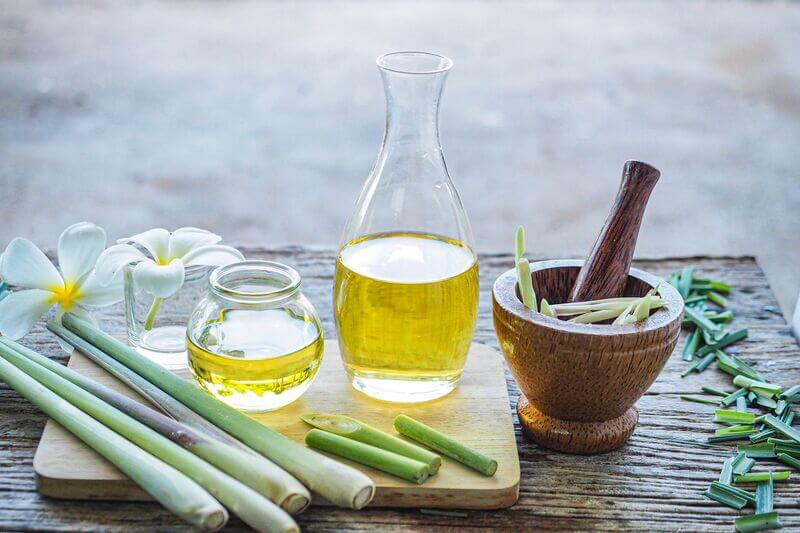
    Essential oils are highly concentrated extracts distilled from plants that capture powerful aromatic compounds. It can take up to 220 pounds of lemongrass leaves to produce just 2.2 pounds of lemongrass essential oil. Those leaves get distilled into a golden liquid packed with antioxidants, vitamins, and antimicrobial properties. The main therapeutic compounds in lemongrass oil are geranial, neral, myrcene, and geraniol. Together, these provide extensive healing, cleansing, and health-boosting powers.

    Best Essential Oil Diffuser That Supports Immune Health

    black and gray stethoscope

    Adding a few drops of lemongrass oil to your water, tea, or soup helps fortify immune health. Lemongrass contains high levels of vitamin C, an essential antioxidant nutrient that fights infection, speeds healing, and supports the immune system. The antiviral and antifungal properties in lemongrass oil also discourage illnesses. Diffusing lemongrass oil purifies indoor air of airborne germs and allergens. With regular use, lemongrass oil can strengthen resistance to seasonal illness.

    Best Smelling Essential Oils and Eases Stress and Promotes Relaxation

    Inhaling lemongrass essential oil triggers immediate calm and relaxation. As the aroma reaches the limbic system of the brain, it modifies mood, reduces anxious thoughts, and promotes tranquility. Studies confirm lemongrass oil lowers heart rate and decreases depression. The antidepressant qualities make it ideal for easing workrelated tension and pressures. Diffusing a few drops fills any space with a subtle, refreshing aroma of the tropics. Adding lemongrass oil to bathwater transforms an ordinary bath into spa-like escape.

    Natural Essential Oils That Alleviates Headaches

    The cleansing action of lemongrass oil increases circulation, removes toxins, and relieves inflammation or sinus pressure that triggers many headaches. Combining peppermint and lemongrass oils boosts these headache-subsiding benefits. Massage the oil blend into temples, forehead and back of neck for fast relief without drugs.

    Lemongrass Essential Oils Can Reduces Muscle Pain and Inflammation

    The high levels of antioxidants and compounds like chlorogenic acid, isoorientin, and swertiajaponin give lemongrass oil excellent analgesic abilities. This makes lemongrass oil an excellent natural remedy for sore, overworked muscles. The flowery citrus scent itself works as an instant pick-me-up. Add 10 drops lemongrass oil plus 2 tablespoons carrier oil like sweet almond oil to warm bathwater to soak away muscle soreness, osteoarthritis, or back pain.

    Supports Healthy Digestion

    A drop of lemongrass oil in water before meals activates healthy digestion. As a carminative, lemongrass oil helps relieve bloating, stomach cramps, nausea, gas pains, diarrhea, and other discomfort. The antimicrobial properties discourage gut pathogens that cause stomach flu or food poisoning. For chronic indigestion, lemongrass oil capsules bring rapid relief without side effects.

    Cleanses and Detoxifies

    The diuretic and astringent qualities in lemongrass oil make it valuable for cleansing programs. Adding lemongrass oil to herbal detox teas or water increases urination to flush waste, excess salt, toxins and fat from the body. This supports liver and kidney health. By tightening pores, lemongrass oil acts as natural toner to eliminate acne and brightness dull skin. Its antiseptic powers heal various skin disorders too.

    Repels Insects Naturally

    Outdoor gatherings become more pleasant with lemongrass oil’s bug repelling abilities. The citronella-like fragrance confuses mosquitos’ senses so they stay away. Add lemongrass oil to carrier oils like olive or sweet almond oil and rub onto exposed skin. Put a few repelling drops on outdoor candles and use lemongrass oil in torches or diffusers on patios too. This allows enjoying the outdoors minus annoying bugs.

    Promotes Quality Sleep

    best essential oil diffuser for sleep

    The calming nature of lemongrass essential oil helps initiate relaxation crucial for healthy sleep cycles. Add 5 drops oil to the sheets or dust pillows lightly to invite restful nights. For times when you wake up frequently, put 2 drops oil in a warm bath then soak your worries away before bed. Lemongrass oil alleviates insomnia and restless leg syndrome too. Soon you will associate lemongrass oil’s scent with blissful slumber.

    How to Use Lemongrass Essential Oil

    how to use lemongrass natural essential oil

    As an extremely versatile oil, lemongrass oil uses abound. Always use a carrier oil like coconut, olive or almond oil when applying directly to skin. Popular ways to use lemongrass daily include:

    • Diffusing – Add several drops lemongrass oil to diffusers for aromatherapy benefits. Combine with bergamot, lavender or peppermint oil too.
    • Topical – Blend with coconut oil and massage into sore muscles or temples. Always test skin sensitivity first.
    • Culinary – Add 1 drop oil to marinades, teas, soups for flavor and wellness.
    • Steam inhalation – Add 4 drops to steaming water then inhale vapors to ease sinus congestion.
    • Bath/shower – For a relaxing soak, mix 10 drops with carrier oil and add to warm bathwater as you draw your bath.
    • Home cleaning – Include a few drops in homemade cleaning sprays for antimicrobial protection.

    Choosing High Quality Lemongrass Oil

    As with any essential oil, purity matters. Search for “100% lemongrass essential oil” from reputable brands. Steam distilled from fresh (not dried) lemongrass tops yields the best therapeutic grade oil. Prices average $8 to $15 for a 10ml bottle. Legitimate lemongrass oil has a thin consistency and bright yellow tint. Beware cheap oils diluted with carrier oils or synthetic fragrances. Always check for the Latin name Cymbopogon flexuosus that guarantees authentic East Indian lemongrass oil.

    Using Lemongrass Oil Safely

    While lemongrass oil is generally very safe, always follow precautions. Do skin patch tests before topical use to check for allergic reactions first. Dilute with a carrier oil if using directly on skin. Avoid contact with eyes and sensitive areas. Do not ingest more than 1 drop without medical supervision. Check with your doctor before using if pregnant nursing, or on children. Store lemongrass oil sealed and away from sunlight to preserve the beneficial compounds.

    A Refreshing, Healing Addition to Your Routine

    Adding just a few drops of lemongrass essential oil into your daily wellness routine leverages powerful therapeutic plant compounds. Start by diffusing the bright, grassy aroma through your home office. Then massage diluted lemongrass oil into sore muscles after workouts for quick relief. The stress-relieving effects combined with immune boosting benefits make lemongrass a smart addition for the entire family too. Sipping lemongrass tea, applying the oil topically, or breathing in the fragrance during meditation all help you harness the healing potential of this ancient oil. Let lemongrass essential oil remove toxins, kill germs, ease pains and uplift spirits for improved wellbeing every single day.

  • Revealing Patchouli Oil Blends That Viral In 2023

    Revealing Patchouli Oil Blends That Viral In 2023

    what industry do use patchouli oil blends for their products?

    Patchouli oil, derived from the leaves of the patchouli plant (Pogostemon cablin), has a long and storied history in the world of perfumery and cosmetics. Its unique and distinctive aroma has captivated senses for centuries, and its diverse range of applications has made it a valuable commodity in various industries. In recent years, the demand for patchouli oil has witnessed a significant resurgence, driven by a growing interest in natural and sustainable products. This article explores the trend of patchouli oil in the world industry, highlighting its various applications and delving into the involvement of major companies that incorporate patchouli oil into their products.

    The History of Patchouli Oil

    pure essential oil manufacturers from indonesia, patchouli oil blends

    Patchouli oil has a rich history that spans centuries and continents. Its origins can be traced back to Southeast Asia, particularly Indonesia, where the patchouli plant is native. The leaves of the patchouli plant were traditionally used to scent fabrics and repel insects. As trade routes expanded, patchouli and its oil found their way to India, where it became a vital ingredient in Ayurvedic medicine and perfumery.

    In the 1960s and 1970s, patchouli oil gained prominence in Western culture during the counterculture movement. It became synonymous with the “hippie” lifestyle and was often associated with peace, love, and freedom. The distinct earthy and musky scent of patchouli oil became an iconic fragrance of that era.

    Today, patchouli oil has transcended its counterculture roots and is enjoying renewed popularity in a variety of industries.

    The Growing Trend in the Cosmetics and Perfume Industry Of Patchouli Oil Blends

    One of the most significant trends in recent years has been the increasing demand for natural and sustainable ingredients in cosmetics and perfumes. Consumers are becoming more conscious of the products they use on their bodies, seeking alternatives to synthetic chemicals. Patchouli oil, with its natural origins and versatile properties, fits the bill perfectly.

    Patchouli Perfume Industry

    patchouli perfume, patchouli oil for skin, patchouli oil for hair

    Patchouli oil is a cherished ingredient in the world of perfumery. It serves as a versatile base note that adds depth and longevity to fragrances. Its warm, earthy aroma blends well with a wide range of other essential oils and fragrance components. Perfume houses like Chanel, Dior, and Gucci have incorporated patchouli oil into their iconic fragrances, such as Chanel’s Coco Mademoiselle and Dior’s Hypnotic Poison.

    Here are the list of popular perfume brands that use patchouli oil as their ingredients

    Patchouli Oil For Skincare Industry

    The skincare industry has also embraced patchouli oil for its potential therapeutic benefits. It is known for its anti-inflammatory, antiseptic, and astringent properties, making it a popular choice for products targeting acne-prone and sensitive skin. Companies like The Body Shop and Lush have included patchouli oil in their skincare lines.

    Patchouli Oil For Haircare Industry

    In the realm of haircare, patchouli oil is often used to promote hair growth and strengthen hair follicles. Brands like Aveda and Bumble and Bumble have integrated patchouli oil into their hair care products to nourish and revitalize hair.

    Besides those 3 industries above, patchouli oil blends are use on another industries

    The Sustainability Factor Of Patchouli Oil

    Patchouli cultivation aligns well with the growing global focus on sustainability. It is a hardy plant that thrives in tropical climates with minimal chemical intervention. Sustainable farming practices are essential to maintain the quality and purity of patchouli oil. Several companies in the fragrance and cosmetics industry have recognized the importance of sustainability and have established partnerships with patchouli growers in regions like Indonesia to ensure responsible sourcing.

    One such example is L’Oréal, a multinational cosmetics giant, which has committed to sourcing sustainable patchouli for its fragrances. This not only supports environmentally friendly farming practices but also benefits local communities.

    Beyond Cosmetics : Patchouli Perfumery in Aromatherapy and Traditional Medicine

    The versatility of patchouli oil extends beyond cosmetics and perfumery. It has found a place in aromatherapy and traditional medicine for its potential health benefits:

    1. Aromatherapy: Patchouli oil is used in aromatherapy for its grounding and calming properties. It is believed to alleviate stress and anxiety and promote emotional balance. Wellness companies like doTERRA and Young Living offer patchouli oil as part of their essential oil collections.
    2. Traditional Medicine: In traditional medicine systems such as Ayurveda and Traditional Chinese Medicine, patchouli oil is valued for its ability to treat various ailments. It is used to alleviate conditions like skin inflammation, digestive issues, and respiratory problems.

    Huge Companies Embracing Patchouli Oil From Indonesia

    Several major companies have recognized the value of patchouli oil and have incorporated it into their products. Here are a few notable examples:

    1. L’Oréal: As mentioned earlier, L’Oréal has made a commitment to sourcing sustainable patchouli for its fragrances. The company’s dedication to responsible sourcing underscores the importance of environmental and social sustainability in the industry.
    2. The Estée Lauder Companies: Estée Lauder, a global leader in skincare and cosmetics, incorporates patchouli oil into various product lines. One of its well-known brands, Origins, features patchouli in products like “Peace of Mind” On-the-Spot Relief, highlighting its aromatherapeutic properties.
    3. The Body Shop: This ethical beauty brand uses patchouli oil in its skincare and fragrance products. The Body Shop has a longstanding commitment to sustainability and community trade, making patchouli oil an ideal ingredient in their range.

    The Best Patchouli Oil Blends In Various Industries

    Patchouli oil’s resurgence in the world industry is a testament to its enduring appeal and versatility. As consumers increasingly prioritize natural and sustainable products, patchouli oil has found its place in various sectors, including cosmetics, perfumery, skincare, and aromatherapy. The involvement of major companies like L’Oréal, Estée Lauder, and The Body Shop underscores its importance and potential in the modern market.

    As we move forward, it is likely that the trend of patchouli oil will continue to grow, driven by a global commitment to sustainability and a renewed appreciation for the unique qualities of this ancient and versatile essential oil. Whether you encounter it in your favorite perfume, skincare product, or spa treatment, patchouli oil is sure to leave a lasting impression on the world industry.

  • 7 Surprising Benefits of Clove Oil for Teeth: Natural Dental Relief and More!

    7 Surprising Benefits of Clove Oil for Teeth: Natural Dental Relief and More!

    Eugenia Caryophyllus Or Clove Oil For Teeth

    shallow focus photography of dry flower

    Clove oil for teeth can help toothache?

    Toothache, a common dental problem, can cause excruciating pain and discomfort, making it difficult to carry out daily activities. While seeking professional dental care is essential, nature has bestowed us with several remedies to alleviate toothache. One such natural remedy is cloves, which have been used for centuries for their analgesic and antibacterial properties. In this article, we will delve into the effectiveness of using cloves for toothache and explore different ways to utilize this natural wonder for soothing dental pain

    The Power of Cloves: Understanding the Science

    Cloves, derived from the aromatic flower buds of the clove tree (Syzygium aromaticum), have a long history of medicinal use. Their active compound, eugenol, exhibits potent analgesic, anti-inflammatory, and antimicrobial properties. These attributes make cloves an excellent choice for relieving toothache and combating dental infections.

    How Effective Cloves For Toothache

    two toothbrush in mason jar

    Toothache is very unpleasant, any activity and mood will be disrupted when a toothache. Therefore, nature has provided natural remedies to relieve toothache, one of which is clove. How effective is clove for curing toothache?

    Numbing Effect

    The eugenol present in cloves acts as a natural anesthetic, numbing the nerves and reducing the perception of pain. This makes cloves particularly effective for managing toothache until a dental appointment can be arranged.

    Anti-Inflammatory Action

    Toothache often results from inflammation around the affected tooth. Cloves can help reduce swelling and inflammation, providing relief from pain and discomfort.

    Antibacterial Properties

    Dental pain can also arise from bacterial infections. Eugenol’s antimicrobial properties help combat the bacteria responsible for dental infections, promoting oral health.

    Different Ways to Use Cloves for Toothache Relief

    brown and black beans on brown ceramic bowl

    Whole Cloves

    Chewing on a whole clove with the affected tooth can release the essential oil and provide temporary relief from toothache

    Clove Oil

    Clove oil is a concentrated form of the active compound eugenol. Applying a few drops of clove oil directly to the affected area using a cotton ball can significantly reduce pain and inflammation.

    Clove-infused Water

    Boil a handful of cloves in water, let it cool, and use it as a mouth rinse to reduce toothache and kill harmful bacteria.

    Clove Compress

    Soak a small piece of cotton in clove oil and place it on the affected tooth for localized relief.

    Precautions and Side Effects Clove Essential Oil / Clove Oil

    brown powder on white ceramic bowl

    While cloves can provide effective relief, some precautions must be considered

    Avoid Excessive Use

    Cloves are potent, and excessive use can lead to irritation and burning sensation in the mouth.

    Allergies

    Some individuals may be allergic to cloves. If you experience any adverse reactions, discontinue use and consult a healthcare professional.

    Seek Professional Advice

    While cloves can alleviate symptoms temporarily, they do not treat the underlying dental issue. It is essential to seek professional dental care for a comprehensive evaluation and treatment.

    Complementary Natural Remedies for Toothache

    shallow shot of white daisies

    Saltwater Rinse

    A simple saltwater rinse can help reduce swelling and cleanse the affected area.

    Garlic

    Garlic’s antimicrobial properties can also be beneficial in managing dental infections and toothache.

    Peppermint Tea

    Peppermint tea has natural numbing properties that can soothe tooth pain.

    When to Consult a Dentist If Clove Essential Oil Not Working

    person wearing lavatory gown with green stethoscope on neck using phone while standing

    While cloves and natural remedies can provide temporary relief, it is crucial to consult a dentist in the following situations

    Persistent Pain

    If the toothache persists or worsens despite using cloves or other remedies.

    Swelling or Fever

    If you experience swelling around the affected area or develop a fever

    Trauma or Injury

    In cases of dental trauma or injury, professional evaluation is essential.

    Conclusion And How To Find Good Clove Oil Manufacturer

    pure essential oil manufacturer

    Cloves have proven to be a valuable natural remedy for toothache, thanks to their analgesic, anti-inflammatory, and antimicrobial properties. Whether used in their whole form, as clove oil, or as a clove-infused mouth rinse, they offer effective relief from dental discomfort. However, it is essential to remember that cloves provide temporary relief and do not replace professional dental care. If you experience persistent toothache or other dental issues, seeking expert advice from a dentist is paramount to ensure long-term oral health.

    If you are looking for reliable clove oil manufacturer that only supply good clove oil. You can visit here, Global Essential Oil as one stop solution of wholesale essential oil supplier or retail essential oil supplier