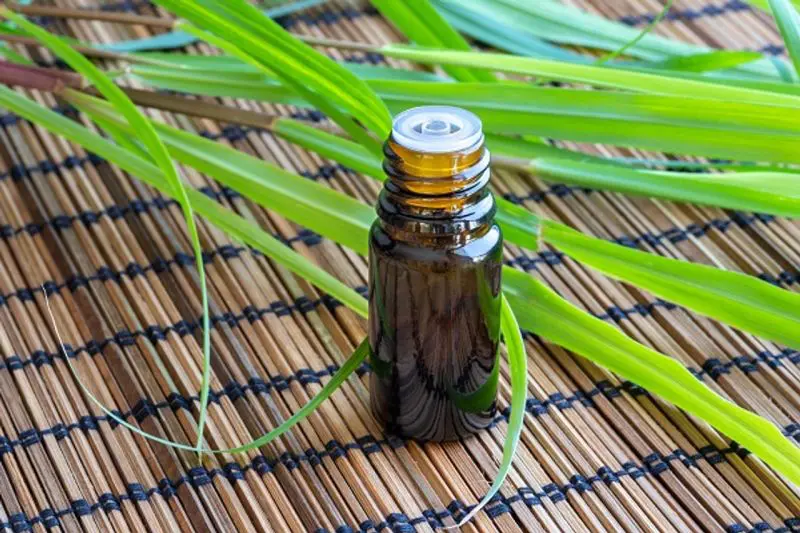
Category: Article

  • Citronella Oil for Pets: Is It Safe or Toxic to Dogs and Cats?

    Citronella Oil for Pets: Is It Safe or Toxic to Dogs and Cats?

    Citronella Oil for Pets
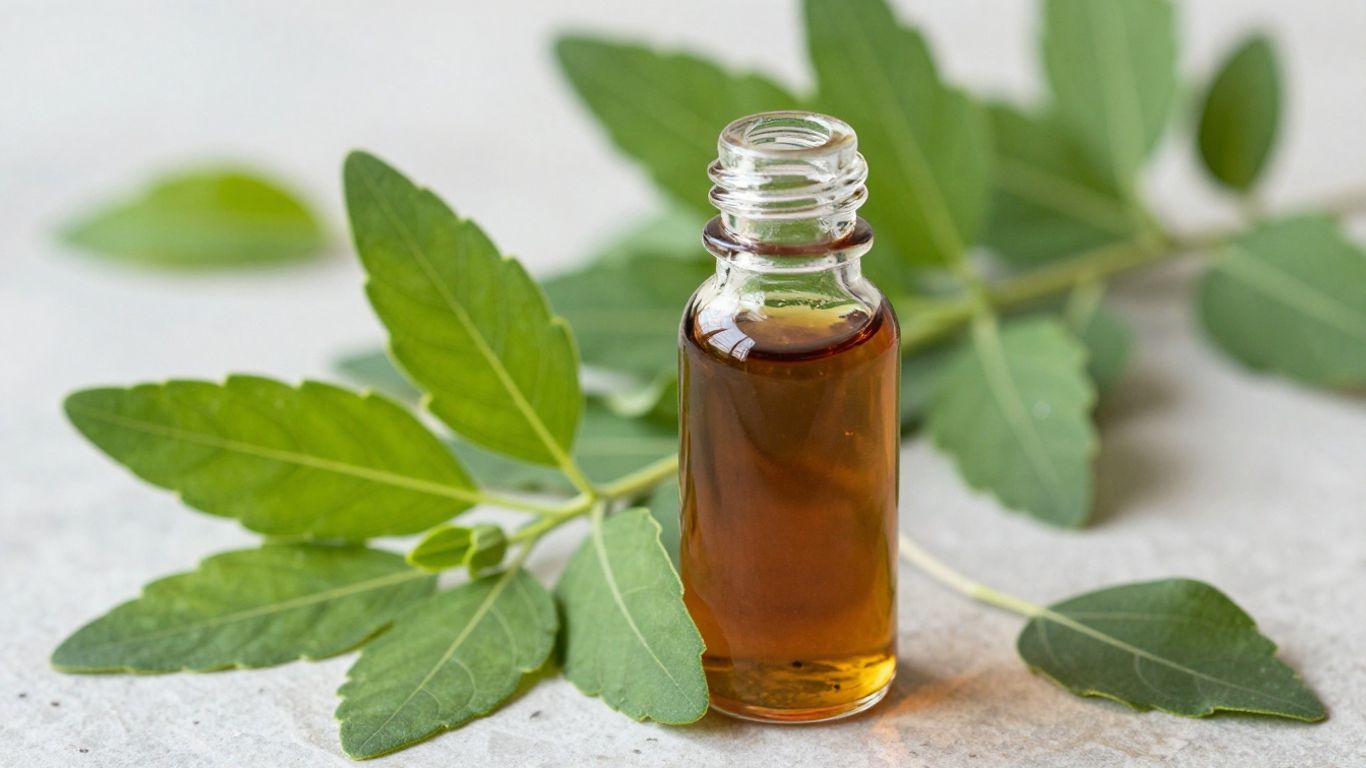
    Quick answer: Citronella oil is not automatically safe or toxic in every situation. Risk depends on the animal species, oil concentration, formulation, dose, and route of exposure. Concentrated citronella oil should not be applied directly to a dog or cat, added to food, or used as a homemade treatment without veterinary guidance. A recent controlled dog study found no skin irritation from one specific diluted bath formulation, but that result does not prove that pure oil, household sprays, diffusers, candles, or the same formulation are safe for every pet—especially cats.

    Citronella oil for pets is a popular search because the ingredient appears in insect repellents, outdoor candles, sprays, shampoos, collars, and household products.

    The problem is that these products are not interchangeable.

    A pet-labeled wash containing a controlled amount of citronella is very different from undiluted essential oil, torch fuel, or a homemade spray with an unknown concentration.

    Citronella is a mixture of volatile compounds obtained from Cymbopogon grasses. Its composition can vary by botanical source, origin, distillation, and batch.

    Manufacturers evaluating citronella essential oil therefore need to assess the actual oil specification and complete product formula—not rely on the ingredient name alone.

    This article reviews what recent research actually shows, where the evidence is limited, and what pet owners and commercial formulators should consider before using citronella around dogs or cats.

    Safety note: This article is educational and is not a diagnosis or a substitute for veterinary advice. If a pet has swallowed citronella oil, has concentrated oil on its coat or skin, or shows abnormal symptoms after exposure, contact a veterinarian or an animal poison-control service promptly. Do not induce vomiting unless a veterinary professional specifically instructs you to do so.

    Why Is Citronella Used Around Pets?

    Citronella is primarily valued for its odor and insect-repellent properties. In pet-related contexts, it may appear in:

    • mosquito, flea, or tick-control products;
    • pet shampoos, rinses, sprays, and wipes;
    • bark-control or training collars that release a citronella spray;
    • outdoor candles, torches, and garden repellents;
    • household cleaners, air-freshening products, and diffusers.

    The intended use matters. A finished product developed for animals may have a defined concentration, carrier system, application method, and label.

    A bottle of concentrated essential oil does not provide those safeguards by itself.

    For a broader discussion of accidental swallowing and general exposure, GEO also has a separate guide on whether citronella is toxic if ingested.

    This pet-focused article covers a different intent: species-specific risks, product forms, and formulation considerations.

    What Recent Research Actually Shows

    Citronella Oil for Pets

    Recent veterinary research provides useful clues, but it does not support a blanket statement that “citronella is safe for all pets” or “citronella is always toxic.”

    The most useful findings are formulation-specific.

    SourceWhat was studiedMain findingWhat it does not prove
    Uopasai et al., 2024A bath formulation containing 6% w/w C. nardus oil in 32 healthy dogs; skin observed for 15 days.No skin irritation was observed; mosquito repellency declined from 100% at 3 hours to 65.58% at 8 hours.It does not establish safety of pure oil, ingestion, diffusers, sprays, repeated long-term use, or use in cats.
    Tadee et al., 2024Five essential oils, including citronella, tested in vitro against dog ticks and fleas.Citronella showed insecticidal activity in laboratory tests.The dog-skin test used Z. limonella and clove oils—not citronella—so it is not direct evidence of citronella skin safety.
    EFSA FEEDAP, 2024C. nardus oil assessed as a sensory feed additive for animal species at defined feed levels.The assessment set dose-dependent conclusions and identified irritation/sensitization concerns for handling the oil.Feed-use conclusions cannot be automatically applied to topical products, diffusers, candles, or accidental ingestion.

    A 2024 dog study supports one specific diluted formulation—not every citronella product

    A 2024 in vivo study published in Veterinary World used 32 healthy mixed-breed dogs.

    The treatment group was bathed with a formulation containing 6% w/w C. nardus essential oil.

    The dogs were observed for erythema and edema through day 15, and the researchers reported no skin irritation.

    The formulation also showed mosquito repellency of 100% at 3 hours, 69.28% at 6 hours, and 65.58% at 8 hours.

    This is relevant evidence, but the boundaries are important: the study evaluated a finished bath product, healthy dogs, a single defined concentration, and a limited observation period.

    It should not be interpreted as permission to put undiluted citronella oil directly on a pet.

    A 2024 parasite study shows activity, but not direct citronella skin-safety data

    A Journal of Veterinary Science study tested citronella and four other essential oils against ticks and fleas collected from dogs or cats. Citronella showed laboratory activity against ectoparasites.

    However, when the researchers moved to a dog-skin sensitivity test, they selected Zanthoxylum limonella and clove oils—not citronella.

    This distinction matters because laboratory efficacy does not automatically establish dermal safety in dogs, and it does not provide evidence of safety in cats.

    A 2024 EFSA assessment reinforces that dose and use context matter

    The European Food Safety Authority assessed C. nardus oil as a sensory feed additive at defined concentrations.

    The panel reached dose- and species-dependent conclusions and also characterized the oil as a potential skin and eye irritant and dermal sensitizer for users handling it.

    This assessment concerns controlled feed use, not topical application, airborne exposure, or household products.

    It nevertheless supports the broader principle that essential-oil safety must be evaluated by dose, composition, species, and route of exposure.

    Is Citronella Oil Safe for Dogs?

    For dogs, the most accurate answer is: a properly formulated, pet-labeled product may be tolerated, but concentrated oil and improvised use can create avoidable risk.

    Direct skin application

    Do not apply neat or undiluted citronella essential oil directly to a dog. Concentrated oil can irritate the skin or eyes, and a dog may lick the treated area and turn a topical exposure into an oral exposure.

    The 2024 dog study discussed above does not justify copying its percentage into a homemade recipe; the complete bath formulation, application method, dog selection, and study controls all influenced the result.

    Ingestion

    Citronella essential oil should not be given orally unless a veterinarian is managing a specific, properly formulated product.

    Licking spilled oil, chewing a bottle, drinking diffuser liquid, or ingesting candle or torch products can involve ingredients other than citronella and may require urgent assessment.

    Diffusers and airborne exposure

    Passive diffusion is not the same as direct application, but it still creates inhalation exposure and the possibility of spills.

    Use good ventilation, prevent access to the device and liquid, and stop use if the dog shows coughing, breathing changes, drooling, agitation, lethargy, or other abnormal behavior.

    Pet-labeled products

    The U.S. Environmental Protection Agency advises consumers not to use an insect-repellent product on pets unless the label clearly states that it is intended for animals. See the EPA guidance on using repellents safely.

    Even when a product is labeled for dogs, follow the species, age, weight, frequency, and application instructions exactly.

    Is Citronella Safe for Cats?

    Citronella should be handled more conservatively around cats. The recent dog studies above cannot be transferred to cats, and they do not establish a safe feline concentration for skin application, ingestion, or diffusion.

    Practical precautions for cat households include:

    • do not apply concentrated citronella oil directly to a cat or its coat;
    • do not use a dog-only citronella product on a cat;
    • keep essential-oil bottles, diffuser reservoirs, candles, and torch fuels inaccessible;
    • avoid spraying bedding, carriers, scratching areas, or surfaces that a cat may lick unless the finished product is specifically labeled for that use;
    • ask a veterinarian before using any citronella-containing product on or near a cat with respiratory, liver, skin, or neurologic disease.

    Because controlled, citronella-specific safety data in cats are limited, the responsible conclusion is not “safe at a certain DIY dilution.”

    The safer standard is to use only products specifically developed and labeled for cats, with veterinary guidance when needed.

    Risk by Citronella Product Type

    Product typeMain exposure routePractical concernSafer approach
    Pure essential oilSkin, eyes, licking, swallowingVery concentrated; dose and composition are uncontrolled for pet use.Do not apply directly or administer orally.
    Pet-labeled shampoo or rinseTopical exposure and lickingSafety depends on the complete formulation and correct use.Follow the species-specific label and rinse instructions.
    Household or garden sprayInhalation, paws, coat, licking surfacesMay contain solvents, surfactants, or other active ingredients.Keep pets away during use and until the label allows re-entry.
    DiffuserInhalation and spilled liquidContinuous exposure and accessible reservoirs increase risk.Ventilate; restrict access; discontinue if symptoms occur.
    CandleSmoke, heat, wax or oil ingestionBurn and fire risk plus accidental ingestion.Use out of reach in ventilated areas; never leave unattended.
    Torch fuelSwallowing, skin contact, aspirationFuel products are not equivalent to cosmetic essential oil.Store securely and seek urgent veterinary advice after exposure.
    Citronella spray collarAirway, eyes, stress responseNot every dog tolerates the spray or behavioral method.Use only as labeled and discuss behavior concerns with a qualified professional.

    Possible Signs After Exposure

    Signs vary with the product, concentration, amount, and route of exposure. General warning signs after essential-oil exposure may include:

    • drooling, lip-smacking, vomiting, or diarrhea;
    • skin redness, swelling, pawing at the face, or eye irritation;
    • coughing, wheezing, rapid breathing, or breathing difficulty;
    • lethargy, weakness, unusual agitation, unsteady movement, tremors, or collapse.

    The ASPCA notes that concentrated essential oils can cause health concerns when pets walk through them, get them on the coat, or have them applied directly. See the ASPCA overview of essential oils around pets.

    If exposure occurs, remove the pet from the source and contact a veterinarian or poison-control service.

    Keep the bottle or product label available so the professional can identify the ingredients and concentration.

    Do not use online dilution recipes as emergency treatment.

    Can Citronella Be Used as a Pet Repellent?

    The phrase “citronella pet repellent” can mean two different things:

    1. An insect repellent intended to protect a pet from mosquitoes, fleas, or ticks.
    2. A product intended to keep dogs or cats away from furniture, gardens, or specific areas.

    In both cases, the safest approach is to use a finished product labeled for the intended species and use site.

    Do not spray concentrated citronella oil directly on an animal, food bowl, bed, litter area, or frequently licked surface.

    A product that is suitable for an outdoor perimeter may not be suitable for pet skin or indoor air.

    B2B Formulation Considerations for Pet-Care Manufacturers

    For manufacturers, importers, and private-label buyers, the question is not simply whether citronella oil is “natural.”

    The commercial safety assessment must cover the raw material, complete formula, target species, dose, exposure route, packaging, and label.

    1. Confirm botanical identity and oil type

    Cymbopogon nardus and Cymbopogon winterianus oils can differ in chemical profile. The product specification should clearly identify the botanical source, origin, extraction method, and applicable quality parameters. Avoid treating “citronella oil” as one chemically uniform ingredient.

    2. Review batch-specific chemical composition

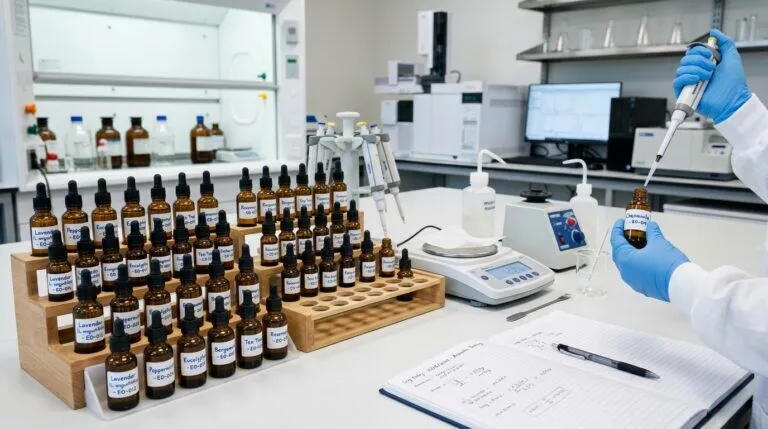
    GC-MS data can help formulators review major constituents and batch consistency. Our guide to understanding an essential oil GC-MS report explains why chromatographic data should be interpreted together with the specification and intended application.

    3. Define the target species and exposure route

    A rinse-off dog shampoo, leave-on spray, collar, room product, and feed additive require different risk assessments. A formula tested in dogs should not automatically be positioned for cats.

    Product developers should define age restrictions, body-weight assumptions, application frequency, licking potential, ventilation, and accidental-exposure scenarios.

    4. Evaluate the finished formula—not only the essential oil

    Carrier oils, solvents, surfactants, preservatives, fragrances, propellants, and packaging can change exposure and tolerability.

    Safety cannot be inferred from one ingredient in isolation. Stability testing is also important because evaporation or separation can alter the delivered concentration.

    5. Prepare documentation for procurement and regulatory review

    Depending on the product and market, buyers may request a Certificate of Analysis, specification sheet, GC-MS profile, Safety Data Sheet, allergen or restricted-substance information, stability data, and evidence supporting the intended label claims. Claims such as “pet-safe,” “non-toxic,” or “veterinarian approved” should not be used without adequate substantiation.

    6. Conduct species-appropriate safety and performance testing

    Laboratory activity against insects is not enough to prove safety or real-world performance on animals.

    Commercial development should include appropriate toxicological review, irritation or sensitization assessment, palatability/licking considerations where relevant, and controlled efficacy testing under applicable regulatory and ethical requirements.

    Formulating a citronella-based pet-care or repellent product?
    Review our citronella essential oil product page and contact our export team to discuss product specifications, available documentation, packaging, samples, and bulk supply requirements. Product suitability for a pet application must be assessed within the customer’s complete formulation and target-market requirements.

    Conclusion

    Citronella oil for pets is not a simple yes-or-no safety topic. Recent evidence suggests that a carefully designed citronella formulation can be tolerated by healthy dogs under controlled conditions, while other studies show insecticidal potential against ticks and fleas.

    However, these findings do not justify direct application of pure oil, homemade sprays, unrestricted diffusion, or extrapolation from dogs to cats.

    For pet owners, the practical rule is to use only species-appropriate, labeled products and seek veterinary advice after meaningful exposure.

    For B2B formulators, safety depends on botanical identity, batch composition, concentration, route, finished-product testing, documentation, and regulatory positioning.

    Frequently Asked Questions

    Is citronella oil toxic to dogs?

    Concentrated citronella oil can create risk if swallowed, applied directly, or used in an unsuitable formulation. One 2024 study found no skin irritation from a specific 6% w/w bath formulation in healthy dogs, but that result does not make pure oil or every citronella product safe.

    Is citronella oil safe for cats?

    There is not enough recent, controlled citronella-specific evidence to set a general safe DIY concentration for cats. Do not apply concentrated oil or use a dog-only product on a cat. Choose a cat-labeled product and seek veterinary guidance.

    Can I put citronella oil directly on my dog?

    No. Do not apply undiluted citronella essential oil directly to a dog. A pet-labeled formulation is not equivalent to a bottle of concentrated oil.

    Are citronella candles safe around pets?

    Candles introduce smoke, flame, hot wax, and accidental ingestion risks. Keep them out of reach, use ventilation, and stop use if a pet shows respiratory or behavioral changes. Torch fuel and candle liquids should be treated as household chemical products, not as pet treatments.

    Is a citronella diffuser safe for dogs?

    Risk depends on the device, concentration, room ventilation, exposure time, and the individual dog. Prevent access to the liquid, allow the dog to leave the area, and discontinue use if abnormal signs appear. Do not use diffusion as a substitute for a veterinarian-approved parasite-control product.

    Can citronella repel fleas and ticks on pets?

    Recent laboratory research shows that citronella can affect tick larvae and fleas, but laboratory activity does not establish the safety or effectiveness of a homemade topical treatment. Use products specifically labeled for the target animal and parasite.

    What should I do if my pet licks citronella oil?

    Remove access to the product and contact a veterinarian or animal poison-control service promptly. Keep the container and ingredient label available. Do not induce vomiting unless instructed by a veterinary professional.

  • Citronella Oil for Cleaning Products: How It Works, DIY Recipes & B2B Formulation Guide

    Citronella Oil for Cleaning Products: How It Works, DIY Recipes & B2B Formulation Guide

    Citronella Oil for Cleaning

    Citronella oil for cleaning products offers more than a fresh, citrus-like aroma. Although citronella essential oil is best known as a mosquito-repellent ingredient, it is also valued in natural cleaning formulations for its antimicrobial and antifungal properties.

    It can be used in floor cleaners, surface sprays, bathroom cleaners, air fresheners, and other household or commercial cleaning products. For manufacturers and formulators, however, effective use depends on the appropriate concentration, solubilization system, product format, and safety testing.

    This guide explains how citronella oil works in cleaning applications, provides practical DIY recipes, and outlines usage-rate considerations for commercial formulations.

    Global Essential Oil supplies Java-type citronella essential oil (Cymbopogon winterianus) sourced from Indonesia for B2B buyers. Product specifications and supporting documents can be requested for formulation and procurement review.

    Here is what you need to know before using citronella oil in cleaning products.

    Can Citronella Oil Be Used as a Disinfectant?
    Yes — citronella essential oil has documented antibacterial and antifungal properties, making it a legitimate natural disinfecting ingredient when used at appropriate concentrations.  

    Key active compounds and their antimicrobial mechanism:
    • Citronellal (35–45% in Java type): disrupts bacterial cell membranes; primary active compound
    • Geraniol (21–24%): broad-spectrum antimicrobial activity against bacteria and fungi
    • Citronellol (11–15%): enhances antifungal activity, particularly against Aspergillus species  

    A 2013 study in Applied Microbiology and Biotechnology found citronella oil destroyed the cell wall of Aspergillus niger, killing the organism — confirming its antifungal disinfecting potential.  

    Important limitation: Citronella oil is NOT a registered hospital-grade disinfectant. It will not achieve sterilization (100% pathogen kill). It is best described as a natural sanitizing and antimicrobial cleaning agent suitable for household and light commercial use.   Recommended minimum concentration for cleaning applications: 0.5–2% in water-based formulations.

    Why Citronella Oil Works as a Cleaning Agent: The Science

    Citronella Oil for Cleaning

    Most people associate citronella with mosquito repellent candles. What is less commonly known is that the same compounds responsible for its repellent effect also give it significant antimicrobial activity.

    Antibacterial Properties: Which Compounds Are Active

    Java type citronella oil (Cymbopogon winterianus) contains three primary antimicrobial compounds:

    • Citronellal (35–45%): The dominant compound in Java type citronella. Studies have shown it disrupts bacterial cell membrane integrity, causing leakage of cellular contents and bacterial death. It is effective against common household bacteria including Staphylococcus aureus and Escherichia coli.
    • Geraniol (21–24%): A monoterpene alcohol with broad-spectrum antimicrobial activity. Geraniol has demonstrated effectiveness against multiple pathogenic bacteria and is increasingly studied as a natural preservative for cosmetic and cleaning formulations.
    • Citronellol (11–15%): Contributes to overall antimicrobial synergy and has specific antifungal properties, particularly against Candida and Aspergillus species.

    These compounds work synergistically — the combination is more effective than any single compound in isolation.

    This is why whole citronella essential oil generally outperforms isolated citronellal in antimicrobial applications.

    → How these compounds support health applications: citronella aromatherapy and its antimicrobial properties

    Antifungal Properties: The Aspergillus Niger Study

    A landmark 2013 study published in Applied Microbiology and Biotechnology specifically tested citronella oil against Aspergillus niger — a common household mold that grows in bathrooms, on food, and in HVAC systems.

    Study Findings: Citronella vs Aspergillus Niger (2013)
    Researchers found that citronella essential oil at effective concentrations:
    • Destroyed the cell wall of Aspergillus niger — the organism’s primary structural defense
    • Disrupted the cellular contents within the fungal cell, leading to cell death
    • Demonstrated potential as an environmentally friendly alternative fungicide

    This is particularly relevant for bathroom cleaners, grout cleaners, and any application targeting visible mold growth in household environments.

    Note: In vitro (laboratory) results. Real-world effectiveness depends on contact time, concentration, and surface porosity.

    Citronella Oil as a Natural Disinfectant

    Citronella Oil as a Natural Disinfectant

    What Citronella Oil Can — and Cannot — Disinfect

    Being clear about what citronella oil can realistically achieve is important for safety and effectiveness:

    ApplicationCitronella Oil EffectivenessNotes
    Household surface sanitizing (counters, tables)Good — reduces microbial load significantlyNot hospital-grade; suitable for routine hygiene
    Bathroom mold and mildew controlGood antifungal activityPre-cleaning + citronella treatment most effective
    Floor cleaning (bacterial decontamination)Moderate — works with surfactant blendRequires 0.5–1% concentration + adequate contact time
    Air freshening and airborne pathogen reductionModerate — through diffusionNot equivalent to UV or chemical air disinfection
    Food preparation surface sanitizingAcceptable for natural approachesGRAS status for food flavoring; dilute thoroughly
    Hospital or medical-grade disinfectionNOT suitableDoes not achieve sterilization; do not use for medical equipment
    Sanitizing against COVID-19 or similar virusesINSUFFICIENT evidenceUse WHO-approved virucidal disinfectants for this purpose

    Citronella Oil vs Chemical Disinfectants

    FactorCitronella EOQuaternary Ammonium (QUAT)Isopropyl Alcohol (70%)Sodium Hypochlorite (bleach)
    Antimicrobial spectrumBacteria, fungi, some yeastsBacteria, some viruses, fungiBacteria, viruses, fungiBacteria, viruses, fungi, spores
    Efficacy levelSanitizing (99% kill)Disinfecting (99.9%+ kill)DisinfectingSterilizing (hospital grade)
    SafetyLow toxicity, biodegradableModerate — skin/eye irritantFlammable, dryingCorrosive, fumes, bleaches surfaces
    FragrancePleasant citrus-lemon scentOften odorless or synthetic fragranceStrong alcohol odorPungent bleach odor
    Environmental impactBiodegradable, naturalPersistent in waterways (aquatic toxicity)Generally safeCan form toxic byproducts
    Best forRoutine household cleaning, natural productsCommercial food serviceQuick sanitizingDeep disinfection, outbreak response

    Citronella Oil as a Natural Household Cleaner

    Global Essential Oil, Citronella Oil for Cleaning Products: How It Works, DIY Recipes & B2B Formulation Guide

    The combination of antimicrobial properties and a fresh, clean lemon-citrus scent makes citronella oil an excellent ingredient in household cleaning formulations.

    Here are three practical applications with complete recipes.

    Recipe 1: Citronella Floor Cleaner

    This is the most popular citronella cleaning application in Indonesia, driven by consumer demand for natural pembersih lantai (floor cleaners) with citronella fragrance and insect-repelling properties.

    Ingredients (makes 1 litre):

    • 900 ml warm water
    • 50 ml white vinegar (natural pH adjuster and surface brightener)
    • 5 ml liquid soap or plant-based surfactant (e.g. castile soap)
    • 15–20 drops Java type citronella essential oil (approx. 0.5–0.7% concentration)
    • Optional: 10 drops lemongrass essential oil (enhances citrus scent + adds citral antimicrobial benefit)

    Instructions:

    1. Mix the vinegar and liquid soap in a clean bucket or spray bottle
    2. Add warm water and stir gently (avoid vigorous shaking to prevent suds)
    3. Add citronella essential oil last and stir to distribute
    4. Use 150–200ml per standard mop bucket of water, or apply directly from spray bottle to floor
    5. Mop as usual — no rinse needed at this concentration
    Storage and Shelf Life
    Store in a sealed, dark glass or opaque plastic bottle. Shake well before each use as essential oils and water separate naturally. Use within 3 months for best antimicrobial potency. Do not store in direct sunlight — citronellal degrades with UV exposure.

    Recipe 2: Multi-Surface Disinfectant Spray

    A versatile spray suitable for countertops, tables, appliance surfaces, and bathroom vanities.

    Ingredients (makes 500ml):

    • 450 ml distilled water (or boiled water cooled to room temperature)
    • 30 ml isopropyl alcohol 70% or white vinegar (acts as solubilizer for EO and enhances sanitizing)
    • 10 ml castile soap or dish soap
    • 20 drops Java type citronella essential oil (approx. 0.5% concentration)
    • 10 drops tea tree essential oil (optional — adds additional broad-spectrum antimicrobial activity)

    Instructions:

    • Combine alcohol/vinegar with castile soap in a 500ml spray bottle
    • Add water and swirl gently to mix
    • Add essential oils and secure cap; invert gently to blend (avoid shaking)
    • Spray onto surface, leave for 30–60 seconds, wipe with clean cloth
    Surface Compatibility Note
    Citronella oil, like all essential oils, can affect certain surfaces with prolonged contact. Test in an inconspicuous area before first use on:
    • Natural stone (marble, granite) — vinegar and essential oils may etch over time
    • Unsealed wood — moisture and oil combination may cause warping
    • Rubber seals or certain plastics — some essential oils can degrade certain rubber compounds
    Safe for: sealed tile, glass, stainless steel, ceramic, most laminate surfaces

    Recipe 3: Bathroom and Mold-Prone Surface Cleaner

    This formula targets mold and mildew in grout, around drains, and on tiles — leveraging citronella oil’s documented antifungal activity against Aspergillus species.

    Ingredients:

    • ½ cup baking soda (mild abrasive + odor neutralizer)
    • Enough liquid soap to form a paste (approx. 2–3 tablespoons)
    • 20 drops Java type citronella essential oil
    • 10 drops clove bud essential oil (optional — eugenol adds powerful antifungal punch)

    Instructions:

    1. Mix baking soda and soap to form a thick paste consistency
    2. Add essential oils and stir thoroughly
    3. Apply to grout lines, around drain edges, or on visible mold with a brush or sponge
    4. Leave for 10–15 minutes to allow antifungal compounds to penetrate
    5. Scrub with a stiff brush and rinse with hot water
    6. For preventive maintenance: spray diluted citronella solution (1% in water) on bathroom surfaces weekly after cleaning

    Citronella Oil as a Natural Air Freshener and Room Deodorizer

    Citronella Oil as a Natural Air Freshener and Room Deodorizer

    Beyond surface cleaning, citronella oil is effective at reducing airborne pathogens and eliminating odors when diffused. This adds a second layer of environmental hygiene that chemical cleaning products cannot offer.

    • Diffuse 5–8 drops of citronella essential oil in an ultrasonic diffuser for 30–60 minutes to freshen and sanitize the air in small rooms
    • Add 10 drops to a 100ml room spray bottle with water and witch hazel for a quick-spray air freshener
    • Add 5 drops to vacuum cleaner bags or filters before vacuuming to leave a fresh scent and kill bacteria in the vacuum chamber

    → More on citronella aromatherapy benefits: benefits of citronella oil for skin and hair

    Formulation Guide for Cleaning Product Manufacturers

    For companies developing natural cleaning product lines, citronella essential oil is an increasingly popular active ingredient and fragrance. Here is the technical guidance you need:

    Recommended Usage Rates by Product Type

    Product TypeRecommended Citronella EO %FunctionKey Consideration
    Floor cleaner (ready-to-use)0.3–0.7%Fragrance + mild antimicrobialUse solubilizer (polysorbate 20) for clear formulation
    Multi-surface spray (RTU)0.5–1.0%Fragrance + sanitizingpH 5–7 optimal for EO stability
    Concentrated floor cleaner1.0–2.0%Active ingredient + fragranceConsumer dilutes 1:10 to 1:20 before use
    Bathroom disinfectant spray1.0–1.5%Antifungal + antibacterialCombine with 5% isopropyl alcohol for enhanced efficacy
    Air freshener spray0.5–1.0%Fragrance + air purificationAdd 10% ethanol as propellant/solubilizer
    Toilet bowl cleaner0.5–1.0%Fragrance + mild antimicrobialEnsure EO compatibility with acidic pH cleaner base
    Laundry detergent additive0.2–0.5%Fragrance + fabric fresheningTest for EO stability in surfactant-heavy base
    Solubilizing Citronella Oil in Water-Based Formulations
    Essential oils do not mix with water without a solubilizer. For clear, stable cleaning formulations, use:
    • Polysorbate 20 (Tween 20): Most common for water-based cleaning products. Ratio: 1:2 (1 part EO : 2 parts polysorbate 20)
    • PEG-40 hydrogenated castor oil: Alternative solubilizer with slightly different HLB value
    • High-proof ethanol (70%+): Works well for spray formulations; also adds antimicrobial benefit

    For opaque/milky formulations (floor cleaners, gel cleaners): full solubilization not required — emulsification is sufficient.

    Which Grade of Citronella Oil for Cleaning Applications

    Not all citronella oil grades are equally suitable for cleaning products:

    • Grade A (pure, SNI/ISO compliant, Java type): Best for premium ‘natural’ or ‘eco’ cleaning lines where label claims matter. Highest citronellal content (35–45%) = strongest antimicrobial activity.
    • Industrial grade: Acceptable for budget cleaning products where fragrance is primary function. May contain synthetic citronellal additions — verify with supplier.
    • Avoid Ceylon type (Cymbopogon nardus): Lower citronellal (5–15%) means significantly reduced antimicrobial efficacy. Only suitable if purely for fragrance in cleaning products.

    → Full guide on grades and purity: citronella oil chemotypes and grades explained

    Safety and Storage for Cleaning Applications

    • Always dilute citronella oil before use — the DIY recipes above are pre-calculated at safe concentrations
    • Wear gloves if handling concentrated oil for formulation — undiluted citronella oil can irritate skin with prolonged contact
    • Keep away from eyes and mucous membranes
    • Store in sealed, dark glass or UV-resistant plastic containers away from heat and sunlight
    • Shelf life of pure citronella EO: 2–3 years properly stored. Formulated cleaning products: 6–12 months
    • Not for use in cleaning food-contact surfaces at concentrations above 0.5% without regulatory review
    • Children and pets: avoid use of concentrated solutions in areas where young children or pets crawl on floors — diluted floor cleaner at 0.5% is generally considered safe after drying
    How to Make a Natural Citronella Disinfectant Spray at Home
    Simple multi-surface disinfectant spray with citronella oil:

    Ingredients (500ml):
    • 450ml distilled water
    • 30ml white vinegar or 70% isopropyl alcohol (solubilizer + antimicrobial boost)
    • 10ml castile soap
    • 20 drops Java type citronella essential oil (0.5%)
    • 10 drops tea tree oil (optional — additional antimicrobial)  

    Instructions:
    1. Combine vinegar/alcohol + soap in spray bottle
    2. Add water, swirl gently
    3. Add essential oils, cap and invert (do not shake vigorously)
    4. Spray surface, wait 30–60 seconds, wipe with clean cloth  

    Shelf life: 3 months in sealed dark container
    Safe for: glass, stainless steel, sealed tile, ceramic, laminate
    Not for: marble, natural stone, unsealed wood

    Source Bulk Citronella Oil for Cleaning Product Manufacturing

    Global Essential Oil produces Java type citronella essential oil (Cymbopogon winterianus) from Indonesian farms — the highest-citronellal variety, most effective for cleaning and antimicrobial applications.

    • GC-MS certificate of analysis: citronellal %, geraniol %, Total Geraniol verified per batch
    • SNI 06-3953-1995 compliant: citronellal ≥35%, Total Geraniol ≥85%
    • Halal MUI certified — suitable for consumer cleaning products in Muslim-majority markets
    • Full documentation: COA, MSDS, Phytosanitary Certificate, Certificate of Origin
    • Flexible MOQ: from sample quantities to full ISO-tank for high-volume cleaning product manufacturers

    → Learn more about our production process: How we produce Java type citronella oil — industrial distillation and quality control.

    Frequently Asked Questions

    Can I use citronella essential oil as a disinfectant?

    Citronella essential oil has natural antibacterial and antifungal properties, making it suitable for routine household cleaning. However, it should not be considered a hospital-grade disinfectant or a replacement for products intended for medical sanitation.

    How much citronella oil should I add to a floor cleaner?

    For most DIY floor cleaners, use approximately 15–20 drops of citronella essential oil per liter of solution. Adding a natural emulsifier or mild liquid soap helps the oil disperse evenly in water.

    What bacteria does citronella oil help fight?

    Studies have shown that citronella oil has antimicrobial activity against several bacteria and fungi, including Staphylococcus aureus, Escherichia coli, and Aspergillus niger. Its effectiveness is largely attributed to compounds such as citronellal, geraniol, and citronellol.

    Is citronella oil safe to use for cleaning around children and pets?

    When properly diluted in household cleaning products and allowed to dry before contact, citronella oil is generally considered suitable for routine cleaning. Avoid direct exposure to concentrated oil, especially around young children and pets.

    Can citronella oil replace bleach for bathroom cleaning?

    Not completely. Citronella oil is suitable for routine cleaning and odor control, but bleach or other approved disinfectants are still recommended for heavy mold removal or sanitation after illness.

    Does citronella oil cleaning spray also repel insects?

    Yes. Citronella oil is widely known for its natural insect-repellent properties. Cleaning sprays made with citronella oil may help deter mosquitoes and other common household insects while freshening surfaces.

    What is the difference between Java citronella and Ceylon citronella for cleaning?

    Java type citronella oil contains significantly more citronellal than Ceylon type, making it the preferred choice for household cleaning and insect-repellent products. It also offers a cleaner aroma and is commonly used in commercial cleaning formulations.

  • Top 10 Essential Oil Suppliers in Indonesia 2026: B2B Buyer Evaluation Guide

    Top 10 Essential Oil Suppliers in Indonesia 2026: B2B Buyer Evaluation Guide

    Top 10 Essential Oil Suppliers in Indonesia 2026: B2B Buyer Evaluation Guide

    Indonesia is one of the most important sourcing origins for essential oils, especially for international buyers looking for patchouli oil, nutmeg oil, citronella oil, clove oil, vetiver oil, lemongrass oil, cajuput oil, and other botanical raw materials for fragrance, cosmetics, personal care, home care, aromatherapy, and manufacturing applications.

    But choosing the right essential oil supplier is not just about finding the lowest price.

    B2B buyers need to evaluate product origin, botanical name, extraction method, batch consistency, COA, GC-MS report, MSDS, sample availability, MOQ, packaging, export documentation, and communication quality before placing a trial or bulk order.

    This guide lists essential oil suppliers in Indonesia that buyers can evaluate in 2026. Global Essential Oil is listed first because this article is published by Global Essential Oil, but every supplier in this list should still be verified independently before placing an order.

    The list is not a final ranking from best to worst. It is a practical starting point for B2B buyers preparing a supplier shortlist.

    For buyers still mapping product options, you can also review our Indonesian essential oil product catalog to see available oils such as patchouli, citronella, nutmeg, clove, vetiver, lemongrass, cajuput, agarwood, and other Indonesian essential oils.

    Quick Answer: How to Choose Essential Oil Suppliers in Indonesia

    The best essential oil supplier for your business depends on your target application, oil type, quality parameter, documentation requirement, destination market, and buying volume.

    Before choosing a supplier, B2B buyers should check:

    • Whether the supplier offers the exact essential oil you need, such as patchouli oil, nutmeg oil, citronella oil, clove oil, vetiver oil, lemongrass oil, cajuput oil, or agarwood oil.
    • Botanical name, CAS number, extraction method, origin, color, odor profile, and main chemical components.
    • COA, GC-MS report, MSDS, product specification sheet, Halal certificate, or other documents required by your market.
    • Whether the supplier is a manufacturer, distiller, exporter, trader, distributor, or private label partner.
    • MOQ, sample policy, lead time, Incoterms, export port, and payment terms.
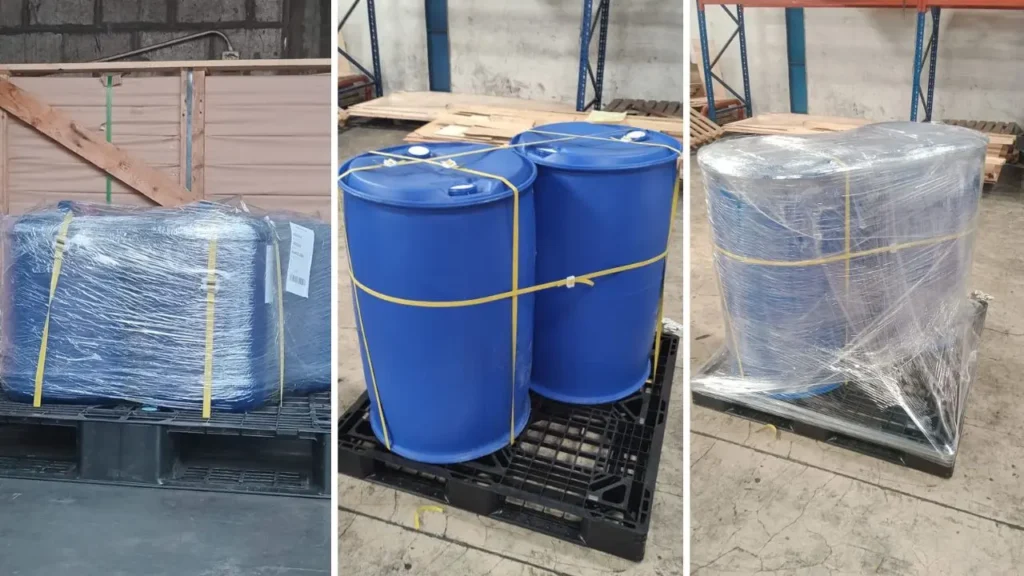
    • Packaging options such as 1 kg bottle, 5 kg bottle, 20/25 kg jerrycan, 180/200 kg drum, or custom packaging.
    • Whether the supplier can support repeat orders with consistent quality and batch-level documentation.

    If this is your first time buying from Indonesia, read our guide on how to source essential oils from Indonesia to understand supplier verification, quality standards, export documents, and common sourcing mistakes.

    Why Indonesia Is a Key Source for Essential Oils

    Why Indonesia Is a Key Source for Essential Oils

    Indonesia has a strong essential oil supply ecosystem because of its botanical diversity, regional growing conditions, traditional distillation knowledge, and established export activity in aromatic raw materials.

    For B2B buyers, Indonesia is especially relevant when sourcing oils that are strongly associated with Indonesian origin, including patchouli, nutmeg, citronella, clove, vetiver, lemongrass, cajuput, and several specialty aromatic materials.

    For procurement teams, Indonesia can offer different supplier models:

    • Essential oil manufacturers and distillers focused on specific oils or regions.
    • Exporters that consolidate multiple Indonesian oils for international buyers.
    • Flavor and fragrance ingredient companies with broader portfolios, including essential oils, isolates, aroma chemicals, extracts, and derivatives.
    • Private label or finished product manufacturers for aromatherapy, topical oil, wellness, and personal care applications.
    • Traders or brokers that may offer price flexibility but require stronger verification.

    The main challenge is that supplier quality can vary. Some companies provide detailed product specifications, COA, GC-MS, MSDS, and export documentation. Others may only provide general product names or price offers.

    That is why buyers should compare suppliers using objective criteria instead of relying only on website claims.

    How We Selected These Essential Oil Suppliers

    How We Selected These Essential Oil Suppliers

    This list is based on publicly available information from supplier websites, product pages, official company pages, and public business profiles available at the time of review.

    Supplier information can change, so buyers should verify current details directly with each company before making procurement decisions.

    Publicly Available Business Information

    Each supplier included here has a public presence that can be checked, such as an official website, product page, public company profile, trade directory profile, or industry listing.

    Essential Oil Product Focus

    Priority is given to companies that publicly mention essential oils, patchouli oil, nutmeg oil, citronella oil, clove oil, vetiver oil, lemongrass oil, cajuput oil, aromatic ingredients, or related natural raw materials.

    Documentation and Quality Signals

    When a supplier publicly mentions COA, GC-MS, MSDS, product specification, Halal, organic, ISO, FSSC, GMP, CPOTB, or other trust signals, those points are included as public signals only.

    Buyers should still request current document copies, certificate scope, expiry dates, and batch-level reports before ordering.

    Export and Bulk Supply Readiness

    For international sourcing, export readiness matters. Buyers should check whether the supplier can support bulk orders, sample shipments, export documents, proper packaging, Incoterms, and buyer communication in English or the buyer’s preferred procurement workflow.

    B2B Buyer Fit

    This guide is written for importers, distributors, fragrance houses, cosmetics manufacturers, home care manufacturers, aromatherapy/private label buyers, and procurement teams. It is not written for household consumers looking for small retail bottles only.

    Comparison Table: Essential Oil Suppliers in Indonesia

    SupplierProduct FocusPublic SignalsSuitable Buyer TypeWhat Buyers Should Verify
    Global Essential OilPatchouli, nutmeg, citronella, clove, vetiver, lemongrass, cajuput, agarwood, and other Indonesian oilsProduct pages show specification details, packaging notes, and document signals such as COA, GC-MS, MSDS, and Halal on selected pagesImporter, distributor, fragrance buyer, cosmetics/home care manufacturer, procurement teamCurrent COA, GC-MS, MSDS, Halal certificate, MOQ, packaging, lead time, export docs
    Van AromaIndonesian essential oils, aroma molecules, botanical extractsOfficial/public profiles describe Indonesian essential oils and product catalog; INAExport profile lists patchouli, nutmeg, clove, eugenol, citronellaFragrance, flavor, aromatherapy, cosmetic raw material buyerProduct grade, current certification, COA/GC-MS, MOQ, export terms
    PT Indesso AromaNatural extracts, aroma ingredients, clove oil derivatives, botanical sourcesOfficial pages mention natural ingredient manufacturing and clove derivative portfolioFlavor, fragrance, F&B, consumer goods, cosmetics buyerCurrent essential oil availability, grade, COA, SDS/MSDS, certification scope
    Haldin Pacific SemestaNatural ingredients and essential oils including patchouli and citronellaOfficial product category lists essential oils and sample request optionsFlavor, fragrance, cosmetic, F&B, health product buyerProduct spec, sample, current documentation, MOQ, export documents
    PT Djasula WangiEssential oils, clove leaf oil derivatives, vanillaOfficial pages show essential oil products and public patchouli specificationsFragrance, flavor, vanilla, clove derivative buyerCurrent COA, GC-MS, MSDS, product grade, packaging, export readiness
    PT Mignon Sista InternationalIndonesian essential oils, spices, aromatic woods, vanillaOfficial site describes essential oils, spices, aromatic woods, international business experience, and sample offerImporter, distributor, fragrance/flavor buyer, multi-product sourcing buyerCurrent documents, product specs, COA/GC-MS, sample policy, MOQ, export terms
    PT Aroma Atsiri IndonesiaEssential oils, chemicals, absolutes, extractsOfficial site lists patchouli, citronella Java, nutmeg and mace, clove, vetiver, cananga, cajeput, massoiaBuyer needing broad Indonesian oil rangeCurrent company documents, product specs, COA/GC-MS, MOQ, export capability
    PT Global Vision ImpexEssential oils, spices, gums, resins, botanicalsOfficial site lists essential oils such as citronella, clove leaf, nutmeg oil, and patchouliImporter seeking essential oils plus Indonesian spices/botanicalsSupplier type, product grade, COA/GC-MS, export documents, bulk availability
    PT Dragon Prima FarmaCajuput oil, citronella oil, aromatherapy oil, topical/herbal productsOfficial site mentions export and private label; public profile lists exporter/producer and main productsPrivate label, OTC/traditional herbal, aromatherapy finished product buyerRaw oil vs finished product availability, regulatory documents, MOQ, private label requirements
    PT Natura Aromatik NusantaraAroma chemicals, essential oils, natural extractsOfficial product pages list patchouli, citronella, nutmeg, clove and quality/location detailsFlavor, fragrance, food, cosmetics, nutraceutical ingredient buyerCurrent specs, COA/GC-MS, SDS/MSDS, certification scope, MOQ, export terms

    Top 10 Essential Oil Suppliers in Indonesia to Evaluate in 2026

    1. Global Essential Oil

    Global Essential Oil

    Global Essential Oil is an Indonesian essential oil supplier under PT Inti Agro Solution.

    The company’s public product catalog presents a wide range of Indonesian essential oils, including patchouli, citronella, cajuput, clove, nutmeg, vetiver, lemongrass, agarwood, fennel seed, ginger, ylang ylang, and other aromatic products.

    For B2B buyers, Global Essential Oil is especially relevant when the sourcing requirement is connected to Indonesian-origin patchouli oil, nutmeg oil, and citronella oil.

    The patchouli product page publicly lists technical information such as botanical name, CAS number, extraction method, color, odor, main component range, and packaging options.

    The nutmeg product page publicly shows quality assurance signals such as Halal Certificate, Gas Chromatography, Certificate of Analysis, and MSDS Document. The citronella product page is also part of the company’s Indonesian essential oil product portfolio.

    GEO can be considered when buyers need supplier support beyond basic product availability, including product specification review, COA/GC-MS discussion, MSDS request, packaging confirmation, sample discussion, and quotation preparation.

    Buyers should still verify final product availability, current document status, and shipment requirements before placing an order.

    Best for: importers, fragrance buyers, cosmetics manufacturers, home care manufacturers, aromatherapy/private label buyers, and procurement teams looking for Indonesian essential oils with documentation discussion.

    What buyers should verify: current COA, GC-MS report, MSDS, Halal certificate, product availability, MOQ, packaging, lead time, Incoterms, export documents, and whether the specific batch meets the buyer’s application needs.

    Sources reviewed: Global Essential Oil product catalog, patchouli page, nutmeg page, citronella page, and contact page.

    For product-specific review, buyers can check GEO’s bulk patchouli essential oil supplier page, nutmeg oil exporter Indonesia page, and citronella essential oil page.

    2. Van Aroma

    Van Aroma

    Van Aroma is publicly presented as an Indonesian company focused on essential oils, aroma molecules, botanical extracts, and related natural raw materials.

    Its official website and public trade profiles describe a product catalog for essential oils and related ingredients, while the INAExport profile lists main products such as patchouli oil, nutmeg oil, clove oil, eugenol USP, and citronella oil.

    For B2B buyers, Van Aroma may be relevant when evaluating established suppliers with a broader flavor, fragrance, aromatherapy, cosmetic, and raw material positioning.

    Because some product and certification information may be shown through public profiles or dynamic website pages, buyers should request direct confirmation for the exact oil grade, document package, and current certification scope before procurement approval.

    Best for: fragrance houses, flavor houses, aromatherapy brands, cosmetic raw material buyers, and procurement teams evaluating Indonesian natural ingredients.

    What buyers should verify: current product catalog, product grade, COA, GC-MS report, MSDS/SDS, certification scope, sample policy, MOQ, Incoterms, export documents, and availability for repeat orders.

    Sources reviewed: Van Aroma official website, product catalog URL, and INAExport public profile.

    3. PT Indesso Aroma

    PT Indesso Aroma

    PT Indesso Aroma is an Indonesian natural ingredient and aroma ingredient company with a long-standing public presence in flavor and fragrance raw materials.

    Its official website describes natural extracts and aroma ingredients, and highlights a clove collection that includes clove oil derivatives such as Eugenol USP, Caryophyllene, Isoeugenol, Eugenyl Acetate, and related ingredients.

    Indesso may be relevant for buyers that need a more industrial ingredient partner rather than a small commodity trader.

    The company appears especially suitable for flavor, fragrance, food and beverage, consumer goods, and cosmetics buyers evaluating Indonesian botanical ingredients and clove-derived aroma materials.

    Buyers seeking specific essential oils should request current product availability and specification directly.

    Best for: flavor houses, fragrance houses, F&B manufacturers, consumer goods manufacturers, cosmetics buyers, and procurement teams looking for established aroma ingredient capabilities.

    What buyers should verify: which essential oils are currently offered, product grades, COA, SDS/MSDS, batch documentation, certification scope, MOQ, packaging, and export terms.

    Sources reviewed: Indesso official website, natural extracts and aroma ingredients page, and about page.

    4. Haldin Pacific Semesta

    Haldin Pacific Semesta

    Haldin Pacific Semesta is publicly positioned as a natural ingredient company serving formulation needs across categories such as food and beverage, flavor and fragrance, cosmetic and care, health, and related industries.

    Its official essential oil category lists products such as patchouli oil, citronella oil, ginger oil, kaffir lime leaf oil, sandalwood oil, and lesser galangal oil, with request sample options shown on the site.

    For B2B buyers, Haldin may be relevant when the requirement is not only raw material sourcing, but also formulation-oriented ingredient discussion.

    The public product category gives useful initial signals, but buyers should still request current product specification, COA, GC-MS/SDS documents, sample availability, and commercial terms before qualification.

    Best for: flavor and fragrance buyers, cosmetic and care manufacturers, food and beverage manufacturers, health product companies, and procurement teams needing natural ingredient support.

    What buyers should verify: current product specification, COA, GC-MS or relevant analytical report, SDS/MSDS, sample process, MOQ, packaging, export documentation, and whether the oil grade fits the intended formulation.

    Sources reviewed: Haldin official website and essential oil product category.

    5. PT Djasula Wangi

    PT Djasula Wangi

    PT Djasula Wangi publicly describes itself as a company specializing in essential oils, clove leaf oil derivatives, and vanilla-related commodities. Its official product pages include essential oils such as patchouli oil and clove oil products.

    The patchouli oil page publicly lists specification-style parameters such as specific gravity, refractive index, acid number, and patchouli alcohol content.

    This supplier may be relevant for buyers evaluating Indonesian essential oil sourcing together with clove derivatives and vanilla-related commodities.

    Since the public pages provide product-level information, buyers can use them as an initial screening point, but procurement decisions should still rely on current batch documentation and direct supplier confirmation.

    Best for: fragrance, flavor, clove derivative, vanilla, and essential oil buyers evaluating Indonesian raw material suppliers.

    What buyers should verify: current COA, GC-MS, MSDS/SDS, product grade, packaging, MOQ, export documents, certificate scope if applicable, and whether listed specifications match the offered batch.

    Sources reviewed: PT Djasula Wangi official website and product pages.

    6. PT Mignon Sista International

    PT Mignon Sista International

    PT Mignon Sista International publicly presents itself as an Indonesian supplier of essential oils, spices, aromatic woods, and vanilla.

    Its official website mentions international business experience, sustainable supply positioning, and sample availability.

    Public profiles also identify the company as an Indonesian producer/exporter with essential oils and spices as main products.

    For B2B buyers, Mignon may be relevant when evaluating a supplier that combines essential oils with spices, vanilla, and aromatic woods.

    Public claims such as purity, sustainability, or sourcing approach should be treated as starting points only; buyers should request current documents and sample-supported verification before placing commercial orders.

    Best for: importers, distributors, fragrance/flavor buyers, and multi-product sourcing teams looking for Indonesian essential oils, spices, vanilla, or aromatic woods.

    What buyers should verify: current product list, COA, GC-MS, MSDS/SDS, certification proof if claimed, sample process, MOQ, Incoterms, packaging, and export document readiness.

    Sources reviewed: PT Mignon Sista International official website, products page, INAExport profile, and public profiles.

    7. PT Aroma Atsiri Indonesia

    PT Aroma Atsiri Indonesia

    PT Aroma Atsiri Indonesia publicly states that it manufactures and exports essential oils, chemicals, absolutes, and extracts available in Indonesia.

    Its official website lists main essential oils including cinnamon bark oil, nutmeg and mace oil, clove oil, cananga oil, vetiver oil, massoia bark oil, patchouli oil, citronella oil Java, and cajeput oil.

    This supplier may be relevant for buyers that need a broad Indonesian essential oil range and want to evaluate multiple oils from a single supplier.

    Since the public website gives general product-category information, buyers should request technical documents and current availability for each specific oil before shortlisting.

    Best for: buyers looking for a broad range of Indonesian essential oils, especially fragrance, flavor, cosmetics, and raw material procurement teams.

    What buyers should verify: company documents, product specification, botanical name, extraction method, COA, GC-MS, MSDS/SDS, MOQ, packaging, sample availability, and export capability.

    Sources reviewed: PT Aroma Atsiri Indonesia official website.

    8. PT Global Vision Impex

    Global Essential Oil, Top 10 Essential Oil Suppliers in Indonesia 2026: B2B Buyer Evaluation Guide

    PT Global Vision Impex publicly presents itself as an Indonesian exporter dealing in spices, essential oils, gums, resins, botanicals, nuts, coffee, and related commodities.

    Its official website lists essential oils such as citronella, clove leaf, nutmeg oil, and patchouli, alongside other Indonesian spice and botanical products.

    GVI may be relevant for buyers who want to evaluate essential oils together with Indonesian spices and botanical commodities.

    Because the company appears positioned as a broader export trading organization, buyers should clarify whether the specific oil is supplied directly, consolidated from partner producers, or traded from third-party sources.

    Best for: importers and distributors seeking Indonesian essential oils alongside spices, gums, resins, and botanical commodities.

    What buyers should verify: supplier type, origin traceability, product grade, COA, GC-MS, MSDS/SDS, packaging, MOQ, lead time, export documents, and whether repeat-order consistency can be supported.

    Sources reviewed: PT Global Vision Impex official website and products page.

    9. PT Dragon Prima Farma

    PT Dragon Prima Farma

    PT Dragon Prima Farma is publicly positioned as an Indonesian company in traditional herbal, topical, and personal care products.

    Its official website mentions export and private label cooperation options, while a public SMEsta profile lists main products such as cajuput oil, citronella oil, liniment oil, balm, menthol inhaler, and aromatherapy oil.

    This company may be more relevant for buyers evaluating finished oil-based products, OTC/traditional herbal products, aromatherapy products, or private label opportunities rather than buyers searching only for bulk single-note essential oil ingredients.

    Buyers should clarify the exact supply model before including the company in a raw essential oil procurement shortlist.

    Best for: private label buyers, traditional herbal product buyers, aromatherapy product buyers, OTC/topical product buyers, and distributors evaluating finished or semi-finished oil-based products.

    What buyers should verify: whether the company offers raw essential oils or finished products only, regulatory documents, CPOTB/GMP-related documentation if relevant, Halal certificate scope, private label requirements, MOQ, packaging, and export terms.

    Sources reviewed: PT Dragon Prima Farma official website and SMEsta public profile.

    10. PT Natura Aromatik Nusantara

    PT Natura Aromatik Nusantara

    PT Natura Aromatik Nusantara publicly describes itself as an Indonesia-based producer of aroma chemicals, essential oils, and natural extracts for the flavor and fragrance industry.

    Its official website states that Natura Aromatik produces essential oils native to Indonesia, obtained from distillation of leaves, stems, or flowers.

    The official essential oil product page provides product-level details for oils such as patchouli oil, citronella oil, nutmeg oil, and clove oils. Some listings include source, quality parameter, color, location, character, and application notes.

    This makes Natura Aromatik useful for buyers who need initial technical screening before requesting full documents.

    Best for: flavor and fragrance buyers, food and beverage manufacturers, cosmetics manufacturers, nutraceutical buyers, and procurement teams seeking essential oils, aroma chemicals, and natural extracts.

    What buyers should verify: current product specification, COA, GC-MS, SDS/MSDS, certification scope, MOQ, packaging, export documents, and whether the listed quality parameter matches the current batch.

    Sources reviewed: PT Natura Aromatik Nusantara official website and essential oil product category.

    What B2B Buyers Should Verify Before Choosing a Supplier

    An essential oil supplier may look credible online, but procurement decisions should be based on documents, samples, and direct verification, not website claims alone.

    Product Specification

    Request a product specification sheet that includes:

    • Botanical name and plant part used
    • CAS number if available
    • Extraction method, such as steam distillation or other process
    • Country and region of origin
    • Color, odor/aroma profile, and physical appearance
    • Main components or quality parameter, such as patchouli alcohol, citronellal, myristicin, eugenol, citral, or other relevant markers
    • Recommended storage condition and shelf life
    • Packaging format and net weight

    COA and GC-MS Report

    For essential oils, COA and GC-MS are important because they help buyers review batch quality, composition, adulteration risk, and consistency between sample and bulk shipment. A generic report is less useful than a batch-specific document connected to the actual lot being offered.

    For a deeper explanation of analytical review, you can read our guide on how to read an essential oil COA and GC-MS report.

    MSDS and Safety Documents

    MSDS or SDS documents help buyers understand handling, storage, hazard classification, transportation, and workplace safety requirements. This is especially important for fragrance, cosmetics, home care, and manufacturing buyers that need internal compliance review before approving a new raw material.

    MOQ and Sample Availability

    MOQ may vary by oil type, grade, packaging, stock availability, season, and buyer requirement. Before comparing prices, confirm whether the supplier accepts sample orders, trial quantities, drum orders, or container-level procurement.

    Packaging Options

    Packaging affects product stability, logistics, handling, and buyer-side storage. Depending on the oil and order size, ask whether the supplier can provide:

    • 1 kg bottle or small sample packaging
    • 5 kg bottle or intermediate quantity packaging
    • 20/25 kg jerrycan
    • 180/200 kg drum
    • Palletized shipment
    • Custom packaging or private label options if available

    Export Documents

    For international shipments, buyers may need:

    • Commercial invoice
    • Packing list
    • Bill of lading or airway bill
    • Certificate of Origin
    • COA and GC-MS report
    • MSDS/SDS
    • Halal certificate if required
    • Phytosanitary or health-related document if required by the destination market
    • Other destination-specific documents requested by the buyer’s freight forwarder, customs broker, or regulatory team

    Document requirements vary by country and application. Always confirm final requirements with your freight forwarder, customs broker, regulatory team, or importer of record.

    Common Red Flags When Comparing Essential Oil Suppliers

    When comparing essential oil suppliers in Indonesia, be careful if a supplier:

    • Claims “100% pure” or “therapeutic grade” but cannot provide COA or GC-MS documentation.
    • Provides only a generic COA that is not linked to the offered batch or lot.
    • Cannot explain whether they are a manufacturer, distiller, exporter, trader, distributor, or broker.
    • Cannot clearly state botanical name, origin, extraction method, or main quality parameter.
    • Offers a price far below the market without a clear reason.
    • Cannot send a sample before bulk order.
    • Does not provide MSDS/SDS for handling and safety review.
    • Mentions certification but cannot provide certificate copy, scope, or expiry date.
    • Uses inconsistent product names across quotation, invoice, COA, label, and shipment documents.
    • Does not explain packaging, storage, or shipment preparation for essential oil products.

    Where Global Essential Oil Fits in This Supplier Comparison

    Global Essential Oil may be considered by B2B buyers who are building a supplier shortlist for Indonesian essential oils and need support beyond basic product availability.

    GEO is especially relevant when the buyer needs to review:

    • Patchouli oil, nutmeg oil, citronella oil, and other Indonesian essential oils.
    • Product specification, botanical name, extraction method, aroma profile, and main component discussion.
    • COA, GC-MS, MSDS, Halal certificate, or other document requests depending on product and buyer requirement.
    • Bulk, sample, or custom packaging discussion.
    • Procurement support for importers, distributors, fragrance buyers, cosmetics manufacturers, home care manufacturers, and private label buyers.

    If you are currently comparing suppliers, you can contact Global Essential Oil’s export team to discuss product specifications, COA/GC-MS availability, packaging options, sample requests, and quotation details.

    Final Supplier Evaluation Checklist

    Before choosing an essential oil supplier, use this checklist:

    Evaluation AreaQuestion to Ask
    Company identityIs the supplier a manufacturer, distiller, exporter, trader, distributor, or broker?
    Product fitDo they supply the exact oil type, botanical source, and grade you need?
    OriginCan they explain the botanical source, producing region, and supply chain control?
    COACan they provide a batch-specific Certificate of Analysis?
    GC-MSCan they provide GC-MS report for quality and adulteration review?
    MSDS/SDSIs safety documentation available for handling, storage, and shipment review?
    SpecificationAre botanical name, extraction method, color, odor, and main component clearly stated?
    MOQIs the minimum order quantity suitable for trial order or bulk procurement?
    PackagingCan they provide proper essential oil packaging for your shipment and storage needs?
    Export docsCan they support invoice, packing list, Certificate of Origin, COA, GC-MS, MSDS, and other destination documents?
    SampleCan they send samples before bulk order?
    CommunicationDo they answer technical and procurement questions clearly?
    ConsistencyCan they support repeat orders with consistent quality and documents?

    Conclusion

    Finding the right essential oil supplier in Indonesia requires more than comparing product names or price offers.

    For B2B buyers, the strongest suppliers are usually the ones that can provide clear product specifications, batch-level documentation, COA, GC-MS, MSDS, proper packaging, export documents, and reliable communication during procurement review.

    The suppliers listed above can be used as a starting point for your 2026 supplier shortlist.

    However, every supplier should be verified directly before placing an order, especially if your business needs strict quality parameters, repeat-order consistency, regulatory documents, private label packaging, or shipment-level documentation.

    If you are evaluating Indonesian essential oil suppliers for patchouli oil, nutmeg oil, citronella oil, or other essential oils, Global Essential Oil can support your sourcing review with product specification, document discussion, packaging information, sample availability, and quotation details.

    Contact Global Essential Oil’s export team to discuss your bulk essential oil requirements.

    Frequently Asked Questions

    Who are the top essential oil suppliers in Indonesia?

    Several Indonesian companies publicly present themselves as essential oil suppliers, manufacturers, exporters, or natural ingredient companies. This guide includes Global Essential Oil, Van Aroma, PT Indesso Aroma, Haldin Pacific Semesta, PT Djasula Wangi, PT Mignon Sista International, PT Aroma Atsiri Indonesia, PT Global Vision Impex, PT Dragon Prima Farma, and PT Natura Aromatik Nusantara. Buyers should verify each supplier independently before ordering.

    How do I verify an essential oil supplier in Indonesia?

    Ask for company documents, product specification, COA, GC-MS report, MSDS/SDS, sample availability, MOQ, packaging details, export documents, and buyer references if available. For regulated applications, confirm documentation with your regulatory team or importer of record.

    What documents should I request before buying essential oils in bulk?

    Common documents include product specification sheet, COA, GC-MS report, MSDS/SDS, commercial invoice, packing list, Certificate of Origin, and product-specific certificates if relevant. The required document set depends on destination market and application.

    Why is GC-MS important when buying essential oils?

    GC-MS helps buyers review the chemical composition of an essential oil and detect potential adulteration, substitution, or inconsistency. It should ideally be connected to the batch or lot being offered, not only a generic sample report.

    What is the difference between an essential oil manufacturer, exporter, trader, and broker?

    A manufacturer or distiller may have more direct control over production. An exporter may consolidate products and handle documentation. A trader or broker may provide sourcing flexibility but requires stronger verification. The right choice depends on your volume, quality standards, document requirements, and risk tolerance.

    What essential oils is Indonesia known for?

    Indonesia is commonly associated with oils such as patchouli, clove, nutmeg, citronella, vetiver, lemongrass, cajuput, cananga, and several specialty aromatic materials. Availability, grade, and quality can vary by supplier and season.

    What is the typical MOQ for bulk essential oil from Indonesia?

    MOQ varies by supplier, oil type, grade, packaging, and stock availability. Some suppliers may support samples or small trial orders, while others may prioritize jerrycan, drum, pallet, or container-level orders. Always confirm current MOQ directly.

    Can Indonesian essential oil suppliers support private label or custom packaging?

    Some suppliers can support custom packaging or private label discussion, especially for aromatherapy, personal care, or retail-oriented products. For raw material procurement, many suppliers focus on bottles, jerrycans, drums, or bulk export packaging. Confirm packaging capability before ordering.

    Should I request samples before placing a bulk order?

    Yes. Samples help buyers evaluate aroma profile, color, documentation, and quality fit before committing to bulk shipment. Ideally, sample review should be followed by batch-level COA and GC-MS verification before commercial order.

    What are common red flags when comparing essential oil suppliers?

    Red flags include missing COA or GC-MS, unclear supplier identity, vague botanical names, inconsistent product documents, unusually low pricing, no MSDS/SDS, no sample process, and certification claims without valid certificate copies or scope.

  • Nutmeg Oil for Pain Relief: Joint Pain, Muscle Soreness & Headaches — Evidence-Based Guide

    Nutmeg Oil for Pain Relief: Joint Pain, Muscle Soreness & Headaches — Evidence-Based Guide

    Nutmeg Oil for pain

    Nutmeg essential oil has been used in traditional pain management for centuries — from Ayurvedic massage treatments to Traditional Chinese Medicine.

    But beyond ancient tradition, modern research is beginning to confirm what healers have long known: certain compounds in nutmeg oil have genuine analgesic and anti-inflammatory properties.

    This guide covers the science behind nutmeg oil for pain, how to use it effectively for three common pain types (joint pain, muscle soreness, and headaches), and practical recipes you can make at home.

    Medical Disclaimer: This article is for informational and educational purposes only. Nutmeg essential oil is not a substitute for medical treatment. If you have chronic pain, arthritis, or any medical condition, consult your healthcare provider before using essential oils.

    Does Nutmeg Oil Help with Pain?
    Yes — nutmeg essential oil (from Myristica fragrans) has documented analgesic and anti-inflammatory properties based on preclinical research. Its pain-relieving effects come from three key compounds:

    • Myristicin: Acts as a mild analgesic by modulating pain signal transmission in the CNS
    • Eugenol: A COX-2 inhibitor with anti-inflammatory action — the same mechanism as common NSAIDs
    • Sabinene and Alpha-Pinene: Monoterpenes with anti-inflammatory and antispasmodic activity  

    A 2016 study published in the Journal of Ethnopharmacology (PMC4848392) demonstrated significant analgesic and anti-inflammatory effects of Myristica fragrans essential oil in animal models.  

    Most effective for: joint stiffness and arthritis, post-exercise muscle soreness, tension headaches, menstrual cramps, and chronic back/neck tension.
    Method: Always dilute to 2–3% in a carrier oil before topical application. Never ingest.

    Why Nutmeg Oil Works for Pain: The Active Compounds

    why nutmeg oil works for pain

    Nutmeg essential oil is steam-distilled from the dried seeds of Myristica fragrans — a tree native to Indonesia’s Banda Islands.

    Its pain-relieving properties come from a complex mixture of bioactive compounds that work through different mechanisms simultaneously.

    Myristicin: The Warming Analgesic

    Myristicin (C₁₁H₁₂O₃) is the most distinctive compound in nutmeg oil, typically comprising 5–15% of the oil’s composition.

    It is responsible for nutmeg’s characteristic warm, spicy aroma — and plays a central role in its analgesic effect.

    Research suggests myristicin interacts with the central nervous system, modulating the transmission of pain signals from peripheral nerves to the brain.

    It also has mild monoamine oxidase inhibitor (MAOI) activity, which may contribute to its ability to reduce both physical pain and the emotional distress that often accompanies chronic pain.

    Eugenol: The Natural COX-2 Inhibitor

    Eugenol — also found in high concentrations in clove oil — is present in smaller amounts in nutmeg oil (typically 1–5%).

    Despite the lower concentration, eugenol’s anti-inflammatory mechanism is well-documented: it inhibits COX-2 enzymes, the same biological pathway targeted by common non-steroidal anti-inflammatory drugs (NSAIDs).

    COX-2 inhibition reduces the production of prostaglandins — the inflammatory molecules responsible for pain, swelling, and heat in inflamed tissue.

    This makes eugenol particularly effective for inflammatory pain conditions like arthritis.

    Sabinene and Alpha-Pinene: Anti-Inflammatory Support

    Sabinene (15–30% of nutmeg oil) and alpha-pinene (10–20%) are the dominant monoterpenes in nutmeg oil.

    Both have demonstrated anti-inflammatory activity in research, with alpha-pinene specifically showing ability to inhibit nuclear factor NF-κB — a key regulator of the inflammatory response.

    Their antispasmodic properties also make them valuable for pain caused by muscle cramping or spasm.

    What Does the Research Say? Scientific Evidence for Nutmeg Oil and Pain

    Key Study: PMC4848392 (2016)
    Title: ‘Anti-inflammatory and analgesic activities of the essential oil of nutmeg (Myristica fragrans Houtt.) in mice’
    Published in: Journal of Ethnopharmacology (indexed in PubMed Central)

    What the researchers did: They administered nutmeg essential oil to mice using standardized pain models (hot plate test, acetic acid-induced writhing test) and inflammation models (carrageenan-induced paw edema).

    Key findings:
    • Nutmeg essential oil significantly reduced pain response in the hot plate test — indicating central analgesic activity
    • Significantly reduced acetic acid-induced writhing — indicating peripheral analgesic activity
    • Significantly reduced carrageenan-induced paw edema — confirming anti-inflammatory activity
    • The analgesic effect was comparable to reference drugs at optimal doses

    Limitation: This is an animal study. Human clinical trials specifically on nutmeg oil for pain are limited. The evidence is promising but should not be overstated.

    A second study in Food & Nutrition Research examined the anti-inflammatory activity of Myristica fragrans extracts, further supporting the role of multiple compounds working synergistically to reduce inflammatory markers.

    Traditional medicine systems — both Ayurvedic and TCM — have used nutmeg for joint pain and muscle stiffness for over 3,000 years, providing strong traditional validation alongside the emerging scientific evidence.

    Nutmeg Oil for Joint Pain and Arthritis

    nutmeg oil for pain

    Joint pain is where nutmeg oil traditionally excels. In Ayurvedic practice, it has been used specifically for vata-type conditions — characterized by dryness, stiffness, and restricted movement in the joints — for millennia.

    How Nutmeg Oil Helps with Arthritis and Joint Stiffness

    The combination of eugenol (COX-2 inhibition) and sabinene (NF-κB inhibition) creates a two-pronged anti-inflammatory effect that addresses joint pain through the same pathways as pharmaceutical anti-inflammatories, but with a topical, warming mechanism rather than systemic drug action.

    The warming vasodilatory effect of the oil is particularly valuable for joint pain: improved local circulation brings more oxygen and nutrients to inflamed joint tissue, helps remove inflammatory metabolites, and relaxes the surrounding musculature.

    • Most suitable for: osteoarthritis (wear-and-tear arthritis), morning stiffness in rheumatoid arthritis, finger joint stiffness, knee pain from cartilage deterioration
    • Less suitable for: acute flares with significant heat and swelling — these may respond better to cold therapy first

    Application Method for Joint Pain

    Recommended formula for joint pain:

    • 1 tablespoon (15ml) sweet almond oil or jojoba oil
    • 4–5 drops nutmeg essential oil (approx. 2–3% dilution)
    • Optional: 2 drops ginger essential oil (enhances warming + anti-inflammatory)

    Instructions: Warm the blend slightly between palms. Apply to the affected joint with gentle circular massage for 5 minutes. Apply morning (before activity) and evening before bed. For deeper penetration, cover with a warm compress for 10 minutes after massage.

    Winter Morning Tip
    Cold weather constricts blood vessels and increases joint stiffness. Apply nutmeg oil massage immediately after a warm shower when blood vessels are already dilated — you’ll get deeper penetration and faster relief.

    Nutmeg Oil for Muscle Pain and Soreness

    Nutmeg Oil for Muscle Pain and Soreness

    The antispasmodic and analgesic properties of nutmeg oil make it well-suited for two distinct types of muscle pain: delayed onset muscle soreness (DOMS) after exercise, and chronic muscle tension from postural issues or stress.

    Post-Workout Recovery with Nutmeg Oil

    DOMS — the deep, aching muscle soreness that peaks 24–48 hours after intense exercise — is caused by micro-tears in muscle fibers and the subsequent inflammatory repair process.

    Nutmeg oil’s anti-inflammatory compounds can help modulate this inflammation, reducing the severity and duration of soreness.

    Post-workout massage blend:

    • 2 tablespoons (30ml) coconut oil or fractionated coconut oil
    • 5 drops nutmeg essential oil
    • 3 drops peppermint essential oil (adds cooling sensation + increases blood flow)
    • Apply via firm massage to worked muscles within 30–60 minutes after exercise

    Chronic Muscle Tension and Back Pain

    Desk workers and people with chronic postural issues commonly develop tension in the trapezius (upper back and neck), lower back erector muscles, and hip flexors.

    Nutmeg oil’s warming effect penetrates into the fascia — the connective tissue surrounding muscles — in a way that mimics the effect of a heat pad.

    Lower back and tension blend:

    • 2 tablespoons jojoba oil
    • 5 drops nutmeg essential oil
    • 3 drops lavender essential oil (adds muscle relaxant effect, aids sleep)
    • Apply to lower back or neck and shoulders before bed; cover with warm towel for 10–15 minutes

    Nutmeg Oil for Headaches

    Nutmeg Oil for Headaches

    Headache is a less commonly discussed application of nutmeg oil, but it is one of the most effective — particularly for tension headaches that originate from neck and shoulder muscle tightness.

    This is also the least-covered topic among competing articles, making it a content differentiator for GEO.

    Tension Headaches: Neck and Shoulder Application

    The majority of common headaches are tension-type headaches caused by muscle tension in the suboccipital region (base of the skull), upper trapezius, and neck muscles.

    By targeting and relaxing these muscles, nutmeg oil can address the underlying cause rather than masking the symptom.

    Tension headache application:

    • 1 teaspoon (5ml) carrier oil — jojoba or sweet almond
    • 2 drops nutmeg essential oil
    • 1 drop lavender essential oil (amplifies relaxation)
    • Apply with gentle circular massage to the base of skull, back of neck, and upper shoulder muscles
    • Lie down for 15–20 minutes after application
    Avoid Application Near Eyes
    When using nutmeg oil for headaches, apply only to the back of the neck and shoulders — never to the temples, forehead, or anywhere near the eyes. Nutmeg oil can cause significant irritation if it migrates toward the eyes.

    Sinus Headaches: Steam Inhalation Method

    For sinus-related headaches, inhalation is more effective than topical application. Steam opens the nasal passages and helps the active compounds reach the sinus membranes directly.

    1. Boil 500ml of water and pour into a heatproof bowl
    2. Add 2–3 drops of nutmeg essential oil to the hot water
    3. Tent a towel over your head and the bowl
    4. Inhale steam slowly and deeply for 5–10 minutes
    5. Keep eyes closed — essential oil vapors can irritate eyes

    Other Pain Applications: Menstrual Cramps and Nerve Discomfort

    Nutmeg oil’s antispasmodic properties make it useful for menstrual cramps — the involuntary uterine contractions that cause the characteristic tightening and aching pain during menstruation.

    Apply a 2% diluted blend in gentle clockwise circles over the lower abdomen. Warmth from the oil and the light massage pressure work together to reduce spasm intensity.

    For mild nerve discomfort — particularly from sciatica, old injuries, or compression syndromes — nutmeg oil’s eugenol content can provide temporary relief through local anesthetic-like effects.

    Apply along the nerve pathway (not over the spine itself). This is a supportive measure; persistent nerve pain requires medical evaluation.

    How to Use Nutmeg Oil for Pain: 4 Methods

    MethodBest ForWhat You NeedInstructions
    Topical massage blendJoint pain, muscle tension, chronic back pain2–3% dilution in carrier oil (2–3 drops EO per tsp)Warm between palms, massage with firm circular motions 5–10 min
    Hot compressDeep muscle aches, stiff joints, lower back3–4 drops EO in bowl of hot water, clean clothSoak cloth, wring out, apply to area, cover with dry towel until cool
    Bath soakFull-body muscle soreness, post-workout recovery5–8 drops EO mixed into Epsom salts firstMix EO into 1 cup Epsom salts, add to warm bath, soak 20 min
    Steam inhalationSinus headaches, tension in upper neck via relaxation2–3 drops EO in bowl of boiling waterTent towel over head and bowl, inhale 5–10 min (eyes closed)

    3 DIY Pain Relief Recipes with Nutmeg Essential Oil

    Recipe 1: Deep Joint Relief Massage Oil

    Best for: arthritic joints, morning stiffness, finger and knee pain

    • 2 tablespoons (30ml) sweet almond oil
    • 5 drops nutmeg essential oil
    • 3 drops ginger essential oil
    • 2 drops frankincense essential oil

    Mix in a small dark glass bottle. Shake before each use. Apply to stiff joints with circular massage morning and evening.

    Recipe 2: Muscle Recovery Warming Rub

    Best for: post-workout soreness, chronic back tension, sciatica discomfort

    • 2 tablespoons (30ml) jojoba oil
    • 5 drops nutmeg essential oil
    • 4 drops peppermint essential oil
    • 3 drops lavender essential oil

    This blend creates a warming-cooling sensation — nutmeg warms deeply while peppermint provides surface cooling that increases blood flow. Apply after exercise or before bed for chronic tension areas.

    Recipe 3: Tension Headache Relief Blend

    Best for: tension headaches from neck/shoulder tightness, stress headaches

    • 1 teaspoon (5ml) fractionated coconut oil
    • 2 drops nutmeg essential oil
    • 2 drops lavender essential oil
    • 1 drop rosemary essential oil (improves circulation to the area)

    Apply with fingertips to the base of the skull, back of neck, and upper shoulders. Gentle circular massage for 5 minutes, then lie down for 15 minutes. Keep away from eyes.

    Pain Type vs Best Method: Quick Reference Guide

    Pain TypeRecommended Nutmeg Oil MethodBest Carrier/AdditionTiming
    Arthritic joint stiffnessWarming massage blend (2–3%)Sweet almond oil + ginger EOMorning (before activity) + evening
    Post-workout muscle sorenessBath soak OR massage blendEpsom salts + peppermint EOWithin 1 hour after exercise
    Chronic lower back tensionWarm compress OR massageJojoba oil + lavender EOEvening before bed
    Tension headacheTopical massage (neck/shoulders)Coconut oil + lavender EOAt onset; lie down after
    Sinus headacheSteam inhalationHot water only10 min sessions as needed
    Menstrual crampsGentle abdominal massage (2%)Sweet almond oilDuring onset; 3× daily max
    Nerve discomfort (sciatica)Along nerve pathway massageJojoba oil1–2× daily during flares

    Safety and Important Precautions

    Safety Rules — Read Before Using
    DILUTION IS NON-NEGOTIABLE: Always dilute nutmeg EO to maximum 3% in a carrier oil. Undiluted application causes skin irritation and burns.
    PATCH TEST FIRST: Apply diluted blend to inner elbow 24 hours before first use. Discontinue if redness or itching occurs.
    NEVER INGEST: Myristicin in nutmeg oil is toxic when ingested even in small amounts. Nutmeg oil is strictly for topical use or brief aromatherapy inhalation.
    PREGNANCY: Avoid during pregnancy. Nutmeg compounds may influence uterine contractions.
    CHILDREN UNDER 6: Not recommended. For children 6–12, dilute to 0.5% only.
    MEDICATIONS: If you take MAO inhibitors or blood thinners, consult your doctor — myristicin may interact.
    NOT A CURE: Nutmeg oil manages pain symptoms. It is not a treatment for arthritis, nerve damage, or any medical condition.

    → Full safety guide including myristicin toxicity and dosage limits: Nutmeg oil safety: important risks and side effects

    How to Use Nutmeg Oil for Headache: Step-by-Step
    For tension headaches (most common type):
    1. Mix 2 drops nutmeg essential oil + 1 drop lavender EO in 1 tsp carrier oil
    2. Apply with fingertips to the base of skull, back of neck, and upper shoulders
    3. Massage with gentle circular motions for 5 minutes
    4. Lie down in a quiet, dim room for 15 minutes
    5. Repeat after 1 hour if needed — maximum 3 applications per day  

    For sinus headaches:
    1. Boil 500ml water, pour into heatproof bowl
    2. Add 2–3 drops nutmeg essential oil
    3. Tent a towel over head and bowl; keep eyes closed
    4. Inhale slowly and deeply for 5–10 minutes  

    Caution: NEVER apply near eyes. Nutmeg oil causes significant eye irritation. When to see a doctor: sudden severe headache, worst headache of your life, headache with fever/stiff neck — these require immediate medical attention.

    Source Certified Indonesian Nutmeg Essential Oil

    Global Essential Oil produces nutmeg essential oil from Myristica fragrans sourced from Indonesia — including the historic Banda Islands, the native origin of the nutmeg tree and the world’s original center of nutmeg production.

    • GC-MS certificate of analysis: myristicin %, eugenol %, sabinene % verified per batch
    • Halal MUI certified — suitable for pharmaceutical and personal care applications
    • Full documentation: COA, MSDS, Phytosanitary Certificate
    • Flexible MOQ: from sample quantities to bulk container shipments

    Frequently Asked Questions

    Does nutmeg oil really work for pain?

    Research suggests that nutmeg oil contains compounds with analgesic and anti-inflammatory properties. While preclinical studies have shown promising results, human clinical evidence is still limited, so it should be used as a complementary approach rather than a replacement for medical treatment.

    How do you use nutmeg oil for joint pain?

    For topical use, dilute nutmeg essential oil with a carrier oil before applying it to the affected area. Gently massage into the skin and follow the recommended dilution guidelines to help minimize the risk of irritation.

    Can nutmeg oil help with headaches?

    Nutmeg oil may help relieve tension-related headaches when used in diluted topical applications or aromatherapy. However, evidence is limited, and persistent or severe headaches should be evaluated by a healthcare professional.

    What does nutmeg oil feel like on the skin?

    When properly diluted, nutmeg oil typically produces a mild warming sensation on the skin. If irritation, burning, or discomfort occurs, discontinue use and wash the area with a carrier oil or mild soap.

    How many drops of nutmeg oil should I use for pain?

    For most topical applications, a dilution of 1–2% is generally recommended for adults. Always dilute nutmeg essential oil with a suitable carrier oil and avoid applying it directly to the skin.

    Is nutmeg oil better than ginger or clove oil for pain?

    Each essential oil has different properties and applications. Nutmeg oil is commonly used for muscle and joint discomfort, ginger oil is often associated with warming effects, and clove oil is known for its high eugenol content. The most suitable option depends on the intended use.

    How long does nutmeg oil take to work?

    Many users notice its warming sensation within a few minutes of topical application. Individual experiences vary, and current research does not establish a consistent timeframe for pain relief.

    Can I use nutmeg oil every day?

    Nutmeg oil can be used regularly when properly diluted, but prolonged or frequent use may increase the risk of skin sensitivity. If using it over an extended period, monitor your skin for irritation and follow recommended safety guidelines.

  • How to Make Citronella Candles with Essential Oil: Step-by-Step Guide, Recipes & Tips

    How to Make Citronella Candles with Essential Oil: Step-by-Step Guide, Recipes & Tips

    Global Essential Oil, How to Make Citronella Candles with Essential Oil: Step-by-Step Guide, Recipes & Tips

    How to make citronella candles with essential oil is relatively simple, but the quality of the finished candle depends on the oil type, wax, fragrance load, and mixing temperature.

    When formulated correctly, citronella candles provide a fresh lemon-citrus aroma and can help reduce mosquito activity around outdoor seating areas.

    But here’s what most DIY tutorials miss: the type of citronella oil you use makes a significant difference.

    Pure citronella essential oil — particularly Java type (Cymbopogon winterianus) — performs very differently from the citronella fragrance oil sold by most craft supply stores.

    This guide covers everything you need to know to make candles that actually smell good and actually work.

    Global Essential Oil produces certified Java type citronella essential oil (Cymbopogon winterianus) from Indonesian farms — the highest-citronellal variety available globally.

    Here is how to use it to make effective, great-smelling citronella candles.

    How Much Citronella Essential Oil Should I Add to a Candle?
    The recommended fragrance load for citronella ESSENTIAL OIL in candles is 6–10% of total wax weight. This is slightly lower than fragrance oils because essential oils are more volatile.  

    Quick reference by wax type:
    • Soy wax (container): 6–8% — start at 6%, test before increasing
    • Soy wax (pillar/votive): 3–5% — harder wax holds less fragrance
    • Beeswax: 3–6% — dense wax; higher % risks seeping
    • Coconut wax: 8–10% — excellent fragrance retention, highest load
    • Paraffin: 6–9% — good hot throw; check flashpoint compatibility
    • Soy/beeswax blend (80:20): 6–7% — the most popular outdoor candle formula  

    Formula: If you have 200g of wax and want 8% fragrance load → 200 × 0.08 = 16g of citronella essential oil.  

    Important: Always add essential oil when wax has cooled to 10°C above the oil’s flash point. Java type citronella EO flash point is approximately 65–70°C (149–158°F). Add oil at around 75–80°C and stir for 2 minutes.

    Essential Oil vs Fragrance Oil for Citronella Candles: What’s the Difference?

    How to Make Citronella Candles with Essential Oil

    Most citronella candles sold commercially and most DIY recipes online use citronella fragrance oil — not citronella essential oil.

    Understanding the difference is critical if your goal is a candle that both smells good and actually repels mosquitoes.

    FactorCitronella Essential OilCitronella Fragrance Oil
    SourceSteam-distilled from Cymbopogon winterianus (Java type) leavesSynthetic blend designed to smell like citronella; may contain no actual citronella
    Active compoundsContains real citronellal (35–45%), geraniol, citronellolNo bioactive citronellal in most formulations
    RepellencyDocumented mosquito-repelling properties (EPA registered biopesticide)No repellency — scent only
    Aroma complexityMulti-layered: fresh, lemony, green, with floral geraniol undertoneOften one-dimensional ‘lemon’ smell
    Flash point~65–70°C — requires careful temperature management in candle makingUsually higher — more candle-maker-friendly
    Fragrance load6–10% (more volatile, burns off faster)Up to 12% (designed for candle applications)
    Scent throw in candleGood when formulated correctly; more subtle than FOOften stronger hot throw due to synthetic boosters
    PriceHigher — pure botanical extractLower — mostly synthetic
    Best forOutdoor candles where repellency matters; eco/natural product linesIndoor decorative candles where scent is the only goal

    Bottom line: if you want a citronella candle that actually repels mosquitoes, you need pure citronella essential oil — specifically Java type.

    A candle that only smells like citronella (using fragrance oil) will not provide meaningful repellency.

    Why Java Type Citronella Essential Oil Works Best for Candles

    citronella essential oil
    citronella oil java

    Not all citronella essential oils are equal. Java type citronella (Cymbopogon winterianus) is significantly more effective for candle making than Ceylon type (Cymbopogon nardus) for two key reasons:

    • Citronellal content: Java type contains 35–45% citronellal — the primary mosquito-repelling compound. Ceylon type contains only 5–15%. More citronellal = more effective repellency when the candle burns.
    • Aroma quality: Java type has a cleaner, fresher, more complex scent profile. Ceylon type contains higher methyl isoeugenol, which creates a woody-smoky undertone that many people find unpleasant in candles.

    → Full technical comparison: Java type vs Ceylon type citronella oil — includes GC composition data and buyer guide.

    → Understanding grades and purity: Citronella oil chemotypes and grades explained

    Best Wax for Citronella Candles: Soy, Beeswax, Paraffin, or Coconut?

    The wax you choose affects how well citronella essential oil is retained, how the candle smells while burning (hot throw), and how well it holds up in outdoor heat. Here is a comparison:

    Wax TypeFragrance RetentionHeat ResistanceBest ForNotes for Citronella EO
    Soy wax (container)GoodLow-medium (melts in heat)Indoor use; beginner-friendlyMost popular choice; golden 464 or 444 work well
    Soy/beeswax blend (80:20)GoodMedium-highOutdoor container candlesRecommended for summer outdoor use — raised melting point
    Beeswax (100%)ModerateHighPillar candles; premium productsNatural honey scent may compete with citronella; lower FO load needed
    Coconut waxExcellentLowIndoor luxury candlesBest fragrance throw but melts quickly in heat — not ideal outdoors
    Paraffin waxGood-excellentMediumCommercial-style candlesStrongest hot throw; less eco-friendly
    Recommended Formula for Outdoor Citronella Candles
    80% soy wax + 20% beeswax is the most recommended formula for outdoor citronella candles.
    This blend:
    • Raises the melting point to withstand summer outdoor temperatures
    • Beeswax provides excellent fragrance retention
    • Soy base keeps the cost manageable and the burn clean
    • Soy/beeswax ratio: 80g soy wax + 20g yellow beeswax per 100g total wax

    How Much Citronella Essential Oil Per Candle? Fragrance Load Guide

    How Much Citronella Essential Oil Per Candle? Fragrance Load Guide

    This is the most frequently asked question in citronella candle making. The answer depends on your wax type, container size, and whether you’re using pure essential oil or fragrance oil.

    Fragrance Load by Wax Type

    Wax TypeRecommended EO LoadMax LoadNotes
    Soy wax (container, e.g. 464/444)6–8%10%Start at 6%, test cure time 48–72 hours before judging scent
    Soy/beeswax blend 80:206–7%8%Most reliable outdoor formula
    100% beeswax3–6%7%Higher loads risk oil seeping; test carefully
    Coconut wax8–10%12%Excellent retention; highest load acceptable
    Paraffin wax (container)6–9%10%Strong hot throw; check flash point compatibility
    Pillar/votive blends3–5%6%Harder waxes hold less fragrance — don’t exceed
    How to Calculate Your Fragrance Amount
    Formula: Total wax weight × fragrance load % = grams of essential oil needed  

    Example 1: 200g soy wax container candle at 7% load: 200 × 0.07 = 14g citronella essential oil  

    Example 2: 500g soy/beeswax blend for 3 candle tins at 6% load: 500 × 0.06 = 30g citronella essential oil  

    For reference: 1 mL of citronella essential oil weighs approximately 0.88–0.90g (slightly lighter than water).

    Understanding Flash Point: Why Temperature Matters

    Flash point is the temperature at which an essential oil can ignite when exposed to an open flame. Java type citronella essential oil has a flash point of approximately 65–70°C (149–158°F).

    Critical Temperature Rule
    Always add your citronella essential oil when your melted wax has cooled to approximately 10–15°C ABOVE the oil’s flash point. For Java type citronella EO (flash point ~65–70°C): add oil when wax is at 75–85°C (167–185°F). Adding EO to wax that is too hot causes the oil to flash off — evaporating before it can bind to the wax, resulting in weak or no scent in the finished candle. Adding EO to wax that is too cool causes uneven blending and potential seeping.

    How to Make Citronella Candles: Step-by-Step Instructions

    How to Make Citronella Candles: Step-by-Step Instructions

    This recipe makes 3 container candles using 8 oz (227g) candle tins — the most popular outdoor citronella candle format.

    What You Need

    Equipment:

    • Digital scale (essential — measure by weight, not volume)
    • Double boiler or melting pitcher + pot with water
    • Candy or candle thermometer
    • 3 × 8 oz metal candle tins (metal preferred over glass for outdoor use — less heat risk)
    • Candle wicks (ECO-14 or CD-18 for 8 oz tins) + wick stickers
    • Wick centering bars or chopsticks
    • Stirring spatula or spoon

    Materials:

    • 360g soy wax (e.g. Golden Brands 444 or 464)
    • 90g yellow beeswax — creates an 80:20 soy/beeswax blend (total: 450g wax for 3 × 8 oz tins)
    • 27–31g Java type citronella essential oil (6–7% of 450g wax)
    • Optional: additional essential oils for blending (see blend section below)

    Step-by-Step Instructions

    1. Prepare your containers. Clean and dry your candle tins with a small amount of isopropyl alcohol and a paper towel. Press a wick sticker to the bottom center of each tin and attach a pre-tabbed wick. Secure the wick upright using a wick bar or chopstick laid across the top of the tin.
    2. Weigh your waxes. Using your digital scale, weigh 360g of soy wax and 90g of beeswax separately into your melting pitcher. Measuring by weight (not volume) is essential for accurate fragrance load calculations.
    3. Melt the waxes. Combine the weighed waxes in your melting pitcher and melt using a double boiler method. Heat gently, stirring occasionally, until both waxes are fully liquid. Monitor temperature with your thermometer.
    4. Cool to the right temperature. Remove from heat. Allow the wax to cool from its melting temperature down to 80–85°C (176–185°F) — approximately 10–15°C above citronella’s flash point. Patience here is crucial.
    5. Add citronella essential oil. When wax reaches 80–85°C, add your pre-weighed citronella essential oil (27–31g for 6–7% load). Add any additional blending oils at this stage as well. Stir gently but thoroughly for 2 full minutes to ensure complete incorporation.
    6. Pour into containers. When the wax cools slightly to around 70–75°C (158–167°F), carefully pour into your prepared tins, leaving approximately 1–1.5 cm of space at the top. Keep remaining wax in case of sinkholes.
    7. Cool slowly and re-pour if needed. Allow candles to cool at room temperature (ideally 20–24°C / 68–75°F). Avoid drafts or rapid cooling — these cause sinkholes and cracking. If sinkholes form after the first cooling, gently reheat remaining wax to 70°C and do a second top-up pour.
    8. Trim and cure. Once fully cooled (at least 24 hours), remove wick bars and trim wicks to 6mm (1/4 inch). For best scent throw, cure candles for 48–72 hours before first burn. The longer you cure soy candles, the stronger and more even the scent.

    5 Citronella Essential Oil Blend Recipes for Better Repellency and Aroma

    5 Citronella Essential Oil Blend Recipes for Better Repellency and Aroma

    Pure citronella essential oil is effective, but blending with complementary essential oils can enhance both the repellency and the aroma profile.

    Here are five tested blend recipes, all using Java type citronella as the base:

    Blend NameRecipe (per 450g wax at ~7%)Scent ProfileAdded Benefit
    Classic Outdoor25g citronella + 6g lemongrassBright, sharp, citrusy-greenLemongrass adds citral for enhanced repellency
    Tropical Garden20g citronella + 7g lemongrass + 5g lavenderFresh citrus with soft floral baseLavender has documented anti-mosquito properties
    Forest Protection20g citronella + 8g eucalyptus + 4g cedarwoodFresh, medicinal, woodyEucalyptus enhances repellency; cedarwood repels moths
    Herb Garden20g citronella + 6g peppermint + 5g rosemarySharp, invigorating, herbalPeppermint and rosemary both have pest-repelling effects
    Warm Evening22g citronella + 5g clove bud + 5g orangeSpicy-citrus, warm, invitingLess intense citronella; prioritizes aroma over repellency
    Blending Note
    When using multiple essential oils, calculate your total fragrance load across ALL oils combined — not per oil.
    Example: Classic Outdoor blend uses 25g + 6g = 31g total = 6.9% of 450g wax (within the 6–8% range for soy wax).

    Outdoor vs Indoor Citronella Candles: Different Formulas for Different Needs

    The same recipe that works perfectly indoors may fail outdoors — and vice versa. Here is how to optimize your citronella candle formula based on where it will be used:

    FactorOutdoor Citronella CandleIndoor Citronella Candle
    Wax recommendationSoy/beeswax 80:20 blend (higher melt point)100% soy wax or coconut wax (better scent throw)
    ContainerMetal tins (safe for heat, wind-resistant)Glass jars or ceramic (better aesthetics)
    Fragrance load6–7% (repellency focus)7–10% (aroma focus)
    EO choicePure Java type citronella EO + eucalyptus/lemongrassCitronella EO blended with lavender or floral EO
    Wick sizeLarger wick — needs to burn through summer heatStandard wick for diameter
    Container sizeLarger (8–16 oz) — bigger burn pool = more scent throw outdoorStandard (4–8 oz)
    Repellency priorityHIGH — use pure EO, not fragrance oilLOW — fragrance oil acceptable

    How Long Does a Citronella Candle Actually Repel Mosquitoes?

    Oil of citronella is recognized by the U.S. Environmental Protection Agency as an active ingredient used in insect-repellent products.

    However, citronella candles provide limited and localized protection, with effectiveness influenced by factors such as formulation, airflow, distance, and outdoor conditions:

    • Effective repellent radius: approximately 1–2 metres from the candle flame under calm conditions
    • Effectiveness duration per burn: typically 60–120 minutes of meaningful repellency per session, as citronellal is highly volatile and diffuses quickly
    • Wind effect: outdoor wind dramatically reduces effectiveness — candles placed upwind of seating areas perform better
    • Heat amplification: a burning candle releases more citronellal than a cold throw — the heat vaporizes the citronellal from the wax pool
    Maximising Repellency
    For best outdoor results: place 2–3 citronella candles around your seating area rather than relying on one large candle. This creates overlapping repellent zones. Combine citronella candles with a citronella topical spray for people directly in the area — candles alone are insufficient as the sole repellent method.

    → The science of citronella repellency: Citronella aromatherapy for mosquito repellent — active compounds and how they work.

    Troubleshooting: Why Your Citronella Candle Doesn’t Smell Strong

    The most common complaint about homemade citronella candles is weak scent. Here are the causes and fixes:

    ProblemMost Likely CauseFix
    Weak or no scent when burningEO added to wax that was too hot — flash off occurredEnsure wax is at correct temperature before adding EO; use thermometer
    Strong cold throw, weak hot throwFragrance load too low for your wax typeIncrease to 8%; test with coconut wax blend for better hot throw
    Scent fades after 30 minutesUsing fragrance oil with low retention, not EOSwitch to pure citronella EO; cure candles longer before first burn
    Citronella smell too harsh or chemical-likeUsing Ceylon type or low-quality EOUse Java type citronella EO; add lavender or lemongrass to smooth scent
    Oil pooling on top of candleEO added too late (wax too cool) or not stirred enoughAdd EO at 80–85°C and stir 2 full minutes; verify wax/EO compatibility
    Candle smells when unlit but not when burningWick too small — insufficient heat to vaporize EOTest larger wick size; ensure burn pool reaches full width of container
    How to Make a Citronella Mosquito Repellent Candle: Quick Reference

    For a batch of 3 × 8 oz outdoor citronella candles (450g wax total):  

    Wax: 360g soy wax + 90g yellow beeswax (80:20 blend)
    Essential oil: 27–31g Java type citronella EO (6–7% load)
    Optional blend: add 6g lemongrass EO for enhanced repellency
    Wick: ECO-14 or CD-18 for 8 oz metal tins  

    Temperature guide:   Melt waxes → cool to 80–85°C → add EO → stir 2 min → cool to 70–75°C → pour   Cure 48–72 hours before first burn  

    Repellency tip: Use PURE Java type citronella essential oil, not fragrance oil. Only real citronellal-rich EO provides mosquito-repelling effect.

    Source Pure Java Type Citronella Essential Oil for Candle Making

    Global Essential Oil produces and exports Java type citronella essential oil (Cymbopogon winterianus) with the high citronellal content (35–45%) that makes it effective for both repellency and candle fragrance applications.

    All products include:

    • GC-MS certificate of analysis — citronellal %, Total Geraniol %, verified per batch
    • SNI 06-3953-1995 compliant — Indonesia’s national quality standard for Java citronella
    • Halal MUI certified — suitable for cosmetic and personal care formulations
    • Full documentation: COA, MSDS, Phytosanitary Certificate
    • Flexible MOQ: from sample quantities to bulk for commercial candle manufacturers

    → View specifications and request a sample from our citronella essential oil product page.

    Frequently Asked Questions

    How much citronella essential oil should I add to a candle?

    Most soy wax candles use a fragrance load of 6–8% by weight. For best results, add the citronella essential oil after the wax has cooled to the recommended pouring temperature to preserve its aroma and performance.
    Can I use citronella essential oil instead of citronella fragrance oil in candles?

    Yes. Citronella essential oil is preferred when you want both fragrance and natural mosquito-repellent properties, while fragrance oils are primarily used for scent and may not provide the same functional benefits.

    Which wax is best for citronella candles outdoors?

    Soy wax blended with beeswax is a popular choice for outdoor citronella candles because it offers good fragrance retention and improved heat resistance. The ideal wax depends on your climate and intended use.

    How do I make citronella candles smell stronger?

    Use the recommended fragrance load for your wax, add the oil at the correct pouring temperature, and allow the candle to cure before burning. Choosing high-quality Java type citronella oil can also improve scent performance.
    Do citronella candles actually repel mosquitoes?

    Yes, citronella candles can help repel mosquitoes within a limited area when made with genuine citronella essential oil. Their effectiveness depends on factors such as wind, placement, and the concentration of citronella oil.

    Can I blend citronella with other essential oils in candles?

    Yes. Citronella blends well with essential oils such as lemongrass, lavender, eucalyptus, and cedarwood. When blending, ensure the total fragrance load stays within the wax manufacturer’s recommended limit.

    What is the difference between Java type and Ceylon type citronella oil for candles?

    Java type citronella oil contains significantly more citronellal than Ceylon type, making it the preferred choice for mosquito-repellent candles. It also offers a cleaner aroma and is widely used in commercial citronella candle production.

  • Nutmeg Oil vs Mace Oil: Complete Comparison, Uses, and Buyer Guide

    Nutmeg Oil vs Mace Oil: Complete Comparison, Uses, and Buyer Guide

    Nutmeg Oil vs Mace Oil

    Nutmeg oil vs mace oil may sound like a comparison between nearly identical products because both come from the same Myristica fragrans fruit.

    In practice, however, they are chemically distinct essential oils with different source materials, aromas, price points, and industrial applications.

    Mace oil, in particular, remains one of the most under-discussed essential oils in the trade, often overshadowed by its more widely recognized sibling, nutmeg oil.

    This guide compares both oils side by side to help buyers understand their composition, uses, sourcing considerations, and ideal applications.

    Global Essential Oil produces certified nutmeg oil from Indonesian Banda Islands sourcing — the historic origin of Myristica fragrans. Here is how nutmeg oil compares to its lesser-known counterpart, mace oil.

    What Is the Difference Between Nutmeg Oil and Mace Oil?
    Nutmeg oil and mace oil both come from Myristica fragrans, but from different parts of the fruit:  
    • Nutmeg Oil: Steam-distilled from the dried SEED (the kernel) of the fruit. Warm, woody, spicy aroma. Higher myristicin content. Widely used in flavoring, aromatherapy, and traditional medicine.  
    • Mace Oil: Steam-distilled from the ARIL — the lacy, web-like reddish covering that wraps around the nutmeg seed. Lighter, more refined, slightly sweeter aroma than nutmeg oil. Lower yield, rarer, and more expensive. Preferred in premium flavor applications, including some cola-type beverage formulations.  

    Both oils contain similar core compounds (myristicin, sabinene, pinenes) but in different ratios — resulting in mace oil’s softer, more elegant character compared to nutmeg oil’s bolder, spicier profile.

    Same Fruit, Two Different Oils: Understanding the Source

    myristica fragrans

    The nutmeg fruit (Myristica fragrans) is unique among spice-producing plants because it yields two completely distinct spices — and two distinct essential oils — from a single fruit:

    • The seed (kernel) — dried and ground/distilled to produce nutmeg spice and nutmeg oil
    • The aril — the bright red, lace-like membrane that wraps around the shell encasing the seed — dried and processed to produce mace spice and mace oil

    When the fruit is harvested, it’s split open to reveal the seed wrapped in this distinctive red aril.

    The aril is carefully peeled away and dried separately from the seed — turning from bright red to a brittle amber-orange color.

    Both parts are then either ground as whole spices or steam-distilled to produce their respective essential oils.

    Historical Note
    Myristica fragrans is native to the Banda Islands of Indonesia — the original ‘Spice Islands.’ For centuries, nutmeg and mace were among the most valuable commodities in the world, more precious than gold, and were the center of fierce colonial competition between European powers.

    Nutmeg Oil: Production, Composition, and Aroma

    Nutmeg Oil production, composition, and aroma

    How Nutmeg Oil Is Produced

    Nutmeg oil is extracted via steam distillation from the dried, ground seed kernels of Myristica fragrans.

    The seeds contain 5–15% volatile oil by weight, making them a relatively efficient source material for essential oil production.

    Key Compounds in Nutmeg Oil

    CompoundNutmeg Oil (%)Character
    Sabinene15–30%Fresh, woody, peppery — often the dominant compound
    Alpha-pinene15–22%Pine-like, fresh top note
    Beta-pinene9–18%Similar pine character, slightly softer
    Myristicin4–8%Warm, spicy, signature nutmeg note — mildly psychoactive in high doses
    Terpinen-4-ol2–6%Earthy, slightly musty undertone
    Elemicin1–3%Spicy, related to myristicin
    SafroleTrace–2%Sweet, regulated compound (varies by region)

    Indonesian nutmeg oil — particularly from the Banda Islands — is considered the most potent due to high myristicin and elemicin content, making it especially prized for essential oil extraction and perfumery, though this potency also requires more careful handling.

    Mace Oil: The Underexplored Sibling

    mace oil

    How Mace Oil Is Produced

    Mace oil is steam-distilled from the dried aril of the nutmeg fruit. Unlike the seed, which is solid and dense, the aril is a thin, lacy membrane — meaning a significantly larger volume of raw material is needed to produce the same amount of oil compared to nutmeg seeds.

    After harvest, the bright red aril is carefully hand-removed from the seed shell — a labor-intensive step that cannot be easily mechanized — then sun-dried or low-temperature dried until it turns brittle and amber-colored. The dried mace is then steam-distilled.

    Why Mace Oil Is Rarer and More Expensive

    The Economics of Mace Oil Production
    Several factors make mace oil significantly more expensive and harder to source than nutmeg oil:

    • Lower yield per fruit: each nutmeg fruit produces far less aril (mace) by weight than seed (nutmeg)
    • Labor-intensive harvesting: hand-peeling the aril from the shell cannot be mechanized at scale
    • Lower oil content: mace’s essential oil yield is typically lower than nutmeg seed’s
    • Limited supply: most nutmeg-producing regions prioritize nutmeg (the seed) commercially, with mace treated as a secondary co-product  

    As a result, mace oil typically commands a higher price per kg than standard nutmeg oil — though demand and pricing also fluctuate with global spice market conditions.

    Key Compounds in Mace Oil

    CompoundMace Oil (%)vs Nutmeg Oil
    Sabinene20–35%Higher than nutmeg — more prominent fresh-peppery character
    Alpha-pinene18–28%Slightly higher — brighter pine top note
    Beta-pinene12–20%Comparable to nutmeg, slightly elevated
    Myristicin2–6%Generally lower than nutmeg — softer, less intense spice note
    Elemicin0.5–2%Lower than nutmeg
    Terpinen-4-ol1–4%Slightly lower than nutmeg — cleaner profile

    The key takeaway: mace oil tends to have higher monoterpene content (sabinene, pinenes) but lower myristicin and elemicin than nutmeg oil.

    This is precisely why mace oil’s aroma reads as fresher and more refined, while nutmeg oil delivers the bolder, warmer, more ‘classic’ spicy character.

    Aroma Profile of Mace Oil

    mace oil aroma

    Mace oil has a more delicate, refined, and slightly sweet aroma compared to nutmeg oil. Perfumers and flavorists often describe it as ‘nutmeg without the heaviness’ — retaining the warm spice character but with a brighter, fresher, almost citrusy-green top note from the elevated pinene and sabinene content.

    Sensory Comparison
    Nutmeg oil: Warm, bold, spicy, slightly sweet, woody — the ‘classic’ baking spice character.
    Mace oil: Lighter, fresher, more refined, subtly sweet, with a brighter green-citrus opening before settling into a soft spicy base.
    For applications requiring subtlety and elegance over boldness, mace oil is generally preferred.

    Nutmeg Oil vs Mace Oil: Side-by-Side Comparison

    FactorNutmeg OilMace Oil
    Source partDried seed (kernel)Dried aril (red lacy covering)
    Sabinene content15–30%20–35% (higher)
    Myristicin content4–8% (higher)2–6% (lower)
    Aroma characterWarm, bold, spicy, woodyLight, refined, subtly sweet, fresher
    Oil yield5–15% from dried seedLower — more raw material needed
    Harvesting methodMechanizable (seed processing)Labor-intensive (hand-peeled aril)
    Relative priceLower (more widely available)Higher (rarer, more labor)
    Best forBaking flavor, traditional medicine, general aromatherapyPremium flavoring, fine fragrance, delicate formulations
    Available from GEO✓ Available — multiple regional sourcing✓ Available on request

    Which Oil Should You Choose? Application Guide

    For Food and Beverage Flavoring

    Both nutmeg oil and mace oil are listed in the FEMA Flavor Ingredient Library for use as flavoring substances.

    However, their practical applications differ depending on the desired aroma profile and product category.

    However, their practical applications differ depending on the desired aroma profile and product category.

    Nutmeg oil is the standard choice for baked goods, dairy products, and traditional spice blends where its bold, classic character is desired.

    Mace Oil in Cola-Type Beverage Flavoring
    One of the lesser-known facts in the flavor industry: mace oil has historically been used as a component in cola-type beverage flavor formulations. Its refined, complex spice character contributes subtle depth to proprietary cola flavor blends — a niche but valuable application that distinguishes it from standard nutmeg oil.

    For Fragrance and Perfumery

    nutmeg oil For Fragrance and Perfumery

    Mace oil’s lighter, more nuanced profile makes it valuable in fine fragrance where a spicy note is needed without overwhelming heaviness.

    Nutmeg oil, with its bolder character, is more commonly used in warm, gourmand, or oriental fragrance compositions where a strong spice anchor is desired.

    For Aromatherapy and Personal Care

    Nutmeg oil has well-documented traditional and modern aromatherapy applications. Mace oil is less commonly used in aromatherapy applications, primarily due to its rarity and higher cost.

    For Pharmaceutical and Traditional Medicine

    Nutmeg oil has a long history in Ayurvedic, Traditional Chinese Medicine, and folk remedies — used for digestive support, pain relief, and as a traditional sleep aid.

    Mace’s medicinal use is less documented in mainstream traditional medicine literature compared to nutmeg, though it shares similar digestive and antioxidant properties due to overlapping chemical composition.

    Indonesia: A Leading Source for Both Oils

    Indonesia’s connection to nutmeg and mace runs deeper than almost any other spice-producing nation.

    The Banda Islands — a small archipelago in Maluku — are the original native habitat of Myristica fragrans and were, for centuries, the world’s only source of nutmeg and mace.

    • The Banda Islands’ volcanic soil and tropical humidity create ideal growing conditions for both high oil yield and intense aromatic compound concentration
    • Indonesia remains one of the world’s top producers of both nutmeg and mace, alongside Grenada (which inherited cultivation after 18th-century colonial smuggling)
    • Indonesian-origin nutmeg and mace oil are considered among the most potent globally due to their high myristicin and elemicin content
    • Indonesian producers, including Global Essential Oil, increasingly offer Halal MUI certification — important for pharmaceutical, food, and personal care buyers in Muslim-majority markets

    → For more on regional nutmeg differences: The Truth About Nutmeg from Different Regions

    Safety Considerations for Both Oils

    Important Safety Notes
    Both nutmeg oil and mace oil contain myristicin and elemicin — compounds that are mildly psychoactive and can be toxic in high doses. Never ingest either oil without professional guidance — myristicin toxicity can cause nausea, hallucinations, and palpitations. Both oils should be diluted before topical application — undiluted use may cause skin irritation. Avoid use during pregnancy and breastfeeding without medical supervision. Safrole content (regulated in some jurisdictions) varies by origin and processing method — request GC-MS documentation from your supplier.

    → For a complete safety guide: Nutmeg Oil Safety: Important Risks and Side Effects (applies to mace oil as well due to overlapping chemistry).

    Disclaimer: This article provides general information for B2B and educational purposes. Consult regulatory guidance and a qualified safety assessor before formulating products containing nutmeg or mace oil.

    Nutmeg Oil vs Mace Oil: Quick Reference for Buyers
    Quick decision guide:  

    Choose NUTMEG OIL when:  
    • You need a bold, classic warm-spice character  
    • Cost-efficiency and wide availability matter  
    • Application: baking flavor, traditional aromatherapy, general spice blends  

    Choose MACE OIL when:  
    • You need a refined, lighter, more elegant spice note  
    • Premium positioning justifies higher cost  
    • Application: fine fragrance, premium flavor (including cola-type beverages), specialty formulations  

    Both: Source from Indonesia (Banda Islands origin) for the most potent, highest-quality oil. Always request GC-MS documentation confirming myristicin and safrole levels.

    Source Nutmeg and Mace Oil from Indonesia

    Global Essential Oil supplies nutmeg essential oil from Indonesian regional sources, with mace oil available on request for qualified B2B buyers. All products include:

    • GC-MS certificate of analysis — myristicin, sabinene, and safrole content verified per batch
    • Halal MUI certification — suitable for pharmaceutical, personal care, and food-adjacent applications
    • Full documentation: COA, MSDS, Phytosanitary Certificate, Certificate of Origin
    • Sourcing from Indonesia’s historic nutmeg-producing regions
    • Flexible MOQ: from sample quantities to bulk container shipments

    → Explore our nutmeg oil resources or contact our export team to discuss mace oil sourcing and bulk nutmeg oil pricing.

    Frequently Asked Questions

    What is the difference between nutmeg oil and mace oil?

    Nutmeg oil is distilled from the seed of Myristica fragrans, while mace oil is extracted from the aril that surrounds the seed. Nutmeg oil has a warmer, richer aroma, whereas mace oil offers a lighter, sweeter, and more delicate spice profile.

    Why is mace oil more expensive than nutmeg oil?

    Mace oil is generally more expensive because the aril produces less oil than the seed and requires more labor-intensive harvesting. Its limited supply also contributes to its higher market value.

    What is mace oil used for?

    Mace oil is commonly used in premium food flavoring, fine fragrances, and personal care products. Its delicate spicy aroma makes it ideal for applications that require a more refined scent than nutmeg oil.

    Can mace oil be substituted with nutmeg oil?

    Yes, in many applications. However, nutmeg oil provides a stronger, warmer aroma, while mace oil delivers a lighter and more subtle fragrance. The best choice depends on the desired flavor or fragrance profile.

    Is mace oil safe to use?

    When used appropriately, mace oil is generally considered safe in diluted topical applications and aromatherapy. It should not be ingested without professional guidance and should always be used according to recommended safety practices.

    Where does mace oil come from?

    Mace oil is primarily produced in Indonesia and Grenada, the world’s leading producers of Myristica fragrans. Indonesian mace oil is especially valued for its quality and long-standing cultivation tradition.

  • Citronella Java Type vs Ceylon Type: Complete Technical Comparison for Buyers

    Citronella Java Type vs Ceylon Type: Complete Technical Comparison for Buyers

    Citronella Java Type vs Ceylon Type

    If you’ve sourced citronella essential oil for industrial use, you’ve encountered a fundamental question: Java type or Ceylon type?

    These are not marketing labels — they refer to two botanically distinct species with significantly different chemical profiles, performance characteristics, and regulatory considerations.

    Understanding the difference is not optional for a serious buyer. The wrong type can underperform in your repellent formulation, fail your cosmetic compliance requirements, or simply deliver an aroma profile that doesn’t match your product specification.

    Global Essential Oil produces and exports certified Java type citronella oil (Cymbopogon winterianus) from Indonesian farms — GC-MS tested, SNI compliant, and Halal certified. Here is everything you need to know about how it compares to Ceylon type.

    What Is the Difference Between Java Type and Ceylon Type Citronella Oil?
    Java type and Ceylon type citronella oil come from two different species of grass in the Cymbopogon genus:  

    • Java Type (Cymbopogon winterianus): The premium standard. Produced mainly in Indonesia.  
    — Citronellal: 35–45% (the primary repellent compound)  
    — Geraniol: 21–24%  
    — Citronellol: 11–15%  
    — Methyl isoeugenol: trace (<1%)
    — Total Geraniol (quality metric): ≥ 85% (Indonesia SNI standard)  

    • Ceylon Type (Cymbopogon nardus): Lower grade. Produced mainly in Sri Lanka, India.  
    — Citronellal: 5–15% (far lower — less effective as repellent)  
    — Geraniol: 18–20%  
    — Citronellol: 6–8%  
    — Methyl isoeugenol: 7–11% (significant — restricted in EU cosmetics)  

    Key conclusion: Java type has 3–9× more citronellal than Ceylon type, making it significantly more effective as an insect repellent and more valuable as a source of fragrance derivatives. Ceylon type has higher methyl isoeugenol, which creates regulatory challenges in cosmetic applications.

    The Two Types of Citronella Oil: A Quick Overview

    citronella java type

    Citronella oil is classified in global trade into two distinct chemotypes, each from a different botanical species:

     Java TypeCeylon Type
    Botanical speciesCymbopogon winterianus JowittCymbopogon nardus (L.) Rendle
    Common namesJava citronella, Maha Pengiri grassCeylon citronella, Lenabatu
    Primary originIndonesia (Java, Aceh, Central Java)Sri Lanka, India, parts of Africa
    CAS number91771-61-889998-15-2 / 8000-29-1
    FEMA number23082308
    EINECS294-954-7289-753-6
    Market positionPremium — global industry standardBudget — declining market share

    Both oils are used in the same industries — fragrance, personal care, insect repellent, cleaning products — but their chemical compositions make one significantly more suitable than the other for most high-value applications.

    Java Type Citronella Oil (Cymbopogon winterianus)

    Java Type Citronella Oil
    citronella oil java

    Botanical Origin and Growing Regions in Indonesia

    Java type citronella oil is extracted via steam distillation from the leaves of Cymbopogon winterianus Jowitt, a perennial aromatic grass that thrives in tropical climates.

    Despite its name, Java type citronella is now grown across multiple regions of Indonesia — not just Java.

    Major production areas in Indonesia include:

    • West Java — the historical center of Java type citronella cultivation in Indonesia
    • Aceh (Gayo Lues district) — growing importance as a production hub in Sumatra
    • Central Java — significant volume, particularly around highland areas
    • Smaller plantations: Bali, South Sulawesi, West Sumatra
    Indonesia’s Position in Global Citronella Production
    Indonesia is the world’s largest producer of Java type citronella oil. Together with China, Indonesia accounts for approximately 40% of global citronella oil production (approximately 4,000 tonnes/year globally). As the third-most-produced essential oil in Indonesia after clove and patchouli, citronella represents a strategically important export commodity.

    → Learn about GEO’s distillation process: Citronella Oil Distillation Process in Indonesia

    GC Chemical Composition: What the Numbers Mean for Buyers

    The chemical composition of Java type citronella oil is defined by three dominant compounds — citronellal, geraniol, and citronellol — that together determine its performance in every application:

    CompoundJava Type (%)FunctionWhy It Matters to Buyers
    Citronellal35–45%Primary repellent compound; sharp lemon-like aldehydeHigher = more effective mosquito repellent; drives premium pricing
    Geraniol21–24%Floral base; precursor for fragrance derivativesConverted to geranyl esters (perfumery); antimicrobial properties
    Citronellol11–15%Fresh, slightly floral alcohol; stabilizes fragranceContributes to Total Geraniol metric; skin conditioning
    Limonene1–4%Bright citrus top noteMinor contribution; lower than Ceylon type
    Geranyl acetate3–8%Sweet, fruity esterAdds complexity to aroma profile
    Methyl isoeugenol< 1% (trace)Woody, smoky noteKEY ADVANTAGE: trace amounts satisfy EU cosmetic regulations
    Citronellyl acetate~3%Sweet, fruity modifierMinor aroma contributor

    Aroma Profile of Java Type Citronella

    citronella oil wholesale

    Java type citronella oil has a fresh, clean, intensely lemony-citrus aroma with a distinctly green, grassy undertone.

    The high citronellal content (35–45%) creates a sharp, bright opening — almost like freshly crushed lemon zest with a herbal edge.

    As the citronellal volatilizes, the geraniol and citronellol emerge as a softer, slightly floral middle note with a rosy undertone.

    This two-phase character makes Java type citronella oil valuable both as a standalone fragrance ingredient and as a starting material for derivative production.

    For Fragrance Buyers: Aroma Comparison
    Java type: intense, clean, sharp lemon-citrus with green herbal top → soft floral middle. More refined than Ceylon.
    Ceylon type: similar opening but less intense (lower citronellal), followed by a distinct woody-smoky note from methyl isoeugenol (7–11%). Less clean in the drydown.
    For fine fragrance applications, Java type’s cleaner profile is strongly preferred.

    The SNI Standard: Indonesia’s Mandatory Quality Benchmark

    One of the most important — and least-known — facts about Java type citronella oil from Indonesia is that its quality is regulated by the Indonesian National Standard (Standar Nasional Indonesia / SNI):

    SNI 06-3953-1995: Java Type Citronella Oil Specifications
    The Indonesian government mandates the following minimum specifications for exported Java type citronella oil:
    • Citronellal content: minimum 35%
    • Total Geraniol content: minimum 85%
    • Specific gravity: 0.880–0.895 (at 20°C)
    • Refractive index: 1.466–1.476
    • Optical rotation: -12° to -22°  

    This government-regulated standard means that any Indonesian Java type citronella oil that meets export certification requirements is guaranteed to meet these minimum specifications — giving B2B buyers a level of quality assurance that non-standardized sources cannot match.

    Ceylon Type Citronella Oil (Cymbopogon nardus)

    Ceylon Type Citronella Oil

    Origin and Global Production

    Ceylon type citronella oil is extracted from Cymbopogon nardus (L.) Rendle, a different grass species that originated in Sri Lanka (historically called Ceylon — hence the name). It is now also cultivated in India, parts of Africa, and Latin America.

    Sri Lanka was historically the dominant Ceylon type producer, but production has shifted significantly over decades.

    Ceylon type currently commands a lower price than Java type and holds a declining share of global citronella oil trade as buyers increasingly prefer Java type’s superior specifications.

    GC Chemical Composition: Key Differences from Java Type

    CompoundCeylon Type (%)Java Type (%)Implication for Buyers
    Citronellal5–15%35–45%MAJOR GAP — Ceylon type far less effective as repellent
    Geraniol18–20%21–24%Similar but slightly lower in Ceylon
    Citronellol6–8%11–15%Lower in Ceylon — affects Total Geraniol metric
    Limonene9–11%1–4%Higher in Ceylon — brighter but more volatile top note
    Methyl isoeugenol7–11%< 1%CRITICAL DIFFERENCE — EU cosmetic restrictions apply to Ceylon
    Geranyl acetate~2%3–8%Lower ester content in Ceylon

    The Methyl Isoeugenol Issue: Why It Matters for Regulatory Compliance

    Ceylon type citronella oil contains 7–11% methyl isoeugenol — a compound that is significantly restricted in cosmetic applications under EU Regulation and IFRA guidelines due to safety concerns (listed as a potential carcinogen in some animal studies).

    Methyl Isoeugenol Regulatory Status
    EU Cosmetic Regulation: Methyl isoeugenol must be declared in ingredient lists when present above 0.0001% (leave-on) or 0.0002% (rinse-off) in the final product.
    IFRA: Restricts or limits the use of materials with high methyl isoeugenol content in various product categories.
    Practical implication: Ceylon type citronella oil with 7–11% methyl isoeugenol creates significant compliance challenges for EU cosmetic manufacturers.
    Java type citronella oil with <1% methyl isoeugenol generally does not trigger these restrictions at typical use concentrations.

    Java Type vs Ceylon Type: Complete Side-by-Side Comparison

    Use this table as your primary reference when evaluating citronella oil for sourcing:

    FactorJava Type (C. winterianus)Ceylon Type (C. nardus)
    Citronellal content35–45% — HIGH5–15% — LOW
    Geraniol content21–24%18–20%
    Citronellol content11–15%6–8%
    Methyl isoeugenol< 1% (trace) — SAFE for EU cosmetics7–11% — RESTRICTED in EU cosmetics
    Total Geraniol (Indonesia SNI)≥ 85% (government regulated)No equivalent standard
    Aroma characterIntense lemon-citrus, clean, refined drydownSimilar opening, woody-smoky drydown (methyl isoeugenol)
    Repellent efficacyHIGH — citronellal disrupts insect sensory receptorsLOW — insufficient citronellal for effective repellency
    Suitability for EU cosmeticsGOOD — low methyl isoeugenolCHALLENGING — high methyl isoeugenol
    Quality standardSNI 06-3953-1995 (Indonesian National Standard)No major international standard
    Primary producing countriesIndonesia (dominant), ChinaSri Lanka, India, Africa
    Market priceHigher (premium)Lower (budget)
    Global market shareGrowing — preferred by most buyersDeclining
    Available from GEO✓ Yes — GC-MS certified✗ No (GEO produces Java type only)

    Total Geraniol: The Most Important Quality Metric

    When evaluating a citronella oil specification sheet, Total Geraniol is the single most important quality indicator you should look for. Understanding what it means is critical for any B2B buyer.

    What Is Total Geraniol?
    Total Geraniol is NOT just the percentage of geraniol in the oil. It refers to the combined content of the key alcohol compounds: Geraniol + Citronellol (+ geranyl acetate converted to alcohol equivalent).  

    Why does this matter? Because these alcohol compounds are collectively responsible for:
    • The oil’s antimicrobial and antifungal efficacy
    • Its value as a raw material for fragrance derivative production (geraniol → geranyl esters, hydroxycitronellal, etc.)
    • The overall quality grade of the oil  

    Indonesia SNI standard requires Total Geraniol ≥ 85% for Java type export certification. Ceylon type has no equivalent requirement and typically falls below 85% Total Geraniol.

    For buyers, a Total Geraniol content of 85%+ is your minimum benchmark for premium Java type citronella. Always verify this on the supplier’s GC-MS certificate of analysis — not just the citronellal content.

    Which Citronella Oil Type Is Right for Your Application?

    Which Citronella Oil Type Is Right for Your Application?

    For Insect Repellent Formulations

    Use Java type citronella oil without question. The 3–9× higher citronellal content (35–45% vs 5–15%) is the primary active compound that disrupts insect olfactory receptors.

    Ceylon type’s low citronellal makes it largely ineffective as a standalone repellent active.

    Industry data confirms this: Indonesian Java type citronella oil is the global benchmark for natural insect repellent formulation. The EPA’s registered citronella repellent specifications are based on Java type standards.

    Java Type Repellent Performance
    Studies have confirmed Java type citronella oil (C. winterianus) is effective against Aedes aegypti (dengue mosquito), body lice, head lice, and stable flies. Ceylon type (C. nardus) is generally considered ineffective as a primary repellent active due to insufficient citronellal content.

    For Fragrance and Perfumery

    Both types can be used in fragrance, but Java type is strongly preferred for two reasons:

    • Higher citronellal and geraniol content makes it a more valuable starting material for hydroxycitronellal, rhodinol, and geranyl acetate production
    • Cleaner aroma drydown — the absence of significant methyl isoeugenol means the fragrance evolves more predictably without the woody-smoky interference present in Ceylon type

    → See also: Benefits and Applications of Citronella Oil for formulation inspiration.

    For Personal Care and Cosmetics (EU/IFRA Compliant)

    Use Java type exclusively for EU-market cosmetic formulations. Ceylon type’s high methyl isoeugenol content (7–11%) requires declaration on EU cosmetic labels and may limit use concentration under IFRA guidelines. Java type’s trace methyl isoeugenol (<1%) provides far more regulatory flexibility.

    For ASEAN and US markets, both types may be technically acceptable, but Java type’s superior specification continues to be the preferred choice.

    For Food Flavoring (FEMA/GRAS)

    Java type is preferred for food flavoring applications where citronellal’s clean lemon character is desired.

    FEMA GRAS status (FEMA 2308) applies to both types, but Java type’s higher citronellal content delivers more consistent and powerful citrus flavor impact at lower usage rates.

    Citronella Oil Fractions: The Value-Added Products

    Beyond whole citronella oil, Java type’s high citronellal and geraniol content makes it the preferred feedstock for producing valuable citronella fractions and derivatives:

    Fraction / DerivativeSourcePrimary Application
    Citronellal fraction (75–85%)Concentrated from whole Java typeRepellent formulations, fragrance intermediate
    Geraniol fraction / Rhodinol (60–80% geraniol)Concentrated from whole Java typeFine fragrance, rose-type perfume bases
    HydroxycitronellalChemical conversion from citronellalIFRA-restricted but used in fine fragrance (muguet/lily of valley)
    Citronellyl acetateEsterification of citronellolFragrance ingredient — fruity-floral modifier
    Geranyl acetateEsterification of geraniolFragrance ingredient — fruity, rose-like modifier

    These fractions are only economically viable to produce from Java type oil. Ceylon type’s low citronellal content makes citronellal fraction production impractical, and its lower Total Geraniol limits geraniol fraction yield.

    Why Indonesian Java Type Sets the Global Standard

    Indonesia’s dominance in Java type citronella production is not accidental — it results from specific agricultural, regulatory, and historical factors:

    • Optimal growing climate: Indonesia’s equatorial humidity, volcanic soil, and consistent rainfall create ideal conditions for Cymbopogon winterianus with peak citronellal expression
    • Government quality regulation: SNI 06-3953-1995 ensures exported Indonesian citronella consistently meets minimum specification standards — buyers can trust Indonesian-origin certification
    • Scale and supply continuity: Java type citronella is a perennial grass harvested 3–4 times per year, allowing Indonesian producers to offer year-round supply
    • Halal certification: Indonesian producers including Global Essential Oil hold Halal MUI certification — increasingly important for Middle Eastern and OIC-country buyers
    • Integrated supply chain: proximity to downstream processors and fractionation plants means Indonesia can supply both whole oil and value-added fractions

    Safety and Regulatory Considerations

    Key Regulatory Points for Both Types
    IFRA: Citronellal and citronellol are listed fragrance allergens that must be declared in EU cosmetic products above certain thresholds.
    EU Regulation: Geraniol and citronellol must be declared in leave-on products when present above 0.001% and in rinse-off products above 0.01%.
    Methyl isoeugenol (Ceylon type): Classified as a possible carcinogen in animal studies. EU cosmetic declaration required; IFRA category restrictions apply.
    EPA registration: Citronella oil is registered as a biopesticide insect repellent in the US since 1948. Java type specifications dominate EPA registration data. Always request GC-MS report from your supplier confirming actual compound percentages — particularly citronellal, methyl isoeugenol, and Total Geraniol.

    ⚕️ Disclaimer: Regulatory requirements vary by market and application. Always verify compliance with your regional regulatory authority and qualified safety assessor before product launch.

    Java Type Citronella Oil: Quick Specification Reference for Buyers
    Java Type Citronella Oil (Cymbopogon winterianus) — Key Specs:  

    Chemical composition (typical):  
    Citronellal: 35–45% | Geraniol: 21–24% | Citronellol: 11–15% | Methyl isoeugenol: <1%   Total Geraniol: ≥85% (Indonesia SNI minimum)  

    Regulatory codes: CAS 91771-61-8 | EINECS 294-954-7 | FEMA 2308 Quality standard: SNI 06-3953-1995 (Indonesia) Specific gravity: 0.880–0.895 | Refractive index: 1.466–1.476  

    Best for: Insect repellent formulations, fragrance and perfumery, EU-compliant cosmetics, fragrance derivative production Not suitable: Applications requiring low citronellal or specific non-Java aroma profiles  

    Source: Indonesia (Java, Aceh, Central Java) — world’s largest Java type producer

    Source Certified Java Type Citronella Oil from Indonesia

    Global Essential Oil produces and exports Java type citronella oil (Cymbopogon winterianus) meeting SNI 06-3953-1995 standards from our Indonesian farms. All products include:

    • GC-MS certificate of analysis: citronellal %, Total Geraniol %, methyl isoeugenol % verified per batch
    • SNI 06-3953-1995 compliance documentation for Indonesian export certification
    • Halal MUI certified — suitable for pharmaceutical, personal care, and food-adjacent applications
    • Full documentation: COA, MSDS, Phytosanitary Certificate, Certificate of Origin
    • Flexible MOQ: from sample quantities to bulk container shipments
    • Fractions available: citronellal fraction, geraniol/rhodinol fraction — on request

    → Contact our export team via our essential oil sourcing guide or request a sample directly from our citronella oil product page.

    Frequently Asked Questions

    What is the main difference between Java type and Ceylon type citronella oil?

    The main difference is their chemical composition. Java type citronella oil contains much higher citronellal and total geraniol levels than Ceylon type, making it the preferred choice for insect repellents, fragrances, and industrial applications.

    Why is Java type citronella oil more expensive than Ceylon type?

    Java type generally costs more because of its higher citronellal content, stricter quality standards, and greater demand in fragrance, cosmetic, and insect repellent industries.

    What does “Total Geraniol” mean in a citronella oil specification?

    Total Geraniol refers to the combined amount of geraniol and related alcohol compounds in citronella oil. It is an important quality indicator, particularly for Java type citronella oil used in fragrance and industrial applications.

    Can Ceylon type citronella replace Java type in insect repellent products?

    Generally, no. Java type contains much higher citronellal levels, making it significantly more effective for insect repellent formulations than Ceylon type.

    Is Java type citronella oil safe for cosmetic use in the EU?

    Yes. Java type citronella oil is commonly used in cosmetic formulations, provided it complies with applicable EU regulations and allergen labeling requirements. Buyers should always request GC-MS documentation and conduct a cosmetic safety assessment.

    What is the SNI standard for Java type citronella oil?

    SNI 06-3953-1995 is the Indonesian National Standard for Java type citronella oil. It specifies key quality parameters such as citronellal content, total geraniol, specific gravity, refractive index, and optical rotation.

    Does Global Essential Oil supply Java type or Ceylon type citronella oil?

    We supply Java type citronella oil (Cymbopogon winterianus) sourced from Indonesia. Every batch is supported by COA, GC-MS reports, MSDS, and export documentation for international buyers.

    What are citronella oil fractions?

    Citronella oil fractions are purified concentrates of specific compounds, such as citronellal and geraniol, separated from whole citronella oil. These fractions are widely used in fragrance, flavor, and insect repellent manufacturing.

  • Clove Bud Oil vs Clove Leaf Oil vs Clove Stem Oil: Complete Comparison for Buyers

    Clove Bud Oil vs Clove Leaf Oil vs Clove Stem Oil: Complete Comparison for Buyers

    Clove Bud Oil vs Clove Leaf Oil vs Clove Stem Oil

    When deciding between clove bud oil vs clove leaf oil, many B2B buyers find themselves confused by the distinct differences in eugenol content, aroma, and price.

    These oils are all derived from the same tree, Syzygium aromaticum, but they are chemically distinct products with very different industrial applications.

    These are all derived from the same tree, Syzygium aromaticum, but they are chemically distinct products with very different prices, aromas, and industrial applications.

    Choosing the wrong type can affect your formulation quality, your compliance with IFRA or pharmaceutical standards, and your cost-efficiency as a buyer. This guide breaks down everything you need to know.

    Global Essential Oil produces all three types of clove oil from Indonesian farms — GC-MS tested and Halal certified. Here is exactly how they differ.

    What Is the Difference Between Clove Bud Oil, Clove Leaf Oil, and Clove Stem Oil?
    All three are essential oils from Syzygium aromaticum (clove tree), but each comes from a different part of the plant and has a distinct chemical profile:  
    • Clove Bud Oil: Distilled from the dried flower buds. The most expensive type. Eugenol content: 72–90%. Also contains significant eugenyl acetate (5–15%), giving it a softer, more refined aroma. Used in high-end flavoring, dental products, and fine fragrance.  
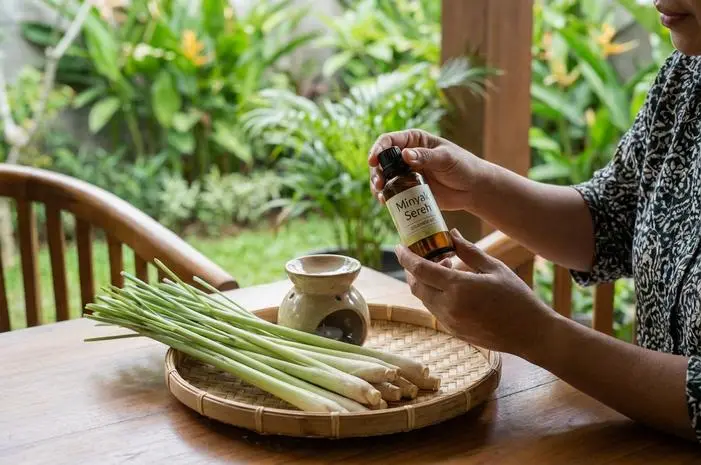
    • Clove Leaf Oil: Distilled from dried fallen leaves. The most widely traded type globally. Eugenol content: 70–82%. Lower eugenyl acetate (<1%), giving a harsher, more pungent aroma. Used in industrial applications, personal care, and as the primary source for eugenol extraction.  
    • Clove Stem Oil: Distilled from the small twigs/stems. Highest eugenol yield of all three: 85–92%. Sharp, intensely medicinal aroma. Primarily used for eugenol isolation in pharmaceutical and synthesis applications.  

    Quick guide: Need premium quality for flavor/pharma? → Bud oil.
    Need cost-effective for cosmetics/industrial? → Leaf oil.
    Need maximum eugenol content for isolation? → Stem oil.

    The Three Types of Clove Essential Oil: A Quick Overview

    Clove Bud Oil vs Clove Leaf Oil

    The clove tree (Syzygium aromaticum, formerly Eugenia caryophyllata) produces aromatic essential oils in virtually all of its parts — buds, leaves, stems, and even roots. However, commercial production focuses on three main types because they represent the best yield-to-quality ratio for industrial processing.

    TypeSource PartPrimary UseRelative Price
    Clove Bud OilDried, unopened flower budsFlavoring, dental, fine fragranceHighest (3–5× leaf oil)
    Clove Leaf OilDried, fallen leavesIndustrial, cosmetics, eugenol isolationLowest (most affordable)
    Clove Stem OilSmall twigs and branchesEugenol isolation, pharmaceuticalMedium (between bud and leaf)
    Clove Leaf RectifiedRedistilled leaf oilCosmetics requiring higher purityMedium-high

    All three contain eugenol as the dominant compound — but the concentration, secondary compounds, and aroma character differ significantly, which determines their suitability for different applications.

    Clove Bud Oil: The Premium Choice

    clove bud oil

    How Clove Bud Oil Is Produced

    Clove bud oil is extracted via steam distillation from the dried, unopened flower buds of Syzygium aromaticum.

    The buds are harvested before they open — typically when they turn from green to a pinkish-red color.

    Timing is critical: harvest too early and the oil yield is low; harvest too late and the buds flower, dramatically reducing eugenol content.

    The dried buds are then steam-distilled, yielding approximately 15–20% essential oil by weight — significantly more per kg of raw material than leaves or stems.

    This higher yield per kg of premium raw material is one reason bud oil commands a higher price.

    Indonesian Clove Bud Production
    Indonesia (particularly North Maluku, Java, and Sulawesi) accounts for approximately 70–80% of global clove production. The majority of Indonesian cloves are consumed domestically by the kretek (clove cigarette) industry — which is why Indonesian clove bud oil commands a premium: competition for raw material is intense.

    Eugenol Content & Chemical Composition of Clove Bud Oil

    The chemical composition of clove bud oil distinguishes it from leaf and stem oil in two important ways:

    CompoundClove Bud Oil (%)Notes
    Eugenol72–90%Primary active compound — antimicrobial, analgesic, antioxidant
    Eugenyl acetate5–15%KEY DIFFERENTIATOR — responsible for softer, sweeter aroma; almost absent in leaf & stem
    Beta-caryophyllene5–12%Sesquiterpene — anti-inflammatory properties; contributes to woody depth
    Alpha-humulene0–2%Trace sesquiterpene
    Methyl eugenol0–1%Minor component; monitored for IFRA compliance

    The presence of eugenyl acetate (5–15%) is the most important chemical distinction of bud oil.

    This compound softens and sweetens the overall aroma, making bud oil far more suitable for fine fragrance and premium food flavoring applications where raw, harsh eugenol character would be undesirable.

    Aroma Profile of Clove Bud Oil

    Clove bud oil has a warm, sweet, spicy aroma with a distinct floral undertone from the eugenyl acetate content. It is significantly softer and more rounded than leaf or stem oil.

    Perfumers describe it as ‘warm clove with a sweet edge’ — reminiscent of freshly ground cloves rather than the sharper, more medicinal character of the leaf.

    → Clove bud oil is the preferred type for fragrance applications. For a detailed overview of eugenol in perfumery and pain management, see: Clove Essential Oil and Pain Management

    Clove Leaf Oil: The Industrial Workhorse

    clove leaf oil

    How Clove Leaf Oil Is Produced

    Clove leaf oil is distilled from the dried leaves of Syzygium aromaticum — typically dead or fallen leaves collected from the ground beneath the trees, or pruned leaves from maintenance.

    This makes it a byproduct of clove cultivation that would otherwise be agricultural waste.

    Because leaves are abundant, continuously available, and inexpensive to collect, clove leaf oil is produced at much larger volumes than bud oil — and at significantly lower cost.

    Indonesia and Madagascar are the dominant producers. The oil yield is approximately 2–3% from dried leaves.

    Why Leaf Oil Dominates Global Trade
    According to industry data, clove leaf oil accounts for approximately 70–80% of all clove essential oil traded globally by volume. Its low cost, high eugenol content, and year-round availability make it the preferred choice for industrial applications where premium aroma character is not required.

    Eugenol Content & Chemical Composition of Clove Leaf Oil

    CompoundClove Leaf Oil (%)vs Bud Oil
    Eugenol70–82%Comparable to bud, slightly variable
    Eugenyl acetate< 1%MUCH LOWER — this is the critical difference
    Beta-caryophyllene10–18%Higher than bud oil — more prominent woody note
    Alpha-humulene1–3%Slightly higher than bud
    Methyl eugenol0.5–2%Often higher than bud — relevant for IFRA limits

    The critically low eugenyl acetate content (<1%) is what gives clove leaf oil its harsher, more pungent character compared to bud oil.

    The higher beta-caryophyllene also contributes a more prominent woody-medicinal note that can be undesirable in fine fragrance but is perfectly acceptable — or even beneficial — in industrial applications.

    Clove Leaf Oil Rectified: What Is It and When Do You Need It?

    Clove leaf oil rectified (also called redistilled clove leaf oil) is produced by redistilling standard clove leaf oil to concentrate the eugenol content and remove unwanted volatiles. The result is an oil with:

    • Eugenol content: 85%+ (compared to 70–82% in standard leaf oil)
    • Reduced methyl eugenol content — important for IFRA and EU cosmetic compliance
    • Lighter color — more suitable for clear cosmetic formulations
    • Slightly smoother aroma profile

    Global Essential Oil produces clove leaf oil rectified with guaranteed eugenol content of 85%+ — preferred by cosmetic manufacturers who need to meet regulatory specifications without paying bud oil prices.

    Clove Stem Oil: The Underrated Option

    clove stem oil

    How Clove Stem Oil Is Produced

    Clove stem oil (also called clove twig oil) is distilled from the dried, woody stems and branches of Syzygium aromaticum — the small twigs remaining after bud harvest and leaf collection. Like leaf oil, stems are a byproduct of clove farming.

    The yield from clove stems is approximately 5–7% — higher than leaves but requiring more woody material per batch. Production is most efficient when done close to the farm, as dry stems are bulky to transport.

    Why Clove Stem Oil Is the Top Choice for Eugenol Isolation

    Clove stem oil has the highest eugenol content of all three types — typically 85–92%, sometimes reaching 95% in high-quality batches. This makes it the preferred raw material for industrial eugenol isolation and chemical synthesis:

    • Eugenol isolation: stem oil is distilled or chemically processed to extract pure eugenol (pharmaceutical or industrial grade)
    • Vanillin synthesis: eugenol from clove stem oil is one of the primary feedstocks for natural-process vanillin production
    • Isoeugenol production: eugenol undergoes isomerization to produce isoeugenol, used in fragrance synthesis
    • Methyl eugenol production: used as an insect attractant and in some fragrance applications

    → For detailed information about eugenol specifications and industrial applications: Eugenol Manufacturer & Supplier — GEO’s eugenol product page.

    Side-by-Side Comparison: Clove Bud vs Leaf vs Stem Oil

    Use this table as your quick reference guide when evaluating which type to source:

    FactorClove Bud OilClove Leaf OilClove Stem Oil
    Source partDried flower budsDried fallen leavesSmall twigs/branches
    Eugenol content72–90%70–82%85–92%
    Eugenyl acetate5–15% (KEY DIFFERENCE)<1%<1%
    Beta-caryophyllene5–12%10–18%6–10%
    Aroma characterWarm, sweet, spicy, refinedPungent, sharp, medicinalIntensely medicinal, harsh
    Oil yield from plant15–20% from dried buds2–3% from dried leaves5–7% from dried stems
    Relative priceHighest (3–5× leaf)LowestMedium
    ColorPale yellow to yellowPale yellowPale yellow to colorless
    Primary applicationsFlavoring, dental, perfume, pharmaCosmetics, industrial, eugenol sourceEugenol isolation, pharma synthesis
    IFRA classificationMonitored (methyl eugenol)Restricted (higher methyl eugenol)Industrial use — check application
    B2B availability from GEO✓ Available✓ Available (incl. rectified 85%)✓ Available

    Eugenol Content: The Most Critical Factor for B2B Buyers

    For most industrial buyers, eugenol content is the single most important quality metric. Here is why it matters per application:

    ApplicationMinimum Eugenol RequiredRecommended Oil TypeReason
    Dental products (eugenol ZOE cement)≥ 85% pharmaceutical gradeClove bud OR clove leaf rectifiedUSP/BP eugenol purity requirements
    Eugenol isolation (industrial)≥ 85% to be economicalClove stem oilHighest yield per kg; most cost-effective
    Vanillin / isoeugenol synthesis≥ 80%Clove stem or leaf oilVolume and consistency over aroma quality
    Fine fragrance (IFRA compliant)< 0.5% methyl eugenol in final productClove bud oil (lowest methyl eugenol)IFRA limits methyl eugenol strictly
    Cosmetic formulation (EU compliant)Eugenol must be declared > 0.001% (leave-on)Leaf rectified or bud oilLower methyl eugenol in rectified
    Food flavoring (FEMA GRAS)High purity bud preferredClove bud oilSofter aroma; eugenyl acetate adds quality

    Which Clove Oil Should You Choose? Recommendations by Industry

    Which Clove Oil Should You Choose? Recommendations by Industry

    For Pharmaceutical & Dental Applications

    Use clove bud oil or clove leaf oil rectified (85%+). Both meet USP/BP eugenol content requirements when properly certified.

    Bud oil is preferred when a purer eugenol profile and lower methyl eugenol content are required by your specification.

    Always request GC-MS report confirming eugenol % and methyl eugenol levels.

    GEO’s Pharmaceutical-Grade Options
    Global Essential Oil provides COA and GC-MS report for every batch. For pharmaceutical buyers, we offer: clove bud oil (eugenol 75–90%) and clove leaf oil rectified (eugenol 85%+), both with full traceability documentation.

    For Fragrance & Perfumery

    Use clove bud oil. The eugenyl acetate content (5–15%) is essential for a refined, rounded clove character in fine fragrance.

    Clove leaf oil’s harsh, pungent character and higher methyl eugenol content make it less suitable for skin-contact fragrance applications. IFRA compliance documentation is available on request.

    For Food Flavoring (FEMA GRAS)

    Use clove bud oil for premium flavoring applications (confectionery, baked goods, beverages).

    Its softer, sweeter character from eugenyl acetate is much preferred by flavor houses.

    Clove leaf oil can be used in industrial flavor applications where cost efficiency is prioritized over aroma refinement.

    For Personal Care & Cosmetics (IFRA / EU Compliant)

    Use clove leaf oil rectified or clove bud oil. Standard clove leaf oil has higher methyl eugenol content which may exceed EU Cosmetic Regulation thresholds for certain product categories.

    Rectified leaf oil resolves this while maintaining cost efficiency over bud oil.

    → For safety guidelines, dilution rates, and IFRA compliance overview: Clove Oil Safety Tips and Dilution Guide.

    → For personal care applications of clove oil: Clove Oil for Hair: Benefits and How to Use It.

    Why Indonesia Is the World’s Leading Source for All Three Types

    Indonesia is not merely a significant supplier — it is the dominant global source for clove essential oil across all three types, for reasons deeply rooted in agricultural history, climate, and scale:

    • Indonesia produces approximately 70–80% of the world’s cloves by volume, primarily in North Maluku (the original Spice Islands), Sulawesi, Java, and Sumatra
    • The kretek (clove cigarette) industry consumes the majority of domestic clove production — creating constant farming activity and a steady stream of leaf and stem as co-products
    • The scale of Indonesian clove farming enables year-round leaf and stem oil production, critical for buyers who need consistent supply
    • Java’s clove growing conditions produce oil with consistently high eugenol content and low methyl eugenol — particularly valued by European cosmetic formulators
    • Indonesian producers, including Global Essential Oil, hold Halal MUI certification — an increasingly important requirement for Middle Eastern and Asian pharmaceutical and food buyers

    Safety Notes for Industrial Use of Clove Oils

    ⚠️  Important Safety Considerations for All Three Types
    Clove oils — bud, leaf, and stem — are among the most potent essential oils in terms of dermal sensitization risk due to high eugenol content.  

    • IFRA restricts clove leaf oil more strictly than bud oil due to higher methyl eugenol content
    • All three types require significant dilution before skin contact (max 0.5% in leave-on products per IFRA guidelines)
    • Methyl eugenol content must be checked via GC-MS — it varies between batches and affects regulatory compliance
    • For pharmaceutical applications, request USP/BP-grade documentation
    • Always store in cool, dark, sealed containers — clove oil oxidizes and eugenol content can change over time

    Disclaimer: This article provides general technical guidance for B2B buyers. Regulatory requirements vary by country and application. Always consult your regulatory affairs team and request full technical documentation from your supplier before formulation.

    Which Type of Clove Oil Should I Source? Quick Decision Guide Quick selection guide for B2B buyers:

    ✓ Clove BUD Oil — choose when:  
    • You need refined aroma for fine fragrance or premium food flavoring  
    • Your application requires eugenyl acetate (the soft, sweet character)  
    • IFRA compliance for skin-contact fragrance is required (lowest methyl eugenol)  
    • Pharmaceutical grade eugenol with full purity documentation  

    ✓ Clove LEAF Oil — choose when:  
    • Cost efficiency is the primary driver  
    • Application is industrial or cosmetic (not fine fragrance)  
    • Volume is high and aroma refinement is secondary  
    • You want clove leaf oil rectified (85%+) for EU cosmetic compliance  

    ✓ Clove STEM Oil — choose when:  
    • You need maximum eugenol yield for isolation/extraction  
    • Your application is pharmaceutical synthesis or vanillin production
    • Aroma quality is irrelevant (eugenol is isolated from the oil)

    Source Certified Clove Oils from Indonesia

    Global Essential Oil supplies all three types of clove essential oil — bud, leaf, and stem — along with clove leaf oil rectified (85%+), directly from Indonesian production facilities. All products are:

    • GC-MS tested per batch — eugenol %, eugenyl acetate %, methyl eugenol % all documented
    • Halal MUI certified — suitable for pharmaceutical and food buyers
    • Available with full documentation: COA, MSDS, GC report, Phytosanitary Certificate
    • Exportable with Indonesian origin documentation for EU, US, and Middle East buyers
    • Flexible MOQ: from sample quantities to full ISO-tank shipments

    → View our clove essential oil product page or contact our export team for samples and a quotation.

    Frequently Asked Questions

    What is the difference between clove bud oil and clove leaf oil?

    Clove bud oil is distilled from dried flower buds and has a smoother, sweeter aroma due to its higher eugenyl acetate content. Clove leaf oil is distilled from the leaves and has a sharper, more medicinal scent. Both contain high levels of eugenol but are used for different applications.

    Which clove oil has the highest eugenol content?

    Clove stem oil typically contains the highest eugenol content, making it the preferred choice for industrial eugenol extraction. Clove bud and clove leaf oils also contain high eugenol levels but are commonly selected based on their aroma and intended use.

    Is clove leaf oil the same as clove oil?

    Not always. “Clove oil” is a general term that may refer to clove bud, leaf, or stem oil. Because the composition and aroma differ, buyers should always confirm the specific type with their supplier.

    Can I use clove leaf oil instead of clove bud oil?

    It depends on the application. Clove leaf oil is a cost-effective option for many industrial and cosmetic uses, while clove bud oil is generally preferred for premium fragrances, food flavoring, and applications requiring a more refined aroma.

    What is clove leaf oil rectified?

    Clove leaf oil rectified is refined through an additional distillation process to increase eugenol content and reduce unwanted compounds. It is commonly used in cosmetic and pharmaceutical applications that require stricter quality specifications.

    What is clove stem oil used for?

    Clove stem oil is primarily used as a raw material for eugenol extraction. The isolated eugenol is widely used in pharmaceutical, dental, flavor, and fragrance industries.

    Which clove oil is best for cosmetics?

    Rectified clove leaf oil and clove bud oil are commonly preferred for cosmetic formulations because they offer higher purity and are better suited to industry quality requirements. Buyers should always review the supplier’s GC-MS report before use.

    Does Global Essential Oil supply all three types of clove oil?

    Yes. We supply clove bud oil, clove leaf oil, clove stem oil, and rectified clove leaf oil. All products are supported by batch-specific COA, GC-MS reports, MSDS, and relevant certification documents for international buyers.

  • Patchouli in Perfume: Scent Profile, Famous Fragrances & How to Wear It

    Patchouli in Perfume: Scent Profile, Famous Fragrances & How to Wear It

    Patchouli in Perfume

    Few ingredients in perfumery divide opinion as sharply as patchouli. For some, it’s the quintessential hippie scent — heavy, earthy, and overwhelming.

    For others, it’s one of the most sophisticated base notes in fine fragrance, underpinning some of the world’s best-selling and most iconic perfumes.

    The truth is both of these reputations are earned — and understanding why reveals a lot about how patchouli works, what makes it so uniquely valuable to perfumers, and how to wear it in a way that suits the modern nose.

    This guide covers everything: the scent profile of patchouli, its role in fragrance architecture, the famous perfumes built around it, and how to use patchouli essential oil as a personal fragrance.

    What Does Patchouli Smell Like?
    Patchouli has a rich, complex aroma that is difficult to reduce to a single descriptor. The most accurate description:
    • Earthy and woody — a deep, rich soil-like quality reminiscent of forest floor after rain
    • Musky and sweet — a warm, slightly sweet undertone that makes it sensual rather than sharp
    • Slightly spicy and balsamic — with cedar-like undertones and a hint of camphor when fresh
    • Smoky and dark — particularly in aged or dark patchouli variants  
    Patchouli’s defining characteristic is its depth and longevity. A single drop on a blotter can last for months. As it ages, it becomes smoother and sweeter — patchouli is one of the few fragrance ingredients that genuinely improves with time, similar to a fine wine.

    In Indonesian: Patchouli (nilam) memiliki aroma yang kaya, bersahaja, dan dalam — seperti tanah basah setelah hujan, dikombinasikan dengan nuansa manis dan hangat yang sensual.

    What Does Patchouli Smell Like? A Detailed Scent Description

    What Does Patchouli Smell Like

    Patchouli is extracted via steam distillation from the dried leaves of Pogostemon cablin (also called Pogostemon patchouli), a tropical herb in the mint family native to Southeast Asia.

    Despite being a plant in the mint family, it smells nothing like mint — its aromatic character comes from the roots and fermentation of the dried leaves, not the freshness of the green plant.

    The Core Scent: Earthy, Woody, Sweet

    The most universally agreed-upon descriptors for patchouli in fragrance are:

    DescriptorWhat It Means in Scent TermsAnalogy
    EarthyDeep, grounding, soil-like — the dominant characterThe smell of fresh earth after rain (petrichor)
    WoodyCedar-like, dry, structural — gives it backboneOld wooden furniture, forest floor
    MuskyWarm, sensual, slightly animal-likeWarm skin on a cool day
    Sweet (balsamic)Soft, resinous sweetness underneathAged dark wood, amber, vanilla undertone
    Slightly spicySubtle pepper-like or camphor note when first appliedLike clove or cardamom — very subtle
    SmokyParticularly in dark or aged patchouliIncense, church candles, oud at a distance

    The combination of these characteristics is what makes patchouli simultaneously polarizing and indispensable.

    People who ‘hate’ patchouli often encountered it as an overpowering single note, worn neat in high concentration.

    In well-formulated perfumes, patchouli operates as a modifier and fixative — it gives depth without dominating.

    How Patchouli’s Scent Changes Over Time (The Aging Effect)

    Patchouli is one of the few natural fragrance ingredients that improves with age — a phenomenon well-known among perfumers and oud traders. Fresh patchouli oil can smell slightly sharp, camphorous, and raw.

    As it oxidizes over months and years, it becomes:

    • Smoother and less sharp — the harsh top notes mellow significantly
    • Sweeter and more balsamic — the deep sweetness comes forward
    • More complex and nuanced — the range of descriptors in the scent expands
    • Richer in color — from pale golden to dark amber as it ages
    The Aging Principle
    This is why high-end perfumers often prefer aged patchouli oil over fresh batches. At Global Essential Oil, we source patchouli that is allowed to properly age before processing — a critical quality differentiator for fragrance applications.

    Light Patchouli vs Dark Patchouli: What’s the Difference?

    Most people only know one version of patchouli. But perfumers distinguish between two distinct profiles that create very different olfactory experiences:

     Light PatchouliDark Patchouli
    How it’s madeLightly processed, shorter fermentation, sometimes CO2 extractedLonger fermentation, traditional steam distillation, often aged
    ColorPale gold to clearDeep amber to dark brown
    Scent profileFresher, greener, softer earth — more approachableDeeper, smokier, more intensely earthy and balsamic
    Used inModern, transparent, fresh perfumesOriental, amber, chypre, heavy woody compositions
    FamiliarityMore common in mass-market fragrancesMore common in niche and artisan perfumery
    ExampleClean, unisex modern fragrancesAngel by Thierry Mugler, Shalimar-type orientals

    Patchouli as a Base Note: Its Role in Fragrance Architecture

    Patchouli as a Base Note: Its Role in Fragrance Architecture

    The Fragrance Pyramid: Where Patchouli Sits

    Every perfume is built on a structure called the fragrance pyramid — three layers of scent that unfold over time on the skin:

    LayerNotesDurationCharacter
    Top NotesCitrus, bergamot, green herbsFirst 15–30 minutesFresh, bright, first impression
    Heart Notes (Middle)Rose, jasmine, lavender, spices30 min – 3 hoursThe ‘soul’ of the fragrance
    Base NotesPatchouli, sandalwood, vetiver, musk, amber3+ hours, sometimes all dayThe foundation — longest lasting

    Patchouli almost always functions as a base note. This means you typically won’t smell it when you first spray a perfume — you’ll smell it after an hour or two, as the lighter top and heart notes fade.

    Patchouli is then what gives the fragrance its long-lasting character and depth.

    Why Patchouli Is a Fixative — And Why Perfumers Love It

    A fixative is an ingredient that ‘fixes’ or extends the longevity of other fragrance molecules that would otherwise evaporate too quickly.

    Patchouli’s primary active compound — patchouli alcohol (patchoulol) — is a heavy sesquiterpene molecule that evaporates extremely slowly.

    When blended with lighter, more volatile notes, patchouli:

    • Extends the life of floral notes like rose, jasmine, and iris — ingredients that would fade within an hour without a fixative
    • Adds a ‘shadow’ of depth beneath bright top notes, making the overall fragrance feel more complex and expensive
    • Creates a smooth transition as the perfume evolves on the skin over hours
    • Anchors the entire composition — this is why perfumers describe patchouli as the ‘anchor’ of a fragrance
    The Patchouli + Rose Combination
    Perfume Society notes that patchouli used alongside rose ‘extends and fixes rose’s sweetness’ — making this one of the most frequently used pairings in fine fragrance. You can smell this combination in Chanel Coco Mademoiselle and many chypre fragrances.

    Fragrance Families That Feature Patchouli

    Fragrance FamilyHow Patchouli Is UsedTypical Character
    ChypreCore ingredient — alongside bergamot, oakmoss, labdanumSophisticated, slightly dry, complex
    Oriental / AmberAnchors the warmth alongside vanilla, benzoin, incenseRich, sensual, heavy, long-lasting
    WoodyDeepens the dry wood character alongside cedar, vetiverEarthy, masculine, grounding
    Floral OrientalBalances the sweetness of florals with earthy depthFeminine but with serious depth
    GourmandAdds dark complexity to sweet vanilla/caramel accordsSophisticated sweetness, not cloying

    Famous Perfumes That Contain Patchouli

    Famous Perfumes That Contain Patchouli

    Patchouli is one of the most widely used ingredients in commercial perfumery. Here are some of the most iconic examples across different price points and styles:

    Iconic Designer Perfumes with Patchouli

    PerfumeHousePatchouli’s RoleCharacter
    Coco MademoiselleChanelKey base note alongside vetiverFresh oriental — clean yet sensual
    ChanceChanelSubtle base — light patchouliYouthful, fresh, slightly citrusy
    AngelThierry MuglerHeavy patchouli — signature noteIconic gourmand — chocolate + patchouli
    FlowerbombViktor & RolfPatchouli deepens the floral bouquetIntense floral bomb with earthy base
    Very Irresistible L’IntenseGivenchyProminent base noteDark floral, sensual
    L’Heure Défendue VIICartierPatchouli as main characterSmoky, incense-like, luxurious

    Notice the range: patchouli appears in everything from fresh mainstream fragrances (Chanel Chance) to intensely earthy gourmands (Angel). This versatility is what makes it such a valuable ingredient for perfumers.

    Niche & Artisan Fragrances with Patchouli

    In niche perfumery, patchouli is often used more boldly — as a featured note rather than a background modifier:

    • L’Artisan Parfumeur Patch — one of the few fragrances where patchouli is the explicit hero
    • Jovoy Psychédélique — patchouli as the central character in an artisan composition
    • SokiLondon Empress — patchouli in a modern, lighter interpretation
    • Cartier L’Heure Défendue VII — patchouli in a sophisticated, smoky-incense context

    A Brief History of Patchouli in Perfumery

    A Brief History of Patchouli in Perfumery

    Understanding patchouli’s history helps explain both its reputation and its modern rehabilitation as a luxury ingredient.

    From the Silk Route to Victorian Europe

    The name ‘patchouli’ comes from the old Tamil words patchai (‘green’) and ellai (‘leaf’).

    The plant originated in India, Malaysia, and Indonesia, where it was used for centuries in traditional medicine and as an insect repellent.

    Its entry into European perfumery came through an unlikely route: the Asian silk trade.

    Merchants and traders packed paisley shawls and silk garments with patchouli leaves to protect against moths and insects during long voyages.

    When the goods arrived in Europe, the fabrics were infused with patchouli’s distinctive earthy-sweet aroma — and European consumers came to associate this scent with authenticity and luxury.

    In 19th-century France, Empress Eugénie famously wore patchouli-scented shawls, and patchouli became the signature scent of Parisian high society.

    This association with exotic luxury made it one of the first ‘Oriental’ fragrance ingredients used in Western perfumery.

    Patchouli and the 1960s Counterculture

    Patchouli’s reputation shifted dramatically in the 1960s. Young people in the hippie movement adopted it — partly because the pure essential oil was inexpensive, readily available in health food stores, and could be worn neat directly on skin without dilution.

    The problem? Without dilution and blending expertise, patchouli’s more aggressive, camphorous qualities dominated.

    Heavy, unblended patchouli became synonymous with the counterculture — and for many people who encountered it during this era, the association stuck permanently.

    This is the origin of patchouli’s ‘hippie smell’ reputation — which, ironically, has very little to do with how patchouli actually smells in fine fragrance applications.

    Patchouli’s Renaissance in Luxury Perfumery

    The late 20th century saw patchouli’s complete rehabilitation. The launch of Thierry Mugler’s Angel in 1992 — which put patchouli front and center as the signature note of a groundbreaking gourmand fragrance — changed everything.

    Angel became one of the best-selling perfumes of the decade and demonstrated that patchouli, in the right hands, could be genuinely thrilling.

    Today, patchouli appears in hundreds of fine fragrances across every major house.

    The ingredient has shed its counterculture associations entirely among fragrance enthusiasts — it is now understood as one of perfumery’s most sophisticated and versatile tools.

    Patchouli Note Pairings: What Works Best

    Part of patchouli’s value as an ingredient is how well it supports and enhances other fragrance notes. Here’s a guide to the most successful patchouli pairings:

    Paired WithWhy It WorksCharacter of the Blend
    RosePatchouli extends and deepens rose’s sweetness; rose softens patchouli’s earthinessClassic chypre — romantic yet sophisticated
    BergamotBergamot’s fresh citrus lifts patchouli’s heaviness; patchouli anchors bergamot’s volatilityFresh oriental — bright but long-lasting
    SandalwoodBoth are deep, woody, creamy — they blend seamlesslyRich, smooth, deeply sensual
    VetiverEarthy + earthy = extreme depth and complexityIntensely grounding, unisex, meditative
    Vanilla / BenzoinPatchouli’s earthiness grounds vanilla’s sweetnessWarm gourmand — sophisticated, not cloying
    LabdanumBoth are resinous and balsamic — natural affinityAmber accord — warm, rich, almost addictive
    LavenderPatchouli adds depth to lavender’s lightnessRelaxing yet complex — popular in aromatherapy

    How to Wear Patchouli Oil as Perfume

    How to Wear Patchouli Oil as Perfume

    Patchouli essential oil can be worn directly as a personal fragrance — but it requires proper dilution and technique to avoid the overpowering effect associated with neat patchouli.

    Dilution Guide for Wearing as Perfume

    Use CaseDilution %Drops per 10ml CarrierRecommended Carrier
    Subtle personal scent (pulse points)3–5%9–15 dropsJojoba oil — absorbs cleanly, no greasiness
    Stronger statement fragrance5–8%15–24 dropsSweet almond or fractionated coconut oil
    Perfume oil (rollerball format)10–15%30–45 dropsJojoba oil in a rollerball bottle
    Body oil (all-over application)2–3%6–9 dropsFractionated coconut or sweet almond oil

    → For full safety and dilution guidance: Patchouli Oil Safety and Precautions — includes patch test guide and contraindications.

    Best Application Points for Long-Lasting Wear

    • Inner wrists — classic pulse point; warmth from veins diffuses the scent
    • Behind the ears — close to the face, enhances intimacy of the scent trail
    • Base of throat / décolletage — projects scent at nose level when close
    • Back of knees — scent rises with body heat throughout the day
    • Hair ends (not scalp) — patchouli’s fixative quality makes it exceptionally long-lasting in hair

    Patchouli oil is a base note — this means it won’t project loudly at first but will have incredible longevity, lasting 6–12 hours on skin and significantly longer on fabric or hair.

    Layering Patchouli Oil with Other Fragrances

    Patchouli oil’s fixative properties make it an excellent layering base under lighter fragrances:

    • Apply patchouli oil first to pulse points, wait 5 minutes
    • Then apply a lighter floral or citrus fragrance on top
    • The patchouli extends the life of the lighter fragrance and adds depth
    • Try: patchouli oil + bergamot essential oil (2:1 ratio) for a classic fresh-earthy combination
    • Or: patchouli oil + rose water spray for a romantic, chypre-inspired personal fragrance

    Why Do Some People Dislike Patchouli? (And What They’re Missing)

    Patchouli is genuinely polarizing — and that’s worth understanding rather than dismissing. People who find patchouli unpleasant often have very specific reasons:

    The ComplaintThe ReasonThe Reframe
    ‘It smells like a head shop / hippie’They encountered heavy, undiluted essential oil in a 1960s–70s contextIn fine fragrance, patchouli is diluted, aged, and blended — completely different experience
    ‘It’s too heavy and overwhelming’High-concentration patchouli can overwhelm; some people are more sensitive to earthy notesLight patchouli formulations and modern perfumes use it subtly
    ‘It smells dirty or musty’Earthiness reads as ‘dirty’ to some noses — subjective but validThis exact quality is what others call ‘sensual’ and ‘grounding’
    ‘It gives me headaches’Dense aromatic compounds can be intense at close rangeProper dilution and ventilation address this completely

    The key insight: the patchouli most people dislike is undiluted essential oil worn neat. The patchouli in fine fragrance is aged, processed, diluted, and blended by experts to enhance its best qualities and suppress its rough edges. These are genuinely different olfactory experiences.

    Indonesian Patchouli Oil: The Gold Standard in Perfumery

    Not all patchouli oil is equal — and in the fragrance world, origin matters significantly. Indonesia, particularly Java and Sulawesi, produces the patchouli oil most preferred by French perfumers and the global fragrance industry.

    OriginScent CharacterIndustry PreferenceNotes
    Indonesia (Java/Sulawesi)Smooth, balanced, complex — rich but not harshGold standard for fine fragranceHighest patchouli alcohol content; most consistent quality
    India (Rajasthan)Softer, slightly rosy-earthy when agedTraditional Ayurvedic ‘khus’Different chemotype; used in traditional applications
    HaitiMore pungent, sharply earthyCommon in US and European mass marketStrong character; suits heavy oriental compositions
    ChinaLighter, less complexBudget formulationsLower patchouli alcohol content

    Global Essential Oil produces certified Indonesian patchouli oil (Pogostemon cablin) from Java — GC-MS tested, Halal certified, and available for fragrance manufacturers and B2B buyers.

    Patchouli as a Base Note: Key Facts for Perfumers
    Patchouli’s role in perfume composition:
    • Position: Base note — appears in the final stage of dry-down (after 1–2 hours)
    • Function: Fixative — slows evaporation of lighter notes, extending overall longevity
    • Key compound: Patchouli alcohol (patchoulol) — heavy sesquiterpene, very slow evaporation rate
    • Fragrance families: Most at home in chypre, oriental/amber, woody, and gourmand families
    • Best pairings: Rose, bergamot, sandalwood, vetiver, vanilla, labdanum
    • Origin quality: Indonesian (Java) patchouli is the industry standard for fine fragrance  

    Used in: Chanel Coco Mademoiselle, Thierry Mugler Angel, Viktor & Rolf Flowerbomb, Givenchy Very Irresistible L’Intense

    Source Indonesian Patchouli Oil for Your Fragrance Line

    For fragrance houses, perfumers, cosmetic manufacturers, and aromatherapy brands that require a consistent, certified supply of Indonesian patchouli essential oil — Global Essential Oil offers:

    • 100% pure Pogostemon cablin patchouli oil from Java, Indonesia
    • Available in both light (fresher) and aged (darker) profiles for different formulation needs
    • GC-MS certificate of analysis available for every batch — patchouli alcohol content guaranteed
    • Halal certified; MSDS and COA documentation provided
    • Flexible MOQ from sample quantities to bulk container shipments
    • Direct from manufacturer — no middleman pricing

    → Explore our bulk patchouli essential oil supply options or contact our team for a custom quote.

    Frequently Asked Questions

    What does patchouli smell like?

    Patchouli has a rich, earthy, woody, and musky aroma with warm balsamic undertones. It is often described as the scent of damp soil, aged wood, and subtle spices, giving it a deep, grounding, and long-lasting character.

    What is patchouli’s role in perfume?

    Patchouli is primarily used as a base note and natural fixative in perfumes. It adds depth, extends fragrance longevity, and helps slow the evaporation of lighter top and middle notes.

    What famous perfumes contain patchouli?

    Patchouli is featured in many iconic fragrances, including Chanel Coco Mademoiselle, Thierry Mugler Angel, Viktor & Rolf Flowerbomb, and Givenchy Very Irresistible L’Intense. It remains one of the most widely used ingredients in modern perfumery.

    Does patchouli smell the same as a base note and as pure essential oil?

    No. Pure patchouli essential oil has a stronger and more intense aroma, while in perfume it is carefully blended with other ingredients to create a smoother, more balanced fragrance.

    What does patchouli pair well with in perfume?

    Patchouli blends well with rose, bergamot, sandalwood, vetiver, vanilla, benzoin, and lavender. Its versatility makes it one of the most popular base notes in both classic and modern perfumes.

    How do I wear patchouli oil as a perfume?

    Dilute patchouli essential oil to 3–5% in a carrier oil before applying it to pulse points such as the wrists or neck. Because it is a long-lasting base note, a small amount is usually sufficient.

    Is Indonesian patchouli better than other varieties?

    Indonesian patchouli, particularly from Java, is highly regarded for its rich aroma, balanced scent profile, and high patchouli alcohol content. It remains the preferred origin for many luxury fragrance houses worldwide.

  • Clove Oil for Hair: 6 Science-Backed Benefits, 3 Methods & DIY Recipes

    Clove Oil for Hair: 6 Science-Backed Benefits, 3 Methods & DIY Recipes

    Clove oil — extracted by steam distillation from the dried buds of Syzygium aromaticum — has been used in Ayurvedic and traditional Southeast Asian medicine for centuries.

    But can it actually help your hair? Based on what we know about its primary active compound, eugenol, the answer is a qualified yes — with important caveats about how to use it safely.

    This guide covers the evidence-based benefits of clove oil for hair, three practical methods to use it, DIY recipes, safety precautions, and a dilution guide so you get results without scalp irritation.

    Global Essential Oil produces certified clove essential oil (clove bud and clove leaf) via steam distillation from Indonesian farms — GC-MS tested, Halal certified, available for B2B buyers.

    What Does Clove Oil Do for Your Hair?
    Clove oil benefits hair through its primary active compound, eugenol, which accounts for 80–90% of its composition:
    • Improves blood circulation to scalp → delivers more nutrients to hair follicles
    • Antimicrobial properties fight dandruff-causing fungi (Malassezia) and bacteria
    • Anti-inflammatory eugenol soothes scalp irritation and itching
    • Antioxidants neutralize free radicals that damage hair follicles
    • Mineral content (calcium, iron, vitamins A & C) nourishes hair strands  

    Important: Clove oil must always be diluted to 1–2% in a carrier oil before applying to scalp. Undiluted clove oil is one of the strongest irritants among essential oils. Best carrier oils: coconut oil, jojoba oil, sweet almond oil.

    What is Clove Oil?

    What is Clove Oil?

    Clove oil is an essential oil steam-distilled from the dried buds (or sometimes leaves and stems) of Syzygium aromaticum, a tropical evergreen tree native to the Maluku Islands (Moluccas) of Indonesia.

    Indonesia remains the world’s largest producer of cloves and clove oil.

    Its dominant compound, eugenol (making up 80–90% of clove bud oil), is a phenylpropanoid with well-documented antioxidant, antimicrobial, and anti-inflammatory properties.

    These properties form the scientific basis for clove oil’s benefits in hair and scalp care.

    → Also explore: Clove Essential Oil: Exploring the Benefits — full overview of clove EO applications.

    6 Evidence-Based Benefits of Clove Oil for Hair

    1. Stimulates Hair Follicles via Improved Blood Circulation

    The most cited mechanism for clove oil’s hair growth benefits is its ability to improve scalp blood circulation. Eugenol is a known vasodilator — it relaxes and widens blood vessels, allowing more blood to reach hair follicles.

    Greater blood flow to follicles means improved delivery of oxygen and nutrients (iron, zinc, amino acids) that are essential for healthy hair growth. When follicles are well-nourished, they spend more time in the anagen (active growth) phase.

    What the research says
    A study published in the International Journal of Pharmaceutics (UGM, Indonesia) investigated clove extract’s effect on hair follicles. While most circulation studies on clove oil are preclinical (animal or in vitro), the vasodilatory effect of eugenol is well-established in pharmacological literature. Note: No large-scale human RCT has proven clove oil regrows hair or reverses pattern baldness.

    2. Fights Dandruff and Scalp Infections (Antimicrobial)

    Dandruff is primarily caused by Malassezia — a yeast-like fungus that proliferates on oily scalps. Clove oil’s antifungal properties make it a natural candidate for dandruff management.

    • A study found that clove extract inhibited the growth of Staphylococcus aureus (bacteria) and Cryptococcus neoformans (fungus) in scalp samples from six volunteers
    • Eugenol has demonstrated broad-spectrum antimicrobial activity against multiple pathogenic fungi and bacteria in vitro
    • Clove oil can also help with folliculitis — a bacterial infection of hair follicles causing small, itchy bumps on the scalp
    Important caveat
    The scalp infection study cited above was very small (n=6). These results are promising but should not be overstated. For persistent or severe scalp infections, consult a dermatologist.

    3. Reduces Scalp Inflammation

    Chronic scalp inflammation disrupts the hair growth cycle and is linked to conditions like androgenetic alopecia, psoriasis, and seborrheic dermatitis. Eugenol is a well-studied anti-inflammatory compound:

    • Inhibits COX-2 enzymes — the same pathway targeted by common NSAIDs like ibuprofen
    • Reduces pro-inflammatory cytokines (IL-1β, TNF-α) that can damage hair follicles
    • Soothes scalp redness, itching, and irritation when properly diluted

    → Related: Clove Essential Oil and Pain Management — how eugenol’s anti-inflammatory properties work.

    4. Strengthens Hair Shaft and Reduces Breakage

    Clove oil contains trace amounts of minerals and vitamins that contribute to hair shaft strength:

    • Calcium — essential for hair structure and growth
    • Iron — deficiency is one of the most common causes of hair loss, particularly in women
    • Vitamins A and C — support keratin production and collagen synthesis
    • Antioxidants — neutralize free radicals that weaken hair proteins and cause premature breakage

    While the amounts absorbed topically are small, consistent use of clove oil in scalp treatments can contribute to stronger, more resilient strands over time.

    5. Controls Excess Scalp Oil (Sebum)

    Excess sebum production creates an oily, greasy scalp environment that can clog hair follicles and accelerate hair thinning. Clove oil’s astringent properties — again linked to eugenol — help regulate sebum production:

    • Reduces excessive oiliness without completely stripping natural oils
    • Helps keep hair looking fresher longer between washes
    • Particularly beneficial for people with fine, oily hair that tends to flatten quickly
    Best method for oily scalp
    Add 2 drops of clove oil to your regular shampoo (no dilution needed when mixing into shampoo). Massage into scalp for 60 seconds before rinsing. Use 2–3 times per week.

    6. Adds Shine and Improves Hair Texture

    Clove oil has a slightly warming, stimulating effect that, when used in a leave-in or pre-wash treatment, can improve the overall texture and appearance of hair:

    • Smooths the hair cuticle when used in a carrier oil blend, adding natural shine
    • The warming effect from eugenol can make scalp massage more effective (increased circulation from gentle heat)
    • Suitable as a bi-weekly pre-wash treatment for dull, damaged, or color-treated hair

    How to Use Clove Oil for Hair: 3 Methods

    How to Use Clove Oil for Hair: 3 Methods

    Always perform a patch test 48 hours before first use. Apply diluted oil to your inner elbow, wait 48 hours, and check for redness or irritation before applying to scalp.

    Method 1: Clove Oil Scalp Massage (Most Direct)

    This is the most effective method for targeting hair follicles directly.

    What you need:

    • 3–4 drops clove essential oil
    • 2 tablespoons (30ml) carrier oil — coconut, jojoba, or sweet almond oil
    • Small bowl for mixing

    Steps:

    1. Measure 2 tablespoons of your chosen carrier oil into a small bowl
    2. Add 3–4 drops of clove essential oil (this gives approximately a 1% dilution — safe for scalp)
    3. Stir well to combine
    4. Part your hair into sections and apply the oil blend directly to your scalp
    5. Use fingertips (not nails) to massage in gentle circular motions for 5–10 minutes
    6. Leave on for 30–60 minutes, or overnight for deeper treatment (wrap hair in a soft towel)
    7. Wash out thoroughly with shampoo — may require two rounds of shampooing
    8. Use 1–2 times per week consistently for at least 4–6 weeks before expecting visible results
    Carrier oil guide for scalp massage
    Coconut oil: best for dry scalp and thick hair — deeply moisturizing Jojoba oil: best for oily scalp — mimics scalp’s natural sebum, won’t clog follicles Sweet almond oil: best for normal/combination scalp — lightweight, mild scent Argan oil: best for fine or color-treated hair — adds shine without heaviness

    Method 2: Clove Water Hair Rinse or Spray

    Clove water is gentler than clove oil and is ideal for people with sensitive scalps or for daily use between oil treatments.

    How to make clove water:

    1. Add 1–2 tablespoons of whole cloves to 2 cups (480ml) of water
    2. Bring to a boil, then reduce heat and simmer for 10–15 minutes
    3. Remove from heat and let cool completely (at least 30 minutes)
    4. Strain out the cloves and pour the water into a spray bottle or glass jar
    5. Optional: add 5 drops of clove essential oil + 2 teaspoons of witch hazel for a concentrated spray

    How to use:

    1. As a pre-shampoo rinse: spray onto scalp and massage in 15–20 minutes before washing
    2. As a leave-in scalp toner: spray lightly onto scalp after washing, do not rinse
    3. As a hair rinse: pour slowly over hair after final shampoo rinse
    4. Store in refrigerator — use within 7 days (no preservatives)
    Clove water vs clove oil — which to choose?
    Clove water: gentler, suitable for sensitive scalp, can be used more frequently (2–3x/week), good for beginners Clove essential oil (diluted): more concentrated, targets follicles more directly, better for hair growth and dandruff treatment Recommendation: Start with clove water for 2 weeks, then introduce diluted clove oil if no irritation occurs

    Method 3: Clove Oil Hair Mask (Deep Treatment)

    A hair mask with clove oil provides deep nourishment for both scalp and hair shaft. Use bi-weekly for best results.

    Recipe: Classic Clove Oil Hair Mask

    • 1 tablespoon ground cloves (or substitute 5 drops clove essential oil)
    • 2 tablespoons raw honey (humectant — locks moisture into hair shaft)
    • 1 tablespoon extra virgin olive oil or coconut oil (deep conditioning)
    • Optional: 1 tablespoon plain yogurt (adds protein for damaged hair)

    Instructions:

    1. Mix all ingredients in a bowl until a smooth paste forms
    2. Apply from scalp to ends, sectioning hair for even coverage
    3. Gently massage into scalp for 3–5 minutes
    4. Cover with a shower cap and leave for 20–30 minutes
    5. Rinse thoroughly with lukewarm water, then shampoo and condition as usual
    6. Use once every 2 weeks — especially beneficial for dry, damaged, or chemically treated hair

    Clove Oil vs Clove Water for Hair: Which Is Better?

    One of the most common sources of confusion is the difference between using clove essential oil and clove-infused water for hair. Here’s a direct comparison:

    FactorClove Essential Oil (Diluted)Clove Water (Infusion)
    ConcentrationHigh — pure aromatic compoundsLow — water-soluble compounds only
    Eugenol contentVery high (80–90% of oil)Low — eugenol is not fully water-soluble
    Best forHair growth, dandruff, deep scalp treatmentDaily scalp toning, sensitive scalp, beginners
    Frequency1–2x per week max2–3x per week, or as needed
    Shelf life2–3 years (stored properly)7 days refrigerated (no preservatives)
    Risk of irritationHigher — must dilute to 1–2%Very low — diluted naturally
    CostHigher (pure essential oil)Very low (whole cloves are inexpensive)
    Recommended forTargeted treatment: follicle stimulation, dandruffMaintenance: scalp health, shine, freshness

    Dilution Guide: How Much Clove Oil Is Safe for Hair?

    Clove oil is one of the most potent essential oils and has the highest risk of causing skin sensitization. Getting the dilution right is not optional — it’s essential.

    Use CaseSafe Dilution %Drops per 1 tbsp (15ml) CarrierNotes
    Scalp massage (adult)1–1.5%3–4 dropsStart at 1%, increase only if no irritation after 2 weeks
    Pre-shampoo treatment1%3 dropsLeave on for max 30 min; rinse thoroughly
    Hair mask (wash-out)0.5–1%1–3 dropsMix with honey + olive oil; leave on 20–30 min
    Mixed into shampoo0.5%1–2 drops per tablespoon shampooRinse-off product — shorter contact time
    Children (12+ years)0.5%1–2 dropsNot recommended for under 12 years old
    Sensitive scalp0.5%1–2 dropsAlways patch test first; avoid broken skin
    Never do this with clove oil on hair
    Never apply undiluted (neat) clove oil directly to scalp or hair — chemical burns are possible Never exceed 2% dilution for scalp use — IFRA safety guidelines limit clove bud oil to 0.5% for leave-on products Never use clove oil near the eyes or on irritated, broken, or sunburned skin Never diffuse clove oil in an enclosed room for extended periods — can irritate airways

    → Full safety guide: Clove Oil Safety Tips — dilution rates, contraindications, and patch test guide.

    Clove Oil for Different Hair Types

    Hair TypeRecommended MethodBest Carrier OilFrequency
    Fine / thin hairClove water spray (leave-in)Jojoba oil (if using EO — very lightweight)3–4x per week (water), 1x per week (EO)
    Thick / coarse hairScalp massage with diluted clove oilCoconut oil or castor oil1–2x per week
    Oily scalpAdd to shampoo (0.5%) + clove water tonerJojoba oil (if using EO)2–3x per week
    Dry scalp / dandruffPre-wash scalp massageSweet almond or argan oil1–2x per week
    Curly / coily hairHair mask (wash-out treatment)Olive oil or coconut oilOnce per week
    Color-treated / damagedHair mask (diluted, short contact time)Argan oil or sweet almond oilOnce every 2 weeks

    Side Effects and Safety Precautions

    Clove oil is safe when used correctly, but it is one of the riskiest essential oils to misuse. The following side effects are documented:

    • Scalp burns or chemical irritation — the most common issue with undiluted or over-diluted use
    • Contact dermatitis — allergic skin reaction: redness, itching, swelling at application site
    • Hair dryness or brittleness — overuse without moisturizing conditioner can strip scalp oils
    • Scalp sensitization — repeated exposure at too-high concentrations can make the scalp permanently reactive to clove oil

    Who should avoid clove oil on hair:

    • Children under 12 years old
    • Pregnant or breastfeeding women — limited safety data
    • People with eugenol allergy (cross-reactive with cinnamon oil)
    • People with eczema or psoriasis on the scalp — may worsen inflammation
    • Anyone with open wounds, cuts, or severe scalp irritation

    Medical Disclaimer: Clove oil is not a treatment for alopecia, hair loss disorders, or any medical condition. The information in this article is for educational purposes only. Consult a dermatologist or trichologist for persistent hair loss.

    How to Use Clove Oil for Hair Growth
    To use clove oil for hair growth effectively and safely:
    1. Dilute 3–4 drops of clove essential oil in 2 tablespoons (30ml) of carrier oil — jojoba, coconut, or sweet almond oil
    2. Part hair into sections and apply the blend directly to your scalp
    3. Massage gently in circular motions for 5–10 minutes to stimulate blood circulation
    4. Leave on for 30–60 minutes (or overnight, covered with a shower cap)
    5. Wash out thoroughly — shampoo twice if needed
    6. Repeat 1–2 times per week consistently for at least 6–8 weeks  

    Caution: Never use undiluted clove oil on skin or scalp. Clove oil is one of the strongest essential oils and causes burns if applied neat. Best results: combine with scalp massage, a balanced diet (iron, protein, vitamins), and adequate hydration.

    Source Pure Clove Essential Oil in Bulk

    Source Pure Clove Essential Oil in Bulk

    For cosmetic manufacturers, hair care brands, and aromatherapy product developers looking for a reliable supply of certified clove essential oil — Global Essential Oil offers:

    • Clove bud oil and clove leaf oil from Indonesian farms (Syzygium aromaticum)
    • GC-MS certificate of analysis provided with every batch
    • Halal certified; MSDS and COA documentation available
    • Flexible MOQ: from sample quantities to full container shipments
    • Direct manufacturer pricing — no intermediary markup

    → Contact our team via our essential oil manufacturer page for a quote or sample request.