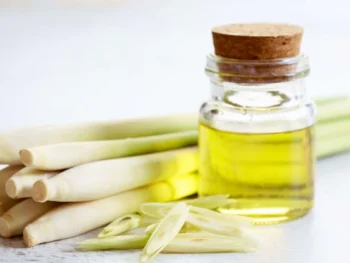
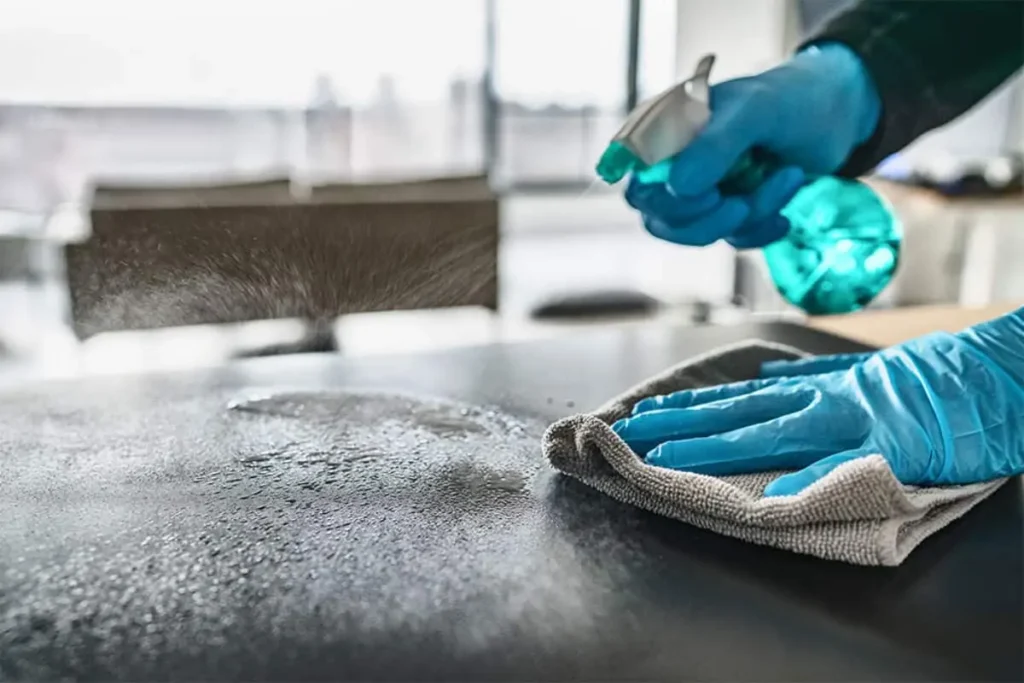
Citronella oil for cleaning products offers more than a fresh, citrus-like aroma. Although citronella essential oil is best known as a mosquito-repellent ingredient, it is also valued in natural cleaning formulations for its antimicrobial and antifungal properties.
It can be used in floor cleaners, surface sprays, bathroom cleaners, air fresheners, and other household or commercial cleaning products. For manufacturers and formulators, however, effective use depends on the appropriate concentration, solubilization system, product format, and safety testing.
This guide explains how citronella oil works in cleaning applications, provides practical DIY recipes, and outlines usage-rate considerations for commercial formulations.
Global Essential Oil supplies Java-type citronella essential oil (Cymbopogon winterianus) sourced from Indonesia for B2B buyers. Product specifications and supporting documents can be requested for formulation and procurement review.
Here is what you need to know before using citronella oil in cleaning products.
| Can Citronella Oil Be Used as a Disinfectant? Yes — citronella essential oil has documented antibacterial and antifungal properties, making it a legitimate natural disinfecting ingredient when used at appropriate concentrations. Key active compounds and their antimicrobial mechanism: • Citronellal (35–45% in Java type): disrupts bacterial cell membranes; primary active compound • Geraniol (21–24%): broad-spectrum antimicrobial activity against bacteria and fungi • Citronellol (11–15%): enhances antifungal activity, particularly against Aspergillus species A 2013 study in Applied Microbiology and Biotechnology found citronella oil destroyed the cell wall of Aspergillus niger, killing the organism — confirming its antifungal disinfecting potential. Important limitation: Citronella oil is NOT a registered hospital-grade disinfectant. It will not achieve sterilization (100% pathogen kill). It is best described as a natural sanitizing and antimicrobial cleaning agent suitable for household and light commercial use. Recommended minimum concentration for cleaning applications: 0.5–2% in water-based formulations. |
Why Citronella Oil Works as a Cleaning Agent: The Science
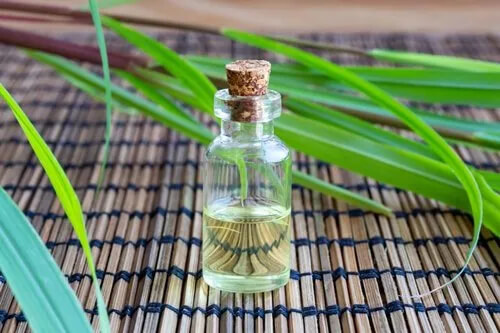
Most people associate citronella with mosquito repellent candles. What is less commonly known is that the same compounds responsible for its repellent effect also give it significant antimicrobial activity.
Antibacterial Properties: Which Compounds Are Active
Java type citronella oil (Cymbopogon winterianus) contains three primary antimicrobial compounds:
- Citronellal (35–45%): The dominant compound in Java type citronella. Studies have shown it disrupts bacterial cell membrane integrity, causing leakage of cellular contents and bacterial death. It is effective against common household bacteria including Staphylococcus aureus and Escherichia coli.
- Geraniol (21–24%): A monoterpene alcohol with broad-spectrum antimicrobial activity. Geraniol has demonstrated effectiveness against multiple pathogenic bacteria and is increasingly studied as a natural preservative for cosmetic and cleaning formulations.
- Citronellol (11–15%): Contributes to overall antimicrobial synergy and has specific antifungal properties, particularly against Candida and Aspergillus species.
These compounds work synergistically — the combination is more effective than any single compound in isolation.
This is why whole citronella essential oil generally outperforms isolated citronellal in antimicrobial applications.
→ How these compounds support health applications: citronella aromatherapy and its antimicrobial properties
Antifungal Properties: The Aspergillus Niger Study
A landmark 2013 study published in Applied Microbiology and Biotechnology specifically tested citronella oil against Aspergillus niger — a common household mold that grows in bathrooms, on food, and in HVAC systems.
| Study Findings: Citronella vs Aspergillus Niger (2013) Researchers found that citronella essential oil at effective concentrations: • Destroyed the cell wall of Aspergillus niger — the organism's primary structural defense • Disrupted the cellular contents within the fungal cell, leading to cell death • Demonstrated potential as an environmentally friendly alternative fungicide This is particularly relevant for bathroom cleaners, grout cleaners, and any application targeting visible mold growth in household environments. Note: In vitro (laboratory) results. Real-world effectiveness depends on contact time, concentration, and surface porosity. |
Citronella Oil as a Natural Disinfectant
What Citronella Oil Can — and Cannot — Disinfect
Being clear about what citronella oil can realistically achieve is important for safety and effectiveness:
| Application | Citronella Oil Effectiveness | Notes |
| Household surface sanitizing (counters, tables) | Good — reduces microbial load significantly | Not hospital-grade; suitable for routine hygiene |
| Bathroom mold and mildew control | Good antifungal activity | Pre-cleaning + citronella treatment most effective |
| Floor cleaning (bacterial decontamination) | Moderate — works with surfactant blend | Requires 0.5–1% concentration + adequate contact time |
| Air freshening and airborne pathogen reduction | Moderate — through diffusion | Not equivalent to UV or chemical air disinfection |
| Food preparation surface sanitizing | Acceptable for natural approaches | GRAS status for food flavoring; dilute thoroughly |
| Hospital or medical-grade disinfection | NOT suitable | Does not achieve sterilization; do not use for medical equipment |
| Sanitizing against COVID-19 or similar viruses | INSUFFICIENT evidence | Use WHO-approved virucidal disinfectants for this purpose |
Citronella Oil vs Chemical Disinfectants
| Factor | Citronella EO | Quaternary Ammonium (QUAT) | Isopropyl Alcohol (70%) | Sodium Hypochlorite (bleach) |
| Antimicrobial spectrum | Bacteria, fungi, some yeasts | Bacteria, some viruses, fungi | Bacteria, viruses, fungi | Bacteria, viruses, fungi, spores |
| Efficacy level | Sanitizing (99% kill) | Disinfecting (99.9%+ kill) | Disinfecting | Sterilizing (hospital grade) |
| Safety | Low toxicity, biodegradable | Moderate — skin/eye irritant | Flammable, drying | Corrosive, fumes, bleaches surfaces |
| Fragrance | Pleasant citrus-lemon scent | Often odorless or synthetic fragrance | Strong alcohol odor | Pungent bleach odor |
| Environmental impact | Biodegradable, natural | Persistent in waterways (aquatic toxicity) | Generally safe | Can form toxic byproducts |
| Best for | Routine household cleaning, natural products | Commercial food service | Quick sanitizing | Deep disinfection, outbreak response |
Citronella Oil as a Natural Household Cleaner
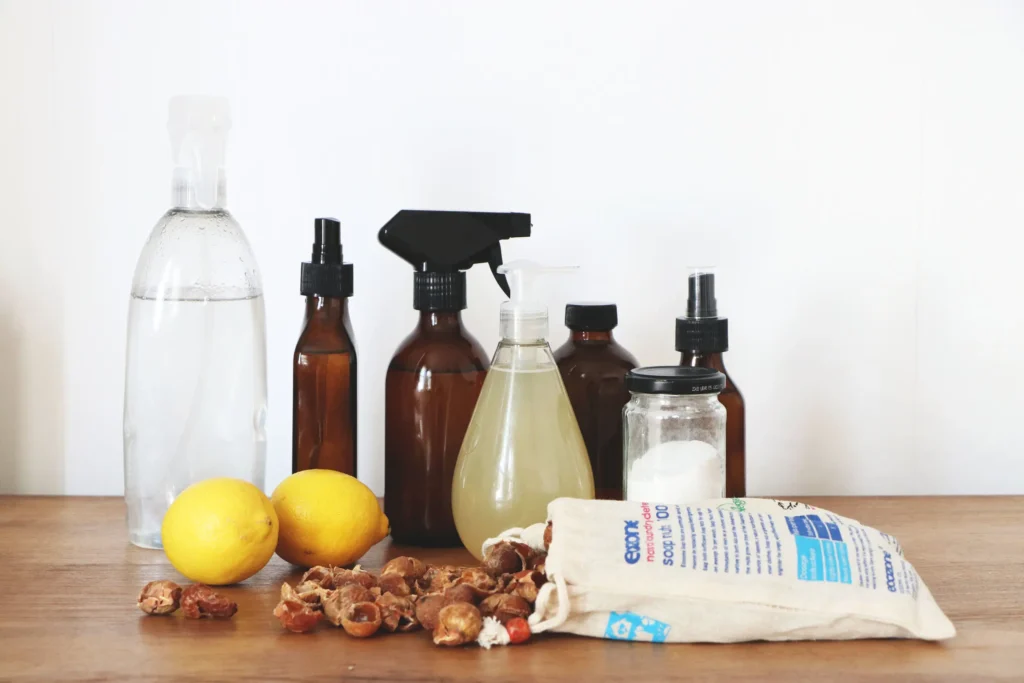
The combination of antimicrobial properties and a fresh, clean lemon-citrus scent makes citronella oil an excellent ingredient in household cleaning formulations.
Here are three practical applications with complete recipes.
Recipe 1: Citronella Floor Cleaner
This is the most popular citronella cleaning application in Indonesia, driven by consumer demand for natural pembersih lantai (floor cleaners) with citronella fragrance and insect-repelling properties.
Ingredients (makes 1 litre):
- 900 ml warm water
- 50 ml white vinegar (natural pH adjuster and surface brightener)
- 5 ml liquid soap or plant-based surfactant (e.g. castile soap)
- 15–20 drops Java type citronella essential oil (approx. 0.5–0.7% concentration)
- Optional: 10 drops lemongrass essential oil (enhances citrus scent + adds citral antimicrobial benefit)
Instructions:
- Mix the vinegar and liquid soap in a clean bucket or spray bottle
- Add warm water and stir gently (avoid vigorous shaking to prevent suds)
- Add citronella essential oil last and stir to distribute
- Use 150–200ml per standard mop bucket of water, or apply directly from spray bottle to floor
- Mop as usual — no rinse needed at this concentration
| Storage and Shelf Life Store in a sealed, dark glass or opaque plastic bottle. Shake well before each use as essential oils and water separate naturally. Use within 3 months for best antimicrobial potency. Do not store in direct sunlight — citronellal degrades with UV exposure. |
Recipe 2: Multi-Surface Disinfectant Spray
A versatile spray suitable for countertops, tables, appliance surfaces, and bathroom vanities.
Ingredients (makes 500ml):
- 450 ml distilled water (or boiled water cooled to room temperature)
- 30 ml isopropyl alcohol 70% or white vinegar (acts as solubilizer for EO and enhances sanitizing)
- 10 ml castile soap or dish soap
- 20 drops Java type citronella essential oil (approx. 0.5% concentration)
- 10 drops tea tree essential oil (optional — adds additional broad-spectrum antimicrobial activity)
Instructions:
- Combine alcohol/vinegar with castile soap in a 500ml spray bottle
- Add water and swirl gently to mix
- Add essential oils and secure cap; invert gently to blend (avoid shaking)
- Spray onto surface, leave for 30–60 seconds, wipe with clean cloth
| Surface Compatibility Note Citronella oil, like all essential oils, can affect certain surfaces with prolonged contact. Test in an inconspicuous area before first use on: • Natural stone (marble, granite) — vinegar and essential oils may etch over time • Unsealed wood — moisture and oil combination may cause warping • Rubber seals or certain plastics — some essential oils can degrade certain rubber compounds Safe for: sealed tile, glass, stainless steel, ceramic, most laminate surfaces |
Recipe 3: Bathroom and Mold-Prone Surface Cleaner
This formula targets mold and mildew in grout, around drains, and on tiles — leveraging citronella oil's documented antifungal activity against Aspergillus species.
Ingredients:
- ½ cup baking soda (mild abrasive + odor neutralizer)
- Enough liquid soap to form a paste (approx. 2–3 tablespoons)
- 20 drops Java type citronella essential oil
- 10 drops clove bud essential oil (optional — eugenol adds powerful antifungal punch)
Instructions:
- Mix baking soda and soap to form a thick paste consistency
- Add essential oils and stir thoroughly
- Apply to grout lines, around drain edges, or on visible mold with a brush or sponge
- Leave for 10–15 minutes to allow antifungal compounds to penetrate
- Scrub with a stiff brush and rinse with hot water
- For preventive maintenance: spray diluted citronella solution (1% in water) on bathroom surfaces weekly after cleaning
Citronella Oil as a Natural Air Freshener and Room Deodorizer
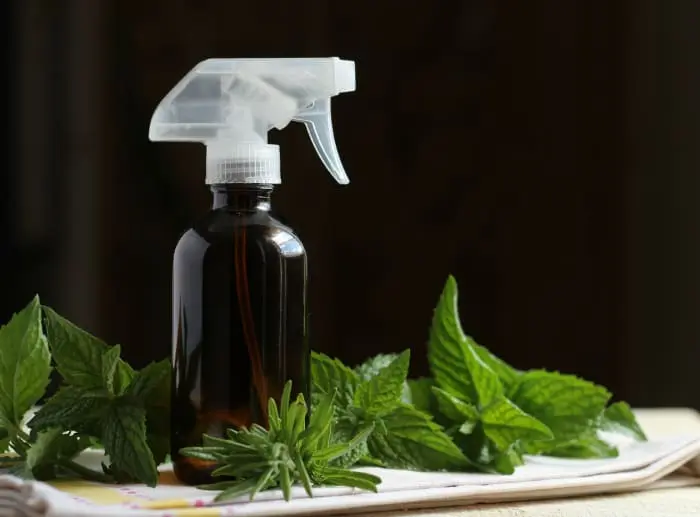
Beyond surface cleaning, citronella oil is effective at reducing airborne pathogens and eliminating odors when diffused. This adds a second layer of environmental hygiene that chemical cleaning products cannot offer.
- Diffuse 5–8 drops of citronella essential oil in an ultrasonic diffuser for 30–60 minutes to freshen and sanitize the air in small rooms
- Add 10 drops to a 100ml room spray bottle with water and witch hazel for a quick-spray air freshener
- Add 5 drops to vacuum cleaner bags or filters before vacuuming to leave a fresh scent and kill bacteria in the vacuum chamber
→ More on citronella aromatherapy benefits: benefits of citronella oil for skin and hair
Formulation Guide for Cleaning Product Manufacturers
For companies developing natural cleaning product lines, citronella essential oil is an increasingly popular active ingredient and fragrance. Here is the technical guidance you need:
Recommended Usage Rates by Product Type
| Product Type | Recommended Citronella EO % | Function | Key Consideration |
| Floor cleaner (ready-to-use) | 0.3–0.7% | Fragrance + mild antimicrobial | Use solubilizer (polysorbate 20) for clear formulation |
| Multi-surface spray (RTU) | 0.5–1.0% | Fragrance + sanitizing | pH 5–7 optimal for EO stability |
| Concentrated floor cleaner | 1.0–2.0% | Active ingredient + fragrance | Consumer dilutes 1:10 to 1:20 before use |
| Bathroom disinfectant spray | 1.0–1.5% | Antifungal + antibacterial | Combine with 5% isopropyl alcohol for enhanced efficacy |
| Air freshener spray | 0.5–1.0% | Fragrance + air purification | Add 10% ethanol as propellant/solubilizer |
| Toilet bowl cleaner | 0.5–1.0% | Fragrance + mild antimicrobial | Ensure EO compatibility with acidic pH cleaner base |
| Laundry detergent additive | 0.2–0.5% | Fragrance + fabric freshening | Test for EO stability in surfactant-heavy base |
| Solubilizing Citronella Oil in Water-Based Formulations Essential oils do not mix with water without a solubilizer. For clear, stable cleaning formulations, use: • Polysorbate 20 (Tween 20): Most common for water-based cleaning products. Ratio: 1:2 (1 part EO : 2 parts polysorbate 20) • PEG-40 hydrogenated castor oil: Alternative solubilizer with slightly different HLB value • High-proof ethanol (70%+): Works well for spray formulations; also adds antimicrobial benefit For opaque/milky formulations (floor cleaners, gel cleaners): full solubilization not required — emulsification is sufficient. |
Which Grade of Citronella Oil for Cleaning Applications
Not all citronella oil grades are equally suitable for cleaning products:
- Grade A (pure, SNI/ISO compliant, Java type): Best for premium 'natural' or 'eco' cleaning lines where label claims matter. Highest citronellal content (35–45%) = strongest antimicrobial activity.
- Industrial grade: Acceptable for budget cleaning products where fragrance is primary function. May contain synthetic citronellal additions — verify with supplier.
- Avoid Ceylon type (Cymbopogon nardus): Lower citronellal (5–15%) means significantly reduced antimicrobial efficacy. Only suitable if purely for fragrance in cleaning products.
→ Full guide on grades and purity: citronella oil chemotypes and grades explained
Safety and Storage for Cleaning Applications
- Always dilute citronella oil before use — the DIY recipes above are pre-calculated at safe concentrations
- Wear gloves if handling concentrated oil for formulation — undiluted citronella oil can irritate skin with prolonged contact
- Keep away from eyes and mucous membranes
- Store in sealed, dark glass or UV-resistant plastic containers away from heat and sunlight
- Shelf life of pure citronella EO: 2–3 years properly stored. Formulated cleaning products: 6–12 months
- Not for use in cleaning food-contact surfaces at concentrations above 0.5% without regulatory review
- Children and pets: avoid use of concentrated solutions in areas where young children or pets crawl on floors — diluted floor cleaner at 0.5% is generally considered safe after drying
| How to Make a Natural Citronella Disinfectant Spray at Home Simple multi-surface disinfectant spray with citronella oil: Ingredients (500ml): • 450ml distilled water • 30ml white vinegar or 70% isopropyl alcohol (solubilizer + antimicrobial boost) • 10ml castile soap • 20 drops Java type citronella essential oil (0.5%) • 10 drops tea tree oil (optional — additional antimicrobial) Instructions: 1. Combine vinegar/alcohol + soap in spray bottle 2. Add water, swirl gently 3. Add essential oils, cap and invert (do not shake vigorously) 4. Spray surface, wait 30–60 seconds, wipe with clean cloth Shelf life: 3 months in sealed dark container Safe for: glass, stainless steel, sealed tile, ceramic, laminate Not for: marble, natural stone, unsealed wood |
Source Bulk Citronella Oil for Cleaning Product Manufacturing
Global Essential Oil produces Java type citronella essential oil (Cymbopogon winterianus) from Indonesian farms — the highest-citronellal variety, most effective for cleaning and antimicrobial applications.
- GC-MS certificate of analysis: citronellal %, geraniol %, Total Geraniol verified per batch
- SNI 06-3953-1995 compliant: citronellal ≥35%, Total Geraniol ≥85%
- Halal MUI certified — suitable for consumer cleaning products in Muslim-majority markets
- Full documentation: COA, MSDS, Phytosanitary Certificate, Certificate of Origin
- Flexible MOQ: from sample quantities to full ISO-tank for high-volume cleaning product manufacturers
→ Learn more about our production process: How we produce Java type citronella oil — industrial distillation and quality control.
Frequently Asked Questions
Can I use citronella essential oil as a disinfectant?
Citronella essential oil has natural antibacterial and antifungal properties, making it suitable for routine household cleaning. However, it should not be considered a hospital-grade disinfectant or a replacement for products intended for medical sanitation.
How much citronella oil should I add to a floor cleaner?
For most DIY floor cleaners, use approximately 15–20 drops of citronella essential oil per liter of solution. Adding a natural emulsifier or mild liquid soap helps the oil disperse evenly in water.
What bacteria does citronella oil help fight?
Studies have shown that citronella oil has antimicrobial activity against several bacteria and fungi, including Staphylococcus aureus, Escherichia coli, and Aspergillus niger. Its effectiveness is largely attributed to compounds such as citronellal, geraniol, and citronellol.
Is citronella oil safe to use for cleaning around children and pets?
When properly diluted in household cleaning products and allowed to dry before contact, citronella oil is generally considered suitable for routine cleaning. Avoid direct exposure to concentrated oil, especially around young children and pets.
Can citronella oil replace bleach for bathroom cleaning?
Not completely. Citronella oil is suitable for routine cleaning and odor control, but bleach or other approved disinfectants are still recommended for heavy mold removal or sanitation after illness.
Does citronella oil cleaning spray also repel insects?
Yes. Citronella oil is widely known for its natural insect-repellent properties. Cleaning sprays made with citronella oil may help deter mosquitoes and other common household insects while freshening surfaces.
What is the difference between Java citronella and Ceylon citronella for cleaning?
Java type citronella oil contains significantly more citronellal than Ceylon type, making it the preferred choice for household cleaning and insect-repellent products. It also offers a cleaner aroma and is commonly used in commercial cleaning formulations.