Introduction To Citronella Oil Distillation Process
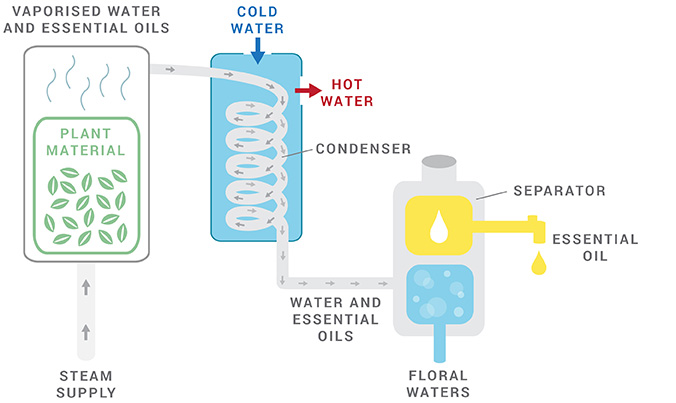
If you are wondering how to make citronella oil, the answer lies in a meticulous method known as steam distillation. The citronella oil extraction process involves drawing out the potent essential oil from fresh Java citronella grass (Cymbopogon winterianus).
Renowned for its natural insect-repelling properties and refreshing aroma, this essential oil is widely used in commercial candles, natural bug sprays, and household cleaners.
In this comprehensive guide, we will walk you through the step-by-step extraction process, from basic DIY home methods to large-scale industrial manufacturing.
Materials and Ingredients To Make Citronella Java Oil:

- Citronella Grass: Harvest fresh citronella grass. The leaves contain the essential oil.
- Water: Distilled water is preferable.
- Distillation Apparatus:
- Distillation flask
- Condenser
- Receiver (for collecting the distilled oil)
- Heat Source: A stove or a specialized heating device.
Note : Citronella oil from java / citronella java oil is one of the best citronella type for daily usage
Citronella Oil Distillation Process / Citronella Oil Manufacturers Procedure:
- Harvest Citronella Grass:
- Harvest fresh citronella grass. The leaves contain the essential oil you want to extract.
- Preparation:
- Wash the citronella grass thoroughly to remove any dirt or debris.
- Cut the grass into small pieces. The smaller the pieces, the better the extraction.
- Set Up the Distillation Apparatus:
- Place the citronella grass in the distillation flask.
- Add distilled water to the flask. The ratio of water to citronella grass can vary, but a common recommendation is around 2 parts water to 1 part plant material.
- Connect the Condenser:
- Attach the condenser to the distillation flask. Ensure a tight seal to prevent steam from escaping.
- Start Heating:
- Begin heating the distillation flask. As the water heats up, steam will rise, carrying the essential oil from the citronella grass with it.
- Condensation and Collection:
- The steam passes through the condenser, where it condenses back into liquid form.
- The liquid, now a mixture of water and citronella oil, collects in the receiver.
- Separation of Oil:
- The essential oil will naturally separate from the water, as oil and water do not mix well. You can use a separating funnel or similar device to separate the two layers.
- Storage:
- Store the extracted citronella oil in a dark glass container to protect it from light and heat.
Tips and Considerations:
- Quality of Citronella Grass: The quality of the citronella oil depends on the quality of the citronella grass. Use fresh and high-quality plants for the best results.
- Distillation Time: The distillation process may take a few hours. Keep an eye on the water level in the distillation flask, ensuring it doesn't run dry.
- Yield: The yield of essential oil will vary depending on factors like the quality of the citronella grass and the distillation process. It might take a significant amount of plant material to produce a small quantity of oil.
- Safety: Follow safety precautions when working with heat and glassware. Ensure proper ventilation in the distillation area.
Industrial Citronella Oil Extraction Process: How Manufacturers Do It
While the DIY method is great for small-scale or educational purposes, commercial production requires a highly advanced approach. As mentioned earlier, it takes a massive amount of plant material to produce a profitable yield. Therefore, manufacturing insect repellents or cosmetics on a commercial scale using home extraction is simply not scalable.
At an industrial level, the citronella oil distillation process relies on heavy-duty equipment to ensure maximum yield and consistent chemical quality.
As a leading manufacturer, Global Essential Oil utilizes large-capacity stainless steel distillation boilers. High-pressure steam is efficiently forced through tons of freshly harvested Java citronella grass.
This tightly controlled environment is crucial to preserve the plant's active chemical compounds—specifically Citronellal and Geraniol—which determine the oil's efficacy and grade.
By standardizing this industrial extraction process, we guarantee that businesses receive 100% pure, export-ready bulk citronella oil that strictly meets international manufacturing standards.
| NEED CITRONELLA OIL IN COMMERCIAL QUANTITIES? As mentioned, extracting citronella oil requires massive amounts of raw grass for a very small yield. If you are manufacturing insect repellents, candles, or cleaning products, DIY extraction is not scalable. Global Essential Oil is a leading manufacturer of Java Citronella Oil, utilizing industrial-grade steam distillation to supply high-potency, export-ready bulk oils for your business. → Contact Global Essential Oil — Start Your Sourcing Conversation Now |
Citronella Oil How To Use It For Daily Usage?

Remember that making essential oils at home can be a specialized process, and the quality of the oil may not match that of commercially available products. Additionally, essential oils are potent and should be used with care. If you're considering making citronella oil for therapeutic or cosmetic use, it's advisable to consult with experts in aromatherapy or essential oil production.
Citronella oil / citronella java oil is commonly known for its insect-repelling properties, and it can also be used for various other purposes. Maybe there will be question appearing in you mind "citronella oil how to use it properly and correctly?" Here are some ways you can incorporate citronella oil how to use it into your daily routine:
1. Insect Repellent:
- Dilute citronella oil with a carrier oil (such as coconut oil or jojoba oil) and apply it to exposed skin to help repel mosquitoes and other insects.
- You can also add a few drops of citronella oil to unscented lotions or creams.
2. Aromatherapy:
- Diffuse citronella oil in an essential oil diffuser to create a refreshing and uplifting atmosphere.
- Inhale the aroma directly from the bottle for a quick pick-me-up during the day.
3. Candles and Incense:
- Add a few drops of citronella oil to wax or soy candles to create insect-repelling candles for outdoor use.
- Use citronella oil in incense sticks to keep insects at bay during outdoor activities.
4. Cleaning:
- Add citronella oil to your homemade cleaning solutions to impart a fresh scent to your living spaces.
- Citronella's antimicrobial properties may also add a cleansing element to your cleaning routine.
5. Massage:
- Blend citronella oil with a carrier oil and use it for a massage. This can provide a refreshing and invigorating experience.
6. Natural Deodorant:
- Add a few drops of citronella oil to your natural homemade deodorant for a pleasant scent and potential antibacterial benefits.
7. Shampoo or Body Wash:
- Incorporate citronella oil into your shampoo or body wash for a refreshing and aromatic shower experience.
8. Foot Soak:
- Add a few drops of citronella oil to a foot soak for a relaxing and insect-repelling foot treatment.
9. Linen Spray:
- Create a linen spray by diluting citronella oil with water and spraying it on your bed linens or around your living space.
10. DIY Perfume:
- Mix citronella oil with other essential oils and a carrier oil to create a natural and refreshing DIY perfume.
Important Tips:
- Dilution: Always dilute citronella oil with a carrier oil before applying it to the skin. A common dilution ratio is around 2-3 drops of citronella oil per teaspoon of carrier oil.
- Skin Sensitivity: Perform a patch test before applying citronella oil to a larger area of the skin to ensure you don't have any adverse reactions.
- Pregnancy and Children: Exercise caution with essential oils, especially during pregnancy and with young children. Consult with a healthcare professional if you have any concerns.
- Quality Matters: Choose high-quality, pure citronella oil to ensure the best results.
Remember that while citronella oil has numerous potential uses, individual preferences and sensitivities vary. It's always a good idea to start with small amounts and observe how your body reacts before incorporating it into your daily routine.
If you are looking for trusted citronella oil manufacturers, you are at the right place