
Indonesian patchouli oil is one of the most established natural aromatic raw materials used by fragrance, cosmetics, personal-care, incense, and other manufacturing industries.
For a B2B buyer, however, “Indonesian patchouli oil” should not be treated as one uniform material. Origin, raw material, distillation conditions, post-distillation processing, grade, and batch history can all influence the oil that arrives at your facility.
A practical sourcing decision therefore starts with a clear product identity: Pogostemon cablin, the required origin or regional preference when relevant, the grade, the agreed specification, and the actual batch documentation.
The goal is not to find the “best” patchouli in the abstract. It is to select the material that fits your formulation, quality system, and commercial requirement.
If you are already evaluating a commercial order, see our Bulk Patchouli Essential Oil product page for current product specifications, sample discussion, packaging information, and quotation details.
Indonesian Patchouli Oil at a Glance
| Factor | Buyer Consideration |
| Botanical identity | Pogostemon cablin |
| Commercial origin | Indonesia, with important production across Sulawesi, Sumatra/Aceh, Java, and other producing areas |
| Common commercial forms | Dark, Light/Iron-Free, Molecular Distilled (MD), and other supplier-defined or aged materials |
| Main applications | Fine fragrance, cosmetics, personal care, soap/home care, incense, and other aromatic formulations |
| Quality approach | Approve against an agreed specification, batch documentation, sensory profile, and intended application |
| Typical buyer documents | Product specification, batch COA, GC or GC-MS data where relevant, SDS/MSDS, and other market-specific documentation |
| Best first step | Define the required grade and application, then evaluate a representative sample before a larger order |
Why Indonesia Matters in the Patchouli Oil Supply Chain
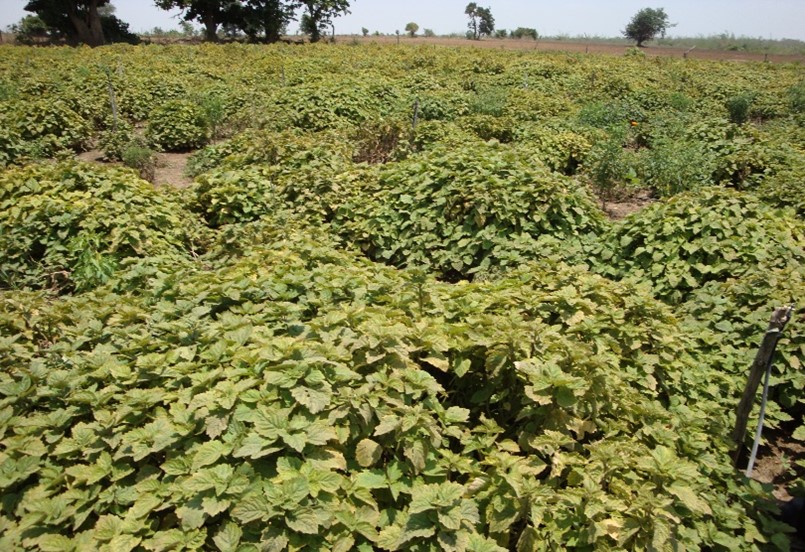
Indonesia is one of the world’s most important commercial origins for patchouli oil.
The country combines established cultivation, a broad network of distillers and processors, and long experience supplying natural aromatic materials to international buyers.
That production base matters because patchouli quality is shaped long before the final drum is filled: plant material, harvest timing, drying, distillation, storage, and further processing all contribute to the final batch.
Scientific work also shows why buyers should avoid treating “Indonesian patchouli” as a single fixed chemical profile.
A 2025 study comparing patchouli from several regions in Aceh Province reported regional variation in yield and chemical constituents.
Separate GC-MS research on Indonesian Pogostemon cablin likewise illustrates the complex sesquiterpene profile of the oil rather than a one-compound material.
For procurement teams, the practical implication is simple: country of origin is useful context, but it does not replace the batch specification or sample approval process.
Where Does Indonesian Patchouli Oil Come From?
Sulawesi
Sulawesi is an important commercial production area and is widely represented in Indonesia’s export-oriented patchouli supply chain.
Buyers may encounter Sulawesi-origin material across different grades and processing histories.
The actual aroma, color, physical parameters, and chemical profile should still be evaluated at batch level rather than assumed from the island name alone.
Sumatra and Aceh
Aceh and other parts of Sumatra have a long association with patchouli cultivation.
Some buyers specifically request Aceh or Sumatra origin for sourcing, olfactory, or provenance reasons.
Regional identity can be commercially meaningful, but the buyer should still confirm what the supplier means by that origin and how the offered batch is documented.
Java and Other Indonesian Production Areas
Patchouli is also produced in Java and other Indonesian regions.
These materials may serve different supply programs depending on the buyer’s specification, availability requirements, and formulation brief.
A region should therefore be treated as one sourcing variable among several, not as an automatic quality ranking.
For a deeper regional comparison, use our Aceh vs Sulawesi Patchouli Oil guide.
That page is the dedicated location for origin-level differences, while this article stays at the overview level.
What Makes Indonesian Patchouli Oil Different From Batch to Batch?

Botanical and Raw-Material Factors
Botanical identity is the starting point, but the harvested plant material can still vary.
Plant age, leaf condition, harvest timing, drying, and storage before distillation can influence yield and the resulting aromatic profile.
Growing Region and Environmental Conditions
Natural materials respond to their growing environment. Soil, rainfall, elevation, cultivation practice, and local climate may contribute to regional differences.
These factors are useful for understanding provenance, but buyers should avoid converting regional stereotypes into rigid acceptance specifications without actual batch data.
Distillation and Post-Distillation Handling
Steam distillation conditions, the materials used in processing equipment, filtration, storage, and any further refining step can all affect the commercial form of the oil.
This is one reason two products sold under the same botanical name can differ visibly and olfactorily.
Grade and Batch History
A Dark grade, an Iron-Free/Light grade, and a Molecular Distilled grade are not interchangeable simply because all are Indonesian patchouli oil.
The grade describes processing or commercial presentation, while batch history adds another layer of variation. Buyers should define both before approving a purchase.
Common Indonesian Patchouli Oil Grades

Grade selection should be driven by the finished product, color requirements, aroma target, processing needs, and agreed technical specification.
A darker oil is not automatically lower quality, and a more refined grade is not automatically the right choice for every formulation.
Dark Patchouli Oil
Dark Patchouli is the traditional commercial presentation most buyers recognize. It is typically deeper in color and has a strong earthy, woody, persistent patchouli character.
It can be appropriate for fragrance, incense, opaque personal-care products, and other applications where the natural color is not a formulation problem.
Light / Iron-Free Patchouli Oil
Light or Iron-Free Patchouli is selected when a cleaner appearance or lower risk of color impact is important.
The exact process used to achieve the lighter presentation should be confirmed with the supplier, together with the batch specification and intended application.
Molecular Distilled (MD) Patchouli Oil
Molecular Distilled Patchouli undergoes further processing to create a more refined material.
Fragrance and personal-care buyers may consider MD when their brief calls for a cleaner, more controlled patchouli profile, but acceptance should be based on the actual sample and agreed specification rather than the grade name alone.
Aged or Other Supplier-Defined Materials
Some suppliers offer aged or otherwise differentiated patchouli materials. “Aged” should describe a known storage or maturation history, not simply an old drum.
Ask how the material was stored, what the current quality data show, and whether the sensory profile matches the intended use.
| Grade | General Character | Buyer Consideration |
| Dark | Traditional, deeper-colored patchouli profile | Application fit, color impact, sensory target, batch specification |
| Light / Iron-Free | Lighter presentation with a cleaner visual profile | Color-sensitive formulations and processing history |
| MD | Further-refined patchouli material | Defined olfactory and technical requirements |
| Aged / Supplier-defined | Material differentiated by maturation or supplier process | Storage history, current batch condition, sample approval |
For the detailed grade comparison, including processing, aroma, and application differences, see Patchouli Oil Grades Explained.
What B2B Buyers Should Check in an Indonesian Patchouli Oil Specification
A purchase request that says only “Indonesian Patchouli Oil” leaves too much room for interpretation.
The product specification should make the buyer’s acceptance criteria explicit enough that the supplier, laboratory, procurement team, and receiving QC team are evaluating the same material.
- Botanical identity: confirm Pogostemon cablin and the relevant plant material used for production.
- Origin: specify Indonesia and, if commercially important, the required region or acceptable origin options.
- Grade or processing: Dark, Light/Iron-Free, MD, aged, or another clearly defined supplier grade.
- Physical parameters: define the parameters your quality system uses, such as appearance, specific gravity, refractive index, and optical rotation when relevant.
- Chemical profile: define any required patchouli alcohol/patchoulol or broader chromatographic criteria that matter to the application.
- Documentation: state which batch-linked documents must be supplied and which acceptance limits control the order.
For a dedicated discussion of patchoulol and specification design, see our Patchouli Oil Specification guide.
Does Higher Patchouli Alcohol Automatically Mean Better Quality?

No. Patchouli alcohol (patchoulol) is an important constituent and a useful analytical parameter, but one number does not define the entire quality of a natural patchouli oil.
Two batches can report similar patchoulol levels and still differ in aroma, color, secondary constituents, processing history, or performance in the finished formulation.
A fragrance buyer may prioritize a specific olfactory profile and consistency with an approved reference.
A cosmetic manufacturer may also care about color, stability, and compatibility with the base.
A procurement team needs a specification that reflects those real product requirements rather than a simple rule that “higher is always better.”
Use patchoulol as part of a multi-parameter decision: botanical identity, grade, physical data, chromatographic profile, sensory evaluation, and application performance should support each other.
Main Applications of Indonesian Patchouli Oil
| Industry | Why Patchouli Is Evaluated |
| Fine fragrance | Long-lasting earthy, woody, balsamic character and a strong role in base-note architecture. |
| Cosmetics & personal care | Natural aromatic character for skin care, hair care, body care, and fragrance-led formulations. |
| Soap & home care | Persistent fragrance character in applications where patchouli fits the sensory brief. |
| Incense | Deep earthy-woody aromatic profile suited to incense and ritual fragrance products. |
| Other fragrance products | Useful in blends where a natural, tenacious woody-earthy note is required. |
The application determines what “good” patchouli means.
A sample that performs well in a fragrance concentrate may not be the best fit for a light-colored cosmetic base, and vice versa.
Grade and batch selection should therefore follow the formulation brief rather than a generic quality hierarchy.
What Affects the Commercial Value of Indonesian Patchouli Oil?
Patchouli oil does not have one universal commercial price.
Quotations can change with the grade, origin requirement, batch specification, available supply, order quantity, packaging, destination, and commercial terms.
For that reason, comparing two offers only by price per kilogram can be misleading if the underlying products are not equivalent.
- Grade and further processing: refined or specially processed materials may involve different production costs and supply conditions.
- Origin and availability: a buyer who requires a specific region may be working with a narrower supply pool than a buyer who accepts Indonesia-origin material more broadly.
- Specification: tighter or application-specific acceptance criteria can reduce the number of suitable batches.
- Consistency requirements: repeat buyers may value reproducibility and approved-reference matching as much as the nominal analytical numbers.
- Order quantity and packaging: commercial terms depend on the actual volume and logistics setup.
- Destination and documentation: export, handling, and buyer documentation requirements can affect the final commercial offer.
For current pricing, request a quotation against the exact grade, quantity, destination, and specification you need rather than relying on a generic market number.
How Buyers Should Evaluate an Indonesian Patchouli Oil Sample
- Confirm the botanical identity, declared origin, grade, extraction or processing description, and sample/batch reference.
- Review the product specification and check that the supplied documents correspond to the sample being evaluated.
- Evaluate color, clarity, physical character, and aroma against the expected grade and your approved reference if one exists.
- Review COA and chromatographic data in the context of your own acceptance criteria rather than as stand-alone proof of suitability.
- Test the sample in the intended fragrance, cosmetic, soap, incense, or other formulation before approving commercial volume.
- Record the approval decision and translate the approved criteria into the purchase order for the future bulk batch.
For the full sample-to-PO workflow, see How to Evaluate an Essential Oil Sample Before a Bulk Order.
COA and GC-MS: What Do They Tell the Buyer?
A Certificate of Analysis (COA) summarizes the parameters reported for a specific batch or analysis.
It should help the buyer compare the material against the agreed product specification.
A GC or GC-MS profile provides a broader view of the volatile chemical composition and can support identity, consistency, and quality review where chromatographic analysis is relevant.
Neither document should be read in isolation.
A compliant-looking COA does not tell you whether the aroma works in your formula, and a chromatogram should not be reduced to one compound percentage without considering the full product requirement.
Our Essential Oil COA and GC-MS guide explains how procurement and quality teams can review these documents in a structured way.
How to Source Indonesian Patchouli Oil
Define the Required Grade
State whether the application requires Dark, Light/Iron-Free, MD, aged, or another clearly defined grade. If more than one grade could work, say so; that can improve supply flexibility without lowering quality.
Share the Required Specification
Provide the parameters that actually control acceptance. A supplier cannot reliably match an unstated internal standard.
Review Available Documentation
Confirm which technical, safety, origin, export, or market-specific documents are available for the offered product and whether they match your procurement process.
Evaluate a Representative Sample
Approve the material against both technical and formulation criteria before committing to a larger quantity whenever practical.
Confirm Commercial Requirements
Before the order is finalized, align the quantity, current packaging availability, lead time, destination, required documentation, quotation terms, and how the commercial batch will be matched to the approved sample or specification.
If the broader question is how to verify an Indonesian supplier and structure the import process, use our How to Source Essential Oils from Indonesia guide.
Indonesian Patchouli Oil Buyer Checklist
| Before Ordering | Confirm |
| Product identity | Pogostemon cablin and the correct product/grade description |
| Origin | Indonesia; regional origin if it is material to the purchase decision |
| Grade | Dark, Light/Iron-Free, MD, aged, or other clearly defined grade |
| Specification | Agreed physical, chemical, sensory, and application criteria |
| Sample | Representative material has been evaluated and documented |
| Batch documents | Available COA, GC/GC-MS where relevant, SDS/MSDS, and other required records |
| Application | Fragrance, cosmetics, soap, incense, or other intended use has been communicated |
| Commercial requirement | Quantity, packaging, destination, lead time, and quotation terms are aligned |
| Acceptance process | The bulk batch will be checked against the agreed specification and approval reference |
What About Patchouli Oil Shelf Life and Aging?
Patchouli has an unusual storage profile because some buyers value the olfactory development of mature material.
That does not mean every older batch is automatically better or that storage conditions can be ignored.
Shelf life, intentional aging, and quality deterioration are related but different concepts.
If long-term inventory, opened drums, headspace, re-testing, or aged material is relevant to your purchase, use our dedicated Patchouli Oil Shelf Life, Aging & Storage guide rather than applying one universal shelf-life number to every batch.
Sourcing Indonesian Patchouli Oil from Global Essential Oil
Global Essential Oil works with international B2B buyers evaluating Indonesian Patchouli Essential Oil for fragrance, cosmetics, personal care, incense, and other manufacturing applications.
We keep the commercial discussion tied to the buyer’s actual requirement rather than assuming that one grade or specification fits every use.
Before confirming an order, buyers can discuss the required grade, current batch specification, available technical documentation, sample options, packaging, target quantity, destination, and quotation details with our team.
Availability and documentation should be confirmed for the specific batch and order.
Review the Bulk Patchouli Essential Oil product page or contact Global Essential Oil to discuss your sourcing requirement.
Final Buyer Takeaway
Indonesian Patchouli Oil is best treated as a family of commercial materials rather than one generic commodity.
Origin, grade, processing, specification, batch documentation, and application all matter.
The most reliable sourcing decision is therefore not “Which Indonesian patchouli is best?” but “Which documented batch fits the specification and performs correctly in our product?”
Frequently Asked Questions
What is Indonesian Patchouli Oil?
Indonesian Patchouli Oil is essential oil produced from Pogostemon cablin grown and processed in Indonesia. Commercial batches can differ by region, grade, processing history, and batch specification, so the country name alone is not a complete purchasing specification.
Where is Patchouli Oil produced in Indonesia?
Important production occurs in Sulawesi, Sumatra/Aceh, Java, and other Indonesian areas. If a regional origin matters to your formulation or sourcing program, define it in the specification and verify the offered batch documentation.
What is the difference between Sulawesi and Aceh Patchouli Oil?
The two origins can differ in growing conditions, supply context, yield, aroma, and chemical profile, but the actual commercial decision should be made at batch level. See our Aceh vs Sulawesi Patchouli Oil comparison for the dedicated origin discussion.
What are the main grades of Indonesian Patchouli Oil?
Common commercial descriptions include Dark, Light/Iron-Free, Molecular Distilled (MD), and aged or supplier-defined materials. Grade names should be tied to a clear specification and sample rather than treated as universal standards.
Is higher patchouli alcohol always better?
No. Patchouli alcohol is an important analytical parameter, but quality also depends on the overall chemical profile, physical parameters, sensory character, grade, consistency, and performance in the intended formulation.
What documents should buyers request?
The exact document package depends on the buyer, destination, and application. Common B2B requirements include a current product specification, batch COA, GC or GC-MS data where relevant, SDS/MSDS, and any additional origin, quality, or compliance documents required by the purchase.
How should buyers source Indonesian Patchouli Oil in bulk?
Start by defining the grade, specification, intended application, quantity, and destination. Evaluate a representative sample, review the batch documentation, confirm commercial terms, and make sure the bulk acceptance criteria are written into the purchase process before shipment.