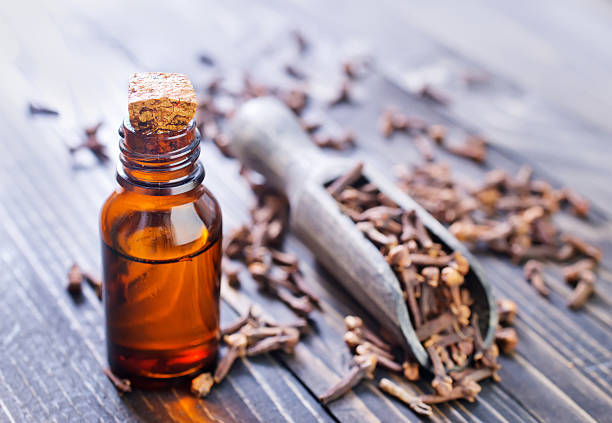
Clove oil — extracted by steam distillation from the dried buds of Syzygium aromaticum — has been used in Ayurvedic and traditional Southeast Asian medicine for centuries.
But can it actually help your hair? Based on what we know about its primary active compound, eugenol, the answer is a qualified yes — with important caveats about how to use it safely.
This guide covers the evidence-based benefits of clove oil for hair, three practical methods to use it, DIY recipes, safety precautions, and a dilution guide so you get results without scalp irritation.
Global Essential Oil produces certified clove essential oil (clove bud and clove leaf) via steam distillation from Indonesian farms — GC-MS tested, Halal certified, available for B2B buyers.
| What Does Clove Oil Do for Your Hair? Clove oil benefits hair through its primary active compound, eugenol, which accounts for 80–90% of its composition: • Improves blood circulation to scalp → delivers more nutrients to hair follicles • Antimicrobial properties fight dandruff-causing fungi (Malassezia) and bacteria • Anti-inflammatory eugenol soothes scalp irritation and itching • Antioxidants neutralize free radicals that damage hair follicles • Mineral content (calcium, iron, vitamins A & C) nourishes hair strands Important: Clove oil must always be diluted to 1–2% in a carrier oil before applying to scalp. Undiluted clove oil is one of the strongest irritants among essential oils. Best carrier oils: coconut oil, jojoba oil, sweet almond oil. |
What is Clove Oil?
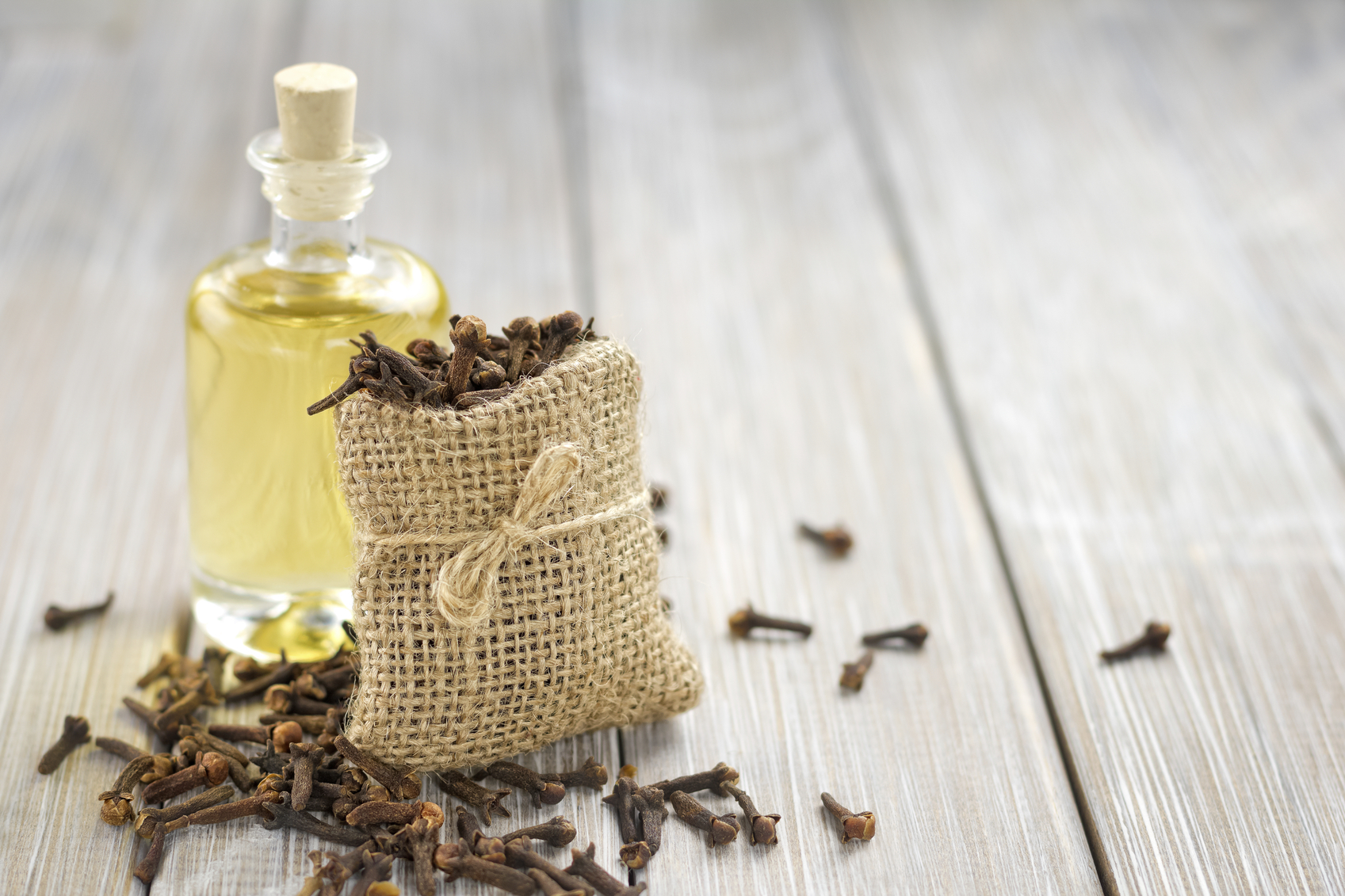
Clove oil is an essential oil steam-distilled from the dried buds (or sometimes leaves and stems) of Syzygium aromaticum, a tropical evergreen tree native to the Maluku Islands (Moluccas) of Indonesia.
Indonesia remains the world's largest producer of cloves and clove oil.
Its dominant compound, eugenol (making up 80–90% of clove bud oil), is a phenylpropanoid with well-documented antioxidant, antimicrobial, and anti-inflammatory properties.
These properties form the scientific basis for clove oil's benefits in hair and scalp care.
→ Also explore: Clove Essential Oil: Exploring the Benefits — full overview of clove EO applications.
6 Evidence-Based Benefits of Clove Oil for Hair
1. Stimulates Hair Follicles via Improved Blood Circulation
The most cited mechanism for clove oil's hair growth benefits is its ability to improve scalp blood circulation. Eugenol is a known vasodilator — it relaxes and widens blood vessels, allowing more blood to reach hair follicles.
Greater blood flow to follicles means improved delivery of oxygen and nutrients (iron, zinc, amino acids) that are essential for healthy hair growth. When follicles are well-nourished, they spend more time in the anagen (active growth) phase.
| What the research says A study published in the International Journal of Pharmaceutics (UGM, Indonesia) investigated clove extract's effect on hair follicles. While most circulation studies on clove oil are preclinical (animal or in vitro), the vasodilatory effect of eugenol is well-established in pharmacological literature. Note: No large-scale human RCT has proven clove oil regrows hair or reverses pattern baldness. |
2. Fights Dandruff and Scalp Infections (Antimicrobial)
Dandruff is primarily caused by Malassezia — a yeast-like fungus that proliferates on oily scalps. Clove oil's antifungal properties make it a natural candidate for dandruff management.
- A study found that clove extract inhibited the growth of Staphylococcus aureus (bacteria) and Cryptococcus neoformans (fungus) in scalp samples from six volunteers
- Eugenol has demonstrated broad-spectrum antimicrobial activity against multiple pathogenic fungi and bacteria in vitro
- Clove oil can also help with folliculitis — a bacterial infection of hair follicles causing small, itchy bumps on the scalp
| Important caveat The scalp infection study cited above was very small (n=6). These results are promising but should not be overstated. For persistent or severe scalp infections, consult a dermatologist. |
3. Reduces Scalp Inflammation
Chronic scalp inflammation disrupts the hair growth cycle and is linked to conditions like androgenetic alopecia, psoriasis, and seborrheic dermatitis. Eugenol is a well-studied anti-inflammatory compound:
- Inhibits COX-2 enzymes — the same pathway targeted by common NSAIDs like ibuprofen
- Reduces pro-inflammatory cytokines (IL-1β, TNF-α) that can damage hair follicles
- Soothes scalp redness, itching, and irritation when properly diluted
→ Related: Clove Essential Oil and Pain Management — how eugenol's anti-inflammatory properties work.
4. Strengthens Hair Shaft and Reduces Breakage
Clove oil contains trace amounts of minerals and vitamins that contribute to hair shaft strength:
- Calcium — essential for hair structure and growth
- Iron — deficiency is one of the most common causes of hair loss, particularly in women
- Vitamins A and C — support keratin production and collagen synthesis
- Antioxidants — neutralize free radicals that weaken hair proteins and cause premature breakage
While the amounts absorbed topically are small, consistent use of clove oil in scalp treatments can contribute to stronger, more resilient strands over time.
5. Controls Excess Scalp Oil (Sebum)
Excess sebum production creates an oily, greasy scalp environment that can clog hair follicles and accelerate hair thinning. Clove oil's astringent properties — again linked to eugenol — help regulate sebum production:
- Reduces excessive oiliness without completely stripping natural oils
- Helps keep hair looking fresher longer between washes
- Particularly beneficial for people with fine, oily hair that tends to flatten quickly
| Best method for oily scalp Add 2 drops of clove oil to your regular shampoo (no dilution needed when mixing into shampoo). Massage into scalp for 60 seconds before rinsing. Use 2–3 times per week. |
6. Adds Shine and Improves Hair Texture
Clove oil has a slightly warming, stimulating effect that, when used in a leave-in or pre-wash treatment, can improve the overall texture and appearance of hair:
- Smooths the hair cuticle when used in a carrier oil blend, adding natural shine
- The warming effect from eugenol can make scalp massage more effective (increased circulation from gentle heat)
- Suitable as a bi-weekly pre-wash treatment for dull, damaged, or color-treated hair
How to Use Clove Oil for Hair: 3 Methods
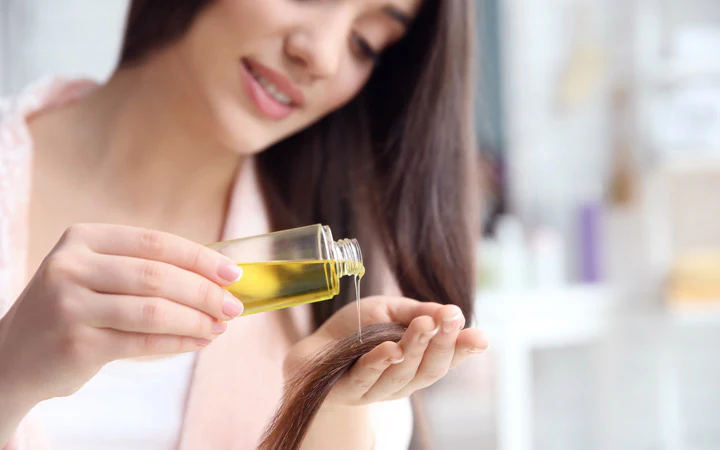
Always perform a patch test 48 hours before first use. Apply diluted oil to your inner elbow, wait 48 hours, and check for redness or irritation before applying to scalp.
Method 1: Clove Oil Scalp Massage (Most Direct)
This is the most effective method for targeting hair follicles directly.
What you need:
- 3–4 drops clove essential oil
- 2 tablespoons (30ml) carrier oil — coconut, jojoba, or sweet almond oil
- Small bowl for mixing
Steps:
- Measure 2 tablespoons of your chosen carrier oil into a small bowl
- Add 3–4 drops of clove essential oil (this gives approximately a 1% dilution — safe for scalp)
- Stir well to combine
- Part your hair into sections and apply the oil blend directly to your scalp
- Use fingertips (not nails) to massage in gentle circular motions for 5–10 minutes
- Leave on for 30–60 minutes, or overnight for deeper treatment (wrap hair in a soft towel)
- Wash out thoroughly with shampoo — may require two rounds of shampooing
- Use 1–2 times per week consistently for at least 4–6 weeks before expecting visible results
| Carrier oil guide for scalp massage Coconut oil: best for dry scalp and thick hair — deeply moisturizing Jojoba oil: best for oily scalp — mimics scalp's natural sebum, won't clog follicles Sweet almond oil: best for normal/combination scalp — lightweight, mild scent Argan oil: best for fine or color-treated hair — adds shine without heaviness |
Method 2: Clove Water Hair Rinse or Spray
Clove water is gentler than clove oil and is ideal for people with sensitive scalps or for daily use between oil treatments.
How to make clove water:
- Add 1–2 tablespoons of whole cloves to 2 cups (480ml) of water
- Bring to a boil, then reduce heat and simmer for 10–15 minutes
- Remove from heat and let cool completely (at least 30 minutes)
- Strain out the cloves and pour the water into a spray bottle or glass jar
- Optional: add 5 drops of clove essential oil + 2 teaspoons of witch hazel for a concentrated spray
How to use:
- As a pre-shampoo rinse: spray onto scalp and massage in 15–20 minutes before washing
- As a leave-in scalp toner: spray lightly onto scalp after washing, do not rinse
- As a hair rinse: pour slowly over hair after final shampoo rinse
- Store in refrigerator — use within 7 days (no preservatives)
| Clove water vs clove oil — which to choose? Clove water: gentler, suitable for sensitive scalp, can be used more frequently (2–3x/week), good for beginners Clove essential oil (diluted): more concentrated, targets follicles more directly, better for hair growth and dandruff treatment Recommendation: Start with clove water for 2 weeks, then introduce diluted clove oil if no irritation occurs |
Method 3: Clove Oil Hair Mask (Deep Treatment)
A hair mask with clove oil provides deep nourishment for both scalp and hair shaft. Use bi-weekly for best results.
Recipe: Classic Clove Oil Hair Mask
- 1 tablespoon ground cloves (or substitute 5 drops clove essential oil)
- 2 tablespoons raw honey (humectant — locks moisture into hair shaft)
- 1 tablespoon extra virgin olive oil or coconut oil (deep conditioning)
- Optional: 1 tablespoon plain yogurt (adds protein for damaged hair)
Instructions:
- Mix all ingredients in a bowl until a smooth paste forms
- Apply from scalp to ends, sectioning hair for even coverage
- Gently massage into scalp for 3–5 minutes
- Cover with a shower cap and leave for 20–30 minutes
- Rinse thoroughly with lukewarm water, then shampoo and condition as usual
- Use once every 2 weeks — especially beneficial for dry, damaged, or chemically treated hair
Clove Oil vs Clove Water for Hair: Which Is Better?
One of the most common sources of confusion is the difference between using clove essential oil and clove-infused water for hair. Here's a direct comparison:
| Factor | Clove Essential Oil (Diluted) | Clove Water (Infusion) |
| Concentration | High — pure aromatic compounds | Low — water-soluble compounds only |
| Eugenol content | Very high (80–90% of oil) | Low — eugenol is not fully water-soluble |
| Best for | Hair growth, dandruff, deep scalp treatment | Daily scalp toning, sensitive scalp, beginners |
| Frequency | 1–2x per week max | 2–3x per week, or as needed |
| Shelf life | 2–3 years (stored properly) | 7 days refrigerated (no preservatives) |
| Risk of irritation | Higher — must dilute to 1–2% | Very low — diluted naturally |
| Cost | Higher (pure essential oil) | Very low (whole cloves are inexpensive) |
| Recommended for | Targeted treatment: follicle stimulation, dandruff | Maintenance: scalp health, shine, freshness |
Dilution Guide: How Much Clove Oil Is Safe for Hair?
Clove oil is one of the most potent essential oils and has the highest risk of causing skin sensitization. Getting the dilution right is not optional — it's essential.
| Use Case | Safe Dilution % | Drops per 1 tbsp (15ml) Carrier | Notes |
| Scalp massage (adult) | 1–1.5% | 3–4 drops | Start at 1%, increase only if no irritation after 2 weeks |
| Pre-shampoo treatment | 1% | 3 drops | Leave on for max 30 min; rinse thoroughly |
| Hair mask (wash-out) | 0.5–1% | 1–3 drops | Mix with honey + olive oil; leave on 20–30 min |
| Mixed into shampoo | 0.5% | 1–2 drops per tablespoon shampoo | Rinse-off product — shorter contact time |
| Children (12+ years) | 0.5% | 1–2 drops | Not recommended for under 12 years old |
| Sensitive scalp | 0.5% | 1–2 drops | Always patch test first; avoid broken skin |
| Never do this with clove oil on hair Never apply undiluted (neat) clove oil directly to scalp or hair — chemical burns are possible Never exceed 2% dilution for scalp use — IFRA safety guidelines limit clove bud oil to 0.5% for leave-on products Never use clove oil near the eyes or on irritated, broken, or sunburned skin Never diffuse clove oil in an enclosed room for extended periods — can irritate airways |
→ Full safety guide: Clove Oil Safety Tips — dilution rates, contraindications, and patch test guide.
Clove Oil for Different Hair Types
| Hair Type | Recommended Method | Best Carrier Oil | Frequency |
| Fine / thin hair | Clove water spray (leave-in) | Jojoba oil (if using EO — very lightweight) | 3–4x per week (water), 1x per week (EO) |
| Thick / coarse hair | Scalp massage with diluted clove oil | Coconut oil or castor oil | 1–2x per week |
| Oily scalp | Add to shampoo (0.5%) + clove water toner | Jojoba oil (if using EO) | 2–3x per week |
| Dry scalp / dandruff | Pre-wash scalp massage | Sweet almond or argan oil | 1–2x per week |
| Curly / coily hair | Hair mask (wash-out treatment) | Olive oil or coconut oil | Once per week |
| Color-treated / damaged | Hair mask (diluted, short contact time) | Argan oil or sweet almond oil | Once every 2 weeks |
Side Effects and Safety Precautions
Clove oil is safe when used correctly, but it is one of the riskiest essential oils to misuse. The following side effects are documented:
- Scalp burns or chemical irritation — the most common issue with undiluted or over-diluted use
- Contact dermatitis — allergic skin reaction: redness, itching, swelling at application site
- Hair dryness or brittleness — overuse without moisturizing conditioner can strip scalp oils
- Scalp sensitization — repeated exposure at too-high concentrations can make the scalp permanently reactive to clove oil
Who should avoid clove oil on hair:
- Children under 12 years old
- Pregnant or breastfeeding women — limited safety data
- People with eugenol allergy (cross-reactive with cinnamon oil)
- People with eczema or psoriasis on the scalp — may worsen inflammation
- Anyone with open wounds, cuts, or severe scalp irritation
Medical Disclaimer: Clove oil is not a treatment for alopecia, hair loss disorders, or any medical condition. The information in this article is for educational purposes only. Consult a dermatologist or trichologist for persistent hair loss.
| How to Use Clove Oil for Hair Growth To use clove oil for hair growth effectively and safely: 1. Dilute 3–4 drops of clove essential oil in 2 tablespoons (30ml) of carrier oil — jojoba, coconut, or sweet almond oil 2. Part hair into sections and apply the blend directly to your scalp 3. Massage gently in circular motions for 5–10 minutes to stimulate blood circulation 4. Leave on for 30–60 minutes (or overnight, covered with a shower cap) 5. Wash out thoroughly — shampoo twice if needed 6. Repeat 1–2 times per week consistently for at least 6–8 weeks Caution: Never use undiluted clove oil on skin or scalp. Clove oil is one of the strongest essential oils and causes burns if applied neat. Best results: combine with scalp massage, a balanced diet (iron, protein, vitamins), and adequate hydration. |
Source Pure Clove Essential Oil in Bulk

For cosmetic manufacturers, hair care brands, and aromatherapy product developers looking for a reliable supply of certified clove essential oil — Global Essential Oil offers:
- Clove bud oil and clove leaf oil from Indonesian farms (Syzygium aromaticum)
- GC-MS certificate of analysis provided with every batch
- Halal certified; MSDS and COA documentation available
- Flexible MOQ: from sample quantities to full container shipments
- Direct manufacturer pricing — no intermediary markup
→ Contact our team via our essential oil manufacturer page for a quote or sample request.