Category: Article

  • Does Vetiver Essential Oil Help with Sleep? Evidence, Mechanism & Practical Guide

    Does Vetiver Essential Oil Help with Sleep? Evidence, Mechanism & Practical Guide

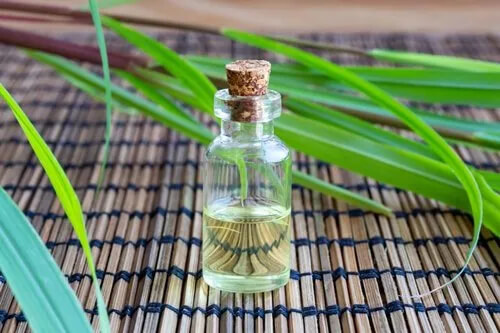
    vetiver essential oil

    Vetiver essential oil has been used in traditional aromatherapy for insomnia and anxiety relief for centuries — but what does modern science actually say?

    The short answer is: the evidence is promising, though most studies are animal-based.

    For people looking for a natural, non-habit-forming sleep support, vetiver oil is worth understanding properly.

    This article breaks down the scientific studies on vetiver’s sedative properties, explains exactly how it works on the brain, and gives you a practical guide to using it effectively for better sleep quality.

    Does Vetiver Essential Oil Help with Sleep?
    Yes — vetiver essential oil has documented sedative properties supported by scientific research:
    • A 2003 study by Thailand’s TISTR research institute found that inhaling vetiver oil significantly reduced rearing motility in rats, indicating a sedative effect comparable to lavender oil.
    • Vetiver’s primary active compound, khusimol, is a sesquiterpene alcohol believed to interact with GABA receptors in the central nervous system — the same pathway targeted by many sleep medications.
    • A PMC-indexed systematic review (PMC4805151) identified vetiver among essential oils with evidence for improving sleep quality through inhalation.
    • Vetiver’s deep, earthy scent activates the olfactory-limbic pathway, promoting a grounding, calming effect that can reduce sleep latency.  

    Best method: Diffuse 4–6 drops of vetiver oil in a bedroom diffuser 30–60 minutes before sleep, or blend with lavender (3 drops vetiver + 3 drops lavender).
    Note: Most studies are animal-based. Human clinical trials are limited but ongoing.

    What Is Vetiver Essential Oil?

    vetiver essential oil

    Vetiver essential oil is extracted via steam distillation from the roots of Vetiveria zizanioides (also classified as Chrysopogon zizanioides), a perennial grass native to South and Southeast Asia.

    Indonesia — particularly Java — is one of the world’s top producers, supplying a significant portion of the global fragrance and aromatherapy industry.

    Unlike most essential oils extracted from flowers or leaves, vetiver oil comes from the roots — which gives it a distinctively rich, earthy, smoky, and woody aroma with strong fixative properties.

    It is one of the most complex essential oils in terms of chemical composition, containing over 100 identified compounds.

    The primary bioactive compounds include khusimol (12–15%), alpha-vetivone, beta-vetivone, valerenol, and epizizanal — a combination of sesquiterpene alcohols and ketones that gives vetiver its characteristic scent and therapeutic properties.

    → Explore the broader applications: What Is Vetiver Oil Good For?

    The Science: Vetiver Essential Oil Sedative Effect Studies

    vetiver essential oil sedative effect studies

    The claim that vetiver oil has sedative properties is not just anecdotal. Several peer-reviewed studies have investigated this, though it is important to understand what the research actually shows — and what it does not.

    Study 1: TISTR Thailand (2003) — Inhalation & Open-Field Test

    The most frequently cited study on vetiver’s sedative effect was conducted by the Thailand Institute of Scientific and Technological Research (TISTR). Published in the ICV3 Proceedings and later indexed in Semantic Scholar and ResearchGate:

    • Researchers used male Wistar rats divided into 3 groups: vetiver oil, lavender oil (positive control), and distilled water (control)
    • Rats inhaled the oils for 1 hour, then rested 30 minutes before an open-field motility test
    • Vetiver oil significantly reduced rearing motility — a key indicator of sedation and reduced anxiety
    • Vetiver outperformed lavender in reducing rearing motility, though lavender reduced overall crossing motility more
    • Conclusion: ‘Vetiver oil possesses sedation effect in agreement with traditional use’ (Thubthimthed et al., 2003)
    Key Compound Identified
    The study identified khusimol as the dominant compound (12.71%) — a sesquiterpene alcohol that was previously found to inhibit vasopressin binding in rat liver, suggesting CNS activity.

    Study 2: PMC4805151 — Systematic Review of Essential Oils for Insomnia

    A comprehensive systematic review published on PubMed Central (PMC4805151) examined the evidence for essential oils in treating insomnia. Key findings relevant to vetiver:

    • The review covered multiple essential oils including lavender, chamomile, valerian, and vetiver
    • Vetiver was identified among oils with sedative and anxiolytic properties based on preclinical evidence
    • The olfactory stimulation pathway was confirmed as the primary mechanism: aromatic compounds activate the olfactory nerve → limbic system → hypothalamus
    • The authors noted that while animal studies are promising, well-controlled human clinical trials remain limited

    Study 3: Lavender, Cedarwood & Vetiver Comparison (Indonesian University)

    A study from Universitas Katolik Widya Mandala Surabaya compared the sedative effects of lavender, cedarwood, and vetiver essential oils. This is one of the few studies directly comparing vetiver against other commonly used sleep-support oils:

    • All three oils demonstrated sedative properties via inhalation
    • The comparative study supports the traditional use of vetiver as part of a multi-oil sleep protocol
    • Cedarwood’s cedrol was identified as having a similar CNS-calming mechanism to vetiver’s khusimol

    How Does Vetiver Oil Work for Sleep? The Mechanism Explained

    Understanding the mechanism helps explain why inhalation — not topical use — is the most scientifically supported method for sleep benefits.

    Khusimol and the CNS: The Active Compound

    Khusimol is a sesquiterpene alcohol and the dominant compound in vetiver oil (12–15% of total composition). Research has identified several ways it may interact with the central nervous system:

    • Inhibits vasopressin V1a receptor binding in rat liver (Rao et al., 1994) — vasopressin is a neuropeptide involved in stress response
    • Potential GABAergic activity — GABA (gamma-aminobutyric acid) is the primary inhibitory neurotransmitter; compounds that enhance GABA activity promote relaxation and sleep
    • Reduces locomotor activity in open-field tests, a well-established marker of CNS sedation

    The Olfactory-Limbic Pathway: How Aromatherapy Reaches the Brain

    When you inhale vetiver oil, the mechanism works as follows:

    1. Aromatic molecules (khusimol, vetivone) enter the nasal cavity
    2. They bind to olfactory receptor neurons in the olfactory epithelium
    3. Signals travel directly to the olfactory bulb — bypassing the blood-brain barrier
    4. The olfactory bulb connects directly to the limbic system, including the amygdala (emotion regulation) and hippocampus (memory and stress)
    5. The hypothalamus receives signals that modulate cortisol production, heart rate, and sleep-wake cycles
    6. Result: reduced arousal, decreased anxiety, and increased readiness for sleep

    This pathway explains why vetiver works faster via inhalation than topical application for sleep — the olfactory nerve provides a direct route to the brain regions that govern sleep.

    Vetiver Oil Benefits for Brain Function

    Beyond sleep, the same sedative mechanism contributes to vetiver’s broader cognitive and emotional benefits:

    • Reduced anxiety and mental chatter — the primary reason people use vetiver for sleep is difficulty ‘turning off’ the mind
    • Grounding effect — vetiver is often described as the most grounding essential oil, helping center attention and reduce rumination
    • Potential support for ADHD: some practitioners use vetiver in focus protocols, though scientific evidence is limited
    • Cortisol reduction: animal studies suggest vetiver inhalation may lower stress hormone levels

    Evidence Review: Does Vetiver Essential Oil Really Help with Sleep?

    Does Vetiver Essential Oil Really Help with Sleep?

    Here is an honest summary of where the evidence stands:

    Evidence TypeStrengthWhat It ShowsLimitation
    Animal studies (rat inhalation)ModerateSedative effect via open-field test; rearing motility reductionAnimal-to-human extrapolation not guaranteed
    Systematic reviews (PMC)ModerateVetiver listed among EOs with sedative/anxiolytic propertiesBased on preclinical evidence
    Traditional use (centuries)SupportiveUsed in Ayurveda & Southeast Asian medicine for insomniaAnecdotal; not controlled
    Human RCTsWeakVery limited — no large-scale controlled trials specifically on vetiver & sleepGap in research — needed for clinical recommendations
    Mechanism researchModerateKhusimol → CNS activity via olfactory-limbic pathwayExact receptor binding in humans not fully mapped

    Bottom line: vetiver essential oil has a sound theoretical mechanism and supporting preclinical evidence for sleep benefits. It is not a clinically proven sleep treatment, but it is a reasonable, low-risk addition to a sleep hygiene protocol. The evidence is comparable to — or stronger than — many other popular natural sleep aids.

    How to Use Vetiver Essential Oil for Sleep

    The scientific studies on vetiver’s sedative effect all used inhalation as the delivery method. Here are the three most practical approaches, from most to least evidence-backed.

    Method 1: Ultrasonic Diffuser (Most Evidence-Backed)

    This is the closest home method to the inhalation protocols used in scientific studies.

    • Add 4–6 drops of vetiver essential oil to an ultrasonic diffuser with water
    • Run the diffuser in your bedroom 30–60 minutes before sleep
    • If vetiver’s earthy scent is too intense alone, blend with lavender (see blends section below)
    • Session duration: 30–60 minutes — prolonged exposure throughout the night is not necessary
    Diffuser Tip
    Vetiver oil is thick and viscous — it may clog some diffusers. Use a diffuser with a wider reservoir or pre-dilute 2–3 drops in 1 tsp of carrier oil before adding to the water.

    Method 2: Pillow Spray (DIY Recipe)

    A pillow spray is one of the simplest and most pleasant ways to use vetiver for sleep:

    • Base: 60ml distilled water + 10ml witch hazel or vodka (as emulsifier)
    • Essential oils: 8 drops vetiver + 6 drops lavender + 4 drops Roman chamomile
    • Combine in a small dark glass spray bottle, shake well before each use
    • Spray 2–3 times onto pillowcase 5–10 minutes before lying down
    • Store in a cool, dark place — use within 3 months

    Method 3: Topical Application — Dilution & Placement

    For topical use before sleep, vetiver’s grounding scent works well when applied to pulse points or the soles of feet:

    Application AreaDilutionDrops in 1 tsp Carrier OilNotes
    Soles of feet2%6 dropsFoot skin is thick; well-absorbed; traditional Ayurvedic application point
    Wrists / inner elbows1–2%3–6 dropsPulse points enhance scent diffusion through body heat
    Back of neck / temples1%3 dropsUse sparingly; avoid eye area
    Chest / décolletage2–3%6–9 dropsAllows inhalation throughout the night while lying down

    Recommended carrier oils for sleep blends: jojoba oil (skin-compatible, absorbs well), fractionated coconut oil (light, odorless), or sweet almond oil (slightly warming, traditional massage oil).

    Best Essential Oil Blends with Vetiver for Sleep

    Vetiver’s deep base note pairs beautifully with other sleep-supporting essential oils. As the most grounding of all essential oils, it acts as a fixative in blends — extending the scent life of lighter top notes.

    Blend NameRecipeSleep BenefitScent Profile
    Classic Grounding Blend3 drops vetiver + 3 drops lavender + 2 drops Roman chamomileDeep relaxation; addresses anxiety + sleep onsetEarthy-floral, calming
    Forest Night Blend3 drops vetiver + 3 drops cedarwood + 2 drops sandalwoodGrounding + sedative; excellent for racing thoughtsDeep woody, masculine
    Vetiver & Bergamot Blend2 drops vetiver + 4 drops bergamot + 2 drops ylang ylangMood-lifting + calming; good for stress-related insomniaCitrus-earthy, exotic
    Simple 2-Oil Blend4 drops vetiver + 4 drops lavenderSimplest evidence-backed combination; mirrors study protocolsClean, earthy-floral

    → For more blending ideas: Vetiver Oil Complementary Essential Oil Pairings

    Indonesian Vetiver Oil: Why Origin Matters for Sleep Benefits

    Not all vetiver oils are created equal. The geographic origin significantly affects the chemical composition — and therefore the therapeutic properties.

    OriginPrimary CompoundsScent ProfilePurity / Market Grade
    Indonesia (Java)High khusimol content, balanced vetivone ratioSmooth, woody, sweet-earthy — considered gold standardPreferred by French perfumers and aromatherapists
    HaitiHigher alpha-vetivone, more pungentSmoky, woody, more intense — slightly harsherStrong market presence; common in US market
    India (Rajasthan)Different sesquiterpene ratio; aged preferredSofter, more rosy-earthy when agedTraditional Ayurvedic khus oil — different chemotype
    Sri LankaSri Lanka ecotype — used in TISTR studyEarthy, moderate intensityResearch grade; used in sedation studies

    Indonesian vetiver — particularly from Java — is prized for its smoother, more balanced khusimol-to-vetivone ratio.

    This makes it suitable for both aromatherapy applications (where a smoother scent profile aids relaxation) and high-end perfumery.

    → Learn more about Indonesian vetiver: Vetiver Essential Oil History & Origins

    Safety Considerations & Who Should Avoid Vetiver Oil

    Vetiver essential oil is considered one of the safer essential oils — it has a low sensitization rate and is not photosensitizing. However, standard essential oil safety guidelines apply:

    GroupRecommendation
    Pregnant womenAvoid in first trimester. Consult healthcare provider before use in second/third trimester.
    Children under 6Not recommended. For children 6–12, dilute to 0.5% and limit use.
    People with low blood pressureVetiver’s sedative effect may further lower blood pressure — use cautiously.
    People on CNS medicationsPossible additive sedative effect — consult doctor before regular aromatherapy use.
    PetsKeep diffusers in ventilated rooms; cats and dogs are more sensitive to essential oil inhalation.
    General topical useAlways dilute to 1–3% in carrier oil. Perform 48-hour patch test before first use.

    ⚕️  Medical Disclaimer: This article is for informational purposes only and does not constitute medical advice. Vetiver essential oil is not a treatment for insomnia or any medical condition. If you have chronic sleep disorders, consult a qualified healthcare provider.

    How to Use Vetiver Essential Oil for Sleep
    The most evidence-backed method for using vetiver essential oil for sleep is inhalation via a diffuser:
    1. Add 4–6 drops of vetiver essential oil to an ultrasonic diffuser with water
    2. Run in your bedroom 30–60 minutes before sleep
    3. Optional: blend with 3–4 drops of lavender oil for a more balanced scent
    4. For topical use: dilute 2% in jojoba oil (6 drops per 1 tsp) and apply to soles of feet or wrists before bed
    5. For a pillow spray: 8 drops vetiver + 6 drops lavender in 60ml distilled water + 10ml witch hazel  

    Vetiver oil is the most grounding essential oil — its earthy, woody scent activates the olfactory-limbic pathway, reducing anxiety and promoting sleep readiness.

    Source Indonesian Vetiver Essential Oil in Bulk

    For aromatherapy product manufacturers, cosmetic formulators, and fragrance houses looking for consistent, certified vetiver oil supply — Global Essential Oil offers:

    • 100% pure Vetiveria zizanioides essential oil from Indonesian (Java) farms
    • GC-MS certificate of analysis available on every batch
    • Halal certified; MSDS and COA documentation provided
    • Flexible MOQ for B2B buyers — from sample to bulk container
    • Direct from manufacturer — no middleman pricing

    → Explore our Indonesian Vetiver Essential Oil product page or contact us for a quote.

    → Also available: Vetiver Oil Uses in Perfumery — guide for fragrance buyers.

  • Patchouli Oil Side Effects, Allergy Risks, and How to Use It Safely

    Patchouli Oil Side Effects, Allergy Risks, and How to Use It Safely

    Patchouli oil — derived from the steam distillation of Pogostemon cablin leaves — is one of the most widely used essential oils in perfumery, aromatherapy, and skincare. But like any potent botanical extract, it carries real risks if misused.

    This guide covers everything you need to know: the documented side effects of patchouli oil, how to identify an allergy, safety considerations during pregnancy, and a practical dilution guide so you can enjoy its benefits without the risks.

    Note: Global Essential Oil sources certified patchouli oil (Pogostemon cablin) directly from Indonesian farms. All oils undergo GC-MS testing to ensure purity. Learn more about our patchouli oil →

    What Are the Side Effects of Patchouli Oil?
    Patchouli oil is generally safe when used correctly, but it can cause several side effects if misapplied:
    • Skin irritation or contact dermatitis — especially when applied undiluted (neat)
    • Allergic reactions — linked to limonene, a compound listed as an allergen by EU cosmetic regulations
    • Photosensitivity — skin may become more sensitive to sunlight after topical application
    • Hormonal disruption — patchouli has documented estrogen-like (estrogenic) activity
    • Sedation at high doses — patchouli alcohol can act as a CNS depressant in large amounts
    • Not recommended for: pregnant women (especially first trimester), children under 6, or people with hormone-sensitive conditions   Always dilute patchouli oil to 1–3% in a carrier oil before applying to skin. Perform a patch test 48 hours before first use.

    What Is Patchouli Oil? A Brief Overview

    patchouli oil side effects

    Patchouli oil is an essential oil extracted from the dried leaves of Pogostemon cablin, a tropical herb native to Southeast Asia — with Indonesia being the world’s largest producer, accounting for over 80% of global supply.

    Its distinctive earthy, woody, and musky scent has made it a cornerstone ingredient in iconic perfumes (including Chanel’s Coco Mademoiselle and Thierry Mugler’s Angel). Beyond fragrance, patchouli oil is used in aromatherapy for its calming and grounding properties, and in skincare for its antimicrobial and anti-inflammatory effects.

    The primary active compound is patchouli alcohol (patchoulol), a sesquiterpene alcohol that accounts for 25–35% of the oil’s composition and is responsible for most of its therapeutic and aromatic properties.

    → Related reading: What Is Patchouli Oil Used For?

    Common Patchouli Oil Side Effects

    Patchouli oil is potent — a little goes a long way. Below are the most documented side effects based on scientific literature and clinical observations.

    Skin Irritation and Contact Dermatitis

    The most frequently reported side effect is skin irritation, ranging from mild redness to full contact dermatitis — an inflammatory skin reaction characterized by itching, rash, and swelling.

    This typically occurs when patchouli oil is applied undiluted (neat) directly onto the skin. The high concentration of terpenoids in undiluted patchouli oil can disrupt the skin barrier, leading to sensitization over time.

    Prevention
    Always dilute patchouli oil to 1–3% before topical use Use a carrier oil such as jojoba, sweet almond, or fractionated coconut oil Never apply neat essential oil to mucous membranes, eyes, ears, or broken skin

    Hormonal (Estrogen-Like) Effects

    One of the less-discussed but scientifically documented side effects of patchouli oil is its estrogenic activity. Research has identified that certain compounds in patchouli oil — particularly pogostone and patchouli alcohol — can mimic estrogen in the body.

    Important for Certain Groups
    People with estrogen-sensitive conditions (such as breast cancer, uterine fibroids, endometriosis, or PCOS) should exercise caution or avoid patchouli oil without consulting a healthcare provider. The EU cosmetic regulatory guidelines list patchouli as having possible estrogen-like effects.

    Photosensitivity After Topical Application

    While patchouli itself is not classified as a photosensitizing oil (unlike bergamot or lemon), applying it to exposed skin and then going into direct sunlight can sometimes increase sensitivity. This is more of a concern when patchouli is blended with known photosensitizers.

    • Recommendation: After applying patchouli oil topically, avoid direct sun exposure for at least 12 hours if your blend contains citrus oils.

    Sedation and Drowsiness at High Doses

    Patchouli oil has a biphasic effect: in low doses, it acts as a tonic and mood-lifter; in high doses, patchouli alcohol can act as a central nervous system depressant, inducing sedation and drowsiness.

    • For diffuser use: limit sessions to 30–60 minutes in a well-ventilated room
    • Avoid high-dose inhalation before driving or operating heavy machinery
    • Children and elderly individuals are more sensitive to this sedative effect

    Patchouli Oil Allergy: Symptoms and Triggers

    Patchouli Oil Allergy: Symptoms and Triggers

    A patchouli oil allergy is more common than many people realize. Fragrance allergies, in general, are among the leading causes of contact dermatitis worldwide, and patchouli oil contains several compounds that can act as allergens.

    Common Patchouli Allergy Symptoms

    • Redness, itching, or burning sensation at the point of contact
    • Hives or welts (urticaria)
    • Swelling, especially around the face or hands after handling the oil
    • Runny nose, sneezing, or watery eyes when inhaling (contact rhinitis)
    • In rare cases: anaphylaxis — a severe whole-body allergic reaction requiring emergency care
    Seek Emergency Care Immediately If You Experience:
    Sudden difficulty breathing after exposure to patchouli oil Severe throat tightening or swelling of the face/tongue Rapid drop in blood pressure, dizziness, or loss of consciousness These are signs of anaphylaxis — call emergency services immediately.

    EU-Listed Allergen: Limonene in Patchouli Oil

    Under EU Cosmetic Regulation No. 1223/2009, patchouli oil must be declared as containing limonene when included in cosmetic products — because limonene is listed as a known fragrance allergen that must be declared above certain concentrations.

    This is why you’ll see ‘limonene’ listed in the ingredients of skincare and fragrance products containing patchouli. If you have a known limonene allergy, approach patchouli oil with caution and consult a dermatologist or allergist.

    How to Do a Patch Test (Step-by-Step)

    Before using any essential oil — including patchouli — for the first time, perform a patch test:

    • Step 1: Dilute 1 drop of patchouli oil in 1 teaspoon (5ml) of carrier oil (about 1% dilution)
    • Step 2: Apply a small amount to the inside of your elbow or wrist
    • Step 3: Cover loosely with a bandage and leave for 48 hours
    • Step 4: Check for redness, itching, or swelling at the 24-hour and 48-hour marks
    • Step 5: If no reaction occurs after 48 hours, the product is likely safe for you at that concentration

    Is Patchouli Oil Safe During Pregnancy?

    Is Patchouli Oil Safe During Pregnancy?

    This is one of the most commonly searched questions about patchouli oil safety — and for good reason. The answer is nuanced.

    First Trimester: When to Avoid It

    Most aromatherapy practitioners and essential oil safety experts recommend avoiding patchouli oil entirely during the first trimester. This is because:

    • Patchouli oil has documented estrogen-like activity that could potentially interfere with early pregnancy hormonal balance
    • The first trimester is the most critical period for fetal development
    • Emmenagogue effects (stimulating uterine contractions) have been reported with some sesquiterpene-rich oils
    First Trimester Recommendation
    Avoid patchouli oil — both topically and via diffuser — during the first trimester. When in doubt, consult your OB-GYN or a certified aromatherapist who specializes in prenatal care.

    Second & Third Trimester: What Experts Say

    Some aromatherapy practitioners consider patchouli oil to be relatively safe in small amounts during the second and third trimester — particularly as an inhalant used briefly in a well-ventilated space. However, topical use should still be limited and only after medical consultation.

    General Guidance for Pregnant Women
    Always consult your healthcare provider before using any essential oil during pregnancy If approved for use, limit to brief aromatic use (15 minutes or less) in a well-ventilated room Avoid topical application during pregnancy, especially on the abdomen Keep dilution very low (0.5% or below) if topical use is cleared by your doctor

    How to Wear Patchouli Oil Safely

    How to Wear Patchouli Oil Safely

    Patchouli oil’s rich, long-lasting scent makes it a popular choice both as a standalone fragrance and as a base note in DIY perfumes. Here’s how to apply it safely and effectively.

    Dilution Guide: How Much Patchouli Oil Is Safe?

    Always dilute patchouli oil in a carrier oil before skin application. The table below shows recommended dilution levels by use case:

    Use CaseRecommended DilutionDrops per 1 tsp Carrier OilNotes
    Facial skincare0.5–1%1–2 dropsPatch test required
    Body massage2–3%6–9 dropsSafe for most adults
    Aromatherapy diffuserN/A – neat use4–6 drops in waterNo dilution needed
    Hair & scalp1–2%3–6 drops in carrierMix with jojoba or coconut oil
    Perfume/cologne (wrists)3–5%9–15 drops in carrierAvoid sun exposure after application
    Children (6–12 years)0.5%1 drop onlyConsult pediatrician first

    Application Points for Fragrance Use

    For best scent longevity and safe skin contact, apply diluted patchouli oil to pulse points:

    • Wrists — classic fragrance application point
    • Inner elbows — releases scent as body heat rises
    • Back of knees — excellent for long-lasting scent trail
    • Base of throat / décolletage — for close-proximity scent
    • Behind ears — warm area that diffuses scent well
    • Hair ends (avoid scalp) — patchouli clings well to hair fiber

    Avoid applying to: eyes, ear canals, mucous membranes, broken or irritated skin.

    Blending Patchouli Oil Safely

    Patchouli’s earthy, musky character works beautifully as a base note and fixative in blends. It pairs well with:

    • Lavender — for a grounding + floral relaxation blend
    • Bergamot — for a bright + earthy citrus blend (note photosensitivity if applying topically)
    • Sandalwood — for a deep, woody meditation blend
    • Ylang ylang — for a sensual, exotic floral base
    • Cedarwood — for a forest-like, calming diffuser blend

    → Related reading: Exploring Patchouli in Perfumery

    Who Should Avoid Patchouli Oil?

    Patchouli oil is not suitable for everyone. The following groups should avoid use or consult a healthcare provider first:

    GroupReason / Risk
    Pregnant women (1st trimester)Estrogenic activity + possible emmenagogue effect
    Children under 6 years oldCNS sensitivity; sedative effect risk
    People with hormone-sensitive cancersEstrogen-like compounds may stimulate tumor growth
    People with endometriosis or PCOSEstrogenic activity may worsen symptoms
    Individuals with limonene allergyPatchouli oil contains limonene (EU-listed allergen)
    People taking blood thinnersPossible mild anticoagulant interaction
    Epilepsy patientsSesquiterpene-rich oils may lower seizure threshold

    Medical Disclaimer: The information in this article is for educational purposes only and does not constitute medical advice. If you have a medical condition, are pregnant, or are taking prescription medications, consult your healthcare provider before using patchouli oil or any essential oil.

    How to Wear Patchouli Oil as Perfume
    To wear patchouli oil safely as a perfume: 1. Dilute 3–5 drops in 1 teaspoon (5ml) of carrier oil (jojoba or sweet almond oil recommended) 2. Apply to pulse points: wrists, inner elbows, back of knees, behind ears, or base of throat 3. Do not rub wrists together — this breaks down the scent molecules 4. For longer-lasting wear, apply to hair ends (avoid scalp) 5. Reapply every 6–8 hours as needed   Patchouli oil is a base note with excellent longevity. Start with a small amount — it’s stronger than you expect.

    Source High-Quality Patchouli Oil for Your Business

    For cosmetics manufacturers, fragrance houses, and aromatherapy brands looking for consistent, certified patchouli oil supply — Global Essential Oil offers:

    • 100% pure Pogostemon cablin patchouli oil from Indonesian farms
    • GC-MS certificate of analysis available on request
    • Halal certified, MSDS documentation provided
    • Flexible MOQ for B2B buyers — from sample quantities to bulk container shipments
    • Direct from manufacturer — no middle-man pricing

    → Explore our Bulk Patchouli Essential Oil or contact our team for a quote.

  • Clove Oil Anti-Inflammatory Properties: The Science Behind Eugenol’s Effects

    Clove Oil Anti-Inflammatory Properties: The Science Behind Eugenol’s Effects

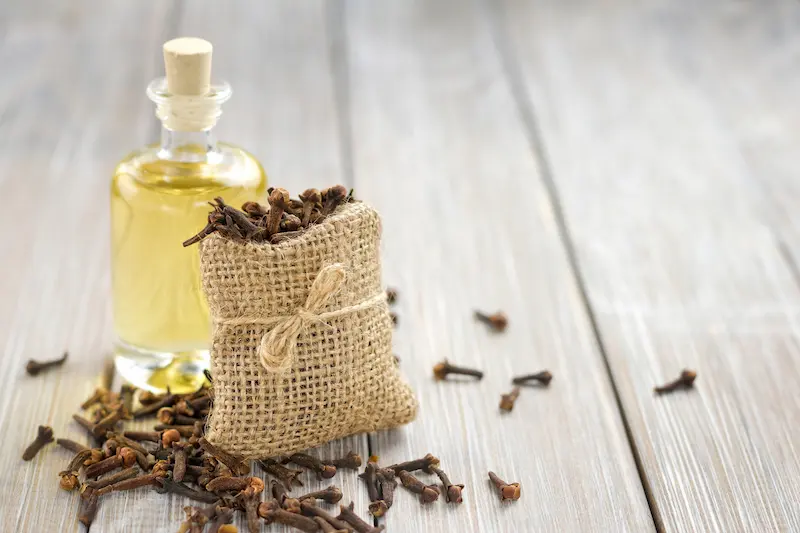
    clove essential oil, clove oil, inflammatory, oil
    Is clove oil anti-inflammatory?
    Yes — clove oil has well-documented anti-inflammatory properties, driven primarily by eugenol, which makes up 70–92% of the oil depending on the plant part distilled. Multiple peer-reviewed studies have identified specific mechanisms: eugenol inhibits the COX-2 enzyme and NF-κB signalling pathway — the same general targets as conventional NSAID pain relievers — while also reducing pro-inflammatory markers including TNF-α, IL-1β, IL-6, and prostaglandin E2 (PGE2). A 2020 computational study found eugenol’s pharmacokinetic profile similar to diclofenac and aspirin, with the added benefit of less gastric irritation typically associated with NSAIDs.

    Clove has been used to relieve pain and swelling in traditional medicine for centuries — from dental discomfort to joint pain. But does modern science actually support this traditional use?

    The answer, based on a substantial and growing body of peer-reviewed research, is yes — and the mechanisms are now reasonably well understood at the molecular level.

    This article summarises what current research shows about clove oil’s anti-inflammatory properties — the specific compound responsible, the cellular pathways involved, how it compares to conventional anti-inflammatory drugs, and what this means practically.

    We write as Global Essential Oil, an Indonesian manufacturer of clove essential oil and eugenol.

    Eugenol: The Compound Behind Clove Oil’s Anti-Inflammatory Activity

    Eugenol: The Compound Behind Clove Oil's Anti-Inflammatory Activity

    Clove oil’s anti-inflammatory effects are attributed almost entirely to eugenol (4-allyl-2-methoxyphenol), the dominant compound in clove oil at 70–92% concentration depending on whether bud, leaf, or stem oil is distilled.

    Research studies typically test eugenol in its pure isolated form, in clove essential oil (which also contains eugenol acetate and other minor compounds), and sometimes in bis-eugenol (a synthesised dimer) to compare relative effectiveness.

    A 2025 in-vitro study published in ACS Omega directly compared pure eugenol, bis-eugenol, and whole clove essential oil — finding that clove oil’s eugenol content (45–90% depending on the sample) combined with eugenol acetate gave it a distinct compound profile from pure eugenol alone, with all three forms showing measurable anti-inflammatory and antioxidant activity in macrophage cell studies.

    How Eugenol Reduces Inflammation: The Cellular Mechanisms

    How Eugenol Reduces Inflammation: The Cellular Mechanisms

    Unlike many traditional remedies where the mechanism remains unclear, eugenol’s anti-inflammatory action has been studied at the molecular level across multiple research groups.

    The evidence points to several interconnected pathways:

    Pathway / TargetWhat Eugenol DoesResearch Finding
    COX-2 (cyclooxygenase-2)Inhibits this enzyme, which produces prostaglandins that drive inflammation and painEugenol reduces COX-2 expression; computational studies show binding affinity to COX-2 comparable to diclofenac
    NF-κB (nuclear factor kappa B)Inhibits this master transcription factor that switches on inflammatory genesMultiple studies confirm eugenol suppresses NF-κB activation, reducing downstream inflammatory signalling
    TNF-α (tumour necrosis factor alpha)Reduces levels of this pro-inflammatory cytokineConsistently reduced across multiple cell and animal studies, including in liver, lung, and joint tissue models
    IL-1β and IL-6Reduces these inflammatory signalling proteins (interleukins)Demonstrated in macrophage studies and in diabetic muscle inflammation models
    Prostaglandin E2 (PGE2)Reduces production of this inflammatory mediatorLinked to COX-2 inhibition — reduced PGE2 contributes to pain and swelling reduction
    5-LOX (5-lipoxygenase)Non-competitively inhibits this enzyme, reducing leukotriene C4 productionDemonstrated in polymorphonuclear leukocyte studies — relevant to allergic and asthmatic inflammation
    iNOS (inducible nitric oxide synthase)Reduces expression, lowering nitric oxide-driven inflammationConfirmed alongside COX-2 reduction in multiple animal pain/fever models
    How does eugenol compare to NSAIDs like aspirin?
    A 2020 study published in Scientific Reports (Nature) conducted a computational (in-silico) analysis comparing eugenol’s molecular interactions with COX-2 and 5-LOX enzymes against diclofenac and aspirin. The findings showed eugenol’s pharmacokinetic profile was similar to these established NSAIDs, with binding capability to both COX-2 and 5-LOX enzymes. Notably, the literature suggests eugenol may offer anti-inflammatory activity with less gastric irritation, bleeding, and ulcerogenic side effects compared to conventional NSAIDs — though this requires further confirmation in human clinical trials before any therapeutic substitution claims can be made.

    Where Eugenol’s Anti-Inflammatory Activity Has Been Studied

    Where Eugenol's Anti-Inflammatory Activity Has Been Studied

    Research on eugenol’s anti-inflammatory effects spans a notably wide range of tissue types and conditions — supporting the broader plausibility of its mechanism rather than being limited to one narrow application:

    Pain and Fever (Analgesic and Antipyretic Effects)

    A 2025 study evaluating clove eugenol oil’s antinociceptive (pain-reducing) and anti-inflammatory effects found that clove oil administration significantly ameliorated experimentally-induced pain, fever, and acute inflammation — comparing favourably in some measures to indomethacin, a conventional NSAID used as the study’s positive control.

    The researchers attributed this to suppression of NF-κB activation and reduced expression of COX-2 and iNOS.

    Joint Inflammation (Rheumatoid Arthritis Models)

    A study published in Biochemical and Biophysical Research Communications investigated eugenol’s effects on fibroblast-like synoviocytes (cells implicated in rheumatoid arthritis joint inflammation), finding that eugenol inhibited TNF-α-induced cell proliferation, migration, invasion, and inflammatory response

    Lung and Respiratory Inflammation

    Animal model research has found that eugenol reduces inflammatory markers in acute lung injury models by down-regulating IL-6 and TNF-α while increasing antioxidant enzyme activity, and in allergic asthma models by inhibiting eosinophil infiltration and IL-4/IL-5 production — relevant to respiratory inflammation more broadly.

    Metabolic Inflammation

    In diabetic mouse models, eugenol has been shown to markedly reduce IL-1, IL-6, and TNF-α concentrations in skeletal muscle — relevant to chronic low-grade inflammation associated with metabolic conditions.

    Dental and Oral Inflammation

    This is clove oil’s most historically established anti-inflammatory application — eugenol has been used in zinc oxide eugenol (ZOE) dental cement and pulp capping materials for over a century. For the complete explanation of eugenol’s dental mechanism (including TRPV1 receptor action), see: Clove Oil for Toothache — How It Works.

    What This Means Practically

    Important context on the evidence
    Much of the research described above comes from cell culture (in-vitro) and animal studies, not large-scale human clinical trials. This is genuinely strong preclinical evidence with a well-characterised, reproducible mechanism — which is scientifically meaningful — but it does not establish clove oil as a clinically validated treatment for any specific inflammatory condition in humans. Clove oil should be considered a complementary tool with documented biological activity, not a replacement for medical treatment of diagnosed inflammatory conditions. Always consult a healthcare professional for persistent or serious inflammatory symptoms.

    Topical Use for Localised Inflammation

    Diluted clove oil (1:4 or more with a carrier oil) applied to localised areas of minor inflammation or discomfort — such as minor joint stiffness or muscle soreness — leverages the topical anti-inflammatory mechanisms described above.

    Never apply undiluted. See dilution guidance: Clove Oil Safety — IFRA Limits & Formulation Guidelines.

    Oral Care Applications

    Clove oil’s anti-inflammatory action combined with its antimicrobial properties supports its long-established role in dental and gum care formulations — see the complete mechanism explanation: Clove Oil for Toothache: How It Works.

    Cosmetic and Personal Care Formulations

    Formulators incorporating clove oil or eugenol for anti-inflammatory positioning in skincare (e.g., for reactive or blemish-prone skin) should reference the eugenol percentage on the COA — higher eugenol content (75–85% in bud oil) correlates with the compound concentration studied in the research described above.

    For pharmaceutical-grade isolated eugenol, see: Eugenol USP from Indonesia.

    Indonesian Clove Oil: Source of Research-Grade Eugenol

    Indonesia — particularly the Maluku Islands, the historic origin of Syzygium aromaticum — produces the eugenol-rich clove oil that underlies the research described in this article.

    As an Indonesian manufacturer, Global Essential Oil supplies both whole clove essential oil (bud, leaf, and stem) and pharmaceutical-grade Eugenol USP with batch-specific COA confirming eugenol content by GC analysis.

    Related Reading

    →  Clove Essential Oil — Bud, Leaf & Stem Specifications

    →  Clove Oil for Toothache — Complete Mechanism Explanation

    Request Clove Oil or Eugenol USP Sample with Eugenol % COA
    Contact Global Essential Oil to request a clove essential oil sample (bud, leaf, or stem) or Eugenol USP sample with batch-specific COA confirming eugenol content. We respond within 1 business day.
    → Contact Global Essential Oil — Request Clove Oil Sample

    Frequently Asked Questions

    Is clove oil anti-inflammatory?

    Yes. Clove oil contains eugenol, a compound known for its anti-inflammatory properties. Research shows it may help reduce inflammatory responses by affecting several key inflammation pathways in the body.

    How does eugenol reduce inflammation?

    Eugenol helps reduce inflammation by inhibiting enzymes and signaling pathways linked to inflammatory processes, including COX-2 and NF-κB. It may also help lower pro-inflammatory markers such as TNF-α and IL-6.

    Is clove oil as effective as NSAIDs?

    Not necessarily. Some studies suggest eugenol shares similar anti-inflammatory mechanisms with certain NSAIDs, but current evidence is largely based on laboratory and animal research. Clove oil should not be considered a replacement for prescribed anti-inflammatory medication.

    What is the difference between clove oil and pure eugenol?

    Clove oil is a natural extract containing eugenol along with other compounds, while pure eugenol is an isolated ingredient. Both have anti-inflammatory properties, but pure eugenol provides a more concentrated and consistent eugenol content.

    What conditions has clove oil been studied for?

    Research has explored clove oil’s anti-inflammatory effects in areas such as joint inflammation, respiratory inflammation, oral health, pain management, and metabolic inflammation. Most studies remain preclinical rather than large-scale human trials.

    How should clove oil be used safely?

    Clove oil should always be diluted before topical use. Avoid applying it directly to the skin, and use extra caution for children, pregnant women, and individuals with eugenol sensitivity.

    Does eugenol content affect clove oil quality?

    Yes. Higher eugenol content generally indicates stronger potency and is an important quality marker for clove oil. Always request a batch-specific COA to verify eugenol levels before purchasing bulk clove oil.

  • Agarwood Calming Aroma: What the Research Studies Actually Show

    Agarwood Calming Aroma: What the Research Studies Actually Show

    What does research show about agarwood’s calming effects?
    A 2025 study published in the journal Pharmaceuticals (MDPI) found that agarwood essential oil produced measurable antidepressant-like effects in a mouse model of inflammation-induced depression. Mice given agarwood oil (by inhalation or injection) showed significantly improved behaviour in standard depression-testing protocols, alongside reduced brain inflammation markers (IL-1β, IL-6, TNF-α) and activation of a neuroprotective signalling pathway (BDNF/TrkB/CREB) in the hippocampus — the brain region central to mood regulation and memory. Notably, the study found that agarwood oil extracted by traditional hydrodistillation (steam distillation) was more effective than oil extracted using supercritical CO2 methods. This is preclinical (animal) research — human clinical trials are still in early stages.

    For centuries, agarwood — known as oud — has been valued across Asian and Middle Eastern traditions for its calming, mood-lifting properties.

    But what does modern scientific research actually say about this traditional belief?

    In the past few years, researchers have begun investigating agarwood’s effects on mood and anxiety using rigorous laboratory methods — and the early findings are genuinely interesting.

    This article summarises what current research studies show about agarwood’s calming and mood-regulating properties — translating the technical findings of recent scientific publications into accessible language, while being clear about what is and is not yet established.

    We write as Global Essential Oil, an Indonesian manufacturer of Aquilaria agarwood oil.

    The 2025 Pharmaceuticals Study: Agarwood and Depression-Like Behaviour

    The 2025 Pharmaceuticals Study: Agarwood and Depression-Like Behaviour

    The most significant recent research on agarwood’s mood effects is a February 2025 study published in the peer-reviewed journal Pharmaceuticals (led by researcher Jianhe Wei), titled Antidepressant Activity of Agarwood Essential Oil: A Mechanistic Study on Inflammatory and Neuroprotective Signaling Pathways.

    This study moved beyond simply observing that agarwood “feels calming” — it investigated the specific biological mechanisms that might explain why.

    How the Study Was Designed

    Researchers used a well-established laboratory model of inflammation-induced depression in mice: administering lipopolysaccharide (LPS) — a compound that triggers an inflammatory immune response known to produce depression-like behaviour in animal models, used because inflammation is increasingly recognised as a contributing factor in human depression as well.

    The mice then received agarwood essential oil (AEO) either by inhalation (aromatherapy-style exposure) or injection, and their behaviour was assessed using three standard tests:

    • Open-field test: Measures general activity and exploratory behaviour — reduced movement is associated with depression-like states
    • Tail suspension test: Measures how quickly mice stop struggling when briefly suspended — longer immobility time is interpreted as a depression-like behaviour
    • Forced swimming test: Similar principle — measures the duration of active swimming versus passive floating

    What the Study Found

    The results were notable: agarwood essential oil significantly improved depression-like symptoms in the treated mice — reducing immobility time in both the tail suspension and forced swimming tests, indicating the mice were behaving more like non-depressed control animals.

    This effect was observed with both inhalation and injection administration

    The Mechanism: What’s Actually Happening in the Brain

    The Mechanism: What's Actually Happening in the Brain
    How does agarwood oil affect the brain, according to the mechanism study?
    The 2025 study identified two connected biological mechanisms:  1. Reducing brain inflammation: Agarwood oil reduced levels of three inflammatory signalling molecules (IL-1β, IL-6, and TNF-α) and inhibited the NF-κB/IκB-α pathway — a cellular signalling system that, when overactive, drives inflammation. Lower inflammation in the brain is associated with improved mood regulation.  2. Activating a neuroprotective pathway: Agarwood oil activated the BDNF/TrkB/CREB signalling pathway in the hippocampus — the brain region central to memory and mood. BDNF (Brain-Derived Neurotrophic Factor) supports the growth and survival of neurons; this pathway is also the target of many conventional antidepressant medications, giving the finding particular scientific relevance.

    In plain terms: the study suggests agarwood oil may work through two complementary routes — calming down inflammatory processes that contribute to depressive states, while simultaneously supporting a brain signalling pathway associated with resilience and neuronal health.

    This dual mechanism is similar in concept (though not necessarily in strength) to how some conventional antidepressants are understood to work.

    A Notable Finding: Extraction Method Affects Effectiveness

    One of the most practically relevant findings from the 2025 study — particularly for anyone sourcing or using agarwood oil — is that how the oil is extracted appears to affect its calming/antidepressant effectiveness.

    The researchers specifically compared:

    Extraction MethodEffectiveness in StudyRelevance
    Hydrodistillation (traditional steam distillation)More effective at alleviating LPS-induced depressive-like behavioursTraditional method used in Indonesian and most commercial agarwood oil production
    Supercritical CO2 fluid extractionLess effective in this comparisonNewer, high-tech extraction method, less commonly used commercially for agarwood

    This finding is significant because it suggests that the traditional steam distillation method — the same method used in Indonesian agarwood oil production for centuries, and still the standard commercial approach today — may actually preserve or generate the specific compound profile responsible for the calming effects more effectively than newer extraction technologies.

    For the complete explanation of how this distillation process works, see: What Is the Oudh Distillation Process — How Oud Oil Is Extracted.

    Broader Scientific Context: Agarwood and the Nervous System

    Broader Scientific Context: Agarwood and the Nervous System

    The 2025 study builds on a growing body of research into agarwood’s effects on the nervous system. Earlier and parallel research has investigated:

    Anxiolytic (Anxiety-Reducing) Properties

    Separate research has examined agarwood’s effects specifically on anxiety-related behaviour, with studies proposing that sesquiterpene compounds — particularly agarospirol — interact with GABAergic signalling pathways, the same neurotransmitter system targeted by pharmaceutical anti-anxiety medications, though at much lower potency.

    This complements the antidepressant findings, since anxiety and depression frequently co-occur and share overlapping neurobiological mechanisms.

    Why Inhalation Matters Mechanistically

    The fact that the 2025 study found inhalation alone (not just injection) produced meaningful effects is mechanistically important — it supports the plausibility of traditional and contemporary aromatherapy use, where agarwood oil is diffused or inhaled rather than injected or ingested.

    This aligns with the olfactory-limbic pathway — the direct neural connection between the sense of smell and the brain’s emotional processing centres — which provides a structural explanation for how an inhaled aroma could plausibly influence brain inflammatory and neuroprotective signalling.

    What This Research Does and Does Not Establish

    Important limitations to understand
    This research is genuinely promising but preclinical — conducted in mice, not humans. Important context: (1) animal models of depression, while scientifically standard, do not perfectly replicate human depression; (2) the study used controlled laboratory doses and administration methods that may not directly translate to typical home aromatherapy use; (3) robust human clinical trials are still needed before any therapeutic claims can be considered established. This research should be understood as scientifically meaningful early-stage evidence, not as proof that agarwood oil treats clinical depression or anxiety in humans. Anyone experiencing mood or anxiety concerns should consult a healthcare professional rather than relying on aromatherapy as a substitute for appropriate care.

    Using Agarwood Oil for Calming and Mood Support

    Using Agarwood Oil for Calming and Mood Support

    Based on both traditional use and the mechanistic plausibility supported by current research, here is how agarwood oil is commonly used for calming and mood support:

    • Diffusion: 1–2 drops in a cold diffuser for 15–20 minutes — the heavy, complex aroma of genuine agarwood oil fills a space quickly and persists
    • Personal inhaler: 2–3 drops on an inhaler wick for targeted, personal use throughout the day
    • Diluted topical application: 0.5–1% in a carrier oil applied to pulse points — combines aromatic exposure with skin-level absorption
    • Meditation support: 1 drop diffused before meditation practice to support the grounding, calming environment

    For complete application guidance, dilution ratios, and safety information, see: Agarwood Essential Oil Benefits: 10 Proven Uses for Skin, Mind & Wellbeing and Agarwood Oil Benefits for Aromatherapy — Complete Guide.

    Indonesian Agarwood Oil: Produced by Traditional Hydrodistillation

    Given the 2025 research finding that hydrodistillation produces more effective agarwood oil than CO2 extraction, it is worth noting that traditional steam/hydrodistillation remains the standard production method for Indonesian agarwood oil — including at Global Essential Oil, where our Aquilaria agarwood oil and Aetoxylon agarwood oil from Kalimantan are produced using this time-tested extraction method, with batch-specific COA and GCMS documentation confirming compound profile.

    Related Reading

    →  Agarwood Essential Oil Benefits: 10 Proven Uses for Skin, Mind & Wellbeing

    →  Agarwood Oil Benefits for Aromatherapy — Anxiety, Sleep & Meditation Guide

    Request Indonesian Agarwood Oil Sample
    Contact Global Essential Oil to request a hydrodistilled Aquilaria or Aetoxylon agarwood oil sample with batch-specific COA and GCMS documentation. We respond within 1 business day.
    → Contact Global Essential Oil — Request Agarwood Oil Sample

    Frequently Asked Questions

    Is there scientific evidence that agarwood may help reduce stress?

    Yes. Several preclinical studies suggest agarwood may have calming and mood-supporting properties. Research has shown anti-inflammatory and neuroprotective effects linked to stress and mood regulation. However, human clinical evidence remains limited, so these findings should be considered preliminary.

    How might agarwood support mood and relaxation?

    Research suggests agarwood may help regulate inflammatory pathways and support brain signaling involved in mood and emotional balance. These mechanisms may help explain its long-standing use in traditional wellness and aromatherapy practices.

    Does the extraction method affect agarwood oil quality?

    Yes. Studies indicate that different extraction methods can produce different chemical profiles. Traditional steam-distilled agarwood oil may preserve compounds associated with its calming aroma, while other extraction methods can result in a different composition.

    Has agarwood been studied in humans?

    Human research on agarwood’s effects on mood and stress is still limited. Most available evidence comes from laboratory and animal studies. More clinical trials are needed to confirm its effectiveness in humans.

    Can agarwood oil replace anxiety or depression medication?

    No. Agarwood oil should not be used as a substitute for professional medical treatment. While research findings are promising, they do not establish agarwood as a treatment for anxiety or depression. Always consult a healthcare professional for medical concerns.

    What is the best way to use agarwood oil?

    Aromatherapy diffusion is the most common and practical method. Add 1–2 drops to a diffuser and use in a well-ventilated space. For more application tips, see our guide on agarwood essential oil benefits.

  • Nutmeg Oil Neuroprotective Properties: What the Research Shows

    Nutmeg Oil Neuroprotective Properties: What the Research Shows

    Nutmeg Oil Neuroprotective Properties
    ⚠️  Important Distinction: Essential Oil vs Oral Consumption
    This article discusses nutmeg essential oil — the steam-distilled aromatic oil used in aromatherapy, topical formulations, and research studies via inhalation or controlled extract application. This is entirely different from consuming ground nutmeg spice or seeds in large quantities, which is a well-documented cause of toxicity (rapid heartbeat, nausea, agitation, hallucinations) when abused at high oral doses. The neuroprotective research discussed below relates to essential oil compounds at studied concentrations, not high-dose oral nutmeg consumption. This article is not medical advice — consult a healthcare professional regarding any therapeutic use.
    What does research show about nutmeg oil and brain health?
    Current research on nutmeg (Myristica fragrans) essential oil suggests several neuroprotective and antioxidant properties, primarily from preclinical (animal and cell-based) studies: (1) antioxidant activity — nutmeg oil compounds scavenge free radicals and reduce oxidative stress relevant to neuronal damage; (2) memory and cognitive support in animal models — studies have shown nutmeg extract can protect against scopolamine-induced memory impairment in rodents; (3) anti-inflammatory effects relevant to neuroprotection. Importantly, robust human clinical trials remain limited — most evidence comes from animal and laboratory studies, and findings should be considered preliminary rather than established medical fact.

    Nutmeg (Myristica fragrans) has been used in traditional medicine systems across Indonesia, India, and the Middle East for centuries — valued not only as a culinary spice but for its purported calming and restorative properties.

    In recent years, scientific interest in nutmeg’s pharmacological properties has grown considerably, with researchers investigating the essential oil’s antioxidant, anti-inflammatory, and neuroprotective potential through preclinical studies.

    This article summarises the current state of research on nutmeg essential oil’s effects on brain health and oxidative stress protection — distinguishing established findings from preliminary research, and providing important safety context.

    We write as Global Essential Oil, an Indonesian manufacturer of nutmeg essential oil.

    Nutmeg Essential Oil: Key Compounds Relevant to Neuroprotection

    Nutmeg Essential Oil

    Nutmeg essential oil’s composition is dominated by monoterpene hydrocarbons — typically comprising 80–90% of the oil — alongside a smaller fraction of aromatic ethers:

    Compound ClassKey CompoundsApprox. % of OilRelevance to Neuroprotection
    Monoterpene hydrocarbonsSabinene, α-pinene, β-pinene, terpinen-4-ol60 – 80%Documented antioxidant and anti-inflammatory activity; primary contributors to free radical scavenging
    Oxygenated terpenesLinalool, geraniol, terpineol5 – 15%Anti-inflammatory effects relevant to neuroinflammation protection
    Aromatic ethersMyristicin, elemicin, safrole, eugenol15 – 20%Implicated in neurochemical interactions (MAO enzyme activity) at studied concentrations; myristicin specifically researched for cholinergic and antioxidant effects

    What Preclinical Research Has Found

    nutmeg essential oil

    Antioxidant Activity and Oxidative Stress Protection

    Multiple studies have confirmed that nutmeg essential oil and its extracts demonstrate strong free radical scavenging capacity in laboratory assays.

    Oxidative stress — the accumulation of free radicals that damage cellular structures — is a recognised contributor to neuronal injury and age-related cognitive decline.

    Nutmeg’s phenolic content (reported at approximately 293 mg GAE/g in some analyses) and compounds like myristicin and eugenol contribute to measurable antioxidant capacity, with eugenol specifically shown to inhibit lipid peroxidation effectively in comparative testing.

    Memory and Learning in Animal Models

    Several rodent studies have investigated nutmeg extract’s effects on memory function.

    In one notable study design, nutmeg extract protected against scopolamine-induced memory impairment in rats — scopolamine is a compound commonly used in research to chemically induce memory deficits as a model for studying potential protective compounds.

    The nutmeg extract’s neuroprotective effect in this model was comparable to a reference antioxidant compound (N-acetylcysteine), with researchers attributing the effect to combined antioxidant, anti-inflammatory, and anti-apoptotic (cell-death-preventing) mechanisms.

    Separately, low-dose nutmeg extract administration has been associated with enhanced learning and memory performance in rodent studies, an effect researchers have attributed to procholinergic activity (supporting acetylcholine signalling, a neurotransmitter system important for memory) combined with antioxidant action.

    Anti-Inflammatory Mechanisms

    Neuroinflammation is increasingly recognised as a contributing factor in cognitive decline and neurodegenerative processes.

    Nutmeg compounds have demonstrated activity in modulating inflammatory signalling pathways — including PI3K/Akt/mTOR, MAPK, and NF-κB pathways — in preclinical research, supporting the broader category of anti-inflammatory mechanisms relevant to neuroprotection.

    Important Limitation: The Human Evidence Gap

    What the research does NOT yet show
    It is important to be clear about the limits of current evidence: the majority of nutmeg neuroprotective research has been conducted in animal models, cell cultures, or chemical assays — not in controlled human clinical trials. While preclinical findings are scientifically meaningful and provide a foundation for further research, they do not yet establish that nutmeg essential oil treats or prevents any human cognitive condition. Claims that nutmeg oil ‘boosts brain function’ or ‘increases serotonin’ in humans go beyond what current peer-reviewed evidence supports. Readers interested in cognitive health should consult healthcare professionals rather than relying on preliminary animal research for treatment decisions.

    Traditional Use Context

    Nutmeg Oil, Aromatherapy, ganda aromatherapy, aroma mist spa, aroma wellness spa

    Nutmeg’s use in traditional medicine systems provides historical context for current scientific interest, though traditional use alone does not constitute clinical evidence.

    In Ayurvedic medicine, nutmeg has been used for digestive support and as a mild sedative. In Traditional Chinese Medicine, it appears in formulations for digestive and calming purposes.

    In Indonesian traditional practice — particularly in the Banda Islands and Maluku, the historic origin of nutmeg cultivation — the spice has been valued for both culinary and medicinal applications for centuries, predating its introduction to European markets during the spice trade era.

    Safety Considerations

    • Essential oil vs whole spice: This article concerns essential oil research, not consumption of nutmeg powder or seeds. Always distinguish between the two when researching safety information
    • Dilution required for topical use: Nutmeg essential oil should always be diluted before any skin application — typically 1–2% in a carrier oil
    • Avoid internal use without guidance: Essential oils should not be ingested without guidance from a qualified healthcare practitioner
    • Pregnancy: Nutmeg oil is generally advised against during pregnancy — consult a healthcare professional
    • Not a treatment: This article summarises research findings; it does not constitute medical advice or a treatment recommendation for any cognitive condition

    Looking Ahead: Where the Research Stands

    Nutmeg essential oil’s antioxidant and anti-inflammatory properties are reasonably well-supported by laboratory and animal research, positioning it as a genuinely interesting subject for continued neuroprotective research.

    However, the gap between preclinical findings and validated human clinical evidence remains significant — a gap that is typical for many natural compound research areas and should inform how this research is interpreted by readers.

    As research continues, particularly any movement toward human clinical trials, the evidence base will become clearer.

    Related Reading

    →  Nutmeg Essential Oil — Product Specifications from Indonesia

    →  How to Read an Essential Oil COA Report

    Source Indonesian Nutmeg Essential Oil
    Global Essential Oil supplies nutmeg essential oil sourced from Indonesia’s historic Banda Islands growing region, with batch-specific COA and GCMS documentation. Contact us to request a sample.
    → Contact Global Essential Oil — Request Nutmeg Oil Sample

    Frequently Asked Questions

    Does nutmeg oil affect the brain?

    Preclinical studies suggest that compounds in nutmeg oil may have antioxidant and neuroprotective properties. However, evidence from human clinical studies remains limited, so its effects on brain function are not yet fully established.

    Does nutmeg increase serotonin?

    Some laboratory studies indicate that certain nutmeg compounds may interact with pathways related to serotonin regulation. However, there is currently insufficient clinical evidence to confirm that nutmeg oil reliably increases serotonin levels in humans.

    Is nutmeg oil the same as nutmeg toxicity from eating too much nutmeg?

    No. Nutmeg toxicity is associated with consuming excessive amounts of nutmeg spice or seeds, while nutmeg essential oil refers to a concentrated extract used in aromatherapy and research settings. The two are not the same and should not be confused.

    What compounds in nutmeg oil are studied for brain health?

    Researchers commonly study compounds such as myristicin, eugenol, sabinene, α-pinene, and terpinen-4-ol. These compounds are of interest because of their antioxidant and anti-inflammatory properties.

    Is nutmeg essential oil safe to use?

    When used appropriately in aromatherapy or diluted topical applications, nutmeg essential oil is generally considered safe for most adults. It should not be ingested without professional guidance and should always be used according to safety recommendations.

    Where does the best quality nutmeg oil come from?

    Indonesia is widely recognized as one of the world’s leading sources of high-quality nutmeg oil. The Maluku Islands, including the historic Banda Islands, are particularly known for their long tradition of nutmeg cultivation and production.

  • Is Patchouli Oil Safe for Dogs? A Clear, Vet-Informed Guide

    Is Patchouli Oil Safe for Dogs? A Clear, Vet-Informed Guide

    is patchouli oil safe for dogs
    ⚕️  Pet Health Disclaimer — Please Read First
    This article provides general information and is not a substitute for veterinary advice. Every dog reacts differently to essential oils based on size, breed, age, and health status. If your dog has been exposed to patchouli oil and is showing symptoms of distress, contact your veterinarian or an animal poison control hotline immediately.
    Is patchouli oil safe for dogs?
    Patchouli oil is not on the ASPCA’s list of most dangerous essential oils for dogs (unlike tea tree, pennyroyal, wintergreen, and pine oils, which are highly toxic) — but it is not automatically safe either. Used properly — heavily diluted, in a well-ventilated space, with your dog free to leave the area — patchouli oil is generally low risk for environmental exposure (diffusing) in healthy adult dogs. However, undiluted application to skin, ingestion, or use around puppies, senior dogs, or dogs with liver/respiratory conditions carries real risk and should be avoided. When in doubt, consult your veterinarian before using any essential oil around your dog.

    If you use patchouli oil at home — in a diffuser, in cosmetics, or in cleaning products — and share that home with a dog, this is a question worth getting right.

    The good news: patchouli is not among the small group of essential oils considered highly dangerous to dogs.

    The more nuanced truth: “not highly toxic” is not the same as “completely risk-free,” and how you use the oil matters significantly.

    This guide gives you a clear, practical answer — covering what makes some essential oils dangerous for dogs, where patchouli specifically falls on that spectrum, the symptoms to watch for, and how to use patchouli oil safely if you choose to use it around your pet.

    Why Are Some Essential Oils Dangerous for Dogs?

    Why Are Some Essential Oils Dangerous for Dogs?

    Understanding why certain essential oils pose risks to dogs helps put patchouli’s relative safety profile in context. The danger from essential oils to dogs comes from several factors:

    Dogs Metabolise Compounds Differently Than Humans

    Dogs lack certain liver enzymes (glucuronyl transferase) that humans use to break down and eliminate many essential oil compounds — particularly phenols found in oils like tea tree, oregano, and wintergreen.

    This means compounds that are processed relatively safely in human bodies can accumulate to toxic levels in dogs, especially cats (who have an even more limited capacity) and smaller dog breeds.

    Routes of Exposure Matter Significantly

    • Inhalation (diffusing): Generally the lowest-risk exposure route — a dog can choose to leave the room, and concentration in air is typically low. Still requires caution, especially in small spaces
    • Skin contact: Higher risk — undiluted or poorly diluted oil applied to skin can be absorbed into the bloodstream and may cause irritation or chemical burns
    • Ingestion: Highest risk by far — dogs licking spilled oil, chewing on a bottle, or ingesting oil-treated items can experience much higher systemic exposure than inhalation or topical contact

    Not All Essential Oils Carry Equal Risk

    This is the most important context for understanding patchouli specifically.

    Essential oils exist on a spectrum of risk — from genuinely dangerous oils that can cause serious poisoning, to oils with low documented risk when used appropriately.

    Risk LevelExamplesNotes
    High risk — avoid entirelyTea tree (Melaleuca), pennyroyal, wintergreen, pine, cinnamon, clove, citrus (d-limonene), pennyroyalDocumented cases of serious poisoning, liver damage, seizures in dogs, especially from ingestion or skin application
    Moderate risk — use with cautionEucalyptus, peppermint, ylang ylang, ylang ylang, thymeCan cause irritation or mild toxicity, especially in concentrated or undiluted form
    Lower risk — patchouli falls herePatchouli, lavender, frankincense, cedarwood, chamomileNot on ASPCA’s primary danger list; generally low risk for environmental/diffuser exposure when properly diluted; still requires sensible precautions

    Is Patchouli Oil Safe for Dogs? What the Evidence Shows

    Patchouli Oil and Dogs

    Patchouli oil (Pogostemon cablin) is not listed among the essential oils most frequently associated with serious poisoning cases in dogs by veterinary toxicology resources and animal poison control centres.

    Its compound profile — dominated by sesquiterpene alcohols like patchoulol rather than the phenolic compounds that make oils like tea tree and wintergreen particularly dangerous — gives it a comparatively lower toxicity risk profile

    Why Patchouli Carries Lower Risk Than Some Oils

    Patchouli’s primary compounds — patchoulol and β-caryophyllene — are sesquiterpenes, not the phenolic compounds (like the thymol in tea tree oil or methyl salicylate in wintergreen) that are specifically associated with the most severe documented cases of canine essential oil poisoning.

    This compound class difference is meaningful, though it does not eliminate risk entirely — sesquiterpenes can still cause irritation and adverse reactions, particularly with concentrated or repeated exposure.

    This Does Not Mean “No Risk”

    Even oils on the lower-risk end of the spectrum can cause problems when used incorrectly. The factors that determine actual risk for your specific dog include:

    • Concentration: Undiluted patchouli oil applied to skin or ingested carries meaningfully more risk than properly diffused, diluted oil
    • Dog size: Small breeds and puppies have less body mass to dilute exposure — the same amount of oil represents a proportionally larger dose
    • Individual sensitivity: Some dogs are simply more reactive to strong scents and essential oil compounds than others, similar to human variation in sensitivity
    • Pre-existing conditions: Dogs with liver disease, respiratory conditions (including brachycephalic breeds like pugs and bulldogs), or known sensitivities face elevated risk from any essential oil exposure
    • Cats in the household: Important note — cats have far less tolerance for essential oils than dogs due to even more limited liver enzyme capacity. If you have cats as well as dogs, exercise significantly greater caution

    Symptoms of Essential Oil Sensitivity or Toxicity in Dogs

    What are the symptoms of essential oil toxicity in dogs?
    Watch for these signs if your dog has been exposed to patchouli oil or any essential oil:
    Symptom CategorySpecific SignsUrgency
    RespiratoryCoughing, sneezing, laboured breathing, nasal dischargeModerate — monitor; seek care if persists or worsens
    GastrointestinalDrooling, vomiting, diarrhoea, loss of appetiteModerate to High — especially if oil was ingested
    SkinRedness, irritation at contact site, excessive licking/scratching of the areaModerate — clean area, monitor for worsening
    NeurologicalWobbliness/ataxia, tremors, lethargy, unusual behaviourHIGH — seek veterinary care promptly
    Severe/EmergencyDifficulty breathing, seizures, collapse, signs of liver distress (jaundice, lethargy + vomiting)EMERGENCY — go to vet or animal ER immediately
    When to Seek Immediate Veterinary Care
    If your dog has ingested any amount of patchouli oil (or any essential oil), or shows neurological signs (wobbliness, tremors, unusual behaviour), difficulty breathing, or collapse after any exposure — contact your veterinarian or an animal poison control hotline immediately. Do not wait to see if symptoms resolve on their own. Have the oil bottle or product information available to share with the vet or poison control specialist.

    How to Use Patchouli Oil Safely Around Dogs

    How to Use Patchouli Oil Safely Around Dogs

    If you choose to use patchouli oil in a home with dogs, these practices significantly reduce risk:

    1. Always dilute properly: Never apply undiluted essential oil to your dog’s skin or fur. If using topically (only under veterinary guidance), use appropriate pet-safe dilution — far more diluted than typical human-use ratios
    2. Diffuse in well-ventilated areas: Use diffusers in open, well-ventilated rooms — never in small, enclosed spaces where your dog cannot move away from the scent
    3. Give your dog the option to leave: Always ensure your dog has access to leave a room where you’re diffusing oil. If your dog consistently avoids the room, respect that signal
    4. Watch for reactions: Observe your dog’s behaviour when introducing any new essential oil. Sneezing, pawing at the face, hiding, or trying to leave are signs the oil is unwelcome or irritating
    5. Store oils securely: Keep all essential oil bottles — including patchouli — completely out of reach. Ingestion from a chewed or spilled bottle represents the highest-risk exposure scenario
    6. Never apply directly without guidance: Do not apply patchouli oil (diluted or otherwise) directly to your dog’s skin, paws, or fur without explicit guidance from a veterinarian familiar with essential oil use in animals
    7. Extra caution for vulnerable dogs: Puppies, senior dogs, pregnant/nursing dogs, and dogs with respiratory or liver conditions should have essential oil exposure minimised or avoided entirely without veterinary guidance
    8. Consult before regular use: If you want to use patchouli oil regularly around your dog (rather than occasional, well-ventilated diffusing), consult a veterinarian or veterinary aromatherapist first

    Different Product Forms: Diffuser vs Cosmetics vs Incense

    The way patchouli oil enters your home matters for risk assessment:

    • Diffuser use: Generally the lowest-risk form for dogs — low ambient concentration, dog can leave the area. Use in well-ventilated spaces and avoid running continuously for many hours
    • Personal cosmetics/perfume (on you, not the dog): Low risk to your dog from incidental contact (e.g., during petting) — concentration that transfers to fur from brief contact is minimal
    • Patchouli incense or smoke: Smoke inhalation carries somewhat different risk considerations than oil diffusion — general smoke/incense exposure can irritate a dog’s respiratory tract regardless of the specific aromatic source. Use in ventilated spaces
    • Cleaning products containing patchouli: Ensure surfaces are dry before your dog has contact, and that any residue is not accessible for licking
    • Direct application to dog (collars, sprays marketed for pets): Requires the most caution — only use products specifically formulated and tested for pet use, following label instructions exactly

    The Bottom Line

    Patchouli oil sits on the lower-risk end of the essential oil spectrum for dogs — it is not among the oils veterinary toxicologists flag as most dangerous.

    But “lower risk” requires responsible use, not no precautions at all.

    Dilute properly, diffuse in ventilated spaces, store oils securely out of reach, watch your dog’s reactions, and take extra care with puppies, senior dogs, and dogs with health conditions.

    When ingestion occurs or concerning symptoms appear, veterinary or poison control consultation should never be delayed

    Related Reading

    →  What Is Patchouli Oil Used For — Complete Guide

    →  Patchouli Essential Oil — Product Specifications

    Looking for Pure, Documented Patchouli Oil?
    For pet owners and formulators who want full transparency about what’s in their essential oil — Global Essential Oil provides batch-specific COA and GCMS documentation for every patchouli oil shipment, so you know exactly what you’re bringing into your home.
    → Contact Global Essential Oil — Request Patchouli Oil Documentation

    Frequently Asked Questions

    Is patchouli oil toxic to dogs?

    Patchouli oil is generally considered lower risk than some essential oils known to be highly toxic to dogs. However, improper use, ingestion, or excessive exposure may still cause adverse reactions, so caution is recommended.

    Is it safe to diffuse patchouli oil around dogs?

    Patchouli oil may be diffused around dogs in a well-ventilated area where the animal can freely leave the room. Always monitor your dog for signs of discomfort and discontinue use if any adverse reactions occur.

    Can I put patchouli oil directly on my dog?

    No. Essential oils should not be applied directly to a dog’s skin unless specifically recommended by a veterinarian. Undiluted oils may cause irritation or accidental ingestion through licking.

    What should I do if my dog licked or ate patchouli oil?

    Contact your veterinarian or an animal poison control service immediately. Be prepared to provide information about the product, concentration, and estimated amount consumed.

    Are some dogs more sensitive to patchouli oil than others?

    Yes. Sensitivity can vary based on age, size, breed, and underlying health conditions. Puppies, senior dogs, and dogs with respiratory or liver issues may be more vulnerable to essential oil exposure.

    Is patchouli oil safe for cats too, since I have both?

    Cats are generally more sensitive to essential oils than dogs. If you have cats in your household, consult a veterinarian before using patchouli oil or any other essential oil around them.

    What essential oils are most dangerous for dogs?

    Essential oils commonly considered high risk for dogs include tea tree, pennyroyal, wintergreen, pine, cinnamon, and certain citrus oils. Always research pet safety before using any essential oil around animals.

    How can I tell if my dog doesn’t like the smell of patchouli?

    Signs of discomfort may include leaving the room, turning away, sneezing, pawing at the face, or appearing restless. If your dog consistently avoids the scent, discontinue use and provide a scent-free environment.

  • Patchouli Spiritual Meaning: Symbolism, Magical Properties & Cross-Cultural Significance

    Patchouli Spiritual Meaning: Symbolism, Magical Properties & Cross-Cultural Significance

    What is the patchouli spiritual meaning?
    Patchouli carries deep spiritual meaning across multiple traditions: it is associated with grounding, earthing, and connection to physical reality; protection from negative energies; abundance and prosperity; love and sensuality; and spiritual purification. Its rich, earthy, root-like aroma is universally associated with the earth element and the Root Chakra (Muladhara) in Hindu spiritual practice. Across Hindu, Islamic, Buddhist, Sufi, and indigenous Southeast Asian traditions, patchouli has been burned as incense, used in anointing oils, and incorporated into meditation and ritual practice for thousands of years.

    There are few aromatic plants whose spiritual resonance is as deep, as cross-cultural, and as consistently documented as patchouli.

    From the ancient Sanskrit texts of India to the Sufi lodges of Persia, from the Buddhist temples of Southeast Asia to the spiritual practices of the 1960s Western counterculture that rediscovered it — patchouli’s earthy, musky, deeply grounding aroma has been calling people toward the sacred for over two thousand years.

    This guide explores what patchouli’s spiritual meaning actually is — not as a marketing claim, but as a genuine exploration of how multiple independent cultures arrived at remarkably consistent conclusions about what this plant’s aroma does to human consciousness, spiritual practice, and energetic space.

    We write with particular appreciation for Indonesia’s role as the world’s primary patchouli producer — because patchouli’s spiritual significance was carried globally on Indonesian and Asian trade routes long before it reached Western spiritual markets.

    Patchouli’s Origins: Where the Spiritual Story Begins

    Patchouli's Origins

    Patchouli — Pogostemon cablin — is native to tropical Asia, with the Philippines, India, and Indonesia as its original home range.

    Long before its essential oil was traded commercially, the dried leaves of the patchouli plant were used directly as incense, in sachets, as moth repellent for precious fabrics, and as a medicinal herb across Indian, Southeast Asian, and later Middle Eastern cultures.

    The Spice Route Connection

    Patchouli’s spread across the ancient world was carried by trade routes — particularly the maritime trade networks connecting Indonesia, India, Persia, and the Arab world.

    The distinctive earthy aroma of patchouli leaves, used to protect precious textiles and spices from moths during long sea voyages, became so closely associated with exotic Asian imports that arriving Asian goods in 19th century European markets were identified by their patchouli scent.

    The word itself likely derives from the Tamil patchai (green) and ellai (leaf) — further confirming its South and Southeast Asian roots.

    Indonesia’s Sacred Role

    As the world’s primary patchouli-producing country — with Sulawesi and Sumatra at the heart of global production — Indonesia is not merely a supplier but the original custodian of this plant’s spiritual tradition.

    In Indonesian traditional practice, patchouli (akar wangi — “fragrant root” in Malay) has been used in kemenyan (traditional Indonesian incense) ceremonies, in batik textile preservation, and in the spiritual practices of Javanese and Balinese healing traditions. See: Patchouli Plant Cultivation in Indonesia — Origin Story.

    Patchouli Spiritual Meaning Across Traditions

    Patchouli spiritual meaning by tradition
    Patchouli spiritual meaning varies by tradition but shares common themes of grounding, purification, and abundance: Hinduism/Ayurveda: Earth element, Root Chakra grounding, sacred offerings in temple rituals. Islamic/Sufi: Purification, spiritual cleansing, used in mosques and Sufi devotional practice. Buddhism: Clarity and calm, burned in temples across Southeast Asia for meditation. Western magic/Wicca: Money, love, protection, fertility, earth magic. Indonesian tradition: Sacred incense (kemenyan), textile protection, Javanese healing ceremonies.
    TraditionSpiritual MeaningPrimary UseKey Symbolism
    Hinduism / VedicEarth element, grounding, connection to Muladhara (Root Chakra); offered to deities in temple ritualsTemple incense, anointing oils, Ayurvedic preparationsEarth, stability, material world, fertility
    Islamic / SufiPurification, spiritual cleansing; associated with the Prophet’s use of natural fragrances; Sufi devotional practiceMosque incense, personal purification, dhikr ceremoniesPurity, divine presence, earthly surrender
    Buddhism (Southeast Asian)Mental clarity, grounding the mind for meditation; sacred offeringTemple incense (especially Thailand, Cambodia, Indonesia, Japan)Calm, presence, offering to Buddha
    Javanese/Balinese (Indonesia)Sacred plant in local healing traditions; protective properties; component of kemenyan ceremonial incenseRitual incense, textile protection, ceremonial offeringsProtection, spiritual cleansing, ancestral connection
    Western magic / Neo-WiccaMoney and abundance manifestation; love and sensuality; earth magic; protection spellsRitual oils, spell work, altar incense, sachetsMoney, fertility, love, earth magic
    New Age / Modern SpiritualGrounding high spiritual energy, connection to physical body after meditation, balancingDiffusion during meditation, anointing, chakra workRoot chakra, grounding, embodiment

    Patchouli’s Core Spiritual Properties: A Deep Exploration

    Patchouli's Core Spiritual Properties

    Grounding and Earth Energy

    Of all patchouli’s spiritual associations, grounding is the most universal — appearing across Hindu, Buddhist, Sufi, and modern spiritual traditions independently.

    The reason is not arbitrary: patchouli’s essential oil is stored in the leaf — not the root — but its deep, dark, earthy aroma is perceived by the human sensory system as distinctly “earth-like”.

    This triggers what neurologists call a “grounding response” — the parasympathetic nervous system’s calming, stabilising reaction to earth-associated sensory input.

    In Hindu cosmology, this makes patchouli specifically associated with Muladhara — the Root Chakra at the base of the spine, governing our sense of safety, stability, and physical grounding.

    When spiritual practice temporarily elevates consciousness above the physical body (a known effect of deep meditation), patchouli’s aroma is used to “bring the spirit back to earth” — grounding elevated spiritual energy into the physical.

    Purification and Protection

    Burning aromatic plants to purify space — smoke as a vehicle for spiritual cleansing — is one of humanity’s most ancient and cross-cultural spiritual practices.

    Patchouli’s smoke was used for this purpose in Hindu temple rituals, Islamic mosque purification, Buddhist ceremonies, and Indigenous Southeast Asian healing practices.

    The antimicrobial properties of patchouli oil — documented in modern pharmacology — may have given ancient practitioners experiential evidence that spaces treated with patchouli smoke were somehow healthier, reinforcing the spiritual attribution of purification.

    Abundance and Prosperity

    Patchouli’s association with money, wealth, and material abundance is particularly strong in Western magical traditions, folk magic, and Hoodoo practice.

    This association likely developed through two pathways: (1) patchouli’s historical connection to precious commodities (the aroma of exotic, expensive Asian textiles and spices arriving via trade routes) — creating a cultural association between patchouli’s scent and material wealth; (2) its earth element association — in many magical systems, earth governs material manifestation, financial matters, and physical abundance.

    Love, Sensuality, and Aphrodisiac

    Patchouli’s reputation as an aphrodisiac and love attractor spans from ancient Indian Ayurvedic literature to modern aromatherapy and folk magic.

    The connection is both physical and psychological: the oil’s warm, animalic, deeply sensual aroma — with musky, earthy facets that many describe as “skin-like” — creates a direct sensory connection to attraction and intimacy.

    In Western magical practice, patchouli is one of the classic ingredients in love spells and attraction magic, alongside rose and jasmine.

    The 1960s Counterculture: A Modern Spiritual Chapter

    No account of patchouli’s spiritual meaning would be complete without acknowledging its extraordinary cultural moment in 1960s Western counterculture.

    For the hippie movement — which consciously sought Eastern spirituality, natural living, and alternatives to Western materialism — patchouli became the olfactory symbol of the spiritual search.

    Returning travellers from India and the “hippie trail” through Asia brought patchouli home; its earthy, non-synthetic, distinctly non-Western character became a direct olfactory statement about values.

    This cultural embedding is why patchouli retains spiritual associations in Western consciousness today that no other essential oil carries to the same degree.

    The Science Behind the Spiritual: Why Patchouli’s Aroma Affects Consciousness

    The Science Behind the Spiritual: Why Patchouli's Aroma Affects Consciousness

    There is a scientifically grounded explanation for why patchouli’s aroma has consistent spiritual effects across cultures — and it has to do with how the olfactory system connects directly to the brain’s emotional and memory centres

    The olfactory pathway is the only sensory pathway with a direct neural connection to the limbic system — the brain’s emotional processing centre.

    All other senses (sight, sound, touch) are processed through the thalamus before reaching the limbic system; smell bypasses this relay entirely.

    This explains why a specific aroma can instantaneously trigger an emotional state or memory — and why burning incense in a sacred space genuinely alters mental state in ways that other environmental changes do not.

    For patchouli specifically, the sesquiterpene compounds — particularly patchoulol — activate the parasympathetic nervous system’s calming response when inhaled.

    The same mechanism that makes patchouli useful for anxiety relief in clinical aromatherapy is what made it effective for grounding in ancient spiritual practice.

    The ancients experienced the effect; modern science provides the mechanism.

    The Conditioned Spiritual Anchor
    Experienced meditators and spiritual practitioners often report that consistent use of patchouli in spiritual practice creates a conditioned response — the aroma increasingly and rapidly facilitates the desired spiritual state simply through association. The brain learns that patchouli = sacred space = spiritual practice, and begins activating the relevant neural patterns upon first encounter with the scent. This is why using the same aromatic consistently in your practice deepens its effect over time — the spiritual and the neurological are aligned in this phenomenon.

    Patchouli in Specific Spiritual and Religious Traditions

    patchouli oil benefits for skin

    Hinduism and Ayurveda

    In Hindu tradition, patchouli appears in ancient Sanskrit literature — referenced in the Vedas as an aromatic herb with purifying and aphrodisiac properties.

    As an Ayurvedic herb (Sugandhabala in Sanskrit), it was classified as warming, grounding, and beneficial for Vata imbalance — the constitutional type associated with anxiety, restlessness, and disconnection from the body.

    The same qualities that make it therapeutically grounding in Ayurveda make it spiritually grounding in Vedic ritual: it anchors, stabilises, and roots.

    In contemporary Hindu practice, patchouli-based incense is used in temple puja (devotional offering) and in home altar practice — contributing its earthy character to the sacred atmosphere alongside more floral offerings like jasmine and rose.

    Islamic and Sufi Tradition

    The Prophet Muhammad is recorded in hadith literature as loving sweet fragrances — and the Islamic tradition of taib (purification through scent) has deep roots in the use of natural aromatics including patchouli, oud, and rose.

    In Sufi devotional practice — where the aim is to dissolve the self in divine presence through extended prayer, music, and breathwork — patchouli incense creates a sacred aromatic environment that supports this dissolution.

    The earthing quality of patchouli paradoxically supports the Sufi aim: you must be fully grounded in the body before you can transcend it.

    Buddhism in Southeast Asia

    Across Buddhist traditions in Thailand, Cambodia, Myanmar, Indonesia, and Sri Lanka, aromatic incense — including patchouli-based preparations — is integral to temple offering practice.

    The act of burning incense is understood as offering one’s breath and intention to the Buddha, with the rising smoke representing prayer ascending.

    In Japanese kōdō (“the way of incense”), the entire practice of meditative incense appreciation — which includes what may be the world’s oldest documented appreciation of Asian aromatic woods and herbs — reflects the Buddhist understanding that scent is a direct path to meditative mind

    Indonesian and Javanese Tradition

    In Javanese and Balinese spiritual practice — which blend Hindu, Buddhist, Islamic, and animist elements in unique syncretic forms — patchouli appears in kemenyan (traditional incense) burned in selamatan (communal spiritual gatherings), at ancestral altars, and in the preparation of jimat (sacred objects).

    The plant’s Indonesian name — akar wangi (“fragrant root”) — itself carries spiritual resonance: roots as connection to ancestors, to the earth, and to original nature.

    How to Use Patchouli Oil in Spiritual Practice

    How to use patchouli oil for spiritual purposes
    The most common ways to use patchouli oil spiritually: 1. Diffusion/incense: 2–3 drops in a cold diffuser or on an incense disk for sacred space creation and meditation. 2. Anointing oil: 1–2% dilution in carrier oil — applied to pulse points, chakra points, or objects for blessing and protection. 3. Ritual bath: 5–8 drops in a bath for cleansing, grounding, and energetic renewal. 4. Space clearing: Diluted spray or diffusion to cleanse and consecrate a space before spiritual practice. 5. Meditation anchor: Consistent use in meditation practice to create a conditioned spiritual trigger over time.

    For Meditation and Grounding

    Diffuse 2–3 drops of patchouli oil in a cold diffuser for 10–15 minutes before meditation. Its heavy, grounding aroma creates immediate sensory cues for the mind to settle — particularly useful for practitioners who struggle with mental restlessness during practice. Patchouli pairs well with vetiver oil (1:2 vetiver:patchouli) for an even deeper, more anchoring base.

    As an Anointing Oil

    Dilute patchouli essential oil at 1–2% in a carrier oil (jojoba is traditional for anointing) and apply to: wrists and temples before meditation; the base of the spine (Root Chakra/Muladhara point) for grounding work; the soles of the feet (traditional Ayurvedic application for grounding); objects, tools, or altar items for blessing and consecration.

    For Abundance and Prosperity Intentions

    In folk magic and intention-setting practice, patchouli is used by carrying the oil (diluted on a cloth or personal inhaler), anointing a green or gold candle with a drop of diluted patchouli before lighting for abundance intentions, or adding to a prosperity altar alongside other earth-element herbs and stones.

    The intention is not the oil acting independently — it is the aromatic anchor connecting the practitioner’s focused intention to a consistent sensory cue, reinforcing the neural-spiritual conditioned response over time.

    For Space Clearing and Protection

    Diffuse patchouli before entering a new space, after conflict or difficult energy in a space, or as part of a regular clearing ritual.

    Its antimicrobial properties mean the aromatic clearing has a physical parallel — and many traditional practitioners understood this even before modern science confirmed it.

    A simple space clearing blend: 3 drops patchouli + 2 drops frankincense or cedar in diffuser.

    Patchouli from Its Source: Indonesia

    Understanding patchouli’s spiritual meaning is enriched by understanding where it comes from.

    The volcanic highlands of Sulawesi and Sumatra — where smallholder farming communities have cultivated Pogostemon cablin for generations — are not merely a geographic fact.

    They are the living continuation of the tradition this article has described: communities whose relationship with this plant is woven into their cultural, ceremonial, and daily life in ways that predate any commercial market.

    When you use patchouli oil — in your spiritual practice, in meditation, in ritual space — you are, in a small way, participating in a relationship between humans and this plant that spans thousands of years and half the globe. The earthy smell of Indonesian volcanic soil is in every drop.

    Related Reading

    →  What Is Patchouli Oil Used For — Complete Application Guide

    →  Indonesian Patchouli Oil — Origins, Farming & Culture

    →  Patchouli Plant Cultivation in Indonesia — From Soil to Oil

    Source Indonesian Patchouli Oil — From the Land Where the Tradition Lives
    For brands and formulators who want patchouli oil sourced directly from the Indonesian farming communities whose cultural relationship with this plant is the foundation of its spiritual tradition — contact Global Essential Oil. We supply Dark, Light (Iron-Free), and MD grades with batch-specific COA and Halal certification.
    → Contact Global Essential Oil — Source Authentic Indonesian Patchouli Oil

    Frequently Asked Questions

    What is the spiritual meaning of patchouli?

    Patchouli is commonly associated with grounding, protection, abundance, and connection to the earth. Across many spiritual traditions, its earthy aroma symbolizes stability, balance, and rooted energy.

    What are the magical properties of patchouli?

    In many folk and spiritual traditions, patchouli is linked to abundance, attraction, protection, and prosperity. It is often used in rituals, incense, and spiritual practices focused on manifestation and grounding.

    What is the metaphysical meaning of patchouli?

    Metaphysically, patchouli is associated with the physical world, stability, and grounded energy. It is often used to support balance, protection, and a stronger connection between spiritual awareness and everyday life.

    What does patchouli symbolise?

    Patchouli commonly symbolizes earth energy, groundedness, abundance, and sensuality. It is also associated with spiritual exploration and natural living in many cultures and traditions.

    What chakra is patchouli associated with?

    Patchouli is most strongly associated with the Root Chakra (Muladhara), which relates to stability, security, and connection to the earth. Some traditions also connect it with the Sacral Chakra due to its sensual and warming qualities.

    Why was patchouli significant in the 1960s?

    Patchouli became a symbol of the 1960s counterculture movement, representing natural living, spiritual exploration, and interest in Eastern philosophies. Its distinctive aroma became closely associated with the era’s alternative lifestyle.

    Can patchouli be used for meditation?

    Yes. Many people use patchouli during meditation because its rich, earthy aroma may help create a calm and grounded atmosphere that supports focus and relaxation.

    Where does patchouli come from spiritually and geographically?

    Patchouli originates from tropical Asia, particularly Indonesia, India, and the Philippines. Its spiritual associations are rooted in South and Southeast Asian traditions, where it has long been used in rituals, healing practices, and incense.

  • Agarwood Essential Oil Benefits: 10 Proven Uses for Skin, Mind & Wellbeing

    Agarwood Essential Oil Benefits: 10 Proven Uses for Skin, Mind & Wellbeing

    Agarwood Essential Oil Benefits
    What are the benefits of agarwood (oud) essential oil?
    Agarwood essential oil — also known as oud oil — has the following evidence-supported and traditionally documented benefits: (1) anti-inflammatory (sesquiterpene fraction reduces inflammatory markers); (2) antimicrobial (active against P. acnes, S. aureus, and Candida); (3) antioxidant (chromone fraction neutralises free radicals); (4) anxiolytic/calming (agarospirol modulates GABAergic pathways); (5) anti-ageing for skin (antioxidant + cytophylactic activity); (6) sleep support (sedative-adjacent properties); (7) meditation and spiritual focus (cross-cultural documented use); (8) natural perfumery/fragrance (luxury base note); (9) mood enhancement (serotonin pathway modulation); (10) aphrodisiac (limbic system stimulation, cultural documentation).

    Agarwood essential oil — known as oud in Arabic, gaharu in Indonesian, and jinko in Japanese — is one of the most historically revered therapeutic and aromatic substances known to humanity.

    Referenced in the Bible, the Quran, Sanskrit Vedic texts, and Chinese classical medicine, its benefits span from skin care and respiratory support to anxiety relief and spiritual practice across virtually every major civilisation for over 3,000 years.

    Today, modern pharmacological research is increasingly validating the traditional uses of agarwood oil — with studies confirming anti-inflammatory, antimicrobial, antioxidant, and anxiolytic properties backed by identifiable chemical mechanisms.

    This guide covers agarwood oil’s 10 most well-supported benefits with practical application guidance, the chemistry behind each benefit, and safety information.

    We write as Global Essential Oil, an Indonesian manufacturer of Aquilaria agarwood oil from Kalimantan.

    The Chemistry Behind Agarwood Oil’s Benefits

    The Chemistry Behind Agarwood Oil's Benefits
    What compounds in agarwood oil produce its benefits?
    Agarwood essential oil’s benefits come from two primary compound classes:  Chromones (2-phenylethylchromones): The signature compounds unique to Aquilaria-derived oil. Responsible for antioxidant activity, anti-inflammatory properties, and the complex resinous aroma. Their presence is also the definitive marker of genuine agarwood oil — synthetic oud does not contain chromones.  Sesquiterpenes (agarospirol, α-guaiene, δ-guaiene, β-agarofuran): The therapeutic fraction — responsible for anxiolytic activity (agarospirol modulates GABA-A receptors), antimicrobial properties (β-agarofuran inhibits bacterial growth), and anti-inflammatory activity (α-guaiene inhibits COX-2 enzyme). The combination of these two compound classes creates agarwood oil’s uniquely broad functional profile.

    This chemical foundation is important because it explains why synthetic oud — which contains none of these compounds — cannot replicate the genuine therapeutic properties of authentic steam-distilled agarwood oil.

    Verifying your oil’s compound profile via GCMS is the only way to confirm you are working with genuine therapeutic material. See: How to Read an Essential Oil COA Report — GCMS Section.

    Agarwood Oil Benefits: Complete Overview

    BenefitActive CompoundsEvidence LevelApplication
    Anti-inflammatoryα-Guaiene, δ-Guaiene, chromone fractionDocumented in pharmacological studies — COX-2 inhibition, NF-κB pathwayTopical (diluted); diffusion for systemic anti-inflammatory support
    Antimicrobialβ-Agarofuran, sesquiterpene fractionLaboratory studies confirm activity against P. acnes, S. aureus, CandidaSkincare formulations; topical antimicrobial applications
    AntioxidantChromone fraction (2-phenylethylchromones)Free radical scavenging documented in multiple studiesAnti-ageing skincare; facial oils; antioxidant body care
    Anxiolytic / CalmingAgarospirol2022 PMC study confirmed anxiolytic effects; GABA-A receptor modulationCold diffusion; personal inhaler; pulse point topical
    Anti-ageing (skin)Chromone + sesquiterpene antioxidants; cytophylactic activityCombined antioxidant + cell regeneration supportNight facial oil; luxury serum; anti-ageing body oil
    Sleep supportSesquiterpene sedative fractionTraditional documented across Ayurveda, TCM, Islamic medicine; emerging pharmacological evidencePre-sleep diffusion; pillow mist; bedtime massage blend
    Mood enhancementSerotonin pathway modulation (sesquiterpene fraction)Traditional ‘spirit lifting’ use; emerging neuropharmacological evidenceDaily diffusion; personal fragrance; workspace scenting
    Meditation & spiritual focusOlfactory-limbic pathway activationCross-cultural documented across Buddhism, Islam, Hinduism; modern neuroscience of conditioned olfactory responseIncense/diffusion before meditation; spiritual practice
    AphrodisiacLimbic system stimulation; complex sensory aroma responseCross-cultural documented; mechanism via emotional/arousal pathwaysPersonal fragrance; massage oil; bedroom diffusion
    Natural luxury fragranceChromone + sesquiterpene base note complexDocumented in thousands of commercial perfume formulationsFine fragrance; personal attar; natural perfume blending

    Agarwood Oil Benefits: Detailed Guide

    agarwood oil aromatherapy

    Anti-Inflammatory Properties

    Agarwood oil’s anti-inflammatory activity is one of its most pharmacologically documented benefits.

    The sesquiterpene fraction — particularly α-guaiene and related compounds — inhibits COX-2 enzyme (a key mediator of inflammatory response, the same target as ibuprofen) and suppresses NF-κB pathway activation.

    In skin applications, this translates to reduction of redness, calming of reactive skin, and support for conditions characterised by chronic skin inflammation.

    Practical application: 0.5–1% agarwood oil in Virgin Coconut Oil (VCO) as a calming facial or body oil for reactive, sensitive, or inflamed skin. Apply after cleansing to affected areas.

    Antimicrobial Activity

    Laboratory studies confirm agarwood oil’s inhibitory activity against several medically relevant microorganisms — including Propionibacterium acnes (primary acne-causing bacteria), Staphylococcus aureus (secondary skin infection bacteria), and Candida albicans (fungal pathogen).

    This antimicrobial profile supports the oil’s use in acne-prone skin formulations, natural deodorant, and wound-support applications

    Practical application: 0.5% in a lightweight facial serum for acne-prone skin. The deep, resinous character of agarwood makes it best suited for night-time application in richer carrier bases.

    Antioxidant and Anti-Ageing

    The chromone fraction of genuine agarwood oil — the compound class unique to Aquilaria-derived material — demonstrates significant free radical scavenging activity in pharmacological testing.

    Free radicals are the primary driver of skin ageing: collagen degradation, uneven skin tone, and loss of elasticity.

    By neutralising free radicals, the chromone fraction supports skin cell longevity and collagen preservation.

    Practical application: 0.5–1% agarwood in a night facial oil blend. Its resinous heaviness pairs well with lighter carrier oils (argan, rosehip) for a luxurious anti-ageing treatment.

    The dark colour of the oil means it is best used in products where colour neutrality is not required — alternatively, use with very light dilution in a pale formulation base.

    Anxiety Relief and Emotional Calming

    A 2022 PMC study confirmed that inhaled agarwood extract demonstrates measurable anxiolytic effects in animal models — with the sesquiterpene fraction, particularly agarospirol, proposed as the primary active compound acting on GABA-A receptors (the same mechanism as pharmaceutical benzodiazepines, at much lower potency).

    The olfactory-limbic pathway — from nose directly to the brain’s emotional processing centre — makes this one of the most rapid-acting benefits of agarwood oil aromatherapy.

    Practical application: 1–2 drops in a cold diffuser for 20–30 minutes. Or 1 drop in 1 teaspoon VCO applied to inner wrists. For more on agarwood’s anxiety-relieving benefits, see: Agarwood Oil Benefits for Aromatherapy — Complete Guide.

    Sleep Support

    Agarwood oil’s sedative-adjacent properties — documented across Ayurveda, Traditional Chinese Medicine, Islamic medicine, and Tibetan medicine — are supported by emerging evidence of its effects on GABAergic and serotonergic pathways.

    Unlike pharmaceutical sleep aids, it does not alter REM architecture; it works by reducing the pre-sleep mental activation that prevents natural sleep onset.

    Practical application: 1–2 drops in a cold diffuser for 15–20 minutes before sleep. Or blend with lavender (2:5, agarwood:lavender) for a deeply grounding pre-sleep combination.

    Skin Care Benefits

    Beyond anti-inflammatory and antioxidant properties, agarwood oil supports skin health through:

    • Cytophylactic activity: Supporting new skin cell growth — relevant for scar healing, post-inflammatory hyperpigmentation, and general skin renewal
    • Sebum regulation: The sesquiterpene fraction’s mild astringent properties help regulate excess sebum on oily and combination skin
    • Penetration enhancement: Agarwood oil’s lipophilic sesquiterpenes may enhance the penetration of other active ingredients in a formulation — useful in multi-ingredient serums

    Fragrance and Perfumery

    In fine fragrance, agarwood oil is the single most prestigious natural ingredient — forming the basis of the entire oud/oriental fragrance family and appearing in thousands of luxury commercial compositions (Tom Ford, Chanel, Dior, Amouage).

    As a base note with extraordinary tenacity (12–24+ hours on skin), it anchors and extends lighter ingredients in any blend.

    For blending guidance with other Indonesian oils such as patchouli and vetiver, see: Agarwood Oil vs Oud Oil — The Complete Guide.

    How to Use Agarwood Oil: Practical Application Guide

    How to Use Agarwood Oil: Practical Application Guide

    For Skin and Body

    • Facial oil (anti-ageing, luxury): 0.5–1% agarwood in rosehip or argan oil — apply 2–3 drops to face after cleansing at night
    • Body oil: 1–2% in VCO or sweet almond oil — massage into skin for fragrance, anti-inflammatory benefit, and skin nourishment
    • Luxury bath: 3–4 drops in 1 tablespoon bath dispersant — the warm water opens pores and enhances aromatic absorption
    • Perfume oil: 2–5% in jojoba — applied to pulse points (wrists, neck, behind ears) as a natural, long-lasting personal fragrance

    For Aromatherapy and Mood

    • Cold diffuser: 1–2 drops — less is more with agarwood. Its heavy, complex aroma fills a room quickly and persists long after the diffuser stops
    • Personal inhaler: 2–3 drops on an inhaler wick — for targeted anxiety relief or focus during the day without affecting others in the space
    • Meditation: 1 drop diffused 10–15 minutes before meditation practice — creates a conditioned aromatic anchor that strengthens with consistent use

    Dilution Guidelines

    ApplicationDilution %CarrierFrequency
    Leave-on facial oil0.5 – 1%Rosehip, argan, jojobaDaily (night preferred)
    Body oil / massage1 – 2%VCO, sweet almond, jojobaDaily or as needed
    Luxury bath5 – 8 drops total in dispersantBath dispersant or full-fat milkOccasional
    Personal fragrance2 – 5%Jojoba oilAs desired
    Cold diffusion1 – 2 drops per 100ml waterWater20–30 min sessions
    Meditation incense/disk1 – 2 drops on charcoal diskAs needed

    Agarwood Oil in Traditional Medicine: Cross-Cultural Validation

    The breadth of traditional medical systems that independently documented agarwood’s benefits provides strong evidence for its therapeutic validity — multiple independent cultures arriving at the same applications suggest real, reproducible effects:

    • Ayurveda (India): Classified as warming, grounding, and restorative. Used for digestive complaints, nervous system disorders, and mental clarity. Sanskrit name aguru
    • Traditional Chinese Medicine (TCM): Used to regulate qi, relieve pain, calm shen (spirit), and address digestive and respiratory complaints. One of the most prized ingredients in the TCM aromatic formulary
    • Islamic medicine (Unani): Strengthening heart and brain function, improving memory, purification. The Prophet Muhammad is recorded recommending burning agarwood for spiritual purification — establishing its place in Islamic cultural practice for 1,400+ years
    • Tibetan medicine: Used for mental disorders, emotional imbalance, and ‘wind’ diseases (anxiety, tremors, insomnia)
    • Japanese Kampo and kōdō: Sedative effects and digestive support; agarwood is the centrepiece of Japan’s formal incense ceremony (kōdō) — a 500-year-old art form built around appreciating its aromatic properties

    Safety and Usage Guidelines

    • Always dilute: Maximum 1–2% for leave-on skin applications. Never apply undiluted agarwood oil directly to skin — can cause sensitisation at high concentration
    • Patch test: Apply 1% dilution to inner arm; wait 24 hours before broader use. Agarwood allergies are uncommon but documented
    • Pregnancy: As with all essential oils, consult a healthcare professional before use during pregnancy
    • Verify authenticity: Because genuine agarwood oil is rare and expensive, adulteration (synthetic oud) is extremely common. Always request GCMS confirmation of chromone presence before paying premium prices. See: How to Detect Essential Oil Adulteration
    • Sustainability: All Aquilaria species are CITES Appendix II listed — purchase only from suppliers who can provide CITES documentation confirming legal, cultivated origin. See: Sustainable Essential Oil Sourcing

    Indonesian Agarwood Oil: Why Origin Matters for Benefits

    Indonesian Agarwood Oil: Why Origin Matters for Benefits

    Not all agarwood oil delivers equal therapeutic benefit — and origin plays a significant role.

    Indonesian agarwood oil from Kalimantan (Borneo), produced from Aquilaria malaccensis and related species, is characterised by a high sesquiterpene complexity and distinctive chromone profile that reflects the specific ecology of the Kalimantan forest environment.

    The deeper, smokier character of Indonesian oud — compared to the sweeter Cambodian profile — corresponds to a sesquiterpene profile that is often associated with greater therapeutic depth in aromatherapy use.

    At Global Essential Oil, our Aquilaria agarwood oil and Aetoxylon agarwood oil are produced from legally cultivated Indonesian plantation sources with full CITES documentation, batch-specific COA, and GCMS confirmation of chromone presence — ensuring the oil you receive has the compound profile that drives the benefits described in this article.

    Related Reading

    →  Agarwood Oil Benefits for Aromatherapy — Anxiety, Sleep & Meditation Guide

    →  What Is the Oudh Distillation Process — How Agarwood Oil Is Made

    →  Agarwood Oil vs Oud Oil — Complete Explanation

    Request Indonesian Agarwood Oil Sample with GCMS Documentation
    Contact Global Essential Oil to request an Aquilaria or Aetoxylon agarwood oil sample with batch-specific COA (chromone content confirmed), GCMS report, CITES documentation, and MUI Halal certificate. We respond within 1 business day.
    → Contact Global Essential Oil — Request Agarwood Oil Sample
  • What Is the Oudh Distillation Process? How Oud Oil Is Extracted, Step-by-Step

    What Is the Oudh Distillation Process? How Oud Oil Is Extracted, Step-by-Step

    What is the oudh (oud oil) distillation process?
    The oudh (oud oil) distillation process is the method of extracting agarwood essential oil from the resin-saturated heartwood of Aquilaria trees. The process consists of four key stages: (1) raw material preparation — selecting and chipping resin-saturated agarwood; (2) water soaking — submerging chips in water for 24–72 hours; (3) steam or hydrodistillation — extended steam distillation lasting 12–30 hours at 60–100°C; and (4) oil-water separation — collecting the separated oud oil. The result is a deep, complex essential oil with a characteristic resinous, smoky, and animalic aroma. Chromone content in the final oil is the key quality indicator for genuine agarwood-derived oud oil.

    Oud oil — called oudh in Arabic, gaharu in Indonesian, and jinko in Japanese — is one of the rarest and most expensive essential oils in the world.

    Its extraordinary price reflects, in part, the complexity of the process required to produce it: a multi-week journey from resin-infected root to distilled aromatic oil, requiring specialised raw material, careful preparation, and extended distillation that no other commercial essential oil requires.

    This guide explains the complete oudh distillation process — from the biology of how agarwood resin forms to the step-by-step extraction process and the quality indicators that distinguish genuine oud oil from synthetic substitutes.

    We write as Global Essential Oil, an Indonesian manufacturer of Aquilaria agarwood oil, with direct production experience — not retail brand perspective.

    Related Reading

    →  Agarwood Oil vs Oud Oil — Understanding the Relationship

    →  Agarwood Oil Benefits for Aromatherapy — Complete Guide

    Before the Distillation: How Agarwood Resin Forms

    How Agarwood Resin Forms

    Understanding the oudh distillation process begins with understanding what is being distilled.

    Oud oil is not simply pressed or extracted from the wood of a healthy tree — it comes from a very specific, relatively rare material: resin-saturated heartwood (agarwood) that forms only when Aquilaria trees respond to fungal infection or physical injury

    The Infection That Creates Value

    When an Aquilaria tree is infected by specific moulds — primarily Phialophora parasitica and related species — it mounts a biological defence response: producing dark, dense aromatic resin in the heartwood around the infected area.

    This resin-saturated wood is agarwood — and it is this resin, not the wood itself, that contains the aromatic compounds that become oud oil after distillation.

    Critically, only 7–10% of wild Aquilaria trees naturally develop this infection.

    This biological rarity — combined with CITES Appendix II trade restrictions — is the primary reason agarwood and oud oil command such extraordinary prices.

    Modern plantation cultivation uses artificial inoculation to trigger resin formation at scale, making legal, sustainable oud oil supply possible.

    For the complete botanical context, see: Agarwood Oil vs Oud Oil — What’s the Difference?.

    Raw Material Quality Determines Oil Quality

    Before a single drop of oud oil can be produced, the quality of the outcome is largely determined by the density of resin in the agarwood chips being distilled.

    Wood with dense, dark resin saturation — indicative of years of resin accumulation — produces richer, more complex oil with higher chromone content than lightly infected wood.

    This is why agarwood grades (based on resin density and colour) directly correspond to the quality and price of the distilled oud oil.

    The Complete Oudh Distillation Process: Step-by-Step

    The Complete Oudh Distillation Process
    How is oud oil (oudh) extracted step-by-step?
    Oud oil is extracted through the following steps: Step 1 — Raw material selection: Resin-saturated agarwood chips selected by grade (resin density). Step 2 — Chipping/shredding: Agarwood cut into small chips or shredded to increase surface area. Step 3 — Water soaking (24–72 hours): Chips fully submerged in clean water before distillation. Step 4 — Loading the still: Soaked chips loaded into the distillation vessel. Step 5 — Steam/hydrodistillation (12–30 hours): Steam passes through the wood, vaporising aromatic compounds. Step 6 — Condensation: Vapour passes through a condenser, cooling back to liquid. Step 7 — Oil-water separation: Oud oil (denser than water) separates from the hydrosol in a Florentine flask. Step 8 — Ageing (optional): Freshly distilled oud oil often improves in quality with 6–24 months of proper storage.

    Step 1 — Raw Material Selection and Grading

    Agarwood chips are graded before distillation based on visual resin density and fragrance intensity when heated. Higher-grade chips — darker, denser, more aromatic when warmed — produce more complex oil.

    The ratio of resinous to non-resinous wood in the batch directly determines distillation yield and chromone content: distilling high-resin wood yields more oil per kg and higher chromone content than lower-grade material.

    Step 2 — Chipping and Shredding

    Agarwood is cut into small chips, chunks, or shredded material to maximise the surface area exposed to steam during distillation.

    Finer particle size improves oil extraction efficiency — but over-processing into powder can cause channelling in the still (steam passes through gaps rather than permeating all the material evenly).

    Traditional Indonesian and Middle Eastern practice typically uses chips of approximately 1–3cm as the optimal particle size.

    Step 3 — Water Soaking: 24–72 Hours

    This step is unique to agarwood/oud distillation and is absent from most other essential oil processes. Chipped agarwood is fully submerged in clean water for 24–72 hours before distillation. The soaking serves several critical functions:

    • Hydration of wood tissue: Softens the dense, resin-saturated wood and opens the cellular structure, improving steam penetration
    • Partial pre-extraction: Begins dissolving some of the aromatic compounds from the outer wood surface, pre-loading the soaking water with aromatic material that will be carried in the steam during distillation
    • Microbiological activity: Controlled microbial action during soaking can modify some precursor compounds, contributing to the complex aroma profile of the final oil — a process that experienced distillers monitor carefully
    • Yield improvement: Studies consistently show that pre-soaked agarwood produces 20–40% higher oil yield compared to dry chips distilled directly — making this step economically significant despite the time investment

    Step 4 — Loading the Still

    Soaked chips are loaded into the distillation vessel. For hydrodistillation (most common for oud), the chips are submerged directly in water in the still. For direct steam distillation, chips rest on a grid above water, or steam from an external boiler is piped into the still.

    Loading density matters — overpacked stills prevent steam from permeating all material; underpacked stills waste steam capacity.

    Experienced distillers develop a feel for optimal loading through years of production experience.

    Step 5 — Distillation: 12–30 Hours

    This is the stage that most distinguishes oud distillation from other essential oil production.

    Where lemongrass requires 1.5–3 hours and clove 3–5 hours, agarwood requires 12–30+ hours of distillation to fully extract the heavy sesquiterpene and chromone fractions that define oud oil’s character.

    The process:

    • Water is heated (or steam from external boiler introduced), rising through or over the agarwood chips
    • Heat causes the resin-bound aromatic compounds in the wood tissue to volatilise
    • Steam carries the volatile compounds upward through a connecting pipe to the condenser
    • The condenser (coiled pipe in cold water) cools the vapour back to liquid form

    Temperature control is critical: too low and the heavy chromone and sesquiterpene fractions are not effectively extracted; too high and thermal degradation of the delicate top note compounds creates off-flavours in the final oil.

    Experienced distillers typically run 95–105°C steam temperature, monitoring the oil quality from the condenser throughout the run.

    For the complete science of essential oil distillation, see: Essential Oil Steam Distillation Process — Complete Technical Guide.

    Step 6 & 7 — Condensation and Oil-Water Separation

    The condensed liquid flows into a Florentine flask (separator) where oud oil and water separate.

    Unlike most essential oils which float on water, oud oil is notably viscous and often similar in density to water — separation can be slower and requires careful observation.

    The separated oil layer is collected; the remaining water (agarwood hydrosol, with a distinctive woody-resinous aroma) is either discarded or retained for additional processing.

    Step 8 — Ageing and Maturation

    Freshly distilled oud oil has an initial “raw” character — certain harsh or sharp notes from the distillation process are present that will mellow with time.

    Like fine whisky or aged balsamic vinegar, properly stored oud oil improves significantly with age — typically over 6–24 months.

    The lighter, harsher volatile compounds gradually evaporate; the heavier, more complex sesquiterpene and chromone fractions integrate and mature.

    Aged oud oil commands premium prices in collector and connoisseur markets.

    Related Reading

    →  Essential Oil Steam Distillation — How the Process Works

    Traditional vs Modern Oudh Distillation Methods

    Traditional vs Modern Oudh Distillation Methods
    What is the difference between traditional and modern oud distillation?
    Traditional oud distillation (hydrodistillation) submerges agarwood chips directly in water in a copper or stainless pot, heating from below — the classic method used for centuries in the Middle East and South Asia.  Modern direct steam distillation uses steam from an external boiler piped into a stainless vessel containing only the chips — allowing more precise temperature and pressure control.  Both methods produce genuine oud oil, but direct steam distillation is more consistent and traditional hydrodistillation is preferred by some collectors who believe the longer, slower water contact develops more complexity in the final oil.
    AspectTraditional HydrodistillationModern Direct Steam
    SetupChips submerged directly in water in copper/stainless stillChips in still; steam piped in from external boiler
    Temperature controlLess precise — depends on flame/heat managementMore precise — boiler pressure is controllable
    DurationOften 15–30+ hoursCan be somewhat faster with higher pressure
    Aroma profileOften described as more complex, rounder — prolonged water contact may contributeCleaner, more consistent batch-to-batch
    ScaleMore suitable for small artisanal batchesStandard for commercial production
    Collector preferenceOften preferred by oud connoisseurs for traditional characterPreferred for commercial consistency
    Water re-useWater can be re-used (Cohobation) to capture dissolved aromaticsCondensate can be re-cycled through still
    Indonesian productionCommon in traditional Kalimantan operationsIncreasingly adopted for commercial scale

    Oud Oil Yield: Why Production Is Economically Challenging

    The economics of oud oil production are defined by exceptionally low oil yield relative to raw material input — one of the most extreme yield ratios in commercial essential oil production:

    • Low-grade plantation agarwood (light resin): 0.2–0.5% yield — requires 200–500 kg of chips to produce 1 kg of oud oil
    • Medium-grade plantation agarwood (moderate resin): 0.5–1.5% yield — requires 65–200 kg per kg of oil
    • High-grade agarwood (dense resin, mature plantation or wild): 1.5–3.0% — requires 35–65 kg per kg of oil
    • Premium old-growth wild agarwood: Potentially higher, but wild material is now so scarce that commercial scale production is rarely possible

    Combined with the cost of CITES-compliant agarwood raw material, the energy cost of 12–30 hours of distillation, and the time investment of the soaking process, genuine oud oil production cost is among the highest in the essential oil industry — which is why the final oil price is correspondingly high, and why synthetic oud is so pervasive in the commercial market.

    See: How to Detect Essential Oil Adulteration — Synthetic Oud.

    Quality Markers: How to Verify Genuine Steam-Distilled Oud Oil

    How to Verify Genuine Steam-Distilled Oud Oil

    Chromones — The Definitive Authenticity Marker

    The single most important quality indicator for oud oil is chromone content — specifically 2-phenylethylchromone derivatives that are formed during the agarwood resin’s pathological formation process.

    These compounds are unique to Aquilaria-derived material — they are not found in synthetic oud formulations and are not present in related wood species.

    Their presence in GCMS analysis definitively confirms genuine agarwood-derived oud oil.

    When evaluating a supplier’s oud oil, the most important question is: does the GCMS report show chromone compounds?

    A synthetic oud composition — however sophisticated — will not show chromones in GCMS.

    A genuine oud oil distilled from real agarwood always will. See: How to Read an Essential Oil COA Report — GCMS Section.

    Additional Quality Parameters

    ParameterWhat Genuine Oud ShowsRed Flag
    Chromones (GCMS)Present — 2-phenylethylchromone derivatives as measurable peaksAbsence = synthetic oud or non-Aquilaria source
    SesquiterpenesAgarospirol, α-guaiene, δ-guaiene, β-agarofuran presentMissing major sesquiterpenes = quality issue
    Aroma evolutionMulti-layer: initial resinous → heart develops smokiness → sweet balsamic baseFlat, non-evolving = synthetic
    ViscosityNotably viscous — flows slowly; becomes thicker at lower temperaturesUnusually fluid = possible dilution
    ColourDeep amber to dark brown — nearly black in high-grade oilToo pale = diluted or low-grade raw material
    CITES documentationCITES export permit accompanying each shipmentNo CITES = illegal or mislabelled origin
    Batch-specific COAUnique batch number; lab analysis date consistent with productionGeneric COA without batch number = unreliable

    Indonesian Agarwood Distillation: Kalimantan and Sumatra Origins

    Indonesia is one of the world’s most important agarwood-producing countries, with Aquilaria malaccensis and A. crassna as the primary species in Kalimantan (Borneo) and Sumatra.

    Indonesian oud oil has a distinctive character — deeper, smokier, more resinous than Cambodian or Indian oud — that is specifically sought by niche Western perfumers and luxury fragrance brands.

    Sourcing Steam-Distilled Indonesian Oud Oil

    As an Indonesian manufacturer of Aquilaria agarwood oil and Aetoxylon agarwood oil from Kalimantan sourcing networks, Global Essential Oil provides:

    • CITES-compliant sourcing: Legal cultivated plantation origin — full CITES export documentation with every shipment
    • Batch-specific COA + GCMS: Chromone presence confirmed for every batch — the definitive authenticity verification
    • Two species available: Aquilaria (deep, classic Indonesian oud character) and Aetoxylon (lighter, greener-woody profile)
    • Sample policy: 50ml–500ml samples with full documentation before bulk commitment
    • Halal certified (MUI): Verifiable at halalmui.org

    For complete sourcing guidance: How to Source Essential Oils from Indonesia. For the complete Indonesian essential oil range: Essential Oils from Indonesia — Complete List.

    Request Indonesian Oud Oil Sample with GCMS Documentation
    Contact Global Essential Oil to request an Aquilaria or Aetoxylon agarwood oil sample with batch-specific COA, GCMS report (chromone content confirmed), CITES documentation, and Halal certificate. We respond within 1 business day.
    → Contact Global Essential Oil — Request Oud Oil Sample & GCMS Documentation

    Frequently Asked Questions

    What is the oudh distillation process?

    The oudh distillation process extracts aromatic oil from resin-rich agarwood (Aquilaria spp.) using steam or hydrodistillation. The process typically includes soaking the wood, distilling it for several hours, and separating the oil from the condensed water.

    Why does oud distillation take so long?

    Oud distillation typically takes 12–30 hours because its key aromatic compounds are heavier and less volatile than those found in many other essential oils. Longer distillation helps maximize oil yield and aroma complexity.

    Why is agarwood soaked in water before distillation?

    Agarwood is soaked before distillation to soften the wood, improve steam penetration, and increase oil recovery. This step is widely used in both traditional and modern oud production.

    What is the difference between oudh oil and agarwood oil?

    There is no difference. Oudh oil and agarwood oil refer to the same essential oil extracted from resin-rich Aquilaria wood. “Oud” is the Arabic term, while “agarwood oil” is the commonly used English name.

    How can I tell if oud oil is genuine steam-distilled agarwood oil?

    The most reliable method is reviewing a GC-MS report that confirms the presence of characteristic agarwood compounds. Buyers should also request a batch-specific COA and verify the supplier’s sourcing and documentation.

    What is hydrodistillation vs steam distillation for oud oil?

    Hydrodistillation submerges agarwood chips directly in water, while steam distillation passes steam through the wood from an external source. Both methods produce genuine oud oil, but steam distillation generally offers greater process control and consistency.

    How much oud oil is produced per kg of agarwood?

    Oud oil yields are extremely low and depend on the quality of the raw material. High-quality agarwood produces more oil than lower-grade material, which is one reason genuine oud oil is among the world’s most valuable essential oils.

    Does oud oil improve with age after distillation?

    Yes. Properly stored oud oil often develops a smoother and more balanced aroma over time. Many collectors and perfumers value aged oud oil for its increased depth and complexity.

  • Vetiver Oil from Garut, Java: Why It’s Considered Among the World’s Best

    Vetiver Oil from Garut, Java: Why It’s Considered Among the World’s Best

    Vetiver Oil from Garut
    Why is Garut, Java vetiver oil considered high quality?
    Vetiver oil from Garut, West Java — known internationally as “Java vetiver oil” or locally as “akar wangi” — is considered among the world’s finest due to a combination of factors: (1) volcanic soil rich in minerals that develops a deeper, smokier, more complex sesquiterpene profile in the root system; (2) decades of specialised cultivation expertise concentrated in a government-designated cultivation zone since 1996; (3) higher khusimol content (8–14%) compared to many other origins; and (4) a distinctive aroma character — described by perfumers as deeper and more resinous than Haitian or Indian vetiver — that is specifically sought after by niche and luxury fragrance houses.

    Among the handful of countries that produce commercial vetiver oil — Haiti, India, China, Brazil, and Indonesia — Java vetiver from Garut, West Java holds a uniquely prestigious position.

    It is one of the few essential oils where the regional origin itself has become a recognised trade name: “Java vetiver oil” is a term used in international fragrance and trading circles specifically to denote vetiver from this region, distinct from the generic commodity.

    This guide explains what makes Garut vetiver oil distinctive — covering the region’s unique growing conditions, the scale of production (drawing on official Indonesian government data), the chemistry that defines its quality, and what buyers need to know when sourcing Java vetiver oil.

    We write as Global Essential Oil, an Indonesian manufacturer sourcing vetiver oil directly from Garut.

    What Is “Java Vetiver Oil”? Understanding the Name

    vetiver oil indonesia

    Vetiver (Chrysopogon zizanioides, formerly classified as Vetiveria zizanioides) is a tropical grass native to India and naturalised across South and Southeast Asia.

    In Indonesia, it is called akar wangi — literally “fragrant root” — and Garut Regency in West Java has become so closely associated with quality vetiver production that the international trade name “Java vetiver oil” or “Java vetiver root oil” refers specifically to vetiver oil from this region.

    This naming convention — where a specific Indonesian regional origin becomes an internationally recognised trade designation — places Garut vetiver in a similar category to other terroir-specific essential oils like “Bulgarian rose” or “French lavender”, where origin is inseparable from the product’s identity and reputation.

    Botanical Profile

    According to Indonesia’s official commodity reference (BAPPEBTI), akar wangi is a perennial grass forming large, dense clumps, growing 1–3 metres tall with stem diameters of 2–8mm.

    Its defining feature is the deep, fragrant, fibrous root system — the source of both the name “akar wangi” (fragrant root) and the essential oil. Under natural conditions, the plant can live for up to 50 years, with roots reaching up to 15 metres deep into the soil — making it one of the most effective natural soil-stabilising plants known.

    Vetiver Oil from Garut: The Heart of Indonesian Production

    indonesian vetiver oil production
    How large is vetiver production in Garut?
    According to BAPPEBTI (Indonesia’s Commodity Futures Trading Regulatory Agency), Garut Regency has more than 2,400 hectares dedicated to vetiver (akar wangi) cultivation — the largest vetiver cultivation area in Indonesia. This production involves approximately 5,000 farming families as landowners or cultivators, concentrated across four districts: Samarang, Bayongbong, Cilawu, and Leles. Annual production reaches approximately 20,000 tonnes of raw vetiver root, processed into approximately 75 tonnes of vetiver essential oil per year.

    Why Garut’s Soil Is Different

    The defining factor behind Garut vetiver’s distinctive quality is volcanic soil.

    Garut sits within the influence of several volcanic complexes — including Mount Papandayan and Mount Guntur — and the region’s soil is regularly enriched by volcanic ash deposits.

    Julia Lawless, in The Illustrated Encyclopedia of Essential Oils (Element Books, 1995), specifically identified Garut’s volcanic-influenced soil layers as ideal growing conditions for vetiver — a recognition that predates the modern fragrance industry’s appreciation of Java vetiver’s distinctive character.

    This volcanic soil profile — rich in potassium, magnesium, and trace minerals — is the same type of mineral-rich environment that drives higher sesquiterpene biosynthesis in other Indonesian aromatic crops, such as Sulawesi patchouli’s elevated patchoulol content.

    For vetiver, the equivalent effect is higher khusimol content and a deeper, smokier sesquiterpene profile compared to vetiver grown in non-volcanic soils.

    A Government-Protected Cultivation Zone Since 1996

    Recognising the economic and agricultural importance of vetiver to the region, the Garut Regency government established a designated vetiver cultivation zone through local regulation (Peraturan Daerah) in 1996.

    This official designation reflects the decades-long recognition — by both farmers and government — of vetiver as one of Garut’s signature agricultural commodities, alongside its more famous dodol (sweets) and leather crafts.

    The Four Producing Districts

    District (Kecamatan)Role in Vetiver EconomyNotes
    SamarangMajor cultivation areaOne of the four primary districts within the designated cultivation zone
    BayongbongMajor cultivation areaSignificant farming community involvement
    CilawuMajor cultivation areaPart of the historic core production zone
    LelesMajor cultivation area + processingDistillation facilities concentrated in this area

    Beyond Oil: The Vetiver Craft Economy

    An aspect of Garut’s vetiver economy that is unique among Indonesian essential oil regions is the parallel craft industry built on dried vetiver roots.

    Beyond essential oil distillation, dried akar wangi roots are woven into bags, table mats, coasters, belts, wallets, footwear, lampshades, mats, dolls, and curtains — an export-oriented craft sector that operates alongside the essential oil industry, both drawing on the same root harvest.

    This dual-economy structure provides additional income stability for Garut’s vetiver farming communities beyond essential oil pricing alone.

    The Chemistry Behind Java Vetiver’s Quality Reputation

    Java Vetiver's Quality Reputation

    Khusimol Content: The Key Quality Marker

    What is khusimol and why does it matter for vetiver oil quality?
    Khusimol (vetiver alcohol) is the primary sesquiterpene alcohol in vetiver oil and the most important indicator of quality and origin character. Garut/Java vetiver typically contains 8–14% khusimol — among the higher concentrations found in commercially traded vetiver oils. Higher khusimol content correlates with greater aroma complexity, deeper character, and stronger fixative performance in perfumery applications.

    Origin Comparison: Khusimol and Aroma Character

    OriginKhusimol %Aroma CharacterPrimary Market
    Garut, West Java (Indonesia)8 – 14%Smoky, earthy, deep volcanic character — darkest and most complexNiche/luxury perfumery, premium cosmetics
    Haiti7 – 12%Cleaner, rooty, slightly sweet — most widely traded globallyMainstream fine fragrance, mass cosmetics
    India (Rajasthan/Kerala)5 – 10%Milder, grassy-earthy — traditional Ayurvedic characterAromatherapy, Ayurvedic preparations
    Réunion Island (Bourbon/Java type)8 – 13%Closest to Garut character — deep, smokyNiche perfumery
    China5 – 9%Lighter, less complexDomestic/regional markets, economy fragrance

    For the complete breakdown of vetiver oil benefits, applications, and origin comparison, see: What Is Vetiver Oil Good For — Benefits & Origin Guide.

    Why Perfumers Specifically Request “Java Vetiver”

    In professional fragrance briefs, “Java vetiver” is often specified by name — distinct from generic “vetiver oil” — because of its smokier, more resinous, almost volcanic character compared to the cleaner profile of Haitian vetiver (the most common commercial origin).

    This makes Java vetiver particularly valued in: oriental and oud-inspired compositions, where its smokiness complements resinous notes; avant-garde/niche perfumery, where maximum aromatic complexity is the goal; and luxury masculine fragrances, where depth and longevity are prioritised.

    For the complete perfumery application guide, see: Vetiver Oil in Perfumery — Usage Rates & Blending Guide.

    How Java Vetiver Is Grown and Processed

    Cultivation: Low Input, Long-Lived

    According to BAPPEBTI’s official description, vetiver cultivation does not require complex care — plants are established and watered until shoots emerge, after which the deep root system allows the plant to thrive with minimal intervention for decades.

    This low-maintenance profile, combined with the plant’s role in preventing soil erosion on Garut’s volcanic hillsides (roots reaching up to 15 metres deep act as natural ground anchors), makes vetiver one of the few commercial crops that is simultaneously economically productive and environmentally beneficial — directly relevant to sustainability discussions.

    See: Sustainable Essential Oil Sourcing — Vetiver as a Conservation Crop.

    Harvesting and Pre-Distillation Preparation

    Vetiver roots are typically harvested after 12–24 months of growth — significantly longer than most aromatic crops, reflecting the slow accumulation of aromatic compounds in the root system.

    After harvest, roots are washed, cut or shredded, and soaked in water for 24–72 hours before distillation — this pre-soaking step is essential for vetiver and significantly improves oil yield by hydrating and softening the root tissue.

    Distillation: One of the Longest in Essential Oil Production

    Vetiver requires 15–30 hours of steam distillation — among the longest distillation times of any commercially produced essential oil, reflecting the heavy, complex sesquiterpene compounds that must be extracted from the root tissue.

    For the complete distillation process explanation, see: Essential Oil Steam Distillation Process — Complete Guide.

    Java Vetiver in the Global Market

    Indonesian vetiver oil — predominantly from Garut — has an established export history.

    According to BAPPEBTI, Indonesian vetiver oil has historically been exported to Singapore, India, Japan, Hong Kong, the United Kingdom, the Netherlands, Germany, Italy, Switzerland, and the United States — reflecting demand from both regional aroma trading hubs (Singapore, India) and major fragrance manufacturing centres (Western Europe, USA, Japan).

    Indonesia’s Competitive Position

    Globally, vetiver oil production is concentrated in a small number of countries: Haiti, India, China, Brazil, and Indonesia, with Réunion Island (Bourbon vetiver) as a smaller premium producer.

    BAPPEBTI specifically notes that Haiti and Réunion are Indonesia’s primary competitors in the premium vetiver segment — and that supply disruptions in Haiti (due to natural disasters and political instability) have periodically created opportunities for increased Indonesian export volume.

    Growth Markets

    BAPPEBTI identifies South Asia, East Asia, Eastern Europe, and South America as growth opportunities for Indonesian vetiver exports — regions where fragrance and personal care industries are expanding but where Indonesian vetiver does not yet have the established market presence it has in Western Europe and traditional Asian trading hubs.

    Sourcing Java Vetiver Oil: What B2B Buyers Should Know

    global essential oil shipment java vetiver oil

    For fragrance houses, cosmetic manufacturers, and personal care brands sourcing Java vetiver oil from Indonesia:

    • Specify Garut origin explicitly: Ask suppliers to confirm Garut (and ideally the specific district) — not just generic ‘Indonesian vetiver’
    • Request khusimol % on COA: Genuine Garut vetiver should show 8–14% khusimol by GC analysis
    • GCMS for first orders: Confirms the full sesquiterpene profile matches genuine Java vetiver character
    • MOQ guidance: 5–25kg trial samples available before scaling to 180kg drum quantities for production use
    • Documentation: Batch-specific COA + GCMS, MUI Halal certificate (verifiable at halalmui.org), MSDS

    For the complete sourcing guide including pricing context and supplier verification framework, see: Vetiver Oil Supplier Indonesia — Garut Origin Guide.

    For broader Indonesian sourcing principles, see: How to Source Essential Oils from Indonesia.

    Request a Java Vetiver Oil Sample from Garut
    Contact Global Essential Oil to request a vetiver oil sample sourced from our Garut farmer networks — with batch-specific COA (khusimol %), GCMS report, and MUI Halal certificate. We respond within 1 business day.
    → Contact Global Essential Oil — Request Java Vetiver Oil Sample

    Or visit our Vetiver Essential Oil product page for full specifications, or explore the complete Indonesian essential oil range.

    Frequently Asked Questions

    What is Java vetiver oil?

    Java vetiver oil is an essential oil distilled from Chrysopogon zizanioides grown in Garut, West Java, Indonesia. It is known for its deep, smoky, and earthy aroma profile and is widely regarded as one of the premium vetiver origins in the global fragrance industry.

    Why is vetiver from Garut considered better quality?

    Garut vetiver is valued for its distinctive aroma, favorable growing conditions, and long-established cultivation expertise. The region’s volcanic soils contribute to the rich and complex scent profile sought by many perfumers.

    How much vetiver oil does Garut produce?

    Garut is Indonesia’s leading vetiver-producing region, supported by thousands of farming families and extensive cultivation areas. The region supplies a significant share of the country’s vetiver oil production.

    What is the difference between Java vetiver and Haitian vetiver?

    Java vetiver typically has a deeper, smokier, and more resinous aroma, while Haitian vetiver is often described as cleaner, lighter, and slightly sweeter. Both are premium origins, with the choice depending on the desired fragrance profile.

    Where exactly in Garut is vetiver grown?

    Vetiver cultivation in Garut is concentrated in districts such as Samarang, Bayongbong, Cilawu, and Leles. These areas benefit from volcanic-influenced soils that are well suited to vetiver production.

    What is akar wangi?

    Akar wangi is the Indonesian name for vetiver (Chrysopogon zizanioides). The term translates to “fragrant root” and refers to the same plant used worldwide to produce vetiver essential oil.

    Is Java vetiver oil sustainable?

    Vetiver is considered a sustainable crop due to its deep root system, which helps prevent soil erosion and improve land stability. It also requires relatively low agricultural inputs once established.

    How can I verify I’m getting genuine Garut/Java vetiver oil?

    Request a batch-specific Certificate of Analysis (COA) and, when available, a GC-MS report. Buyers should also confirm the origin of the oil and review key quality parameters to verify authenticity.