
| What is the patchouli spiritual meaning? Patchouli carries deep spiritual meaning across multiple traditions: it is associated with grounding, earthing, and connection to physical reality; protection from negative energies; abundance and prosperity; love and sensuality; and spiritual purification. Its rich, earthy, root-like aroma is universally associated with the earth element and the Root Chakra (Muladhara) in Hindu spiritual practice. Across Hindu, Islamic, Buddhist, Sufi, and indigenous Southeast Asian traditions, patchouli has been burned as incense, used in anointing oils, and incorporated into meditation and ritual practice for thousands of years. |
There are few aromatic plants whose spiritual resonance is as deep, as cross-cultural, and as consistently documented as patchouli.
From the ancient Sanskrit texts of India to the Sufi lodges of Persia, from the Buddhist temples of Southeast Asia to the spiritual practices of the 1960s Western counterculture that rediscovered it — patchouli's earthy, musky, deeply grounding aroma has been calling people toward the sacred for over two thousand years.
This guide explores what patchouli's spiritual meaning actually is — not as a marketing claim, but as a genuine exploration of how multiple independent cultures arrived at remarkably consistent conclusions about what this plant's aroma does to human consciousness, spiritual practice, and energetic space.
We write with particular appreciation for Indonesia's role as the world's primary patchouli producer — because patchouli's spiritual significance was carried globally on Indonesian and Asian trade routes long before it reached Western spiritual markets.
Patchouli’s Origins: Where the Spiritual Story Begins
Patchouli — Pogostemon cablin — is native to tropical Asia, with the Philippines, India, and Indonesia as its original home range.
Long before its essential oil was traded commercially, the dried leaves of the patchouli plant were used directly as incense, in sachets, as moth repellent for precious fabrics, and as a medicinal herb across Indian, Southeast Asian, and later Middle Eastern cultures.
The Spice Route Connection
Patchouli's spread across the ancient world was carried by trade routes — particularly the maritime trade networks connecting Indonesia, India, Persia, and the Arab world.
The distinctive earthy aroma of patchouli leaves, used to protect precious textiles and spices from moths during long sea voyages, became so closely associated with exotic Asian imports that arriving Asian goods in 19th century European markets were identified by their patchouli scent.
The word itself likely derives from the Tamil patchai (green) and ellai (leaf) — further confirming its South and Southeast Asian roots.
Indonesia’s Sacred Role
As the world's primary patchouli-producing country — with Sulawesi and Sumatra at the heart of global production — Indonesia is not merely a supplier but the original custodian of this plant's spiritual tradition.
In Indonesian traditional practice, patchouli (akar wangi — "fragrant root" in Malay) has been used in kemenyan (traditional Indonesian incense) ceremonies, in batik textile preservation, and in the spiritual practices of Javanese and Balinese healing traditions. See: Patchouli Plant Cultivation in Indonesia — Origin Story.
Patchouli Spiritual Meaning Across Traditions
| Patchouli spiritual meaning by tradition Patchouli spiritual meaning varies by tradition but shares common themes of grounding, purification, and abundance: Hinduism/Ayurveda: Earth element, Root Chakra grounding, sacred offerings in temple rituals. Islamic/Sufi: Purification, spiritual cleansing, used in mosques and Sufi devotional practice. Buddhism: Clarity and calm, burned in temples across Southeast Asia for meditation. Western magic/Wicca: Money, love, protection, fertility, earth magic. Indonesian tradition: Sacred incense (kemenyan), textile protection, Javanese healing ceremonies. |
| Tradition | Spiritual Meaning | Primary Use | Key Symbolism |
| Hinduism / Vedic | Earth element, grounding, connection to Muladhara (Root Chakra); offered to deities in temple rituals | Temple incense, anointing oils, Ayurvedic preparations | Earth, stability, material world, fertility |
| Islamic / Sufi | Purification, spiritual cleansing; associated with the Prophet's use of natural fragrances; Sufi devotional practice | Mosque incense, personal purification, dhikr ceremonies | Purity, divine presence, earthly surrender |
| Buddhism (Southeast Asian) | Mental clarity, grounding the mind for meditation; sacred offering | Temple incense (especially Thailand, Cambodia, Indonesia, Japan) | Calm, presence, offering to Buddha |
| Javanese/Balinese (Indonesia) | Sacred plant in local healing traditions; protective properties; component of kemenyan ceremonial incense | Ritual incense, textile protection, ceremonial offerings | Protection, spiritual cleansing, ancestral connection |
| Western magic / Neo-Wicca | Money and abundance manifestation; love and sensuality; earth magic; protection spells | Ritual oils, spell work, altar incense, sachets | Money, fertility, love, earth magic |
| New Age / Modern Spiritual | Grounding high spiritual energy, connection to physical body after meditation, balancing | Diffusion during meditation, anointing, chakra work | Root chakra, grounding, embodiment |
Patchouli’s Core Spiritual Properties: A Deep Exploration
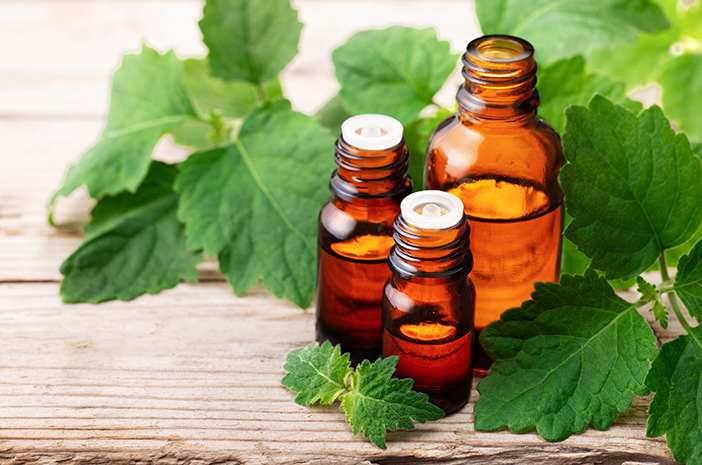
Grounding and Earth Energy
Of all patchouli's spiritual associations, grounding is the most universal — appearing across Hindu, Buddhist, Sufi, and modern spiritual traditions independently.
The reason is not arbitrary: patchouli's essential oil is stored in the leaf — not the root — but its deep, dark, earthy aroma is perceived by the human sensory system as distinctly "earth-like".
This triggers what neurologists call a "grounding response" — the parasympathetic nervous system's calming, stabilising reaction to earth-associated sensory input.
In Hindu cosmology, this makes patchouli specifically associated with Muladhara — the Root Chakra at the base of the spine, governing our sense of safety, stability, and physical grounding.
When spiritual practice temporarily elevates consciousness above the physical body (a known effect of deep meditation), patchouli's aroma is used to "bring the spirit back to earth" — grounding elevated spiritual energy into the physical.
Purification and Protection
Burning aromatic plants to purify space — smoke as a vehicle for spiritual cleansing — is one of humanity's most ancient and cross-cultural spiritual practices.
Patchouli's smoke was used for this purpose in Hindu temple rituals, Islamic mosque purification, Buddhist ceremonies, and Indigenous Southeast Asian healing practices.
The antimicrobial properties of patchouli oil — documented in modern pharmacology — may have given ancient practitioners experiential evidence that spaces treated with patchouli smoke were somehow healthier, reinforcing the spiritual attribution of purification.
Abundance and Prosperity
Patchouli's association with money, wealth, and material abundance is particularly strong in Western magical traditions, folk magic, and Hoodoo practice.
This association likely developed through two pathways: (1) patchouli's historical connection to precious commodities (the aroma of exotic, expensive Asian textiles and spices arriving via trade routes) — creating a cultural association between patchouli's scent and material wealth; (2) its earth element association — in many magical systems, earth governs material manifestation, financial matters, and physical abundance.
Love, Sensuality, and Aphrodisiac
Patchouli's reputation as an aphrodisiac and love attractor spans from ancient Indian Ayurvedic literature to modern aromatherapy and folk magic.
The connection is both physical and psychological: the oil's warm, animalic, deeply sensual aroma — with musky, earthy facets that many describe as "skin-like" — creates a direct sensory connection to attraction and intimacy.
In Western magical practice, patchouli is one of the classic ingredients in love spells and attraction magic, alongside rose and jasmine.
The 1960s Counterculture: A Modern Spiritual Chapter
No account of patchouli's spiritual meaning would be complete without acknowledging its extraordinary cultural moment in 1960s Western counterculture.
For the hippie movement — which consciously sought Eastern spirituality, natural living, and alternatives to Western materialism — patchouli became the olfactory symbol of the spiritual search.
Returning travellers from India and the "hippie trail" through Asia brought patchouli home; its earthy, non-synthetic, distinctly non-Western character became a direct olfactory statement about values.
This cultural embedding is why patchouli retains spiritual associations in Western consciousness today that no other essential oil carries to the same degree.
The Science Behind the Spiritual: Why Patchouli’s Aroma Affects Consciousness
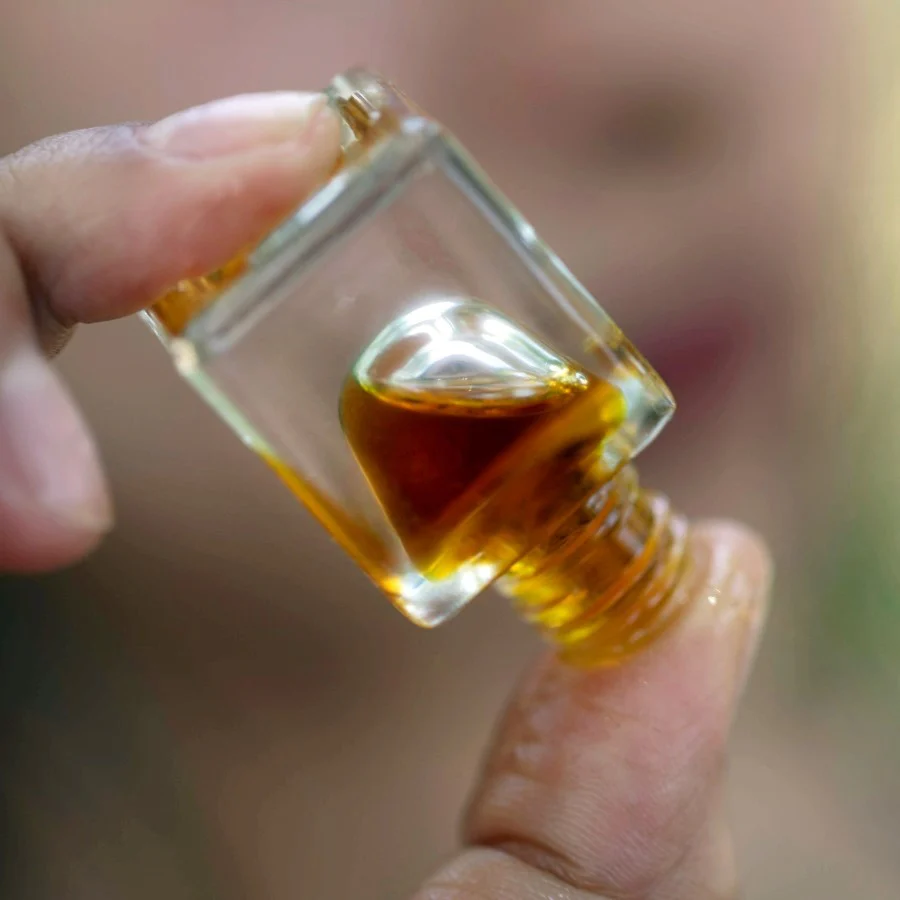
There is a scientifically grounded explanation for why patchouli's aroma has consistent spiritual effects across cultures — and it has to do with how the olfactory system connects directly to the brain's emotional and memory centres
The olfactory pathway is the only sensory pathway with a direct neural connection to the limbic system — the brain's emotional processing centre.
All other senses (sight, sound, touch) are processed through the thalamus before reaching the limbic system; smell bypasses this relay entirely.
This explains why a specific aroma can instantaneously trigger an emotional state or memory — and why burning incense in a sacred space genuinely alters mental state in ways that other environmental changes do not.
For patchouli specifically, the sesquiterpene compounds — particularly patchoulol — activate the parasympathetic nervous system's calming response when inhaled.
The same mechanism that makes patchouli useful for anxiety relief in clinical aromatherapy is what made it effective for grounding in ancient spiritual practice.
The ancients experienced the effect; modern science provides the mechanism.
| The Conditioned Spiritual Anchor Experienced meditators and spiritual practitioners often report that consistent use of patchouli in spiritual practice creates a conditioned response — the aroma increasingly and rapidly facilitates the desired spiritual state simply through association. The brain learns that patchouli = sacred space = spiritual practice, and begins activating the relevant neural patterns upon first encounter with the scent. This is why using the same aromatic consistently in your practice deepens its effect over time — the spiritual and the neurological are aligned in this phenomenon. |
Patchouli in Specific Spiritual and Religious Traditions

Hinduism and Ayurveda
In Hindu tradition, patchouli appears in ancient Sanskrit literature — referenced in the Vedas as an aromatic herb with purifying and aphrodisiac properties.
As an Ayurvedic herb (Sugandhabala in Sanskrit), it was classified as warming, grounding, and beneficial for Vata imbalance — the constitutional type associated with anxiety, restlessness, and disconnection from the body.
The same qualities that make it therapeutically grounding in Ayurveda make it spiritually grounding in Vedic ritual: it anchors, stabilises, and roots.
In contemporary Hindu practice, patchouli-based incense is used in temple puja (devotional offering) and in home altar practice — contributing its earthy character to the sacred atmosphere alongside more floral offerings like jasmine and rose.
Islamic and Sufi Tradition
The Prophet Muhammad is recorded in hadith literature as loving sweet fragrances — and the Islamic tradition of taib (purification through scent) has deep roots in the use of natural aromatics including patchouli, oud, and rose.
In Sufi devotional practice — where the aim is to dissolve the self in divine presence through extended prayer, music, and breathwork — patchouli incense creates a sacred aromatic environment that supports this dissolution.
The earthing quality of patchouli paradoxically supports the Sufi aim: you must be fully grounded in the body before you can transcend it.
Buddhism in Southeast Asia
Across Buddhist traditions in Thailand, Cambodia, Myanmar, Indonesia, and Sri Lanka, aromatic incense — including patchouli-based preparations — is integral to temple offering practice.
The act of burning incense is understood as offering one's breath and intention to the Buddha, with the rising smoke representing prayer ascending.
In Japanese kōdō ("the way of incense"), the entire practice of meditative incense appreciation — which includes what may be the world's oldest documented appreciation of Asian aromatic woods and herbs — reflects the Buddhist understanding that scent is a direct path to meditative mind
Indonesian and Javanese Tradition
In Javanese and Balinese spiritual practice — which blend Hindu, Buddhist, Islamic, and animist elements in unique syncretic forms — patchouli appears in kemenyan (traditional incense) burned in selamatan (communal spiritual gatherings), at ancestral altars, and in the preparation of jimat (sacred objects).
The plant's Indonesian name — akar wangi ("fragrant root") — itself carries spiritual resonance: roots as connection to ancestors, to the earth, and to original nature.
How to Use Patchouli Oil in Spiritual Practice
| How to use patchouli oil for spiritual purposes The most common ways to use patchouli oil spiritually: 1. Diffusion/incense: 2–3 drops in a cold diffuser or on an incense disk for sacred space creation and meditation. 2. Anointing oil: 1–2% dilution in carrier oil — applied to pulse points, chakra points, or objects for blessing and protection. 3. Ritual bath: 5–8 drops in a bath for cleansing, grounding, and energetic renewal. 4. Space clearing: Diluted spray or diffusion to cleanse and consecrate a space before spiritual practice. 5. Meditation anchor: Consistent use in meditation practice to create a conditioned spiritual trigger over time. |
For Meditation and Grounding
Diffuse 2–3 drops of patchouli oil in a cold diffuser for 10–15 minutes before meditation. Its heavy, grounding aroma creates immediate sensory cues for the mind to settle — particularly useful for practitioners who struggle with mental restlessness during practice. Patchouli pairs well with vetiver oil (1:2 vetiver:patchouli) for an even deeper, more anchoring base.
As an Anointing Oil
Dilute patchouli essential oil at 1–2% in a carrier oil (jojoba is traditional for anointing) and apply to: wrists and temples before meditation; the base of the spine (Root Chakra/Muladhara point) for grounding work; the soles of the feet (traditional Ayurvedic application for grounding); objects, tools, or altar items for blessing and consecration.
For Abundance and Prosperity Intentions
In folk magic and intention-setting practice, patchouli is used by carrying the oil (diluted on a cloth or personal inhaler), anointing a green or gold candle with a drop of diluted patchouli before lighting for abundance intentions, or adding to a prosperity altar alongside other earth-element herbs and stones.
The intention is not the oil acting independently — it is the aromatic anchor connecting the practitioner's focused intention to a consistent sensory cue, reinforcing the neural-spiritual conditioned response over time.
For Space Clearing and Protection
Diffuse patchouli before entering a new space, after conflict or difficult energy in a space, or as part of a regular clearing ritual.
Its antimicrobial properties mean the aromatic clearing has a physical parallel — and many traditional practitioners understood this even before modern science confirmed it.
A simple space clearing blend: 3 drops patchouli + 2 drops frankincense or cedar in diffuser.
Patchouli from Its Source: Indonesia
Understanding patchouli's spiritual meaning is enriched by understanding where it comes from.
The volcanic highlands of Sulawesi and Sumatra — where smallholder farming communities have cultivated Pogostemon cablin for generations — are not merely a geographic fact.
They are the living continuation of the tradition this article has described: communities whose relationship with this plant is woven into their cultural, ceremonial, and daily life in ways that predate any commercial market.
When you use patchouli oil — in your spiritual practice, in meditation, in ritual space — you are, in a small way, participating in a relationship between humans and this plant that spans thousands of years and half the globe. The earthy smell of Indonesian volcanic soil is in every drop.
Related Reading
→ What Is Patchouli Oil Used For — Complete Application Guide
→ Indonesian Patchouli Oil — Origins, Farming & Culture
→ Patchouli Plant Cultivation in Indonesia — From Soil to Oil
| Source Indonesian Patchouli Oil — From the Land Where the Tradition Lives For brands and formulators who want patchouli oil sourced directly from the Indonesian farming communities whose cultural relationship with this plant is the foundation of its spiritual tradition — contact Global Essential Oil. We supply Dark, Light (Iron-Free), and MD grades with batch-specific COA and Halal certification. → Contact Global Essential Oil — Source Authentic Indonesian Patchouli Oil |
Frequently Asked Questions
What is the spiritual meaning of patchouli?
Patchouli is commonly associated with grounding, protection, abundance, and connection to the earth. Across many spiritual traditions, its earthy aroma symbolizes stability, balance, and rooted energy.
What are the magical properties of patchouli?
In many folk and spiritual traditions, patchouli is linked to abundance, attraction, protection, and prosperity. It is often used in rituals, incense, and spiritual practices focused on manifestation and grounding.
What is the metaphysical meaning of patchouli?
Metaphysically, patchouli is associated with the physical world, stability, and grounded energy. It is often used to support balance, protection, and a stronger connection between spiritual awareness and everyday life.
What does patchouli symbolise?
Patchouli commonly symbolizes earth energy, groundedness, abundance, and sensuality. It is also associated with spiritual exploration and natural living in many cultures and traditions.
What chakra is patchouli associated with?
Patchouli is most strongly associated with the Root Chakra (Muladhara), which relates to stability, security, and connection to the earth. Some traditions also connect it with the Sacral Chakra due to its sensual and warming qualities.
Why was patchouli significant in the 1960s?
Patchouli became a symbol of the 1960s counterculture movement, representing natural living, spiritual exploration, and interest in Eastern philosophies. Its distinctive aroma became closely associated with the era's alternative lifestyle.
Can patchouli be used for meditation?
Yes. Many people use patchouli during meditation because its rich, earthy aroma may help create a calm and grounded atmosphere that supports focus and relaxation.
Where does patchouli come from spiritually and geographically?
Patchouli originates from tropical Asia, particularly Indonesia, India, and the Philippines. Its spiritual associations are rooted in South and Southeast Asian traditions, where it has long been used in rituals, healing practices, and incense.