
Not all Indonesian patchouli oil is the same.
While Indonesia supplies approximately 80–90% of the world's patchouli oil, the country's three main producing regions — Gayo/Aceh in Sumatra, Sulawesi, and Java — each produce oil with meaningfully different characteristics.
Of these, Gayo patchouli oil is gaining the most attention from premium fragrance houses — most notably MANE, one of France's most prestigious fragrance companies, which established a dedicated sustainable supply chain in the Gayo region in 2021, describing it as patchouli's 'original terroir.'
This guide compares Gayo patchouli oil from Aceh with Java patchouli, explains what makes the Gayo region unique, and provides a practical sourcing guide for buyers and formulators.
For a broader comparison of Indonesian patchouli vs other origins, see: Indonesian Patchouli Oil vs Indian Patchouli Oil — our comprehensive country-level comparison.
| What Is Gayo Patchouli Oil? Gayo patchouli oil is patchouli essential oil (Pogostemon cablin) produced in the Gayo Highland region of Aceh Province, Sumatra, Indonesia — specifically in districts including Gayo Lues, Aceh Tengah, and Bener Meriah. Key characteristics of Gayo patchouli oil: • Produced at high altitude (600–1,200m above sea level) on volcanic soils • Generally produces patchoulol content of 29–34% — comparable to or exceeding Sulawesi • Aroma profile: slightly fresher and more refined than Sulawesi — less smoky, more floral nuance in the top note • Recognized by fine fragrance houses (including MANE, France) as an important premium patchouli origin • MANE in 2021 described Gayo as 'patchouli's original terroir' — unveiling 'Patchouli Gayo Pure Jungle Essence™' with an 'elegant gourmand scent with a surprising fresh effect' In the patchouli market, Gayo/Aceh patchouli is increasingly specified by European fragrance buyers alongside — or instead of — Sulawesi as a premium Indonesian origin. |
Where Is Gayo Patchouli Oil Produced?
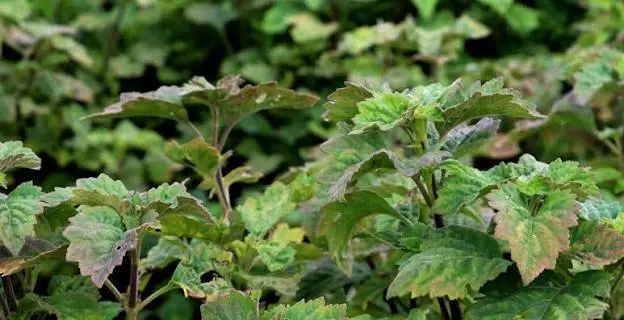
The Gayo Highland is a mountainous region in the interior of Aceh Province, on the island of Sumatra. It encompasses three main districts that are centers of patchouli cultivation:
- Gayo Lues (Kabupaten Gayo Lues) — the primary Gayo patchouli-producing district
- Aceh Tengah (Central Aceh) — including the town of Takengon
- Bener Meriah — the third highland district of the Gayo cultivation area
The Gayo region is also famous for Gayo coffee — one of Indonesia's most prized specialty coffees.
This coffee cultivation tradition reflects the same highland agricultural conditions that benefit patchouli: altitude, volcanic soil, and consistent rainfall.
The Gayo Highland: Altitude, Climate, and Volcanic Soil
Three environmental factors define Gayo patchouli's character:
- Altitude: 600–1,200 meters above sea level. This significant elevation creates diurnal temperature variation — cool nights and warm days — that stresses the plant into producing more complex aromatic compounds in its oil glands
- Volcanic soil: Gayo Highland sits in a geologically active zone with mineral-rich volcanic soil. Higher mineral availability — particularly potassium, phosphorus, and magnesium — supports stronger sesquiterpene biosynthesis in Pogostemon cablin
- Rainfall pattern: Consistent rainfall of 2,000–3,000mm annually, well-distributed across seasons, creates optimal growing conditions without the drought stress that reduces oil quality
| The Terroir Concept in Patchouli Terroir is a term from wine and specialty coffee that describes how geography — soil, altitude, climate, microclimate — creates flavor and aroma characteristics that cannot be replicated elsewhere. MANE's decision to describe Gayo as patchouli's 'original terroir' signals that the fine fragrance industry now views Gayo patchouli the way wine buyers view Burgundy or Champagne — as a place-specific quality indicator, not just a commodity origin. |
Why MANE Chose Gayo as Patchouli's 'Original Terroir'
In March 2021, MANE announced a dedicated sustainable supply chain in Indonesia’s Gayo region and introduced Patchouli Gayo PURE JUNGLE ESSENCE™ as a new ingredient for the perfumer’s palette.
Their description of the resulting oil: 'an elegant gourmand scent with a surprising fresh effect... unveils surprising cocoa undertones, balancing the earthy notes traditionally associated with this iconic woody ingredient... beautifully complements floral and leathery notes, adding richness and sophistication with its round comfy facets.'
This is highly specific perfumery language — and it reflects a genuine aroma distinction from standard patchouli that MANE's expert perfumers identified in Gayo-origin oil.
The fact that MANE invested in a full sustainable supply chain — not just a one-off purchase — signals long-term commitment to this origin.
| What This Means for Buyers When a fragrance house of MANE's caliber specifically invests in a regional patchouli supply chain, it creates several downstream effects: • Other fragrance houses begin specifying the same origin to match competitive formulations • The origin gains price premium status in the commodity market • Buyers in premium positioning (niche perfumery, luxury cosmetics) increasingly ask for 'Gayo patchouli' specifically As of 2025–2026, Gayo patchouli commands a modest premium over Java patchouli and is becoming a recognized designation in international B2B patchouli trade. |
Java Patchouli Oil: A Different Origin, Different Profile
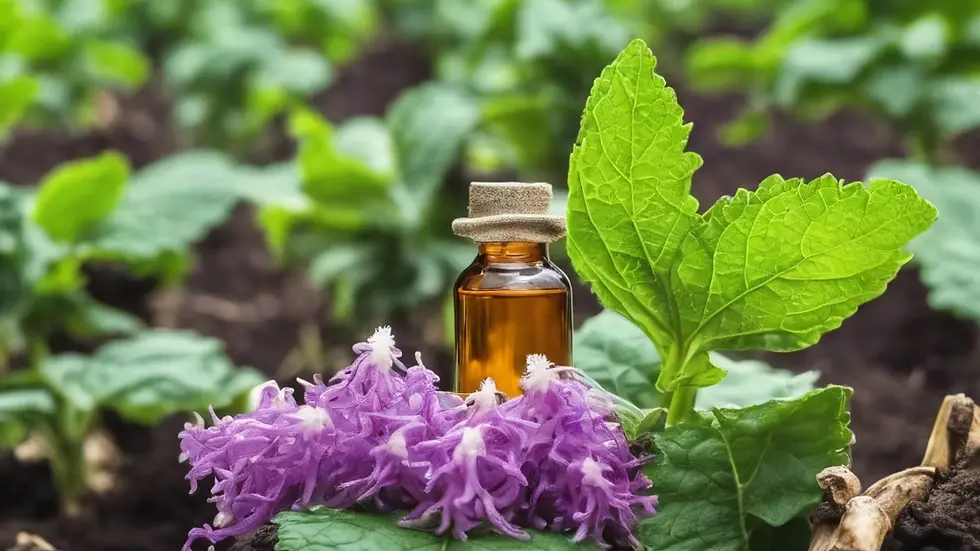
Where Java Patchouli Is Grown
Java patchouli is cultivated primarily in West Java — particularly in the regions around Sukabumi and Cianjur.
This is also where Global Essential Oil's production facility is based, giving us direct production experience with Java patchouli.
Java cultivation takes place at lower altitudes than Gayo — typically 200–600 meters above sea level — with different soil composition.
West Java's soil is productive but generally less mineralized than the volcanic highland soils of Gayo.
Java Patchouli’s Characteristics
Java patchouli produces an oil that is generally described as 'cleaner' and 'lighter' than both Gayo/Aceh and Sulawesi origins:
- Patchoulol content: typically 28–32% — lower than Gayo (29–34%) and Sulawesi (30–35%)
- Aroma: lighter, less complex character. Less of the deep smoky-dark quality of Sulawesi; less of the fresh-gourmand facets of Gayo
- Processing: Java has very well-established distillation infrastructure, producing consistent, standardized oil
- Volume: Java produces significant volume of commercial-grade patchouli oil, making it the most accessible source for standard applications
→ For broader Indonesian patchouli regional overview: Indonesia patchouli oil from Sulawesi and Sumatra
Gayo Patchouli vs Java Patchouli: Side-by-Side Comparison
| Factor | Gayo Patchouli Oil (Aceh, Sumatra) | Java Patchouli Oil (West Java) |
| Primary location | Gayo Lues, Aceh Tengah, Bener Meriah (Sumatra) | Sukabumi, Cianjur (West Java) |
| Altitude | 600–1,200m above sea level | 200–600m above sea level |
| Soil type | Volcanic highland — mineral-rich | Alluvial/volcanic — less mineralized than Gayo |
| Patchoulol content (typical) | 29–34% | 28–32% |
| Aroma character | Fresh, slightly gourmand, complex — 'cocoa undertones', floral nuance | Cleaner, lighter, less complex — more linear earthy |
| MANE recognition | ✓ 'Original terroir' — dedicated supply chain | Not specifically designated by major F&F houses |
| Price tier | Moderate to high premium | Standard commercial pricing |
| Grade availability | Dark, Light (Iron-Free), MD | Dark, Light (Iron-Free), MD |
| Best for | Fine fragrance (premium), niche perfumery, luxury cosmetics | Commercial fragrance, personal care, general purpose |
| Supply consistency | Smaller volume — more seasonal | Higher volume — more consistent year-round |
| Sustainability programs | Emerging — MANE investment, growing programs | Standard Indonesian farming practices |
Three-Region Overview: Gayo vs Sulawesi vs Java
For buyers sourcing premium Indonesian patchouli, understanding all three main regions provides a complete picture:
| Gayo/Aceh (Sumatra) | Sulawesi (South & Central) | Java (West Java) | |
| Patchoulol % | 29–34% | 30–35% (highest) | 28–32% (lowest) |
| Aroma | Fresh-gourmand, complex, floral nuance | Deepest, darkest, most intense — benchmark | Lighter, cleaner, more linear |
| Premium status | Rising — MANE designated 'original terroir' | Established — industry standard premium | Standard commercial grade |
| Best application | Premium fine fragrance, niche perfumery | Fine fragrance (Oriental, chypre), luxury cosmetics | Commercial fragrance, personal care |
| Price | Moderate-high premium | Highest premium | Base pricing |
| Volume | Moderate | High | High |
→ For full Indonesia vs India comparison with more technical data: Indonesian Patchouli Oil vs Indian Patchouli Oil
Aroma Profile: What Perfumers Look for in Each Region

For fragrance formulators, the aroma distinctions between regions are practically significant — not just theoretical:
- Gayo patchouli: MANE describes 'surprising fresh effect' and 'cocoa undertones' alongside the classic earthy patchouli character. This means the oil has more versatility — it can anchor floral, fruity, or gourmand compositions without the heavy smokiness that sometimes overpowers delicate fragrance constructions
- Java patchouli: The lighter, cleaner profile makes it excellent for personal care and cosmetic applications where patchouli is a supporting note rather than the hero. It blends more easily with fresh and clean fragrance directions
- Sulawesi patchouli: The darkest, most intense profile — the 'classic patchouli' of perfumery tradition. Essential for deep Oriental, chypre, and leather fragrance constructions where maximum patchouli presence is desired
Practical implication: for a niche perfumer creating a patchouli-forward fragrance with fresh and gourmand facets, Gayo is the better choice.
For a classic Oriental with deep earthy patchouli base, Sulawesi. For a budget personal care line where patchouli is one of many supporting notes, Java.
Which Patchouli Oil Is Right for Your Application?
| Application | Recommended Region | Grade | Reasoning |
| Fine fragrance — fresh/gourmand/floral | Gayo (Aceh) | Dark or MD | Fresh facets complement modern fragrance directions; MANE benchmark |
| Fine fragrance — Oriental/chypre | Sulawesi | Dark | Maximum depth and earthiness for these fragrance families |
| Niche/indie perfumery (patchouli-forward) | Gayo or Sulawesi | MD preferred | Highest quality for hero-ingredient applications |
| Premium skincare and cosmetics | Java or Gayo | Light (Iron-Free) | Color-neutral; Java offers consistent supply; Gayo for premium positioning |
| Commercial personal care | Java | Dark | Best cost-efficiency; consistent volume; adequate patchoulol |
| Luxury soap (patchouli as feature note) | Gayo or Sulawesi | Dark | Premium origin positioning enhances product story |
| Budget formulation (supporting note) | Java (standard grade) | Dark | Most cost-effective; patchoulol adequate for supporting role |
→ For full application guide across all patchouli grades: what is patchouli oil used for — complete industry application guide.
Sustainability: Why Gayo Patchouli Is Gaining Premium Status
The sustainability angle is increasingly important in the F&F industry — and Gayo patchouli is at the forefront of this trend.
MANE's 2021 Gayo program explicitly focused on:
- Full supply chain traceability from farm to final extract
- Additional revenue streams for local farmers beyond standard commodity pricing
- Positive impact on community living conditions in the Gayo Highland
- Sustainable cultivation practices preserving the surrounding protected jungle ecosystem
This model is part of a broader industry movement toward origin-specific, traceable, and sustainable natural ingredient sourcing — similar to what has happened in specialty coffee, cocoa, and vanilla.
For brands and formulators who need to communicate sustainability credentials to their own customers, Gayo patchouli with documented traceability is a stronger ingredient story than generic 'Indonesian patchouli'.
How to Source Gayo and Java Patchouli Oil from Indonesia
When purchasing Gayo or Java patchouli oil, specify the following in your purchase order:
- Origin: 'Gayo/Aceh, Sumatra' or 'West Java' — not just 'Indonesia'
- Grade: Dark, Light (Iron-Free), or MD — specify explicitly
- Minimum patchoulol %: ≥29% for Gayo standard, ≥30% for Gayo premium; ≥28% for Java commercial
- Documentation: batch-specific COA (patchoulol %, specific gravity, refractive index, optical rotation) and GC-MS report
- Halal certificate (MUI): required for Middle East, Malaysian, and Muslim-majority market products
→ Full importer's guide: how to source essential oils from Indonesia
| Gayo vs Java vs Sulawesi Patchouli: Quick Buyer Reference Three main Indonesian patchouli regions at a glance: GAYO/ACEH (Sumatra) — patchoulol 29–34% Aroma: fresh-gourmand, complex, floral nuance, 'cocoa undertones' (MANE) Best for: fine fragrance with fresh/gourmand facets, niche perfumery, premium skincare Premium status: rising — MANE 'original terroir' designation (2021) SULAWESI — patchoulol 30–35% (highest) Aroma: deepest, darkest, most intense — benchmark Indonesian profile Best for: Oriental/chypre fine fragrance, luxury cosmetics, deep earthy compositions Premium status: established — industry standard for premium Indonesian patchouli JAVA (West Java) — patchoulol 28–32% Aroma: lighter, cleaner, more linear — less complex than Sumatra or Sulawesi Best for: commercial personal care, budget formulations, high-volume applications Price: base pricing — most cost-effective Indonesian option |
Source Gayo and Java Patchouli Oil from Global Essential Oil
Global Essential Oil is an Indonesian patchouli manufacturer based in West Java with direct production experience across Indonesian patchouli regions. All patchouli oil — across grades and origins — comes with:
- Batch-specific GC-MS report: patchoulol %, β-caryophyllene %, specific gravity, refractive index, optical rotation
- Halal MUI certified — essential for Middle East, Malaysian, and OIC-market buyers
- Full export documentation: COA, MSDS, Phytosanitary Certificate, Certificate of Origin
- Grades available: Dark, Light (Iron-Free), MD (Molecular Distilled)
- Flexible MOQ: from sample quantities to bulk container shipments
→ View our full patchouli product specifications: bulk patchouli essential oil supplier page
→ Learn how to source from Indonesia: how to source essential oils from Indonesia
Frequently Asked Questions
What is Gayo patchouli oil?
Gayo patchouli oil is patchouli essential oil (Pogostemon cablin) produced in the Gayo Highlands of Aceh, Indonesia. It is valued for its high patchoulol content and refined aroma, making it a popular choice for premium fragrance applications.
Is Gayo patchouli better than Java patchouli?
It depends on the application. Gayo patchouli is often preferred for fine fragrances because of its richer aroma profile, while Java patchouli offers consistent quality and is a cost-effective option for personal care and commercial products.
What makes the Gayo region special for patchouli production?
The Gayo Highlands provide high-altitude growing conditions, volcanic soil, and a favorable climate that contribute to the development of high-quality patchouli oil with a distinctive aroma profile.
What is the difference between Gayo patchouli and Aceh patchouli?
Gayo patchouli is a type of Aceh patchouli. "Aceh patchouli" refers to oil produced across Aceh Province, while "Gayo patchouli" specifically originates from the Gayo Highlands within the province.
Which Indonesian region produces the highest-quality patchouli oil?
There is no single best region, as quality depends on the intended application. Gayo and Sulawesi are often preferred for fine fragrances, while Java is widely recognized for its consistent quality and reliable commercial supply.
What patchouli oil grade is best for fine fragrance?
For fine fragrance applications, Molecular Distilled (MD) grade is generally preferred because of its high patchoulol content and lighter color. Other grades may be more suitable depending on the formulation and product requirements.