Patchouli oil is one of the most recognisable and widely used essential oils in the world — yet it remains one of the most misunderstood.
Many people know it for its distinctive earthy, musky aroma and its association with 1960s counterculture, but far fewer know about its remarkable functional versatility across skincare, haircare, aromatherapy, fine fragrance, soap manufacturing, home care, and pharmaceutical applications.
This guide answers the question "what is patchouli oil used for" comprehensively — covering 10 proven uses with practical application guidance for both consumers and professional users.
We also cover the science behind why patchouli works, how to choose the right grade, safety guidelines, and frequently asked questions.
As one of the world's largest manufacturers of Indonesian patchouli oil — produced from Pogostemon cablin plants grown in the volcanic highlands of Sulawesi and Sumatra — we bring a unique perspective to this topic: the experience of actually producing, testing, and supplying this oil to industries around the world.
| Quick Summary: What Is Patchouli Oil Used For? Patchouli oil is used for: (1) skincare — acne, eczema, anti-ageing; (2) aromatherapy — stress relief, grounding; (3) hair care — scalp health, dandruff control; (4) fine fragrance — base note and fixative; (5) soap manufacturing — fragrance and antimicrobial; (6) natural insect repellent; (7) home fragrance — candles, diffusers; (8) massage and body oil; (9) natural deodorant; (10) industrial cosmetic manufacturing. Read on for detailed guidance on each use. |
What Is Patchouli Oil? A Brief Overview
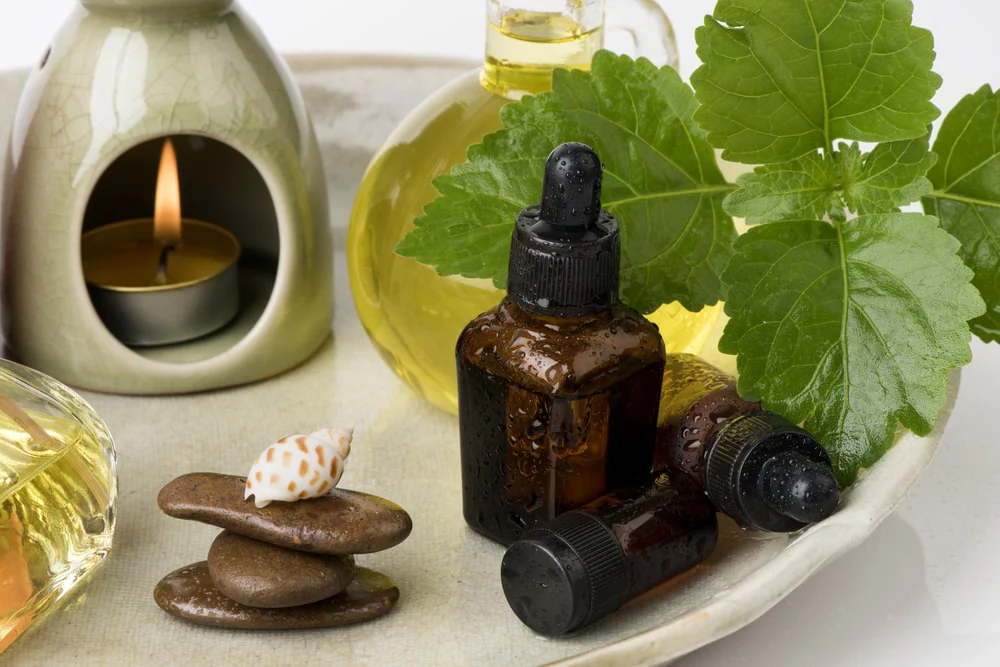
Patchouli oil is an essential oil produced by steam distillation of the dried leaves of Pogostemon cablin (Blanco) Benth. — a perennial aromatic herb in the family Lamiaceae, native to tropical Asia.
The plant grows 50–100cm tall with soft, fuzzy leaves that release a characteristic earthy aroma when crushed.
Indonesia — specifically the islands of Sulawesi, Sumatra, and Java — accounts for approximately 80–90% of global patchouli oil production, making it the definitive source for this ingredient.
The combination of volcanic soil, tropical highland climate, and generational farming expertise produces patchouli oil with consistently high patchoulol content — the primary active compound responsible for the oil's characteristic aroma and therapeutic properties.
Key Active Compounds
- Patchoulol (patchouli alcohol), 29–35%: Primary sesquiterpene alcohol — responsible for the distinctive deep, earthy aroma and the oil's anti-inflammatory, antimicrobial, and fixative properties. The percentage of patchoulol is the most important quality indicator for patchouli oil.
- β-Caryophyllene, 5–12%: Sesquiterpene with documented CB2 receptor agonist activity — contributes to anti-inflammatory effects, particularly relevant for skin applications.
- α-Guaiene, α-Bulnesene, β-Patchoulene: Sesquiterpene hydrocarbons contributing to aroma complexity and the oil's skin-penetrating character.
- Norpatchoulenol (trace): Responsible for the characteristic 'top note' of genuine patchouli — its presence or absence in GCMS analysis indicates oil authenticity.
Available Grades
Patchouli oil is traded in three commercial grades, each suited to different applications. Choosing the right grade matters significantly for both performance and formulation aesthetics:
- Dark grade: Deep amber to dark brown — maximum aroma intensity, most affordable. Best for soap, incense, and opaque cosmetic formulations.
- Light (Iron-Free) grade: Pale yellow to light gold — colour-neutral, cleaner aroma. Best for transparent soaps, skincare serums, and hair care where colour matters.
- MD (Molecular Distilled) grade: Near-colourless — highest patchoulol content (≥32%), most refined. Best for luxury fragrance and premium anti-ageing skincare.
For a complete technical comparison of all three grades, see: Patchouli Oil Grades Explained — Dark, Light & MD.
Patchouli Oil for Skincare: Benefits & How to Use

Skincare is one of the most established applications of patchouli oil — and unlike many botanical claims, patchouli's skin benefits are backed by documented pharmacological mechanisms.
The oil functions as both a fragrance component and a functional active in cosmetic formulations.
Acne-Prone Skin
Patchouli oil addresses the three primary mechanisms of acne: excess sebum production, bacterial colonisation, and inflammation.
Patchoulol demonstrates inhibitory activity against Cutibacterium acnes (the primary acne-causing bacterium); β-caryophyllene reduces inflammatory response; and the oil's astringent action helps regulate sebum secretion.
Practical application: 1–2 drops of Light (Iron-Free) grade patchouli oil in 1 teaspoon of jojoba oil. Apply as a spot treatment or diluted facial oil.
Do not use Dark grade for facial applications — the amber colour can temporarily tint skin.
Eczema and Sensitive Skin
Patchouli oil's cytophylactic properties — the promotion of new cell growth — support recovery of the compromised skin barrier characteristic of eczema. β-Caryophyllene's CB2 agonist activity reduces chronic skin inflammation.
A 2021 study confirmed that patchoulol demonstrates meaningful anti-inflammatory activity through NF-κB pathway inhibition.
Practical application: 0.5% patchouli in a gentle carrier (oat oil or calendula-infused carrier) for sensitive skin. Always patch test 24 hours before full facial use. Avoid on broken or actively weeping eczema.
Anti-Ageing and Wrinkle Prevention
The cytophylactic and antioxidant activity of patchouli oil supports skin cell regeneration and free radical neutralisation — two mechanisms directly relevant to preventing and reducing visible skin ageing.
Its ability to reduce transepidermal water loss (TEWL) also helps maintain the skin's plumpness and elasticity over time.
Practical application: 0.5–1% MD grade patchouli in a rosehip seed or argan oil carrier.
Apply as a night facial oil — MD grade is near-colourless and will not tint a white or pale cream base. See full guide: Pure Patchouli Oil Benefits for Skin.
Scar and Wound Healing Support
Traditional use of patchouli oil for wound healing and scar reduction is supported by evidence of its cytophylactic activity.
Post-acne scarring, stretch marks (preventive use), and minor surgical scars (post-healing phase) are the most common applications.
Consistent daily application in a nourishing carrier is required for visible results over 6–12 weeks.
Related Reading
→ Pure Patchouli Oil Benefits for Skin — Complete Skincare Guide
→ Patchouli Oil in Cosmetics, Perfumes & Soaps — Formulator's Guide
Patchouli Oil in Aromatherapy: Grounding, Calming & Mood Support
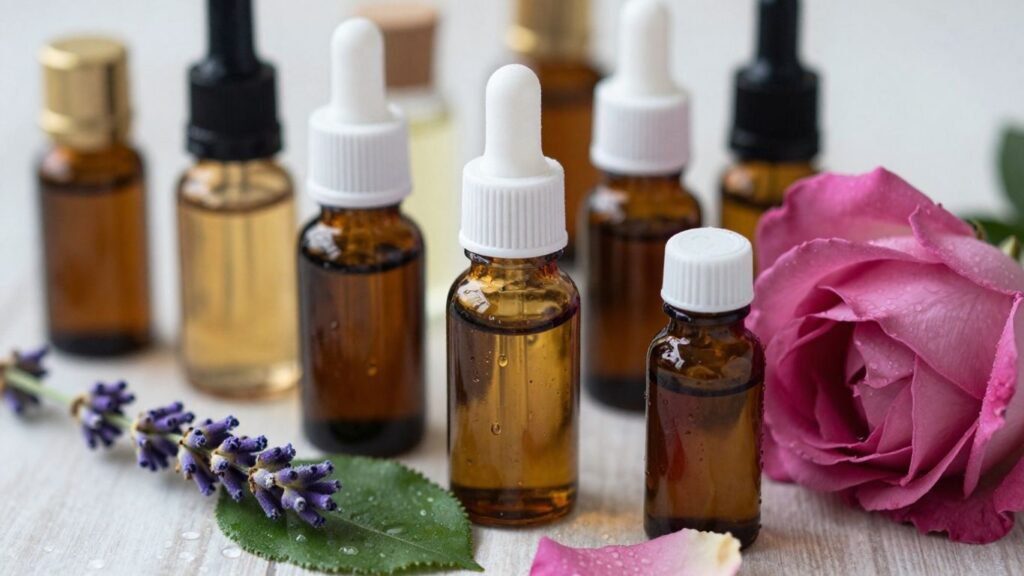
Aromatherapy is one of the most widely known uses of patchouli oil. Its grounding, earthy, and slightly sweet aroma has a distinctive effect on mood and emotional state that has been observed across cultures and now has emerging scientific support.
Stress and Anxiety Relief
Inhalation of patchouli oil's volatile compounds — particularly patchoulol and its sesquiterpene fractions — has been associated with reduced cortisol levels and activation of the parasympathetic nervous system.
The oil's deeply grounding character makes it particularly effective for anxiety, restlessness, and emotional overwhelm — situations where the nervous system is over-activated and needs anchoring.
Practical application: 3–5 drops in a cold diffuser for 20–30 minute sessions. Blend with lemongrass oil (1 drop lemongrass: 3 drops patchouli) to add uplifting freshness while retaining the grounding base.
Sleep Support
Patchouli oil's sedative-adjacent properties make it a popular choice in sleep support blends — used in bedtime diffusion or diluted in a carrier oil for pillow spray application.
Its aroma is heavy and long-lasting, which means even a small amount diffused before sleep can persist through several hours.
Practical blend: 2 drops patchouli + 2 drops lavender + 1 drop vetiver in diffuser. The combination of patchouli's earth note, lavender's floral calm, and vetiver's deep smokiness creates a deeply grounding sleep environment.
Focus and Grounding During Meditation
Patchouli has centuries of documented use in spiritual and meditative practices across South and Southeast Asian traditions — as incense in Hindu and Buddhist rituals, and as a grounding element in Sufi practice.
The earthy, root-like quality of the aroma is described by practitioners as "connecting to the earth" — which aligns with its documented effect on the nervous system's grounding response.
Patchouli Oil for Hair and Scalp

Patchouli oil's antimicrobial, sebum-regulating, and anti-inflammatory properties make it a functional ingredient in hair and scalp care — beyond just its contribution as a fragrance component.
Scalp Health and Dandruff Control
Patchouli oil demonstrates inhibitory activity against Malassezia globosa — the primary fungal species responsible for dandruff.
A 2025 study published in PMC on light fraction patchouli oil (LFPO) showed inhibition zone of 31.18mm against M. globosa and a 41.6mm increase in hair length in the test model.
This positions Light (Iron-Free) grade as the specifically validated grade for anti-dandruff and hair growth formulations.
Practical application: 0.5–1% patchouli (Light grade) in a scalp serum or pre-shampoo treatment oil. Combine with Virgin Coconut Oil (VCO) as carrier for additional antimicrobial and hair-conditioning benefit.
Sebum Regulation for Oily Scalp
The astringent action of patchouli oil helps regulate excess sebum on an oily scalp — reducing the environment that promotes rapid resoiling after washing.
Add 3–4 drops to your regular shampoo (per 100ml) or dilute in a light carrier for a post-wash scalp tonic.
Related Reading
→ Patchouli Oil for Hair Growth — Complete Guide for Consumers & Formulators
Patchouli Oil in Fine Fragrance and Perfumery
This is the category in which patchouli oil has its most commercially significant global role.
Patchouli appears in thousands of named commercial fragrances — from iconic classics like Chanel N°5 (1921), Guerlain Vetiver, and Dior Eau Sauvage, to contemporary niche and mainstream releases. It is one of perfumery's most irreplaceable naturals.
Role as a Base Note
In fragrance classification, patchouli is a base note — one of the most tenacious and long-lasting in the naturals palette.
Its high molecular weight sesquiterpene alcohols give it extraordinary longevity on skin and fabric, often persisting 6–12+ hours after application.
Role as a Fixative
Patchouli's most functionally important role in fragrance composition is as a fixative — it anchors lighter, more volatile top and heart notes, significantly extending the overall longevity and evolution of a fragrance.
Even at 1–3% concentration, patchouli can meaningfully extend the life of a composition on skin.
Fragrance Families Where Patchouli Excels
- Oriental and amber: Heavy, warm, resinous compositions — patchouli provides depth and earthiness. Dark grade preferred.
- Fougère (masculine): Classic lavender + coumarin + patchouli base structure — defines men's fragrance for decades.
- Chypre: Citrus + labdanum + oakmoss + patchouli — elegant, sophisticated compositions.
- Oud-inspired: Patchouli's smoky, resinous character complements agarwood oil in Middle Eastern-influenced fragrance compositions.
Patchouli Oil in Soap Making and Cosmetics Manufacturing
For soap makers and cosmetic manufacturers, patchouli oil is one of the most reliable and versatile essential oil ingredients available. Three properties define its suitability for these applications:
- Alkali stability: Patchouli's heavy sesquiterpenes survive the high-pH saponification process in cold and hot process soap making — the fragrance remains strong in the finished bar
- High usage rate tolerance: Can be used at 1–3% in finished products without sensitisation concerns at typical wash-off exposure levels
- Grade flexibility: Dark grade for opaque/natural bars; Light grade for transparent or white-coloured soap and skincare where colour neutrality is required
For the complete application guide including usage rates per product type, blending recommendations, and IFRA compliance notes, see: Patchouli Oil in Cosmetics, Perfumes & Soaps.
Other Proven Uses of Patchouli Oil
Natural Insect Repellent
Patchouli oil has documented insect-repelling properties — sesquiterpenes, particularly patchoulol and β-patchoulene, have demonstrated repellent activity against several insect species including mosquitoes, moths, and ants.
While its repellency is not as potent as citronella-specific oils, it functions effectively as a fixative in repellent blends, extending the duration of more active repellent ingredients.
Practical use: 2–3% in a carrier oil blend alongside citronella oil for a natural insect repellent body oil. Patchouli anchors the citronella and extends its effective time on skin.
Home Fragrance — Candles and Reed Diffusers
Patchouli's heavy, complex aroma makes it one of the most effective essential oils for home fragrance applications.
Its high boiling point and low volatility give it excellent hot throw in candles — the scent released when burning — and sustained cold throw in reed diffusers.
Usage: 3–6% in soy wax candles; 5–8% in reed diffuser base.
Natural Deodorant
Patchouli oil's antimicrobial activity against odour-causing bacteria combined with its long-lasting aroma makes it a functional natural deodorant ingredient.
In formulation, 0.5–1.5% patchouli (Light grade) in a deodorant stick, cream, or spray base provides both antimicrobial protection and a distinctive, masculine-leaning natural fragrance.
Massage Oil
Patchouli oil in massage applications combines fragrance, mild anti-inflammatory activity, and skin conditioning in one ingredient.
The warming sensation and grounding aroma are particularly well-suited to deep tissue massage, relaxation massage, and sports recovery formulations. Blend 1–3% patchouli in VCO or sweet almond oil.
Traditional and Cultural Uses
Patchouli has deep roots in traditional medicine systems across Asia. In Traditional Chinese Medicine (TCM), patchouli (Huoxiang) is used to address 'dampness' conditions and digestive complaints.
'In Ayurvedic medicine, it is classified as warming, grounding, and useful for conditions of excess Vata.
In Southeast Asian traditional practice, it has been used topically for skin conditions and as a moth repellent for stored fabrics — a practice so widespread that arriving Asian goods were historically identified in European markets by their patchouli scent.
Patchouli Oil Safety: How to Use It Correctly
Patchouli oil is generally well-tolerated when used appropriately — but as with all essential oils, correct usage is important for safety:
- Always dilute before skin application: Maximum 1–3% for leave-on products (face, body, scalp). Never apply undiluted directly to skin — can cause sensitisation, particularly in sensitive individuals
- Patch test: Apply a small amount of diluted oil (1%) to inner arm, leave 24 hours. If no redness, itching, or swelling occurs, proceed to normal use
- Pregnancy: Consult a qualified healthcare practitioner before using patchouli oil during pregnancy — as with all essential oils, precautionary avoidance in the first trimester is advisable
- Children: Use diluted (0.5% or less) for children over 2 years. Avoid use on or near infants under 2 years
- Sensitivity: Patchouli is classified as a potential skin sensitiser by IFRA — stay within recommended IFRA limits for the product category. IFRA allows up to 2% in leave-on face products and up to 5% in leave-on body products
- Internal use: Essential oils should not be taken internally without guidance from a qualified practitioner. The information in this guide refers to topical and aromatic use only
| Medical disclaimer The information in this article describes the traditional uses and functional properties of patchouli oil. It is not medical advice and does not constitute a claim that patchouli oil treats, cures, or prevents any medical condition. For any health concerns, consult a qualified healthcare professional. |
Patchouli Oil for Industry: From Consumer to Commercial Scale
For businesses moving beyond consumer-scale use — from formulators creating new products to brands looking to launch a patchouli-based range — here is what you need to know about sourcing patchouli oil at commercial scale from Indonesia:
| Business Type | Recommended Grade | Typical Volume | Key Documents Needed |
| Small cosmetic brand (DIY to small-batch) | Light (Iron-Free) | 1–5 kg jerrycan | COA, MSDS, Halal cert |
| Soap manufacturer | Dark or Light | 5–25 kg/month | COA, MSDS, Halal cert |
| Personal care brand (shampoo, lotion) | Light or MD | 25–180 kg | COA + GCMS, MSDS, Halal, IFRA documentation |
| Fragrance house / perfumer | MD or Dark | 25–180 kg | COA + GCMS, MSDS, IFRA compliance documentation |
| Industrial cosmetics manufacturer | Dark or Light | 180 kg drums | Full spec sheet, COA + GCMS, MSDS, Halal, CoO |
| Private label brand launch | Light or MD | Trial: 5–25 kg | COA, GCMS, Halal — then scale to drums |
For complete guidance on supplier verification, documentation, and structuring a bulk order from Indonesia, see: How to Source Essential Oils from Indonesia — Importer's Complete Guide.
For private label patchouli products under your brand, see: Private Label Essential Oil Manufacturing from Indonesia.
Final Thoughts: What Makes Patchouli Oil Worth Using
Patchouli oil's enduring popularity — spanning centuries of traditional use, decades of commercial fragrance dominance, and a growing body of scientific literature — is not accidental.
It is the result of a genuinely unusual combination of properties: extraordinary fixative performance, broad functional activity across skin, scalp, and antimicrobial applications, aroma versatility across consumer and industrial contexts, and a supply infrastructure (anchored in Indonesia) that can support everything from the individual DIY enthusiast to the global fragrance house.
Whether you are a consumer exploring patchouli oil for the first time, a formulator adding it to a new product, or a buyer evaluating Indonesian patchouli suppliers — we hope this guide has answered the question "what is patchouli oil used for" in the depth it deserves.
| Ready to Source Patchouli Oil Directly from Indonesia? Contact Global Essential Oil to request a grade sample kit — Dark, Light (Iron-Free), and MD patchouli oil from our current Indonesian stock — with batch-specific COA, GCMS report, and Halal certificate. Compare all three grades before committing to bulk. We respond within 1 business day. → Contact Global Essential Oil — Request Patchouli Sample Kit Now |
Or visit our Patchouli Essential Oil product page for full specifications, or explore the complete Indonesian essential oil range.