| ⚕️ Pet Health Disclaimer — Please Read First This article provides general information and is not a substitute for veterinary advice. Every dog reacts differently to essential oils based on size, breed, age, and health status. If your dog has been exposed to patchouli oil and is showing symptoms of distress, contact your veterinarian or an animal poison control hotline immediately. |
| Is patchouli oil safe for dogs? Patchouli oil is not on the ASPCA's list of most dangerous essential oils for dogs (unlike tea tree, pennyroyal, wintergreen, and pine oils, which are highly toxic) — but it is not automatically safe either. Used properly — heavily diluted, in a well-ventilated space, with your dog free to leave the area — patchouli oil is generally low risk for environmental exposure (diffusing) in healthy adult dogs. However, undiluted application to skin, ingestion, or use around puppies, senior dogs, or dogs with liver/respiratory conditions carries real risk and should be avoided. When in doubt, consult your veterinarian before using any essential oil around your dog. |
If you use patchouli oil at home — in a diffuser, in cosmetics, or in cleaning products — and share that home with a dog, this is a question worth getting right.
The good news: patchouli is not among the small group of essential oils considered highly dangerous to dogs.
The more nuanced truth: "not highly toxic" is not the same as "completely risk-free," and how you use the oil matters significantly.
This guide gives you a clear, practical answer — covering what makes some essential oils dangerous for dogs, where patchouli specifically falls on that spectrum, the symptoms to watch for, and how to use patchouli oil safely if you choose to use it around your pet.
Why Are Some Essential Oils Dangerous for Dogs?
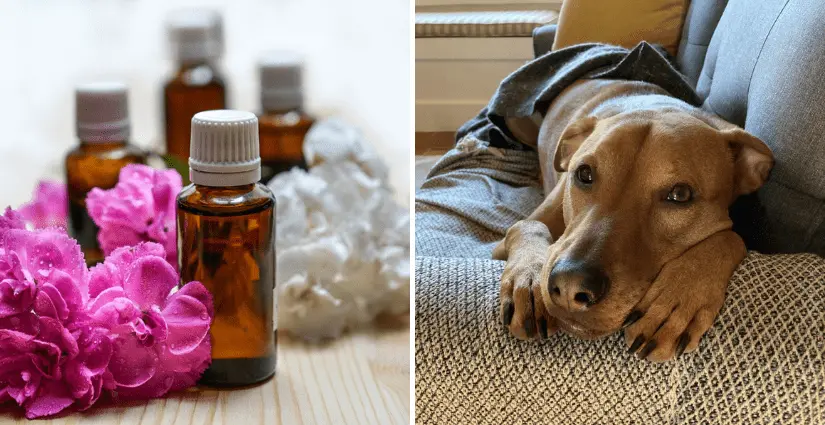
Understanding why certain essential oils pose risks to dogs helps put patchouli's relative safety profile in context. The danger from essential oils to dogs comes from several factors:
Dogs Metabolise Compounds Differently Than Humans
Dogs lack certain liver enzymes (glucuronyl transferase) that humans use to break down and eliminate many essential oil compounds — particularly phenols found in oils like tea tree, oregano, and wintergreen.
This means compounds that are processed relatively safely in human bodies can accumulate to toxic levels in dogs, especially cats (who have an even more limited capacity) and smaller dog breeds.
Routes of Exposure Matter Significantly
- Inhalation (diffusing): Generally the lowest-risk exposure route — a dog can choose to leave the room, and concentration in air is typically low. Still requires caution, especially in small spaces
- Skin contact: Higher risk — undiluted or poorly diluted oil applied to skin can be absorbed into the bloodstream and may cause irritation or chemical burns
- Ingestion: Highest risk by far — dogs licking spilled oil, chewing on a bottle, or ingesting oil-treated items can experience much higher systemic exposure than inhalation or topical contact
Not All Essential Oils Carry Equal Risk
This is the most important context for understanding patchouli specifically.
Essential oils exist on a spectrum of risk — from genuinely dangerous oils that can cause serious poisoning, to oils with low documented risk when used appropriately.
| Risk Level | Examples | Notes |
| High risk — avoid entirely | Tea tree (Melaleuca), pennyroyal, wintergreen, pine, cinnamon, clove, citrus (d-limonene), pennyroyal | Documented cases of serious poisoning, liver damage, seizures in dogs, especially from ingestion or skin application |
| Moderate risk — use with caution | Eucalyptus, peppermint, ylang ylang, ylang ylang, thyme | Can cause irritation or mild toxicity, especially in concentrated or undiluted form |
| Lower risk — patchouli falls here | Patchouli, lavender, frankincense, cedarwood, chamomile | Not on ASPCA's primary danger list; generally low risk for environmental/diffuser exposure when properly diluted; still requires sensible precautions |
Is Patchouli Oil Safe for Dogs? What the Evidence Shows
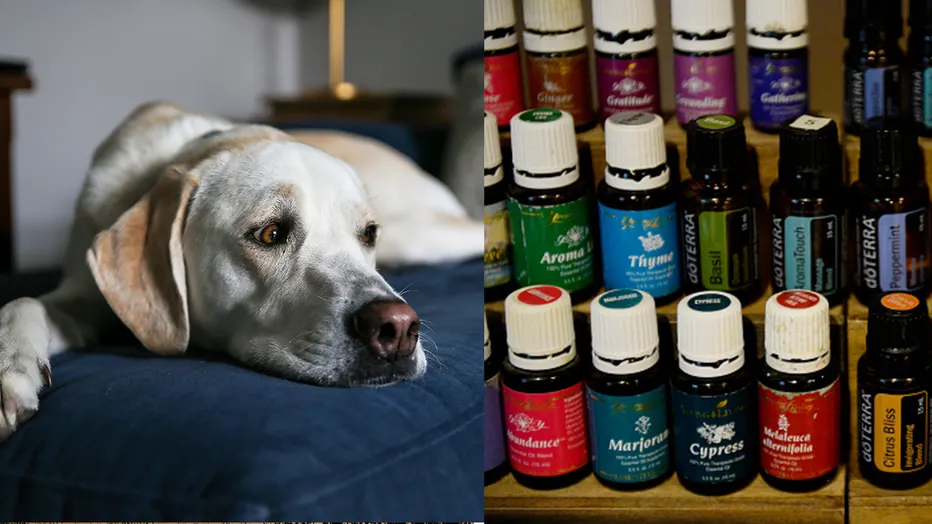
Patchouli oil (Pogostemon cablin) is not listed among the essential oils most frequently associated with serious poisoning cases in dogs by veterinary toxicology resources and animal poison control centres.
Its compound profile — dominated by sesquiterpene alcohols like patchoulol rather than the phenolic compounds that make oils like tea tree and wintergreen particularly dangerous — gives it a comparatively lower toxicity risk profile
Why Patchouli Carries Lower Risk Than Some Oils
Patchouli's primary compounds — patchoulol and β-caryophyllene — are sesquiterpenes, not the phenolic compounds (like the thymol in tea tree oil or methyl salicylate in wintergreen) that are specifically associated with the most severe documented cases of canine essential oil poisoning.
This compound class difference is meaningful, though it does not eliminate risk entirely — sesquiterpenes can still cause irritation and adverse reactions, particularly with concentrated or repeated exposure.
This Does Not Mean “No Risk”
Even oils on the lower-risk end of the spectrum can cause problems when used incorrectly. The factors that determine actual risk for your specific dog include:
- Concentration: Undiluted patchouli oil applied to skin or ingested carries meaningfully more risk than properly diffused, diluted oil
- Dog size: Small breeds and puppies have less body mass to dilute exposure — the same amount of oil represents a proportionally larger dose
- Individual sensitivity: Some dogs are simply more reactive to strong scents and essential oil compounds than others, similar to human variation in sensitivity
- Pre-existing conditions: Dogs with liver disease, respiratory conditions (including brachycephalic breeds like pugs and bulldogs), or known sensitivities face elevated risk from any essential oil exposure
- Cats in the household: Important note — cats have far less tolerance for essential oils than dogs due to even more limited liver enzyme capacity. If you have cats as well as dogs, exercise significantly greater caution
Symptoms of Essential Oil Sensitivity or Toxicity in Dogs
| What are the symptoms of essential oil toxicity in dogs? Watch for these signs if your dog has been exposed to patchouli oil or any essential oil: |
| Symptom Category | Specific Signs | Urgency |
| Respiratory | Coughing, sneezing, laboured breathing, nasal discharge | Moderate — monitor; seek care if persists or worsens |
| Gastrointestinal | Drooling, vomiting, diarrhoea, loss of appetite | Moderate to High — especially if oil was ingested |
| Skin | Redness, irritation at contact site, excessive licking/scratching of the area | Moderate — clean area, monitor for worsening |
| Neurological | Wobbliness/ataxia, tremors, lethargy, unusual behaviour | HIGH — seek veterinary care promptly |
| Severe/Emergency | Difficulty breathing, seizures, collapse, signs of liver distress (jaundice, lethargy + vomiting) | EMERGENCY — go to vet or animal ER immediately |
| When to Seek Immediate Veterinary Care If your dog has ingested any amount of patchouli oil (or any essential oil), or shows neurological signs (wobbliness, tremors, unusual behaviour), difficulty breathing, or collapse after any exposure — contact your veterinarian or an animal poison control hotline immediately. Do not wait to see if symptoms resolve on their own. Have the oil bottle or product information available to share with the vet or poison control specialist. |
How to Use Patchouli Oil Safely Around Dogs
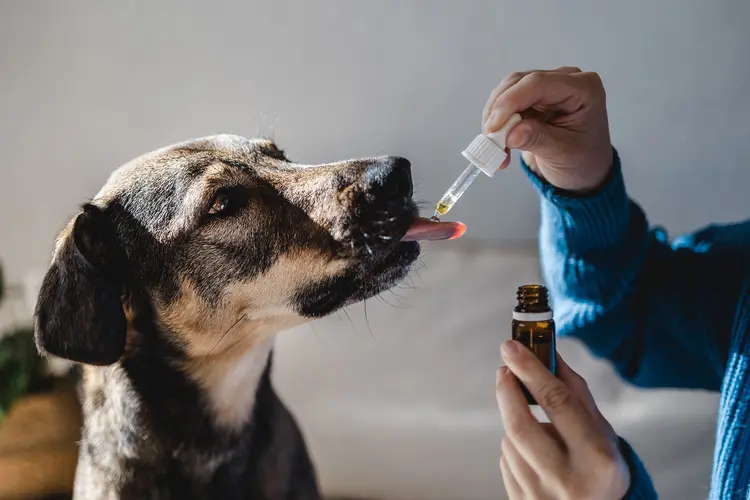
If you choose to use patchouli oil in a home with dogs, these practices significantly reduce risk:
- Always dilute properly: Never apply undiluted essential oil to your dog's skin or fur. If using topically (only under veterinary guidance), use appropriate pet-safe dilution — far more diluted than typical human-use ratios
- Diffuse in well-ventilated areas: Use diffusers in open, well-ventilated rooms — never in small, enclosed spaces where your dog cannot move away from the scent
- Give your dog the option to leave: Always ensure your dog has access to leave a room where you're diffusing oil. If your dog consistently avoids the room, respect that signal
- Watch for reactions: Observe your dog's behaviour when introducing any new essential oil. Sneezing, pawing at the face, hiding, or trying to leave are signs the oil is unwelcome or irritating
- Store oils securely: Keep all essential oil bottles — including patchouli — completely out of reach. Ingestion from a chewed or spilled bottle represents the highest-risk exposure scenario
- Never apply directly without guidance: Do not apply patchouli oil (diluted or otherwise) directly to your dog's skin, paws, or fur without explicit guidance from a veterinarian familiar with essential oil use in animals
- Extra caution for vulnerable dogs: Puppies, senior dogs, pregnant/nursing dogs, and dogs with respiratory or liver conditions should have essential oil exposure minimised or avoided entirely without veterinary guidance
- Consult before regular use: If you want to use patchouli oil regularly around your dog (rather than occasional, well-ventilated diffusing), consult a veterinarian or veterinary aromatherapist first
Different Product Forms: Diffuser vs Cosmetics vs Incense
The way patchouli oil enters your home matters for risk assessment:
- Diffuser use: Generally the lowest-risk form for dogs — low ambient concentration, dog can leave the area. Use in well-ventilated spaces and avoid running continuously for many hours
- Personal cosmetics/perfume (on you, not the dog): Low risk to your dog from incidental contact (e.g., during petting) — concentration that transfers to fur from brief contact is minimal
- Patchouli incense or smoke: Smoke inhalation carries somewhat different risk considerations than oil diffusion — general smoke/incense exposure can irritate a dog's respiratory tract regardless of the specific aromatic source. Use in ventilated spaces
- Cleaning products containing patchouli: Ensure surfaces are dry before your dog has contact, and that any residue is not accessible for licking
- Direct application to dog (collars, sprays marketed for pets): Requires the most caution — only use products specifically formulated and tested for pet use, following label instructions exactly
The Bottom Line
Patchouli oil sits on the lower-risk end of the essential oil spectrum for dogs — it is not among the oils veterinary toxicologists flag as most dangerous.
But "lower risk" requires responsible use, not no precautions at all.
Dilute properly, diffuse in ventilated spaces, store oils securely out of reach, watch your dog's reactions, and take extra care with puppies, senior dogs, and dogs with health conditions.
When ingestion occurs or concerning symptoms appear, veterinary or poison control consultation should never be delayed
Related Reading
→ What Is Patchouli Oil Used For — Complete Guide
→ Patchouli Essential Oil — Product Specifications
| Looking for Pure, Documented Patchouli Oil? For pet owners and formulators who want full transparency about what's in their essential oil — Global Essential Oil provides batch-specific COA and GCMS documentation for every patchouli oil shipment, so you know exactly what you're bringing into your home. → Contact Global Essential Oil — Request Patchouli Oil Documentation |
Frequently Asked Questions
Is patchouli oil toxic to dogs?
Patchouli oil is generally considered lower risk than some essential oils known to be highly toxic to dogs. However, improper use, ingestion, or excessive exposure may still cause adverse reactions, so caution is recommended.
Is it safe to diffuse patchouli oil around dogs?
Patchouli oil may be diffused around dogs in a well-ventilated area where the animal can freely leave the room. Always monitor your dog for signs of discomfort and discontinue use if any adverse reactions occur.
Can I put patchouli oil directly on my dog?
No. Essential oils should not be applied directly to a dog's skin unless specifically recommended by a veterinarian. Undiluted oils may cause irritation or accidental ingestion through licking.
What should I do if my dog licked or ate patchouli oil?
Contact your veterinarian or an animal poison control service immediately. Be prepared to provide information about the product, concentration, and estimated amount consumed.
Are some dogs more sensitive to patchouli oil than others?
Yes. Sensitivity can vary based on age, size, breed, and underlying health conditions. Puppies, senior dogs, and dogs with respiratory or liver issues may be more vulnerable to essential oil exposure.
Is patchouli oil safe for cats too, since I have both?
Cats are generally more sensitive to essential oils than dogs. If you have cats in your household, consult a veterinarian before using patchouli oil or any other essential oil around them.
What essential oils are most dangerous for dogs?
Essential oils commonly considered high risk for dogs include tea tree, pennyroyal, wintergreen, pine, cinnamon, and certain citrus oils. Always research pet safety before using any essential oil around animals.
How can I tell if my dog doesn’t like the smell of patchouli?
Signs of discomfort may include leaving the room, turning away, sneezing, pawing at the face, or appearing restless. If your dog consistently avoids the scent, discontinue use and provide a scent-free environment.