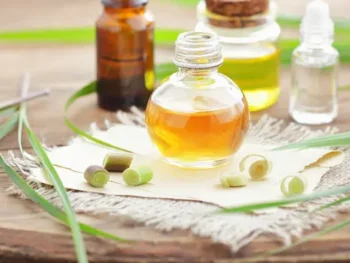
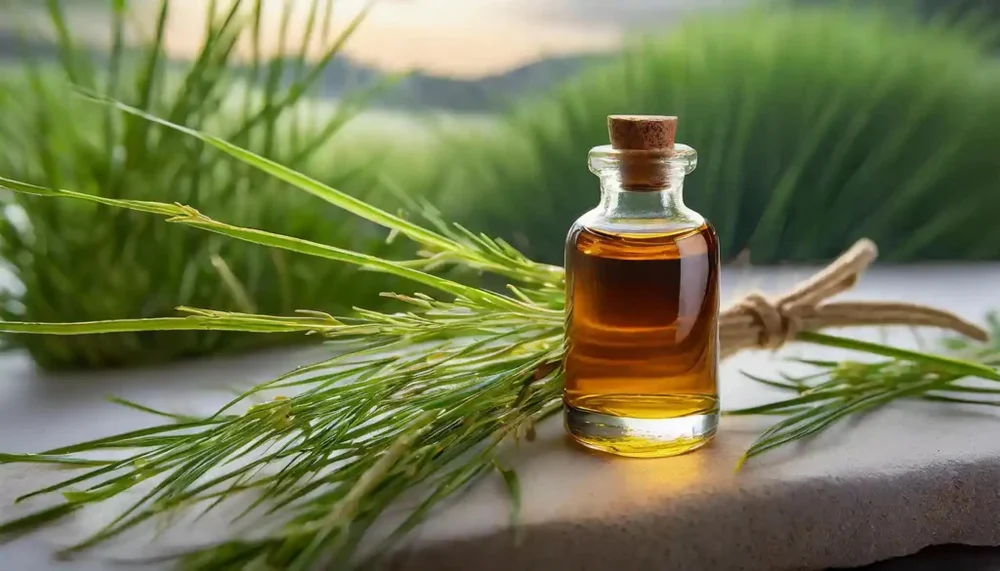
Vetiver oil is one of the most complex, multi-functional, and underappreciated essential oils available.
Called "the oil of tranquillity" in India and "miracle grass" in ancient Chinese medicine, it has been used therapeutically for thousands of years across Ayurvedic, TCM, and Southeast Asian healing traditions.
Today, it is valued across an extraordinary range of applications: from anxiety and focus support to luxury perfumery, premium skincare, and soil erosion control.
The question "what is vetiver oil good for?" deserves a comprehensive answer — one that goes beyond the generic lists found on most wellness websites.
This guide covers vetiver oil's 9 most well-documented uses with practical application examples, the chemistry behind why it works, how origin (particularly Garut, West Java, Indonesia) affects oil quality, and what formulators and brand owners need to know about sourcing it in bulk.
We write this as Global Essential Oil — an Indonesian manufacturer of Garut vetiver oil, produced from Chrysopogon zizanioides roots grown in the volcanic highland soils of Garut, West Java. This origin context matters — as we explain in Section 2.
| Quick Summary: What Is Vetiver Oil Good For? Vetiver oil is good for: (1) anxiety relief and emotional grounding; (2) focus and ADHD support; (3) sleep improvement; (4) skincare — anti-ageing, acne, and scar healing; (5) hair and scalp care; (6) fine fragrance — as a base note and fixative; (7) natural insect repellent; (8) massage and muscle recovery; (9) meditation and spiritual practice. Read on for detailed guidance on each use. |
What Is Vetiver Oil? Botanical Profile & Key Compounds
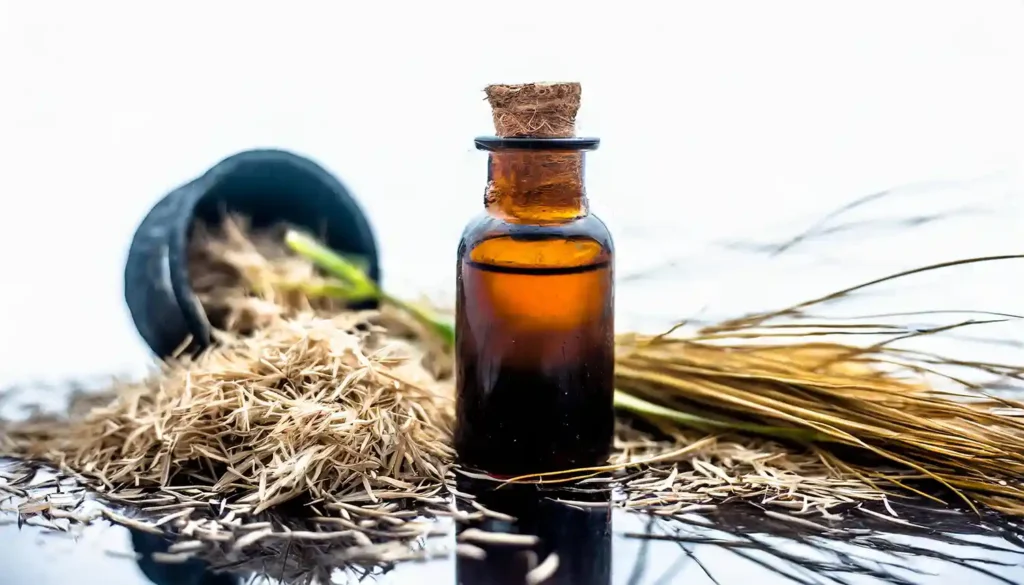
Vetiver oil is an essential oil extracted by steam distillation of the dried roots of Chrysopogon zizanioides (L.) Roberty (formerly classified as Vetiveria zizanioides) — a tall, perennial, clumping grass in the family Poaceae.
Native to India and now cultivated across tropical regions including Indonesia, Haiti, and Réunion Island, it is known by several names: khus oil (India), vetiver (French Creole), and in Indonesia as akar wangi ("fragrant root").
Unlike most essential oils that are distilled from leaves, flowers, or bark, vetiver oil comes from the root system — which gives it a uniquely complex, earthy, woody, and deeply grounding aroma profile that no other essential oil replicates.
The roots are harvested after 12–24 months of growth, washed, dried, and then submitted to steam distillation for 15–24 hours — one of the longest distillation times of any commercially produced essential oil — to extract its full chemical complexity.
Key Active Compounds
Vetiver oil contains over 100 identified compounds — primarily sesquiterpene hydrocarbons and oxygenated sesquiterpenes. The key compounds and their functional roles:
- Khusimol (vetiver alcohol), 5–15%: Primary sesquiterpene alcohol — the key quality marker and the compound most associated with vetiver's characteristic grounding aroma. Higher khusimol % generally indicates superior quality and more potent fixative properties.
- Isovalencenol, 5–10%: Important sesquiterpene alcohol contributing to the earthy, rooty character of the oil and its anti-anxiety activity
- α-Vetivone and β-Vetivone, 2–8%: Sesquiterpene ketones — contribute a distinctive smoky, incense-like facet to the aroma. Higher in Réunion (Java) type than Indian type.
- Zizaene and other sesquiterpene hydrocarbons, 10–20%: Structural complexity contributors — the large number of sesquiterpene hydrocarbons gives vetiver its unmatched aroma complexity in perfumery
- Vetiselinenol, vetivazulene (trace): Minor compounds contributing blue-green tint in some vetiver oils — not present in Garut type at significant levels
Why Origin Defines Vetiver Oil Quality
Unlike most essential oils where origin differences are subtle, vetiver oil from different origins has meaningfully different chemical profiles and aroma characters — significant enough that perfumers actively specify origin in their briefs:
| Origin | Key Character | Khusimol % | Best For |
| Garut, West Java, Indonesia | Smoky, earthy, woody — deep volcanic character. Dark, intense, complex. | 8–14% | Premium perfumery (Oriental, Oud), luxury skincare, men's grooming |
| Haiti (Ayiti) | Cleaner, rooty, slightly sweet — most widely used globally | 7–12% | Fine fragrance, mainstream cosmetics, personal care |
| India (Rajasthan) | Mildly grassy-earthy, less complex than Java or Haiti | 5–10% | Aromatherapy, Ayurvedic preparations, functional wellness |
| Réunion Island (Java type) | Closest to Garut in character — deep, smoky, complex | 8–13% | Niche perfumery, luxury formulations |
| Sri Lanka | Lighter, more grassy — less valued commercially | 5–8% | Economy fragrance, basic personal care |
| Why Garut, West Java Is the Premium Indonesian Origin Garut's volcanic soil — formed from the geothermal activity of the Papandayan and Guntur volcanic complexes — provides a unique mineral-rich growing medium that develops higher sesquiterpene complexity in the vetiver root system than flat-plain cultivation. The resulting oil has a distinctly deeper, smokier, more resinous character than Indian or mass-market Haitian vetiver — which is why Indonesian Garut vetiver commands premium pricing from niche perfume houses and luxury cosmetics manufacturers. For the complete Garut origin guide, see: Vetiver Oil Supplier Indonesia — Garut Origin Guide. |
Vetiver Oil for Anxiety, Stress Relief & Emotional Grounding
This is vetiver oil's most celebrated and best-documented wellness application.
The oil has been called "the oil of tranquillity" — and its grounding, calming effect on the nervous system is supported by both centuries of Ayurvedic and traditional medicine use and emerging scientific evidence.
The Science Behind Vetiver’s Calming Effect
A 2015 animal study linked vetiver inhalation to measurable stress reduction — subjects showed increased GABA-A receptor modulation after exposure to vetiver oil vapour, which is the same mechanism targeted by benzodiazepine anxiolytic drugs.
While this does not make vetiver a pharmaceutical substitute, it provides a plausible mechanism for the relaxing effect widely reported by users and practitioners.
The sesquiterpene alcohols in vetiver oil — particularly khusimol and isovalencenol — are thought to modulate the limbic system (the brain's emotional processing centre) via olfactory pathways.
This direct neural pathway — from nose to limbic system — is why inhaled vetiver oil can have a relatively rapid calming effect.
Practical Application for Anxiety and Grounding
- Diffusion: 3–5 drops in a cold-water diffuser for 20–30 minutes. Blend with 2 drops bergamot or lavender to soften the intensity — vetiver's heavy aroma can be overwhelming in a small space at full strength
- Pulse point application: 1–2% dilution in Virgin Coconut Oil (VCO) or jojoba. Apply to inner wrists, base of throat, or behind ears. The slow volatilisation from skin provides sustained aroma exposure
- Inhaler stick: 3–4 drops on a personal inhaler wick — allows targeted inhalation during moments of acute anxiety without affecting others in the same space
- Bath: 5–8 drops in 1 tablespoon bath dispersant — the combination of warm water and vetiver vapour creates a deeply relaxing, grounding bath experience
Vetiver Oil for Focus, Concentration & ADHD Support
One of the most surprising and scientifically interesting applications of vetiver oil is its positive effect on focus and concentration — particularly in children and adults with attention challenges.
This is the opposite of what most people expect from a 'calming' oil, but the mechanism is distinct: vetiver appears to reduce mental noise and distractibility rather than inducing sedation, allowing focused attention to emerge.
ADHD Research
A 2001 pilot study by Dr. Terry Friedmann assessed the effects of vetiver oil inhalation on children with ADHD over 30 days.
The results showed improvement in academic performance and teacher-rated attention scores, with some subjects showing improvements described as up to 100% better focus scores.
While this was a small pilot study and not a clinical trial, it generated significant interest in vetiver for attentional support.
A 2016 controlled study on human subjects found that vetiver inhalation decreased mental fatigue and demonstrated measurable increases in alertness and attentional performance.
The proposed mechanism involves vetiver's sesquiterpenes modulating dopamine and norepinephrine pathways — the same neurotransmitter systems involved in attention regulation.
Practical Application for Focus
- Study/work diffusion: 2–3 drops vetiver + 1 drop rosemary in diffuser while working or studying. The vetiver grounds mental restlessness; the rosemary adds mental clarity and alertness
- Pre-task inhaler: 2 drops vetiver + 1 drop peppermint on personal inhaler. Inhale 3–5 times before a focused task to reduce mental distraction
- Children's aromatherapy: For children exploring aromatherapy for focus support — use very light concentration (0.5–1%) and cold diffusion only. Always consult a qualified aromatherapist for children's use protocols
Vetiver Oil for Sleep Support
Vetiver oil's sedative-adjacent properties — its ability to quiet mental restlessness and reduce anxiety without causing grogginess — make it a valuable tool in sleep support protocols.
Unlike pharmaceutical sleep aids, vetiver does not alter REM architecture; it works by reducing the pre-sleep mental activation that prevents natural sleep onset.
Practical Application for Sleep
- Pre-sleep diffusion: 2 drops vetiver + 2 drops lavender + 1 drop patchouli in diffuser for 20 minutes before sleep. This combination creates a deeply grounding, sleep-inducing environment
- Pillow spray: 3–5 drops vetiver in 100ml water + 1 teaspoon vodka (emulsifier) in a small spray bottle. Mist pillow and pillowcase 20 minutes before sleep. The slow release of vetiver vapour supports sustained sleep depth
- Foot massage: Traditional Ayurvedic application — 2% vetiver in sesame or coconut oil, massaged into the soles of the feet before bed. The feet's rich nerve endings make this an effective route for the grounding effect
| Note on vetiver and snoring Some sources suggest vetiver oil diffusion may reduce snoring by supporting deeper, more regular breathing during sleep. This is based on limited anecdotal evidence, not controlled clinical data. If snoring is a significant health concern, consult a healthcare professional for proper assessment. |
Vetiver Oil for Skincare: What Does the Research Say?
The 2017 PMC study (Burger et al., Medicines) — one of only five top-ranking pages for this keyword — specifically examined vetiver oil's cosmetic applications and confirmed several evidence-backed skin benefits.
The study identified vetiver oil as a promising cosmetic ingredient particularly for its antioxidant, anti-inflammatory, and antimicrobial properties.
Anti-Ageing and Antioxidant Activity
The Burger et al. 2017 study confirmed that vetiver oil demonstrates significant antioxidant activity — neutralising free radicals that accelerate skin ageing, collagen degradation, and uneven skin tone.
The sesquiterpene fraction — particularly khusimol and vetivone — is responsible for this activity.
Practical application: 0.5–1% vetiver oil in a facial serum or night oil. Pairs excellently with rosehip seed or argan oil as a carrier for enhanced antioxidant synergy.
Garut type preferred for skincare due to higher sesquiterpene complexity and richer compound profile than Indian type.
Acne and Antimicrobial Properties
Vetiver oil demonstrates antimicrobial activity relevant to acne management — inhibitory activity against Propionibacterium acnes (acne-causing bacteria) and Staphylococcus aureus (secondary skin infection bacteria) has been documented in laboratory studies.
The oil's sebum-regulating astringent properties also help control excess sebum on oily and combination skin.
Practical application: 0.5% vetiver in jojoba oil as a daily facial oil for oily/acne-prone skin. Combine with lemongrass oil (0.5% lemongrass + 0.5% vetiver) for enhanced antimicrobial activity and brightening effect.
Scar and Wound Healing Support
Vetiver oil's cicatrisant properties — its ability to support the healing of scars and skin marks — are referenced in both traditional Ayurvedic literature and modern phytochemical studies.
The mechanism involves stimulation of new cell growth (cytophylaxis) and anti-inflammatory action that supports the scar remodelling process.
Dry and Mature Skin
Vetiver oil's lipophilic, high-molecular-weight sesquiterpene fraction provides excellent emollient and skin-barrier-supporting properties for dry and mature skin. Its antioxidant activity adds anti-ageing function, and its minimal skin sensitisation risk at appropriate concentrations makes it suitable for long-term daily use.
Related Reading
→ Pure Patchouli Oil Benefits for Skin — Companion Skincare Guide
→ Lemongrass Oil Benefits for Cosmetics — Complementary Skincare Ingredient
Vetiver Oil in Fine Fragrance and Perfumery
Vetiver oil's role in fine fragrance is one of the most commercially significant of any essential oil — and it is an area where Indonesian Garut vetiver has a distinct quality advantage over other origins.
For a complete technical guide to vetiver in perfumery, see: Vetiver Oil in Perfumery — Formulator's Guide.
Role as a Base Note
Vetiver is one of perfumery's most important base notes — it possesses exceptional tenacity, projecting its earthy, woody character for many hours on skin and fabric.
It occupies a similar structural role to patchouli, sandalwood, and oakmoss in providing depth, longevity, and naturalness to fragrance compositions.
Role as a Fixative
Like patchouli, vetiver functions as a natural fixative in fragrance composition — anchoring more volatile top and heart notes and extending the overall longevity of the composition on skin.
The high molecular weight of its sesquiterpene alcohols (particularly khusimol) makes this fixative action especially effective at low concentrations.
Famous Fragrances Featuring Vetiver
- Guerlain Vetiver (1959): The most famous vetiver fragrance — a classic masculine composition that put vetiver on the global perfumery map
- Hermès Terre d'Hermès: Vetiver in a mineralic-woody accord — one of the best-selling masculine fragrances of the 21st century
- Chanel Sycomore: Vetiver-dominant luxury composition showcasing the depth of high-quality vetiver
- Dior Eau Sauvage: Vetiver as structural base under citrus — defining the modern cologne category
Blending Partners for Vetiver
Vetiver pairs exceptionally well with other Indonesian essential oils available from Global Essential Oil — enabling single-supplier sourcing:
- Patchouli Oil (Dark grade) at 1:2 (vetiver:patchouli) — deep oriental base accord. The combination of vetiver's smokiness and patchouli's earthiness creates an exceptionally complex base note
- Lemongrass Oil at 1:6 (vetiver:lemongrass) — grounding effect under bright citrus notes. Classic structure for fresh-earthy masculine compositions
- Agarwood (Oud) oil at 1:1 — Indonesian oud-inspired luxury accord. Both oils from the same Indonesian archipelago, combining vetiver's earthiness with oud's resinous depth
Other Uses of Vetiver Oil
Hair and Scalp Care
Vetiver oil has been used in traditional Indian hair care for centuries — and with good reason.
Its antimicrobial, sebum-regulating, and scalp-stimulating properties make it a functional ingredient in hair care formulations.
Use Light-coloured vetiver (Haitian or lighter Indonesian batches) for formulations where colour neutrality matters. Usage: 0.3–0.8% in shampoo or scalp serum.
Natural Insect Repellent
Vetiver oil has documented repellent activity against termites, ticks, and mosquito larvae — making it useful in natural pest deterrent formulations.
A 2001 study found vetiver significantly reduced termite tunnelling activity. Blend with citronella oil for a broader-spectrum natural repellent.
Massage and Muscle Recovery
Vetiver oil's anti-inflammatory and warming properties make it a valued ingredient in massage oil blends for muscle tension, joint discomfort, and sports recovery.
The grounding aroma adds a therapeutic mental dimension to physical massage. Usage: 1–2% in a warming carrier such as VCO or sesame oil.
Traditional and Cultural Uses
Vetiver has deep roots in Ayurvedic medicine (Ushira in Sanskrit) — used for muscle pains, headaches, fevers, and loss of energy.
In traditional Chinese medicine, it was used to balance emotions and dispel negative energy.
In South Asian culture, vetiver roots were woven into "khus curtains" — screens hung in windows through which water was dripped, creating a fragrant natural air conditioning effect in hot weather.
This cooling-fragrance application, still practiced today, is one of the oldest documented uses of vetiver in human history.
How to Use Vetiver Oil Safely
- Always dilute: Maximum 2–3% for leave-on skin applications; 0.5–1% for facial use. Vetiver's viscosity means it is best pre-diluted before adding to formulations
- Viscosity note: Vetiver oil is notably more viscous than most essential oils — particularly in cooler temperatures. Gentle warming of the bottle (in warm water, not direct heat) before use makes dispensing easier
- Skin sensitisation risk: Vetiver oil has low sensitisation potential compared to many other essential oils — but patch testing is always recommended for new users or sensitive skin types
- Pregnancy: As with all essential oils, consult a qualified healthcare practitioner before use during pregnancy. Traditional Ayurvedic use during pregnancy is documented but should be approached with medical guidance
- Children: Appropriate for aromatherapy use in children over 2 years at very low concentrations (0.5–1%). The ADHD focus research was conducted with light inhalation protocols — not topical application
- Quality matters: Vetiver oil adulteration is common — synthetic isovalencenol and synthetic sesquiterpenes can be used to extend or replace genuine vetiver oil. Always request a GCMS report to verify authentic Garut or Haiti compound profile. See: Understanding COA & GCMS Reports.
Vetiver Oil for Industry: Sourcing at Commercial Scale
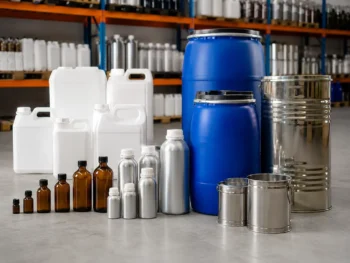
For formulators, cosmetic brands, and fragrance houses sourcing vetiver oil in bulk from Indonesia, here is what you need to know:
| Application | Origin Recommended | MOQ | Key Documents |
| Niche/luxury fine fragrance | Garut, West Java | 5–25 kg trial, then 180 kg drum | COA + GCMS (khusimol %), MSDS, Halal cert |
| Mainstream fragrance & personal care | Garut or standard Indonesian | 25–180 kg | COA + GCMS, MSDS, Halal cert |
| Premium skincare | Garut, West Java | 5–25 kg (trial), scale to drum | COA + GCMS, MSDS, Halal cert |
| Aromatherapy & wellness brand | Indonesian (any grade) | 1–25 kg | COA, MSDS, Halal cert |
| Private label formulations | Garut preferred | Trial: 5 kg | COA + GCMS, Halal cert, then scale |
For complete supplier verification and bulk ordering guide, see: Vetiver Oil Supplier Indonesia — Garut, West Java.
For perfumery applications, see: Vetiver Oil in Perfumery — Usage Rates & Blending Guide.
For the full range of Indonesian essential oils, see: How to Source Essential Oils from Indonesia.
Final Thoughts
Vetiver oil is one of the most versatile essential oils available — moving seamlessly from wellness applications (anxiety, focus, sleep) to luxury perfumery, premium skincare, and traditional cultural practices.
Its extraordinary complexity, exceptional tenacity, and broad functional profile make it worth knowing in depth, regardless of whether you are a curious consumer, a practitioner, or an industrial formulator.
The question "what is vetiver oil good for?" has a genuinely rich answer — and we hope this guide has done it justice.
For Indonesian Garut vetiver specifically, the answer is even more compelling: one of the most distinctive, terroir-specific essential oils produced anywhere in the world, from volcanic soils that leave their character unmistakably in the oil.
| Request Indonesian Garut Vetiver Oil Sample Contact Global Essential Oil to request a Garut vetiver oil sample from our current West Java stock — with batch-specific COA (khusimol %), GCMS compound profile, MSDS, and Halal certificate. We respond within 1 business day. → Contact Global Essential Oil — Request Garut Vetiver Sample Now |
Or visit our Vetiver Essential Oil product page for full specifications, or explore the complete Indonesian essential oil range.