Category: Article

  • How to Detect Essential Oil Adulteration: A Practical Guide for Buyers + Lab Methods Explained

    How to Detect Essential Oil Adulteration: A Practical Guide for Buyers + Lab Methods Explained

    how to detect Essential Oil Adulteration
    What is essential oil adulteration and how is it detected?
    Essential oil adulteration is the practice of altering an essential oil’s composition — by adding synthetic compounds, diluting with cheaper carrier oils, blending with lower-cost essential oils, or substituting a different plant species — while representing the product as pure, genuine essential oil.  Detection methods range from simple checks anyone can do (price evaluation, smell testing, solubility tests) to laboratory techniques (GC-MS compound profiling, chiral gas chromatography, and isotope ratio mass spectrometry). GC-MS combined with a batch-specific Certificate of Analysis is the most accessible and widely used method for B2B buyers — it detects most common adulteration by identifying compound percentages and unexpected marker compounds.

    Learning how to detect essential oil adulteration is one of the most critical skills for any procurement manager, cosmetic formulator, or bulk buyer in the industry today. Essential oil adulteration is far more common than most buyers realise.

    Academic studies have found adulteration rates as high as 27% in commercial samples of certain oils — and the economic incentive is obvious: a litre of synthetic linalool costs a fraction of natural lavender oil, and most buyers cannot detect the difference by smell alone.

    This guide bridges the gap between academic adulteration detection research (which is technically dense and largely inaccessible to most buyers) and practical, actionable guidance for procurement managers, formulators, and essential oil importers.

    We cover what adulteration actually looks like, how it is detected — from simple checks you can do yourself to the laboratory techniques used by quality control professionals — with real examples relevant to Indonesian essential oils.

    Related Reading

    →  How to Read an Essential Oil COA Report — The Foundation of Adulteration Detection

    The 5 Types of Essential Oil Adulteration

    how to detect Essential Oil Adulteration

    Before learning how to detect adulteration, it is important to understand what forms it takes. Not all adulteration is the same, and different types require different detection methods:

    TypeWhat It MeansExamplePrimary Detection Method
    1. Dilution with carrier oilGenuine essential oil mixed with a cheaper, odourless carrier oil (e.g., fractionated coconut oil) to extend volumePatchouli oil cut with 20% light mineral oilSpecific gravity, refractive index — both will shift toward the carrier’s values
    2. Synthetic compound additionSynthetic versions of the oil’s natural compounds added to boost potency or replace lost volatilesSynthetic citral added to lemongrass oil to boost citral % readingChiral GC — synthetic compounds are often racemic; natural compounds have specific chirality
    3. Cheaper essential oil blendingA lower-cost essential oil blended into a higher-value oil with similar characterCitronella oil blended into lemongrass oil (both Cymbopogon, similar aroma)GC-MS — presence of citronellal in a lemongrass sample indicates citronella blending
    4. Species substitutionAn entirely different (cheaper) plant species sold under the name of a premium speciesCymbopogon flexuosus sold as more expensive C. citratus, or vice versaGC-MS compound profile — different species have characteristically different minor compound profiles
    5. Origin misrepresentationGenuine oil from a lower-value origin sold as a premium originLower-grade Java patchouli sold as premium Sulawesi originIsotope ratio analysis (IRMS) — most powerful for origin verification; also GCMS minor compound comparison

    Simple Checks Anyone Can Do (No Lab Required)

    Can I detect essential oil adulteration without a lab?
    Yes — several practical checks can identify likely adulteration without laboratory equipment, although they cannot provide definitive proof. These checks are useful as a first screening step before deciding whether to invest in laboratory testing.

    The Price Test

    This is the simplest and most reliable initial screen. If a price seems too good to be true relative to the typical market range for that oil, it likely is.

    Essential oil production has a fixed economic reality: yield percentages, plant material costs, and labour all set a floor price below which genuine oil cannot be profitably produced.

    A patchouli oil priced 40% below typical market rates is either diluted, adulterated, or misrepresented — there is no other realistic explanation.

    The Solubility / Paper Test

    Place a drop of the oil on a piece of plain paper or blotting paper and let it evaporate fully (this can take 24+ hours for heavy oils like patchouli and vetiver).

    Pure essential oil should evaporate completely, leaving no oily residue ring — or for very heavy oils, leaving only a faint discoloration with no greasy feel.

    A persistent oily ring or greasy residue indicates a carrier oil or fixed oil dilution — vegetable and mineral oils do not evaporate.

    The Aroma Evolution Test

    Apply a drop to a smelling strip or skin and track how the aroma changes over 30 minutes, 2 hours, and 6+ hours.

    Genuine essential oils — particularly complex ones like patchouli, vetiver, and agarwood — have a multi-layered aroma that evolves: top notes fade, heart notes emerge, base notes persist longest.

    Synthetic or heavily adulterated oils often smell ‘flat’ or unchanging — the initial aroma is similar to the final aroma because there is less compound complexity to evolve.

    The Consistency / Viscosity Check

    Each essential oil has a characteristic viscosity. Vetiver and patchouli are notably viscous — they pour slowly, almost syrup-like. Lemongrass and citronella are much thinner, flowing more like water.

    An oil that feels unexpectedly thin (heavy oil diluted with light carrier) or unexpectedly thick (potentially containing non-volatile additives) warrants further investigation.

    Cross-Reference with Specific Gravity

    This is the bridge between ‘simple check’ and ‘lab test’ — specific gravity measurement requires only a digital densitometer or even a calibrated graduated cylinder and scale (low-cost equipment).

    Compare the measured specific gravity against the COA specification. A significant deviation — particularly toward water’s density of 1.000 — often indicates dilution. See: How to Read an Essential Oil COA Report — Specific Gravity Section.

    Important Limitation of Simple Checks
    These checks can identify likely problems but cannot definitively prove adulteration or identify the specific adulterant. They are valuable as a first screen — particularly for spotting obvious dilution or wrong-species issues — but for B2B purchasing decisions involving meaningful volumes, laboratory testing (GC-MS minimum) is the appropriate verification standard.

    Laboratory Method 1: GC-MS (Gas Chromatography-Mass Spectrometry)

    how to detect Essential Oil Adulteration
    How does GC-MS detect essential oil adulteration?
    GC-MS (Gas Chromatography-Mass Spectrometry) detects adulteration by separating an essential oil into its individual chemical compounds and identifying each one by its mass spectrum. It is considered the gold standard for routine essential oil quality control. GC-MS detects adulteration through three mechanisms: (1) identifying compounds that should not be present in a genuine oil (marker compounds of synthetic addition); (2) confirming key compound percentages fall within the genuine range; and (3) verifying the overall compound profile matches the expected species fingerprint.

    What GC-MS Can Detect

    • Compound percentage outside specification: If patchoulol is reported at 22% when the specification minimum is 29%, GC-MS has detected a quality problem — either poor harvest, dilution, or partial adulteration
    • Marker compounds of synthetic addition: Certain synthetic versions of natural compounds leave detectable trace impurities not present in nature. For example, dihydrolinalool is a known marker of synthetic linalool addition — its presence in a lavender or other linalool-rich oil indicates synthetic adulteration
    • Species substitution: Different Cymbopogon species (lemongrass, citronella) have different minor compound profiles even when major compounds overlap — GC-MS can distinguish them
    • Blending of similar oils: The presence of citronellal in a sample sold as pure lemongrass oil indicates citronella oil blending — citronellal is not a major lemongrass compound

    What GC-MS Cannot Reliably Detect

    This is the critical limitation that academic research consistently highlights: GC-MS alone often cannot distinguish a natural compound from its synthetic counterpart when the synthetic version is chemically identical to the natural one.

    For example, synthetic linalool and natural linalool produce the same mass spectrum — GC-MS sees them as the same compound. This is precisely why chiral GC and isotope ratio analysis exist as complementary techniques.

    Laboratory Method 2: Chiral Gas Chromatography (Detecting Synthetic Compounds)

    What is chiral GC and how does it detect synthetic essential oil compounds?
    Chiral gas chromatography is an analytical technique that separates enantiomers — mirror-image versions of the same molecule that standard GC-MS cannot distinguish. Many essential oil compounds are chiral: plants produce them with a specific, non-random ratio of the two enantiomeric forms (e.g., 99:1 or 95:5). Synthetic versions of the same compound are often racemic — a near 50:50 mixture of both forms, because chemical synthesis does not replicate the plant’s enzymatic selectivity. Chiral GC measures the enantiomeric ratio and reveals when it deviates from the natural pattern — even when the total compound percentage looks normal on standard GC-MS.

    Why This Matters: A Real Example

    Research from the Tisserand Institute highlights that for compounds like linalool, synthetic addition can pass standard GC-MS testing — the total linalool percentage falls within the normal ISO range — while chiral GC reveals an abnormal enantiomeric ratio that proves synthetic addition occurred. This is the scenario described in academic literature as adulteration that “would probably not be detected by GC-MS alone”.

    Compounds Where Chiral GC Matters Most

    • Linalool / Linalyl acetate: Lavender, bergamot — frequently adulterated with synthetic linalool
    • Citronellal: Citronella and lemongrass oils — relevant to Indonesian oils. Natural citronellal has a characteristic enantiomeric ratio; synthetic citronellal addition shifts this ratio
    • Menthol: Peppermint and mint oils — synthetic menthol is commonly used to extend oil
    • α-Pinene: Many conifer and citrus oils — natural and synthetic forms have different enantiomeric ratios

    For Indonesian essential oils — particularly citronella and lemongrass — citronellal enantiomeric ratio is the relevant chiral marker. If you suspect synthetic citronellal addition to boost a lower-quality batch’s GC-FID numbers, chiral GC is the test that would reveal it.

    Laboratory Method 3: Isotope Ratio Mass Spectrometry (Detecting Origin Fraud)

    What is isotope ratio mass spectrometry (IRMS) and how does it verify essential oil origin?
    Isotope Ratio Mass Spectrometry (IRMS), often combined with GC as GC-IRMS or GC-C-IRMS, measures the ratio of stable isotopes (such as carbon-13 to carbon-12, or deuterium to hydrogen) within specific compounds in the essential oil. These isotope ratios are influenced by the plant’s photosynthetic pathway, growing climate, soil, and geography — creating a measurable signature linked to where and how the plant grew. IRMS is the most powerful tool for verifying geographic origin claims and detecting whether a compound was produced by a plant (natural) or by chemical synthesis (which uses petroleum-derived carbon with a different isotope signature).

    Why IRMS Matters for Indonesian Origin Claims

    As demonstrated in our Indonesian vs Indian Patchouli Oil comparison, Indonesian Sulawesi-origin patchouli commands a premium over other origins due to its superior patchoulol content and aroma complexity.

    This pricing differential creates an economic incentive for origin misrepresentation — selling lower-cost origin oil under a premium origin claim.

    IRMS analysis of patchoulol and other key compounds can detect whether the isotope signature is consistent with the volcanic soil and climate conditions of the claimed origin region.

    Practical Reality: IRMS Is Rarely Routine

    IRMS testing is expensive and requires specialised laboratory equipment not available at most commercial testing labs — this is why it remains primarily an academic and high-value-oil tool (rose oil, sandalwood, agarwood) rather than routine commercial QC.

    For most B2B essential oil purchases, GC-MS plus a trusted, verified manufacturer relationship provides adequate assurance without IRMS. IRMS becomes relevant when: (1) the financial stakes are very high (premium-priced oils), (2) origin claims are central to your product’s marketing and regulatory claims, or (3) you have specific reason to suspect origin fraud.

    Adulteration Red Flags by Indonesian Essential Oil

    how to detect Essential Oil Adulteration

    Building on the general principles above, here is what to specifically watch for with the Indonesian essential oils most commonly traded:

    OilCommon AdulterationKey Detection SignalReference
    PatchouliDilution with lighter oils; synthetic patchoulol addition; lower-grade origin sold as SulawesiPatchoulol below 29% (GC); specific gravity below 0.952; optical rotation less negative than −48°See: Patchouli Grades Guide
    LemongrassSynthetic citral addition; blending with citronella oilCitral above 85% (unusually high suggests synthetic boost); presence of citronellal in GCMSSee: Lemongrass Extraction Guide
    CitronellaCeylon type sold as Java type; synthetic citronellal additionCitronellal below 32% (Java spec); chiral GC ratio abnormal if synthetic citronellal addedSee: Citronella vs Lemongrass
    CloveLeaf oil sold as bud oil; synthetic eugenol dilutionEugenol below 75% (bud spec); specific gravity below 1.041See: Eugenol Sourcing Guide
    VetiverCheaper origin (Haiti/India) sold as Garut; dilution with heavier carrierKhusimol outside 5–14% range; unusual viscosity for stated gradeSee: Vetiver Sourcing Guide
    Agarwood/OudSynthetic oud (very common); dilution of genuine oilAbsence of chromones in GCMS — definitive marker of genuine agarwood-derived oilSee: Agarwood vs Oud Guide

    Related Reading

    →  Patchouli Oil Grades Explained — Quality Specifications

    →  Indonesian vs Indian Patchouli — Origin Verification

    →  Agarwood vs Oud Oil — Chromones as Authenticity Marker

    Prevention: Building Adulteration Resistance into Your Supply Chain

    Building Adulteration Resistance into Your Supply Chain

    Detection is reactive. The more effective long-term strategy is building supply chain practices that make adulteration unlikely in the first place:

    • Direct manufacturer relationships: Buying from manufacturers who control their own production — rather than traders who source from unknown intermediaries — significantly reduces adulteration risk. A manufacturer has reputational and relationship incentives not to adulterate; an anonymous trader in a long supply chain has less accountability
    • Batch-specific COA + GCMS as standard, not exception: Require this documentation for every order, not just when something seems wrong. Consistent documentation creates a paper trail and a deterrent
    • Periodic third-party verification: Even with a trusted supplier, periodic independent testing (e.g., every 5th batch, or annually) maintains verification without excessive cost
    • Organoleptic consistency checks: Train your team to recognise the characteristic aroma, colour, and viscosity of your regular oils — sudden changes are an early warning sign even before lab results
    • Understand the economics: Knowing the realistic price floor for genuine production of each oil you purchase makes price-based red flags immediately recognisable

    For a complete framework on supplier verification beyond just adulteration detection, see: How to Source Essential Oils from Indonesia — Complete Buyer’s Guide and Sustainable Essential Oil Sourcing — Verification Framework.

    Request Sample COA & GCMS Documentation from Global Essential Oil
    Contact our team to receive sample batch COA and GCMS documentation for any Indonesian essential oil in our range. We supply patchouli, lemongrass, citronella, clove, vetiver, and agarwood with batch-specific documentation as standard — not an optional extra. We respond within 1 business day.
    → Contact Global Essential Oil — Request COA & GCMS Documentation
  • Patchouli Oil Harvest Season in Indonesia: Seasonal Calendar, Quality Impact & Buyer’s Guide

    Patchouli Oil Harvest Season in Indonesia: Seasonal Calendar, Quality Impact & Buyer’s Guide

    patchouli oil harvest season in indonesia
    When is patchouli oil harvest season in Indonesia?
    Indonesian patchouli oil has two main harvest seasons per year in the primary producing regions:  Main harvest (peak season): November – February — coincides with the post-rainy-season dry period in Sulawesi and Aceh. This is when oil supply is highest, prices typically decline, and quality is at its best from well-timed harvests.  Secondary harvest: May – August — a smaller second harvest cycle from re-growth after the main harvest. Lower volume but consistent quality from the same well-managed farms.  Patchouli can be harvested every 4–6 months per plant — meaning a well-managed farm produces 2–3 harvests per year. The specific timing varies between Sulawesi (South Indonesia) and Aceh/Sumatra (northern Indonesia) due to different regional climate patterns.

    For anyone buying patchouli oil in bulk — whether you are a fragrance house, cosmetic manufacturer, or essential oil distributor — harvest season is one of the most important factors in sourcing strategy.

    The time of year you place your order directly affects the price you pay, the quality of the oil you receive, and the reliability of your supply timeline.

    This guide answers the questions that buyers consistently ask but that no published article fully addresses: exactly when does patchouli harvest happen in Indonesia, how does it vary by region, how does harvest timing affect patchoulol content, and — most practically — when is the best time of year to place a bulk patchouli order?

    We write as Global Essential Oil, an Indonesian patchouli manufacturer with direct farmer networks in Sulawesi and Aceh.

    Indonesia Patchouli Harvest Calendar: Month-by-Month

    patchouli oil harvest season in indonesia

    Patchouli cultivation in Indonesia follows the country’s seasonal rainfall patterns — the dry season and rainy season calendar that varies between Indonesia’s main producing islands.

    Understanding this seasonal rhythm is the foundation of strategic patchouli procurement.

    MonthSulawesi (South/Central)Aceh (North Sumatra)Supply LevelPrice TrendQuality Note
    JanuaryMain harvest — activeSecondary harvestHIGHDeclining from peakGood — well-timed harvest
    FebruaryLate main harvestSecondary harvest winding downHIGH→ MODERATEStabilisingGood
    MarchPost-harvest recoveryOff-seasonMODERATEStableLimited new stock — previous harvest
    AprilPlant regrowthOff-seasonLOWFirm/risingOld stock; potentially aged
    MaySecondary harvest beginsMain harvest begins (Aceh)LOW→ MODERATEPeak / highestPremium from Aceh; limited Sulawesi
    JuneSecondary harvestMain Aceh harvest — activeMODERATEDeclining (Aceh supply)Good Aceh quality; Sulawesi still limited
    JulySecondary harvest — peakMain Aceh harvest — activeMODERATEStableDual-region supply
    AugustLate secondary harvestLate Aceh harvestMODERATEStable to slight increaseGood
    SeptemberOff-seasonPost-harvest recoveryLOW→ MODERATEFirm/risingLimited fresh stock
    OctoberPre-harvest — plant maturationOff-seasonLOWHighest point — pre-harvestLowest supply period
    NovemberMain harvest beginsSecondary harvest beginsMODERATE→ HIGHDeclining as harvest arrivesFresh new-season stock
    DecemberMain harvest — activeSecondary harvestHIGHDecliningBest quality new season
    Key Insight: Indonesia Has Year-Round Patchouli Supply — But Quality Peaks Twice
    Unlike crops that produce once per year, patchouli’s 4–6 month regrowth cycle means Indonesian supply is available throughout the year. However, quality peaks after each main harvest — October–January (Sulawesi main) and May–July (Aceh main) — when fresh, well-timed oil enters the market. The two-region supply structure (Sulawesi and Aceh on different climate cycles) means Indonesia has a natural supply cushion that prevents the severe seasonal shortages seen in single-origin commodity crops.

    Why Harvest Timing Directly Affects Patchoulol Content

    Global Essential Oil, Patchouli Oil Harvest Season in Indonesia: Seasonal Calendar, Quality Impact & Buyer's Guide

    The most consequential connection between harvest season and oil quality is its impact on patchoulol (patchouli alcohol) content — the primary active compound and the key quality indicator in patchouli oil.

    This relationship is not widely understood outside of production communities, but it is critical for buyers who specify minimum patchoulol %

    The Early Harvest Problem

    When patchouli oil prices rise significantly — typically in October–November as the supply trough before the main harvest — some farmers face strong economic pressure to harvest early, before the plant reaches its optimal patchoulol accumulation.

    This premature harvesting produces oil with significantly lower patchoulol content — sometimes 25–27% vs the 30–35% achievable from properly timed harvest.

    This dynamic was explicitly documented in the Indonesian market in late 2024: Mazanotech reported that rising prices in October–November 2024 triggered early harvesting in some Sulawesi regions, reducing the patchouli alcohol (PA) content of the oil entering the market — and its competitiveness for quality-focused European buyers.

    European importers responded by shifting from sea freight to air freight for faster delivery, further increasing logistics costs.

    The Mechanism: Why Patchoulol Accumulates Over Time

    Patchoulol accumulates in the plant’s leaf glands as a metabolic end product of sesquiterpene biosynthesis — a process that takes time and is driven by leaf maturity.

    The key principle: patchoulol content increases as the plant approaches the pre-flowering stage, peaking just before flowering begins.

    An early-harvested plant that has not yet reached this stage contains patchoulol precursor compounds that have not yet fully converted to patchoulol itself.

    Additionally, post-harvest drying and mild fermentation of the leaves — the traditional Indonesian practice before distillation — further converts patchoulol precursors to patchoulol.

    Rushed processing that skips adequate drying compounds the quality loss from early harvesting.

    For the full explanation of the cultivation-to-quality relationship, see: Patchouli Plant Cultivation Indonesia — Complete Growing Guide.

    Harvest Timing vs Patchoulol Content: What the Data Shows

    Harvest TimingPatchoulol % RangeQuality ClassificationBuyer Implication
    Optimal — pre-flowering, 5–6 months growth30 – 35%Premium gradeHighest quality; specify minimum 30% on COA
    Slightly early — 4–5 months growth27 – 30%Standard gradeAcceptable for most personal care; verify COA
    Early harvest — 3–4 months (price-driven)24 – 27%Below-standardMay not meet specification; check COA carefully
    Post-flowering — too late28 – 32% (but volatile top notes lost)Degraded characterLower quality even at adequate patchoulol — aroma profile altered
    ⚠️  What This Means for Your COA Verification
    During high-price periods (September–November), be extra vigilant about patchoulol % on incoming COAs. Batches arriving in October–December may include oil from early-harvested material — with patchoulol below your specification minimum. Always require batch-specific COA with GC analysis confirming patchoulol %, not a generic document. See: How to Read an Essential Oil COA Report.

    Patchouli Oil Price Cycle: How Harvest Season Drives Price

    Patchouli Oil Price Cycle

    How does patchouli harvest season affect price?
    Patchouli oil prices follow a predictable seasonal cycle driven by harvest supply. Prices typically peak in September–October — the lowest supply period before the main Sulawesi harvest — and decline from November through February as the main harvest brings new supply to market. A secondary price peak often occurs in April–May before the Aceh harvest arrives. Understanding this cycle allows buyers to plan procurement timing strategically.

    PeriodPrice TrendReasonBuyer Action
    January – FebruaryDeclining → StableMain harvest supply arrivingGood buying window — quality fresh stock at reasonable price
    March – AprilStable → RisingHarvest winding down; old stock onlyConsider forward orders before April peak
    May – JuneDecliningAceh main harvest arrivingSecond buying window — especially for Aceh-origin specification
    July – AugustStableDual-region supply balancedStable period — neither peak nor trough
    September – OctoberPEAK — highest pricesPre-harvest supply trough — lowest stock levelsStrategic forward buying or patience to wait for November drop
    November – DecemberDeclining rapidlyMain Sulawesi harvest arrives in volumeOptimal buying window — fresh new-season stock, declining prices

    Multi-Year Price Cycles: Beyond Seasonal

    Beyond seasonal cycles, patchouli oil has documented multi-year price cycles driven by farmer planting decisions.

    When prices are high for 1–2 years, more farmers plant patchouli — and 2–3 years later, oversupply drives prices down.

    When prices collapse, farmers abandon patchouli for corn, cassava, or palm oil — reducing supply until prices recover again. This cycle typically runs 3–5 years peak-to-trough:

    • Price boom phase (farmer expansion): High prices → more farmers plant → expanding supply over 2–3 years
    • Oversupply trough: Excess supply → price collapse → farmers abandon crop
    • Recovery phase: Reduced supply → prices recover → farmers replant

    The 2022–2024 period saw exactly this pattern: the post-pandemic demand surge drove prices to multi-year highs, encouraging expansion — but climate disruption in 2023–2024 delayed the supply response, contributing to the tight market that persisted into late 2024.

    For more context on this supply chain dynamic, see: Sustainable Essential Oil Sourcing — A Practical Buyer’s Guide.

    Regional Harvest Timing: Sulawesi vs Aceh vs Java

    authentic patchouli oil supplier, patchouli essential oil supplier

    Understanding the regional differences in harvest timing is important for buyers who specify origin — and for understanding why Indonesia’s overall supply is more consistent than single-origin producing countries:

    RegionMain HarvestSecondary HarvestClimate DriverOil Character
    South Sulawesi (Sidrap, Enrekang)November – FebruaryMay – AugustPost-rainy-season dry period; equatorial climateDeepest, most complex — global benchmark. Patchoulol 30–35%
    Aceh / North Sumatra (Gayo Highland)May – JulyNovember – JanuaryMonsoonal rainfall pattern (inverted vs Sulawesi)Slightly fresher, cleaner profile. Patchoulol 29–34%
    West Java (Sukabumi, Purbalingga)Distributed — less seasonalDistributedMore consistent rainfall — less distinct harvest seasonsLighter character. Patchoulol 28–32%
    The Two-Region Advantage for Indonesian Buyers
    Indonesia’s two-region supply structure — Sulawesi and Aceh on offset climate cycles — is a significant advantage over single-origin suppliers. When Sulawesi is in its off-season supply trough (March–October), Aceh provides a secondary supply with its own harvest. A manufacturer with sourcing networks in both regions can offer more consistent supply and pricing than one dependent on a single region’s harvest timing.

    Practical Buyer’s Guide: When and How to Order Patchouli Oil

    patchouli oil grades explained

    The Best Time of Year to Place a Bulk Patchouli Order

    When is the best time to buy patchouli oil from Indonesia? The two optimal buying windows for Indonesian patchouli oil are:

    • Window 1: November – January — fresh Sulawesi main harvest stock arriving. Prices declining from September–October peak. Best quality new-season oil from optimal harvest timing. Recommended for buyers who prioritise quality and supply security.
    • Window 2: May – June — fresh Aceh main harvest stock arriving. Good quality, stable pricing, second buying opportunity of the year.
    • Worst time to buy: September – October — supply trough, highest prices, risk of early-harvest material from price-pressured farmers. If you must buy during this window, be extra vigilant about patchoulol % on COA.

    Forward Buying Strategy

    For buyers who consume patchouli oil consistently — fragrance houses, cosmetic manufacturers — a forward buying strategy aligned with harvest cycles reduces both cost and supply risk:

    1. Order 3–4 months of inventory in November–January: Buy fresh new-season stock at declining post-harvest prices. This covers your consumption through March–April as the next trough approaches
    2. Top up in May–June with Aceh stock: The secondary buying window replenishes inventory at reasonable prices before the September–October peak
    3. Maintain 1–2 months buffer stock: This prevents panic buying in September–October when prices are highest and quality risk is elevated
    4. Specify quality in advance: State minimum patchoulol % in your PO (e.g., ‘minimum 29% patchoulol by GC analysis’) — this protects against early-harvest oil being shipped against your order during price-spike periods

    Lead Time Considerations

    • Sea freight to Europe: 30–45 days transit time. Order during November–December for January–February arrival — fresh new-season stock at declining prices
    • Sea freight to Middle East/South Asia: 15–25 days transit. More flexibility — shorter planning horizon required
    • Sea freight to North America: 25–35 days transit. Factor in customs clearance time
    • Air freight: 5–7 days — significantly higher cost but available for urgent requirements. Note: air freight demand from Europe during shortage periods (as in late 2024) competes for capacity and drives air freight prices up during tight market conditions

    Related Reading

    →  How to Source Essential Oils from Indonesia — Complete Importer’s Guide

    →  How to Read an Essential Oil COA Report — Verify Patchoulol % Before Accepting

    Climate Variability: How Weather Affects Indonesian Patchouli Supply

    Indonesia’s patchouli harvest calendar is based on typical seasonal patterns — but climate variability is increasingly disrupting these patterns, and buyers need to understand the key risks:

    El Niño and La Niña Effects

    • El Niño years (drier than normal): Extended dry season in Sulawesi can reduce plant growth and leaf biomass — lower yield per hectare despite good timing. Also stresses plants, which can actually increase patchoulol accumulation in leaves (stress response) — quality may improve even as volume declines
    • La Niña years (wetter than normal): Excess rainfall extends the effective growing season but can delay harvest and increase fungal disease pressure. May shift the main harvest 4–6 weeks later than typical — affecting supply timing expectations

    The 2023–2024 Climate Impact

    Indonesia experienced significant climate disruption in 2023–2024 associated with a strong El Niño cycle — extended dry conditions in Sulawesi reduced harvest volumes below typical levels.

    This contributed to the supply tightness and elevated prices observed in late 2024, and was a key factor driving the early harvesting problem that Mazanotech documented in December 2024.

    Supply volumes began recovering through the November 2024 – February 2025 main harvest, but were not fully back to historical norms.

    How to Monitor Indonesian Patchouli Market Conditions

    • Maintain regular supplier communication: A genuine manufacturer with direct farmer relationships can give you advance notice of harvest conditions — volume expectations, quality outlook, pricing trajectory — 4–6 weeks before the harvest begins
    • Track Indonesian weather forecasts: BMKG (Badan Meteorologi, Klimatologi, dan Geofisika) publishes Indonesian seasonal forecasts — monitoring these provides early warning of potential disruptions to harvest timing
    • Monitor BPPT/BPS commodity data: Indonesian government statistical agencies publish commodity export data that can confirm supply trend direction

    What This Means for Your Patchouli Procurement Strategy

    The key takeaways from this guide for B2B patchouli buyers:

    • Align major orders with harvest seasons: November–January (Sulawesi) and May–June (Aceh) offer the best combination of quality, price, and supply availability
    • Maintain buffer stock through the trough: September–October is not the time to run low. A 1–2 month inventory buffer prevents forced buying at peak prices
    • Specify patchoulol % on every PO: This contractually protects you against early-harvest oil being shipped against your order during high-price periods
    • Establish a direct manufacturer relationship: Only a manufacturer with direct farmer relationships can give you advance harvest condition intelligence — volume outlook, quality forecast, and price trajectory — before the market moves

    At Global Essential Oil, we source from farmer networks in both Sulawesi and Aceh — which means we can supply fresh, specification-compliant patchouli oil in both main harvest windows, and maintain inventory continuity between seasons.

    We provide advance harvest intelligence to established buyer relationships and respond to market condition enquiries as part of our standard service.

    Related Reading

    →  Patchouli Plant Cultivation Indonesia — How Growing Decisions Affect Oil Quality

    →  Patchouli Oil Grades Explained — Dark, Light & MD

    →  What Is Patchouli Oil Used For — Complete Application Guide

    Ask About Current Harvest Conditions & Patchouli Oil Availability
    Contact Global Essential Oil to request current harvest condition intelligence — Sulawesi and Aceh supply outlook, available grades (Dark/Light/MD), patchoulol % from current batches, and pricing. We respond within 1 business day and can provide batch COA documentation before any bulk commitment.
    → Contact Global Essential Oil — Ask About Current Patchouli Harvest Season

    Or visit our Patchouli Essential Oil product page for full specifications, or explore the complete Indonesian essential oil range.

  • How to Read an Essential Oil COA Report: Complete Parameter Guide, Real Examples & Red Flags

    How to Read an Essential Oil COA Report: Complete Parameter Guide, Real Examples & Red Flags

    How to read an essential oil COA report
    What Is an Essential Oil COA (Certificate of Analysis)?
    An essential oil Certificate of Analysis (COA) is a batch-specific quality document issued by the manufacturer or an independent laboratory that reports the analytical test results for a specific batch of essential oil. It confirms that the oil meets agreed quality specifications by listing measured values for key parameters — including specific gravity, refractive index, optical rotation, and active compound content — alongside the accepted specification range for each. A COA is the primary quality assurance document in bulk essential oil trading.  A valid essential oil COA must include: (1) product name and botanical species, (2) a unique batch/lot number, (3) production date and expiry date, (4) tested parameter values with specification ranges, (5) test methods used, (6) laboratory name and accreditation status, and (7) authorised signature and date of analysis.

    Every bulk shipment comes with an essential oil COA report — but not everyone receiving one knows how to read it properly.

    For procurement managers, cosmetic formulators, quality control teams, and essential oil importers, the ability to critically evaluate a COA is one of the most important skills in the supply chain — it is the difference between accepting a genuine, specification-compliant batch and unknowingly approving adulterated or off-specification oil that will fail your formulation or your regulatory requirements.

    This guide explains every parameter on a typical essential oil COA — what it measures, why it matters, what range to expect for common oils, and critically, how to spot a COA that has been falsified or represents poor quality.

    We include real parameter examples from Indonesian essential oils that GEO produces — patchouli, clove, lemongrass — because abstract explanations are less useful than seeing what the numbers actually look like.

    Related Reading

    →  Patchouli Essential Oil — Product Page & COA Specifications

    →  Clove Essential Oil — Product Page & COA Specifications

    The 8 Essential Sections of a Valid Essential Oil COA

    The 8 Essential Sections of a Valid Essential Oil COA

    A complete, legitimate essential oil COA contains eight sections. Missing any of the following is a warning sign:

    SectionWhat It Should ContainWhy It Matters
    1. Product IdentificationFull product name + botanical species (Latin name) + plant part distilledConfirms you are receiving the correct oil from the correct species
    2. Batch/Lot NumberUnique alphanumeric code specific to this production batchEnables traceability — without it, the COA cannot be linked to the physical product
    3. Production Date & ExpiryManufacturing date and best-before or expiry dateConfirms freshness; allows shelf-life verification; aligns with harvest season expectations
    4. Supplier/Manufacturer DetailsCompany name, address, contact — must match the actual sellerVerifies document authenticity — should be consistent with all other trade documents
    5. Physical ParametersSpecific gravity, refractive index, optical rotation, colour, appearancePrimary physical authentication tests — confirm the oil is within genuine species range
    6. Chemical/Compound ParametersGC analysis results (% of key compounds) or full GCMS profileConfirms active compound content (patchoulol %, citral %, eugenol %) and detects adulteration
    7. Test MethodsISO, AOAC, or other standardised method references for each testAllows verification of testing protocol — vague methods cannot be audited
    8. Laboratory & SignatureLab name, accreditation (ISO 17025 preferred), analyst signature, analysis dateConfirms independent testing; ISO 17025 accreditation = quality-controlled analytical process

    Physical Parameters: What Each One Measures and How to Read It

    Physical Parameters: What Each One Measures and How to Read It

    Specific Gravity (Relative Density)

    What is specific gravity on an essential oil COA?
    Specific gravity on an essential oil COA is the ratio of the oil’s density to the density of water at the same temperature (usually 20°C or 25°C). It is measured using a pycnometer or digital densitometer. A value of 0.950 means the oil is 95% as dense as water. Specific gravity is one of the fastest ways to detect dilution or adulteration — if a batch is diluted with a lighter carrier oil, the specific gravity will fall below the authentic range.

    How to read it: Compare the reported value against the accepted specification range for that species. If the value is outside the range — particularly if it is lower than the minimum — suspect dilution or incorrect species. Values that are exactly at the specification limit on every batch suggest the COA may be fabricated.

    Real examples from Indonesian essential oils:

    OilSpecification RangeWhat Deviation Means
    Patchouli (Dark grade)0.952 – 0.975Below 0.952: possible dilution with lighter oils. Above 0.975: possible heavy adulterant
    Clove Bud Oil1.041 – 1.054Clove oil is denser than water — this confirms high eugenol content. Below range: possible dilution or wrong species
    Lemongrass Oil0.869 – 0.894Below 0.869: possible dilution. Above 0.894: possible synthetic citral addition
    Vetiver (Garut)0.986 – 1.013High density reflects heavy sesquiterpene content. Below range: possible dilution
    Citronella (Java)0.880 – 0.910Below range: possible dilution. Citronella is less dense than clove — easy to spot if labels are swapped

    Refractive Index

    What is refractive index on an essential oil COA?
    Refractive index on an essential oil COA measures how much the oil bends (refracts) a beam of light, determined using a refractometer at 20°C. It is expressed as a dimensionless number between approximately 1.400 and 1.600 for most essential oils. Refractive index is a rapid, low-cost authentication test that detects adulteration, dilution, and incorrect species — it is one of the first parameters QC labs check.

    How to read it: Any value outside the species-specific range is cause for investigation. Note that refractive index is temperature-sensitive — the measurement temperature must be specified (usually 20°C). A COA that does not specify measurement temperature is technically incomplete.

    OilRI Specification (20°C)Notes
    Patchouli (all grades)1.507 – 1.515One of the higher RI values among EOs — reflects high sesquiterpene content
    Clove Bud Oil1.528 – 1.537High RI reflects high eugenol concentration
    Lemongrass Oil1.483 – 1.489Citral-dominant oils have characteristic RI range
    Vetiver (Garut)1.519 – 1.533High RI — very heavy sesquiterpene content
    Citronella (Java)1.466 – 1.476Lower RI than clove — confirms different active compound profile

    Optical Rotation

    What is optical rotation on an essential oil COA?
    Optical rotation on an essential oil COA measures how much the oil rotates plane-polarised light, measured using a polarimeter at 20°C. It is expressed in degrees as a positive (+) or negative (−) value. Optical rotation arises from chiral molecules — molecules that exist in mirror-image forms that rotate light in opposite directions. Many key essential oil compounds are chiral, making optical rotation a powerful tool for detecting synthetic substitutes, which may have different chirality from the natural compound.

    Why this matters for adulteration detection: This is one of the most powerful parameters for detecting synthetic adulteration.

    Natural linalool, citronellal, menthol, and many other essential oil compounds are produced with specific chirality (handedness) by the plant’s enzyme systems.

    Synthetic versions are often racemic (50:50 mixture of both chiral forms), which produces a different optical rotation value than the natural compound.

    A synthetic-adulterated oil will often show an optical rotation outside the natural range — or close to zero if fully racemic.

    OilOptical Rotation SpecificationWhat Deviation Indicates
    Patchouli(−) 48° to (−) 65°Strongly laevorotatory (negative). Less negative than −48°: possible adulteration or wrong oil
    Clove Bud Oil(−) 1.5° to (+) 1.5°Near-zero — clove oil is essentially optically neutral
    Lemongrass Oil(−) 1° to (−) 5°Slightly laevorotatory. Outside range: possible adulteration with synthetic citral (different chirality)
    Vetiver (Garut)(+) 10° to (+) 30°Dextrorotatory (positive) — reflects specific sesquiterpene alcohol profile
    Citronella (Java)(−) 5° to (−) 20°Laevorotatory — citronellal is the primary chiral contributor

    Chemical Parameters: Reading GC and GCMS Data

    Reading GC and GCMS Data

    GC Analysis (Gas Chromatography) — The Key Quality Test

    What is GC analysis on an essential oil COA?
    GC analysis (Gas Chromatography) on an essential oil COA is an analytical test that separates and quantifies the individual chemical compounds in the oil. It produces a percentage breakdown of the oil’s composition — showing how much of each compound is present. The most important number for buyers is typically the key active compound percentage: patchoulol % for patchouli, citral % for lemongrass, eugenol % for clove, 1,8-cineole % for cajuput/eucalyptus. GC analysis is required for quality verification of any bulk essential oil purchase.

    GC-FID vs GC-MS: GC-FID (Flame Ionisation Detection) is the quantitative method — it measures how much of each compound is present. GC-MS (Mass Spectrometry) additionally identifies compounds by their mass spectrum.

    For commercial COAs, GC-FID provides the % compound data; GCMS provides both identification and quantification and is the gold standard for adulteration detection.

    European buyers increasingly require GC-FID specifically because of its superior quantitative precision.

    Key Compound Values — Real Examples

    Essential OilPrimary CompoundSpec RangeWhat It Confirms
    Patchouli (Indonesian)Patchoulol (patchouli alcohol)≥ 29% (Dark/Light); ≥ 32% (MD)Primary quality indicator — lower than 29%: possible adulteration, wrong origin, or poor harvest
    Patchouli (Indonesian)β-Caryophyllene5 – 12%Confirms genuine Pogostemon cablin profile
    Clove Bud OilEugenol75 – 85%Primary active — below 75%: wrong type (may be leaf instead of bud) or adulterated
    Clove Leaf OilEugenol70 – 78%Leaf oil has lower eugenol than bud — must match the declared type
    Lemongrass Oil (C. citratus)Citral (geranial + neral)70 – 80%Aroma and activity driver — below 70%: post-harvest quality loss or adulteration
    Lemongrass Oil (C. flexuosus)Citral (geranial + neral)75 – 85%Higher citral than C. citratus — species identity confirmation
    Citronella (Java, C. winterianus)Citronellal32 – 45%Primary repellent active — below 32%: Ceylon type or adulterated
    Cajuput (Melaleuca cajuputi)1,8-Cineole (eucalyptol)50 – 65%Therapeutic active — below 50%: quality concern or adulteration
    Vetiver (Garut)Khusimol (vetiver alcohol)5 – 14%Primary quality indicator — confirms genuine Garut sesquiterpene profile
    Eugenol USPEugenol≥ 99.0%Pharmaceutical isolate — any result below 99.0% fails USP specification

    Reading a GCMS Report

    Reading a GCMS Report

    A GCMS (Gas Chromatography-Mass Spectrometry) report provides a full compound fingerprint of the oil — listing every identified compound with its retention time, percentage, and mass spectrum identification.

    This is more detailed than a standard GC COA and is the most powerful tool for adulteration detection. Here is how to read it:

    • Check the major compound profile matches the expected species: For patchouli, the profile should be dominated by sesquiterpenes: patchoulol, β-caryophyllene, α-guaiene, bulnesene. Presence of unusual peaks or absence of expected minor compounds suggests adulteration
    • Look for the presence of norpatchoulenol (patchouli): This trace compound is the marker of genuine Pogostemon cablin oil — its absence can indicate adulteration with synthetic patchoulol blended into a terpene carrier
    • Check geranial:neral ratio (lemongrass): Authentic lemongrass citral should show approximately 60:40 geranial:neral. An unusual ratio may indicate synthetic citral addition
    • Look for synthetic marker compounds: Certain synthetic aroma chemicals leave characteristic GC peaks (e.g., synthetic eugenol has different trace impurity profile than natural eugenol from clove oil). An experienced GC analyst can identify these
    • Confirm species-specific minor compounds are present: Each genuine essential oil has a characteristic profile of minor compounds at <1% concentration that are difficult to replicate in adulterated blends

    Additional COA Parameters Worth Knowing

    Additional COA Parameters Worth Knowing

    Flash Point

    Flash point is the lowest temperature at which the oil produces enough vapour to ignite in air.

    It is primarily relevant for shipping and storage classification — it determines the Dangerous Goods class for transport. All essential oils are classified as DG Class 3 Flammable Liquids.

    Flash point appears on both COA and MSDS/SDS. Values range from approximately 42°C (lemongrass) to 112°C (eugenol).

    Colour and Appearance

    Colour and appearance are the simplest and fastest authenticity check — experienced buyers can often identify obvious quality problems by eye before any instrument testing.

    Standards are usually described as: ‘colourless to pale yellow’, ‘pale yellow to amber’, ‘dark amber to brown’. For patchouli specifically, Dark grade is deep amber; Light (Iron-Free) is pale gold; MD is near-colourless.

    Any unexpected colour — such as cloudy appearance, green tint, or unusually dark colour in a supposedly Light grade — signals a quality problem. See: Patchouli Oil Grades Explained.

    Organoleptic Testing (Odour Assessment)

    Organoleptic testing — assessment by a trained nose — remains an irreplaceable quality test despite all the instrumentation available.

    GC analysis can detect compound percentages but cannot fully capture the gestalt of an oil’s aroma quality.

    An experienced evaluator can detect: off-notes indicating oxidation or contamination, absence of expected top notes suggesting poor distillation or storage, and the distinctive character differences between species or origins (Sulawesi vs Aceh patchouli, Java vs Ceylon citronella).

    Heavy Metals and Pesticide Residues

    For applications in food, pharmaceutical, or cosmetics for sensitive markets, the COA should also include heavy metals testing (lead, arsenic, cadmium, mercury — typically by ICP-MS) and pesticide residue testing (particularly for organic-claiming oils).

    These tests are not always included in standard Indonesian commercial COAs but are increasingly required by European buyers.

    Essential Oil COA Red Flags: 10 Signs of a Problematic Document

    This is the section that experienced QC professionals use as their mental checklist. Any of the following should trigger further investigation before approving a batch:

    1. Every parameter result is exactly at the specification limit: Real analytical results show natural variation. If specific gravity is specified as ‘0.952–0.975’ and the result is ‘0.952’ on every single batch, the results are almost certainly adjusted to pass specification rather than measured
    2. No batch/lot number, or a generic/recycled batch number: A COA without a unique, traceable batch number is worthless for traceability. Generic numbers like ‘2025/001’ shared across multiple deliveries are a serious red flag
    3. Supplier’s own in-house lab as the only testing source: Supplier self-testing creates an obvious conflict of interest. For high-value or high-risk purchases, require independent ISO 17025-accredited laboratory testing, or third-party split-sample verification
    4. No botanical species name specified: ‘Patchouli oil’ without ‘Pogostemon cablin (Blanco) Benth.’ is not a specification — it could be any number of plants with patchouli-like aroma. Always require the full Latin binomial and plant part
    5. Optical rotation value near zero for a strongly chiral oil: Patchouli with optical rotation near 0° (should be −48° to −65°) indicates either wrong species or adulteration with synthetic patchoulol (which is often racemic)
    6. Key compound % significantly below expected range: Patchoulol below 25%, citral below 65%, eugenol below 70% — these suggest adulteration, wrong species, poor-quality raw material, or incorrect post-harvest handling
    7. Analysis date far from production date: A COA dated months before the stated production date — or with a 2024 analysis date on a 2026 production batch — is obviously inconsistent. The analysis should be close to the production date
    8. Laboratory cannot be verified or is not accredited: If you cannot find the listed laboratory online or verify its ISO 17025 accreditation for analytical chemistry, treat the document with extreme scepticism
    9. No GC data for an oil where active compound content is the key specification: A patchouli COA without patchoulol % is meaningless. A clove oil COA without eugenol % is meaningless. Physical parameters alone are insufficient for essential oil quality verification
    10. Batch number does not match the physical packaging: Always cross-reference the COA batch number with the batch number on the physical drum or container. Mismatch means the COA does not represent the product you received
    🚨  The Most Common Adulteration Scenarios in Indonesian Essential Oils
    Patchouli: Blending cheaper Java-origin oil into premium Sulawesi-origin oil; adding synthetic patchoulol to diluted oil; using C. heyneanus instead of C. cablin. Clove: Substituting stem oil for the declared leaf or bud oil (eugenol content will be different); adding synthetic eugenol to diluted genuine oil. Lemongrass: Adding synthetic citral (which shifts geranial:neral ratio); blending with cheaper citronella oil (citronellal appears in GCMS). Vetiver: Blending cheaper origins into Garut-declared oil; adding synthetic vetiver aroma chemicals that show unusual GCMS peaks.

    COA vs GCMS Report: When Do You Need Both?

    Buyers frequently ask: is a COA enough, or do I also need a GCMS report? The answer depends on your application and risk tolerance:

    SituationCOA Alone Sufficient?When to Request GCMS
    First order from a new supplierNo — insufficientAlways request GCMS on first order to establish baseline compound profile
    Regular order from established supplierUsually yesIf any physical parameters are at the edge of specification or aroma seems off
    High-value or pharmaceutical applicationNoAlways require GCMS for pharmaceutical-grade documentation
    Premium origin claim (e.g., Sulawesi patchouli)NoGCMS confirms species and origin-specific minor compound profile
    Organic or natural certification claimNoGCMS can detect synthetic compound markers
    EU/UK cosmetic product CPSRNoSafety assessor typically requires GCMS for leave-on product assessment
    Standard bulk commodity orderPossiblyIf supplier relationship is established and parameters are clean

    At Global Essential Oil, we provide both batch-specific COA and GCMS report as standard documentation with every order — not as an optional extra.

    This reflects our position that verified documentation is not a luxury for the buyer but a baseline expectation of legitimate B2B trade.

    The Complete Essential Oil COA Report Verification Checklist

    Use this checklist before approving any essential oil batch for production or formulation use:

    CheckpointCheckStatus
    Product identificationFull botanical name (Latin binomial) + plant part + grade
    Batch/lot numberUnique, specific — matches physical product packaging
    Production dateAligns with expected harvest season; expiry date makes sense
    Specific gravityWithin species-specific range for declared oil type
    Refractive indexWithin species-specific range; measurement temperature stated
    Optical rotationWithin species-specific range; correct sign (positive/negative)
    Key compound % (GC)Patchoulol ≥29% / Eugenol ≥75% / Citral ≥70% (as applicable)
    GCMS compound profileMajor and minor compounds consistent with genuine species
    Batch number consistencyCOA batch number matches drum/container labelling
    Laboratory verificationLab name verifiable; ISO 17025 accreditation preferred
    Organoleptic checkAroma consistent with expected oil character and quality
    Halal certificateMUI certificate if required for your market (verifiable at halalmui.org)

    Final Thoughts: A Good COA Is Not Optional — It Is Baseline

    In professional essential oil trading, a batch-specific COA with GC data is the minimum acceptable documentation for any bulk purchase.

    The parameters detailed in this guide — specific gravity, refractive index, optical rotation, compound percentages — are not bureaucratic requirements.

    They are practical tools that protect you from receiving oil that will underperform in your formulation, fail your regulatory requirements, or damage your product quality.

    At Global Essential Oil, we provide batch-specific COA and GCMS report as standard documentation with every order.

    If you are evaluating a current supplier’s COA documentation practices against the standards described in this guide, or would like to compare our documentation against what you currently receive, our team is happy to share sample COA and GCMS documentation before you place any order.

    Request a Sample COA & GCMS Report from Global Essential Oil
    Contact our team to receive a sample batch COA and GCMS report for any Indonesian essential oil in our range — patchouli, clove, lemongrass, vetiver, citronella, cajuput, or others. See exactly what documentation you will receive with every order before committing to a bulk purchase. We respond within 1 business day.
    → Contact Global Essential Oil — Request Sample COA & GCMS Documentation

    For sourcing verification beyond the COA: How to Source Essential Oils from Indonesia — Complete Buyer’s Guide.

    For sustainable sourcing principles: Sustainable Essential Oil Sourcing — A Practical Guide.

    Frequently Asked Questions

    What does COA mean in essential oils?

    COA stands for Certificate of Analysis. It is a batch-specific document that reports the quality test results of an essential oil, helping buyers verify that the product meets the required specifications and standards.

    What are the most important parameters on an essential oil COA?

    The most important parameters typically include key compound content, specific gravity, refractive index, optical rotation, and batch number. Together, these values help verify quality, authenticity, and traceability.

    How do I know if an essential oil COA is fake?

    Warning signs include missing batch numbers, unverifiable laboratories, inconsistent dates, or results that appear identical across multiple batches. Buyers can further verify authenticity through third-party laboratory testing.

    What is the difference between a COA and a GC-MS report?

    A COA provides a summary of key quality specifications for a batch of oil, while a GC-MS report offers a detailed chemical profile showing the individual compounds present. GC-MS reports are generally used for deeper quality verification and adulteration detection.

    What should I look for in a patchouli oil COA?

    The most important parameter is patchoulol content, along with specific gravity, refractive index, optical rotation, and a unique batch number. Buyers should also verify the botanical name and oil grade listed on the document.

    Does every essential oil batch need its own COA?

    Yes. A valid COA should be batch-specific and correspond to the exact lot being supplied. Generic or reused COAs do not provide reliable confirmation of product quality.

    What is optical rotation and why does it matter for essential oil quality?

    Optical rotation measures how an essential oil interacts with polarized light. It is commonly used to help verify authenticity and identify potential adulteration, especially in high-value essential oils.

    How often should I request a GC-MS report from my essential oil supplier?

    A GC-MS report is recommended when working with a new supplier, purchasing high-value oils, or conducting periodic quality verification. Many buyers request GC-MS documentation on a routine basis to support supplier qualification programs.

  • Patchouli Plant Cultivation in Indonesia: A Complete Growing Guide from Farm to Oil

    Patchouli Plant Cultivation in Indonesia: A Complete Growing Guide from Farm to Oil

    Patchouli Plant Cultivation in Indonesia

    Indonesia supplies 80–90% of the world’s patchouli oil — a dominance that is the direct result of the country’s exceptional conditions for cultivating Pogostemon cablin, the aromatic herb that produces one of perfumery’s most irreplaceable essential oils.

    But understanding where patchouli oil comes from means understanding more than geography: it means understanding how the plant is grown, harvested, and processed — and critically, how decisions made at every stage of cultivation directly affect the patchoulol content and overall quality of the oil that reaches formulators and buyers worldwide.

    This guide covers patchouli plant cultivation in Indonesia comprehensively — from the botanical characteristics of the plant and the specific growing conditions that make Indonesian patchouli exceptional, to a complete cultivation calendar, harvest optimisation, and the direct connection between farming practices and oil quality.

    We write as Global Essential Oil, an Indonesian patchouli oil manufacturer with direct sourcing relationships with farmer communities across Sulawesi and Sumatra — the heartland of Indonesian patchouli production.

    Quick Summary: Patchouli Cultivation in Indonesia
    Patchouli (Pogostemon cablin) is cultivated primarily in South and Central Sulawesi and Aceh, Sumatra. It is a tropical shrub growing to 0.5–1.5m, propagated from stem cuttings (not seeds), harvested every 4–6 months after initial establishment, and requiring volcanic highland soil, tropical temperatures (24–32°C), and partial shade for optimal patchoulol accumulation. Indonesia’s volcanic soil mineral profile is the primary reason Indonesian patchouli consistently shows higher patchoulol content than any other origin.

    Pogostemon cablin: Botanical Profile of the Patchouli Plant

    Pogostemon cablin

    Pogostemon cablin (Blanco) Benth. is a perennial aromatic herb in the family Lamiaceae (the mint family — which also includes lavender, rosemary, and basil).

    Native to tropical Asia — with the Philippines, India, and Indonesia as its original home range — it has been cultivated for aromatic purposes for centuries.

    Plant Characteristics

    • Growth habit: Erect, branching shrub reaching 0.5–1.5 metres in height. Stems are soft and herbaceous when young, becoming slightly woody with age
    • Leaves: The primary commercial product — large (5–10cm), ovate, deeply toothed margins, covered with fine hairs on both surfaces. The essential oil is stored in secretory glands on the leaf epidermis. Leaves have an intensely distinctive earthy-musky aroma when crushed
    • Flowers: Small, pale lilac-white, arranged in terminal spikes. Flowering is generally avoided in commercial cultivation — it reduces oil yield in the leaves as the plant’s energy shifts to reproductive activity
    • Reproduction: Patchouli does not produce viable seeds under most cultivation conditions — it is propagated exclusively by vegetative means (stem cuttings). This is a critical agronomic characteristic that shapes the entire cultivation system
    • Root system: Shallow, fibrous root system — makes the plant sensitive to waterlogged conditions but also means it establishes quickly from cuttings

    Why Patchouli Is Not Grown from Seeds

    The fact that patchouli is sterile — it almost never produces viable seeds — means every patchouli plant in Indonesia is a vegetative clone propagated from stem cuttings taken from an established mother plant.

    This has significant implications:

    • All Indonesian commercial patchouli is essentially the same genotype — agronomic and environmental factors, not genetic variation, drive differences in oil quality between regions
    • New plantings require access to a cutting source — which creates social networks of farmers sharing planting material and makes expansion of cultivation a gradual, community-based process
    • The consistent genotype is part of why Indonesian patchouli’s quality advantage over Indian patchouli is so reliably tied to environment rather than plant variety

    Ideal Growing Conditions for Patchouli in Indonesia

    Climate Requirements

    ParameterOptimal RangeEffect of Going Outside Range
    Temperature24 – 32°CBelow 18°C: stunted growth, cold stress. Above 35°C: leaf scorch, reduced oil accumulation
    Rainfall2,500 – 3,500 mm/yearUnder-watering: reduced leaf biomass, stress triggers. Over-watering: root rot, fungal disease
    Humidity70 – 85% relative humidityLow humidity: increased water stress. Too high: fungal and bacterial disease pressure
    Altitude0 – 1,200 m above sea levelMid-altitude highland (250–800m) produces the highest patchoulol content — key differentiator for Sulawesi
    Shade requirement30 – 50% shade cover preferredFull sun: leaf scorch, reduced oil accumulation. Full shade: reduced photosynthesis, poor growth

    Soil Requirements

    Soil is the single most important environmental factor distinguishing Indonesian patchouli quality from other origins — and it deserves detailed attention:

    • Soil type: Well-draining loam or sandy loam preferred. Heavy clay soils cause waterlogging that kills the shallow root system. Volcanic andosols (the dominant soil type in South Sulawesi and Aceh highlands) are ideal — their mineral richness and excellent drainage create optimal conditions for patchoulol biosynthesis
    • pH: 5.5 – 6.5 optimal. Below 5.0: nutrient deficiency and aluminium toxicity. Above 7.0: micronutrient lock-up
    • Organic matter: High organic matter soils support better growth and higher oil yield. Regular mulching with crop residues is standard practice in Indonesian patchouli farming
    • Key minerals: Potassium, phosphorus, magnesium, and sulfur are particularly important for sesquiterpene biosynthesis. Volcanic soils naturally provide these in forms highly available to patchouli plants — this is the key mechanism behind Indonesian patchouli’s higher patchoulol content
    The Volcanic Soil Advantage — Why It Matters for Patchoulol
    Research confirms that patchoulol content in Pogostemon cablin is influenced by soil mineral availability — particularly potassium and magnesium, which are co-factors in sesquiterpene biosynthesis pathways. The volcanic andosols of South Sulawesi (Sidrap, Enrekang) and Aceh’s Gayo Highland provide naturally high potassium and magnesium concentrations in bioavailable forms, driving higher patchoulol accumulation in leaves compared to the alluvial and red laterite soils of Indian patchouli cultivation. This is why simply transplanting the same patchouli clone to Indian soil does not replicate Indonesian oil quality — the soil’s mineral profile cannot be replicated by fertilisation alone.

    Primary Cultivation Regions: Sulawesi, Aceh, and Java

    patchouli in indonesia

    Indonesia’s patchouli production is concentrated in three main regions, each with distinct cultivation characteristics that affect the character of the oil produced:

    RegionPrimary DistrictsAltitudeSoil TypePatchoulol RangeOil Character
    South & Central SulawesiSidrap, Enrekang, Luwu, Soppeng200 – 700mVolcanic andosol — high mineral30 – 35%Deepest, most intense, highest complexity — global benchmark
    Aceh, SumatraAceh Tengah, Bener Meriah, Gayo Highland800 – 1,200mVolcanic highland — slightly cooler29 – 34%Slightly fresher, more refined — cleaner top note
    West JavaSukabumi, Cianjur, Tasikmalaya200 – 600mVolcanic alluvial28 – 32%Cleaner, lighter — commercial standard grade

    Sulawesi — Indonesia’s Patchouli Heartland

    South and Central Sulawesi — particularly the Sidrap, Enrekang, and Luwu districts — produce the majority of Indonesia’s patchouli and consistently deliver the highest patchoulol content of any commercially traded origin.

    The combination of volcanic andosol at mid-altitude, consistent tropical rainfall, and multi-generational farming expertise has made Sulawesi the global benchmark for premium patchouli oil.

    Farmers here have been cultivating patchouli for decades, accumulating the agronomic knowledge that is not written in any textbook.

    Aceh, Sumatra — The Premium Highland Origin

    The Gayo Highland of Aceh Tengah and Bener Meriah — the same region famous for Gayo arabica coffee — produces a distinctly premium patchouli oil.

    At higher altitudes (800–1,200m) with cooler temperatures and volcanic highland soil, Aceh patchouli develops a slightly fresher, more refined top note than Sulawesi, while maintaining competitive patchoulol content.

    The ILO’s Promise II Impact Project has been supporting Aceh patchouli farmers — including young farmer Teuku Razuan from Aceh Jaya — to scale up distillation capacity, highlighting the region’s growing commercial importance.

    West Java — Commercial Standard Grade

    West Java (Sukabumi, Cianjur) produces significant volumes of patchouli at lower altitudes and slightly less mineralised volcanic soil.

    The oil has a cleaner, lighter profile than Sulawesi — suitable for personal care and general fragrance applications where maximum patchoulol depth is not required.

    Global Essential Oil’s production facilities in Sukabumi are strategically located in this region.

    Complete Patchouli Cultivation Calendar: From Planting to Harvest

    Propagation — Month 0

    Patchouli is propagated from stem cuttings taken from established, healthy mother plants.

    Each cutting should be 15–20cm in length with 3–4 leaf nodes, taken from semi-hardened (not too young, not too woody) stems.

    Lower leaves are removed and the cutting is planted directly in prepared nursery beds or propagation trays.

    • Rooting time: 2–4 weeks in nursery bed under partial shade and consistent moisture
    • Success rate: 70–90% rooting rate in good conditions
    • Nursery period: 4–6 weeks total before transplanting to the field

    Field Preparation — Month 0 to 1

    • Land clearing and tillage: Soil prepared to 30–40cm depth to break up compaction and improve drainage
    • pH correction: Lime added if pH below 5.5; sulfur if pH above 7.0
    • Organic matter incorporation: Compost or well-rotted manure incorporated at 5–10 tonnes/hectare before planting
    • Planting spacing: 60 × 60cm or 70 × 70cm — allowing approximately 20,000–25,000 plants per hectare
    • Shade establishment: If no natural canopy, temporary shade structures or intercropped shade trees (banana, cassava) established before planting

    Establishment Phase — Month 1 to 4

    After transplanting, patchouli requires careful management during the establishment phase:

    • Irrigation: Consistent moisture — 2–3 times per week in dry conditions. Avoid waterlogging
    • Fertilisation: NPK fertiliser at 150–200 kg/ha (first application at 1 month after transplanting), with emphasis on potassium for oil quality
    • Weeding: 3–4 weeding cycles in the first 2 months — patchouli is a poor competitor against weeds during establishment
    • Pest monitoring: Watch for early signs of leaf miners, aphids, and fungal leaf spot — the most common establishment-phase problems

    First Harvest — Month 5 to 6

    The first harvest occurs 5–6 months after planting. This is the most important harvest in terms of oil quality — first-year patchouli from well-managed volcanic soil typically has the highest patchoulol content.

    • Harvest indicator: Plant reaches 60–100cm height and branches are dense with mature leaves. Just before any flower buds appear is the optimal moment — patchoulol content peaks at this stage
    • Harvest method: Cut stems at 20–30cm above ground level — preserving the basal nodes that will regenerate the plant for subsequent harvests. Traditional hand-harvesting remains standard in Indonesian smallholder operations, though mechanised cutters are being introduced (as Teuku Razuan in Aceh describes — his machine processes 2 tonnes of leaves per hour vs 500kg per day manually)
    • Yield: First harvest: approximately 10–15 tonnes of fresh leaf per hectare

    Subsequent Harvests — Every 4–6 Months

    After the first harvest, patchouli regenerates from the cut stems within 4–6 months for a second harvest.

    A well-managed patchouli field can be harvested 3–4 times per year, though quality typically peaks at first and second harvest.

    After 2–3 years of continuous cropping, patchouli plants are uprooted and the field is replanted — replanting with fresh cuttings from healthy stock restores vigour and oil quality.

    HarvestTimingTypical Fresh Leaf Yield/haPatchoulol Quality Note
    1st Harvest5–6 months after planting10–15 tonnesHighest patchoulol potential — plant at peak oil accumulation
    2nd Harvest4–6 months after 1st harvest12–18 tonnesGood quality — plant well-established
    3rd Harvest4–6 months after 2nd harvest10–15 tonnesModerate — plant ageing, some quality decline
    4th+ Harvest4–6 months intervals8–12 tonnesDeclining — plant replanting typically recommended after 2–3 years

    Post-Harvest Processing: The Steps Between Farm and Oil

    Wilting and Drying — The Critical Step

    After harvest, fresh patchouli leaves are dried in the shade for 3–7 days before distillation.

    This drying step is unique to patchouli among the major Indonesian essential oils — lemongrass is distilled semi-fresh, clove is distilled relatively quickly, but patchouli requires this deliberate drying period. Why?

    • Cell wall breakdown: Drying breaks down the cellular structure of the leaves, making the oil glands more accessible to steam during distillation — improving oil yield
    • Patchoulol precursor conversion: This is the critical quality mechanism. During drying, enzymatic activity converts patchouli pyridine and related precursor compounds into patchoulol through a natural fermentation-adjacent process. This is the primary reason why well-dried Indonesian patchouli produces higher patchoulol content than quickly distilled material
    • Optimal drying duration: 3–7 days in shade. Under-dried: incomplete precursor conversion, lower patchoulol. Over-dried: volatile top note compounds lost, degraded aroma quality

    Chopping or Shredding

    Before loading into the still, dried patchouli is chopped or shredded to increase surface area for steam contact.

    Traditional practice used manual machetes — as Teuku Razuan in Aceh describes, his team could process 500kg of leaves per day manually.

    Modern mechanical shredders can process 2 tonnes per hour — a 40× improvement in labour productivity that is transforming the economics of Indonesian patchouli production.

    Steam Distillation

    Steam distillation of dried, chopped patchouli takes 4–8 hours in commercial production.

    For the complete technical guide to the distillation process, see: Essential Oil Steam Distillation Process — How It Works.

    The Farm-to-Oil Connection: How Cultivation Decisions Affect Patchoulol Content

    patchouli oil grades explained

    This is the section that directly matters to buyers and formulators — understanding that the patchoulol % in the oil you receive is determined more by farming decisions than by distillation:

    Farming DecisionEffect on Oil QualityImpact on Patchoulol %
    Harvest timing (before vs after flowering)Pre-flowering harvest: maximum patchoulol accumulation. Post-flowering: significant drop as plant energy shifts to reproduction±3–5% patchoulol — one of the biggest single factors
    Drying duration (3–7 days optimal)Optimal drying: full precursor conversion to patchoulol. Under-drying: incomplete conversion. Over-drying: volatile top note loss±2–4% patchoulol from optimal drying vs rushed distillation
    Soil mineral management (potassium, magnesium)Adequate K and Mg: higher sesquiterpene biosynthesis. Deficiency: reduced oil synthesis generally±1–3% from fertilisation management
    Harvest cycle (first vs later harvests)First harvest typically highest patchoulol. Later harvests from ageing plants show gradual quality decline±1–3% across harvest cycles
    Growing region (Sulawesi vs Java)Volcanic highland andosol vs lower-altitude alluvial: consistent quality differential±2–5% between Sulawesi and Java commercial grades
    Post-harvest storage (dried leaf before distillation)Short storage (3–7 days): optimal conversion. Long storage (>14 days): volatile compound degradation±1–2% from extended storage

    For buyers, this means: specifying Sulawesi origin AND first/early harvest material — which a transparent manufacturer can confirm — gives you the highest probability of receiving oil in the 30–35% patchoulol range.

    See our complete grade comparison: Indonesian Patchouli Oil vs Indian Patchouli Oil.

    For grade specifications: Patchouli Oil Grades Explained — Dark, Light & MD.

    Patchouli Farming Communities: The Human Side of Indonesian Patchouli

    Patchouli Farming Communities: The Human Side of Indonesian Patchouli

    Understanding Indonesian patchouli cultivation means understanding the smallholder farming communities that produce it.

    An estimated 60,000–200,000 farming families across Indonesia depend on patchouli cultivation as part of their livelihood.

    The economics of patchouli farming are shaped by commodity price cycles — a reality vividly described by Aceh farmer Teuku Razuan in his ILO Voices story: his family’s experience of the 1999 patchouli price collapse, when prices fell so dramatically that farmers could not recover their seedling costs, left generational trauma in farming communities.

    When patchouli prices recover, it transforms communities — the same story is repeated in Sulawesi and Sumatra, where a good patchouli price cycle means motorcycles, school fees, and infrastructure for farming villages.

    For buyers, this social context is not just background information — it directly affects supply.

    When patchouli prices fall below production cost, farmers in Sulawesi and Aceh switch to corn, palm oil, or cassava.

    The 2022–2024 market cycle saw exactly this dynamic, creating the supply shortages and subsequent price spikes that affected global buyers.

    Stable, direct manufacturer relationships with transparent pricing are the most effective supply chain risk management against this cycle. See: Sustainable Essential Oil Sourcing — A Practical Buyer’s Guide.

    Frequently Asked Questions

    Where is patchouli grown in Indonesia?

    Patchouli is primarily cultivated in Sulawesi, Aceh, and West Java. Among these regions, Sulawesi is widely recognized for producing high-quality patchouli oil with strong patchoulol content and a rich aroma profile.

    How long does patchouli take to grow before first harvest?

    Patchouli is typically ready for its first harvest 5–6 months after planting. Under good cultivation practices, the crop can be harvested multiple times per year and remain productive for several years.

    Why does Indonesian patchouli have higher patchoulol content than Indian patchouli?

    Indonesian patchouli benefits from favorable growing conditions, including volcanic soils, climate, and traditional post-harvest practices. These factors contribute to the higher patchoulol content often associated with Indonesian-origin patchouli oil.

    How is patchouli propagated? Can it be grown from seed?

    Commercial patchouli is propagated almost exclusively through stem cuttings rather than seeds. This method provides more consistent plant quality and is the standard approach used by growers worldwide.

    What is the optimal harvest time for patchouli to maximize oil quality?

    Patchouli is generally harvested just before flowering, when patchoulol content is at its highest. Harvest timing plays an important role in both oil yield and overall quality.

    Why are patchouli leaves dried before distillation?

    Drying helps improve essential oil extraction efficiency and supports the development of desirable aromatic compounds. Properly dried leaves typically produce higher-quality patchouli oil than freshly harvested material.

    How many harvests can you get from a patchouli plant per year?

    How many harvests can you get from a patchouli plant per year?

    Does patchouli cultivation require specific soil conditions?

    Yes. Patchouli grows best in well-drained, fertile soils with good organic matter content. Soil quality can significantly influence plant growth, oil yield, and patchoulol concentration.

    From Sulawesi Fields to Global Markets: Global Essential Oil’s Farmer Networks

    At Global Essential Oil, our patchouli oil is sourced from farmer networks across Sulawesi and Aceh/Sumatra — the two premium-origin regions this guide has described in detail.

    This is not a generic claim: we can specify the district of origin for our Sulawesi and Aceh batches, confirm first vs subsequent harvest material on request, and provide batch-specific COA data showing the patchoulol % that the cultivation and distillation practices described in this article actually produce.

    • Sulawesi origin available: Sidrap/Enrekang district — benchmark patchoulol 30–35%
    • Aceh/Sumatra origin available: Gayo Highland — patchoulol 29–34%, slightly cleaner profile
    • All grades: Dark, Light (Iron-Free), MD — specify per application
    • Documentation: Batch-specific COA + GCMS, MUI Halal, DUNS verification
    Source Sulawesi Patchouli Oil Directly from Indonesia
    Contact Global Essential Oil to request a patchouli oil sample kit — Sulawesi Dark, Light (Iron-Free), and MD grades from our current stock — with batch-specific COA (patchoulol %), GCMS report, and MUI Halal certificate. We respond within 1 business day.
    → Contact Global Essential Oil — Request Patchouli Oil Sample from Sulawesi
  • Lemongrass Oil Extraction Process: Step-by-Step Guide, Methods & Quality Factors

    Lemongrass Oil Extraction Process: Step-by-Step Guide, Methods & Quality Factors

    Lemongrass essential oil — with its sharp, intensely fresh citrus aroma — is one of the most widely used essential oils in cosmetics, personal care, fragrance, and food flavouring.

    But how is it actually extracted from the long, fibrous grass that produces it?

    And why does the extraction method significantly affect the oil’s citral content, aroma quality, and commercial value?

    This guide explains the lemongrass oil extraction process comprehensively — from plant selection and harvest timing to the distillation process itself, the parameters that determine oil quality, and what buyers should understand about how extraction decisions affect the citral % they receive.

    As an Indonesian manufacturer of lemongrass essential oil from West Java, we write from direct production experience.

    Quick Summary: How Lemongrass Oil Is Extracted
    Lemongrass oil is extracted primarily by steam distillation of fresh or slightly wilted leaves of Cymbopogon citratus or C. flexuosus. The process takes 1.5–3 hours at temperatures of 60–100°C. Oil yield is typically 0.2–0.4% of fresh leaf weight — meaning 250–500 kg of plant material is required to produce 1 kg of oil. The primary quality indicator is citral content (70–85%), which determines both the aroma intensity and the oil’s commercial value.

    Understanding Lemongrass: The Plant Behind the Oil

    Lemongrass Oil Extraction Process

    Before examining extraction, it is essential to understand what is being extracted — because lemongrass is not one species. Two distinct species of the Cymbopogon genus are commercially cultivated for essential oil production:

    SpeciesCommon NamePrimary OriginCitral ContentKey Application
    Cymbopogon citratusWest Indian LemongrassIndonesia, India, Central America, Africa70 – 80% citralPersonal care, cosmetics, food flavour, aromatherapy — widely available
    Cymbopogon flexuosusEast Indian / Cochin LemongrassIndia (Kerala, Karnataka), Nepal, Indonesia75 – 85% citral (higher)Premium fragrance, food flavour industry, high-citral applications

    Indonesia’s lemongrass production is primarily C. citratus — cultivated in West Java, Central Java, and Sumatra. The C. citratus species is a robust, high-yielding grass that grows to 1–2 metres in height. Unlike many aromatic plants, lemongrass does not produce flowers or seeds in commercial cultivation — it is propagated from stem divisions and harvested by cutting the leaves at approximately 20–30cm above ground level, allowing the plant to regrow for repeat harvests.

    Where the Oil Is Located in the Plant

    The essential oil in lemongrass is located in secretory cavities within the leaf epidermis — visible as tiny oil glands when a leaf is held up to the light.

    The oil concentration is highest in the upper leaf blades, lower in the stems and sheaths.

    This is why commercial distillation uses leaf material, not the whole plant — and why harvest technique (cutting to include maximum leaf blade while leaving the stem base for regrowth) affects both yield and oil quality.

    Pre-Distillation: Harvest Timing and Plant Preparation

    Global Essential Oil, Lemongrass Oil Extraction Process: Step-by-Step Guide, Methods & Quality Factors

    Optimal Harvest Timing

    Harvest timing is the single most important factor affecting citral content in lemongrass oil — and it is entirely determined before distillation begins. Research and commercial production data consistently confirm:

    • Best harvest stage: Just before flowering — when the plant reaches approximately 70–90 days of growth after planting or last harvest. At this stage, citral accumulation in the leaf glands reaches its peak
    • Time of day: Morning harvest (after dew has dried, before peak afternoon heat) preserves more volatile citral compounds than midday or afternoon harvest. Heat accelerates evaporation of the lighter aromatic fractions from cut leaves
    • Seasonal variation: In Indonesian production, the dry season harvest (May–October) typically yields higher citral content than wet season harvest — excess moisture in the plant tissue dilutes oil concentration
    • Over-mature plant: After flowering, citral content drops significantly as the plant’s metabolic energy shifts from aromatic compound accumulation to seed production. Over-mature lemongrass produces lower-quality oil regardless of distillation quality

    Post-Harvest Wilting

    Unlike some aromatic plants that are distilled fresh, lemongrass benefits from a brief wilting period of 4–12 hours after harvest before distillation. This partial drying:

    • Reduces water content in the leaf tissue, improving steam penetration during distillation
    • Allows partial cell wall breakdown that makes the oil glands more accessible to steam
    • Does not improve quality if extended beyond 12–24 hours — prolonged wilting causes oxidation of citral and aroma degradation

    Particle Size and Loading

    Commercial lemongrass distillation loads whole or slightly chopped leaves into the still.

    Finer particle size increases surface area for steam contact and can improve oil yield — but over-chopping also releases more water-soluble compounds into the hydrosol rather than the oil phase.

    In Indonesian commercial practice, lemongrass is typically loaded whole or cut into 10–20cm sections.

    Primary Extraction Method: Steam Distillation of Lemongrass

    Global Essential Oil, Lemongrass Oil Extraction Process: Step-by-Step Guide, Methods & Quality Factors

    Steam distillation accounts for over 95% of commercial lemongrass oil production globally, including all production at Global Essential Oil.

    It is the optimal method for lemongrass because citral and the associated aromatic compounds are thermally stable enough to survive distillation temperatures and sufficiently volatile to be carried effectively by steam.

    The Steam Distillation Process for Lemongrass — Step-by-Step

    1. Load the still: Wilted lemongrass leaves are packed into the distillation vessel. For commercial stills of 500–2,000 litre capacity (typical in Indonesian production), a single batch may use 200–800 kg of fresh/wilted plant material
    2. Generate steam: An external boiler generates steam at 15–20 PSI pressure and approximately 100–105°C. This steam is piped into the base of the still and rises upward through the packed lemongrass
    3. Cell rupture and vaporisation: Steam heat ruptures the essential oil secretory cavities in the leaf epidermis, releasing the citral-dominant oil. The volatile compounds vaporise and mix with the steam
    4. Vapour transport to condenser: The steam-and-oil-vapour mixture travels through a connecting pipe to the condenser — a coiled tube submerged in cold water. The temperature drop condenses both steam and oil vapour back to liquid form
    5. Oil-water separation: The condensed liquid flows into a Florentine separator (also called a receiving vessel or essencier). Lemongrass oil is slightly less dense than water and forms a layer that floats on the surface, from where it is decanted. The water layer (lemongrass hydrosol) is drained separately
    6. Quality testing: Each batch is tested for specific gravity, refractive index, and citral % by GC analysis before being approved for storage or shipment

    Key Parameters for Lemongrass Steam Distillation

    ParameterOptimal RangeEffect of Going Outside Range
    Steam Temperature95 – 105°C at the stillToo low: incomplete extraction, low yield. Too high: thermal degradation of citral, altered aroma profile
    Steam Pressure15 – 20 PSIToo low: slow extraction, poor yield. Too high: elevated temperature, risk of citral degradation
    Distillation Duration1.5 – 3 hoursUnder: incomplete extraction. Over: yield of heavier, lower-value compounds; no quality benefit after main fraction collected
    Plant Material LoadingModerate — no over-packingOverpacked: steam channels, poor penetration, low yield. Under-packed: inefficient distillation, excess steam loss
    Condenser Water TemperatureBelow 25°CToo warm: incomplete condensation, vapour loss, reduced yield
    Pre-wilt Duration4 – 12 hoursUnder: excess water in tissue, diluted steam. Over: citral oxidation, quality loss

    Other Lemongrass Extraction Methods: Comparison

    Hydrodistillation

    In hydrodistillation, lemongrass is submerged directly in water in the still, and the water is heated to boiling.

    This is common in academic research settings (the Clevenger apparatus used in most published lemongrass research is a hydrodistillation setup) and in small-scale artisanal production. Advantages: simpler equipment, no external boiler required. Disadvantages: some water-soluble aromatic compounds dissolve in the boiling water, slightly reducing oil yield and altering composition vs direct steam distillation.

    Solvent Extraction

    Solvent extraction using hexane or ethanol can extract a broader range of aromatic compounds from lemongrass — including heat-sensitive compounds that are altered or lost in steam distillation.

    The result is a ‘concrete’ or ‘absolute’ rather than a pure essential oil. Solvent extraction is rarely used for lemongrass commercially because: (1) steam distillation already captures most commercially valuable citral fraction effectively; (2) solvent residue is a concern for food and cosmetic applications; (3) cost is higher than distillation at scale.

    CO2 Supercritical Extraction

    CO2 extraction at supercritical conditions produces a fuller-spectrum lemongrass extract that preserves heat-sensitive compounds.

    The resulting oil has a more complex, ‘greener’, plant-like character vs the cleaner citral-dominant profile of steam-distilled lemongrass. Used in premium food flavouring and niche cosmetic applications — but not in mainstream commercial lemongrass oil production due to high equipment cost.

    MethodCitral PreservationYieldCostCommercial Use
    Steam Distillation (direct)Good — moderate heat impact on trace compounds0.2 – 0.4%Low — standard industrial★ Primary commercial method — 95%+ of production
    HydrodistillationSimilar to steam — water contact may extract different fractions0.15 – 0.35%LowAcademic research, small artisanal production
    Solvent ExtractionExcellent — captures heat-sensitive compoundsHigher — full spectrumMediumRare — niche premium applications
    CO2 ExtractionBest — no heat damageHighest spectrumVery high — specialised equipmentPremium flavour, cosmetic concentrate

    What Determines Citral Content in Extracted Lemongrass Oil?

    Lemongrass Oil Extraction Process

    Citral — the mixture of geranial (citral A) and neral (citral B) in approximately 60:40 ratio — is the primary quality indicator for lemongrass oil and the compound responsible for its characteristic sharp lemon aroma.

    Commercial lemongrass oil should contain 70–85% citral. Understanding what drives citral content helps buyers evaluate quality and understand why different batches vary:

    • Species: C. flexuosus typically produces higher citral (75–85%) than C. citratus (70–80%)
    • Harvest timing: Pre-flowering harvest maximises citral. Post-flowering: significant drop
    • Growing region: West Java Indonesian production has specific soil and climate conditions that influence citral accumulation in the plant
    • Distillation time: Shorter distillation (1.5–2 hours) preserves the lighter, citral-rich first fraction. Extended distillation beyond 3 hours begins to collect heavier terpene fractions that dilute the overall citral %
    • Storage of oil: Citral oxidises over time — particularly when exposed to air, heat, or UV light. Freshly distilled lemongrass oil has higher citral % than oil stored 12–18 months under poor conditions. Always request batch-specific COA with GC data. See: Understanding COA & GCMS Reports.
    Why Citral % Matters for Your Application
    For food flavouring: higher citral = more intense lemon character per gram. For cosmetics and personal care: citral is a potent antimicrobial active — higher % means better functional efficacy at lower usage rates. For fragrance: citral drives the sharp, transparent lemon top note — the key fragrance contribution of lemongrass. Always specify minimum citral % (e.g., ‘citral ≥72%’ for C. citratus or ‘≥78%’ for C. flexuosus) in your purchase order.

    Oil Yield and Quality Benchmarks

    Expected Yield

    Lemongrass oil yield is relatively low compared to some other Indonesian essential oils:

    • C. citratus (West Indian): 0.20 – 0.40% of fresh leaf weight — typically 0.25–0.30% in commercial Indonesian production
    • C. flexuosus (East Indian): 0.25 – 0.50% — slightly higher yield and higher citral content
    • This means producing 1 kg of lemongrass oil requires 250–500 kg of fresh leaves — explaining the economics of lemongrass cultivation and distillation

    Quality Specifications for Commercial Lemongrass Oil

    ParameterC. citratus SpecificationC. flexuosus SpecificationSignificance
    Citral content (GC)70 – 80%75 – 85%Primary quality/activity indicator — specify minimum on PO
    Geranial:Neral ratio~60:40~60:40Confirms authentic lemongrass — ratio is characteristic
    Specific Gravity (20°C)0.869 – 0.8940.870 – 0.897Purity and authenticity check
    Refractive Index (20°C)1.483 – 1.4891.484 – 1.491Optical confirmation of genuine lemongrass profile
    Optical Rotation(−) 1° to (−) 5°(−) 3° to (−) 8°Distinguishes from adulterated oil
    ColourPale yellow to amberPale yellow to amberClear, mobile liquid — turbidity indicates contamination
    Citronellal content<15% (distinguishes from citronella)<10%Key test to confirm lemongrass vs citronella identity

    Related Reading

    →  Lemongrass Essential Oil — Product Specifications from Indonesia

    →  Citronella Oil vs Lemongrass Oil — Key Differences Explained

    →  Lemongrass Oil Benefits for Cosmetics — Application Guide

    Indonesian Lemongrass Oil: Production and Sourcing

    lemongrass essential oil manufacturer, lemongrass aromatherapy, edible lemongrass oil, lemongrass essential oil good for skin

    Indonesia — particularly West Java and Central Java — is one of the world’s significant producers of Cymbopogon citratus lemongrass oil.

    The combination of tropical climate, fertile volcanic soils, and experienced farming communities creates favourable conditions for consistent, high-citral production.

    At Global Essential Oil, our lemongrass oil is produced by steam distillation of C. citratus leaves from our West Java farming networks.

    Each batch is tested for citral % by GC analysis before release, and every order is accompanied by a batch-specific COA confirming citral content, specific gravity, and refractive index.

    • Citral content verified: Batch COA confirms citral % — not a generic document
    • GCMS available: Full compound fingerprint on request — geranial/neral ratio confirms authentic Indonesian C. citratus
    • Halal certified (MUI): Verifiable at halalmui.org
    • Companion products: Citronella oil (same Cymbopogon genus, Java type) available for multi-oil orders with single documentation set

    For complete Indonesian sourcing guide: How to Source Essential Oils from Indonesia.

    For steam distillation process of all Indonesian oils: Essential Oil Steam Distillation Process — Complete Guide.

    Request Indonesian Lemongrass Oil Sample with Citral % COA
    Contact Global Essential Oil to request a Cymbopogon citratus lemongrass oil sample from our current West Java stock — with batch-specific COA (citral %), GCMS report, MSDS, and Halal certificate. We respond within 1 business day.
    → Contact Global Essential Oil — Request Lemongrass Oil Sample

    Or visit our Lemongrass Essential Oil product page for full specifications, or explore the complete Indonesian essential oil range.

    Frequently Asked Questions

    How is lemongrass oil extracted?

    Lemongrass oil is primarily extracted through steam distillation of fresh or partially dried lemongrass leaves. During the process, steam carries the aromatic compounds from the plant material, which are then condensed and separated into essential oil and hydrosol.

    What is the citral content of lemongrass oil and why does it matter?

    Commercial lemongrass oil typically contains 70–85% citral. This compound is responsible for the oil’s characteristic lemon aroma and contributes to its value in flavor, fragrance, and personal care applications.

    How long does lemongrass oil distillation take?

    Commercial steam distillation of lemongrass usually takes between 1.5 and 3 hours. The exact duration depends on factors such as equipment design, plant material quality, and desired oil composition.

    Does harvest timing affect lemongrass oil quality?

    Yes. Harvest timing can significantly influence oil yield and citral content. Lemongrass harvested at the optimal growth stage generally produces higher-quality oil with a stronger aroma profile.

    What is the difference between lemongrass oil extraction and citronella oil extraction?

    Both oils are typically produced through steam distillation of Cymbopogon species. However, lemongrass oil is valued for its high citral content, while citronella oil is characterized by compounds such as citronellal and is commonly used in insect-repellent applications.

    How much lemongrass is needed to produce 1 litre of essential oil?

    The amount varies depending on yield, but several hundred kilograms of fresh lemongrass are typically required to produce 1 litre of essential oil. This reflects the naturally low concentration of essential oil in the plant material.

    Can lemongrass oil be extracted at home?

    Yes. Small-scale extraction is possible using home distillation equipment. However, commercial-quality lemongrass oil is generally produced using industrial steam distillation systems that provide greater consistency and efficiency.

    How do I verify the quality of lemongrass oil from a supplier?

    Request a batch-specific Certificate of Analysis (COA) and, when available, a GC-MS report. These documents help verify key quality parameters, including citral content, authenticity, and compliance with industry specifications.

  • Oleum Cajuput: Benefits, Chemical Composition & Practical Uses

    Oleum Cajuput: Benefits, Chemical Composition & Practical Uses

    Oleum cajuput — also spelled oleum cajuputi or cajeput oil — has been a cornerstone of Southeast Asian traditional medicine for centuries.

    Long before modern pharmacology documented its properties, communities across Indonesia, Malaysia, and the Philippines relied on this sharp-scented oil to treat everything from muscle pain to respiratory congestion.

    Today, oleum cajuput holds an official monograph in both the British Pharmacopoeia (BP) and the U.S. Pharmacopoeia (USP), and it is produced commercially in Indonesia at an estimated 300 metric tons per year, making Indonesia the world’s primary producer.

    Whether you are a formulator, a healthcare practitioner, a wellness brand, or simply a consumer curious about natural remedies, this guide covers everything you need to know: what oleum cajuput is, its verified chemical composition, therapeutic uses, how it compares to eucalyptus oil, and how to use it safely.

    What Is Oleum Cajuput?

    what is oleum cajuput

    Oleum cajuput is the essential oil extracted from the leaves, twigs, and flowering tops of Melaleuca cajuputi Powell — an evergreen tree belonging to the Myrtaceae family (the same botanical family as tea tree and eucalyptus).

    The tree is native to Southeast Asia and northern Australia, thriving in tropical, swampy, and low-lying coastal environments.

    The name originates from the Malay words kayu putih, meaning “white wood” — a reference to the tree’s distinctive pale, papery bark.

    In Indonesian, the oil is widely known as minyak kayu putih, and it remains one of the most commonly used household remedies in the archipelago.

    The oil is obtained through steam distillation of fresh or dried plant material, yielding a colorless to pale yellow-green liquid with a fresh, penetrating, camphor-like aroma.

    Quick facts:

    • Botanical name: Melaleuca cajuputi Powell (syn. Melaleuca leucadendron)
    • Plant family: Myrtaceae
    • Extraction method: Steam distillation (leaves and twigs)
    • Appearance: Colorless to pale yellow-green liquid
    • Aroma: Fresh, sharp, camphoraceous with a slightly sweet undertone
    • CAS number: 8008-98-8

    Chemical Composition of Oleum Cajuput

    chemical composition of oleum cajuput

    The therapeutic properties of oleum cajuput are directly tied to its chemical constituents — particularly its dominant compound, 1,8-cineole (also called eucalyptol or cajuputol).

    Key Constituents

    CompoundTypical RangeRole
    1,8-Cineole (eucalyptol)50–70%Antimicrobial, expectorant, anti-inflammatory
    α-Terpineol3–10%Antiseptic, relaxant
    α-Pinene2–8%Anti-inflammatory, bronchodilator
    Limonene1–5%Antioxidant, mood-enhancing
    γ-Terpinene1–4%Antimicrobial
    β-Pinene1–4%Antifungal
    TerpinolenetraceAntioxidant

    Data compiled from GCMS analysis of Indonesian cajuput oil (Buru Island: 61.69% cineole; West Seram: 70.22% cineole) per SNI 06-3954-2006 standards.

    Why 1,8-Cineole Matters

    1,8-Cineole is the backbone of oleum cajuput’s functionality. The British Pharmacopoeia requires a minimum of 45% cineole by volume for cajuput oil to meet pharmaceutical grade — ensuring consistent antimicrobial and expectorant activity.

    Premium grades from Indonesian producers typically exceed this threshold, reaching 55–70%.

    This compound acts as a mucokinetic agent — it helps thin and move mucus out of the respiratory tract — and has demonstrated in vitro antibacterial activity against a broad spectrum of gram-positive and gram-negative bacteria.

    Proven Medicinal Benefits of Oleum Cajuput

    1. Respiratory Relief

    Oleum cajuput’s most clinically recognized use is in respiratory health. The high cineole content acts as a natural expectorant and decongestant, helping to:

    • Relieve nasal congestion caused by colds and flu
    • Soothe bronchial inflammation
    • Assist in clearing excess mucus from the airways
    • Provide mild bronchodilatory effects for easier breathing

    This is why oleum cajuput is a key active ingredient in many over-the-counter vapor rubs, inhalant preparations, and chest balms sold across Asia and Europe.

    2. Antimicrobial and Antiseptic Action

    Research comparing cajuput oil against other Myrtaceae oils (including tea tree, niaouli, and eucalyptus) confirms its broad-spectrum antimicrobial properties. It is effective against common pathogens, including Staphylococcus aureus, Escherichia coli, and various fungi.

    Practical applications include:

    • Topical treatment of minor cuts, abrasions, and skin infections
    • Addition to antiseptic washes and wound-care formulations
    • Antifungal support for skin conditions

    3. Analgesic and Anti-inflammatory (Topical)

    When diluted and applied topically, oleum cajuput generates a characteristic warming sensation through mild counterirritant action. This makes it useful for:

    • Muscle soreness and post-exercise recovery
    • Joint stiffness and arthritic discomfort
    • Headache relief (temples application, diluted)
    • Neuralgia — oleum cajuput has historical documentation as an antineuralgic agent in the U.S. Pharmacopoeia

    4. Digestive Support

    Oleum cajuput is relatively unique among respiratory oils in that it also has documented carminative properties. In traditional Indonesian and Ayurvedic medicine, it has been used for:

    • Relieving bloating and abdominal cramps
    • Stimulating digestive processes
    • Relieving nausea

    This dual utility — both respiratory and digestive — is a distinguishing characteristic compared to eucalyptus oil, which lacks this application.

    5. Insect Repellent

    The monoterpene composition of cajuput oil makes it a natural insect deterrent. It is used in topical repellent formulations and has been studied for its efficacy against mosquitoes, making it relevant for both personal care and agricultural applications.

    Oleum Cajuput vs Eucalyptus Oil: Key Differences

    oleum cajuput vs eucalyptus oil

    This is the comparison most people are looking for. Both oils are from the Myrtaceae family, both are rich in 1,8-cineole, and both have camphor-like aromas — so what actually sets them apart?

    PropertyOleum CajuputEucalyptus Oil
    Botanical sourceMelaleuca cajuputiEucalyptus globulus (and other spp.)
    OriginIndonesia / Southeast AsiaAustralia, China, Spain
    1,8-Cineole content45–70%55–90%
    BP minimum cineole≥ 45%≥ 55%
    AromaSofter, slightly fruity camphorSharp, strong, medicinal
    Respiratory useYesYes (stronger)
    Digestive useYesNo
    Suitable for children?Generally milder — lower cineoleUse with caution
    Pain relief (topical)Warming, mildCooling, stronger
    Skin careModerateLimited

    The bottom line: Eucalyptus oil offers more intense respiratory action due to higher cineole concentration. Oleum cajuput is milder, more versatile (digestive + respiratory), and considered safer for sensitive users and children when properly diluted. For B2B buyers and formulators, cajuput oil from Indonesia offers a cost-effective, sustainably produced alternative to eucalyptus with distinct organoleptic properties for product differentiation.

    How to Use Oleum Cajuput: Practical Applications

    Aromatherapy & Inhalation

    Add 3–5 drops to a diffuser or steam inhalation bowl. Inhale for 5–10 minutes to relieve congestion. Do not use undiluted near the face of children under 2 years old.

    Topical Application (Massage & Pain Relief)

    Dilute 2–3% in a carrier oil (coconut, jojoba, or sweet almond oil). That is approximately 12–18 drops per 30ml of carrier oil. Apply to the affected area and massage gently.

    Chest Rub

    Blend 5 drops of oleum cajuput with 5 drops of peppermint oil in 30ml of shea butter or coconut oil. Apply to the chest and back for respiratory congestion.

    Insect Repellent DIY

    Combine 10 drops of oleum cajuput with 5 drops of citronella oil and 5 drops of lemongrass oil in 50ml of carrier oil or in a water-based spray. These three Indonesian essential oils work synergistically as a natural repellent.

    Want to formulate with authentic Indonesian cajuput oil? Explore our bulk cajuput essential oil supply →

    Quality Standards: How to Identify Pharmaceutical-Grade Oleum Cajuput

    cajuput oil

    Not all cajuput oil on the market is equal. For pharmaceutical and cosmetic applications, buyers should verify:

    1. Cineole content ≥ 50% — verified by GC-MS (Gas Chromatography-Mass Spectrometry)
    2. Specific gravity: 0.915–0.932 at 20°C
    3. Refractive index: 1.4660–1.4720 at 20°C
    4. SNI 06-3954-2006 compliance (Indonesian National Standard for cajuput oil)
    5. COA (Certificate of Analysis) from an accredited third-party laboratory
    6. Country of origin documentation for import/export purposes (HS Code: 3301.29)

    Global Essential Oil provides full COA documentation, GCMS reports, and SNI-compliant cajuput oil sourced from Buru Island and Maluku — Indonesia’s premier cajuput-producing regions.

    Learn more about our quality standards and certification process →


    Safety and Precautions

    Oleum cajuput is generally recognized as safe when used correctly. Important precautions:

    • Always dilute before topical application. Never apply undiluted (neat) to skin.
    • Keep away from eyes and mucous membranes.
    • Children: Use with caution in children under 6. Avoid applying near the face or nose of infants and toddlers.
    • Pregnancy: Consult a healthcare provider before use during pregnancy.
    • Oral ingestion: Not recommended without professional medical supervision.
    • Patch test: Perform a skin patch test if using for the first time.

    Conclusion

    Oleum cajuput is one of the most versatile and historically validated essential oils in the world. With a well-documented chemical profile anchored by 1,8-cineole, official recognition in the British and U.S. Pharmacopoeias, and a unique combination of respiratory, analgesic, antimicrobial, and digestive benefits, it stands as a genuinely multi-purpose natural oil.

    Indonesia — as the world’s primary producer — holds a natural advantage in quality and supply continuity, particularly from the biodiverse Maluku island chain.

    Whether you are looking to source pharmaceutical-grade cajuput oil in bulk, incorporate it into a wellness formulation, or simply understand what makes this traditional Indonesian remedy so enduring, the evidence is clear: oleum cajuput earns its reputation.

    Looking to source authentic, COA-verified oleum cajuput from Indonesia?
    Get in touch with our team → or explore our cajuput essential oil product page →

    Frequently Asked Questions (FAQ)

    What is oleum cajuput used for?

    Oleum cajuput is commonly used for respiratory support, muscle and joint relief, digestive comfort, minor wound care, and natural insect repellency. It is also widely used in pharmaceutical balms, vapor rubs, and inhalation products.

    What is the difference between oleum cajuput and eucalyptus oil?

    Both oils contain 1,8-cineole (eucalyptol), but eucalyptus oil generally has a higher concentration and a stronger respiratory profile. Oleum cajuput has a milder aroma and is also traditionally used for digestive support.

    Is oleum cajuput the same as kayu putih?

    Yes. Oleum cajuput and minyak kayu putih refer to the same essential oil derived from Melaleuca cajuputi. “Kayu putih” is simply the Indonesian name for cajuput oil.

    What does oleum cajuput smell like?

    Oleum cajuput has a fresh, camphoraceous aroma with subtle sweet and herbal notes. It is generally softer than eucalyptus oil and less medicinal than tea tree oil.

    What is the minimum cineole content for pharmaceutical-grade cajuput oil?

    According to the British Pharmacopoeia (BP), pharmaceutical-grade cajuput oil should contain at least 45% cineole. High-quality Indonesian cajuput oil often exceeds this requirement.

    Where does oleum cajuput come from?

    Indonesia is the world’s leading producer of cajuput oil, with major production centers located in Maluku and Java. Smaller volumes are also produced in countries such as Vietnam, Malaysia, and Australia.

    Can oleum cajuput be used on children?

    When properly diluted, oleum cajuput is generally considered suitable for topical use. However, it should not be applied near the face of infants, and parents should follow appropriate dilution guidelines.

    How is oleum cajuput extracted?

    Oleum cajuput is produced through steam distillation of the leaves and small branches of Melaleuca cajuputi. This extraction method helps preserve the oil’s characteristic aroma and active compounds.

  • Essential Oil Steam Distillation: How It Works, Step-by-Step Guide & Real Examples from Indonesia

    Essential Oil Steam Distillation: How It Works, Step-by-Step Guide & Real Examples from Indonesia

    essential oil steam distillation process
    Photo: ScienceDirect.com

    Steam distillation is the process that transforms an aromatic plant — a patchouli leaf, a clove bud, a vetiver root — into the essential oil you find in fragrance, cosmetics, and therapeutic products around the world.

    It is one of the oldest separation techniques in chemistry, refined over centuries of perfumery and natural medicine practice, and still the dominant production method for over 90% of commercial essential oils today.

    This guide explains how steam distillation works — from the physics of why it works to the step-by-step process used in commercial production — with real examples from Indonesian essential oil manufacturing.

    As a manufacturer operating distillation facilities for patchouli, clove, lemongrass, vetiver, citronella, cajuput, and other Indonesian essential oils, we bring a perspective that academic articles and retail brand guides cannot: what it actually looks like to distill essential oil at scale.

    Quick Summary: What Is Steam Distillation?
    The essential oil steam distillation process is a method of extracting volatile aromatic compounds from plant material using water vapour. Steam passes through the plant material, vaporises the essential oil, carries it into a condenser where it cools back to liquid, and the oil — which does not mix with water — is separated from the water (called hydrosol or floral water). The result is pure essential oil — the concentrated aromatic compounds of the plant in liquid form.

    Why Steam Distillation Works: The Physics

    To understand steam distillation, you need to understand one key principle: when two immiscible liquids are combined, each contributes to the total vapour pressure independently.

    This is Dalton’s Law of Partial Pressures, and it is the physics that makes steam distillation possible.

    The Problem It Solves

    Essential oil compounds — terpenes, sesquiterpenes, alcohols, esters, aldehydes — typically have boiling points well above 150°C.

    At these temperatures, many of the most valuable aromatic compounds would be thermally degraded or chemically altered before they could be collected.

    Direct distillation of essential oils without steam would destroy the very compounds you want to extract.

    Steam distillation solves this problem by exploiting Dalton’s Law. When you add water (steam) to the system, the total vapour pressure of the mixture reaches atmospheric pressure at a temperature below the boiling point of either component alone.

    This means essential oil compounds can be distilled at temperatures of 60–100°C instead of 150–300°C — well below the temperature that would destroy them.

    Why Oil and Water Separate

    Essential oils are hydrophobic (they do not dissolve in water — they are immiscible with water).

    This is why, after condensation, the essential oil and water naturally form two distinct layers.

    The oil layer — typically lighter than water, though some oils are denser — is skimmed or drained off, leaving the water phase (hydrosol) behind.

    This clean, natural separation is one of the great practical advantages of steam distillation over solvent extraction methods.

    Dalton’s Law in Plain Language
    Imagine two friends pushing a door open together — one pushes with force X, the other with force Y. Together they push with force X+Y. Dalton’s Law says the same thing about vapour pressures: when water vapour and essential oil vapour are both present, their combined push on the system reaches atmospheric pressure at a lower temperature than either would alone. This lower temperature is what allows steam distillation to extract fragile aromatic compounds without destroying them.

    The Steam Distillation Process: Step-by-Step

    essential oil steam distillation process
    Photo: eOil.co.za

    The following describes the standard commercial essential oil steam distillation process used in Indonesian production facilities, including our own:

    Step 1 — Plant Material Preparation

    The aromatic plant material is harvested, dried (or used fresh), and prepared for the still. The preparation varies significantly by plant:

    • Patchouli leaves (Pogostemon cablin): Leaves are dried for 3–7 days in the shade before distillation. Drying is critical — undried leaves have cell walls intact that prevent oil release; over-dried leaves lose volatile compounds. The drying process also begins fermentation of the leaf material which modifies the patchoulol precursors, contributing to the characteristic ‘aged earth’ complexity of Indonesian patchouli oil
    • Clove (Syzygium aromaticum): Bud, leaf, or stem each produce different oils with different eugenol content. Clove stems (80–92% eugenol) are most commonly used for eugenol-targeted distillation. Plant material is loaded directly — no pre-drying required for clove
    • Vetiver roots (Chrysopogon zizanioides): Roots are washed, cut or shredded, and soaked in water for 24–72 hours before distillation — this pre-soaking is essential for vetiver. The soaking hydrates the root tissue and begins breaking down cell walls, dramatically improving oil yield. Vetiver roots without pre-soaking yield significantly less oil per kg
    • Lemongrass (Cymbopogon citratus): Fresh or slightly wilted leaves — harvested at optimum growth stage (just before flowering) for maximum citral content. Lemongrass is often distilled immediately after harvest

    Step 2 — Loading the Still

    Plant material is packed into the distillation vessel (still) — typically a stainless steel tank in commercial production.

    The loading density matters: packed too tightly, steam cannot permeate all the plant material; too loosely, steam channels form and most material is under-extracted.

    Commercial stills range from 50 litres (small artisanal) to 5,000+ litres (industrial) in Indonesian essential oil production.

    Step 3 — Steam Introduction

    Steam is introduced into the still — either from an external boiler (direct steam distillation) or by heating water in the base of the still itself (hydrodistillation).

    Commercial Indonesian distillation primarily uses direct steam from external boilers, which allows more precise control of steam pressure and temperature.

    The steam passes through the plant material. The heat and moisture cause the essential oil glands (oil sacs or secretory structures) in the plant tissue to rupture, releasing the volatile aromatic compounds into the steam. The compounds vaporise and are carried upward with the steam.

    Step 4 — Vapour Transport and Condensation

    The steam carrying essential oil vapour travels through a connecting pipe to the condenser — a coiled pipe submerged in cold water.

    The temperature drop in the condenser causes both the steam and essential oil vapour to condense back into liquid form.

    The liquid then flows into a separator (Florentine flask) where the oil and water naturally separate into two distinct layers.

    Step 5 — Oil-Water Separation

    In the separator, the essential oil and water (hydrosol) separate due to their immiscibility.

    Most essential oils are lighter than water and float on top, from where they can be decanted.

    Some essential oils — notably clove (which contains heavy eugenol, specific gravity ~1.067) — are denser than water and sink to the bottom.

    This is an important practical consideration in separator design.

    Step 6 — Cohobation (Optional)

    Cohobation is the practice of re-using the hydrosol water by feeding it back into the still for another distillation cycle.

    This captures water-soluble aromatic compounds that dissolved in the hydrosol rather than separating as oil — improving overall oil yield.

    Cohobation is particularly important for rose oil and ylang-ylang distillation, where significant aromatic material is lost to the hydrosol in a single pass.

    Step 7 — Quality Testing

    Freshly distilled essential oil is tested for key quality parameters: specific gravity, refractive index, optical rotation, colour, and aroma — and in commercial production, GC analysis to verify compound content (patchoulol %, citronellal %, eugenol %, etc.).

    A batch that does not meet specification is either re-distilled, blended, or downgraded.

    For the complete guide to reading these quality parameters, see: Understanding COA & GCMS Reports in Essential Oil Trading.

    Related Reading

    →  Patchouli Oil Grades Explained — How Distillation Creates Different Grades

    →  COA & GCMS Reports — Reading Quality Data from Steam Distillation

    The Critical Parameters: Temperature, Pressure, and Time

    essential oil steam distillation process

    Three variables determine the quality and yield of steam-distilled essential oil. Getting these wrong is the primary cause of quality problems in essential oil production

    Temperature

    The optimal temperature range for steam distillation of most essential oils is 60°C to 100°C (140°F to 212°F) — well below the boiling point of the aromatic compounds being extracted. This range is maintained by controlling steam pressure.

    • Too low: Insufficient energy to rupture oil cells and vaporise aromatic compounds → incomplete extraction, poor yield
    • Too high: Thermal degradation of heat-sensitive compounds → loss of delicate top notes, altered aroma profile, potential formation of artefact compounds not present in the plant
    • Precise control: Different plant species have different optimal temperature profiles. Patchouli can tolerate slightly higher temperatures than delicate floral oils. This is why experienced distillers develop specific protocols for each plant species — there is no universal temperature setting

    Pressure

    Steam pressure in commercial distillation typically runs between 15–20 PSI (1.0–1.4 bar) above atmospheric pressure. Higher pressure allows faster distillation — but also increases temperature, which can damage delicate compounds.

    • Low pressure (near atmospheric): Slower distillation, more complete extraction of lighter volatile compounds, better preservation of top notes
    • Higher pressure: Faster distillation cycle (important for commercial throughput), but may extract heavier compounds that add character at the cost of lighter, more delicate notes

    Distillation Time

    The distillation time required varies enormously between plant species — and getting this right requires experience:

    Essential OilPlant PartTypical Distillation TimeKey Timing Note
    PatchouliDried leaves4 – 8 hoursMost patchoulol extracted in first 4 hrs; longer distillation adds heavier sesquiterpenes that increase complexity
    Clove LeafFresh/dried leaves3 – 5 hoursEugenol-dominant extraction relatively fast; stem oil takes longer due to denser material
    LemongrassFresh leaves1.5 – 3 hoursCitral compounds are relatively volatile — fast extraction; over-distillation loses top notes
    VetiverSoaked roots15 – 30 hoursOne of the longest distillation times in commercial production; heavy sesquiterpenes require extended extraction
    CitronellaFresh/wilted leaves2 – 4 hoursCitronellal is moderately volatile; standard steam conditions sufficient
    CajuputFresh leaves & twigs2 – 4 hours1,8-cineole is highly volatile — relatively fast extraction
    Agarwood/OudResin-saturated chips (pre-soaked)12 – 30 hoursChromones and heavy sesquiterpenes require very extended distillation; quality oil cannot be rushed
    The Distiller’s Dilemma: Time vs Quality
    Longer distillation time generally extracts more total oil — but it is not always better. The first fraction of a distillation run typically contains the lighter, more volatile, highest-quality aromatic compounds. Later fractions contain heavier, less valuable material. In premium essential oil production — particularly for vetiver and patchouli — some distillers fractionate the distillation, collecting the early run (‘first fraction’ or ‘heart oil’) separately from the later run. This is the basis of Molecular Distilled (MD) and ‘heart oil’ grades in patchouli.

    Types of Steam Distillation: What’s the Difference?

    Hydrodistillation (Water Distillation)

    In hydrodistillation, the plant material is submerged directly in water in the still, and the water is heated to boiling.

    This is the simplest and oldest form of distillation — the traditional alembic still used for centuries in perfumery uses this method. The advantage is simplicity and low equipment cost.

    The disadvantage is that some water-soluble aromatic compounds dissolve in the boiling water rather than being carried in the steam, reducing yield and potentially altering the oil’s composition.

    Water and Steam Distillation

    A hybrid approach: plant material rests on a grid above water in the still — it is not submerged, but the steam generated from the water below passes through it.

    This prevents the ‘scorching’ that can occur when plant material sits in direct contact with very hot water, while still using water in the same vessel as the plant material. Used for some delicate floral materials.

    Direct Steam Distillation

    Steam is generated in a separate external boiler and piped into the bottom of the still, which contains only plant material — no water. This is the standard method in commercial essential oil production including all Indonesian commercial distillation at scale.

    Advantages: more precise control over steam pressure and temperature (the boiler parameters are independent from the still), ability to run continuously, and better capacity control.

    Cohobation Distillation

    The hydrosol water from a distillation run is returned to the still for additional distillation cycles, capturing water-soluble aromatic compounds that would otherwise be lost.

    Standard practice in rose oil and ylang-ylang distillation where significant aromatic material enters the hydrosol.

    MethodWater Used?Separate Boiler?Best ForCommon Use In Indonesia
    HydrodistillationYes — plant submergedNoSmall-batch, simple plant materialSmall artisanal distillers
    Water & SteamYes — plant above waterNoDelicate floral material, some herbsLimited — mostly small-scale
    Direct SteamNo water in stillYes — external boilerCommercial production, all plant typesStandard at commercial scale (GEO)
    CohobationYes — recycled hydrosolOptionalRose, ylang-ylang, high-value oilsYlang-ylang distillation

    Steam Distillation vs Other Extraction Methods

    Steam distillation is not the only way to extract essential oils — and for some plant materials, it is not the best method. Here is how it compares to the main alternatives:

    MethodHow It WorksAdvantagesDisadvantagesBest For
    Steam DistillationSteam carries volatile compounds to condenserPure oil; no solvent residue; scalable; cost-effectiveDestroys heat-sensitive compounds (some florals); hydrosol by-product90%+ of commercial oils: patchouli, clove, lemongrass, vetiver, eucalyptus, cajuput
    Cold Pressing (Expression)Mechanical pressing of peel/zestPreserves all volatile compounds; no heat damage; fastOnly works for citrus peel; cannot use for most botanicalsCitrus oils: bergamot, lemon, orange, grapefruit
    Solvent ExtractionChemical solvent dissolves aromatic compoundsExtracts heat-sensitive compounds; high yieldSolvent residue risk; produces ‘concrete’ or ‘absolute’ (not pure EO)Rose absolute, jasmine absolute, high-value florals
    CO2 Supercritical ExtractionCO2 under high pressure acts as solventNo solvent residue; full spectrum; room temperatureVery expensive equipment; high pressure requirements; niche usePremium extraction of heat-sensitive or rare botanicals
    Enfleurage (historical)Fat absorbs aromatic compounds at room temperaturePreserves extremely delicate compoundsExtremely slow, labour-intensive, very expensiveHistorical: jasmine, tuberose — rarely used commercially today

    For Indonesian essential oils — patchouli, clove, lemongrass, vetiver, citronella, cajuput, nutmeg — steam distillation is the universal production method.

    The plant material, the aromatic compounds being extracted, and the economics of Indonesian production all align with steam distillation as the optimal approach.

    How Distillation Decisions Affect the Final Oil Quality

    how to source essential oils from Indonesia

    This is the section that only a practising distiller can write with authority. The decisions made during distillation — before, during, and after the still runs — directly determine the quality of the oil that ends up in your bottle.

    Harvest Timing Affects What’s Available to Distill

    Aromatic compound content in the plant is not constant — it peaks at specific growth stages.

    Patchouli leaves harvested just before flowering have the highest patchoulol content.

    Lemongrass harvested just before seed set has the highest citral content.

    Distilling over-mature or early-harvested plant material simply produces less oil with different chemistry — no amount of distillation skill can recover compounds that are not in the plant.

    Distillation Duration and Fraction Quality

    As described in Section 3, different fractions of a distillation run have different composition. The practical implication for quality:

    • Patchouli ‘Dark grade’: Full run distillation — the complete oil including heavier sesquiterpenes from longer distillation. The amber/dark colour comes partly from iron contact during distillation.
    • Patchouli ‘Light (Iron-Free) grade’: Same plant material but distilled in stainless-only equipment and processed to remove iron compounds. The distillation process is the same; the difference is equipment and post-processing.
    • Patchouli ‘MD (Molecular Distilled) grade’: The full distilled oil is then further processed by vacuum molecular distillation to isolate and concentrate the most valuable sesquiterpene fraction, particularly patchoulol. This post-distillation step, not the primary distillation itself, creates the MD grade. See: Patchouli Oil Grades Explained.

    Why Indonesian Patchouli Distillation Has a Unique Step

    One aspect of patchouli distillation that is specific to Indonesian practice: the dried patchouli leaves are sometimes lightly fermented before distillation — a step that breaks down patchoulol precursor compounds (patchouli pyridine and norpatchoulenol precursors) into patchoulol itself through enzymatic action.

    This fermentation step is part of the generational expertise of Indonesian distillers and contributes to why Indonesian patchouli oil consistently shows higher patchoulol content than Indian patchouli oil distilled from similar plant material. See: Indonesian Patchouli vs Indian Patchouli Oil.

    Oil Yield: What to Expect Per Plant

    Essential OilPlant MaterialTypical YieldWhat 1 kg of Oil Requires
    PatchouliDried leaves1.5 – 3.5%30–65 kg of dried patchouli leaves
    Clove StemDried stems5 – 8%12–20 kg of clove stems
    Clove LeafDried leaves2 – 3.5%30–50 kg of clove leaves
    LemongrassFresh leaves0.2 – 0.4%250–500 kg of fresh lemongrass
    VetiverSoaked roots1 – 2%50–100 kg of vetiver roots
    CitronellaFresh/wilted leaves0.5 – 1.2%80–200 kg of citronella grass
    CajuputFresh leaves & twigs0.5 – 1.5%65–200 kg of cajuput leaves
    Agarwood (high quality)Resin-rich chips0.5 – 2%50–200 kg of agarwood chips

    These yield figures explain why essential oils are expensive. Producing 1 kg of lemongrass oil may require 250–500 kg of fresh plant.

    Processing this volume requires significant agricultural land, harvesting labour, and distillation energy.

    The economics of Indonesian essential oil production are fundamentally shaped by these yield realities.

    Steam Distillation in Indonesian Essential Oil Production

    Indonesia’s position as one of the world’s most important essential oil producing countries is built on decades of accumulated distillation expertise — from the smallholder distillers of Sulawesi who have been producing patchouli oil for generations, to the commercial facilities that process clove and cajuput from Maluku, to the highland operations that distill vetiver from Garut’s volcanic soils.

    At Global Essential Oil, our production facilities in West Java incorporate both small-batch and large-scale steam distillation — producing multiple grades of patchouli (Dark, Light, MD), clove (Bud, Leaf, Stem), lemongrass, citronella, cajuput, vetiver, and other Indonesian essential oils.

    Every batch is GC-tested for key compound content before release, and every shipment includes the batch-specific COA that documents the distillation outcomes.

    For buyers who want to understand not just what they are buying but how it was made — from soil to still to bottle — we are happy to discuss the specifics of our production process for any oil in our range.

    Related Reading

    →  Essential Oils from Indonesia — Complete Product Range

    →  How to Source Essential Oils from Indonesia — Complete Importer’s Guide

    Request Steam-Distilled Indonesian Essential Oil Samples
    Contact Global Essential Oil to request samples of our steam-distilled Indonesian essential oils — patchouli (Dark, Light, or MD grade), clove, lemongrass, vetiver, citronella, cajuput, or others — with batch-specific COA showing GC analysis results from our in-house quality testing. We respond within 1 business day.
    → Contact Global Essential Oil — Request Indonesian Essential Oil Samples

    Frequently Asked Questions

    What is steam distillation of essential oils?

    Steam distillation is the process of extracting essential oils using water vapor. The steam passes through plant material, carries the aromatic compounds to a condenser, and separates into essential oil and hydrosol. It is the most widely used extraction method for commercial essential oil production.

    What temperature is used in essential oil steam distillation?

    Most steam distillation processes operate between 60°C and 100°C. This allows aromatic compounds to be extracted without exposing them to the much higher temperatures required by their individual boiling points.

    How long does essential oil steam distillation take?

    Distillation time depends on the plant material. Lemongrass may require 1–3 hours, patchouli 4–8 hours, while heavier oils such as vetiver or agarwood can take significantly longer. The duration is influenced by the oil composition and extraction conditions.

    What is the difference between steam distillation and hydrodistillation?

    In steam distillation, steam is generated separately and passed through the plant material. In hydrodistillation, the plant material is boiled directly in water. Steam distillation is the preferred method for large-scale commercial production because it offers greater process control.

    What is hydrosol and how is it different from essential oil?

    Hydrosol is the aromatic water produced during steam distillation after the essential oil has been separated. Unlike essential oils, hydrosols contain water-soluble compounds and are much less concentrated, making them suitable for applications such as skincare and personal care products.

    Does steam distillation change the chemistry of essential oils?

    Yes. Steam distillation selectively extracts volatile and heat-stable compounds, while some heat-sensitive components may be lost or altered during processing. However, the resulting oil generally retains the characteristic aroma and properties expected from the plant.

    How does distillation affect patchouli oil quality and grades?

    Distillation conditions can influence patchoulol content, color, and overall oil quality. Different processing methods are used to produce Dark, Light (Iron-Free), and Molecular Distilled (MD) patchouli oil grades, each designed for specific fragrance and cosmetic applications.

    Why does essential oil production require so much plant material?

    Essential oils occur in very small concentrations within plants, often less than a few percent of the total plant weight. As a result, large quantities of raw material are required to produce a relatively small amount of essential oil.

  • Indonesian Patchouli Oil vs Indian Patchouli Oil: Key Differences, Data & Buyer’s Guide

    Indonesian Patchouli Oil vs Indian Patchouli Oil: Key Differences, Data & Buyer’s Guide

    Indonesian Patchouli Oil vs Indian Patchouli Oil

    When evaluating Indonesian patchouli oil vs Indian patchouli oil, B2B procurement managers and fragrance formulators must look beyond the basic price per kg and look deep into chemical purity, patchoulol content, and fixative performance.

    The global patchouli oil market is dominated by Indonesia — which supplies approximately 80–90% of world production. India is a distant second, producing perhaps 5–8% of global supply.

    Yet despite this imbalance, buyers regularly ask: what is the actual difference between Indonesian and Indian patchouli oil? And which should they choose for their specific application?

    The answer is more nuanced than “Indonesian is better.” The two origins produce oils with genuinely different chemical profiles, aroma characters, and optimal applications.

    For a formulator, fragrance developer, or procurement manager, understanding these differences is the difference between a confident sourcing decision and an expensive mistake.

    This guide — written by Global Essential Oil, an Indonesian patchouli manufacturer — provides an objective, data-driven comparison.

    Quick Answer
    Indonesian patchouli oil: Higher patchoulol content (29–35%), deeper and more complex aroma, multiple grades available (Dark/Light/MD), higher price, preferred by fine fragrance and premium cosmetics manufacturers globally. Indian patchouli oil: Lower patchoulol content (typically 28–32%), slightly camphorous-earthy character, single-grade commercial supply, more cost-competitive for price-sensitive applications.  For most professional applications — Indonesian is the industry standard. Indian patchouli has specific applications where it is preferred or acceptable. Read on for the full comparison.

    Indonesian Patchouli Oil vs Indian Patchouli Oil: The Complete Comparison Table

    The following table provides the most comprehensive origin comparison available for these two patchouli oils — with data points drawn from ISO 3757 specifications, published phytochemical research, and Global Essential Oil’s own production data:

    ParameterIndonesian Patchouli OilIndian Patchouli Oil
    Botanical SpeciesPogostemon cablin (Blanco) Benth.Pogostemon cablin (Blanco) Benth.
    Primary Growing RegionsSulawesi (South/Central), Sumatra (Aceh), JavaTamil Nadu, Assam, Karnataka, Uttar Pradesh
    Climate of ProductionTropical highland: high humidity, volcanic soil, equatorial temperatureSubtropical/tropical: seasonal rainfall, less volcanic mineral profile
    Global Market Share~80–90% of world production~5–8% of world production
    Patchoulol Content29 – 35% (Indonesian benchmark; Sulawesi typically upper range)27 – 32% (generally lower; academic research confirms consistent gap)
    β-Caryophyllene5 – 12%4 – 9% (slightly lower on average)
    α-Guaiene + Seychellene8 – 15% combined6 – 12% combined
    Norpatchoulenol (trace)Present in authentic Indonesian oilVariable — sometimes absent in lower-quality Indian batches
    Aroma ProfileDeep, earthy, dark, musky, slightly sweet — benchmark ‘classic patchouli’Earthier, slightly camphorous, less complex — more linear
    Aroma ComplexityMulti-layered: top note (fresh), evolving heart (earthy), long base (sweet-musky)Less layered — earthiness dominates throughout evolution
    Colour (Dark grade)Deep amber to dark brownSimilar — amber to brown
    Specific Gravity (20°C)0.952 – 0.9750.950 – 0.972 (slightly lower average)
    Refractive Index (20°C)1.507 – 1.5151.505 – 1.513 (slightly lower)
    Optical Rotation(−) 48° to (−) 65°(−) 45° to (−) 62° (narrower range typical)
    Grades AvailableDark, Light (Iron-Free), MD (Molecular Distilled), AgedTypically only standard grade; limited grade differentiation
    Fixative PerformanceExcellent — high patchoulol drives superior tenacityGood — lower patchoulol results in slightly less tenacity
    Price TierHigher — premium Indonesian originLower — 10–25% below Indonesian equivalent grade
    Industry PreferencePreferred by: fragrance houses, luxury cosmetics, premium soapUsed in: budget fragrance, Ayurvedic preparations, price-sensitive personal care
    Best ForFine fragrance, niche perfumery, premium cosmetics, European/Middle East marketsAyurvedic products, incense, budget personal care, domestic Indian market

    Related Reading

    →  Patchouli Essential Oil — Product Page & All Grade Options

    →  Patchouli Oil Grades Explained: Dark, Light & MD — Complete Technical Guide

    Why Indonesian Patchouli Has Higher Patchoulol Content: The Science

    indonesian patchouli oil

    The consistent patchoulol advantage of Indonesian patchouli over Indian patchouli is not accidental — it is the result of specific environmental factors that interact with Pogostemon cablin’s biosynthesis of sesquiterpene compounds:

    Volcanic Soil — The Key Differentiator

    The primary patchouli-producing regions of Indonesia — South and Central Sulawesi and Aceh, Sumatra — are characterised by volcanic soil rich in minerals including potassium, phosphorus, magnesium, and trace elements.

    This mineral profile has been shown to influence the biosynthesis of sesquiterpene pathways in Pogostemon cablin — with higher mineral availability correlating with elevated patchoulol and β-caryophyllene accumulation in the leaf tissue.

    Indian patchouli cultivation — primarily in Tamil Nadu — takes place in alluvial and red laterite soils with a different mineral composition.

    While these soils are productive for patchouli cultivation, they do not replicate the specific volcanic mineral profile that appears to drive Indonesian patchouli’s consistently higher patchoulol expression.

    Climate and Altitude Effects

    Indonesian patchouli cultivation in Sulawesi occurs at 250–800m altitude in highland tropical conditions — a microclimate that provides the combination of high humidity, warm temperatures, and significant diurnal temperature variation that stress aromatic compound accumulation in the plant’s leaf oil glands.

    Indian production is primarily at lower altitudes with less diurnal temperature variation, which may contribute to the lower sesquiterpene complexity observed.

    Scientific Evidence

    A 2021 study published in ScienceDirect (Industrial Crops and Products) specifically compared patchouli oil from multiple Indonesian origins and confirmed that Sulawesi patchouli consistently showed the highest patchoulol content among all origins studied — ranging 30–35% in well-harvested batches.

    While this study focused on intra-Indonesian comparison rather than Indonesia vs India directly, the data supports the mechanism of volcanic soil and altitude as key drivers of patchoulol accumulation.

    Within Indonesia: Sulawesi vs Sumatra (Aceh) vs Java

    patchouli oil grades explained

    The difference between Indonesian and Indian patchouli is real and significant.

    But within Indonesia itself, there are also meaningful origin differences that buyers sourcing premium patchouli should understand.

    Not all Indonesian patchouli is equivalent:

    Indonesian OriginPrimary RegionsPatchoulol RangeAroma CharacterBest ForPrice Premium
    Sulawesi (South & Central)Sidrap, Enrekang, Luwu, Soppeng30 – 35%Deepest, darkest, most intense character. Highest complexity. Classic benchmark Indonesian profile.Fine fragrance, luxury Oriental compositions, premium cosmeticsHighest — benchmark pricing
    Sumatra (Aceh)Aceh Tengah, Bener Meriah, Gayo Highland29 – 34%Slightly fresher, more refined than Sulawesi. Less smoky, more floral facets in top note.Premium fragrance, cosmetics where slightly cleaner profile preferred5–15% premium over Sulawesi for Aceh-specific batches
    West Java (Sukabumi area)Sukabumi, Cianjur28 – 32%Cleaner, lighter character. Less complex than Sulawesi or Aceh.Personal care, hair care, soap where lighter patchouli character is preferredBase pricing — standard Java commercial grade

    For buyers willing to pay the premium: specify Sulawesi or Aceh origin in your purchase order, not just ‘Indonesian patchouli’.

    A credible Indonesian manufacturer will be able to confirm the specific island and district of origin on the COA. See: Indonesian Patchouli Oil — Origins, Grades & Complete Guide.

    Grade Differences: Where Indonesian Patchouli Offers Unique Options

    One of the most significant practical differences between Indonesian and Indian patchouli supply is the grade availability. Indian patchouli is primarily available as a single commercial grade.

    Indonesian patchouli — due to the country’s established processing infrastructure — is available in multiple grades with meaningfully different properties:

    GradeAvailable From Indonesia?Available From India?ColourPatchoulol %Best Application
    Dark (Standard)✓ Yes — standard grade✓ YesDeep amber to dark brown29 – 33%Soap, incense, opaque cosmetics, fine fragrance (oriental)
    Light (Iron-Free)✓ YesRarely / limitedPale yellow to light gold29 – 33%Clear/white cosmetics, shampoo, conditioner, transparent soap
    MD (Molecular Distilled)✓ YesRarely / very limitedNear-colourless32 – 35%Luxury skincare, niche perfumery, premium anti-ageing formulations
    Aged (Heart Oil)✓ Yes — specialist supplyVery rarelyDark amber (deepens with age)30 – 34%Prestige fine fragrance, collector/niche perfumery
    Standard commercial✓ Yes✓ YesAmber to brown28 – 32%General purpose fragrance, personal care

    For a complete technical guide to all grades with patchoulol specifications, specific gravity, and application recommendations, see: Patchouli Oil Grades Explained: Dark, Light (Iron-Free) & MD.

    The Aroma Difference: What Perfumers and Formulators Need to Know

    patchouli, plant, farming, essential oil

    Indonesian Patchouli Aroma Profile

    Indonesian patchouli — particularly Sulawesi origin — is considered the global benchmark aroma profile for patchouli essential oil.

    When fragrance briefs call for ‘patchouli’, this is the profile they mean:

    • Opening (top note): Fresh, slightly woody-herbaceous — the norpatchoulenol fraction creates an initial brightness before the heavier base compounds emerge
    • Heart: Rich, earthy, dark, musky — the dominant patchoulol fraction fully expressed. Deep, complex, slightly sweet undertones
    • Drydown (base): Warm, sweet-earthy, slightly balsamic — extraordinary persistence. Indonesian patchouli can project on skin for 12–24 hours
    • Overall impression: Multi-layered, complex, evolving — experienced differently at 30 minutes, 2 hours, and 6 hours after application

    Indian Patchouli Aroma Profile

    Indian patchouli has a distinctly different character — not inferior in all contexts, but meaningfully different:

    • Opening: More camphoraceous than Indonesian — a slightly medicinal, herbal quality in the top note
    • Heart: Earthy, slightly musty — less sweet complexity than Indonesian. The earthy dominance is more linear and less evolving
    • Drydown: Earthy persistence — good longevity but less aroma evolution than Indonesian
    • Overall impression: Simpler, more linear, more medicinal-earthy. Not the ‘classic patchouli’ of fine fragrance tradition, but appropriate for specific applications

    Practical Aroma Applications

    • Indonesian preferred for: Fine fragrance (all families), luxury cosmetics requiring ‘premium patchouli’ positioning, sophisticated soap with complex fragrance story, niche perfumery where the full complexity of patchouli is the point
    • Indian acceptable for: Ayurvedic and traditional medicine preparations where camphorous character is acceptable or desirable, budget personal care where patchouli aroma is a minor note rather than a hero ingredient, incense where the simpler character blends adequately, domestic Indian market products
    A Note from the Perfumer’s Perspective
    Professional perfumers consistently specify Indonesian origin in their briefs — and most often Sulawesi sub-origin — because the depth and complexity of the aroma creates fragrance building blocks that Indian patchouli cannot replicate. Indian patchouli’s slightly camphorous character can work against certain fragrance directions, particularly in floral, fruity-floral, and clean compositions where patchouli’s role is to add depth without herbal medicinal notes.

    Which Patchouli Oil for Which Application? A Buyer’s Decision Guide

    ApplicationRecommended OriginGradeReasoning
    Fine fragrance (luxury)Indonesian — SulawesiDark or MDBenchmark aroma complexity; superior fixative performance
    Niche/indie perfumeryIndonesian — Aceh or SulawesiMD preferredHighest patchoulol; cleanest version of premium Indonesian profile
    Chypre / Oriental compositionIndonesian — SulawesiDarkMaximum depth and earthiness — defines this fragrance family
    Mass market fragranceIndonesian (standard) or IndianDarkIndonesian standard grade preferred; Indian acceptable for budget briefs
    Premium skincare (facial)IndonesianLight or MDColour-neutral; higher patchoulol for better functional activity
    Budget personal careIndonesian standard or IndianDarkIndian acceptable for cost-sensitive applications where patchouli is minor note
    Soap manufacturing (premium)IndonesianDark or LightIndonesian aroma profile adds premium positioning; Light for white soap
    Ayurvedic preparationsIndian acceptableStandardIndian patchouli’s slightly camphorous character is traditional in Ayurvedic context
    Anti-dandruff hair careIndonesian — Light gradeLight2025 research validates Light grade specifically for scalp applications
    Anti-ageing serumIndonesianMD onlyHighest patchoulol; near-colourless for white/pale formulations

    Related Reading

    →  Patchouli Oil in Cosmetics, Perfumes & Soaps — Application Guide

    →  Pure Patchouli Oil Benefits for Skin — Complete Skincare Guide

    →  Patchouli Oil for Hair Growth — Formulator’s Guide

    Sourcing Indonesian Patchouli Oil: What to Specify

    how to source essential oils from Indonesia

    For buyers choosing Indonesian over Indian patchouli — or evaluating both — here is what to include in your purchase order for the best result:

    • Grade: Specify explicitly — Dark, Light (Iron-Free), or MD. Do not leave unstated
    • Origin: ‘Sulawesi’ for maximum complexity; ‘Aceh/Sumatra’ for slightly cleaner profile; ‘Indonesia’ if origin sub-specification is not required
    • Minimum patchoulol %: State ‘patchoulol ≥30%’ for Sulawesi premium; ‘≥29%’ for standard Indonesian; ‘≥32%’ for MD grade
    • COA + GCMS: Batch-specific — patchoulol %, β-caryophyllene %, specific gravity, refractive index, optical rotation
    • Halal certificate (MUI): Required for Middle East, Malaysian, and Muslim-market products — only Indonesian manufacturers can provide MUI Halal

    For complete sourcing guide: How to Source Essential Oils from Indonesia — Complete Importer’s Guide. For what GEO offers: What Is Patchouli Oil Used For — Complete Guide.

    Request Indonesian Patchouli Oil Samples — Compare Grades & Origins
    Contact Global Essential Oil to request a patchouli grade sample kit — Dark, Light (Iron-Free), and MD from our current Sulawesi and Aceh stock — with batch-specific COA (patchoulol %), GCMS report, and Halal certificate. Compare against your current Indian patchouli supply before making your next sourcing decision. We respond within 1 business day.
    → Contact Global Essential Oil — Request Indonesian Patchouli Sample & Pricing

    Or visit our Patchouli Essential Oil product page for full specifications, or our Essential Oils from Indonesia hub.

    Is Indonesian patchouli oil better than Indian patchouli oil?

    For most fragrance and cosmetic applications, Indonesian patchouli oil is generally preferred due to its higher patchoulol content, richer aroma profile, and stronger fixative properties. However, Indian patchouli can still be suitable for budget-conscious formulations and certain traditional applications.

    What is the patchoulol content difference between Indonesian and Indian patchouli?

    Indonesian patchouli oil typically contains 29–35% patchoulol, while Indian patchouli usually ranges from 27–32%. This difference contributes to the richer aroma and stronger performance often associated with Indonesian-origin oil.

    Why does Indonesian patchouli have higher patchoulol content?

    Higher patchoulol levels are influenced by growing conditions, including soil composition, altitude, and climate. Indonesian patchouli is commonly cultivated in volcanic regions that support the development of desirable aromatic compounds.

    Can I substitute Indian patchouli for Indonesian patchouli in a fragrance formula?

    Yes, but the final fragrance may differ. Indonesian patchouli generally offers a deeper and more complex aroma, while Indian patchouli can have a slightly sharper character. Testing both oils in your formulation is recommended before large-scale production.

    What is Sulawesi patchouli and why is it considered premium?

    Sulawesi is one of Indonesia’s leading patchouli-producing regions and is known for consistently high patchoulol content and a rich earthy aroma. These characteristics make Sulawesi-origin patchouli highly valued in the fragrance industry.

    Does the grade (Dark, Light, MD) differ between Indonesian and Indian patchouli?

    Yes. Indonesian patchouli oil is available in multiple grades, including Dark, Light (Iron-Free), and Molecular Distilled (MD). Indian patchouli is typically sold as a standard commercial grade with fewer processing variations.

    Is all Indonesian patchouli oil the same quality?

    No. Quality can vary depending on origin, cultivation practices, distillation methods, and storage conditions. Sulawesi and Aceh are among the most recognized producing regions, but batch-specific testing is still important.

    Where can I buy Indonesian patchouli oil directly from a manufacturer?

    You can source Indonesian patchouli oil from reputable manufacturers that provide batch-specific COA and GC-MS documentation. When evaluating suppliers, look for transparent sourcing, quality certifications, and traceable production practices.

  • Agarwood vs Oud Oil: Are They the Same? Complete Explanation from an Indonesian Manufacturer

    Agarwood vs Oud Oil: Are They the Same? Complete Explanation from an Indonesian Manufacturer

    agarwood oil vs oud oil

    “Agarwood” and “oud” — are they the same thing? The short answer is: they come from the same source, but they are different products. Agarwood is the resinous wood; oud is the essential oil distilled from that wood.

    But this simple answer barely scratches the surface of a topic that confuses even experienced fragrance buyers and essential oil professionals.

    When developing a premium fragrance line, mastering the agarwood oil vs oud oil difference is the first critical step toward accurate formulation and cost-effective sourcing.

    The full picture involves: the different names used across cultures (oud, oudh, agarwood, gaharu, jinko, chenxiang, aloes wood), the difference between raw agarwood chips and distilled oud oil, how grades work for both, why Indonesian oud differs from Cambodian or Indian oud, and what buyers need to know when purchasing either form.

    This guide — written from the perspective of an Indonesian agarwood oil manufacturer — covers all of it.

    Quick Answer: Agarwood vs Oud
    Agarwood: The resin-saturated heartwood of Aquilaria trees — a solid material used as incense chips (bakhoor), in carved objects, and as raw material for distillation.  Oud oil: The essential oil extracted by steam distillation of agarwood chips — a liquid used in fine fragrance, perfumery, and therapeutic aromatherapy.  They come from the same tree and the same resin — but agarwood is the wood, oud is the oil. All oud oil is derived from agarwood, but not all agarwood is processed into oil.

    The Agarwood Oil vs Oud Oil Difference: Complete Comparison Table

    This is the most comprehensive side-by-side comparison of agarwood (wood) and oud oil available — covering every dimension a buyer, perfumer, or formulator needs to understand:

    ParameterAgarwood (Wood)Oud Oil (Essential Oil)
    What it isResin-saturated heartwood of Aquilaria treesEssential oil steam-distilled from agarwood chips
    Physical formSolid wood chips, powder, or carved objectsLiquid — dark amber to dark brown, very viscous
    Primary useIncense burning (bakhoor), carved objects, traditional medicine, raw materialFine fragrance, perfumery, aromatherapy, luxury skincare, attar base
    Aroma releaseGradual release when heated on charcoal — aroma evolves over hoursImmediate on skin or in diffuser — then evolves over 12–24 hours
    Key compoundsChromones (2-phenylethylchromones), sesquiterpenes, resinsSame compounds in concentrated liquid form — chromones + sesquiterpenes
    Chromone presencePresent in the wood resin — higher in heavily resin-saturated woodPresent in quality oud oil — GCMS confirmation required to verify
    CITES statusCITES Appendix II — trade in Aquilaria wood requires permitsCITES Appendix II — trade in oud oil also requires CITES documentation
    Grading systemBased on resin density, colour, origin, age — A, B, C or numerical gradesBased on origin, quality, distillation method, chromone content
    Price rangeLow-grade: $10–100/kg chips; Premium wild: $5,000–$100,000+/kg$500–$5,000+/kg (quality oud oil); Industrial grade $100–500/kg
    Indonesian nameGaharu (kayu gaharu = agarwood)Minyak gaharu (minyak = oil)
    Arabic nameAoud / Oud (wood) or OudhOud oil / Dahn al-oud (oil of oud)
    Japanese nameJinko (神香 — divine incense) or Jinkoh
    Chinese nameChenxiang (沉香 — sinking fragrance)
    Primary marketsMiddle East (bakhoor culture), East Asia (kōdō incense), traditional medicineFine fragrance globally, niche/luxury perfumery, aromatherapy
    Adulteration riskBlending low-resin wood with high-resin appearanceSynthetic oud, dilution with carrier oils, mixing with cheaper species
    Available from GEOOn request — Aquilaria spp., Kalimantan origin✓ Yes — Aquilaria and Aetoxylon types

    Related Reading

    →  Agarwood (Aquilaria) Essential Oil — Product Page

    →  Agarwood Oil Benefits for Aromatherapy — Complete Guide

    What Is Agarwood? Formation, Species & Why It Is Rare

    agarwood oil

    Agarwood is not a natural product of a healthy tree — it is the result of a remarkable biological defence response.

    When Aquilaria or Gyrinops trees are injured or infected by a specific mould (Phialophora parasitica and related species), they produce a dense, dark aromatic resin in the heartwood as a pathological response.

    This resin-saturated heartwood — which can take 5–50+ years to develop naturally — is agarwood.

    The Aquilaria Tree

    Aquilaria malaccensis, A. crassna, A. sinensis, and approximately 15–20 other Aquilaria species produce commercially traded agarwood.

    The trees are evergreen, tropical, growing throughout Southeast Asia — Indonesia, Malaysia, Vietnam, Cambodia, Laos, and parts of India and China.

    Indonesia’s Kalimantan (Borneo) and Sumatra are among the world’s most historically important agarwood regions.

    Why Only Some Trees Produce Agarwood

    Only approximately 7–10% of wild Aquilaria trees naturally develop the fungal infection that triggers resin production. This rarity is the primary reason for agarwood’s extraordinary value.

    Modern plantation cultivation uses artificial inoculation techniques — introducing fungal spores or other stressors — to trigger resin formation in cultivated trees at scale.

    Inoculated plantation agarwood now represents the majority of legal commercial supply, and is the source of all CITES-compliant traded agarwood today.

    CITES Status and Trade Documentation

    All Aquilaria and Gyrinops species are listed under CITES Appendix II — meaning international trade in both the raw wood AND the distilled oil requires official CITES export permits.

    Always verify CITES documentation when purchasing either agarwood wood or oud oil. See our sustainability guide: Sustainable Essential Oil Sourcing — CITES & Beyond.

    What Is Oud Oil? Production, Chemistry & Quality Markers

    oud essential oil

    Oud oil (also called agarwood essential oil, dahn al-oud, or minyak gaharu) is the essential oil produced by steam distillation of agarwood chips.

    It represents the most concentrated and commercially versatile form of agarwood’s aromatic compounds — a liquid that captures the full chemical complexity of the resin in a form suitable for fine fragrance, perfumery, and therapeutic use.

    How Oud Oil Is Produced

    The production process:

    1. Agarwood chips (resin-rich heartwood) are soaked in water for 24–72 hours before distillation — this pre-soaking enhances the extraction of heavier aromatic compounds
    2. Steam distillation is conducted for 12–30 hours — significantly longer than most essential oils — to fully extract the complex sesquiterpene and chromone fractions
    3. The resulting oil is separated from the hydrosol and aged — quality oud oil improves significantly with time, similar to fine wine.

    The efficiency is low: producing 1 kg of quality oud oil may require 20–100 kg of agarwood chips depending on resin density.

    This production inefficiency, combined with the rarity and CITES-regulated trade of the raw material, explains oud oil’s extraordinary price.

    Key Chemical Compounds in Oud Oil

    • Chromones (2-phenylethylchromones): The signature compounds of genuine agarwood-derived oud oil — these are formed specifically during the resin-production process of Aquilaria trees. Their presence in GCMS analysis confirms authentic oud oil versus synthetic blends. Higher chromone concentration generally indicates higher quality oil from more resin-saturated wood
    • Sesquiterpenes (agarospirol, α-guaiene, δ-guaiene, β-agarofuran): The therapeutic fraction — responsible for oud oil’s anxiolytic, anti-inflammatory, and antimicrobial properties. Also contribute to the woody, earthy, animalic facets of the aroma
    • Sesquiterpene ketones (α-vetivone, β-vetivone): Present in some origins (particularly Java/Indonesian type) — contribute smoky, incense-like depth

    Quality Verification for Oud Oil

    For B2B buyers, the critical quality check is GCMS analysis confirming chromone presence.

    Synthetic oud oil — increasingly common given the high price of genuine material — will show absence of chromones in GCMS and an atypical sesquiterpene profile.

    Always request batch-specific GCMS alongside COA for any oud oil purchase. See: Understanding COA & GCMS Reports in Essential Oil Trading.

    Indonesian Oud vs Other Origins: What Makes the Difference?

    oud essential oil

    The regional origin of oud oil is not merely a provenance story — it has a direct, meaningful impact on the chemical profile and aroma character of the oil.

    Experienced perfumers specify origin, not just ‘oud oil’, when sourcing for their compositions:

    OriginPrimary SpeciesAroma CharacterKey BuyersPrice Tier
    Kalimantan, IndonesiaAquilaria malaccensis, A. microcarpaDeep, smoky, woody, animalic-leathery — the ‘darkest’ oud character. Volcanic soil intensity.Niche Western perfumers, luxury Indonesian brandsPremium — $800–3,000+/kg
    CambodiaAquilaria crassnaSweet, creamy, almost balsamic — the most refined, ‘clean’ oud. Global benchmark for Middle East trading.Middle East fragrance houses, mainstream luxury perfumeryUltra-premium — $2,000–10,000+/kg
    India (Assam)Aquilaria khasiana, A. agallochaMedicinal, earthy, slightly camphoraceous — traditional Ayurvedic characterAyurvedic preparations, Indian traditional medicine, incenseVariable — $500–5,000+/kg
    VietnamAquilaria crassnaFloral-sweet, slightly fruity — delicate, nuanced. Highly prized in Japan for kōdō.Japanese kōdō practitioners, East Asian collectorsHigh — $1,000–8,000+/kg
    MalaysiaAquilaria malaccensisSimilar to Kalimantan but often slightly lighter characterRegional fragrance industry, personal careMid-premium — $600–2,500+/kg
    Aetoxylon (Indonesia)Aetoxylon sympetalumGreen-woody, lighter, less resinous than Aquilaria — distinct characterIndustrial fragrance, personal care, more accessible pricingMid-range — $200–800/kg
    Why Indonesian Kalimantan Oud Is Prized by Niche Perfumers
    The volcanic mineral composition of Kalimantan’s soils — and the specific Aquilaria species that thrive there — produce oud oil with a distinctly animalic, leathery, deeply resinous character that Western niche perfumers have increasingly sought as an alternative to the sweeter, more mainstream Cambodian oud profile. Indonesian oud’s “raw” complexity is prized for Oriental and avant-garde compositions where genuine aromatic depth is more important than smooth approachability. Global Essential Oil supplies both Aquilaria agarwood oil and Aetoxylon agarwood oil from our Kalimantan sourcing networks.

    The Many Names of Agarwood: A Global Linguistic Guide

    agarwood oil aromatherapy

    Part of the confusion around agarwood and oud stems from the extraordinary number of regional names for the same material. Here is a comprehensive guide to the names and what they typically refer to:

    NameLanguage/RegionWhat It Refers To
    Oud / UdArabicBoth the wood and the oil — context determines which. ‘Dahn al-oud’ specifically means the oil.
    OudhSouth Asian Arabic/UrduSame as oud — variant spelling used in India, Pakistan, and South Asian Muslim communities
    AoudTransliteration variantSame as oud — variant spelling seen in some Middle Eastern brand names
    AgarwoodEnglishThe wood specifically — derived from Portuguese ‘aguila’ (eagle wood) via Malay
    GaharuMalay / IndonesianThe wood — standard term in Indonesia and Malaysia for traded agarwood
    Minyak GaharuIndonesianThe oil — ‘minyak’ means oil in Indonesian
    Jinko / JinkohJapaneseThe highest grade of agarwood — particularly Vietnam-origin material used in kōdō incense ceremony
    KyaraJapaneseUltra-premium grade agarwood — extremely rare, commands the highest prices globally
    Chenxiang (沉香)ChineseLiterally ‘sinking incense’ — refers to the highest-density agarwood that sinks in water (indicating high resin content)
    Aloes / Aloes woodBiblical / Historical EnglishOld Testament references — believed to refer to agarwood. Not related to the aloe vera plant.
    AguruSanskritAncient Indian name — referenced in Vedic texts and Ayurvedic literature
    EaglewoodHistorical EnglishAlternative English name derived from ‘aguila’ root — mostly archaic

    Agarwood Wood vs Oud Oil: Which Form for Which Application?

    When to Use Agarwood (Wood Form)

    • Incense and bakhoor: The most traditional and still most widespread use — agarwood chips burned on charcoal provide a gradual, evolving aromatic experience that oud oil cannot replicate. The slow burning releases different compound fractions over time, creating an ever-changing aromatic experience
    • Room fragrance and spiritual practice: Burning agarwood in a room, mosque, or home is deeply embedded in Middle Eastern, East Asian, and Southeast Asian cultural and religious practice
    • Traditional medicine (decoctions): In Ayurvedic, TCM, and Islamic medicine, agarwood wood is boiled or decocted for internal preparations — the wood form is required for these traditional preparations
    • Carved objects and mala beads: High-quality agarwood is carved into prayer beads, figurines, and decorative objects — its aroma slowly releases over years

    When to Use Oud Oil (Liquid Form)

    • Fine fragrance and perfumery: Oud oil is the form required for incorporating agarwood’s character into liquid fragrance. Major fragrance houses — Tom Ford, Chanel, Dior, Amouage, Creed — use oud oil in their compositions
    • Aromatherapy and personal fragrance: 2–3 drops in a diffuser; 1% dilution in carrier oil for skin application. See full guide: Agarwood Oil Benefits for Aromatherapy
    • Luxury skincare: 0.5–1% in premium serums, body oils, and face treatments — combines antioxidant and antimicrobial activity with extraordinary natural fragrance
    • Attar production: Traditional Indian perfumery uses oud oil as a component in attars (natural perfumes distilled or blended in sandalwood oil base)

    Blending Partners for Indonesian Oud Oil

    The following Indonesian essential oils pair exceptionally well with oud oil, creating purely Indonesian luxury base accords:

    • Patchouli (Dark grade) at 3:1 (patchouli:oud) — the classic earthy-resinous Indonesian oriental accord. Both oils from the same volcanic archipelago.
    • Vetiver (Garut, West Java) at 2:1 (vetiver:oud) — smoky depth doubled. Used in avant-garde niche compositions for maximum complexity. See: What Is Vetiver Oil Good For.
    • Rose absolute at 5:1 (rose:oud) — the classic oud-rose accord that defines Middle Eastern luxury fragrance

    Sourcing Oud Oil from Indonesia: What B2B Buyers Need to Know

    For fragrance houses, cosmetic manufacturers, and product developers sourcing Indonesian oud oil:

    • Specify species: Aquilaria malaccensis (traditional oud, deeper character) or Aetoxylon sympetalum (lighter, more accessible pricing)
    • Request CITES documentation: Mandatory for legal international trade in both Aquilaria wood and oil
    • Request GCMS confirming chromone presence: The definitive test for authentic oud oil
    • Specify origin district: Kalimantan (Borneo) is Indonesia’s primary oud region — specify for traceability
    • MOQ: 50ml–500ml sample for evaluation; 500g–1kg small bulk; 5kg+ for fragrance house supply

    For complete Indonesian sourcing guide, see: How to Source Essential Oils from Indonesia. Full range: Essential Oils from Indonesia — Complete List.

    Request Indonesian Agarwood Oil Sample
    Contact Global Essential Oil to request a Kalimantan Aquilaria agarwood oil or Aetoxylon agarwood oil sample with batch-specific COA, GCMS (chromone content verification), CITES documentation, and Halal certificate. We respond within 1 business day.
    → Contact Global Essential Oil — Request Agarwood / Oud Oil Sample

    Product pages: Aquilaria Agarwood Essential Oil  ·  Aetoxylon Agarwood Essential Oil.

  • Sustainable Essential Oil Sourcing: A Practical Guide for Buyers, Brands & Formulators

    Sustainable Essential Oil Sourcing: A Practical Guide for Buyers, Brands & Formulators

    Sustainable Essential Oil Sourcing

    Sustainable essential oil sourcing has become one of the most used — and most abused — phrases in the industry.

    Few buyers know exactly what it means in practice, which certifications are meaningful versus cosmetic, or how to actually verify that the essential oils they purchase come from genuinely responsible supply chains.

    This guide is written from the perspective of an Indonesian essential oil manufacturer — a position that gives us a different vantage point than Western wellness brands or retail bloggers who write about sustainability as consumers.

    We see the supply chain from the inside: the smallholder farmer networks, the distillation infrastructure, the documentation processes, and the economic realities that determine whether sustainability is genuine or performative.

    Whether you are a brand owner building a sustainable product line, a formulator evaluating new suppliers, or a procurement manager trying to satisfy your company’s ESG requirements with verified sourcing claims — this guide gives you the practical framework, the key questions, and the verification tools to source essential oils responsibly.

    For a complete guide to the sourcing mechanics of Indonesian essential oils specifically, see: How to Source Essential Oils from Indonesia.

    What This Guide Covers
    (1) What ‘sustainable sourcing’ actually means in the essential oil context (2) The three dimensions of sustainability: environmental, social, and economic (3) Which certifications are meaningful and what they actually verify (4) Species at risk: the essential oils that require the most careful sourcing (5) Indonesian essential oils and sustainability: the real picture (6) A practical buyer’s verification framework (7) FAQ and frequently misunderstood claims

    What Does ‘Sustainable Essential Oil Sourcing’ Actually Mean?

    Sustainable Essential Oil Sourcing

    Sustainability in essential oil sourcing is not a single concept — it is a three-dimensional framework that must be evaluated separately for each dimension.

    An essential oil can score well on environmental sustainability and poorly on social sustainability, or vice versa.

    Understanding all three dimensions prevents buyers from being misled by partial claims:

    Environmental Sustainability

    Environmental sustainability in essential oil production addresses: plant population health (are wild populations being depleted?), land use and deforestation (is cultivation displacing natural habitat?), distillation resource use (water and energy consumption per kg of oil), and chemical inputs (pesticide and fertiliser use in cultivation). The most critical environmental issues in the essential oil industry are:

    • Wild harvesting of endangered species: Several commercially important essential oil plants — including agarwood (Aquilaria spp.), rosewood (Aniba rosaeodora), and Indian sandalwood (Santalum album) — have been significantly depleted by wild harvesting pressure. Sustainable sourcing from these species requires documentation that oil comes from cultivated, not wild-harvested, sources
    • Monoculture cultivation: Industrial-scale monoculture farming of aromatic plants reduces biodiversity and soil health. Shade-grown, polyculture, and agroforestry approaches are more environmentally sound but less common
    • Distillation fuel sources: Traditional wood-fired stills are still common in small-scale Indonesian distillation — an environmental concern being addressed by industry initiatives promoting cleaner energy alternatives

    Social Sustainability

    Social sustainability addresses the wellbeing of the farming communities, distillers, and workers who produce essential oils.

    This is arguably more critical than environmental sustainability for most commercial essential oils — because most environmental harm is reversible, while economic exploitation of farming communities has generational consequences:

    • Fair pricing to farmers: Commodity price cycles — particularly in patchouli, where prices can drop 40–60% in a bad year — can devastate smallholder farming communities who have invested in cultivation without price protection
    • Direct trade vs intermediary chains: Multi-layer supply chains (farmer → collector → regional trader → exporter → importer → brand) compress farmer margins at every step. Direct manufacturer relationships with farmers are more economically equitable
    • Child labour and labour rights: Harvesting of aromatic plants is often labour-intensive and in developing countries can involve exploitative practices without supply chain oversight
    • Women’s economic inclusion: In Indonesian essential oil production, women play critical roles in leaf harvesting and processing — supply chain visibility into gender equity practices is increasingly required by European brand buyers

    Economic Sustainability

    Economic sustainability means the supply chain is financially viable for all participants — particularly farmers.

    An essential oil supply chain where farmers cannot earn a living wage is not sustainable regardless of its environmental credentials, because farmers will switch to more profitable crops — which is exactly what has happened in Indonesian patchouli farming during low-price cycles, driving supply shortages and price spikes that hurt buyers globally.

    Essential Oil Sustainability Certifications: What They Actually Verify

    Sustainable Essential Oil Sourcing

    Certifications are the most commonly cited proof of sustainable sourcing — but their relevance varies enormously by certification type and the specific essential oil in question.

    Here is a practical guide to what each major certification actually verifies:

    CertificationWhat It VerifiesLimitationsRelevant For
    USDA Organic / EU OrganicNo synthetic pesticides or fertilisers in cultivation; annual third-party auditDoes NOT verify social conditions, fair pay, or wild harvesting statusCultivated oils: lavender, lemongrass, patchouli, etc.
    Rainforest Alliance / UTZSustainable farming practices; some social standards; ecosystem protectionVariable standard depth; criticism of ‘logo licensing’ without deep auditCoffee, cocoa, tea — limited application to EO industry
    Fair Trade (FLO/IMO)Minimum price guarantee to farmers; community development premium; no child labourFew essential oil suppliers are certified; premium adds costOils from smallholder farming: vanilla, patchouli
    CITES permitsLegal, documented trade; confirms origin is not from banned wild harvestDoes NOT verify cultivation practices — only that trade is documentedEndangered species: agarwood (Aquilaria), sandalwood, rosewood
    ISO 22000Food safety management system — not sustainability-specificNo environmental or social sustainability verificationFood-grade essential oils requiring safety system documentation
    MUI Halal (Indonesia)Halal-compliant production; facility audit; ingredient traceabilityNo environmental sustainability verificationAll Indonesian oils for Muslim-market buyers
    Internal supplier standardsVaries entirely by brand — can be rigorous or performativeNo independent verification unless third-party auditedCommon in brand storytelling — verify audit process
    The Most Important Insight on Certifications
    No single certification covers all three dimensions of sustainability. A USDA Organic certified essential oil can still come from a supply chain that exploits farmers. A Fair Trade certified oil can still have environmental concerns. The most responsible sourcing uses multiple verification layers — certifications PLUS direct supplier relationships PLUS supply chain transparency PLUS traceability documentation.

    Essential Oils That Require the Most Careful Sourcing

    Not all essential oils carry the same sustainability risk. The following oils have documented supply chain sustainability concerns that buyers should actively investigate before purchasing:

    Essential OilPrimary SpeciesKey RiskWhat to Verify
    Agarwood / OudAquilaria malaccensis, A. crassnaWild tree depletion — CITES Appendix II listed; decades of illegal poachingCITES permit; confirm cultivated not wild-harvested origin
    RosewoodAniba rosaeodoraNear-threatened species; illegal deforestation in AmazonCITES documentation; avoid unless certified sustainable plantation
    Indian SandalwoodSantalum albumWild population depletion in India; government-controlledCertificate of origin confirming plantation source; prefer Australian S. spicatum
    Indian SpikenardNardostachys jatamansiOverharvesting in Himalayan wild populationsConfirm cultivated source; difficult to verify at scale
    FrankincenseBoswellia sacra and related spp.Overharvesting pressure on Boswellia trees in East AfricaSupport certified sustainable suppliers; buy quality over quantity
    Atlas CedarwoodCedrus atlanticaProtected species in Morocco; strictly regulated harvestDocumentation of legal, licensed harvest
    Patchouli (Indonesia)Pogostemon cablinNOT endangered — cultivated crop. But supply chain has social sustainability concerns during price crashesVerify direct farmer relationships; understand pricing dynamics
    Indonesian VetiverChrysopogon zizanioidesNOT endangered — cultivated in Garut. Sustainable when well-managedGarut cultivation is a conservation practice — vetiver roots prevent soil erosion

    Related Reading

    →  Agarwood Oil — CITES-Compliant Indonesian Aquilaria

    →  Vetiver Essential Oil — Garut Sustainable Cultivation

    Indonesian Essential Oils and Sustainability: The Real Picture

    pure essential oil manufacturers from indonesia

    Indonesia is the world’s most important single-country essential oil producing nation — and the sustainability profile of Indonesian essential oils is more complex and more positive than Western media coverage typically suggests. Here is a balanced, honest assessment:

    The Smallholder Farming Reality

    The majority of Indonesian essential oil production — particularly patchouli, clove, lemongrass, and vetiver — begins with smallholder farmers on plots of 0.5–5 hectares.

    An estimated 60,000–200,000 farming families across Indonesia’s major producing regions depend on essential oil cultivation for part or all of their income.

    This smallholder structure has both sustainability advantages and challenges:

    • Advantage — biodiversity: Small-scale polyculture farming maintains higher biodiversity than industrial monoculture. Many Indonesian patchouli and lemongrass farmers intercrop with food crops, maintaining ecosystem variety
    • Advantage — community economic resilience: When essential oil crops provide sustainable income, farming communities have less economic incentive to clear forest for other purposes
    • Challenge — price vulnerability: Without price support mechanisms or futures contracts, smallholder farmers bear the full risk of commodity price volatility. The 2022–2024 patchouli price cycle saw farmers in Sulawesi and Sumatra switch to corn and palm oil after patchouli prices fell below production cost — creating the supply shortage and subsequent price spike that affected global buyers
    • Challenge — traceability: Tracing oil from a specific farm through regional collectors, accumulators, and manufacturers to the final buyer is logistically complex in Indonesia’s fragmented supply chain. Direct manufacturer-to-farmer relationships are the most effective traceability mechanism available

    Vetiver: A Sustainability Success Story

    vetiver essential oil

    Indonesian vetiver cultivation in Garut, West Java is one of the essential oil industry’s genuine sustainability success stories.

    Chrysopogon zizanioides — vetiver grass — has deep root systems (up to 4 metres) that actively prevent soil erosion on the volcanic hillsides of Garut.

    In a region prone to landslides during the rainy season, vetiver cultivation is simultaneously economically productive for farmers and environmentally beneficial for the community. It represents the rare case where commercial cultivation directly supports ecosystem services.

    See our detailed Garut origin guide: Vetiver Oil Supplier Indonesia — Garut, West Java.

    Patchouli: Cultivated, Not Wild — But Social Sustainability Matters

    patchouli oil

    Patchouli (Pogostemon cablin) is not an endangered species — it is a cultivated crop that is fully legal to trade without CITES documentation.

    Its sustainability challenges are primarily social and economic, not ecological: the welfare of the farming communities who grow it depends on stable pricing, direct market access, and fair compensation.

    Manufacturers who maintain direct farmer relationships with transparent pricing contribute more meaningfully to patchouli sustainability than those who simply obtain an organic certificate. See: Indonesian Patchouli Oil — Origins & Farming Communities.

    Agarwood: The Critical Sustainability Challenge

    agarwood essential oil

    Indonesian agarwood (Aquilaria malaccensis and related species) represents the most serious sustainability challenge in the country’s essential oil portfolio.

    Wild Aquilaria trees have been severely depleted by decades of illegal harvesting, and all Aquilaria species are listed under CITES Appendix II.

    Sustainable Indonesian agarwood today comes from legal, cultivated Aquilaria plantations that use inoculation techniques to trigger resin formation without depleting wild populations. Always verify CITES compliance for any agarwood purchase.

    The Practical Buyer’s Verification Framework

    This is the section that no other article ranking for this keyword provides. Here is a practical, step-by-step framework for verifying sustainable sourcing claims before committing to a supplier:

    Tier 1 — Non-Negotiable Baseline Checks

    1. Can the supplier name the origin precisely? Country is insufficient. A sustainable supplier can name the specific district, island, or farming community. ‘Indonesia’ is not an answer; ‘Sulawesi, Sidrap district’ or ‘Garut, West Java’ is.
    2. Can they show a direct farmer relationship or cooperative membership? Direct manufacturer-to-farmer buying is the most meaningful sustainability signal. Ask: ‘Do you buy directly from farmers or through traders?’ A genuine answer will be specific about the structure.
    3. Is documentation in their own company name? MUI Halal, CITES permits, organic certificates — all must be in the supplier’s own legal entity name. Third-party certificates relabelled are a red flag.
    4. Can they provide a factory video call showing production facilities? Genuine manufacturers have distillation equipment and production infrastructure. Traders cannot show you a distillation facility because they don’t have one.

    Tier 2 — Deeper Verification

    • Request COA + GCMS for every batch: Batch traceability is the foundation of supply chain transparency. If every batch has its own COA with a unique batch number that matches the physical packaging, the supplier has a real quality and traceability system. See: Understanding COA & GCMS Reports
    • Ask about pricing structures with farmers: Sustainable sourcing means farmers are paid fairly. Ask: ‘How do you determine the price you pay farmers?’ A supplier who explains their pricing methodology — including how they handle price volatility — is demonstrating genuine supply chain engagement
    • For endangered species: request CITES documentation: For agarwood, sandalwood, or rosewood — CITES export permits are legally required and must accompany the shipment. Request these before placing any order
    • Check DUNS registration and business registration: Verify at dnb.com and oss.go.id (Indonesia) — confirms established, registered business entity rather than ad-hoc trading operation

    Tier 3 — Preferred But Not Always Available

    • Third-party organic certification: Meaningful for cultivated oils where pesticide use is a concern. Not available or necessary for all oils
    • Fair Trade or equivalent: Currently rare in the essential oil industry but growing. Supports farmer price floors during commodity downturns
    • Published sustainability reports: Annual reports detailing environmental and social performance. More common in large companies
    • Site visits: The gold standard — visiting production facilities and farming communities in person. Not always practical but provides the most complete picture
    The Most Honest Advice on Sustainable Essential Oil Claims
    Every essential oil brand claims to source sustainably. The question to ask is always: ‘How do you know?’ — and then ask for the specific documentation, relationship, or audit that backs the claim. Genuine sustainable sourcing has a paper trail. If a supplier cannot show you verifiable documentation — farm locations, batch COAs with origin, CITES permits for relevant species, certification body verification codes — their sustainability claims are marketing language, not operational reality.
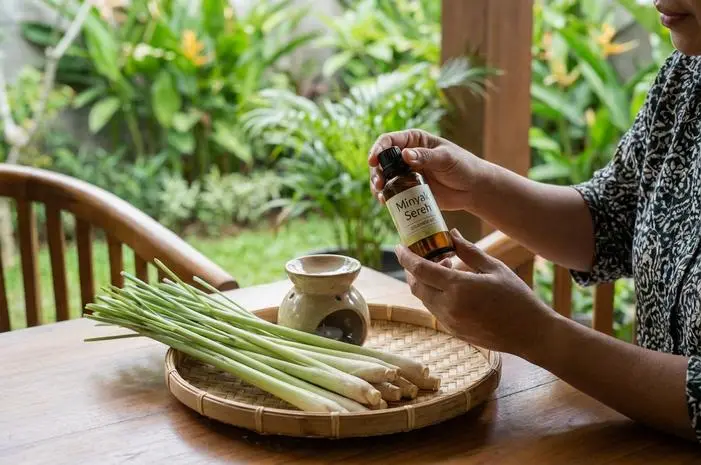
    How Global Essential Oil Approaches Sustainable Sourcing

    Global Essential Oil, Sustainable Essential Oil Sourcing: A Practical Guide for Buyers, Brands & Formulators

    As an Indonesian essential oil manufacturer with production facilities in Sukabumi, West Java and sourcing networks across Sulawesi, Sumatra, Maluku, and West Java (Garut), our approach to sustainability is shaped by being part of the Indonesian essential oil ecosystem — not observing it from the outside.

    • Direct farmer and distiller relationships: We maintain direct purchasing relationships with farmer cooperatives and distillers across our sourcing regions, reducing intermediary layers and improving price transparency
    • Halal certification (MUI): Verifiable at halalmui.org — provides ingredient traceability and facility compliance documentation
    • Batch-specific COA and GCMS: Every shipment has a unique batch number linked to specific production records — the foundation of supply chain traceability
    • DUNS registration: Verified business credentials at dnb.com — confirming established manufacturer status, not a trading operation
    • CITES-compliant agarwood: Our agarwood oil comes with full CITES documentation confirming legal cultivated origin
    • Organic certification (in progress): We are currently working toward organic certification for selected oil categories to meet growing EU buyer requirements
    • Vetiver cultivation in Garut: Our vetiver sourcing from Garut farmers directly supports the soil conservation ecosystem services that vetiver cultivation provides in the volcanic hillside communities

    For the complete guide to sourcing and verifying Indonesian essential oils, see: How to Source Essential Oils from Indonesia — Complete Importer’s Guide. For our complete product range, see: Essential Oils from Indonesia — Complete List.

    Final Thoughts: Sustainable Sourcing Is a Practice, Not a Label

    The most important insight this guide can offer is this: sustainable essential oil sourcing is a practice, not a label.

    It is built from specific decisions — which farmers to work with, what price to pay, what documentation to require, which species to source carefully — made consistently over time.

    It cannot be reduced to a single certification logo or a ‘sustainably sourced’ statement on a label without the supply chain practices that back it up.

    For buyers, the practical implication is clear: ask specific questions, request specific documentation, and value suppliers who can answer concretely over those who speak in sustainability generalities.

    The Indonesian essential oil industry — at its best — represents exactly the kind of supply chain that genuine sustainability describes: smallholder farming communities with multi-generational expertise, producing the world’s most important essential oils from cultivated crops, with traceability mechanisms that connect each bottle of oil to the specific soil it came from.

    Source Verified, Traceable Indonesian Essential Oils
    Contact Global Essential Oil to discuss your sustainable sourcing requirements. We provide batch-specific COA and GCMS documentation, MUI Halal certification, DUNS-verified manufacturer credentials, and CITES documentation for agarwood. Tell us which oils you need and we will provide a complete documentation package for your evaluation.
    → Contact Global Essential Oil — Discuss Sustainable Sourcing Requirements

    Explore our verified Indonesian essential oil range: Complete Essential Oil List from Indonesia. Full sourcing guide: How to Source Essential Oils from Indonesia.