Category: Article

  • Pure Patchouli Oil Benefits for Skin: Science-Backed Guide for Consumers & Cosmetic Formulators

    Pure Patchouli Oil Benefits for Skin: Science-Backed Guide for Consumers & Cosmetic Formulators

    pure patchouli oil benefits

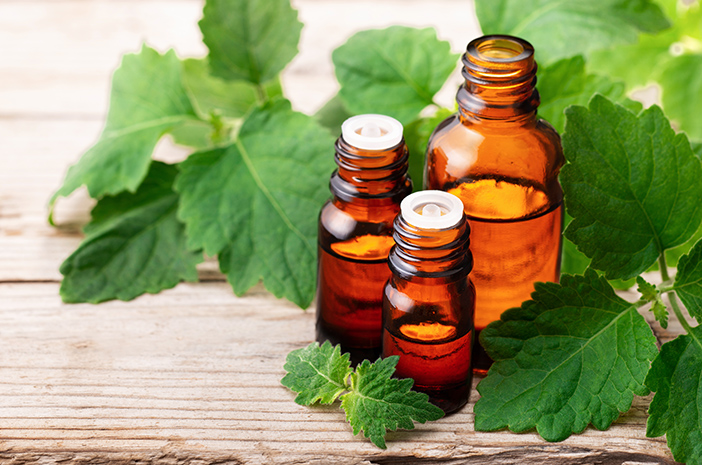
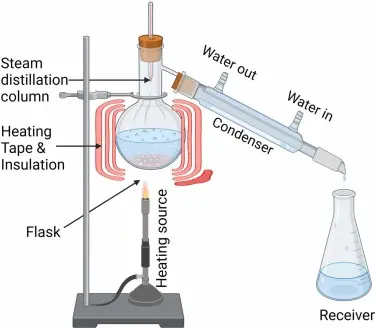
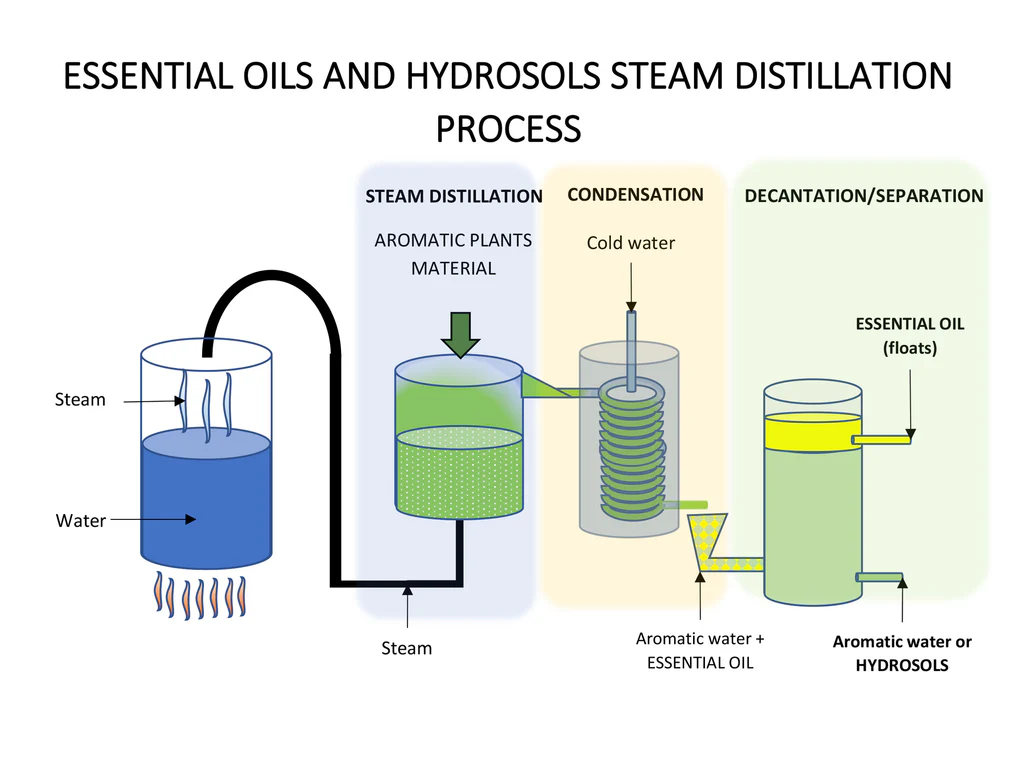
    Pure patchouli oil — steam-distilled from the dried leaves of Pogostemon cablin — has been used in skincare traditions across Southeast Asia, India, and the Middle East for centuries.

    Today it is recognised by both consumers and the cosmetic industry as one of the most functionally versatile essential oils for skin applications: anti-inflammatory, antimicrobial, antioxidant, sebum-regulating, and deeply moisturising — all in a single ingredient that also delivers one of the most distinctive and tenacious natural fragrances available.

    This guide serves two audiences. For consumers exploring patchouli oil as a natural skincare ingredient, the first half explains its scientifically-backed skin benefits, how to use it safely, and what the research actually supports.

    For cosmetic formulators, skincare brand owners, and essential oil buyers, the second half provides the technical specification, grade selection guidance, usage rates, and sourcing information for incorporating Indonesian patchouli oil into commercial skincare formulations.

    Indonesia — the world’s dominant source of patchouli oil — is where Pogostemon cablin is cultivated at scale, in the volcanic highlands of Sulawesi and Sumatra, producing oil with the consistently high patchoulol content that defines premium quality.

    For more on the origins and grades of Indonesian patchouli oil, see: Indonesian Patchouli Oil — Origins, Grades & Sourcing Guide.

    Related Reading

    →  Patchouli Essential Oil — Product Page & Specifications

    →  Indonesian Patchouli Oil — Origins, Grades & Sourcing Guide

    What Makes Pure Patchouli Oil Effective for Skin?

    The skin benefits of patchouli oil are not arbitrary — they are directly linked to its chemical composition. The primary active compounds and their skin-relevant mechanisms:

    • Patchoulol (29–35%): The dominant sesquiterpene alcohol — drives anti-inflammatory, antimicrobial, and wound-healing activity. The higher the patchoulol %, the more potent the therapeutic action. This is why batch-specific patchoulol verification matters for any cosmetic formulation.
    • β-Caryophyllene (5–12%): A CB2 receptor agonist with well-documented anti-inflammatory properties. Reduces skin redness, calms reactive skin, and may support the healing environment for compromised skin barriers.
    • α-Guaiene & β-Patchoulene: Sesquiterpene hydrocarbons that contribute to patchouli’s skin-penetrating and conditioning properties — help the oil interact effectively with skin tissue rather than sitting on the surface.
    • Norpatchoulenol: Trace compound responsible for the characteristic ‘pure’ patchouli top note — its presence or absence in GCMS reports can indicate oil quality and authenticity.
    Why ‘Pure’ Patchouli Oil Matters for Skin
    The word ‘pure’ in patchouli oil for skincare means unadulterated, undiluted, and verified via COA and GCMS — not blended with synthetic patchoulol, carrier oils, or cheaper essential oils. Adulterated patchouli oil has both reduced therapeutic efficacy and higher potential for skin sensitisation (synthetic additions often increase sensitisation risk). Always verify patchoulol % and GCMS compound profile before using any patchouli oil in skin formulations. See: Understanding COA & GCMS Reports.

    Patchouli Oil Benefits for Common Skin Conditions

    pure patchouli oil for acne skin

    Patchouli Oil for Acne-Prone Skin

    Acne involves three primary mechanisms: excess sebum production, P. acnes bacterial colonisation, and inflammatory response. Patchouli oil addresses all three:

    • Sebum regulation: Patchouli’s astringent properties help regulate sebum secretion on oily and combination skin — reducing the excess oil that creates an environment favourable for comedone formation
    • Antimicrobial activity against P. acnes: Patchoulol demonstrates inhibitory activity against Propionibacterium acnes (now reclassified as Cutibacterium acnes) — the primary bacterial driver of inflammatory acne lesions
    • Anti-inflammatory: β-Caryophyllene reduces the inflammatory cascade that converts comedones into red, inflamed papules and pustules

    Usage for acne: 1–2 drops in 1 teaspoon of a non-comedogenic carrier (jojoba oil or hemp seed oil preferred over coconut oil for acne-prone skin). Apply as spot treatment or diluted facial oil. Light (Iron-Free) grade preferred — does not leave amber tint on skin.

    Patchouli Oil for Eczema and Sensitive Skin

    Eczema (atopic dermatitis) is characterised by a compromised skin barrier, chronic inflammation, and immune dysregulation. Patchouli oil’s anti-inflammatory and skin-regenerating properties address multiple aspects of eczema management:

    • Skin barrier support: Patchoulol has demonstrated wound-healing and cell regeneration activity — supporting recovery of the compromised epidermal barrier that characterises eczema
    • Anti-itch potential: Anti-inflammatory compounds reduce the inflammation-driven itch cycle that perpetuates eczema
    • Antimicrobial: Eczema-affected skin is more susceptible to S. aureus colonisation — patchouli oil’s antimicrobial activity may help reduce bacterial load on compromised skin
    ⚠️  Important note on eczema application
    Patchouli oil should be used on eczema at low concentrations (0.5–1% in a gentle carrier) and only on non-weeping, non-infected skin. On broken or acutely inflamed eczema, essential oils — including patchouli — can cause stinging and further irritation. Always perform a patch test and consult a dermatologist for moderate-to-severe eczema management.

    Patchouli Oil for Anti-Ageing and Wrinkles

    Skin ageing involves collagen degradation, oxidative stress, and reduced cell turnover. Patchouli oil contributes to anti-ageing formulations through several mechanisms:

    • Antioxidant activity: Patchoulol and β-caryophyllene have demonstrated free radical scavenging activity — neutralising oxidative stress that accelerates collagen breakdown and promotes the formation of fine lines
    • Cell regeneration: Traditional use of patchouli oil for wound healing is supported by evidence of cytophylactic activity — stimulation of new cell growth that supports skin renewal
    • Moisture retention: Patchouli oil’s lipophilic character helps reinforce the skin’s lipid barrier, reducing transepidermal water loss (TEWL) — a key factor in maintaining plump, youthful-looking skin

    Usage for anti-ageing: 0.5–1.5% in a face oil or serum base. MD (Molecular Distilled) grade is preferred for premium anti-ageing formulations — highest patchoulol content, near-colourless, cleanest aroma for facial application.

    Patchouli Oil for Scarring and Skin Regeneration

    One of patchouli oil’s most historically documented uses is in supporting the healing of wounds and reducing the appearance of scars. The active mechanism is cytophylaxis — the promotion of new cell growth in the epidermis and dermis:

    • Post-acne scarring: Regular application supports the cell turnover that gradually reduces the appearance of post-inflammatory hyperpigmentation and superficial scarring
    • Stretch marks: Consistent use in carrier oil may support skin elasticity and reduce the appearance of stretch marks — particularly effective when used preventively on skin under tension
    • Surgical scars (post-healing): Once the wound is fully closed and healed, patchouli oil in a carrier may support the remodelling phase of scar tissue

    Patchouli Oil for Dry and Dehydrated Skin

    Beyond its therapeutic applications for specific conditions, patchouli oil is a valuable general moisturising and skin-conditioning ingredient.

    Its ability to reduce transepidermal water loss and its lipid-enriching character make it particularly suitable for dry, mature, or dehydrated skin types — especially effective when blended with a nourishing carrier oil such as Virgin Coconut Oil (VCO).

    How to Use Pure Patchouli Oil in Skincare

    pure patchouli oil

    As a Facial Oil

    Blend 2–3 drops of patchouli oil in 1 teaspoon (5ml) of carrier oil. Best carriers for facial use: Virgin Coconut Oil (VCO) for dry/mature skin; jojoba oil for oily/combination skin; rosehip oil for anti-ageing and scar applications. Apply 2–3 drops to clean, damp face and press gently into skin.

    In Body Lotion or Moisturiser

    Add 3–5 drops per 100ml of unscented body lotion or moisturiser. Stir well before each use. The patchouli will settle — an emulsifier is needed for stable formulation in a cosmetic base (see formulator section below).

    As a Bath Oil

    Add 5–8 drops to 1 tablespoon of bath oil dispersant (or VCO) before adding to a warm bath. Patchouli oil does not mix directly with water — always pre-dilute in a carrier or dispersant.

    In a Face Mask

    Add 1–2 drops to a clay or cream face mask base before application. For acne-prone skin, add to kaolin clay. For dry/mature skin, add to honey or cream base.

    ⚠️  Always dilute — never apply undiluted
    Patchouli oil at full strength can cause skin sensitisation, particularly on sensitive or reactive skin. The recommended maximum concentration for leave-on facial products is 0.5–1.5% — equivalent to 2–3 drops per teaspoon of carrier. Always perform a 24-hour patch test on inner arm before applying to face. Avoid contact with eyes and mucous membranes.

    For Skincare Formulators: Grade Selection & Technical Application Guide

    pure patchouli oil for skincare formulators

    For cosmetic formulators and skincare brand owners incorporating Indonesian patchouli oil into commercial products, this section provides the technical framework for grade selection, usage rates, formulation compatibility, and sourcing specifications.

    Grade Selection for Skincare Formulations

    Skincare ProductRecommended GradeReasonMax Usage Rate
    Face serum / facial oilLight (Iron-Free) or MDColour-neutral — no amber tint on skin or in white/pale base0.5 – 1.5%
    Anti-ageing cream / moisturiserMDHighest patchoulol %, cleanest aroma, fully colour-neutral0.5 – 1.0%
    Acne treatment oilLight (Iron-Free)Colour-neutral + validated antimicrobial activity0.5 – 1.5%
    Body lotion (opaque/white)Light or MDColour neutrality important for white base1.0 – 2.0%
    Body lotion (natural/tinted)Dark or LightDark acceptable in earth-toned or natural positioning1.0 – 2.0%
    Eye creamMD onlyStrictest IFRA limits; MD for purity and minimal sensitisation risk0.1 – 0.25%
    Lip balm / lip productMD onlyMucous membrane contact — MD for highest purity0.05 – 0.1%
    Body scrubDark or LightRinse-off — less strict colour requirement1.0 – 2.5%
    Bath oilDark or LightLeave-on equivalent; colour acceptable in bath format1.0 – 3.0%
    Natural / organic skincareLight or MDIFRA-compliant; natural origin declaration; EU Ecocert compatible0.5 – 1.5%

    For complete technical specifications of all three grades (Dark, Light, MD) including patchoulol %, specific gravity, refractive index, optical rotation, and colour parameters, see: Patchouli Oil Grades Explained — Dark, Light & MD.

    For application in cosmetics, perfumes, and soap manufacturing, see: Patchouli Oil in Cosmetics, Perfumes & Soaps.

    IFRA Compliance for Skin Products

    Under the IFRA 51st Amendment, patchouli oil usage limits for skin products are generous compared to high-sensitiser ingredients like clove or cinnamon — but limits still apply for leave-on products. Key limits for patchouli oil:

    • Leave-on face products (Cat 2): Maximum 2.0% in finished product
    • Leave-on body products (Cat 3): Maximum 5.0% in finished product
    • Lip products (Cat 4): Maximum 0.5% — mucous membrane contact
    • Baby products (Cat 5a): Maximum 0.5% — strictest limit
    • Rinse-off (Cat 6/7/8): More permissive limits apply

    For EU and UK commercial products, patchouli oil constituents do not require mandatory allergen declaration at typical usage concentrations — but always have your formulation reviewed as part of a CPSR (Cosmetic Product Safety Report) before commercial launch.

    Formulation Compatibility

    • Oil phase: Patchouli oil is fully oil-soluble — add to the oil phase of emulsions
    • Water-based formulations: Requires solubiliser (Polysorbate 20 or Caprylyl/Capryl Glucoside) at 3–4× the patchouli oil quantity for clear water-based toners and serums
    • pH stability: Stable across pH 4–8 — compatible with the full range of skincare formulation pH
    • Heat: Add to cool-down phase below 40°C to preserve top aromatic notes — though base sesquiterpenes are thermally stable
    • Preservative systems: Compatible with all standard cosmetic preservative systems
    • Colour impact: Dark grade imparts amber colour — use Light or MD for white, pale, or transparent formulations

    Blending Partners for Skincare

    Patchouli blends exceptionally well with the following for skincare formulations — all available from Global Essential Oil:

    • Lemongrass Oil at 3:1 (lemongrass:patchouli) — brightening + grounding combination for oily/acne-prone skin. See: Lemongrass Oil Benefits for Cosmetics.
    • Virgin Coconut Oil (VCO) as carrier — 1–2% patchouli in VCO for facial or body oil. Lauric acid in VCO provides additional antimicrobial benefit for acne formulations.
    • Rosehip seed oil as carrier — 1–1.5% patchouli in rosehip for anti-ageing and scar serums. Rosehip’s trans-retinoic acid + patchouli’s cytophylactic properties are complementary.
    • Frankincense oil at 1:1 — skin regeneration and anti-ageing blend; frankincense α-pinene complements patchouli’s cell-renewal activity.

    Sourcing Pure Patchouli Oil for Skincare Manufacturing

    pure patchouli oil for skincare manufacturing

    For cosmetic manufacturers and skincare brands sourcing bulk patchouli oil for skincare production, specify the following in your purchase order to ensure compliance and consistency:

    • Grade: Light (Iron-Free) for most skincare; MD for premium facial and anti-ageing products
    • Minimum patchoulol %: ‘patchoulol ≥29%’ (Light) or ‘patchoulol ≥32%’ (MD)
    • COA — batch-specific: patchoulol %, specific gravity, refractive index, optical rotation, colour
    • GCMS report: Compound fingerprint — confirms authentic Indonesian profile and detects adulteration
    • IFRA compliance documentation: Usage limits per product category for your safety assessor
    • Halal certificate (MUI): Required for Middle East and Muslim-market skincare products
    • MSDS: Required for shipping, handling, and safety documentation
    Launching a Patchouli-Based Skincare Brand?
    If you are building a new skincare brand or adding a patchouli-focused line to an existing range, Global Essential Oil’s Private Label service can produce finished formulations — facial oils, serums, body lotions, and bath oils — with patchouli oil at your specified grade and concentration, under your brand name. Contact our team to discuss your concept.

    Related Reading

    →  How to Source Essential Oils from Indonesia — Complete Importer’s Guide

    →  Patchouli Oil for Hair Growth — Formulator’s Guide (Companion Article)

    →  Patchouli Oil in Cosmetics, Perfumes & Soaps — Full Application Guide

    Sourcing Pure Indonesian Patchouli Oil from Global Essential Oil

    best patchouli essential oil manufacturer indonesia

    As one of Indonesia’s largest patchouli oil manufacturers, Global Essential Oil supplies skincare manufacturers, cosmetic formulators, and brand owners with all three grades of pure Indonesian patchouli oil — verified, documented, and export-ready.

    • All grades available: Dark, Light (Iron-Free), MD — from Sulawesi and Sumatra origins
    • Batch-specific COA + GCMS: Every order — patchoulol %, full compound profile, physical parameters
    • Halal certified (MUI): Verifiable at halalmui.org
    • DUNS registered: Verified manufacturer — not a broker or trader
    • Grade sample kit: Dark + Light + MD samples with COA and GCMS — compare side-by-side before bulk commitment
    • VCO available as companion product: Source patchouli + carrier oil from the same supplier — single documentation set
    • Private label: Patchouli-based skincare formulations under your brand name
    Request a Patchouli Oil Sample Kit for Skincare Formulation
    Contact our team to request a grade sample kit — Light (Iron-Free) and MD patchouli oil from our current Indonesian stock — with batch-specific COA, GCMS report, and Halal certificate. Ideal for skincare formulation testing before bulk commitment. We respond within 1 business day.
    → Contact Global Essential Oil — Request Patchouli Skincare Sample Now

    Or visit our Patchouli Essential Oil product page for full specifications and ordering information.

  • Indonesian Nutmeg Oil (Myristica fragrans): Manufacturer, Exporter & Bulk Sourcing Guide

    Indonesian Nutmeg Oil (Myristica fragrans): Manufacturer, Exporter & Bulk Sourcing Guide

    indonesian nutmeg oil

    When buyers search for a reliable nutmeg essential oil manufacturer Indonesia, they are almost always, whether they know it or not, searching for an Indonesian product.

    Indonesia — and specifically the Banda Islands of the Maluku province — is the original and still primary home of Myristica fragrans, the evergreen tree that produces both nutmeg and mace.

    These tiny volcanic islands were, for centuries, the only place in the world where nutmeg was cultivated, and they remain the global benchmark for nutmeg essential oil quality today.

    This guide is written for importers, fragrance formulators, pharmaceutical manufacturers, food and flavour companies, and essential oil distributors who need technically accurate, B2B-focused information before placing a bulk order: what makes Indonesian nutmeg oil the world standard, its full chemical profile and specifications, industry applications, safety considerations, how to verify a manufacturer or exporter, and how to structure your first order.

    If you are ready to go directly to our product page, Global Essential Oil’s Indonesian Nutmeg Oil is available here.

    Related Reading

    →  Nutmeg Essential Oil — Product Specifications & Sample Request

    →  How to Source Essential Oils from Indonesia — Complete Importer’s Guide

    Why Indonesian Nutmeg Oil Is the Global Standard

    The connection between Indonesia and nutmeg is not merely geographical — it is historical, botanical, and qualitative.

    The Banda Islands, part of Indonesia’s Maluku archipelago, are the indigenous home of Myristica fragrans.

    These volcanic islands were so central to the global spice trade that European powers fought wars over them for centuries — the Dutch, Portuguese, and British all sought control of what were then called the “Spice Islands.”

    Today, Indonesia remains one of the world’s largest producers of nutmeg, with cultivation concentrated across the Maluku Islands (particularly Banda, Ambon, and Ternate), North Sulawesi, and parts of West Papua and Sumatra.

    The combination of volcanic soil, equatorial climate, and multi-generational farming expertise creates conditions that produce nutmeg with exceptionally high essential oil content — a characteristic confirmed by research showing Indonesian nutmeg oil has among the highest myristicin content of any global origin.

    Banda Nutmeg — The Premium Origin
    Within Indonesian nutmeg production, Banda Island nutmeg is considered the benchmark of quality. Research on Maluku nutmeg ecotypes confirms that Banda origin nutmeg has the highest myristicin content — the primary aromatic compound responsible for nutmeg oil’s characteristic warm, spicy profile. For buyers who specify premium-quality nutmeg oil for fine fragrance or pharmaceutical applications, Banda origin is the specification that matters.

    Myristica fragrans Oil: Botanical Profile & Chemical Composition

    myristica fragrans oil

    The Plant Behind the Oil

    Myristica fragrans Houtt. is a large, aromatic evergreen tree in the family Myristicaceae, native to the Banda Islands.

    It produces two commercially important spices from a single fruit: nutmeg (from the dried seed kernel) and mace (from the dried red aril surrounding the seed).

    Both the seed and mace yield essential oils through steam distillation, though commercially, nutmeg seed oil is the dominant product traded internationally.

    The species is also known by the botanical synonyms Myristica officinalis and Myristica aromatica in older literature — buyers reviewing historical documentation may encounter these names.

    For any purchasing documentation, specify Myristica fragrans Houtt. as the authoritative botanical name.

    Chemical Composition of Indonesian Nutmeg Oil

    Indonesian nutmeg oil’s chemical profile is dominated by monoterpene hydrocarbons, with a distinctive aromatic ether fraction — most importantly myristicin — that gives it its characteristic warm, spicy-woody aroma and its pharmaceutical significance.

    Based on research from Maluku nutmeg ecotypes:

    Compound ClassKey Compounds% Range (Indonesian)Significance
    Monoterpene Hydrocarbonsα-Pinene, Sabinene, β-Pinene, Limonene, γ-Terpinene45 – 60%Dominant fraction; fresh, terpenic, spicy character; primary aroma contributors
    Oxygenated MonoterpenesTerpinen-4-ol, α-Terpineol, Linalool, 1,8-Cineole20 – 28%Functional activity; terpinen-4-ol is the key therapeutic compound (analgesic, antimicrobial)
    Aromatic EthersMyristicin, Elemicin, Safrole12 – 20%Characteristic spicy depth; myristicin is the signature compound of nutmeg — highest in Banda origin
    Sesquiterpenesβ-Caryophyllene, others1 – 3%Woody depth; anti-inflammatory properties
    Esters & OtherMethyl eugenol, other minor compounds1 – 3%Contribute to overall aroma complexity
    The Myristicin Question: Safety Context for B2B Buyers
    Myristicin is nutmeg oil’s signature compound — but it is also the compound that requires careful attention in formulation. At high doses, myristicin has psychoactive and toxic properties (this is the basis of nutmeg’s historical misuse). However, at commercially formulated concentrations in fragrance and cosmetics (typically 0.1–2% in finished product), the exposure is far below any toxicological concern.

    IFRA sets a fragrance usage maximum of 2% in fine fragrance and Ultra International notes max 640 ppm for flavour use.  For pharmaceutical applications, always consult current monograph standards (e.g., BP, USP, or EP) for myristicin limits in the relevant preparation. The key takeaway: nutmeg oil is a safe and widely used commercial ingredient at appropriate concentrations — the safety context matters for your formulation documentation, not as a reason to avoid it.

    Technical Specifications: What to Verify Before Ordering

    Global Essential Oil, Indonesian Nutmeg Oil (Myristica fragrans): Manufacturer, Exporter & Bulk Sourcing Guide

    Every bulk order of Indonesian nutmeg oil should be accompanied by a batch-specific COA confirming the following parameters. Indonesian nutmeg oil specifications are based on ISO 3215 (the international standard for nutmeg oil) and Indonesian national standard SNI:

    ParameterIndonesian Nutmeg Oil SpecificationNotes
    Botanical NameMyristica fragrans Houtt.Specify on PO — distinguishes from other Myristica species
    CAS Number8008-45-9 (nutmeg seed oil)Standard regulatory identifier for customs and SDS
    Plant PartDried seed kernel (nutmeg)Seed oil — not mace oil (different spec and price)
    Extraction MethodSteam distillationIndustry standard; CO₂ extracts exist but rare commercially
    ColourColourless to pale yellowClear, thin liquid — cloudiness may indicate contamination
    Specific Gravity (25°C)0.897 – 0.909Confirmed by Maluku research; purity and authenticity check
    Refractive Index (20°C)1.474 – 1.491Optical confirmation of genuine nutmeg profile
    Optical Rotation(+) 8° to (+) 30°Positive rotation — distinguishes from adulterated or synthetic
    Myristicin Content5 – 14% (Indonesian; Banda highest)Signature compound — higher in Banda ecotype
    Terpinen-4-olTypically 5–10%Key functional active compound
    SabineneTypically 15–30%Dominant monoterpene — freshness indicator
    Flash PointApprox. 45–55°CFlammable liquid — DG Class 3 for shipping
    Shelf Life24 months (sealed, cool, dark)Monoterpene oxidation accelerates if exposed to air/light
    OriginMaluku Islands, IndonesiaSpecify Banda if premium grade is required

    For complete guidance on reading and verifying COA and GCMS documentation, including how to detect adulteration in nutmeg oil, see: Understanding COA & GCMS Reports in Essential Oil Trading.

    Industry Applications of Indonesian Nutmeg Oil

    indonesian nutmeg oil

    Indonesian nutmeg oil (Myristica fragrans) serves a remarkably wide range of industries — one of the reasons it is consistently in demand from multiple buyer segments simultaneously. Here is the application breakdown:

    Fragrance & Perfumery

    In perfumery, nutmeg oil is classified as a middle-to-base note with a warm, spicy, woody-sweet character.

    Its key role is adding depth and naturalness to oriental, spicy, and gourmand fragrance families.

    It blends exceptionally well with: patchouli (Dark or Light grade), lemongrass, clove, cedarwood, orange, ginger, and ylang ylang.

    • Fine fragrance concentrate: Up to 2% (IFRA maximum) — as warm, spicy heart-to-base note
    • Functional fragrance (candle, home): 3–5% — good heat stability; excellent warm room scent
    • Personal care fragrance: 0.5–1.5% — compatible with most cosmetic bases

    Pharmaceutical & Medical Applications

    Nutmeg oil has a long history in traditional medicine and continues to have relevance in modern pharmaceutical applications, primarily due to terpinen-4-ol (analgesic, antimicrobial) and myristicin (CNS activity at therapeutic doses):

    • Topical analgesic formulations: Warming liniments, muscle rubs, joint pain preparations — terpinen-4-ol provides analgesic activity
    • Carminative preparations: Traditional use for digestive complaints — included in some herbal digestive formulations
    • Dental formulations: Historically used in dental preparations alongside clove oil
    • Ayurvedic preparations: Significant use in South Asian traditional medicine systems for neurological and digestive applications

    Food & Flavour Industry

    Nutmeg oil is an FEMA GRAS (Generally Recognised as Safe) flavour ingredient widely used in the food and beverage industry. Key applications include:

    • Beverage flavouring: Eggnog, mulled wine, chai tea, and seasonal beverage formulations
    • Bakery and confectionery: Warm spice notes in baked goods, chocolate formulations, and spice blends
    • Meat processing: Sausage and processed meat flavour compounds — nutmeg is a classical meat spice ingredient
    • Savoury seasoning: Spice oil blends for instant noodles, soups, and processed foods — particularly important in Asian food manufacturing
    Usage limits for food applications
    Ultra International specifies nutmeg oil maximum usage at 640 ppm (0.064%) in food applications. Always verify current FEMA and regional food safety authority limits for your specific application and target market. For EU food use, comply with Regulation (EC) No 1334/2008 on flavouring substances.
    Cosmetics & Personal Care

    • Skin care (anti-inflammatory): Face masks, spot treatments — terpinen-4-ol provides mild antimicrobial activity
    • Body care fragrance: Warm, exotic spice note in body lotions, scrubs, bath products
    • Hair care: Scalp stimulating preparations — warming effect supports circulation-stimulating claims
    • Men’s grooming: Natural spice note in aftershaves, beard oils, and men’s personal care ranges

    Related Reading

    →  Clove Essential Oil — Maluku’s Other Premium Oil

    →  Bulk Clove Oil Supplier Indonesia — Companion Maluku Product Guide

    →  Lemongrass Oil Benefits for Cosmetics — Blending Partner Guide

    How to Find a Verified Nutmeg Essential Oil Manufacturer Indonesia

    nutmeg essential oil manufacturer Indonesia

    The Indonesian essential oil supply chain for nutmeg — as with most oils — includes genuine manufacturers, regional accumulators, traders, and brokers. The distinction matters significantly for bulk B2B buyers:

    CriterionTrue Manufacturer / ExporterBroker / Trader
    Production involvementOwns or directly contracts distillation — can specify Banda vs Ambon originSources from third parties — often cannot specify sub-origin
    Batch-specific COAIssues own batch-specific COA from in-house QCMay relay third-party COA — batch numbers may not match physical goods
    GCMS capabilityHas access to in-house or contracted analytical labLimited ability to verify compound profile independently
    Export licenseHolds active Indonesian export registration (NIB + export authorization)May operate under another company’s export license
    Certification ownershipHalal cert, ISO, DUNS in the same company nameCertifications belong to actual manufacturer — not the broker
    Origin specificityCan name Banda, Ambon, Ternate or other specific sub-originUsually can only say ‘Indonesia’ or ‘Maluku’
    PricingDirect factory pricing — most competitiveMarked up from manufacturer price
    CustomisationCan accommodate grade specifications, packing preferencesLimited ability — depends on their supplier

    Verification Checklist Before Placing a Bulk Order

    1. Request NIB and export license: Indonesia’s NIB (Nomor Induk Berusaha) is verifiable at oss.go.id — confirm the same company name appears on all documentation
    2. Verify Halal certification: MUI certificate verifiable at halalmui.org — ensure it is in the manufacturer’s name, not a parent or affiliated company
    3. Check DUNS Number: Dun & Bradstreet verification at dnb.com — confirms established business entity
    4. Request video call factory tour: Any legitimate manufacturer will accommodate this — look for distillation equipment, storage tanks, and on-site QC laboratory
    5. Order sample with batch-specific COA: Sample batch number must match COA batch number — mismatch is a serious red flag
    6. Request GCMS report: Verify myristicin content and overall compound profile matches Indonesian Myristica fragrans specification
    7. Confirm origin specificity: Can the supplier confirm Maluku sub-origin (Banda, Ambon, etc.)? A genuine manufacturer can answer this precisely

    Related Reading

    →  Complete Supplier Verification Guide — How to Source from Indonesia

    →  Understanding COA & GCMS Reports — Verify Before You Order

    MOQ, Packaging & Pricing: What to Expect

    moq, packagin, and pricing nutmeg essential oil manufacturer indonesia

    Minimum Order Quantities

    • Sample: 50–200ml with COA, GCMS, MSDS — evaluate before bulk commitment
    • Small bulk (trial): 5–25kg in aluminium jerrycan — first bulk order tier
    • Standard bulk: 180kg in aluminium drum — single container unit
    • Large bulk: 500kg+ in multiple drums or IBC — for industrial and high-volume buyers

    Packaging

    Nutmeg oil should always be shipped in aluminium containers — aluminium is non-reactive with the oil’s terpene and aromatic ether fractions.

    Avoid iron or galvanized containers which can cause discolouration and chemical degradation.

    Nutmeg oil is classified as a Dangerous Goods Class 3 (Flammable Liquid) due to its flash point (~45–55°C) — all shipping must comply with IMDG/ADR regulations for sea and road transport.

    Pricing Factors

    • Origin grade: Banda-origin commands a premium over standard Maluku — specify in PO for accurate quote
    • Harvest timing: Nutmeg in Maluku is harvested June–September. Post-harvest pricing (October–January) most competitive
    • Volume: Drum pricing (per kg) is lower than jerrycan; multi-drum orders receive better rates
    • Certifications: Halal, MSDS, COA standard; GCMS or third-party lab report may carry small surcharge

    Indonesian Nutmeg Essential Oil from Global Essential Oil

    As a leading nutmeg essential oil manufacturer Indonesia, Global Essential Oil sources nutmeg oil from our network across the Maluku Islands — the origin region that defines global nutmeg quality standards. Our nutmeg offering:

    • Origin: Maluku Islands, Indonesia — the world’s benchmark source for Myristica fragrans oil
    • Batch-specific COA: Every shipment — myristicin %, terpinen-4-ol %, specific gravity, refractive index, optical rotation
    • GCMS report: Full compound fingerprint confirming genuine Indonesian Myristica fragrans profile
    • MSDS/SDS: Current safety data for shipping classification and handling compliance
    • Halal certified (MUI): Verifiable at halalmui.org — required for Middle East, South Asian, and EU Muslim-market products
    • DUNS registered: Verified manufacturer credentials — verifiable at dnb.com
    • MOQ flexibility: From 50ml evaluation sample to multi-drum bulk orders
    • Companion Maluku products: Clove oil (Bud/Leaf/Stem/Eugenol USP) also from Maluku — single supplier, single documentation set for both

    We also supply private label formulations incorporating nutmeg oil — for brands looking to launch warming body care, men’s grooming, or spice-forward fragrance products. See: Private Label Essential Oil Manufacturing from Indonesia.

    Related Reading

    →  All Indonesian Essential Oils — Full Range from Global Essential Oil

    →  About Global Essential Oil — Our Facilities & Certifications

    Request an Indonesian Nutmeg Oil Sample + Full Documentation
    Contact our team to request a Myristica fragrans (nutmeg) oil sample from our current Maluku stock, complete with batch-specific COA, GCMS compound profile, MSDS, and Halal certificate. Ready to discuss bulk pricing or a multi-product order including clove oil? We respond within 1 business day.
    → Contact Global Essential Oil — Request Nutmeg Oil Sample & Wholesale Quote

    Or go directly to our Nutmeg Essential Oil product page for full specifications, or explore the complete range of Indonesian essential oils.

  • Patchouli Oil for Hair Growth: Benefits, Application Guide & What Hair Care Brands Need to Know

    Patchouli Oil for Hair Growth: Benefits, Application Guide & What Hair Care Brands Need to Know

    patchouli oil for hair

    Patchouli oil has long been celebrated for its rich, earthy aroma — but its benefits for hair and scalp health are increasingly being recognized by both consumers and the cosmetic industry.

    From stimulating scalp circulation to controlling excess sebum and supporting the conditions that promote healthy hair growth, Pogostemon cablin oil brings a compelling combination of functional properties and natural fragrance to hair care formulations.

    This guide covers two audiences. For individuals exploring patchouli oil as a natural hair care ingredient, the first sections explain what it does, how to use it safely, and what the research says.

    For cosmetic formulators, hair care brand owners, and essential oil buyers, the latter sections of this article provide the technical specification, grade selection guidance, usage rates, and sourcing information you need to incorporate Indonesian patchouli oil into your commercial hair care product line.

    Related Reading

    →  Indonesian Patchouli Oil — Origins, Grades & Sourcing Guide

    →  Patchouli Essential Oil — Product Specifications

    What Is Patchouli Oil? A Quick Overview

    patchouli oil for hair

    Patchouli oil is an essential oil steam-distilled from the dried leaves of Pogostemon cablin, a tropical herb native to Southeast Asia.

    Indonesia — particularly Sulawesi and Sumatra — produces approximately 80–90% of the world’s patchouli oil supply, making it the definitive source for this ingredient globally.

    The oil’s primary active compound is patchoulol (patchouli alcohol) — a sesquiterpene alcohol that constitutes 29–35% of the oil depending on grade.

    Patchoulol is responsible for the oil’s characteristic deep, earthy aroma and contributes to its anti-inflammatory and antimicrobial properties that make it relevant for scalp and hair care applications.
    Patchouli oil is available in three commercial grades — Dark, Light (Iron-Free), and Molecular Distilled (MD) — each with different colour profiles and slight aroma variations.
    For hair care applications, the grade choice matters significantly, as we explain in the formulator’s section below. For a complete technical guide to grades, see: Patchouli Oil Grades Explained: Dark, Light & MD.

    Patchouli Oil Benefits for Hair and Scalp

    patchouli oil benefits for hair

    Scalp Circulation and Hair Follicle Stimulation

    One of patchouli oil’s most discussed benefits for hair growth is its ability to stimulate scalp circulation when applied topically.

    The warming sensation and mild vasodilatory effect of patchoulol and associated sesquiterpenes may support increased blood flow to hair follicles — delivering more oxygen and nutrients to the follicular bulb, which is critical for active hair growth phases.

    A 2025 study published in PMC on Light Fraction Patchouli Oil (LFPO) — a processed variant of patchouli oil — showed inhibition of Malassezia globosa (the fungus primarily responsible for dandruff) of 31.18mm, and demonstrated a 41.6mm increase in hair length in the test model compared to controls.

    This represents one of the most recent scientific validations of patchouli oil’s hair care relevance, and positions Light (Iron-Free) grade patchouli specifically as the preferred option for hair tonic and scalp treatment formulations.
    Sebum Regulation

    Patchouli oil functions as a natural astringent — it helps regulate excess sebum production on the scalp surface.

    This makes it particularly useful in formulations targeting oily scalp conditions, where excess sebum can block follicles and create an environment unfavorable for healthy hair growth.

    Regular use in a scalp serum or pre-shampoo oil treatment can help balance scalp sebum levels over time.

    Antifungal Activity for Dandruff Control

    The antifungal properties of patchouli oil — specifically against Malassezia species — position it as a scientifically-supported active in anti-dandruff formulations.

    Unlike synthetic antifungal agents (zinc pyrithione, selenium sulfide, ketoconazole), patchouli oil offers a natural, plant-derived alternative that appeals to the growing segment of consumers seeking clean, botanical hair care products.

    Anti-inflammatory Support for Scalp Health

    Chronic scalp inflammation is a contributing factor in several hair loss conditions, including androgenetic alopecia and telogen effluvium.

    Patchouli oil’s mild anti-inflammatory activity — driven by β-caryophyllene and patchoulol — may support a calmer scalp environment that is more conducive to healthy hair retention and growth.

    Natural Conditioning and Fragrance

    Beyond its functional properties, patchouli oil contributes natural conditioning benefits to hair care formulations — its lipophilic character helps coat the hair shaft, reducing frizz and improving shine.

    And its long-lasting, tenacious aroma — one of the best natural fixatives in perfumery — means that hair products formulated with patchouli maintain their scent significantly longer than those using more volatile essential oils.

    How to Use Patchouli Oil for Hair: Application Guide

    How to Use Patchouli Oil for Hair

    Scalp Massage Oil

    The simplest and most direct application of patchouli oil for hair and scalp benefits is as a pre-shampoo scalp massage oil.

    Blend 2–3 drops of patchouli oil into 1 tablespoon of a carrier oil — Virgin Coconut Oil (VCO) is an excellent choice for this purpose, as it penetrates the hair shaft, provides additional scalp nourishment, and complements patchouli’s warm aroma.

    Massage into the scalp in circular motions for 5–10 minutes, leave for 20–30 minutes, then shampoo as normal.

    Add to Shampoo or Conditioner

    Add 3–5 drops of patchouli oil to your regular shampoo or conditioner (per 100ml of product).

    This is one of the easiest ways to incorporate patchouli oil into a daily hair care routine without changing existing habits.

    The astringent and antifungal properties remain active even in a rinse-off format at these concentrations.
    Leave-On Scalp Serum

    For a more targeted approach, blend patchouli oil at 0.5–1% concentration in a lightweight carrier such as jojoba oil or argan oil, and apply directly to the scalp (not the hair length) at night.

    This leave-on application allows more sustained contact time with the follicle environment.

    Beard Oil

    For beard care, patchouli oil at 1–3% in a carrier oil blend (VCO + jojoba + sweet almond) provides: conditioning for beard hair, moisturisation for the skin underneath, and a distinctive natural masculine fragrance that is both long-lasting and appealing.

    The grounding, earthy-woody aroma of patchouli pairs particularly well with cedarwood, vetiver, or bergamot as blending partners in men’s grooming products.

    ⚠️  Dilution Is Essential
    Patchouli oil should never be applied undiluted directly to the scalp or hair. Always dilute in a carrier oil at the concentrations listed above. At full strength, the oil can cause skin sensitisation and irritation. Start with lower concentrations (0.5%) if you have sensitive skin, and perform a patch test 24 hours before first full application.

    The Science: What Research Says About Patchouli Oil and Hair

    Patchouli Oil for Hair

    The scientific literature on patchouli oil and hair care is growing, with several studies providing relevant evidence for its mechanisms of action:

    • Antifungal activity vs Malassezia (2025, PMC): Light Fraction Patchouli Oil demonstrated 31.18mm inhibition zone against Malassezia globosa — the primary dandruff-causing fungus. This positions patchouli oil, particularly in its Light (Iron-Free) processed form, as a scientifically validated natural antifungal for scalp care formulations.
    • Hair growth stimulation (2025, PMC): The same study demonstrated 41.6mm hair length increase in the test model compared to controls — providing direct evidence for patchouli oil’s hair growth stimulating potential when formulated as a hair tonic.
    • Anti-inflammatory activity: Multiple studies confirm that β-caryophyllene — present at 5–12% in patchouli oil — acts as a CB2 receptor agonist with documented anti-inflammatory effects. This supports patchouli oil’s use in formulations targeting scalp inflammation.
    • Antimicrobial properties: Patchoulol demonstrates antimicrobial activity against several bacteria and fungi relevant to scalp health. Combined with β-caryophyllene’s anti-inflammatory properties, patchouli oil offers a multi-mechanism approach to scalp health maintenance.
    Important Note on ‘Hair Growth’ Claims
    While the evidence above is promising, ‘hair growth’ is a regulated claim in most major cosmetic markets (EU, US, UK). Cosmetic products can make claims related to ‘supporting conditions for healthy-looking hair’ or ‘scalp conditioning’ — but direct claims of ‘regrows hair’ or ‘reverses hair loss’ constitute drug claims in most jurisdictions and require clinical substantiation. Always work with a regulatory specialist to ensure your product claims are compliant for your target market.

    For Hair Care Formulators & Cosmetic Brands

    The section below covers technical sourcing information for B2B buyers, manufacturers, and brand owners.

    For Hair Care Formulators: Grade Selection & Technical Usage Guide

    For cosmetic formulators and hair care brand owners looking to incorporate Indonesian patchouli oil into commercial products, this section provides the technical information needed to make the right grade choice and formulate effectively.

    Which Grade for Hair Care Applications?

    Hair Care ProductRecommended GradeReasonUsage Rate
    Shampoo (any colour)Light (Iron-Free)Dark grade imparts amber colour to clear/white shampoo base0.3 – 0.8%
    ConditionerLight (Iron-Free)Colour neutrality; compatible with conditioning polymer systems0.3 – 0.5%
    Scalp treatment serumLight or MDLeave-on application; colour and aroma refinement matters0.5 – 1.0%
    Hair tonic / scalp sprayLight (Iron-Free)Based on 2025 LFPO research — Light grade is specifically validated0.5 – 1.5%
    Pre-shampoo scalp oilDark or LightDark acceptable in carrier oil — rich aroma; Light for lighter profile1.0 – 3.0%
    Beard oilDark or LightDark preferred for masculine fragrance depth; Light for cleaner profile1.0 – 3.0%
    Hair mask / deep treatmentLightApplied to scalp and hair — colour neutrality important0.5 – 1.0%
    Dry shampooLight or MDPowder format — Light/MD for minimal colour impact0.3 – 0.5%

    For a complete technical breakdown of all three grades (Dark, Light, MD) including patchoulol content, specific gravity, and refractive index specifications, see: Patchouli Oil Grades Explained: Dark, Light (Iron-Free) & MD.

    Formulation Compatibility Notes

    • pH stability: Patchouli oil is stable across pH 4–8, covering the typical range of hair care products (shampoos pH 5–6, conditioners pH 3.5–5)
    • Heat stability: Stable at typical processing temperatures for hair care (up to 70°C). Add after cooling for cold-process or pour-down methods
    • Surfactant compatibility: Compatible with anionic, cationic, and non-ionic surfactant systems — solubiliser (e.g., polysorbate 20) recommended for clear shampoo bases at concentrations above 0.5%
    • Silicone compatibility: Compatible with dimethicone and other silicones used in conditioning formulations
    • IFRA compliance: For hair care leave-on products (scalp serums, oils), ensure total patchouli oil concentration is within IFRA limits for the relevant product category

    Blending Partners for Hair Care

    Patchouli pairs exceptionally well with the following essential oils in hair care formulations — all available from Global Essential Oil for single-supplier sourcing:

    • Lemongrass Oil at 3:1 (lemongrass:patchouli) — antifungal + citrus freshness. Ideal for anti-dandruff shampoo. See: Lemongrass Oil Benefits for Cosmetics.
    • Virgin Coconut Oil (VCO) as carrier at 3–5% patchouli in VCO — classic hair treatment base. VCO’s lauric acid penetrates hair shaft while patchouli provides scalp benefits and fragrance.
    • Cedarwood oil at 2:1 (cedar:patchouli) — woody, grounding masculine blend for men’s shampoo and beard care range
    • Rosemary oil at 2:1 (rosemary:patchouli) — scalp stimulating combination; rosemary’s proven hair growth activity + patchouli’s antifungal and conditioning benefits

    Sourcing Patchouli Oil in Bulk for Hair Care Manufacturing

    For hair care brands and manufacturers ready to source Indonesian patchouli oil in bulk, here are the key specifications to include in your purchase order:

    • Grade: Specify explicitly — Light (Iron-Free) for most hair care applications, or MD for premium leave-on products
    • Minimum patchoulol %: State ‘patchoulol ≥29%’ for Light/Dark, or ‘patchoulol ≥32%’ for MD
    • COA required: Batch-specific — patchoulol %, specific gravity, refractive index, optical rotation, colour
    • GCMS report: Compound fingerprint confirmation — verify authentic Indonesian patchouli profile
    • Halal certificate (MUI): Required for Middle East and Muslim-market hair care products
    • MSDS: Required for shipping and safety documentation

    For the complete guide to supplier verification, documentation, and structuring your first bulk order from Indonesia, see: How to Source Essential Oils from Indonesia.

    For verification of batch quality via COA and GCMS, see: Understanding COA & GCMS Reports.

    Launching a Patchouli-Based Hair Care Brand?
    If you are building a new hair care brand or expanding an existing cosmetics line to include patchouli oil-based products, Global Essential Oil’s Private Label service can produce finished formulations — scalp tonics, hair oils, shampoo bases — with patchouli oil at your specified grade and concentration, under your brand name. Contact our team to discuss your product concept and formulation requirements.

    Sourcing Indonesian Patchouli Oil from Global Essential Oil

    As one of Indonesia’s largest patchouli oil manufacturers, Global Essential Oil supplies hair care manufacturers, cosmetic formulators, and essential oil distributors across Europe, Asia, and the Middle East with all three grades of patchouli oil — sourced from our farmer networks across Sulawesi and Sumatra.

    • All grades available: Dark, Light (Iron-Free), MD — specify at time of order
    • Light grade validated for hair care: Based on 2025 LFPO research, Light grade is specifically supported for scalp tonic and anti-dandruff applications
    • Batch-specific COA + GCMS: Every order — patchoulol %, complete compound profile, physical parameters
    • Halal certified (MUI): Verifiable at halalmui.org
    • MOQ flexibility: From 50ml evaluation sample to multi-drum bulk orders
    • VCO available as companion product: Source patchouli oil and carrier oil from the same supplier — single documentation set
    Request a Patchouli Oil Sample for Hair Care Formulation
    Contact our team to request a grade sample kit — Light (Iron-Free) and MD patchouli oil from our current Indonesian stock, with batch-specific COA, GCMS report, and Halal certificate. Suitable for direct formulation testing in shampoo, scalp serum, or hair oil applications. We respond within 1 business day.
    → Contact Global Essential Oil — Request Patchouli Hair Care Sample Now

    Or visit our Patchouli Essential Oil product page for full grade specifications, or explore our complete Indonesian essential oil range.

  • Clove Oil Safety for Cosmetic & Industrial Use: IFRA Limits, Eugenol Handling & Formulation Guidelines

    Clove Oil Safety for Cosmetic & Industrial Use: IFRA Limits, Eugenol Handling & Formulation Guidelines

    When it comes to clove oil safety cosmetics formulation, understanding the potency of this essential oil is critical. Clove essential oil is one of the most potent and commercially important essential oils in industrial use — but that potency is a double-edged characteristic. The same high eugenol content (typically 70–90% depending on type) that makes clove oil an exceptional dental anesthetic, fragrance ingredient, and antimicrobial agent also makes it one of the more sensitising essential oils when used incorrectly in cosmetic and personal care formulations.

    This guide is written for cosmetic formulators, QC managers, procurement officers, and product developers who need technically accurate, compliance-ready information about clove oil safety — not generic consumer tips. It covers: the chemistry of eugenol and why it requires careful handling, IFRA maximum usage limits by product category, MSDS key safety data, dermal sensitisation assessment, handling protocols for bulk storage, and how to verify eugenol content via COA before approving a batch for production.

    For sourcing information, MOQ, and supplier verification, see our companion guide: Bulk Clove Oil from Indonesia — What Importers Need to Know. For product specifications, visit our Clove Essential Oil product page.

    Related Reading

    →  Clove Essential Oil — Product Page, Grades & Specifications

    →  Eugenol USP — Pharmaceutical & Dental Grade from Indonesia

    →  Bulk Clove Oil Supplier Indonesia — Importer’s Sourcing Guide

    Understanding Eugenol: The Primary Active Compound in Clove Oil

    clove oil

    Before examining safety parameters, it’s essential to understand why eugenol is both the most valuable and most safety-critical compound in clove essential oil. Eugenol (4-allyl-2-methoxyphenol, CAS: 97-53-0) is a naturally occurring phenylpropanoid — a class of compounds known for their strong biological activity and, at higher concentrations, their potential for dermal sensitisation.

    Eugenol Content by Clove Oil Type

    Clove Oil TypeSource PartEugenol ContentPrimary Applications
    Clove Bud OilDried flower buds75 – 85%Fine fragrance, dental, premium cosmetics, aromatherapy
    Clove Leaf OilLeaves70 – 78%Soap, personal care, fragrance compounds, eugenol isolation
    Clove Stem OilDried stalks80 – 92%Pharmaceutical compounding, industrial fragrance, eugenol source
    Eugenol USP (isolated)Distilled from leaf/bud≥ 99.0%Dental anesthetic, pharmaceutical API, food flavouring

    The eugenol content directly determines: (1) the oil’s aromatic potency, (2) its antimicrobial and analgesic efficacy, and (3) the dermal sensitisation risk and therefore the IFRA usage limits that apply. Always request and verify eugenol % from the batch-specific COA before approving any clove oil for production use. See: Understanding COA & GCMS Reports in Essential Oil Trading.

    Other Key Compounds in Clove Oil

    • Eugenyl acetate (2–15%): Contributes sweet, fruity-spicy facets; lower sensitisation potential than eugenol
    • β-Caryophyllene (5–12%): Sesquiterpene with anti-inflammatory properties; contributes woody-spicy depth
    • α-Humulene (trace): Anti-inflammatory sesquiterpene — contributes to clove oil’s therapeutic activity
    Why Eugenol Content Varies Between Batches
    Eugenol % in clove oil is not fixed — it varies based on: (1) harvest timing — buds harvested at optimal ripeness have higher eugenol than over- or under-ripe material; (2) distillation pressure and duration — high-pressure steam can degrade eugenol esters; (3) storage age — eugenol content may decrease slightly over time due to oxidation. This is why batch-specific COA verification is non-negotiable for any production use of clove oil.

    Clove Oil Safety Cosmetics: IFRA Maximum Usage Limits

    clove oil safety cosmetics

    The International Fragrance Association (IFRA) sets maximum usage concentrations for fragrance materials in cosmetic and personal care products. For clove oil, IFRA limits are based on its eugenol content — eugenol is classified as a skin sensitiser under IFRA standards and the EU Cosmetics Regulation (Annex III). The following limits apply to clove oil with typical eugenol content of ~80% (adjust proportionally for different eugenol %):

    Product CategoryIFRA CategoryMax Usage in Finished ProductExamples
    Fine fragranceCat 10.025%Perfume, EDPs, EDTs applied to clothing/skin
    Deodorants & antiperspirantsCat 10.025%Spray, roll-on, stick deodorant
    Face moisturiser / serum (leave-on)Cat 20.025%Face cream, eye cream, serum, face oil
    Body lotion / body oil (leave-on)Cat 30.050%Body moisturiser, body oil, hand cream
    Lip productsCat 40.050%Lip balm, lip gloss — note mucous membrane sensitivity
    Baby products (leave-on)Cat 5a0.0125%Baby lotion, baby oil — strictest limit
    Rinse-off body wash / shower gelCat 60.10%Body wash, shower gel, bath products
    Shampoo / conditionerCat 70.10%Hair care rinse-off products
    Face wash / facial cleanserCat 80.10%Rinse-off facial products
    Bar soapCat 90.25%Cold-process, hot-process, glycerin soap
    Non-skin contact productsCat 10aNo limit stated — use good practiceCandles, reed diffusers, home fragrance
    Fine fragrance (non-skin exposure)Cat 11a0.25%Air freshener sprays, potpourri
    🚨  Critical Compliance Note
    These limits are for finished cosmetic products, not the fragrance concentrate. If you use clove oil at 1% in a fragrance concentrate that then goes into a body lotion at 10% loading, the final eugenol exposure in the finished lotion must still be within the IFRA limit for that product category. Always calculate backwards from the finished product concentration.  IFRA limits are updated periodically — the above is based on the IFRA 51st Amendment. Always verify current limits at ifrafragrance.org before commercial launch, particularly for EU and UK markets where CPSR (Cosmetic Product Safety Report) is required for leave-on products.
    Calculating Clove Oil Usage in Your Formulation
    Formula: Max clove oil % in finished product = IFRA limit ÷ eugenol % in your specific oil  Example: Body lotion (Cat 3, IFRA limit 0.050%), using clove bud oil with 80% eugenol: Max clove oil = 0.050% ÷ 0.80 = 0.0625% clove bud oil in finished lotion  This is why high-eugenol stem oil (90%) allows even less clove oil per kg of finished product than bud oil (80%). Always calculate from your batch-specific eugenol %, not a generic average.

    Dermal Sensitisation: What Formulators Need to Know

    Eugenol is classified as a category 1B skin sensitiser under GHS (Globally Harmonized System of Classification) — meaning there is sufficient evidence of its sensitising potential in humans. This classification drives the IFRA limits above and must be considered in your safety assessment documentation.

    Sensitisation vs Irritation — An Important Distinction

    • Skin irritation: Immediate, non-immune-mediated reaction — redness, burning on first contact at excessive concentration. Reversible. Can happen to anyone if concentration is too high.
    • Skin sensitisation: Immune-mediated allergic reaction that develops after repeated exposure. Once sensitised, even trace amounts of eugenol can trigger a reaction. This is why IFRA limits are conservative — they protect against sensitisation in the broader population, not just irritation.

    Population Groups Requiring Extra Caution

    • Previously sensitised individuals: Anyone with a documented eugenol allergy — common in dental patients who have had clove-oil based treatments — may react to eugenol in cosmetics even at IFRA-compliant concentrations
    • Children (under 2 years): Baby products have the strictest IFRA limits (Cat 5a: 0.0125%). Clove oil is generally not recommended for any product intended for infants
    • Damaged or compromised skin: Barrier-impaired skin (eczema, psoriasis, post-procedure skin) absorbs eugenol at higher rates — use with extra caution
    • Mucous membranes: Lip products (Cat 4) have stricter limits than body products — mucous membrane absorption is significantly higher than intact skin

    Safety Assessment Requirements by Market

    MarketSafety RequirementSpecific to Clove/Eugenol
    European UnionCPSR (Cosmetic Product Safety Report) by qualified safety assessor mandatory for leave-on productsEugenol must be declared as an allergen on label if >0.001% in leave-on, >0.01% in rinse-off
    United Kingdom (post-Brexit)UK-equivalent CPSR requiredSame allergen declaration requirement as EU
    United States (FDA)No mandatory pre-market CPSR but ingredient declaration requiredEugenol listed as INCI ingredient if present
    CanadaCosmetic Notification Form requiredEugenol declaration if present above threshold
    Australia / NZAICIS notification for industrial useStandard cosmetic labelling requirements
    Middle East / GCCHalal certification + local conformityNo specific eugenol restriction beyond IFRA

    Related Reading

    →  Lemongrass Oil Benefits for Cosmetics — IFRA Compliance Comparison

    →  Patchouli Oil Grades Explained — Safety & Grade Selection for Cosmetics

    MSDS Key Data: Safe Handling of Bulk Clove Oil

    bulk clove oil

    Every bulk shipment of clove oil is accompanied by a Material Safety Data Sheet (MSDS/SDS) — a legally required document for DG (Dangerous Goods) classification, handling, storage, and emergency response. Here are the critical MSDS parameters for clove bud and leaf oil that QC managers, warehouse staff, and logistics teams need to know:

    MSDS ParameterClove Bud OilClove Leaf OilRelevance
    GHS ClassificationSkin sensitiser Cat 1B; Flammable liquid Cat 4Skin sensitiser Cat 1B; Flammable liquid Cat 4Determines PPE, storage, and shipping requirements
    Flash Point~100°C (closed cup)~93°C (closed cup)Both are flammable liquids — no open flame near storage
    Shipping ClassificationDG Class 3 — Flammable Liquid (IMDG/ADR)DG Class 3 — Flammable LiquidRequires DG declaration for sea freight
    Required PPEChemical-resistant gloves, eye protection, lab coatSameMandatory for bulk handling and sampling
    Storage TemperatureBelow 25°C, away from heat and lightSameCool, dark warehouse — avoid direct sunlight
    Storage ContainerAluminium or stainless steel (sealed)SameIron/galvanized containers react with eugenol
    Ventilation RequirementWell-ventilated area — vapours can be irritatingSameAvoid prolonged inhalation of concentrated vapours
    Skin Contact ResponseRemove contaminated clothing; wash with soap and water for 15+ minutesSameSeek medical attention if irritation persists
    Eye Contact ResponseFlush with water for 15+ minutes; seek medical attentionSameEugenol is a significant eye irritant
    Spill ResponseAbsorb with inert material (sand, vermiculite); do NOT use combustible materialsSameKeep away from ignition sources
    DisposalIn accordance with local regulations for flammable/hazardous wasteSameDo NOT dispose in drain or waterway
    ⚠️  Shelf Life & Oxidation Risk
    Eugenol-rich oils can oxidise over time — particularly when exposed to air, heat, or UV light. Oxidised eugenol has significantly higher sensitisation potential than fresh oil. Key storage rules: (1) Keep drums and jerrycans tightly sealed. (2) Store in cool, dark warehouse (below 25°C). (3) Once opened, use within 12 months for cosmetic applications. (4) Bulk drums: use nitrogen blanketing if partially emptied and storing for extended periods. Shelf life of properly stored clove oil: 24–36 months from production date.

    QC Verification: How to Confirm Clove Oil Safety Before Production Use

    For any cosmetic or pharmaceutical production use, the following verification steps should be completed before approving a batch of clove oil for use in your formulation:

    QC StepWhat to CheckPass / Fail Criteria
    1. COA Eugenol VerificationConfirm eugenol % matches your purchase order specificationPass: within ±2% of specified minimum. Fail: significantly below spec — may be adulterated or mislabelled type
    2. GCMS Compound VerificationConfirm compound fingerprint matches genuine clove oil profile — eugenol, eugenyl acetate, β-caryophyllene ratiosFail: presence of unexpected synthetic eugenol peaks or uncharacteristic compounds
    3. Specific Gravity CheckMeasure with calibrated hydrometer: Bud 1.041–1.054; Leaf 1.028–1.060Deviation >0.005 from spec range triggers retest
    4. Refractive Index CheckRefractometer measurement: Bud 1.528–1.537; Leaf 1.531–1.535Outside range = quality alert — request explanation from supplier
    5. Organoleptic EvaluationAroma assessment by trained nose: should be warm, spicy, strongly clove-characteristicOff-notes (rancid, musty, chemical) = reject batch
    6. Colour AssessmentBud: pale yellow to light amber. Leaf: pale to medium amberDark brown or reddish tint = possible oxidation or quality issue
    7. IFRA CalculationCalculate maximum usage in each product formulation using batch eugenol %All finished product concentrations must be within IFRA limits for category
    8. Batch DocumentationCOA, GCMS, MSDS, Halal cert — all batch-specific, not genericAny document without batch number = reject documentation set

    For detailed guidance on reading COA and GCMS documents, including how to identify adulteration markers specific to clove oil, see: Understanding COA & GCMS Reports in Essential Oil Trading.

    Choosing the Right Clove Oil Type for Your Application

    The safety profile and IFRA limits above apply across all clove oil types, but the optimal type varies significantly by application. Choosing the wrong type can mean over-specification (paying more than needed) or under-specification (insufficient performance):

    • Clove Bud Oil (75–85% eugenol): Best for fine fragrance, premium aromatherapy, and dental formulations where the full aromatic profile is important. Higher price but most complete aroma character.
    • Clove Leaf Oil (70–78% eugenol): Best for soap, personal care, and fragrance compounds where maximum aroma at cost-effective pricing is the priority. Most widely used type in industrial cosmetics.
    • Clove Stem Oil (80–92% eugenol): Best as eugenol source for pharmaceutical compounding and industrial applications. Not typically used in finished consumer cosmetics due to harsher aroma profile.
    • Eugenol USP (≥99% eugenol): Best for dental anesthetics, pharmaceutical APIs, food flavouring where pure eugenol — not the full essential oil profile — is the required ingredient. Requires specific IFRA limit calculation as pure eugenol, not as whole oil.

    Related Reading

    →  Clove Essential Oil — Bud, Leaf & Stem: Complete Product Specifications

    →  Eugenol USP Manufacturer Indonesia — Pharmaceutical Grade

    →  Bulk Clove Oil Sourcing from Indonesia — MOQ, Grades & Export Docs

    Pre-Production Safety Checklist for Formulations Containing Clove Oil

    Use this checklist before signing off any formulation that includes clove oil for commercial production:

    ActionDetailsStatus
    ☑ Confirm eugenol % from batch COAMatch to purchase order spec — use actual batch figure for IFRA calculations☐ Done
    ☑ Verify GCMS for adulterationConfirm compound profile matches genuine clove oil — not synthetic blend☐ Done
    ☑ Calculate IFRA-compliant usageUse batch eugenol % + product category IFRA limit — show working in documentation☐ Done
    ☑ Allergen declaration preparedFor EU/UK: eugenol declared on label if >0.001% in leave-on or >0.01% in rinse-off☐ Done
    ☑ CPSR commissioned (EU/UK leave-on)Safety assessor signed off IFRA-compliant concentration in finished product☐ Done
    ☑ MSDS filed and accessibleSDS available to warehouse, QC, and logistics team☐ Done
    ☑ Storage confirmed compliantCool (<25°C), dark, aluminium/SS container, sealed — not iron or galvanized☐ Done
    ☑ PPE protocol in placeChemical-resistant gloves, eye protection, ventilation for all bulk handling☐ Done
    ☑ Oxidation date trackedDate of drum opening recorded — use within 12 months for cosmetic applications☐ Done
    ☑ Halal cert obtained if neededRequired for Middle East, Malaysia, and Muslim-majority markets☐ Done

    Sourcing Clove Oil with Complete Safety Documentation from Global Essential Oil

    For cosmetic and industrial buyers who need clove oil with complete compliance-ready documentation, Global Essential Oil provides full documentation with every bulk order — not just a COA, but the complete set required for regulatory compliance across major markets:

    • Batch-specific COA: Eugenol %, specific gravity, refractive index, optical rotation — per batch, not generic
    • GCMS report: Full compound fingerprint confirming genuine Indonesian clove oil — adulteration-free verification
    • MSDS/SDS: Current, accurate safety data sheet for all three clove oil types and Eugenol USP
    • Halal Certificate (MUI): Verifiable at halalmui.org — required for Middle East and Muslim-market formulations
    • Certificate of Origin: Confirms Indonesian (Maluku/East Java) origin — relevant for import duty calculations
    • DUNS Registration: Verified manufacturer credentials — verifiable at dnb.com

    We also supply Eugenol USP for buyers requiring pharmaceutical-grade isolated eugenol rather than whole clove oil. For private label formulations containing clove oil, see: Private Label Essential Oil Manufacturing from Indonesia.

    Related Reading

    →  How to Source Essential Oils from Indonesia — Supplier Verification & Documentation Guide

    →  All Indonesian Essential Oils from Global Essential Oil

    Final Thoughts

    Clove oil’s high eugenol content is simultaneously its greatest asset and its most important safety consideration. By mastering clove oil safety cosmetics principles and staying within IFRA limits, clove oil is a safe, effective, and commercially proven ingredient across fragrance, cosmetics, pharmaceutical, and food applications. The key is treating it as the potent ingredient it is — not as a generic botanical extract — and applying the verification, calculation, and documentation discipline that professional formulation requires.

    At Global Essential Oil, every clove oil shipment comes with the documentation set that makes this professional discipline straightforward: batch COA with eugenol %, GCMS compound fingerprint, MSDS, and Halal certificate. If you need Eugenol USP for pharmaceutical applications, that is available separately with its own USP-grade documentation.

    Request Clove Oil Sample with Full Safety Documentation
    Contact our team to request a clove oil sample (Bud, Leaf, or Stem type) complete with batch-specific COA (eugenol %), GCMS report, MSDS, and Halal certificate. Ready to discuss bulk pricing and volume? We respond within 1 business day.
    → Contact Global Essential Oil — Request Clove Oil Sample & Safety Docs Now

    Or visit our Clove Essential Oil product page for full specifications, or our Eugenol USP page for pharmaceutical-grade isolated eugen

  • Bulk Citronella Oil Wholesale from Indonesia: Price, MOQ & Complete Buyer’s Guide

    Bulk Citronella Oil Wholesale from Indonesia: Price, MOQ & Complete Buyer’s Guide

    If you are looking for bulk citronella oil — whether for insect repellent formulations, personal care products, candles, soap, or industrial fragrance — Indonesia is the single most important source you need to know. Indonesia, specifically the Java island, produces what the global industry calls “Java-type” citronella oil from Cymbopogon winterianus — the higher-quality, more commercially valued of the two main citronella types traded internationally.

    This guide covers everything an importer, formulator, or procurement manager needs before placing a bulk order: what makes Java citronella oil different from Ceylon type, the full technical specification, what drives citronella oil price, realistic MOQ and packaging options, how to verify a supplier, and how to order directly from a verified Indonesian manufacturer. If you want to go straight to our product page, Global Essential Oil’s Citronella Essential Oil is available here.

    Related Reading

    →  Citronella Essential Oil — Product Page & Sample Request

    →  How to Source Essential Oils from Indonesia — Importer’s Complete Guide

    Java Citronella Oil vs Ceylon Citronella: Why Origin Matters

    bulk citronella oil

    Not all citronella oil is the same. The global citronella oil market is dominated by two distinct types, derived from different species of the Cymbopogon genus — and understanding this difference is essential before placing any bulk order:

    CharacteristicJava Type (Indonesia)Ceylon Type (Sri Lanka)
    Botanical SpeciesCymbopogon winterianusCymbopogon nardus
    Primary OriginJava, Indonesia (also India, China)Sri Lanka
    Citronellal Content32–45% — significantly higher8–15% — much lower
    Geraniol Content12–18%18–22%
    Citronellol Content11–15%12–15%
    Aroma ProfileStronger, fresher, more citrus-forwardMilder, grassier, less intense
    Commercial ValueHigher — preferred by most industriesLower — less effective for repellent applications
    Insect Repellent EfficacyMore effective (higher citronellal)Less effective
    Price TierHigher per kg but more cost-effective by performanceLower price but lower active compound content
    Industry PreferenceFine fragrance, cosmetics, repellent, soap, candleBudget fragrance, lower-grade repellent

    When buyers specify “citronella oil” without clarifying type, most professional suppliers default to Java type. If you receive citronella oil with unusually low citronellal content (below 25%), there is a strong chance you received Ceylon type or an adulterated oil — always specify “Java citronella oil, Cymbopogon winterianus” in your purchase order.

    Why Indonesian Java Citronella Oil is the Industry Standard
    Indonesia’s Java island has been cultivating Cymbopogon winterianus for over a century, developing a deep agricultural tradition that produces consistently high citronellal content oils. The combination of Java’s volcanic soil, tropical humidity, and experienced distillation network gives Indonesian citronella oil a quality profile that competing origins — particularly newer producers in China and India — have struggled to replicate consistently. For buyers who specify “Java type”, Indonesia is the primary and most reliable source.

    Technical Specifications: What to Verify Before You Order

    buy citronella oil

    Every bulk shipment of citronella oil should come with a batch-specific COA (Certificate of Analysis) confirming the following parameters. Use these as your quality benchmarks when evaluating any supplier:

    ParameterJava Citronella SpecificationWhy It Matters
    Botanical NameCymbopogon winterianus JowittConfirms Java type — not Ceylon (C. nardus)
    CAS Number8000-29-1Standard regulatory identifier
    Plant PartLeaves (fresh or partly dried)Leaves only — not stems which produce inferior oil
    Extraction MethodSteam distillationStandard method — CO₂ extraction exists but rare for citronella
    Citronellal Content32 – 45%Primary active compound — key quality & repellency indicator
    Geraniol Content12 – 18%Fragrance quality indicator — floral-rosy character
    Citronellol Content11 – 15%Secondary active compound for fragrance and repellency
    Geranyl Acetate3 – 8%Contributes sweet, floral facets to aroma profile
    ColourPale yellow to yellowish-brown liquidVisual QC — should match stated specification
    Specific Gravity (20°C)0.880 – 0.910Purity check — deviation indicates adulteration
    Refractive Index (20°C)1.466 – 1.476Optical confirmation of genuine Java citronella profile
    Optical Rotation(−) 1° to (−) 15°Detects adulteration with synthetic citronellal or other oils
    Flash PointApprox. 75–80°CImportant for shipping classification (DG) and candle use
    Shelf Life24 months (stored correctly)Plan inventory — oxidation affects repellent efficacy over time
    StorageCool, dark, sealed containerPrevents citronellal degradation and aroma change

    For guidance on reading and interpreting COA and GCMS reports before confirming any bulk purchase, see our detailed guide: Understanding COA & GCMS Reports in Essential Oil Trading.

    ⚠️  The Most Common Adulteration in Citronella Oil
    Synthetic citronellal is widely available and cheap — making citronella oil one of the most frequently adulterated essential oils in the market. Adulteration is detected via GCMS analysis: the compound ratio between citronellal, geraniol, and citronellol in a genuine Java citronella is distinctive, and synthetic additions distort this ratio. The optical rotation value will also be outside the expected range for adulterated oil. Always request GCMS alongside the COA — never accept a COA alone for citronella oil bulk orders.

    What Is Citronella Oil Used for in Industry?

    citronella oil used for in industry

    Citronella oil’s high citronellal and geraniol content give it a remarkably broad range of industrial applications — making it one of the most versatile essential oils for bulk buyers to carry in their product portfolio.

    IndustryApplicationRecommended Usage RateKey Benefit
    Insect RepellentBody spray, lotion, wristband, candle, diffuser2 – 5% in body products; 3–8% in candlesHigh citronellal = proven mosquito repellent efficacy
    Personal Care / CosmeticsDeodorant, body wash, shampoo, toner, lotion0.5 – 2.0%Antibacterial, astringent, natural fresh fragrance
    Soap ManufacturingBar soap (cold/hot process), liquid soap1.0 – 2.5%Stable in alkaline environment; clean citrus aroma
    Candle & Home FragranceScented candle, reed diffuser, wax melt3 – 8%Strong hot and cold throw; natural insect repellent bonus
    Fine FragranceTop note in fragrance compositions0.5 – 2.0%Fresh, citrus-grassy opening note — complements floral & woody bases
    Household CleaningSurface cleaner, disinfectant, air freshener1.0 – 3.0%Natural antimicrobial; fresh citrus scent profile
    Agricultural / Pest ControlNatural pesticide formulations, plant protection2 – 5%EPA-registered as biochemical pesticide ingredient
    AromatherapyDiffusion, massage blend, wellness products1 – 3% in carrier oilUplifting, stress-relieving, mood-enhancing properties
    Market Opportunity: Year-Round Demand
    Unlike some essential oils with highly seasonal demand, citronella oil benefits from multiple demand drivers across different seasons. Insect repellent demand peaks in summer/warm months in North America and Europe. Aromatherapy and personal care demand is year-round. Cleaning product demand is consistent. This multi-seasonal demand profile makes bulk citronella oil a lower-risk inventory purchase compared to single-application oils.

    Related Reading

    →  Lemongrass Essential Oil Benefits for Cosmetics — Complementary Sourcing Guide

    →  Lemongrass Essential Oil — Product Page

    Citronella Oil Price: What Drives Wholesale Pricing

    citronella oil price

    When buyers ask about citronella oil price, the honest answer is: it depends on several variables that need to be understood before comparing quotes from different suppliers. Here is what drives citronella oil wholesale pricing:

    • Citronellal content specification: Higher minimum citronellal % = higher price per kg. A buyer specifying ‘citronellal ≥40%’ will pay more than one accepting ≥32% — but receives a higher-performance oil. Be precise in your specification.
    • Volume / order size: Standard tiered pricing applies — 25kg jerrycan order will have a higher per-kg rate than a 180kg drum order. Multi-drum orders or annual contracts receive the best pricing.
    • Harvest season timing: Indonesian citronella is harvested primarily between May–October. Pricing is most competitive immediately post-harvest. Off-season orders (November–March) may face 10–20% price premiums due to lower stock availability.
    • Java vs Ceylon type: Java type (Cymbopogon winterianus) trades at a premium over Ceylon type due to its superior citronellal content and more versatile applications. Always confirm which type is being quoted.
    • Certification requirements: Orders requiring Halal certification, USDA Organic certification, or IFRA compliance documentation may carry a small premium reflecting the certification administration cost.
    • Packaging type: Aluminium drum (180kg) pricing per kg is lower than jerrycan (25kg) pricing. IBC tank orders (1,000kg+) receive the best bulk pricing.
    Requesting a Competitive Quote
    To receive the most accurate and competitive citronella oil price quote, provide your supplier with: (1) Volume in kg — be specific about your order size. (2) Citronellal minimum % — your quality requirement. (3) Packaging preference — drum or jerrycan. (4) Required certifications — Halal, MSDS, COA, GCMS. (5) Destination port and Incoterms preference — FOB or CIF. A reputable manufacturer can provide a formal quotation with price validity period within 1–2 business days of receiving this information.

    MOQ, Packaging & How to Order Bulk Citronella Oil

    citronella oil wholesale

    Minimum Order Quantity

    Indonesian citronella oil manufacturers and wholesalers typically offer the following order tiers:

    • Sample order: 50–200ml — for quality evaluation, COA/GCMS verification, and formulation testing before bulk commitment. Always start with a sample.
    • Small bulk (trial order): 5–25kg in aluminium jerrycans — ideal for first bulk order or when testing a new supplier
    • Standard bulk: 180kg in one aluminium drum — industry standard for single-product bulk shipments
    • Large bulk: 500kg–1,000kg+ in multiple drums or IBC tank — for high-volume buyers, candle manufacturers, and industrial users

    Shipping restriction note: Citronella oil is classified as a flammable liquid (DG Class 3) due to its flash point (approx. 75–80°C). This means it cannot be shipped by air freight in large quantities — it must be shipped by sea freight or, for small samples, via ground courier services with appropriate DG declaration. Always confirm shipping method with your freight forwarder before ordering.

    Packaging Options

    PackagingCapacityBest ForNotes
    Aluminium Jerrycan5 – 25 kgSmall bulk, trial orders, multi-product shipmentsNon-reactive with citronella; light and manageable
    Aluminium Drum180 kgStandard bulk — single product shipmentsIndustry standard; IATA/IMDG-compliant for sea freight
    IBC Tank1,000 kgHigh-volume industrial buyersMost cost-effective per kg; requires dedicated container logistics
    Amber Glass (sample)50 – 500 mlSample evaluation before bulk orderUV-protected; prevents premature oxidation of citronellal

    Citronella Oil vs Lemongrass Oil: Which Should You Buy?

    A question frequently asked by formulators and buyers: what is the difference between citronella oil and lemongrass oil? Both are from the Cymbopogon genus, both have fresh citrus-like aromas, and both are produced in Indonesia. But they are functionally different ingredients with different primary applications:

    CharacteristicCitronella Oil (Java)Lemongrass Oil
    Botanical SpeciesCymbopogon winterianusCymbopogon citratus or flexuosus
    Primary ActiveCitronellal (32–45%)Citral — geranial + neral (70–85%)
    Aroma ProfileFresh, grassy-citrus, slightly rosySharper, more intensely lemon-forward
    Insect Repellent EfficacyStrong — citronellal is the primary repellent compoundModerate — citral has some repellent activity
    Cosmetic ApplicationDeodorant, soap, body wash, repellent lotionSkincare (acne, toner), hair care, natural fragrance
    Fragrance CharacterSofter, more complex — used as top note in perfumeryMore intense citrus — used for fresh fragrance applications
    Price ComparisonGenerally similar price range per kgComparable — varies by origin and citral content
    Best ForInsect repellent, soap, candle, deodorantCosmetics, hair care, fine fragrance, food flavour

    Many brands carry both oils in their product range — citronella for repellent and outdoor products, lemongrass for skincare and cosmetics. Both are produced by Global Essential Oil from Indonesian origins and can be sourced together in a single order. See: Lemongrass Essential Oil — Product Page and Lemongrass Oil Benefits for Cosmetics — Formulator’s Guide.

    How to Verify a Citronella Oil Supplier Before Buying

    Citronella oil’s susceptibility to adulteration — and the relatively large number of brokers operating in this category — makes supplier verification critical before any bulk purchase. Here is a concise verification checklist:

    Verification StepWhat to CheckRed Flag
    Request batch-specific COACitronellal %, specific gravity, refractive index, optical rotation — all on same batch number as physical goodsGeneric undated COA or batch number mismatch
    Request GCMS reportCompound ratio between citronellal, geraniol, citronellol must match Java type specificationUnusual compound ratios — signs of synthetic citronellal addition
    Confirm species: C. winterianusCOA botanical name must say Cymbopogon winterianus — not C. nardus (Ceylon type)‘Citronella oil’ listed without species — possible Ceylon type
    Verify Halal certificateMUI Indonesia certification — verify at halalmui.orgCertificate in different company name or unverifiable
    Check DUNS numberVerify business credentials at dnb.com — confirms established manufacturerCannot provide or number unverifiable
    Request facility video callAny legitimate manufacturer will accommodate remote verificationRefuses or ‘facility’ is an office/residence
    Sample before bulkAlways test citronellal content + aroma in lab before committing to full orderAny supplier who discourages sample orders

    Related Reading

    →  Complete Supplier Verification Guide — How to Source Essential Oils from Indonesia

    →  Understanding COA & GCMS Reports — Detect Adulteration Before Ordering

    Blending Guide: Citronella Oil with Other Indonesian Essential Oils

    Citronella blends exceptionally well with other Indonesian essential oils available from Global Essential Oil, enabling single-supplier sourcing with unified documentation:

    • Lemongrass Oil at 1:1 — classic natural insect repellent blend; intensifies citrus freshness. Best for outdoor products and repellent formulations.
    • Patchouli Oil (Light grade) at 1:4 (patchouli:citronella) — grounding earthy base under the fresh citrus; excellent for natural men’s grooming and outdoor personal care products.
    • Virgin Coconut Oil (VCO) as carrier at 3–5% citronella in VCO — skin-safe repellent body oil; VCO’s mild scent complements citronella’s freshness without competing.
    • Eucalyptus Oil at 1:2 (eucalyptus:citronella) — enhanced insect repellent with cooling effect; ideal for sports and outdoor products.
    • Cedarwood Oil at 1:3 (cedarwood:citronella) — woody-citrus masculine fragrance accord for soap and men’s personal care.

    Buy Citronella Essential Oil in Bulk from Global Essential Oil

    As one of Indonesia’s largest essential oil manufacturers, Global Essential Oil produces Java-type citronella oil (Cymbopogon winterianus) from our cultivation and distillation networks across Java. Here is what differentiates our citronella offering:

    • Species guaranteed: Cymbopogon winterianus (Java type) — every COA specifies botanical name and species
    • Citronellal content: Minimum citronellal % confirmed in batch-specific COA — not a generic document
    • GCMS report: Full compound fingerprint provided for every bulk order — adulteration-free verification
    • Halal certified (MUI): Verifiable at halalmui.org — required for Middle East, Malaysia, and Muslim-market formulations
    • DUNS registered: Verified manufacturer credentials — not a broker or trader
    • Flexible MOQ: From 50ml sample to 180kg drum — no minimum commitment to get started with a sample
    • MSDS/SDS provided: Required for DG shipping compliance and customs clearance
    • Complementary oils available: Lemongrass, patchouli, VCO, and 15+ other Indonesian essential oils — single documentation set for multi-product orders

    Also available: private label citronella-based products — repellent sprays, scented candles, body care products formulated with citronella oil under your brand name. See: Private Label Essential Oil Manufacturing from Indonesia.

    Request a Citronella Oil Sample + COA & GCMS Report
    Contact our team to request a Java citronella oil sample (Cymbopogon winterianus) with full batch-specific COA, GCMS compound profile, MSDS, and Halal certificate. Ready to discuss bulk pricing? Tell us your volume, citronellal specification, and destination — we respond within 1 business day.
    → Contact Global Essential Oil — Request Citronella Sample & Wholesale Quote Now

    Go directly to our Citronella Essential Oil product page for full specifications, or explore our complete range of Indonesian essential oils.

  • Patchouli Oil in Cosmetics, Perfumes & Soaps: Formulator’s Complete Application Guide

    Patchouli Oil in Cosmetics, Perfumes & Soaps: Formulator’s Complete Application Guide

    Few essential oils have the cross-industry versatility of patchouli. In fine fragrance, it is one of the most indispensable base notes — appearing in thousands of commercial compositions from classic orientals to contemporary masculine fragrances.

    When sourcing patchouli oil for cosmetics, its fixative and skin-compatible properties make it a valued active in premium skincare formulations.

    In soap manufacturing, its earthy, tenacious aroma survives the alkaline environment of saponification better than almost any other essential oil.

    And in candle-making, its slow-burning, complex scent profile creates one of the most distinctive home fragrance experiences available from a single natural ingredient.

    This guide is written for cosmetic formulators, fragrance developers, soap manufacturers, and product developers who want a technically grounded, application-focused understanding of patchouli oil across all four categories — with recommended usage rates, grade selection guidance, IFRA compliance notes, and blending recommendations using complementary Indonesian essential oils.

    If you want to understand the broader context of Indonesian patchouli oil origins and supply, read our guide: Indonesian Patchouli Oil — Origins, Grades & Sourcing Guide. For a deep technical dive into grade differences (Dark, Light, MD), see: Patchouli Oil Grades Explained.

    Related Reading

    →  Patchouli Essential Oil — Product Page & Specifications

    →  Patchouli Oil Grades Explained: Dark, Light (Iron-Free) & MD

    →  Indonesian Patchouli Oil — Origins, Sulawesi vs Sumatra Guide

    Why Patchouli Oil Works Across Multiple Industries

    patchouli oil for cosmetics

    The secret to patchouli oil’s versatility across cosmetics, fragrance, soap, and candle applications lies in its unique chemical composition — particularly the dominance of heavy sesquiterpene alcohols, primarily patchoulol (patchouli alcohol), which typically constitutes 29–35% of the oil depending on grade and origin.

    • Extraordinary tenacity and fixation: Patchoulol’s high molecular weight and low volatility mean the scent lingers — on skin, in soap, in fabric, in a room — far longer than most other essential oils. This makes patchouli one of the most effective natural fixatives in any formulation, extending the overall scent life of a composition.
    • Compatibility with diverse bases: Patchouli oil is stable across a wide pH range, tolerates the alkaline environment of cold-process soapmaking, withstands candle pour temperatures when used correctly, and blends harmoniously with both synthetic and natural fragrance components.
    • Skin-functional properties: Beyond aroma, patchouli oil has documented skin-compatible properties — mild anti-inflammatory activity, wound-healing support, and sebum-regulating effects — that make it more than just a fragrance ingredient in cosmetic formulations.
    • Grade flexibility: The availability of Dark, Light (Iron-Free), and Molecular Distilled grades means the same base material can be deployed across applications with different colour requirements — from opaque incense and dark soap to transparent serum and white lotion.
    Key Compound: Patchoulol
    Patchoulol (patchouli alcohol) is the primary quality indicator for all patchouli oil applications. Dark grade: 29–32%  ·  Light grade: 29–32%  ·  MD grade: 32–35%+  Higher patchoulol = richer aroma, stronger fixation, and more consistent batch-to-batch performance. Always verify patchoulol % in the COA before approving any batch for production. See: Understanding COA & GCMS Reports for Essential Oils

    Using Patchouli Oil for Cosmetics & Skincare

    Skincare Applications

    In skincare formulations, patchouli oil functions simultaneously as a fragrance component and a functional active. Its mild anti-inflammatory and skin-regenerating properties make it particularly well-suited for formulations targeting mature skin, acne-prone skin, and dry or cracked skin conditions.

    Product TypeRecommended GradeUsage RateKey Benefit in Formulation
    Face serum / facial oilLight (Iron-Free) or MD0.5 – 1.5%Colour-neutral; fixative extends other fragrance notes; mild anti-inflammatory
    Anti-ageing moisturiserLight or MD0.5 – 1.0%Skin cell regeneration support; does not discolour white/pale cream bases
    Acne treatment / spot serumLight0.5 – 1.0%Mild sebum-regulating; antimicrobial activity against P. acnes
    Body lotion (opaque)Dark or Light1.0 – 2.0%Dark acceptable in opaque bases; excellent longevity on skin
    Massage oil blendDark1.0 – 3.0%Grounding aroma; muscle-relaxing effect; blends well with carrier oils
    Men’s grooming (beard oil, aftershave)Dark or Light1.0 – 3.0%Signature masculine note; excellent carrier oil compatibility

    Hair Care Applications

    Patchouli oil’s sebum-regulating and antifungal properties make it a functional ingredient in hair care formulations, particularly for oily scalp and dandruff management products. The Light (Iron-Free) grade is strongly preferred for hair care applications because: (1) it does not impart amber colour to shampoo or conditioner bases, and (2) its cleaner aroma profile is more compatible with modern hair care fragrance briefs.

    • Shampoo & conditioner: 0.3–0.8% — sebum regulation, scalp health, natural fragrance note
    • Scalp treatment serum: 0.5–1.0% — antifungal activity against Malassezia (dandruff-causing fungus)
    • Hair mask / deep conditioning: 0.3–0.5% — moisture retention support, grounding aroma
    ⚠️  IFRA & Cosmetic Safety Notes for Leave-On Formulations
    Patchouli oil is IFRA-approved but has usage concentration limits that vary by product category. Leave-on skin products (creams, serums, oils) have stricter limits than rinse-off products (shampoo, body wash). For EU market: CPSR (Cosmetic Product Safety Report) is required for any leave-on cosmetic — ensure your formulation is assessed by a qualified safety assessor before commercial launch. For US market: ingredient declaration via INCI name (Pogostemon Cablin Leaf Oil) is required.

    Related Reading

    →  Lemongrass Essential Oil Benefits for Cosmetics — Complementary Formulator’s Guide

    →  Patchouli Oil Grades Explained — Which Grade Is Right for Your Cosmetic?

    Patchouli Oil in Fine Fragrance & Perfumery

    patchouli oil in fragrance & perfumery

    Patchouli’s Role in Fragrance Composition

    Patchouli is universally classified as a base note — one of the most tenacious and functional in the naturals palette. It serves three distinct roles in fragrance composition:

    • Fixative: At 1–3% concentration, patchouli anchors lighter volatile top and heart notes, extending the overall longevity of the composition on skin and fabric. A fragrance without fixation can lose its character within 30–60 minutes; patchouli-anchored compositions often persist for 6–12+ hours.
    • Structural base note: At 5–10%+ concentration, patchouli becomes an active olfactory character in the composition — its earthy, smoky, musky depth defines the base and gives the fragrance its ‘weight’ and identity.
    • Blending bridge: Patchouli has a remarkable ability to harmonise disparate elements — linking synthetic musks with natural woods, connecting citrus top notes with resinous bases, and adding naturalness to compositions that rely heavily on synthetic molecules.

    Usage Rates by Fragrance Category

    Fragrance Family / ProductRecommended GradeUsage Rate in ConcentrateApplication Notes
    Oriental / amber compositionDark or MD5 – 10%Patchouli is structural — use Dark for maximum character depth
    Fougère (classic masculine)Dark5 – 8%Classic structure: lavender + coumarin + oakmoss + patchouli base
    ChypreDark or Light3 – 7%Light if cleaner, greener facets preferred in modern chypre interpretation
    Oud / Middle Eastern accordDark5 – 12%Dark patchouli’s smoky character complements agarwood beautifully
    Fresh / citrus (fixative use)Light or MD1 – 3%Fixative function only — Light/MD to avoid heavy earthiness dominating
    Niche / natural perfumeryMD3 – 8%MD for highest patchoulol, cleanest aroma, maximum performance
    Eau de Cologne (light)Light0.5 – 2%Trace fixation — Light to preserve lightness of composition
    Fragrance oil for candles/diffusersDark3 – 8%Dark grade acceptable; excellent heat stability and room throw

    Best Blending Partners — Indonesian Essential Oils

    The following blending partners work exceptionally well with Indonesian patchouli oil and are all available from Global Essential Oil — enabling single-supplier sourcing with unified documentation:

    • Vetiver Oil (Garut, Java) at 1:2 (vetiver:patchouli) — deep, smoky oriental base accord
    • Lemongrass Oil at 1:8 (lemongrass:patchouli) — citrus brightness lifts heavy patchouli base
    • Agarwood / Oud Oil at 1:4 (oud:patchouli) — luxury Indonesian oud-inspired accord
    • Virgin Coconut Oil (VCO) as carrier — 3–5% patchouli in VCO for skin-safe application
    Indonesian Patchouli in Famous Fragrances
    Chanel N°5 (1921): patchouli as earthy anchor beneath its iconic floral-aldehydic accord  ·  Guerlain Vetiver (1959): paired with vetiver for classic masculine depth  ·  Terre d’Hermès: patchouli in the mineralic-woody accord  ·  These iconic compositions confirm patchouli’s irreplaceable role in fine fragrance — and the formulator’s guide to working with it begins with choosing the right Indonesian grade for the composition.

    Patchouli Oil in Soap Manufacturing

    patchouli oil in soap manufacturing

    Why Patchouli is Ideal for Soap

    Of all essential oils used in soap manufacturing, patchouli is one of the most reliable. Three properties make it exceptionally well-suited for both cold-process (CP) and hot-process (HP) soap:

    • Alkali stability: Unlike many delicate floral essential oils (rose, jasmine, lavender at high temperatures) that degrade or fade in the high-pH saponification environment, patchouli’s heavy sesquiterpenes are chemically stable throughout the saponification process. The scent survives cure and remains strong in the finished bar.
    • High usage rate tolerance: Patchouli can be used at 1–3% in finished soap without causing skin sensitisation at typical soap wash-off use patterns — higher than many other essential oils.
    • Acceleration behaviour: At very high concentrations (above 2% in some bases), patchouli can mildly accelerate trace in cold-process soap — worth testing in a small batch before scaling production.

    Grade Selection for Soap

    Soap TypeRecommended GradeUsage RateReasoning
    Opaque bar soap (cold or hot process)Dark1.5 – 3.0%Colour not visible in finished bar; Dark provides maximum aroma at lower cost
    Transparent / glycerin soapLight (Iron-Free)1.0 – 2.0%Dark grade will visibly tint transparent base amber — Light grade essential
    White or pale-coloured barsLight (Iron-Free)1.0 – 2.0%Same reasoning — Light grade prevents unwanted colouration
    Artisan / natural soap (marketing angle)Dark or Light1.0 – 2.5%Dark for authentic ‘earthy’ brand story; Light for cleaner aesthetic
    Liquid soap / body washLight0.5 – 1.5%Light grade preferred for colour-neutral liquid product
    Shampoo barLight0.5 – 1.0%Hair care application — Light grade, lower concentration

    Blending Patchouli in Soap

    Patchouli blends exceptionally well with the following essential oils in soap formulations:

    • Citronella + Patchouli (1:1): Fresh-earthy outdoor soap — natural insect repellent properties
    • Lemongrass + Patchouli (3:1): Bright citrus-grounding combination — one of the most popular natural soap accords
    • Cedarwood + Patchouli (1:2): Deep woody masculine — excellent for men’s bar soap range
    • Lemongrass + Patchouli + VCO carrier: Natural body oil blend — 2% lemongrass, 1.5% patchouli in VCO base

    Patchouli Oil in Candles & Home Fragrance

    Patchouli in Candle Formulations

    Patchouli oil is one of the most effective essential oils for candle-making — its heavy molecular structure gives it excellent hot throw (scent released when candle is burning) and reasonable cold throw (scent when candle is unlit). Its thermal stability means it withstands candle pour temperatures without significant degradation when used correctly.

    • Recommended pour temperature: Add patchouli oil when wax has cooled to 55–60°C — above this temperature, some lighter aromatic compounds can volatilise before the candle sets
    • Recommended usage rate: 3–6% in soy wax; 4–8% in paraffin wax. Dark grade is preferred — lower cost per kg, maximum aroma strength, colour adds visual warmth to the finished candle
    • Wax compatibility: Compatible with soy, coconut, beeswax, and paraffin. Performs best in soy and coconut wax for even scent release throughout the burn
    • Flash point: Patchouli oil flash point is approximately 100°C+ — well within safe parameters for candle use. Always verify flash point from the COA/MSDS provided by your supplier

    Home Fragrance & Reed Diffuser Applications

    In reed diffusers, patchouli’s high molecular weight sesquiterpenes provide long, sustained release through the reed — making it one of the best essential oils for this format. Recommended usage: 5–8% patchouli in diffuser base (typically DPG or isopropyl myristate + ethanol). Dark grade preferred for maximum aroma intensity and cost efficiency.

    Sourcing Patchouli Oil for Industrial Formulation: What to Specify

    If you are sourcing patchouli oil for cosmetics, fragrances, soaps, or candles in bulk, the quality and documentation requirements differ from retail purchases. Here is what to specify in your purchase order:

    • Grade: State explicitly — Dark, Light (Iron-Free), or MD. Do not assume a default grade.
    • Minimum patchoulol %: State the minimum acceptable — e.g., ‘patchoulol ≥29%’ for Dark/Light or ‘patchoulol ≥32%’ for MD
    • Origin: Sulawesi or Sumatra — specify if origin matters for your formulation or brand story
    • COA requirement: Batch-specific COA with patchoulol %, specific gravity, refractive index, optical rotation, and colour
    • GCMS report: For premium applications — confirm the compound fingerprint matches Indonesian origin spec
    • Halal certificate: Required for Middle East, Malaysian, and Muslim-market cosmetics and fragrance products
    • Packaging: Aluminium drum (180kg) or aluminium jerrycan (25kg) — never galvanized or plain steel which can react with the oil

    For a complete guide to supplier verification, documentation requirements, and structuring your first bulk order from Indonesia, see: How to Source Essential Oils from Indonesia — Importer’s Complete Guide.

    Related Reading

    →  How to Source Essential Oils from Indonesia — Verification, QC & Export Docs

    →  Understanding COA & GCMS Reports — What Every Buyer Must Know

    →  Private Label Patchouli Products — Launch Your Own Brand

    Sourcing Patchouli Oil from Global Essential Oil

    As one of Indonesia’s largest patchouli oil manufacturers, Global Essential Oil supplies cosmetic manufacturers, fragrance houses, soap producers, and candle brands across Europe, Asia, and the Middle East with all three grades of Indonesian patchouli oil — Dark, Light (Iron-Free), and MD.

    • All grades available: Dark, Light (Iron-Free), MD — from Sulawesi and Sumatra origins
    • Batch-specific COA & GCMS: For every shipment — patchoulol %, specific gravity, refractive index, optical rotation
    • Halal certified (MUI): Verifiable at halalmui.org
    • DUNS registered: Verified manufacturer — not a broker or trader
    • Sample kit available: Dark + Light + MD from same harvest — compare all grades side-by-side before bulk order
    • Private label: Patchouli-based blended formulations available under your brand
    Request a Patchouli Oil Grade Sample Kit
    Contact our team to request a complimentary patchouli grade sample kit — Dark, Light (Iron-Free), and MD from our current Indonesian stock — with batch-specific COA, GCMS report, and Halal certificate for each grade. Ideal for formulation testing before bulk commitment. We respond within 1 business day.
    → Contact Global Essential Oil — Request Patchouli Sample Kit Now

    Or go directly to our Patchouli Essential Oil product page for full specifications and ordering information.

  • Indonesian Patchouli Oil: Origins, Grades & Complete Guide for B2B Buyers

    Indonesian Patchouli Oil: Origins, Grades & Complete Guide for B2B Buyers

    When perfumers, cosmetic formulators, and essential oil importers around the world specify “patchouli oil” in their sourcing requirements, they are — in the vast majority of cases — specifying Indonesia patchouli oil. Indonesia accounts for approximately 80–90% of global patchouli oil supply, making it not just the largest producer but effectively the source for one of perfumery’s most essential base notes.

    But “Indonesian patchouli oil” is not a single homogeneous product. It comes from different islands, different elevations, different distillation traditions — and it is traded in multiple grades that have meaningfully different chemical profiles, aroma characteristics, and applications. Understanding these distinctions is the difference between specifying the right ingredient for your formulation and receiving something that doesn’t perform as expected.

    This guide covers everything a B2B buyer needs to know about Indonesian patchouli oil: the growing regions and their differences, the grade spectrum from Dark to Molecular Distilled, key quality specifications, how to verify a supplier, and how to structure your first or next bulk order. If you want to go directly to our product page, Global Essential Oil’s Indonesian Patchouli Oil is available here.

    Related Reading

     Indonesian Patchouli Oil — Product Page & Grade Options

     How to Source Essential Oils from Indonesia — Importer’s Complete Guide

    Why Indonesia Dominates Global Patchouli Oil Supply

    indonesia patchouli oil

    Patchouli (Pogostemon cablin) thrives in tropical climates with high humidity, warm temperatures, and well-drained fertile soil — conditions that Indonesia’s archipelago provides in abundance. But geography alone doesn’t explain Indonesia’s dominance. Three compounding factors have made Indonesia the irreplaceable center of global patchouli supply:

    • Generational farming expertise: Patchouli cultivation in Indonesia — particularly in Sulawesi and Sumatra — has been practiced for generations. Farmers in these regions have accumulated deep knowledge of the plant’s cultivation cycles, optimal harvest timing (the oil quality peaks just before flowering), and post-harvest drying techniques that directly affect oil quality.
    • Scale of distillation infrastructure: Indonesia has developed a dense network of small-scale distillers, regional accumulators, and large-scale manufacturers that can process patchouli at volumes no other country can match. This infrastructure has been built over decades and cannot be replicated quickly elsewhere.
    • Botanical identity: Indonesian-grown Pogostemon cablin has developed specific chemotypic characteristics in the country’s soils and climate — particularly the volcanic highland soils of Sulawesi and the mineral-rich lowlands of Sumatra — that produce a patchoulol profile and aroma character now recognized globally as the benchmark for patchouli oil.

    Indonesia’s Patchouli by the Numbers

    ~80–90% of global patchouli oil supply originates from Indonesia  ·  Sulawesi & Sumatra are the two primary production regions  ·  Over 60,000 farming families depend on patchouli cultivation across Indonesia  ·  Indonesia exports patchouli oil to over 40 countries including India, USA, France, Germany, Japan, and UAE

    Sulawesi vs Sumatra: Understanding Indonesian Patchouli Origins

    sulawesi vs sumatra indonesian patchouli origins

    The two most significant patchouli-producing regions in Indonesia — Sulawesi and Sumatra — produce oils with meaningfully different profiles. This is not a minor nuance: experienced perfumers and formulators actively specify origin when placing orders, and the price differential between origins reflects real qualitative differences.

    CharacteristicSulawesi PatchouliSumatra (Aceh) Patchouli
    Primary Growing AreasSouth & Central Sulawesi (Sidrap, Enrekang, Luwu)Aceh, North Sumatra
    Aroma ProfileIntense, heavy, smoky, earthy — classic ‘dark’ patchouli characterSlightly fresher, greener facets, less smoky, more refined
    Patchoulol Content29–32% (typical range)30–34% (often slightly higher in premium batches)
    Colour (Dark grade)Deep amber to dark brownAmber to warm brown (slightly lighter than Sulawesi)
    Production VolumeLargest volume — primary source for global bulk supplySmaller volume but commands premium for Aceh origin
    Best ForHigh-volume fragrance & cosmetics, industrial applicationsPremium fragrance, niche perfumery, buyers specifying ‘Aceh origin’
    Price TierBase pricing — most competitive5–15% premium over Sulawesi for equivalent grade
    Harvest SeasonPrimary: July–OctoberPrimary: August–November

    Beyond these two main origins, smaller volumes are also produced in Java and Kalimantan, though these origins are less commonly traded internationally. When sourcing Indonesian patchouli, always ask your supplier to specify the island origin — a credible manufacturer will be able to answer this precisely, while brokers often cannot.

    Specifying Origin in Your Purchase Order

    For standard bulk orders where consistency at competitive pricing is the priority: specify Sulawesi. For premium applications where a slightly more refined profile or the provenance of ‘Aceh patchouli’ adds value to your brand story: specify Sumatra/Aceh and expect a modest price premium. At Global Essential Oil, we can supply both origins and can provide Certificate of Origin documentation confirming the specific island and district of origin.

    Indonesia Patchouli Oil Grades: Dark, Light, MD & Aged

    patchouli oil grades explained

    This is the most important section for any B2B buyer. Grade determines colour, aroma character, patchoulol content, and price — and specifying the wrong grade for your application is a formulation problem that can only be discovered after the oil arrives. Here is the complete grade overview:

    GradeColourPatchoulol %Aroma CharacterPrimary ApplicationRelative Price
    Dark (Standard)Deep amber–dark brown29–32%Heavy, earthy, smoky, intenseFine fragrance, incense, high-volume cosmeticsBase (100%)
    Light / Iron-FreePale yellow–light gold29–32%Cleaner, slightly sweeter, less smokyTransparent soaps, skincare, hair care, cosmeticsBase +15–25%
    MD (Molecular Distilled)Near colourless–very pale32–35%+Refined, smooth, complex — the premium gradeLuxury fragrance, niche perfumery, premium skincareBase +40–80%
    Aged / HeartDark amber (deepens)30–34%Velvety, rounded, rich — wine-like complexityPrestige fine fragrance, collector applicationsBase +50–100%+

    For a complete technical breakdown of each grade — including how to read the COA to verify grade, when each grade is the right choice for your specific product, and how processing methods differ — see our dedicated guide: Patchouli Oil Grades Explained: Dark, Light, Iron-Free & MD.

    The Key Quality Compound: Patchoulol

    Patchoulol (also written as patchouli alcohol) is the primary sesquiterpene alcohol responsible for patchouli’s characteristic deep, earthy aroma and its extraordinary fixative properties in perfumery. Patchoulol content — expressed as a percentage by GC analysis — is the single most important quality indicator for all grades of Indonesian patchouli oil. Higher patchoulol generally means richer aroma, stronger fixative performance, and more consistent batch-to-batch character.

    Technical Specifications: What to Request from Your Supplier

    patchouli oil

    Every bulk order of Indonesian patchouli oil should be accompanied by a batch-specific Certificate of Analysis (COA) that confirms the following parameters. Use these as your quality verification benchmarks:

    ParameterStandard SpecificationWhy It Matters
    Botanical NamePogostemon cablin (Blanco) Benth.Confirms correct species — distinguishes from other Pogostemon varieties
    Patchoulol Content≥29% (Dark/Light)  /  ≥32% (MD)Primary quality indicator — the higher, the richer and more fixative
    Specific Gravity (20°C)0.952 – 0.975Key purity check — deviation indicates adulteration or different species
    Refractive Index (20°C)1.507 – 1.515Optical confirmation of genuine patchouli chemical profile
    Optical Rotation(−) 48° to (−) 65°Detects synthetic patchoulol addition or adulteration with other oils
    Iron Content (Light grade only)< 1 ppmDefines the boundary between Dark and Light (Iron-Free) grade
    ColourGrade-specific (see grade table above)Visual QC — should match stated grade
    Solubility1:10 in 90% ethanol (clear solution)Practical purity test — turbidity indicates contamination
    Shelf Life36–48 monthsPlan inventory accordingly — patchouli actually improves with careful ageing
    CAS Number8014-09-3Regulatory identification for customs and ingredient declaration
    Origin DeclarationIsland + district (e.g., Sulawesi/Sidrap or Aceh/Sumatra)Supply chain traceability and authenticity verification

    For guidance on how to read and interpret COA and GCMS reports for essential oils — including how to detect adulteration — see: Understanding COA & GCMS Reports in Essential Oil Trading.

    Always Request Batch-Specific Documentation

    A credible supplier will issue a new COA for every batch shipped — not a generic undated document. The batch number on the COA must match the batch number on the physical packaging. A COA from 2024 provided for a 2026 shipment is a serious quality control red flag. At Global Essential Oil, every shipment comes with a batch-specific COA and GCMS report from our in-house quality control process.

    Indonesia Patchouli Oil Pricing: What Drives Market Price

    Patchouli oil bottles for perfumery and aromatherapy.

    Patchouli oil pricing is one of the most volatile in the essential oil category — prices can move 20–40% within a single year depending on harvest conditions and market dynamics. Understanding what drives pricing helps buyers time their orders and plan procurement budgets more effectively.

    • Harvest yield and weather: Patchouli is harvested primarily between July and October in Sulawesi and August to November in Sumatra. Drought, excessive rainfall, or pest pressure during the growing season directly impacts leaf yield and consequently oil volume and price. Post-harvest months (November–February) typically see the most stable and competitive pricing.
    • Crude oil stock levels: Patchouli oil can be stored for extended periods without quality degradation — in fact it improves with ageing. This means large traders and manufacturers sometimes hold significant stocks, which smooths short-term price volatility but can also be used to influence market pricing.
    • Global fragrance market demand: Patchouli demand tracks the global fragrance industry. When major fragrance houses launch new Oriental or Amber compositions, or when natural fragrance trends drive increased formulator demand, patchouli prices respond quickly given the relatively inelastic global supply.
    • Exchange rate (IDR/USD): Since patchouli is traded in USD internationally but produced in Indonesian Rupiah, the IDR/USD exchange rate affects the effective cost for Indonesian producers and therefore their pricing to international buyers.
    • Grade premium: The price differential between Dark, Light, and MD grades is relatively consistent regardless of market conditions — Light typically runs 15–25% above Dark, and MD 40–80% above Dark.

    For current market pricing context and harvest season forecasts, see: Patchouli Oil Price Per Kg Indonesia — Market Update and Patchouli Oil Harvest Season Indonesia.

    Where Indonesian Patchouli Oil Is Used: Industry Applications

    IndustryApplicationRecommended GradeWhy Indonesian Patchouli
    Fine FragranceBase note in oriental, chypre, amber, fougère compositionsDark or MDBenchmark aroma character — preferred by major fragrance houses globally
    Niche PerfumerySignature base note at higher concentrationMD or AgedHighest patchoulol %, most refined aroma complexity
    Soap ManufacturingFragrance in bar soap, liquid soap, body washDark or LightCost-effective; Light for transparent/colour-sensitive formulations
    Skincare & CosmeticsFacial oil, serum, cream, moisturiser formulationLight or MDColour-neutral; fixative that extends other fragrance notes
    Hair CareShampoo, conditioner, scalp treatmentLightNo colour impact on final product; effective at low concentrations
    AromatherapyDiffusion, massage oils, wellness blendsDarkMost authentic, characteristic heavy patchouli aroma for therapeutic use
    Incense & Ritual ProductsIncense sticks, cones, dhoop, resin blendsDarkSmoky, earthy character; cost-effective at high usage rates
    Natural & Organic CosmeticsCOSMOS/Ecocert-certified formulationsLight or MDIFRA-compliant; natural origin declaration; increasingly required by EU brands

    How to Source Indonesian Patchouli Oil: A Practical B2B Guide

    Direct from Manufacturer vs Broker: Why It Matters

    The Indonesian patchouli supply chain has multiple tiers — farmers, small distillers, regional accumulators, manufacturers, brokers, and international distributors. For B2B bulk buyers, sourcing directly from a manufacturer/exporter gives you the best combination of price, quality control, and documentation transparency. Brokers can provide patchouli oil, but they cannot guarantee batch-specific traceability, accommodate grade customization, or issue their own certifications — they rely on the actual manufacturer for all of these.

    MOQ and Packaging Options

    • Sample: 50–200ml — evaluate aroma, colour, and COA before bulk commitment
    • Trial bulk: 25kg (1 aluminium jerrycan) — first bulk order at manageable scale
    • Standard bulk: 180kg (1 aluminium drum) — industry standard for single shipments
    • Large bulk: 500kg+ (multiple drums or IBC tank) — for high-volume buyers and annual contracts

    Documents to Request Before Confirming Any Order

    • Certificate of Analysis (COA) — batch-specific: patchoulol %, specific gravity, refractive index, optical rotation, colour
    • GCMS Report: full chemical fingerprint to verify authenticity and detect adulteration
    • MSDS/SDS: required by freight forwarders and customs in most markets
    • Halal Certificate (MUI): required for Middle East, Malaysia, and Muslim-market products
    • Certificate of Origin (SKA): confirms Indonesian origin — may affect import duty rates under trade agreements

    Supplier Verification: What to Check

    • Business registration: Request NIB (Nomor Induk Berusaha) and verify export license
    • Halal certificate: Verify at halalmui.org using the certificate number
    • DUNS number: Verify at dnb.com — confirms established business credentials
    • Video call factory tour: Any legitimate manufacturer will accommodate a remote facility verification call
    • Origin specificity: Can they name the specific district in Sulawesi or Sumatra? Genuine manufacturers can.

    Related Reading

     Complete Supplier Verification Guide — How to Source Essential Oils from Indonesia

     Patchouli Oil Grades Explained — Dark, Light (Iron-Free) & MD: Complete Technical Guide

     Private Label Patchouli Oil — Launch Your Own Brand

    Sourcing Indonesian Patchouli Oil from Global Essential Oil

    As one of Indonesia’s largest patchouli oil manufacturers and exporters, Global Essential Oil sources patchouli from our farmer and distiller networks across both Sulawesi and Sumatra — giving buyers access to both origins and all major grades through a single, documented supply relationship.

    What We OfferDetails
    Origins availableSulawesi (South & Central) and Sumatra (Aceh) — specify at time of order
    Grades availableDark, Light (Iron-Free), MD (Molecular Distilled) — all from Indonesian origin
    Batch-specific COAEvery order accompanied by COA with full parameter breakdown
    GCMS reportFull compound profile provided — patchoulol %, sesquiterpene breakdown
    Halal certificationMUI Halal certified — verifiable at halalmui.org
    DUNS registrationVerified business credentials — not a broker or trader
    Sample availability50–200ml grade samples with full documentation — no bulk commitment required
    MOQ flexibilityFrom 25kg trial order to multi-drum annual contracts
    Private labelPatchouli-based blended products available under your brand name
    Export experienceActive exporter to Europe, Middle East, South Asia, and Southeast Asia

    Final Thoughts

    Indonesian patchouli oil is not a commodity — it is a precision ingredient that requires the right grade, the right origin, and the right documentation to perform consistently in your formulation or product line. Understanding the differences between Sulawesi and Sumatra origins, between Dark and Light and MD grades, and between a genuine manufacturer and a broker who presents themselves as one: these distinctions are what separate reliable, scalable patchouli sourcing from costly, inconsistent procurement.

    At Global Essential Oil, we’ve built our business on the transparency that B2B patchouli buyers need: batch-specific documentation, origin-specific sourcing, multiple grade availability, and the honest communication that comes from being the manufacturer, not an intermediary. Whether you’re placing your first trial order or reviewing a multi-year supply arrangement, we invite you to start with a conversation.

    Request an Indonesian Patchouli Oil Sample Kit
    Contact our team to request a patchouli grade sample kit — Dark, Light (Iron-Free), and MD from our current Indonesian stock, complete with COA, GCMS report, and Halal certificate for each grade. Compare all three grades side-by-side before making your sourcing decision. We respond within 1 business day.
    → Contact Global Essential Oil — Request Patchouli Sample Kit Now

    Or go directly to our Indonesian Patchouli Oil product page for full specifications, or explore our complete range of Indonesian essential oils.

  • Vetiver Oil in Perfumery: The Base Note That Anchors Great Fragrance — A Formulator’s Complete Guide

    Vetiver Oil in Perfumery: The Base Note That Anchors Great Fragrance — A Formulator’s Complete Guide

    Of all the natural materials in a perfumer’s palette, few carry the weight — literal and figurative — of vetiver. Vetiver oil appears in over 6,000 named fragrances on Fragrantica alone, from Chanel N°5 (1921) to contemporary niche releases. It has anchored chypres, defined fougères, grounded ambers, and given masculine fragrance its signature earthiness for over a century. And yet, for many formulators — particularly those newer to working with naturals — vetiver remains one of the most misunderstood and underutilised ingredients in their toolkit.

    This guide is written for perfumers, fragrance formulators, and cosmetic product developers who want a complete, technically grounded understanding of vetiver oil uses in perfumery: what it smells like and why, how it functions in a composition, the critical differences between origins (particularly Indonesian vs Haitian), recommended usage rates across fragrance categories, the best blending partners, and how to evaluate and source verified Indonesian vetiver oil for your formulations.

    Related Reading

     Indonesian Vetiver Oil — Product Specifications & Sample Request

     How to Source Vetiver Oil from Indonesia: Supplier Guide 

    What Is Vetiver Oil? The Chemistry Behind the Complexity

    vetiver oil uses in perfumery

    Vetiver oil is steam-distilled from the dried roots of Chrysopogon zizanioides (formerly Vetiveria zizanoides) — a perennial tropical grass whose roots grow downward up to 4 metres into the soil. Unlike most aromatic plants where the oil is in the leaves or flowers, vetiver’s entire olfactory character is locked in its root system, which must develop for 15–18 months before harvest. The result of distilling these roots is one of the most chemically complex essential oils known to perfumery — containing over 100 identified compounds, the majority of which are sesquiterpenes and sesquiterpene alcohols. This complexity is precisely why vetiver cannot be fully replicated by a single synthetic molecule, and why natural vetiver remains irreplaceable in fine fragrance despite the availability of synthetic alternatives like vetiveryl acetate.

    Key Aroma Compounds in Indonesian Vetiver Oil

    • Khusimol (vetiver alcohol): 40–55% — primary odorant; earthy, woody, slightly rooty character
    • Isovalencenol: contributes sweet, slightly floral facets
    • Vetiverol: general term for vetiver sesquiterpene alcohols — fixative and tenacity contributor
    • β-Vetivenene & khusimene: sesquiterpene hydrocarbons; smoky, dry, resinous character
    • Vetivone (α and β): contribute the distinctive ‘orris-like’ and slightly medicinal nuance found in some vetiver origins 

    The ratio between these compounds varies significantly by origin, which is why Haitian, Indonesian, and Indian vetiver smell distinctly different despite coming from the same plant species.

    In perfumery classification, vetiver is universally categorised as a base note — one of the most tenacious in the naturals palette. Its low volatility and high molecular weight mean it lingers on skin for 6–12+ hours after application, making it one of the most effective natural fixatives available to perfumers.

    Indonesian Vetiver vs Haitian Vetiver: What Every Perfumer Needs to Know

    indonesian vetiver oil perfumer

    The origin question is the single most important variable in vetiver selection. Indonesian vetiver from Garut, West Java, and Haitian vetiver from the Artibonite valley are the two most commercially significant origins — and they are meaningfully different both chemically and olfactorily. Choosing between them is a formulation decision, not simply a budget decision.

    CharacteristicIndonesian (Garut, Java)Haitian (Artibonite)Indian (Rajasthan)
    Primary Aroma CharacterSmoky, earthy, resinous, oud-like, leatheryClean, green, woody, slightly floral, humidDry, woody, slightly harsh, medicinal
    Khusimol Content~40–55%~55–65%~35–50%
    Smokiness LevelHigh — volcanic soil contributionLow to mediumLow
    Green/Floral FacetsMinimalProminentMinimal
    ComplexityHigh — over 100 compoundsVery high — benchmark for fine fragranceMedium
    Fixative TenacityExcellentExcellentGood
    Price TierMost accessibleMost expensiveMid-range
    Best Fragrance FamiliesOriental, amber, woody, leather, oud accordsChypre, fougère, fresh woody, fine fragranceIndustrial fragrance, personal care
    Natural Perfumery UseIncreasing — oud-inspired, masculine, resinousDominant choice for classic fine fragranceLess common in premium formulations

    The case for Indonesian vetiver in contemporary perfumery: While Haitian vetiver has historically been considered the benchmark for fine fragrance, the perfumery landscape is shifting. The rise of oud-inspired, leathery, and smoky Oriental fragrance — driven by Middle Eastern perfume culture crossing into Western markets — has created new demand for exactly the character that Garut vetiver naturally delivers. Indonesian vetiver’s sulfurous, smoky, almost tarry opening that gradually reveals earthy-woody depth is increasingly specified by perfumers creating niche masculine fragrances, oriental accords, and incense-inspired compositions where Haitian vetiver’s cleaner profile would be less appropriate.

    Javanese Vetiver — Confirmed by Research

    The distinctly smokier and more leathery profile of Indonesian/Javanese vetiver compared to Haitian is not subjective — it is chemically documented. Research confirms that the Garut growing region’s volcanic soil rich in sulfur compounds directly influences the sesquiterpene composition of the roots during their 15–18 month development, producing a distinctly different compound ratio than vetiver grown in Haitian limestone-rich soil. This is why ‘Indonesian vetiver’ and ‘Haitian vetiver’ cannot be used interchangeably in a formulation — they are functionally different materials.

    The Primary Vetiver Oil Uses in Perfumery

    vetiver oil fragrance indonesia

    Vetiver as a Base Note Fixative

    Vetiver’s most important functional role in perfumery is as a fixative — a material that anchors lighter, more volatile notes and extends the overall longevity and olfactory evolution of a fragrance. A citrus top note without a fixative evaporates within 30 minutes. The same citrus note anchored with vetiver will project for hours, evolving as the base gradually comes forward.

    This fixative property comes from vetiver’s high molecular weight sesquiterpene alcohols — particularly khusimol and vetiverol — which bind to skin proteins and fabric fibres, slowing evaporation of the more volatile compounds in the composition. The practical result: 1–3% vetiver in a concentrate can meaningfully extend the longevity of an entire fragrance formula.

    Vetiver as a Structural Odorant

    Beyond its fixative function, vetiver contributes its own distinctive olfactory character to a composition. Unlike some fixatives that are ‘invisible’ (barely perceived but functionally essential), vetiver is an active odorant — its earthy, smoky, woody character is a recognisable component of the overall fragrance profile. This dual role — fixative AND odorant — makes vetiver unusually versatile: it can be used in trace amounts purely for fixation, or at higher concentrations where it becomes a defining character note.

    Vetiver as a Modifier and Blender

    Vetiver has a remarkable ability to link disparate elements in a composition — softening harsh synthetic molecules, smoothing transitions between top and heart notes, and adding naturalness to compositions that rely heavily on synthetics. Perfumers describe this quality as vetiver’s ‘soil-like’ characteristic: it is the olfactory equivalent of earth that connects roots to air, grounding the abstraction of a fragrance in something real and organic.

    Usage Rates: How Much Vetiver to Use in Different Fragrance Applications

    vetiver use in different fragrance

    Vetiver’s potency means that dosage decisions matter significantly — too little and its fixative benefit is lost; too much and it can overwhelm lighter notes. The following table provides evidence-based starting points for Indonesian vetiver oil across different fragrance and cosmetic applications:

    ApplicationRecommended Usage RangeRole at This LevelPractical Note
    Fine fragrance concentrate (EDP/EDT)1 – 10%Fixative + active base noteVintage Guerlain Vetiver used up to 30%; modern fine fragrance typically 3–8%
    Masculine fougère or chypre5 – 10%Defining base characterIndonesian vetiver preferred for its smoky masculinity
    Oriental / amber accord3 – 8%Earthy depth and fixationPairs exceptionally with agarwood and patchouli dark
    Fresh / citrus composition1 – 3%Fixative only — minimal character contributionKeeps citrus top notes longer without dominating
    Oud-inspired accord4 – 10%Oud-like smoky character contributionIndonesian vetiver’s sulfurous opening mimics oud character
    Natural / botanical perfumery3 – 8%IFRA-compliant natural fixativeSpecify Garut origin for consistent profile across batches
    Cosmetic leave-on (lotion, cream)0.1 – 0.5%Fragrance only — IFRA compliance criticalCheck IFRA 51st Amendment limits for skin leave-on category
    Soap (rinse-off)0.5 – 1.5%Fragrance + mild fixationVetiver is reasonably stable in alkaline soap environment
    Candle / home fragrance2 – 5%Earthy, grounding room scentIndonesian vetiver’s smokiness works well in candle format
    Reed diffuser3 – 8%Long-lasting base note diffusionHigh molecular weight = excellent sustained release
    Men’s grooming (beard oil, aftershave)1 – 3%Signature masculine noteBlend with patchouli light and lemongrass for balanced accord

    IFRA Compliance for Leave-On Applications

    Vetiver oil is an IFRA-approved ingredient under the 51st Amendment, but usage limits vary significantly by product category. Leave-on skin products (body lotion, face cream, serum) have the strictest limits. Rinse-off products (shampoo, shower gel) have more permissive limits. Fragrance (non-skin) categories like candles and diffusers have the most permissive limits. Always verify current IFRA limits for your specific product category before finalising concentration — limits are updated periodically and vary by version of the standard.

    Fragrance Families Where Indonesian Vetiver Excels

    Oriental & Amber Compositions

    Indonesian vetiver’s smoky, resinous, oud-adjacent character makes it a natural choice in oriental and amber fragrance families. The oil’s sulfurous opening note — which some perfumers describe as ‘smoky wood’ or ‘leather and earth’ — adds a layer of complexity to amber bases that Haitian vetiver’s cleaner profile cannot deliver. In oriental compositions, Indonesian vetiver pairs powerfully with: agarwood (oud) oil, benzoin resinoid, labdanum absolute, and patchouli dark grade.

    Fougère & Masculine Woody Compositions

    Fougère — the fragrance family that defines most mainstream masculine fragrance (lavender + oakmoss + coumarin structure) — has always relied on vetiver as a base note grounding element. Indonesian vetiver works particularly well in modern woody fougères and aromatic masculine compositions where a smokier, more textured base is desired compared to the classical fougère. Notable contemporary accords in this style: vetiver + cedarwood + bergamot + lavender, with Indonesian vetiver anchoring the entire structure.

    Oud & Middle Eastern Accords

    This is arguably where Indonesian vetiver has its greatest contemporary opportunity. The global expansion of oud-inspired fragrance — from niche Western perfumery to mainstream launches — has created demand for ingredients that carry oud-adjacent character at more accessible price points. Garut vetiver’s smoky, leathery, sulfurous opening is one of the closest natural approximations of oud character available in the essential oil palette. When blended with authentic Indonesian agarwood oil, the result is an exceptionally rich base accord that can define an entire fragrance concept.

    Chypre Compositions

    The classic chypre structure (bergamot + labdanum + oakmoss, with vetiver as base) has historically used Haitian vetiver for its green, earthy facets. Indonesian vetiver can be used in chypres where a darker, more leathery interpretation is desired — sometimes combined with a small percentage of Haitian vetiver to preserve some green facet while adding Indonesian smokiness.

    Blending Guide: Indonesian Vetiver with Key Fragrance Partners

    The following blending guide is designed for perfumers working with Indonesian vetiver oil from Global Essential Oil. All blending partners listed are available from GEO, enabling single-supplier sourcing with unified documentation.

    Partner OilRatio (Vetiver:Partner)Accord TypeOlfactory ResultGEO Product Link
    Patchouli Dark1:2Earth & shadow base accordDeep, smoky, musky — classic oriental basepatchouli-essential-oil-manufacturer
    Patchouli Light (Iron-Free)1:3Modern woody-earthyCleaner than dark blend — suited for contemporary masculinepatchouli-essential-oil-manufacturer
    Agarwood / Oud Oil1:4Luxury oud accordUltra-premium Indonesian oud-inspired baseagarwood-aetoxylon-oil
    Lemongrass Oil1:8Fresh-earthy contrastCitrus brightness cuts vetiver heaviness — fresh masculine openinglemongrass-essential-oil
    Citronella Oil1:6Natural & functionalAdds green freshness; useful in natural outdoor/repellent fragrancecitronella-essential-oil
    VCO (carrier)5% vetiver in VCOSkin-safe diluted productPerfect carrier for beard oil, body oil, massage applicationvirgin-coconut-oil-manufacturing

    Advanced Blending Notes from Indonesian Vetiver’s Character

    • Opening note management: Indonesian vetiver’s smoky opening can be intense — if you want to soften it for the top/heart transition, add a small percentage of iso E super or ambroxide alongside it to smooth the opening while preserving the depth in drydown.
    • Dilution before blending: For first-time formulators working with vetiver, dilute to 10% in dipropylene glycol (DPG) or ethanol before evaluating — undiluted vetiver can be overwhelming and difficult to evaluate accurately at full strength.
    • Temperature sensitivity: Indonesian vetiver is viscous, particularly in cooler environments. Warm gently (40°C water bath) before measuring — do not microwave or apply direct heat which can damage aroma compounds.
    • Natural vs vetiveryl acetate: If you need a lighter, brighter vetiver character (as used in Tom Ford Grey Vetiver style compositions), consider combining natural Indonesian vetiver (for depth and naturalness) with vetiveryl acetate (for brightness and transparency) at approximately 3:1 ratio.

    Related Reading

     Patchouli Oil Grades — Dark, Light & MD: Choosing the Right Grade for Blending

     Lemongrass Essential Oil for Cosmetics & Fragrance — Formulator’s Guide

     Agarwood Essential Oil — Indonesian Oud for Luxury Fragrance

    Evaluating Vetiver Oil Quality: What Perfumers Should Assess

    vetiver oil quality

    Organoleptic Evaluation

    Before any analytical testing, perform a systematic sensory evaluation of your vetiver sample:

    • Undiluted evaluation (on strip): Note the opening character — is it smoky, clean, or burnt? Indonesian vetiver should open with earthy-smoky character, not a harsh ‘burnt rubber’ note which indicates over-pressured distillation.
      • 10% dilution in DPG (on strip): Assess the mid-profile — do the sesquiterpene complexity and characteristic vetiver earthiness emerge? Is the profile consistent with the origin specification?
        • On skin (1% in ethanol): Evaluate longevity and skin evolution. After 6 hours, vetiver should still be clearly perceptible — this is the fixative quality test.
        • Drydown at 24 hours: Authentic high-quality vetiver leaves a persistent, clean earthy-woody residue. If nothing remains at 24 hours, the oil may be adulterated or of lower grade.

        Analytical Verification

        For B2B purchasing decisions, always request and verify the following from your supplier — a process detailed comprehensively in our COA & GCMS guide:

        • Specific gravity (0.988–1.025): Most reliable single physical parameter for purity verification — deviation indicates adulteration or incorrect species
        • Optical rotation (+15° to +30°): Confirms the chiral compound profile characteristic of genuine vetiver — synthetic additions typically distort this
        • Refractive index (1.519–1.530): Quick optical purity check measurable with a basic refractometer
        • GCMS compound profile: Request full GCMS report — khusimol, isovalencenol, vetiselinenol, and β-vetivenene should be present in the expected ratios for Indonesian origin. Absence of key compounds or presence of unexpected synthetics are red flags
        • Khusimol percentage: For Indonesian vetiver, expect 40–55%. Significantly higher (65%+) in a sample labelled as Indonesian vetiver may indicate Haitian vetiver being passed off at lower price

        Sourcing Indonesian Vetiver Oil for Perfumery from Global Essential Oil

        For perfumers and fragrance formulators requiring consistent, documented Indonesian vetiver oil, Global Essential Oil offers Garut-origin vetiver with full perfumery-grade documentation:

        RequirementWhat GEO Provides
        Origin specificityGarut Regency, West Java — sub-district specification available on request
        Processing optionsStandard steam distilled & rectified (reduced burnt note) — CO₂ on inquiry
        Batch-specific COAEvery shipment accompanied by COA with specific gravity, refractive index, optical rotation, colour
        GCMS reportFull compound profile provided — khusimol %, sesquiterpene breakdown, adulteration-free confirmation
        IFRA documentationIFRA compliance information available per product category
        Halal certificationMUI Halal certified — verifiable at halalmui.org
        Sample availability50–200ml evaluation samples with full documentation — no bulk commitment required
        Minimum bulk orderFrom 25kg (1 jerrycan) for trial orders; 180kg drum for standard bulk
        Blending partners availablePatchouli (Dark/Light/MD), agarwood, lemongrass, citronella, VCO — single documentation set
        Lead time2–4 weeks from confirmed order to FOB shipment (subject to stock)

        If you’re working on a new fragrance project and want to evaluate Indonesian vetiver alongside other GEO base notes, we recommend requesting our base note sample kit, which can include vetiver, patchouli dark, patchouli light, and agarwood together, all with COA and GCMS, for comprehensive side-by-side evaluation. Contact our team to arrange this.

        Related Reading

         How to Source Vetiver Oil from Indonesia — Complete Supplier Verification Guide

         Full Indonesian Essential Oil Range for Fragrance & Cosmetics

         Sourcing Essential Oils from Indonesia — Importer’s Master Guide

        Final Thoughts: Why Indonesian Vetiver Deserves a Place in Your Palette

        Vetiver is not a background ingredient — it is one of perfumery’s foundational materials, present in more fragrance formulations than almost any other natural. And within the vetiver category, Indonesian vetiver from Garut occupies a distinct position: more complex and character-driven than its ‘clean’ Haitian counterpart, more affordable for applications where budget matters, and uniquely positioned for the growing demand for smoky, oud-adjacent, oriental fragrance compositions in both Western niche and Middle Eastern-influenced markets.

        When exploring new vetiver oil uses in perfumery, we encourage formulators to evaluate Indonesian vetiver as a deliberate creative choice — rather than simply a budget substitute for Haitian — we’d encourage an evaluation with open expectations. The oil tells a different story: volcanic, ancient, rooted in a different terroir. That story can be the foundation of something genuinely distinctive in your next composition.

        Request an Indonesian Vetiver Oil Sample for Evaluation
        Contact our team to request a Garut vetiver sample — standard steam distilled or rectified — with full COA, GCMS report, and IFRA reference documentation. We can also arrange a base note sample kit including vetiver, patchouli, and agarwood for side-by-side evaluation. Respond within 1 business day.
        → Contact Global Essential Oil — Request Vetiver Sample for Perfumery Evaluation

        Go directly to our Indonesian Vetiver Oil product page for full specifications, or browse all Indonesian essential oils for your next formulation project.

      1. Indonesian Vetiver Oil Suppliers: How to Find, Verify & Source Garut Vetiver in Bulk

        Indonesian Vetiver Oil Suppliers: How to Find, Verify & Source Garut Vetiver in Bulk

        Vetiver oil is one of perfumery’s most enigmatic ingredients — a deep, smoky, earthy base note that no synthetic has ever truly replicated. And while vetiver is cultivated in Haiti, India, Réunion, and Java, it is Indonesian vetiver from the Garut region of West Java that occupies a unique position: more affordable than Haitian vetiver, distinctly different in aroma profile from Indian vetiver, and carrying the unmistakable character of volcanic soil that gives it an almost oud-like smokiness that perfumers actively seek.

        If you’re a fragrance house, cosmetic manufacturer, or essential oil distributor looking for a reliable vetiver oil supplier Indonesia, this guide covers everything you need: why Garut vetiver is different, what specifications to request, how to distinguish a genuine manufacturer from a broker, and how to structure your first order. And if you’d like to go straight to our product page, Global Essential Oil’s Indonesian Vetiver Oil is available here.

        Related Reading

         Vetiver Essential Oil — Product Specifications & Sample Request

         How to Source Essential Oils from Indonesia — Complete Importer’s Guide

        Why Garut, West Java Produces Indonesia’s Best Vetiver

        vetiver oil indonesia from garut

        Vetiveria zizanoides (syn. Chrysopogon zizanioides) is a perennial tropical grass cultivated primarily for the essential oil distilled from its roots. Unlike most essential oils — which are extracted from flowers, leaves, or bark — vetiver oil comes from the roots that grow downward up to 4 metres into the soil. This unique characteristic makes vetiver a demanding crop: roots must develop for 15–18 months before harvest, and it takes approximately 800kg of dried vetiver roots to produce just 1kg of oil

        In Indonesia, vetiver cultivation is concentrated almost exclusively in Garut Regency, West Java. The Garut region sits on volcanic highlands surrounded by mountains — including Papandayan and Guntur volcanoes. This geography creates two critical advantages for vetiver quality:

        • Volcanic soil rich in sulfur and minerals: The high sulfur content from volcanic activity is absorbed directly into the vetiver roots during their long growing period. Sulfur compounds contribute to the distinctive smoky, almost oud-like character of Garut vetiver — a profile that Indonesian vetiver uniquely possesses and that perfumers increasingly specify by origin.
        • Highland microclimate: Garut’s altitude (400–1,200m above sea level) and consistent rainfall create optimal conditions for slow root development — which directly correlates with higher concentration of sesquiterpene compounds responsible for vetiver’s fixative and aromatic properties.

        Garut Vetiver vs Other Origins — Aroma Profile Comparison Indonesian/Garut vetiver has an earthier, smokier, more resinous profile compared to Haitian vetiver (cleaner, greener, more refined) and Indian vetiver (drier, woodier). This makes Garut vetiver particularly suited for oriental, woody, amber, and masculine fragrance compositions — and explains why Indonesian vetiver trades at a different price point than Haitian while still commanding strong demand from perfumers who specifically seek its character.

        CharacteristicGarut, IndonesiaHaitiIndia (Rajasthan)
        Aroma ProfileSmoky, earthy, resinous, slightly oud-likeClean, green, refined, woody-rootyDry, woody, slightly harsh
        Patchoulol Analogue (Khusimol %)~40–55% (varies by batch)~55–65%~35–50%
        Price Relative (per kg)Most affordableMost expensiveMid-range
        Best ForOriental, woody, amber, masculine fragranceFine fragrance, luxury perfumeryIndustrial fragrance, personal care
        Harvest Cycle15–18 months12–18 months12–15 months
        Key DifferentiatorVolcanic soil — sulfur characterTerroir refinementHigh-volume availability

        Related Reading

         Patchouli Essential Oil — Another Premium Indonesian Base Note

         Patchouli Oil Grades Explained: Dark, Light & MD — Blending with Vetiver

        Types of Indonesian Vetiver Oil: What’s Available in the Market

        vetiver oil supplier Indonesia

        Indonesian vetiver oil is not a single homogeneous product. Several processing variants are commercially available, each with different characteristics and applications:

        TypeProcessingAromaBest ApplicationPrice Tier
        Standard Steam DistilledTraditional steam distillation of dried rootsDeep smoky, earthy, heavyFragrance compounds, incense, aromatherapyBase
        Rectified / DeodorizedAdditional processing to reduce burnt/smoky note from high-pressure distillationCleaner, smoother, more woodyFine fragrance, premium cosmeticsMid
        CO₂ ExtractedSupercritical CO₂ extraction — preserves more aromatic complexityComplex, multi-layered, closest to raw rootNiche perfumery, luxury fragrance, CO₂ specialty marketPremium
        Molecular DistilledHigh-vacuum fractionation for higher concentration of key compoundsRefined, concentrated, smoothUltra-premium fragrance, specialty applicationsHighest
        Vetiverol (Derivative)Isolated vetiver alcohol fractionSpecific vetiver-character compoundsAroma chemical use, specific fragrance formulationsVariable

        Important note on ‘burnt odour’: Traditional Indonesian vetiver distillation used very high pressure, which can introduce a burnt or smoky off-note that some buyers find undesirable. Reputable manufacturers like Global Essential Oil have invested in specific low-pressure distillation equipment and rectification processes to reduce this note — always ask about distillation method when requesting a sample. 

        Technical Specifications: What to Request Before You Order

        When evaluating Indonesian vetiver oil suppliers, always request a batch-specific Certificate of Analysis (COA) and verify that the stated parameters fall within the accepted quality range. Here are the key specifications for Indonesian vetiver oil:

        ParameterSpecification (Indonesian Vetiver)Why It Matters
        Botanical NameVetiveria zizanoides (syn. Chrysopogon zizanioides)Confirms correct species — no substitution
        Plant PartRoots (dried, washed)Roots only — stems and leaves produce inferior oil
        Extraction MethodSteam distillation (standard) / CO₂ (specialty)Affects aroma profile and chemical composition
        ColourDark amber to dark brown (steam distilled); amber (rectified)Visual QC — should match specification for type ordered
        Specific Gravity at 20°C0.988 – 1.025Key purity indicator — deviation signals adulteration
        Refractive Index at 20°C1.519 – 1.530Optical property confirming genuine oil profile
        Optical Rotation(+) 15° to (+) 30°Confirms chiral compound profile — detects synthetic blending
        Khusimol (Vetiver Alcohol) %Typically 40–55% (Indonesian origin)Primary quality compound — higher = richer aroma
        SolubilitySoluble in alcohol (1:1 in 80% ethanol)Practical test easily performed by buyer
        Flash PointApproximately 100–110°CRequired for shipping safety classification
        Shelf Life36–48 months (stored correctly)Important for inventory planning
        StorageCool, dark, sealed amber or aluminium containerPrevents oxidation and aroma degradation

        For detailed guidance on reading and interpreting COA documents, see: Understanding COA & GCMS Reports in Essential Oil Trading.

        What the GCMS Report Should Show for Indonesian Vetiver

        The key compounds to look for in a GCMS report for authentic Indonesian vetiver include: khusimol (vetiver alcohol), isovalencenol, vetiselinenol, β-vetivenene, and khusimene. The specific ratio of these compounds varies by origin and processing method. A GCMS showing high levels of synthetic patchouli alcohol or uncharacteristic synthetic sesquiterpenes is a red flag for adulteration. Always compare the supplier’s GCMS to a reference standard for Indonesian vetiver.

        How to Verify a Vetiver Oil Supplier Indonesia

        indonesian vetiver oil supplier

        The Indonesian essential oil market includes genuine manufacturers, local distillers, brokers, and traders — not all of whom are transparent about their role. For vetiver specifically, the supply chain is more fragmented than for patchouli or clove, because vetiver distillation in Garut involves many small-scale local operators. Here is how to navigate this landscape:

        Identify Whether You’re Dealing with a Manufacturer or a Broker

        • A manufacturer: Owns or directly contracts distillation equipment. Can tell you specifically which village/sub-district in Garut their vetiver is sourced from. Can provide photos of roots, drying grounds, and distillation setup.
        • A regional accumulator: Buys crude oil from multiple small distillers and blends/standardises to a consistent spec. Legitimate tier — often provides better consistency than single small distillers, but not the same as a manufacturer.
        • A broker/trader: Buys from accumulators or manufacturers and resells. No production involvement — limited ability to guarantee spec, accommodate customisation, or provide traceability.
        • An exporter/manufacturer: The ideal partner for B2B bulk orders — directly involved in production or accumulation, holds export license, provides full documentation set. Global Essential Oil operates at this level, working directly with Garut farmer networks.

        The 6-Point Supplier Verification Checklist

        Verification StepWhat to Ask or CheckRed Flag
        Business registrationRequest NIB (Nomor Induk Berusaha) and export license numberCannot provide, delays, or numbers don’t match
        Halal certificationRequest MUI Halal certificate — verify number at halalmui.orgCertificate in different company name, expired, or unavailable
        DUNS NumberAsk for D&B DUNS number — verify independently at dnb.comCannot provide or number not verifiable
        Video call factory/facility tourSchedule a call showing roots, distillation area, storage tanksRefuses or ‘facility’ is an office/home
        Sample with batch-specific COARequest 50–100ml sample with COA for that exact batchProvides generic/undated COA or different batch number
        Origin specificityCan they name the specific sub-district in Garut? Who are the farmers?Vague answers like ‘from Java’ without specifics

        Red flags specific to vetiver sourcing

        • Price significantly below market — genuine Garut vetiver requires 800kg roots per 1kg oil and 15–18 months growing time; prices that seem too good usually indicate adulteration or substitution
        • Cannot confirm Garut origin specifically
        • Insists on very large MOQ before any sample
        • GCMS shows compound profile inconsistent with Indonesian origin 
        • No evidence of relationship with local Garut farmer community

        Related Reading

         Complete Supplier Verification Guide — How to Source Essential Oils from Indonesia

         Understanding COA & GCMS Reports in Essential Oil Trading

        MOQ, Packaging & Pricing: What to Expect

        Minimum Order Quantity

        Indonesian vetiver oil is typically traded in the following volume tiers:

        • Sample: 50–200ml — for quality evaluation before bulk commitment. Comes with COA, GCMS, and MSDS.
        • Trial order: 1–5kg in jerrycan — suitable for formulation testing at scale.
        • Small bulk: 25kg (1 jerrycan) — common for specialty perfumers and small cosmetic brands.
        • Standard bulk: 50–100kg — multiple jerrycans or small drum; standard for mid-size buyers.
        • Large bulk: 180kg (1 aluminium drum) or multiple drums — for fragrance houses and industrial buyers.

        Unlike high-volume oils like patchouli (where drums of 180kg are standard), vetiver is typically traded in smaller quantities because global production volume is significantly more limited. Be realistic about availability — a credible supplier will communicate stock constraints honestly rather than overpromising.

        Packaging

        • Aluminium jerrycans (1–25kg): Standard for vetiver due to its dark colour and viscosity — aluminium prevents contamination and light degradation.
        • Aluminium drums (180kg): For large bulk orders — sealed, IATA/IMDG-compliant for international shipping.
        • Amber glass (sample quantities): Used for samples — protects from UV degradation during transit.

        Pricing Context

        Indonesian vetiver oil is typically significantly less expensive than Haitian vetiver — making it the preferred choice for cost-sensitive applications where the specific Haitian profile is not required. Pricing fluctuates based on:

        • Harvest yield: Garut vetiver harvest typically peaks between June and September. Post-harvest pricing is most stable; off-season can see 15–30% price increases.
        • Processing type: Standard steam distilled < rectified < CO₂ extracted < molecular distilled, in order of increasing price.
        • Volume: Larger orders receive better per-kg pricing — typically 10–20% discount from 25kg to 180kg volume.
        • Global fragrance market demand: Indonesian vetiver demand tracks global fragrance industry activity — demand spikes from major fragrance houses affect pricing for all buyers downstream.

        Applications: Where Indonesian Vetiver Oil Is Used

        vetiver oil use

        Fine Fragrance & Perfumery (Primary Market)

        Vetiver is one of perfumery’s most versatile base notes — a fixative that simultaneously anchors and enriches a composition. Indonesian vetiver’s smoky, resinous character makes it especially effective in:

        • Oriental and amber fragrances: The sulfurous smokiness adds depth to amber accords that Haitian vetiver cannot replicate in the same way
        • Masculine woody compositions: Notable in fragrance types like fougère, chypre, and woody aromatic — Dior’s Eau Sauvage uses vetiver as a key ingredient
        • Oud accords: The oud-like opening note of Garut vetiver makes it a natural partner in Middle Eastern fragrance compositions and western oud-inspired perfumery
        • Natural perfumery: IFRA-compliant natural fragrance formulations where genuine fixatives are required to replace synthetic alternatives

        For perfumers working with Indonesian vetiver, the ideal blending partners include: Patchouli Oil (Dark or Light grade), agarwood, sandalwood, cedarwood, and Lemongrass Oil as a citrus top note to lift the heaviness of the accord.

        Luxury Cosmetics & Skincare

        Beyond fragrance, vetiver oil has documented cosmetic properties that make it valuable in premium formulations:

        • Sebum-regulating: Vetiver’s astringent action helps balance oily skin — used in facial oils, toners, and acne treatments for mature formulations
        • Anti-inflammatory: Compounds including khusimol have shown anti-inflammatory activity, supporting use in soothing serums and after-sun products
        • Natural fragrance in cosmetics: The IFRA-approved usage levels allow vetiver as a natural fragrance component in leave-on products — a premium alternative to synthetic woody notes
        • Men’s grooming: Beard oils, aftershave balms, and men’s skincare lines frequently feature vetiver for its masculine aroma character

        Derivatives: Vetiverol and Vetiveryl Acetate

        Indonesian vetiver is also used as feedstock for aroma chemical derivatives. Vetiverol (an isolated vetiver alcohol fraction) and Vetiveryl Acetate (the acetate ester of vetiverol) are produced from Indonesian vetiver and used by aroma chemical companies as raw materials for synthetic fragrance production. These derivatives represent a significant portion of Indonesian vetiver oil exports to industrial buyers.

        Vetiver’s IFRA Status

        Vetiver oil is an IFRA-approved ingredient with specific usage limits by product category under the IFRA 51st Amendment. Leave-on skin products have stricter concentration limits than rinse-off products or fine fragrance applications. Always confirm current IFRA compliance requirements for your specific product category and market before finalising formulations containing vetiver oil.

        Blending Guide: Indonesian Vetiver with Other GEO Oils

        indonesian vetiver oil

        One of the most practical advantages of sourcing from a multi-product manufacturer like Global Essential Oil is the ability to source complementary Indonesian essential oils from a single supplier — ensuring batch consistency, unified documentation, and simplified export logistics. Here are the most effective vetiver blending pairings using GEO’s portfolio:

        Blending PartnerSuggested Ratio (Vetiver:Partner)ApplicationEffect
        Patchouli Dark1:2Oriental & amber fragrance, incenseDeepens earthiness, extends base note longevity
        Patchouli Light (Iron-Free)1:3Premium cosmetics, clean fragranceSoftens vetiver’s smokiness, adds green-earthy nuance
        Lemongrass Oil1:8Fresh-earthy accord, spa productsCitrus brightness lifts heavy vetiver base
        Citronella Oil1:6Natural repellent + fragrance blendAdds fresh top note to repellent formulations with vetiver as fixative
        VCO (Virgin Coconut Oil)5% vetiver in VCOMassage oil, beard oil, scalp treatmentPerfect carrier — moisturising base for vetiver-forward body care
        Agarwood Oil1:4 (Vetiver:Agarwood)Luxury oud-woody accordCreates ultra-premium Indonesian oud-inspired base

        Related Reading

         Patchouli Oil Grades Explained — Choosing the Right Grade for Blending

         Lemongrass Essential Oil for Cosmetics — Formulator’s Guide

         Virgin Coconut Oil — Carrier Oil for Luxury Formulations

        Sourcing Indonesian Vetiver Oil from Global Essential Oil

        As one of Indonesia’s largest multi-product essential oil manufacturers, Global Essential Oil sources Garut vetiver oil through a network of farmer partnerships and accumulators across the Garut Regency. Here is what differentiates our vetiver offering:

        What We OfferDetails
        Origin specificityGarut, West Java — we can specify sub-district origin upon request
        Processing optionsStandard steam distilled and rectified (reduced burnt note) — CO₂ and MD available on inquiry
        DocumentationBatch-specific COA, GCMS report, MSDS, Halal certificate, Certificate of Origin (SKA)
        Halal certificationMUI certified — verifiable at halalmui.org
        DUNS registrationVerified business credentials — not a broker or trader
        Sample availability50–200ml sample with full documentation — no bulk commitment required
        MOQ flexibilityFrom 25kg trial orders to full drum (180kg) and multi-drum shipments
        Blending serviceCan supply vetiver alongside patchouli, lemongrass, citronella, VCO — single documentation set
        Private labelVetiver-based blended products available under your brand name
        Export experienceActive exporter to Europe, Middle East, and Asia — familiar with all major market documentation requirements

        We also supply a broad range of complementary Indonesian essential oils — explore our full range at: Global Essential Oil — Full Indonesian Essential Oil Portfolio.

        Related Reading

         Private Label Essential Oil Manufacturing — Launch Your Own Vetiver-Based Brand

         Bulk Clove Oil from Indonesia — Another Premium GEO Product

        Pre-Order Checklist for Bulk Indonesian Vetiver Oil

        Use this checklist before confirming any order with an Indonesian vetiver supplier:

        ActionWhat to Verify
        ☑ Define your specificationProcessing type (standard / rectified / CO₂), target khusimol %, colour range, intended application
        ☑ Request sample + batch COASample must come from the same batch as the COA — verify batch number match
        ☑ Verify GCMS reportConfirm compound profile matches Indonesian vetiver standard — check for adulteration markers
        ☑ Check supplier credentialsNIB, export license, Halal cert (verify at halalmui.org), DUNS number (verify at dnb.com)
        ☑ Request facility video tourConfirm you’re dealing with manufacturer or accumulator — not a broker
        ☑ Confirm origin specificitySupplier should be able to name the Garut sub-district — not just ‘from Java’
        ☑ Clarify distillation methodAsk specifically about pressure used and whether rectification step is included
        ☑ Agree on packagingAluminium jerrycan (25kg) or drum (180kg) — avoid non-aluminium containers
        ☑ Confirm IncotermsFOB Tanjung Priok recommended for first orders — confirm with your freight forwarder
        ☑ Structure payment30–50% DP, balance against Bill of Lading — never 100% upfront to a new supplier

        Final Thoughts

        Indonesian vetiver from Garut is not just a cheaper alternative to Haitian vetiver — it is a distinct aromatic ingredient with its own identity, shaped by the volcanic terroir of West Java and the patient craft of Garut’s farming community. For fragrance houses seeking smoky, resinous base notes with oud-like complexity, for cosmetic brands building premium men’s grooming lines, and for aroma chemical producers requiring consistent feedstock, Garut vetiver delivers a profile that no other origin can replicate.

        The key to successful sourcing is choosing the right partner: a manufacturer or verified vetiver oil supplier Indonesia with genuine Garut farmer relationships, full documentation capability, and the transparency to tell you honestly what they have and what they don’t. At Global Essential Oil, that is how we approach every vetiver inquiry — with origin transparency, batch-specific documentation, and a genuine commitment to long-term supply relationships.

        Request a Garut Vetiver Oil Sample + COA
        Contact our team to request a vetiver oil sample from our current Garut stock — available in standard steam distilled and rectified. Every sample comes with batch-specific COA, GCMS report, MSDS, and Halal certificate. Tell us your intended application and we’ll recommend the most suitable processing type. We respond within 1 business day.
        → Contact Global Essential Oil — Request Vetiver Sample Now

        Or go directly to our Vetiver Essential Oil product page for full specifications and ordering information.

      2. Sourcing Essential Oils from Indonesia: Supplier Verification, Quality Standards & Export Docs Explained

        Sourcing Essential Oils from Indonesia: Supplier Verification, Quality Standards & Export Docs Explained

        Indonesia is, by nearly every measure, the most important essential oil producing country in the world.

        It accounts for approximately 90% of global patchouli oil supply, is the world’s largest producer of clove oil, and is a primary source for vetiver, lemongrass, nutmeg, cajuput, agarwood, and citronella.

        For any importer, fragrance house, cosmetic manufacturer, or pharmaceutical company that works with essential oils, Indonesia is not an optional consideration. It is a central one.

        Yet for many buyers, figuring out exactly how to source essential oils from Indonesia safely and efficiently feels opaque. How do you tell a genuine manufacturer from a broker? How do you verify quality without visiting a facility? What documents protect you when a shipment arrives at customs? What are realistic MOQs, and how should you negotiate?

        This guide answers all of those questions. Written from the perspective of Global Essential Oil, one of Indonesia’s largest multi-facility essential oil manufacturers with export experience across Europe, Asia, and the Middle East, it is the most complete, honest, and practical sourcing guide available.

        Whether you’re placing your first trial order or reviewing and improving an existing supply chain, this guide is your reference document.

        Related Reading

         About Global Essential Oil — Our Facilities, Products & Certifications

         Browse Our Full Indonesian Essential Oil Range

        Why Indonesia? The Case for Sourcing Essential Oils at Origin

        how to source essential oils from Indonesia

        What Indonesia Produces and Why It Matters

        No single country on Earth offers the combination of botanical diversity, production volume, and quality heritage that Indonesia does in the essential oil category. Here is a snapshot of Indonesia’s position in global essential oil supply:

        Essential OilIndonesia’s Global RolePrimary Producing RegionKey Industries
        Patchouli Oil~90% of global supplySulawesi, SumatraFragrance, cosmetics, incense
        Clove Oil (Bud/Leaf/Stem)Largest global producerMaluku, East JavaDental, pharma, fragrance, flavour
        Lemongrass OilTop 3 global producerWest Java, SumatraCosmetics, personal care, food
        Vetiver OilSignificant supplierJava (Garut region)Luxury fragrance, cosmetics
        Nutmeg OilLargest global producerMaluku (Banda Islands)Pharma, food, fragrance
        Cajuput OilPrimary global sourceMaluku, JavaPharmaceutical, wellness
        Agarwood / Oud OilMajor premium supplierKalimantan, SumatraLuxury fragrance, spiritual
        Citronella OilTop 3 global producerJava, SumatraInsect repellent, personal care

        The Structural Advantages of Buying at Origin

        • Price competitiveness: Eliminating the European or US distributor margin can reduce your landed cost by 20–40% on commonly traded oils like patchouli and lemongrass.
        • Provenance transparency: Indonesian manufacturers can issue Certificate of Origin documents that allow you to market authentic geographic provenance — Maluku clove, Sulawesi patchouli, Garut vetiver.
        • Direct quality control: Working directly with the manufacturer gives you access to batch-specific COA and GCMS documentation, not relayed documentation from a middleman.
        • Supply chain resilience: Direct relationships with Indonesian manufacturers give you earlier visibility into crop conditions, harvest delays, and price movements.
        • Halal-native ecosystem: Indonesia’s Islamic-majority manufacturing culture means Halal certification is standard rather than exceptional — critical for Middle East and Southeast Asian markets.

        Related Reading

         Patchouli Essential Oil — Indonesia’s Signature Export

         Clove Essential Oil — Bud, Leaf & Stem from Maluku

         Lemongrass Essential Oil — Formulator’s Guide

        Understanding the Indonesian Essential Oil Supply Chain

        indonesian essential oil supply chain

        Before sourcing from Indonesia, it’s important to understand who the players are, because not everyone in this market is who they present themselves to be.

        The Indonesian essential oil industry has multiple tiers, and your experience as a buyer varies enormously depending on which tier you’re working with.

        The Five Tiers of the Supply Chain

        TierWho They Are & What They Do
        1 — Farmer / GrowerCultivates the raw plant material. Sells raw leaves, bark, or seeds to local distillers. Not an export partner — they don’t produce oil.
        2 — Small Distiller (Penyuling)Steam-distills raw material into crude essential oil. Sells to traders or manufacturers. Often informal — limited documentation capability, no export license.
        3 — Manufacturer / ExporterBuys crude oil from distillers, refines and standardises to specification, handles QC, documentation, and export logistics. The correct tier to partner with for bulk B2B sourcing.
        4 — Trader / BrokerBuys from manufacturers and resells with markup. Often presents as manufacturer. Has limited ability to customise, guarantee spec, or provide traceability. Price is higher, transparency is lower.
        5 — International DistributorEuropean or North American re-seller who sources from Indonesian manufacturers and distributes locally. Highest price tier, but useful if small volumes and local service are priorities.

        The optimal tier for B2B bulk sourcing is Tier 3 — the manufacturer/exporter. This is the tier that can provide full traceability documentation, batch-specific COA and GCMS, export licenses, Halal certification, and genuine supply chain transparency. The challenge is that many Tier 4 brokers actively present themselves as Tier 3 manufacturers. Section 4 of this guide shows you how to tell the difference.

        Key Producing Regions and Their Specialties

        • Sulawesi & Sumatra: Patchouli heartland. Aceh patchouli (Sumatra) is considered the benchmark for quality. Sulawesi produces high-volume dark grade. Both regions accessible via major export hubs in Makassar and Medan.
        • Maluku (Moluccas): Clove and nutmeg country. The ‘Spice Islands’ produce the highest-quality clove bud, stem, and leaf oils. Also primary source for cajuput oil. Export via Ambon.
        • West Java (Garut, Sukabumi): Vetiver and lemongrass production. Garut vetiver oil is one of the most prized in global perfumery. West Java is also location of Global Essential Oil’s main facility in Sukabumi.
        • Kalimantan & Sumatra: Agarwood (oud) oil — one of the world’s most valuable essential oils. Sourcing is subject to CITES convention regulations for wild Aquilaria species.

        Indonesia’s geography is your quality lever

        Because Indonesia spans thousands of islands and distinct microclimates, the same essential oil from different regions can have meaningfully different aroma profiles and chemical compositions. When sourcing, always specify origin region — not just ‘Indonesian patchouli’. Ask your supplier to indicate whether the oil is from Sulawesi, Aceh, or North Sumatra. This is standard information a genuine manufacturer can provide.

        Indonesian Essential Oils by Product Category: What to Source and Why

        Nutmeg Oil, skin, hair, beauty

        Before reaching out to a supplier, it helps to have a clear product brief. This section maps Indonesian essential oils to the industries and applications they serve, so you can build a focused initial inquiry.

        For Fragrance Houses & Perfumers

        • Vetiver Oil — Garut, West Java vetiver is among the finest in the world: deep, smoky, earthy-woody base note. Highly prized in niche perfumery.
        • Agarwood (Oud) Oil — Ultra-premium base note. Indonesian oud has a distinct profile compared to Middle Eastern oud. Verify CITES compliance for wild species — farmed Aquilaria is the safest commercial source.

        For Cosmetic & Personal Care Manufacturers

        • Citronella Oil — Natural insect repellent active and fresh fragrance note. DEET-free formulations, outdoor body care.

        For Pharmaceutical & Nutraceutical Manufacturers

        • Cajuput Oil — 1,8-cineole rich oil used in chest rubs, expectorants, and topical analgesics across Southeast Asian and European markets.
        • Nutmeg Oil — Used in pharmaceutical topicals, food flavouring, and fragrance. Maluku nutmeg oil is the global benchmark.

        For Food & Beverage and Flavour Houses

        • Clove Bud Oil (food grade) — Key flavour compound in spice preparations, baked goods, dental care products.
        • Lemongrass Oil (food grade, Cymbopogon flexuosus) — Lemon-forward flavour note used in beverages, confectionery, and food seasonings.
        • Nutmeg Oil (food grade) — Warm spice flavour in processed foods, beverages, and culinary preparations.

        Related Reading

         Browse All Indonesian Essential Oils from Global Essential Oil

         Private Label Manufacturing — Launch Your Own Brand

        How to Verify an Indonesian Essential Oil Supplier

        skincare, vetiver oil, nature, ingredients

        This is the most critical section of this guide. The difference between a smooth, long-term supply relationship and a costly disappointment almost always comes down to how thoroughly you verified your supplier before placing a bulk order. Here is a systematic process for separating genuine manufacturers from brokers and traders.

        If you are still building your initial supplier shortlist, you can also review our guide to the top essential oil suppliers in Indonesia before applying the verification checklist below.

        Check Legal Business Registration

        • NIB (Nomor Induk Berusaha): Indonesia’s unified business registration number, issued via the OSS (Online Single Submission) system. Every legally operating Indonesian business has one. Ask your supplier for their NIB and verify it at oss.go.id.
        • SIUP (Surat Izin Usaha Perdagangan): Business trading license — confirms the company is legally permitted to trade. For exporters, this should be paired with an export-specific authorization.
        • Export registration / Angka Pengenal Ekspor: Indonesian exporters of essential oils are required to have an export registration number. A company that cannot provide this is either not a manufacturer or is not export-ready.

        Red flag:

        If a supplier hesitates, delays, or provides inconsistent business registration information, this is a strong signal that they are a broker operating under a company name that does not hold the relevant export licenses.

        Request and Verify Quality Certifications

        • Halal Certification (MUI): Issued by Majelis Ulama Indonesia, the world’s most widely recognized Halal certifying body. A requirement for Middle East, Malaysian, and many European Muslim-market products. Verify the certificate number directly at halalmui.org.
        • DUNS Number (Dun & Bradstreet): A 9-digit identifier issued by D&B that serves as a globally-recognized business verification credential. You can independently verify a supplier’s DUNS number at dnb.com. Global Essential Oil is DUNS registered — confirming our status as a verified, established business entity.
        • ISO Certification: ISO 9001 (quality management) is the most relevant for essential oil manufacturing. Not universal among Indonesian producers, but a strong differentiator when present.
        • FDA Registration (for US market): If you’re importing into the US market for food, cosmetic, or pharmaceutical applications, ask whether the supplier’s facility is FDA-registered. This is increasingly expected by US importers. 

        Request a Facility Video Tour

        In a post-pandemic world, remote supplier verification via video call is standard practice, and any serious manufacturer will accommodate it without hesitation. What to look for in a facility tour:

        • Distillation equipment: Visible stills, condensers, and separator tanks — evidence that production happens on-site, not at a third party’s facility.
        • Storage tanks and drums: Appropriate storage infrastructure (stainless steel tanks, sealed aluminium drums) for bulk essential oil — not a warehouse of unlabelled jerry cans.
        • QC laboratory: A refractometer, polarimeter, and access to GCMS testing (whether in-house or through a certified external lab) are indicators of a quality-focused operation.
        • Company branding on-site: Signage, vehicles, or equipment bearing the company name — confirms you’re seeing the actual company’s facility, not a rented space for a video call.

         Red flag:

        A supplier who declines a video call factory tour, cannot schedule it within a reasonable window, or whose ‘facility’ appears to be a small office or residential space should be treated with significant scepticism.

        Request Sample with Full Documentation

        Always order a sample before a bulk commitment. A responsible manufacturer will provide a 50–200ml sample of your target oil, together with the COA and GCMS report for the specific batch from which the sample was drawn.

        For B2B buyers who are still comparing Indonesian essential oil suppliers, the sample request stage should be treated as a technical screening process, not only a product preview.

        Before requesting a sample, prepare your target oil type, botanical name if required, intended application, destination country, estimated order volume, and document requirements.

        This helps the supplier confirm whether the available batch, packaging, COA, GC-MS report, and MSDS are suitable for your sourcing needs.

        When your sample arrives, do the following:

        1. Visual check: Confirm the colour matches the COA specification. Dark amber when you ordered Light/Iron-Free is a mismatch.
        2. Organoleptic evaluation: Assess the aroma against your product brief. Is it consistent with what you need? Have your internal perfumer or formulator evaluate it.
        3. COA parameter check: Verify that the specific gravity and refractive index of the sample match the COA figures. These are measurable with basic lab equipment.
        4. GCMS analysis: If you have access to in-house GCMS or a contract lab, run the sample. Compare the result to the supplier’s GCMS report. If the patchoulol % or eugenol % is materially different, the documentation may not correspond to the actual oil. Full guidance: Understanding COA & GCMS Reports.
        5. Send sample to third-party lab: For high-value or large-volume sourcing, consider sending a portion of the sample to an independent analytical lab (SGS, Eurofins, Intertek) for verification. This is industry standard practice and no credible supplier will object.

        If you are preparing a sample request for patchouli oil, nutmeg oil, citronella oil, or other Indonesian essential oils, Global Essential Oil can help you review product availability, packaging options, COA, GC-MS, MSDS, and quotation details before moving into a trial or bulk order discussion.

        Related Reading

         Understanding COA & GCMS Reports in Essential Oil Trading

         Patchouli Oil Grades Explained — Dark, Light & MD: How to Read Your COA

        Quality Standards: What Parameters to Specify in Your Purchase Order

        patchouli oil grades explained

        Ordering ‘Indonesian patchouli oil’ is not a specification. It is a starting point for a specification.

        A professional purchase order for essential oil specifies measurable quality parameters that the supplier must meet and document in the batch COA.

        Here is how to build that specification for the most commonly sourced Indonesian oils:

        Essential OilKey ParameterSpec to RequestWhy It Matters
        Patchouli DarkPatchoulol content≥29% (min)Core quality indicator; lower = weaker aroma and fixation
        Patchouli Light (Iron-Free)Iron content + patchoulolFe <1ppm; patchoulol ≥29%Fe content is what differentiates Light from Dark
        Patchouli MDPatchoulol content≥32% (min)Higher PA% is the entire purpose of MD processing
        Clove Bud OilEugenol content≥75%Eugenol is the primary active and aroma compound
        Clove Leaf OilEugenol content≥70%Lower than bud; verify actual % before use
        Lemongrass OilCitral content≥70% (citratus) / ≥75% (flexuosus)Citral = functional activity + aroma potency
        Vetiver OilSpecific gravity0.980 – 1.010 (Garut origin)Density indicates quality and origin authenticity
        Cajuput Oil1,8-Cineole content≥50%Cineole is the therapeutic active compound
        Nutmeg OilMyristicin content≤10% (cosmetic/food safety)High myristicin = toxicity risk in some applications
        Citronella OilGeraniol + Citronellol≥85% combinedKey repellent and fragrance compounds

        Beyond specific compounds, always specify the following universal parameters in every purchase order:

        • Specific gravity at 20°C: A proxy for density and purity. Deviation from the COA figure is a quality alert.
        • Refractive index at 20°C: Optical property that confirms the oil’s chemical profile. Measurable with a handheld refractometer.
        • Optical rotation: Confirms the oil’s chiral compound profile — relevant for detecting adulteration with synthetic components.
        • Colour and appearance: State the expected colour range explicitly (e.g., ‘pale yellow to amber’) and flag any deviation.
        • Batch number on COA: Ensure the COA batch number matches the batch number on the physical packaging. Mismatches are a serious red flag.

        Essential Export & Import Documentation: The Complete Checklist

        Indonesian essential oil exports require a specific set of documents for legal export from Indonesia and smooth customs clearance at your destination.

        Insist on receiving all of the following before or with shipment: A supplier who is unfamiliar with any of these documents, or who cannot provide them promptly, is not export-ready.

        Documents Provided by the Indonesian Manufacturer

        DocumentWhat It ConfirmsWho Needs It
        Certificate of Analysis (COA)Physical and chemical parameters of the specific batch. Batch-specific — not generic.All buyers — mandatory
        GCMS ReportFull chemical fingerprint of the oil. Verifies authenticity and detects adulteration.All buyers — strongly recommended
        MSDS / SDSSafety, handling, and transportation information. Classifies the oil for DG shipping purposes.Required by freight forwarder and customs
        Halal Certificate (MUI)Confirms product and process meet Islamic Halal requirements.Required for Middle East, SE Asia, Muslim-market products
        Certificate of Origin (SKA)Confirms the product was manufactured in Indonesia. Issued by Trade Ministry or Chamber of Commerce.Required for customs; affects import duty rates under trade agreements
        Phytosanitary CertificateConfirms absence of pests and plant diseases. Required for some markets (US, EU) for botanical origin products.Required by some import markets
        ISO / FDA Certificate (if applicable)Manufacturer quality management or facility registration credentials.Value-add for regulated markets

        HS Codes for Indonesian Essential Oils

        The correct HS (Harmonized System) code is essential for accurate customs classification, duty calculation, and compliance. The primary HS chapter for essential oils is Chapter 33. Key codes for Indonesian essential oils:

        Essential OilHS Code (Chapter 33)
        Patchouli Oil3301.29.32 (Indonesia-specific classification)
        Clove Oil (Bud / Leaf / Stem)3301.29.10
        Lemongrass Oil3301.29.49
        Vetiver Oil3301.29.49
        Cajuput Oil / Cajuput-type3301.29.20
        Nutmeg Oil3301.29.49
        Citronella Oil3301.29.49
        Eugenol USP (isolated)2909.50.00 (phenols)

        Note: HS codes at 8–10 digit level vary by importing country. Always confirm the correct code with your customs broker at the destination. See our detailed guide on Essential Oil HS Codes & Export Documents.

        Market-Specific Regulatory Requirements

        Import MarketKey Regulatory Requirement
        European UnionREACH registration for fragrance components above threshold. IFRA compliance documentation. EU Responsible Person if selling as cosmetic ingredient. Possible CITES certificate for agarwood.
        United StatesNo mandatory pre-market registration for essential oils as raw materials. FDA facility registration if for food/pharma use. State-by-state SDS requirements. TSCA compliance for some compounds.
        United Kingdom (post-Brexit)Separate UK REACH notification from EU REACH. UK Responsible Person (different from EU RP). Same SDS and IFRA expectations as EU.
        Middle East / GCCHalal certification (MUI Indonesia widely accepted). Some GCC countries require SASO (Saudi) or ESMA (UAE) conformity assessment for consumer-facing products.
        JapanMHLW approval required if classified as quasi-drug. Japanese INCI labelling on domestic products. Import permit may be required for some botanical origin oils.
        Australia / New ZealandAICIS (previously NICNAS) notification for industrial/cosmetic ingredients. TGA if therapeutic claims are made. INCI labelling.

        Related Reading

         Export Documents for Indonesian Essential Oils — Full Guide

         HS Code Guide for Patchouli Oil and Indonesian Essential Oils

         Understanding COA & GCMS Reports — What Every Buyer Must Know

        Logistics, Incoterms & Payment: Structuring Your First Order

        Logistics, Incoterms & Payment: Structuring Your First Order

        Incoterms: Choosing the Right Trade Terms

        Incoterms define who is responsible for freight, insurance, and risk at each stage of shipment. For first-time buyers from Indonesia, the choice of Incoterms has significant cost and risk implications:

        IncotermWhat It MeansBest ForRisk Level for Buyer
        EXW (Ex Works)Buyer collects from supplier’s facility. All costs and risk from that point.Experienced importers with freight forwarder in IndonesiaHIGH — buyer controls all logistics
        FOB (Free on Board)Supplier delivers to port of export and loads onto vessel. Buyer’s risk starts once on board.Most common for first-time importers — balanced risk splitMEDIUM — recommended starting point
        CIF (Cost, Insurance, Freight)Supplier arranges and pays freight and insurance to destination port.Buyers who want simplicity; supplier manages shippingLOW risk, but higher overall cost
        DAP (Delivered at Place)Supplier delivers to named destination. Buyer handles import customs only.Premium service; suitable for smaller trial ordersVERY LOW risk for buyer

        Our recommendation for first-time orders: Start with FOB Tanjung Priok (Jakarta’s main container port) or FOB Surabaya / FOB Makassar depending on the oil’s origin region. This gives you control over your freight costs while ensuring the supplier takes responsibility for everything up to loading.

        Packaging for Bulk Shipment

        Packaging OptionTypical CapacityBest For
        Aluminium drum (standard)180 kgStandard bulk shipment — non-reactive with essential oils, IATA/IMDG compliant
        Jerrycan (aluminium or HDPE)5 – 25 kgSmaller trial orders; multiple products in one shipment
        IBC (Intermediate Bulk Container)1,000 kgHigh-volume buyers; most cost-effective per-kg for single-product orders
        Flexi bag (in container)10,000 – 20,000 kgVery large volume; full container loads of single oil type

        Always use aluminium or stainless steel for essential oil shipment

        Many essential oils, particularly those with high eugenol content (clove) or citral (lemongrass), react with iron and galvanized containers, causing discolouration, off-notes, and chemical degradation. Insist on aluminium drums or stainless steel containers. This is standard for professional essential oil manufacturers — if a supplier ships in galvanized or plain steel, it is a quality control failure.

        Payment Terms and Risk Management

        • T/T (Telegraphic Transfer) — most common: Standard structure is 30–50% deposit before production, balance before shipment or against shipping documents. For first orders with a new supplier, consider 30% DP and 70% against copy of Bill of Lading.
        • Letter of Credit (LC): Provides maximum buyer protection — payment is released only when specified documents are presented to the bank. Recommended for large orders with new suppliers. Note that LC administration adds cost and lead time.
        • Escrow (for smaller orders): Platforms like Alibaba Trade Assurance provide escrow-like protection. Suitable for smaller trial orders from suppliers you haven’t met physically.

        Never pay 100% upfront to a new supplier

        Regardless of how credible a supplier appears, never transfer full payment to a new supplier before shipment. The standard in the industry is split payment — deposit + balance against documents. Any supplier who insists on 100% upfront before a sample has been evaluated and approved should be approached with extreme caution.

        Lead Times: What to Expect

        • Sample request to delivery: 7–21 days depending on shipping method (air vs. sea) and supplier’s stock.
        • Production run (bulk order): 15–30 days from deposit payment, depending on volume and whether the oil is in stock or requires distillation.
        • Sea freight (Indonesia to Europe): 25–35 days transit time. Add 5–7 days for port handling and customs at destination.
        • Sea freight (Indonesia to Middle East / India): 10–18 days transit time.
        • Sea freight (Indonesia to East Asia): 7–14 days transit time.
        • Air freight (any destination): 3–5 days — substantially higher cost, but used for urgent small orders or samples.

        Seven Common Mistakes First-Time Buyers Make (And How to Avoid Them)

        MistakeWhat HappensHow to Avoid It
        1. Not ordering a sampleReceive 180kg drum of oil that doesn’t match your formulation briefAlways order 50–200ml sample first. Evaluate aroma, colour, and COA before bulk commitment.
        2. Working with a broker thinking it’s a manufacturerPay higher price, receive generic COA, no batch traceability or customisation possibleVerify with facility tour, check that Halal/ISO certs are in the same company name, ask about production capacity
        3. Not specifying quality parameters in POReceive oil ‘within spec’ but doesn’t match your formulation because your PO didn’t define what spec meansAlways include minimum patchoulol %, eugenol %, citral %, etc. in your written purchase order
        4. Choosing Incoterms without understanding risk allocationUnexpected freight costs, insurance gaps, or liability confusion at customsDiscuss Incoterms with your freight forwarder before finalising the order. Start with FOB.
        5. Ignoring GCMS reportAccept a COA without chemical fingerprint — cannot detect adulterationAlways request GCMS for every bulk order. Consider independent third-party verification for high-value oils.
        6. Scaling too fast on first orderLarge sunk cost if the oil doesn’t perform in formulation or your marketFirst order: sample + one drum. Scale only after validating the full supply chain.
        7. Not building a direct, long-term relationshipPricing volatility, quality inconsistency, supply gaps during harvest shortfallsCommunicate directly with manufacturer, share demand forecasts, build a relationship based on mutual transparency

        Why Source from Global Essential Oil?

        We’ve spent this entire guide explaining how to verify and evaluate a supplier. It’s only right that we submit Global Essential Oil to the same scrutiny.

        Our credentials against the framework in this guide:

        CriterionGlobal Essential Oil
        Legal registrationFully registered Indonesian company with NIB, SIUP, and active export license
        Production facilitiesMultiple distillation and processing facilities across West Java, Central Java, Sumatra, and Sulawesi — not a single-site operation
        Halal certificationMUI Halal certified — verifiable at halalmui.org
        DUNS NumberRegistered and verifiable via Dun & Bradstreet (dnb.com)
        Export track recordActive exporter to Europe, Middle East, South Asia, and Southeast Asia
        COA & GCMSBatch-specific COA and GCMS provided for every order — from our own QC process
        Product rangePatchouli (Dark/Light/MD), Clove (Bud/Leaf/Stem/Eugenol), Lemongrass, Vetiver, Cajuput, Nutmeg, Citronella, Agarwood, VCO — all from Indonesian origin
        Private labelAvailable — custom blends, dilutions, and packaged products under your brand
        Trade exhibition presenceTrade Expo Indonesia 2023 and 2024 participant — verifiable public record
        Video tour availabilityYes — we welcome video call facility tours. Contact us to schedule.

        We also acknowledge what we don’t do: we are not a distributor, we don’t carry stock of every oil at all times, and we will tell you honestly if we cannot supply a specific oil or grade.

        That transparency is what distinguishes a manufacturer-partner from a broker who will promise anything to close a transaction.

        Related Reading

         Patchouli Oil — Full Product Range & Grade Options

         Lemongrass Oil — Specifications & Sourcing

         Vetiver Oil — Premium West Java Origin

         Cajuput Oil — Indonesia’s Therapeutic Essential Oil

         Nutmeg Oil — Maluku Origin

         Private Label Essential Oil Manufacturing in Indonesia

        Summary: How to Source Essential Oils from Indonesia Successfully

        Use this master checklist before confirming any bulk order with an Indonesian essential oil supplier:

        StageActionStatus
        Product briefDefine target oil, grade, minimum spec parameters, and end application☐ Complete
        Supplier identificationIdentify 2–3 potential manufacturers (not brokers) via trade directories, exhibitions, or referrals☐ Complete
        Legal verificationRequest and verify NIB, SIUP, export license, and DUNS number☐ Complete
        Certification checkConfirm Halal cert is in the same company name; verify at halalmui.org☐ Complete
        Facility verificationComplete a video call factory tour☐ Complete
        Sample requestOrder 50–200ml sample with batch-specific COA and GCMS☐ Complete
        Sample evaluationAroma, colour, specific gravity, refractive index check; GCMS verification☐ Complete
        Third-party testingSend sample to independent lab for high-value or large-volume orders☐ Optional
        Purchase orderIssue written PO with all quality parameters, certifications required, packaging, Incoterms☐ Complete
        Payment structureAgree split payment terms — never 100% upfront☐ Complete
        Documentation checklistConfirm you will receive: COA, GCMS, MSDS, Halal cert, SKA, packing list, invoice☐ Complete
        LogisticsConfirm HS code, engage freight forwarder, confirm customs requirements at destination☐ Complete
        Pre-shipment inspectionRequest photos of goods and final COA before release☐ Complete
        Arrival inspectionPhysical check on arrival — verify weight, packaging integrity, colour, aroma☐ Complete

        Final Thoughts: Build a Supply Chain, Not Just a Transaction

        The best sourcing relationships in the Indonesian essential oil industry are not transactional.

        They are long-term partnerships built on shared transparency, honest communication, and mutual understanding of the constraints and opportunities in this market.

        For buyers, that means being clear about your quality requirements, sharing demand forecasts, and giving your supplier enough lead time to plan production.

        For Indonesian manufacturers, it means being honest about stock availability, communicating harvest conditions early, and never shipping product that doesn’t meet the agreed specification.

        At Global Essential Oil, we work with buyers across every stage — from first sample request to multi-year supply agreements. If this guide has been useful and you’re ready to take the next step, we’d welcome a conversation about your specific requirements.

        Ready to Source Indonesian Essential Oils? Start Here.
        Tell us which oils you need, your target application, approximate volume, and destination market. We’ll respond within 1 business day with a quotation, sample offer, and any documentation relevant to your market. No minimum commitment to get started.
        → Contact Global Essential Oil — Start Your Sourcing Conversation Now

        Or browse our full product range first: Indonesian Essential Oils — Full Product Catalogue