
As awareness grows about the health risks and environmental impacts of synthetic chemicals, many households are turning to natural alternatives for everyday needs. Among these, lemongrass oil stands out as a powerful, eco-friendly insect repellent. With its fresh citrus scent and wide range of uses, lemongrass oil is not only effective at keeping pests at bay but also offers numerous benefits for health, wellness, and home care. Here’s why this versatile oil deserves a place in every household.
The Power of Lemongrass Oil
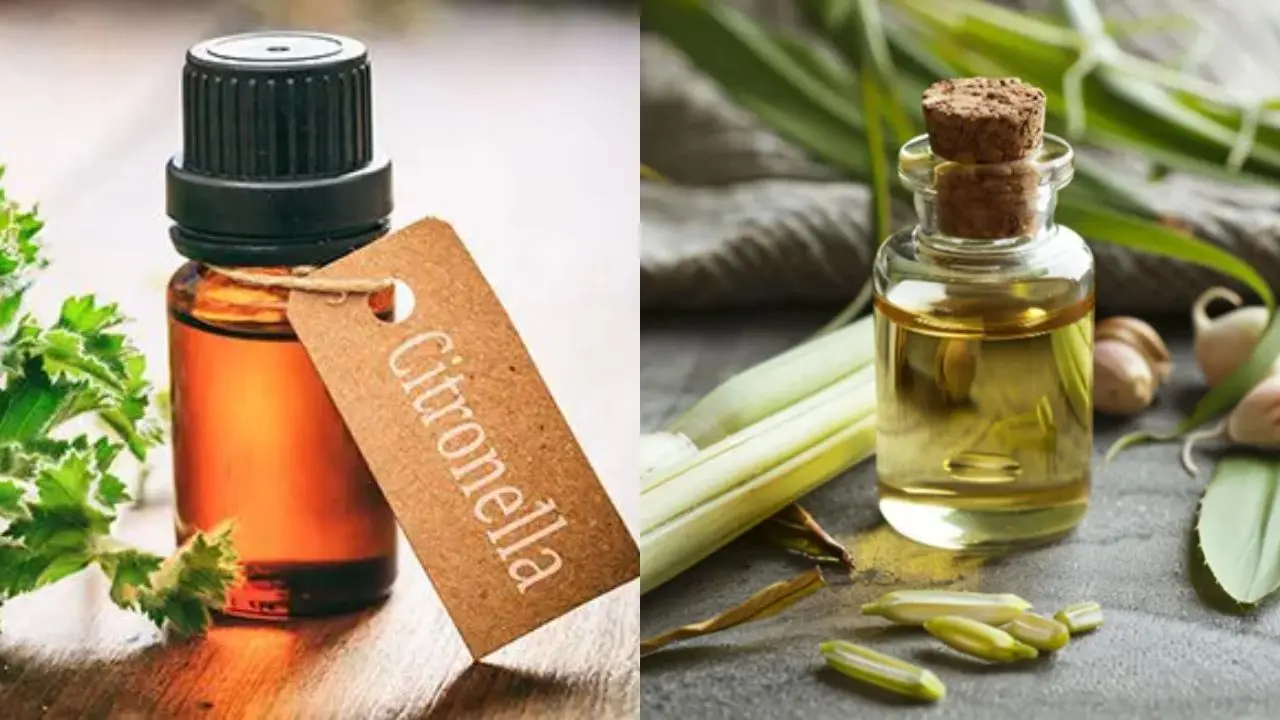
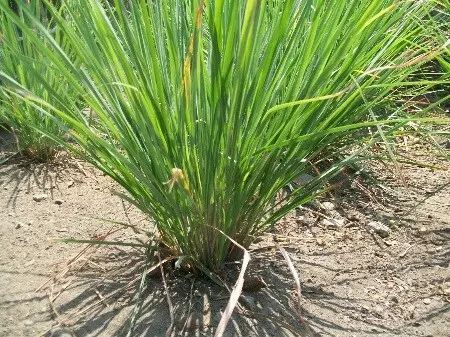
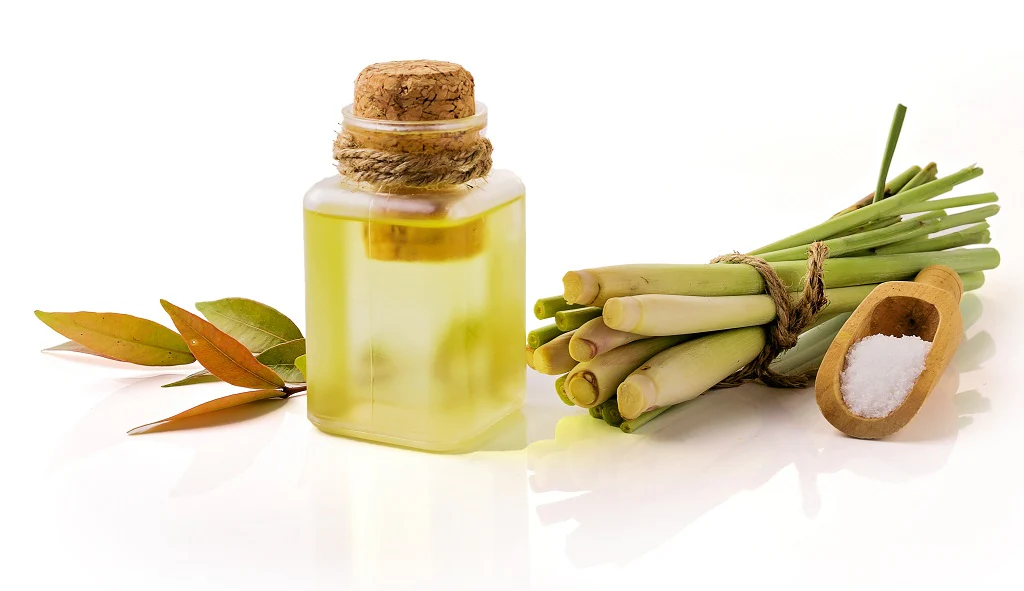
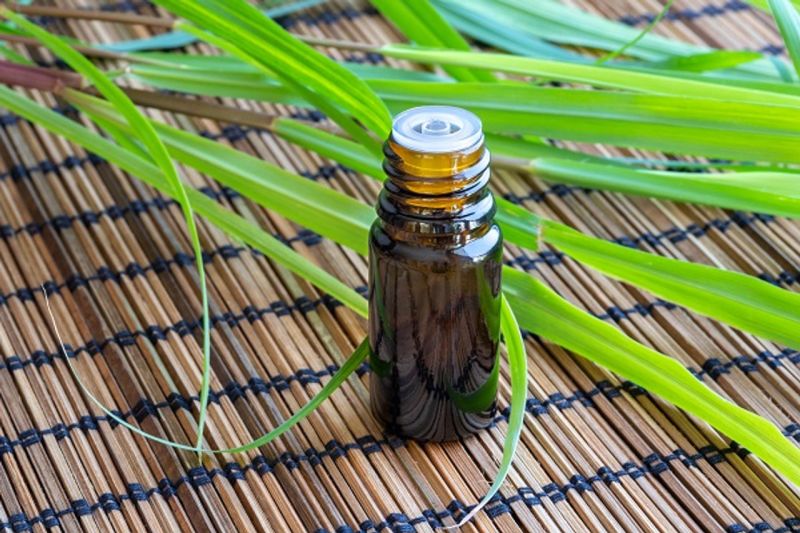
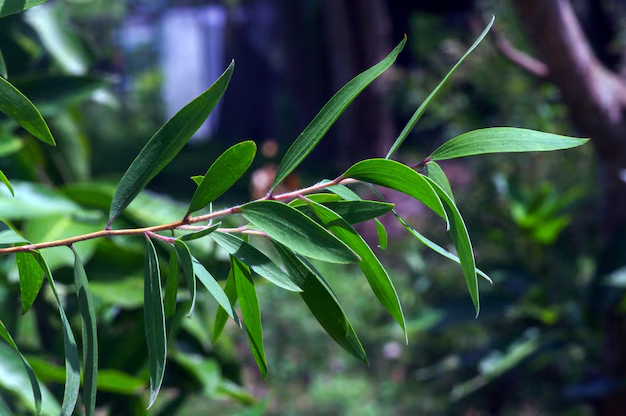
Lemongrass (Cymbopogon citratus) is a tropical plant known for its tall, thin stalks and strong citrus aroma. Its essential oil is extracted through steam distillation of the plant’s leaves and stalks. The primary active compounds—citral and geraniol—give lemongrass its distinctive scent and powerful insect-repelling properties.
Unlike synthetic repellents, lemongrass oil is plant-based, biodegradable, and free from harmful toxins such as DEET (commonly found in commercial repellents). It provides an effective, natural alternative that’s safe for both humans and pets when used correctly.
Why Use Natural Insect Repellents?

Synthetic insect repellents often come with a list of side effects—skin irritation, respiratory issues, headaches, and environmental contamination. Many families are looking for safer options that still get the job done. Lemongrass oil is one such solution that balances safety and effectiveness.
Natural repellents are particularly valuable for people with sensitive skin, children, pregnant women, and pets. Lemongrass oil offers peace of mind, knowing you’re not introducing potentially harmful chemicals into your living environment.
Insects Lemongrass Oil Repels
Lemongrass oil is known to repel a wide range of insects, including:
- Mosquitoes: One of the most well-known benefits of lemongrass oil is its ability to keep mosquitoes at bay. Citral, one of its main components, disrupts mosquitoes’ sensory receptors.
- Flies: The fresh, citrusy aroma deters houseflies and fruit flies.
- Ants: When applied to entry points, lemongrass oil masks scent trails that ants use to navigate.
- Fleas and Ticks: Pet owners often use diluted lemongrass oil to help prevent infestations.
- Gnats and Moths: A few drops in closets or drawers can ward off moths and other small flying insects.
How to Use Lemongrass Oil as an Insect Repellent

1. DIY Spray Repellent
Create a simple and effective spray by mixing:
- 10–15 drops of lemongrass essential oil
- 2 tablespoons of witch hazel or vodka (for preservation)
- 1/2 cup of distilled water
Shake well and spray around windows, doors, furniture, or directly on your skin (after patch testing). You can also spray it on your clothes or outdoor gear before heading out.
2. Diffuser Blend
Add a few drops of lemongrass oil to an essential oil diffuser to keep indoor spaces insect-free. The scent not only deters bugs but also refreshes the room and uplifts your mood.
3. Topical Application
For personal protection, dilute lemongrass oil with a carrier oil (like coconut or jojoba oil) before applying to the skin. A safe ratio is about 1–2 drops of essential oil per teaspoon of carrier oil.
4. Outdoor Use
Lemongrass oil can be added to citronella candles or torches for natural bug deterrent in outdoor settings. It can also be sprayed on patio furniture and garden areas to create a mosquito-free zone.
Safety Precautions
Although lemongrass oil is natural, it’s still potent and should be used with care:
- Dilution is key: Never apply undiluted lemongrass oil directly to the skin.
- Patch test: Before topical use, do a small patch test to rule out any allergic reactions.
- Pets: While generally safe, some pets may be sensitive to essential oils. Avoid applying directly to animals unless advised by a veterinarian.
- Pregnancy: Pregnant women should consult a healthcare provider before using essential oils.
Additional Benefits of Lemongrass Oil

Sustainable and Affordable
Beyond repelling insects, lemongrass oil offers a variety of additional benefits:
– Air Freshener: Its clean, lemony aroma eliminates odors and refreshes the air naturally.
– Antimicrobial Properties: Lemongrass oil has antibacterial and antifungal effects, making it useful for cleaning surfaces.
– Stress Reduction: Aromatherapy with lemongrass can help reduce anxiety and improve mood.
– Pain Relief: Topical application (when diluted) may help relieve muscle aches and headaches.
– Skin Care: Due to its antiseptic qualities, it can support acne treatment and improve overall skin tone when properly diluted.
Incorporating lemongrass oil into your home routine is not only eco-conscious but also cost-effective. A small bottle of essential oil can last for months and replace multiple products—from bug sprays and air fresheners to surface cleaners and mood boosters.
Choosing natural products like lemongrass oil supports sustainable farming and reduces your carbon footprint. It’s a small change with a big impact, both for your household and the planet.
Lemongrass Oil for Insect Repellent in Indonesia: Practical Uses
Indonesia’s tropical climate makes it one of the most mosquito-prone environments in the world.
During the rainy season — which typically runs from October through April — mosquito populations surge across Java, Sumatra, Kalimantan, and other islands, bringing with them an elevated risk of dengue fever (demam berdarah), chikungunya, and malaria.
In this context, lemongrass oil, known locally as minyak sereh wangi, has long been used by Indonesian households as a natural, accessible alternative to chemical insect repellents.
What makes lemongrass oil particularly effective as an insect repellent in Indonesia is its high citral content — the same compound responsible for its sharp lemony scent.
Citral interferes with the olfactory receptors of mosquitoes, making it difficult for them to detect carbon dioxide and lactic acid emitted by the human body — the primary signals mosquitoes use to locate their hosts.
Indonesia is also one of the world’s leading producers of lemongrass essential oil (Cymbopogon citratus and Cymbopogon nardus), making it a locally-sourced, sustainable option for repellent formulation.
Common Insect Problems in Indonesia and How Lemongrass Oil Helps
| Insect / Pest | Local Name (Indonesian) | How Lemongrass Oil Helps |
| Mosquitoes (Aedes aegypti) | Nyamuk DBD | Masks human scent signals; reduces mosquito landing by up to 40% |
| Common House Mosquito (Culex) | Nyamuk rumah | Diffusing indoors creates a protective scent barrier |
| Houseflies | Lalat rumah | Citrus aroma disrupts flies’ navigation; effective around kitchen areas |
| Cockroaches | Kecoa | Applied to entry points (gaps, drains) acts as a deterrent |
| Ants | Semut | Masks foraging scent trails when applied to surfaces |
How Indonesian Households Use Lemongrass Oil as Insect Repellent
Beyond the general methods described above, there are several ways lemongrass oil is commonly used in Indonesian homes:
- Bedtime protection: A few drops in a plug-in diffuser placed in the bedroom overnight, especially during peak mosquito hours (dusk and early evening).
- Rainy season spray: During musim hujan, dilute 10 drops of lemongrass oil in 100 ml water and spray around windows, doors, and under the dining table — areas where mosquitoes tend to gather.
- Outdoor gatherings: For outdoor events like arisan or family gatherings, adding lemongrass oil to citronella candles creates a wider mosquito-free zone without the smell of chemical repellents.
Natural lotion alternative: Mix 3–4 drops of lemongrass essential oil with 1 tablespoon of coconut oil (minyak kelapa) — both widely available in Indonesia — for a safe, chemical-free body repellent.
Conclusion: A Must-Have for Every Home
Lemongrass essential oil is a safe, natural, and multipurpose solution for keeping your home insect-free. It offers a gentle yet effective way to protect your family without the use of harsh chemicals. Its versatility—ranging from pest control and aromatherapy to natural cleaning—makes it a truly indispensable addition to any natural household toolkit.
Whether you’re tired of mosquito bites in the summer or looking for a non-toxic alternative to commercial bug sprays, lemongrass oil is a smart, sustainable choice. Make room for this citrus-scented powerhouse in your home, and enjoy a fresher, safer, and more comfortable living environment.
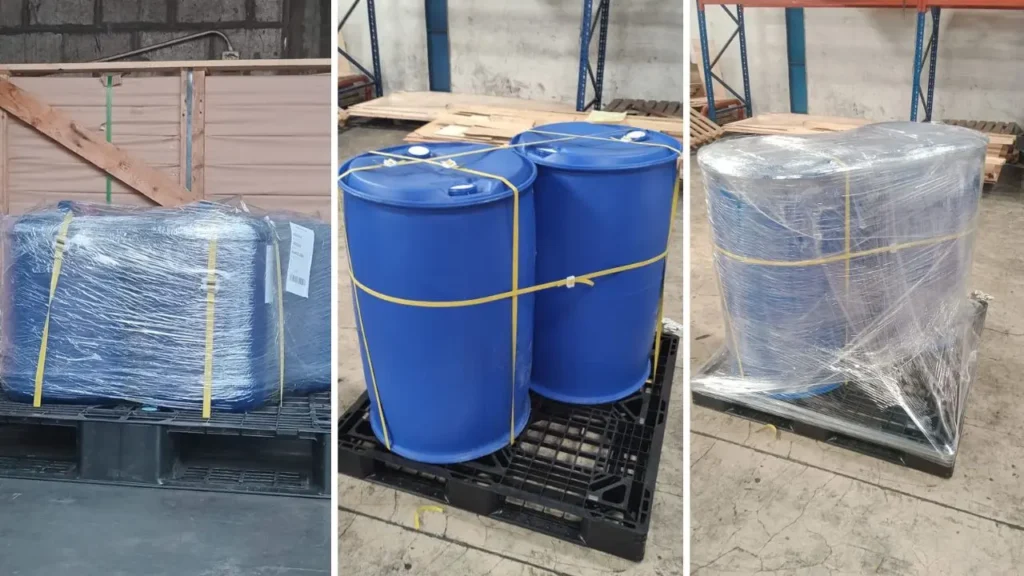
| Looking for Bulk Lemongrass Essential Oil from Indonesia? Global Essential Oil is an Indonesian manufacturer and exporter of pure lemongrass essential oil (Cymbopogon citratus), sourced and distilled locally. We supply to cosmetic manufacturers, repellent formulators, and essential oil distributors worldwide. Contact our team for product specifications, samples, and bulk pricing. |