Category: Article

  • What Blends Well With Vetiver Essential Oil? 5 DIY Recipes

    What Blends Well With Vetiver Essential Oil? 5 DIY Recipes

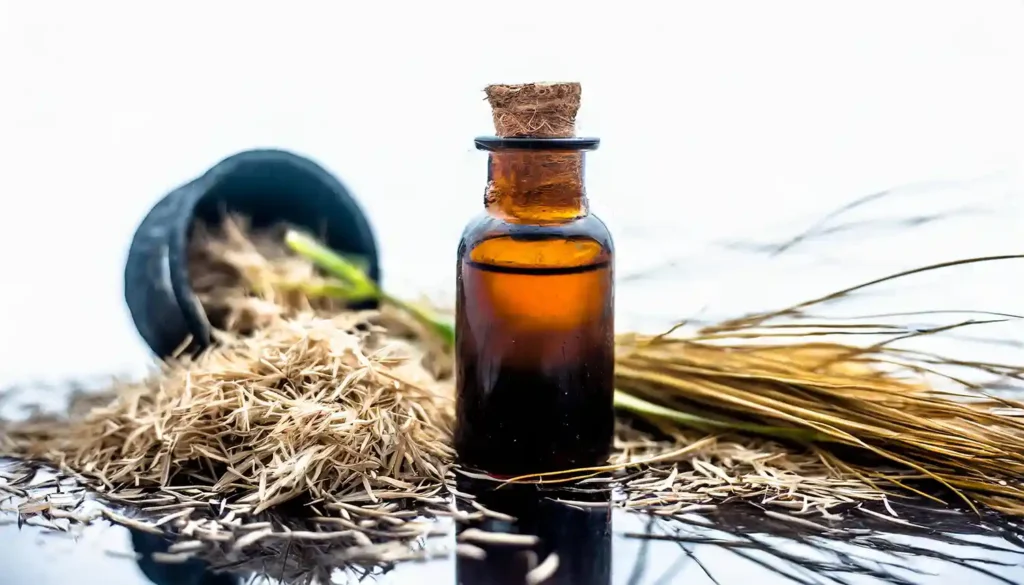
    Vetiver essential oil, often referred to as the “oil of tranquility,” is renowned for its rich, earthy aroma and grounding properties. Distilled from the roots of the Vetiveria zizanioides plant, this thick, amber-colored oil has been used in perfumery, aromatherapy, and traditional medicine for centuries. Its deeply woody, smoky, and slightly sweet scent makes it an excellent base note in blends, anchoring lighter aromas and enhancing longevity.

    But what essential oils pair best with vetiver? In this article, we’ll explore the aromatic families, emotional benefits, and synergistic combinations of essential oils that complement vetiver beautifully in therapeutic and fragrance-based blends.


    Why Blend with Vetiver?

    Vetiver’s strength lies in its fixative quality. It helps stabilize and extend the life of more volatile top and middle notes in a blend. On an emotional level, vetiver is known for:

    • Grounding and calming overactive minds
    • Reducing stress, anxiety, and insomnia
    • Promoting mental clarity and emotional resilience

    Because of its strong personality, vetiver pairs best with oils that either lighten its intensity or harmonize with its depth. Let’s explore some essential oils across various families that blend well with vetiver.

    BULK SUPPLY FOR INDUSTRY NEED
    Are you formulating a fragrance, cosmetics, or aromatherapy product line? Vetiver oil is the ultimate natural fixative to elevate your product’s longevity. Global Essential Oil supplies 100% pure, export-grade Indonesian Vetiver Oil (Minyak Akar Wangi) sourced directly from local farmers. Available in bulk and wholesale quantities.
    → Contact Global Essential Oil — Start Your Sourcing Conversation Now

    1. Citrus Oils: Bright and Uplifting Top Notes
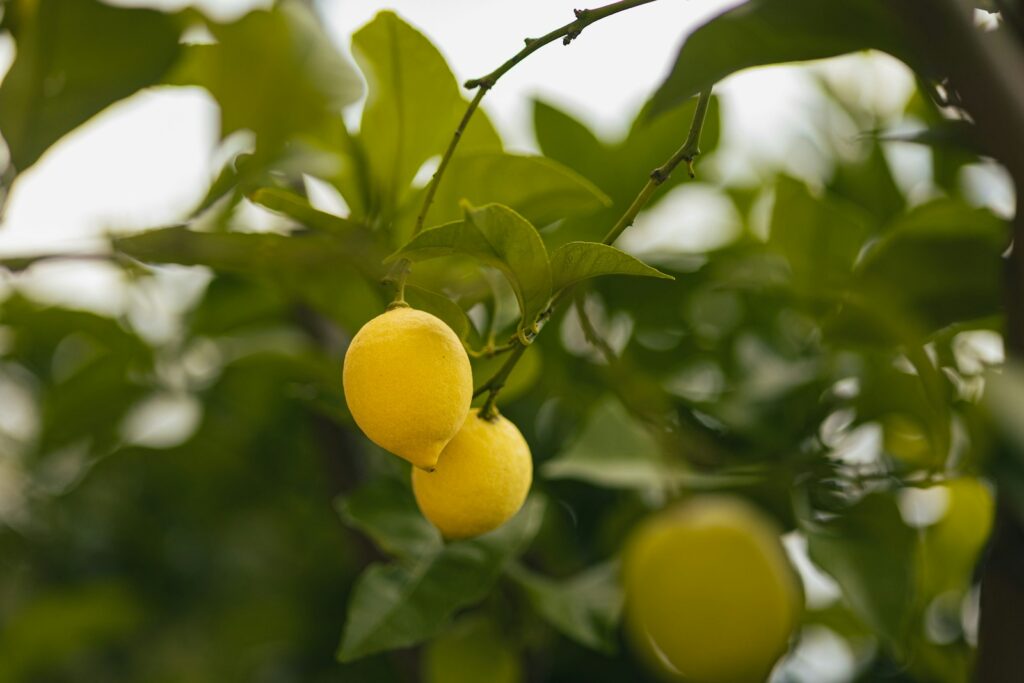
    Citrus essential oils bring lightness, freshness, and energy to the heaviness of vetiver. These oils are high in limonene, which elevates mood and offers antimicrobial benefits.

    🌿 Best Citrus Pairings:

    • Sweet Orange: Adds a cheerful, sunny brightness. Perfect for uplifting blends that still feel grounded.
    • Lime: Provides a tart, zesty contrast that cuts through vetiver’s smokiness.
    • Grapefruit: Balances vetiver’s depth with a light, energizing aroma.
    • Bergamot: Both uplifting and calming, bergamot harmonizes emotionally with vetiver, reducing anxiety and tension.

    Blending Tip: Use 2–3 drops of citrus oil to 1 drop of vetiver for balance. Ideal for daytime diffusing or personal perfumes.


    2. Floral Oils: Soft and Soothing Middle Notes

    Floral essential oils create a harmonious yin-yang balance when blended with vetiver. They soften its intensity while adding romantic, soothing, and often sensual qualities.

    🌺 Best Floral Pairings:

    • Lavender: One of the most versatile oils, lavender blends effortlessly with vetiver for calming the nervous system.
    • Ylang Ylang: Intensely floral and exotic, it pairs with vetiver to create sensual, relaxing blends.
    • Geranium: Balances hormonal and emotional fluctuations. When blended with vetiver, it supports emotional equilibrium.
    • Jasmine: Rich and sweet, jasmine elevates vetiver’s earthiness with opulence and mood-enhancing qualities.

    Blending Tip: Try blending 3 drops of lavender or geranium with 1 drop of vetiver in a diffuser before bed for restful sleep.


    3. Woody Oils: Deep, Harmonizing Base Notes

    Vetiver belongs to the woody family, so it naturally blends well with other woody or resinous oils. These combinations are deeply grounding and spiritually enriching, often used for meditation, contemplation, or masculine colognes.

    🌳 Best Woody Pairings:

    • Cedarwood (Atlas or Himalayan): A dry, warm wood scent that enhances vetiver’s grounding nature.
    • Sandalwood: Creamy and luxurious, sandalwood complements vetiver in spiritual blends for calm and inner peace.
    • Patchouli: Earthy and musky, it amplifies vetiver’s base notes for rich, sensual blends.
    • Frankincense: Adds a balsamic, slightly citrusy note that lifts and deepens the blend simultaneously.

    Blending Tip: Combine equal parts frankincense, vetiver, and sandalwood for a grounding meditation blend.


    4. Herbaceous and Spicy Oils: Warm, Comforting Accents

    Herbal and spice oils can cut through vetiver’s density and add a comforting or invigorating twist. These oils are often used in therapeutic blends for focus, energy, or digestive support.

    🌿 Best Herbal/Spicy Pairings:

    • Basil: Sharp and green, basil brings clarity and alertness to vetiver’s heaviness.
    • Rosemary: Enhances mental focus and memory. Blends well with vetiver for studying or work-related stress.
    • Ginger: Warm and spicy, ginger complements vetiver in energizing or circulation-boosting blends.
    • Cardamom: Sweet and spicy, cardamom pairs beautifully with vetiver in sensual or digestive-supporting recipes.

    Blending Tip: For mental clarity, try 2 drops rosemary, 1 drop basil, and 1 drop vetiver in a diffuser during work or study sessions.


    5. Resinous Oils: Sacred and Centering

    Resin oils like frankincense and myrrh are historically used in spiritual rituals and meditations. These sacred oils enhance vetiver’s depth, making them ideal for emotional healing, grounding, and spiritual alignment.

    🕯️ Best Resin Pairings:

    • Myrrh: Bitter, smoky, and ancient—perfect for deeply meditative or introspective blends.
    • Frankincense: Balancing and elevating; offers an anchor for emotional resilience.
    • Elemi: Lighter than myrrh but similar in character, good for calming the nerves.

    Blending Tip: Combine 1 drop vetiver, 2 drops frankincense, and 1 drop myrrh in a carrier oil for an anointing or chakra-balancing blend.


    Best Vetiver Essential Oil Recipes for Diffusers

    Here are a few favorite blend ideas you can try using vetiver:

    1. Sleep and Relaxation Blend

    • 3 drops Lavender
    • 2 drops Vetiver
    • 2 drops Sweet Orange
      Use in diffuser or dilute in 1 tbsp of carrier oil for massage.

    2. Grounding Meditation Blend

    • 2 drops Vetiver
    • 2 drops Frankincense
    • 2 drops Sandalwood
      Diffuse during yoga or quiet reflection.

    3. Uplifting Mood Booster

    • 2 drops Grapefruit
    • 1 drop Lime
    • 1 drop Vetiver
      Add to a roller bottle with fractionated coconut oil and apply to pulse points.

    4. Sensual Romance Blend

    • 2 drops Ylang Ylang
    • 1 drop Jasmine
    • 1 drop Vetiver
      Use in a diffuser or as a massage oil base.

    Best Practices for Blending with Vetiver
    • Use sparingly: Vetiver is thick and potent. A little goes a long way.
    • Warm the bottle if too viscous: Place the bottle in warm water (not boiling) to ease pouring.
    • Blend and rest: Let your blend sit for 24–48 hours to allow the oils to synergize fully.
    • Dilution recommended: Especially for topical use, dilute to 1–2% in a carrier oil like jojoba or sweet almond oil.

    Sourcing High-Quality Indonesian Vetiver Oil for Businesses

    Indonesian Vetiver oil (known as Minyak Akar Wangi) is highly prized in the global perfume and cosmetic industry due to its distinctively rich and smoky profile. If you are a business looking for a reliable raw material supplier, Global Essential Oil ensures sustainable sourcing, strict quality control, and scalable supply chains to power your production.


    Conclusion

    Vetiver essential oil is a powerhouse in both aromatherapy and perfumery. Its deep, grounding qualities pair beautifully with a wide range of essential oils—from the bright cheer of citrus to the floral elegance of lavender and jasmine, to the rich spiritual tones of frankincense and myrrh.

    By understanding how vetiver complements other oils, you can create therapeutic blends that support relaxation, clarity, sensuality, or emotional resilience. Whether you’re a seasoned aromatherapist or a curious beginner, vetiver offers a rich base upon which to build your aromatic creations.

  • How to Make Citronella Oil: The Complete Extraction Process

    How to Make Citronella Oil: The Complete Extraction Process

    Introduction To Citronella Oil Distillation Process

    citronella oil distillation process

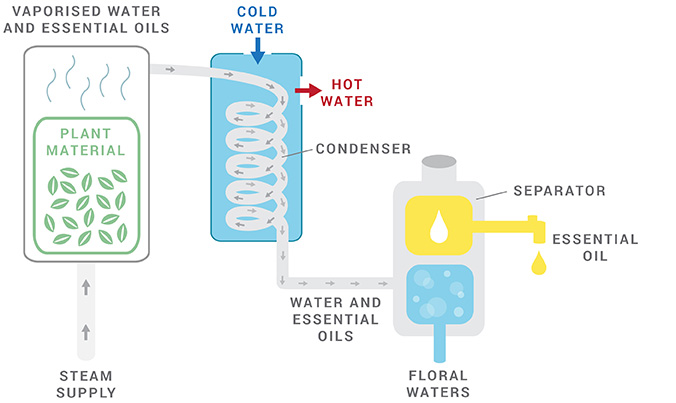
    If you are wondering how to make citronella oil, the answer lies in a meticulous method known as steam distillation. The citronella oil extraction process involves drawing out the potent essential oil from fresh Java citronella grass (Cymbopogon winterianus).

    Renowned for its natural insect-repelling properties and refreshing aroma, this essential oil is widely used in commercial candles, natural bug sprays, and household cleaners.

    In this comprehensive guide, we will walk you through the step-by-step extraction process, from basic DIY home methods to large-scale industrial manufacturing.

    Materials and Ingredients To Make Citronella Java Oil:

    citronella java oil
    1. Citronella Grass: Harvest fresh citronella grass. The leaves contain the essential oil.
    2. Water: Distilled water is preferable.
    3. Distillation Apparatus:
    4. Heat Source: A stove or a specialized heating device.

    Note : Citronella oil from java / citronella java oil is one of the best citronella type for daily usage

    Citronella Oil Distillation Process / Citronella Oil Manufacturers Procedure:

    1. Harvest Citronella Grass:
      • Harvest fresh citronella grass. The leaves contain the essential oil you want to extract.
    2. Preparation:
      • Wash the citronella grass thoroughly to remove any dirt or debris.
      • Cut the grass into small pieces. The smaller the pieces, the better the extraction.
    3. Set Up the Distillation Apparatus:
      • Place the citronella grass in the distillation flask.
      • Add distilled water to the flask. The ratio of water to citronella grass can vary, but a common recommendation is around 2 parts water to 1 part plant material.
    4. Connect the Condenser:
      • Attach the condenser to the distillation flask. Ensure a tight seal to prevent steam from escaping.
    5. Start Heating:
      • Begin heating the distillation flask. As the water heats up, steam will rise, carrying the essential oil from the citronella grass with it.
    6. Condensation and Collection:
      • The steam passes through the condenser, where it condenses back into liquid form.
      • The liquid, now a mixture of water and citronella oil, collects in the receiver.
    7. Separation of Oil:
      • The essential oil will naturally separate from the water, as oil and water do not mix well. You can use a separating funnel or similar device to separate the two layers.
    8. Storage:
      • Store the extracted citronella oil in a dark glass container to protect it from light and heat.

    Tips and Considerations:

    • Quality of Citronella Grass: The quality of the citronella oil depends on the quality of the citronella grass. Use fresh and high-quality plants for the best results.
    • Distillation Time: The distillation process may take a few hours. Keep an eye on the water level in the distillation flask, ensuring it doesn’t run dry.
    • Yield: The yield of essential oil will vary depending on factors like the quality of the citronella grass and the distillation process. It might take a significant amount of plant material to produce a small quantity of oil.
    • Safety: Follow safety precautions when working with heat and glassware. Ensure proper ventilation in the distillation area.

    Industrial Citronella Oil Extraction Process: How Manufacturers Do It

    While the DIY method is great for small-scale or educational purposes, commercial production requires a highly advanced approach. As mentioned earlier, it takes a massive amount of plant material to produce a profitable yield. Therefore, manufacturing insect repellents or cosmetics on a commercial scale using home extraction is simply not scalable.

    At an industrial level, the citronella oil distillation process relies on heavy-duty equipment to ensure maximum yield and consistent chemical quality.

    As a leading manufacturer, Global Essential Oil utilizes large-capacity stainless steel distillation boilers. High-pressure steam is efficiently forced through tons of freshly harvested Java citronella grass.

    This tightly controlled environment is crucial to preserve the plant’s active chemical compounds—specifically Citronellal and Geraniol—which determine the oil’s efficacy and grade.

    By standardizing this industrial extraction process, we guarantee that businesses receive 100% pure, export-ready bulk citronella oil that strictly meets international manufacturing standards.

    NEED CITRONELLA OIL IN COMMERCIAL QUANTITIES?
    As mentioned, extracting citronella oil requires massive amounts of raw grass for a very small yield. If you are manufacturing insect repellents, candles, or cleaning products, DIY extraction is not scalable. Global Essential Oil is a leading manufacturer of Java Citronella Oil, utilizing industrial-grade steam distillation to supply high-potency, export-ready bulk oils for your business.
    → Contact Global Essential Oil — Start Your Sourcing Conversation Now

    Citronella Oil How To Use It For Daily Usage?

    citronella oil how to use it for daily usage

    Remember that making essential oils at home can be a specialized process, and the quality of the oil may not match that of commercially available products. Additionally, essential oils are potent and should be used with care. If you’re considering making citronella oil for therapeutic or cosmetic use, it’s advisable to consult with experts in aromatherapy or essential oil production.

    Citronella oil / citronella java oil is commonly known for its insect-repelling properties, and it can also be used for various other purposes. Maybe there will be question appearing in you mind “citronella oil how to use it properly and correctly?” Here are some ways you can incorporate citronella oil how to use it into your daily routine:

    1. Insect Repellent:

    • Dilute citronella oil with a carrier oil (such as coconut oil or jojoba oil) and apply it to exposed skin to help repel mosquitoes and other insects.
    • You can also add a few drops of citronella oil to unscented lotions or creams.

    2. Aromatherapy:

    • Diffuse citronella oil in an essential oil diffuser to create a refreshing and uplifting atmosphere.
    • Inhale the aroma directly from the bottle for a quick pick-me-up during the day.

    3. Candles and Incense:

    • Add a few drops of citronella oil to wax or soy candles to create insect-repelling candles for outdoor use.
    • Use citronella oil in incense sticks to keep insects at bay during outdoor activities.

    4. Cleaning:

    • Add citronella oil to your homemade cleaning solutions to impart a fresh scent to your living spaces.
    • Citronella’s antimicrobial properties may also add a cleansing element to your cleaning routine.

    5. Massage:

    • Blend citronella oil with a carrier oil and use it for a massage. This can provide a refreshing and invigorating experience.

    6. Natural Deodorant:

    • Add a few drops of citronella oil to your natural homemade deodorant for a pleasant scent and potential antibacterial benefits.

    7. Shampoo or Body Wash:

    • Incorporate citronella oil into your shampoo or body wash for a refreshing and aromatic shower experience.

    8. Foot Soak:

    • Add a few drops of citronella oil to a foot soak for a relaxing and insect-repelling foot treatment.

    9. Linen Spray:

    • Create a linen spray by diluting citronella oil with water and spraying it on your bed linens or around your living space.

    10. DIY Perfume:

    • Mix citronella oil with other essential oils and a carrier oil to create a natural and refreshing DIY perfume.

    Important Tips:

    • Dilution: Always dilute citronella oil with a carrier oil before applying it to the skin. A common dilution ratio is around 2-3 drops of citronella oil per teaspoon of carrier oil.
    • Skin Sensitivity: Perform a patch test before applying citronella oil to a larger area of the skin to ensure you don’t have any adverse reactions.
    • Pregnancy and Children: Exercise caution with essential oils, especially during pregnancy and with young children. Consult with a healthcare professional if you have any concerns.
    • Quality Matters: Choose high-quality, pure citronella oil to ensure the best results.

    Remember that while citronella oil has numerous potential uses, individual preferences and sensitivities vary. It’s always a good idea to start with small amounts and observe how your body reacts before incorporating it into your daily routine.

    If you are looking for trusted citronella oil manufacturers, you are at the right place

  • Discover the Ancient Power: Unveiling the Benefits of Pure Frankincense Oil

    Discover the Ancient Power: Unveiling the Benefits of Pure Frankincense Oil

    Unveiling The Ancient Power Of Frankincense Oil

    Pure frankincense oil dripping from resin

    We’re going to talk about frankincense oil today. It’s not just some new trend; people have known about its good qualities for a very, very long time. Think thousands of years back. Ancient cultures, like those in Egypt, Greece, and Rome, used it a lot. They used it in religious events and even in ways to help preserve things. It was so important that they built big trade routes just to move it around. It was truly a valuable item back then, much like gold.

    A Glimpse Into The Rich History Of Frankincense

    Frankincense comes from the sticky sap of the Boswellia tree. These trees grow in tough places, like dry parts of Africa and the Middle East. To get the sap, people make small cuts in the tree bark. The sap then slowly drips out and hardens into little drops, often called tears. These tears are then gathered. The scent of frankincense is quite distinct – earthy, a bit sweet, and woody. This smell made it popular for incense and perfumes way back when. It’s pretty amazing that something used so long ago is still around and useful now. Its history shows it’s always been a special substance.

    Understanding The Core Benefits Of Frankincense Oil

    So, why is frankincense oil still so popular? Well, it has some really good qualities. The oil contains special parts, like terpenes and boswellic acids, that do good things for us. For example, these parts can help your skin heal and feel better. They can also help you feel more calm and grounded. This oil has been used for ages to help people feel more peaceful. It’s not just about history; these benefits are still very much alive today. We’re finding more and more ways this natural oil can help us feel better, both inside and out. It’s a simple, natural way to support your well-being, and you can find out more about its natural compounds.

    Harnessing The Therapeutic Essence Of Frankincense Oil

    Bottle of pure frankincense oil with drops on stone.

    We often look for natural ways to help us feel better, both in body and mind. Frankincense oil has a long past and is still valued today. Many of us are curious about how it affects our feelings, our skin, and even how we breathe. Let’s talk about how this ancient oil can fit into our lives.

    Promoting Emotional Well-Being And Calm

    When days get stressful, it’s not always easy to quiet our minds. Breathing in frankincense oil can help us slow down.
    The soft, pleasant scent is often known to make us feel calm and peaceful. It’s no surprise that people have used it during meditation and quiet time for a long time. When we use a diffuser with frankincense oil, our minds seem to clear a bit. Sometimes, after a busy day, we just want to sit, close our eyes, and let the gentle aroma surround us. Problems don’t disappear, but they feel lighter.

    Supporting Skin Health And Rejuvenation

    Frankincense oil offers more than just a soothing smell. When mixed with a carrier oil and used on the skin, it may help with different skin needs. Many people notice their skin feels smoother after regular use. This oil is gentle and can be used on areas that look tired or dry. Some of us use it to help our skin recover from life’s small bumps and cuts. Scars and redness can look less obvious over time. Frankincense oil, when used in the right way, makes our skin look and feel better.

    Frankincense Oil and Skin Use: A Simple Table

    UseMethodNoted Benefit
    Tone and clarityMixed with carrier oilSofter, calmer skin
    Relief for scarsSpot applicationFading of marks
    Everyday moistureAdded to moisturizerHydrated and fresh look

    Aiding Respiratory Comfort And Ease

    Breathing should feel easy, but it doesn’t always. Many of us face stuffy noses, coughs, or even mild trouble breathing at times. Frankincense oil has a strong, pleasant smell that, when inhaled, can help open our airways. Some people add a few drops to hot water and breathe in the steam. Others put it in a diffuser, noticing they breathe a little easier. It doesn’t cure sickness, but it gives comfort. The air feels cleaner, and we can relax. There’s something reassuring about having a natural tool like this when we want to take a deep breath and let go of tension.

    Integrating Frankincense Oil Into Your Daily Rituals

    Bottle of pure frankincense oil with resin tears.

    When we talk about frankincense oil, we find it isn’t just something for the past—it really fits into our lives right now. Adding frankincense to our routine can bring a bit of calm and well-being every single day. It doesn’t matter if your days are quiet or busy; this oil can become a regular, simple part of how we care for ourselves and our surroundings.

    Aromatherapy For A Tranquil Environment

    We often hear about using frankincense oil in aromatherapy, and honestly, there’s good reason for that. When we put a few drops into a diffuser, the room fills with this warm, faintly woodsy smell that seems to make the air calmer. Some of us like to use it during meditation or at bedtime, just letting ourselves breathe easy for a while.

    If one person is studying or needs focus, or if another simply wants to shake off the day’s stress, diffusing frankincense can help. It’s like bringing a small touch of old rituals into our modern homes, much like how some people value treasured elements in traditional Asian festivals for their role in harmony and connection. The routine is simple, but the peace it brings tends to stick with us.

    Skincare Applications For Radiant Skin

    Frankincense isn’t just about the air we breathe. We also use it in our daily skin care. We might add a few drops to our favorite cream or make a blend with a basic carrier oil, like almond or coconut. When we apply it gently to the face or places that feel dry, the skin often feels smoother after some days, and it even seems to soothe little marks or redness. Some of us find it helpful for wrinkles or rough spots.

    Frankincense oil isn’t magic, but it’s gentle, and we find it works best when we use it regularly and always dilute it properly. For anyone curious, here’s how we sometimes mix it in:

    IngredientTypical Ratio
    Carrier Oil (almond/coconut)1 tablespoon
    Frankincense Essential Oil2-3 drops

    Giving frankincense oil a place in our daily life, whether we’re caring for our space or our skin, reminds us that small rituals do make a difference. It’s a subtle practice, and with time, many of us notice the benefits more and more.

    Making frankincense oil a part of your everyday routine can be a wonderful way to bring a sense of calm and focus to your day. Whether you add a few drops to your morning meditation or use it to unwind before bed, its soothing aroma can transform simple moments into mindful experiences. Discover how to easily incorporate this ancient oil into your life and explore our collection of pure essential oils to enhance your wellness journey. Visit our website today to learn more and find the perfect oils for you!

    Embracing the Enduring Power of Frankincense

    As we wrap up our exploration into pure frankincense oil, we find ourselves looking back at a substance with a truly remarkable history. It’s clear that this oil, used for so long in so many ways, still has a lot to offer us today. From helping us feel calmer to supporting our skin, frankincense oil connects us to ancient wisdom while providing practical benefits for our modern lives. We encourage you to consider adding this natural treasure to your wellness routine, approaching it with respect for its origins and an open mind to its many uses.

  • Unlock Radiant Skin: The Ultimate Guide to Essential Oil Combinations for Skin Health

    Unlock Radiant Skin: The Ultimate Guide to Essential Oil Combinations for Skin Health

    Understanding Essential Oils for Skin Health

    Essential oils and botanicals for healthy skin.

    What Are Essential Oils?

    Essential oils are like the concentrated spirit of a plant. We get them by squeezing or steaming parts of plants, like flowers, leaves, or roots. This process captures the plant’s natural smell and flavor. These oils are very strong, so we always need to be careful when using them on our skin. They are not like regular oils you cook with; they are much more potent. Essential oil would be great if it mix with other essential oil. In this article we will talk about essential oil combinations for skin

    Best essential Oil Combinations For Skin : Dry and Aging Skin

    If your skin feels dry, tight, or looks a bit dull, certain essential oils can help. Lavender oil is known for its calming scent, but it’s also great for dry skin because it helps hold moisture. Rose oil is another good choice. It’s known for its ability to hydrate the skin really well, making it feel softer and look more supple.

    For skin that’s showing signs of age, like fine lines, rosemary oil can be helpful. It might help improve blood flow to the skin, giving it a more refreshed look. Clary sage oil is also good for aging skin; it has properties that can help the skin feel firmer. those are the essential oil combinations for skin with dry and aging skin

    Essential Oil Combinations For Skin : Oily and Acne-Prone Skin

    For skin that gets shiny or breaks out, some essential oils can help balance things out. Tea tree oil is a popular choice because it can help reduce how much oil your skin makes. Geranium oil is also useful; it helps keep oil production in check, so your skin doesn’t feel too greasy. If you have acne, tea tree oil can be a good spot treatment. Peppermint oil has a cooling feeling that can help calm down red, irritated skin, which is common with breakouts. have you try that essential oil combinations for skin with oily and acne prone skin?

    Targeting Specific Concerns with Essential Oil Combinations For Skin Health

    Essential oils and botanicals for healthy skin.

    Addressing Fine Lines and Wrinkles

    As we get older, our skin naturally starts to show lines and wrinkles. It’s a normal part of life, but some of us want to help our skin look smoother. Certain essential oils can help with this. Clary sage oil, for example, is known for its ability to make skin feel tighter. When we use it in products meant for aging skin, it can help smooth out those little lines and make the skin feel more firm. It’s like giving your skin a little boost to look more refreshed.

    Combating Dark Spots and Hyperpigmentation

    Dark spots, sometimes called hyperpigmentation, can show up on our skin from sun exposure or old acne marks. They can make our skin tone look uneven. While many products try to fix this, nature offers gentle ways too.

    Geranium essential oil is one such helper. It’s not just nice smelling; it can help balance out the skin’s color. By working with how the skin makes its natural color, geranium oil can slowly help fade these spots. The mixture of geranium essential oil combinations for skin leads to a more even and bright look

    Essential Oil Combinations For Skin : Soothing Itchy and Inflamed Skin

    Sometimes our skin gets red, feels itchy, or just looks irritated. This can be uncomfortable and make us want to scratch. Essential oils can offer a calming touch. Lavender oil is well-known for its soothing properties, not just for our minds but for our skin too.

    When applied carefully, it can help calm down redness and reduce that itchy feeling. It’s like a gentle hug for skin that needs some peace and quiet. Using these essential oil combinations for skin irritated issue can help you very much.

    Integrating Essential Oils into Your Skincare Routine

    Essential oils and botanicals for healthy skin.

    Now that we know which essential oils work best for different skin needs, let’s talk about how to actually use them. It’s not just about picking the right oil; it’s about putting it into your daily routine so you can see real results. We want to make sure you get the most out of these natural helpers.

    Layering Oils with Serums and Moisturizers

    We can combine essential oils with other products we already use, like serums and moisturizers. Think of it like giving your current skincare a super boost. The best way to do this is to apply your serum first. Let it soak into your skin for a minute or two.

    After that, add a few drops of your chosen essential oil. This helps the serum’s good stuff get deeper into your skin. Then, put on your moisturizer. The oil and moisturizer together create a nice barrier. This barrier keeps all that goodness locked in and stops your skin from drying out. It makes your skin feel soft and look healthy.

    If you prefer, you can also mix a drop or two of essential oil directly into your moisturizer before applying it. Just make sure to mix it well. This is a simple way to get the benefits without adding an extra step.

    For areas that need extra help, like dry spots or places that feel a bit rough, you can use the oil as a spot treatment. Just put a tiny bit directly on that spot. It gives it a concentrated dose of care. We found that using oils this way really helps target specific issues.

    Spot Treatments and Blending Oils

    Sometimes, we have one or two spots on our face that need a little more attention. Maybe it’s a dry patch or a small breakout. This is where using essential oils as a spot treatment comes in handy.

    You just take one or two drops of a diluted essential oil and pat it gently onto the area. It’s like giving that one spot a special treatment. This is a great way to use potent oils without putting them all over your face. It’s very direct and effective.

    Another way to get the benefits of different oils is to blend them together. You can mix a couple of different essential oils before applying them to your skin. For example, you might mix an oil for hydration with one that helps with redness.

    When you blend oils, you can address more than one skin concern at the same time. It’s like creating your own custom skin potion. Just be sure to use a carrier oil, like jojoba or almond oil, when you mix them. This makes sure they are safe to put on your skin and helps them spread evenly. For instance, vetiver oil is known for its calming properties and can be a great addition to a blend for soothing skin.

    Adding natural oils to your daily skin care can make a big difference. These oils can help your skin feel softer and look healthier. Want to learn more about how to use them? Visit our website to discover the best ways to include these amazing oils in your routine!

    A Final Thought on Essential Oils Combinations Skin Health

    We’ve explored how essential oils combinations for skin health can really make a difference. It’s not just about smelling nice; these plant-based oils can help with dryness, oiliness, and even those little lines that show up over time. We’ve talked about how to use them, like mixing them with serums or moisturizers, and how to pick the right ones for what your skin needs. It might seem like a lot at first, but trying out different combinations can lead to some pretty great results. We hope this guide helps you feel more confident in using these natural helpers to get that healthy glow. Give them a try and see what works best for you.

  • Patchouli Oil Price Trends: What Affects Global Supply?

    Patchouli Oil Price Trends: What Affects Global Supply?

    Understanding Patchouli Oil Market Trends And Recent Price Surge

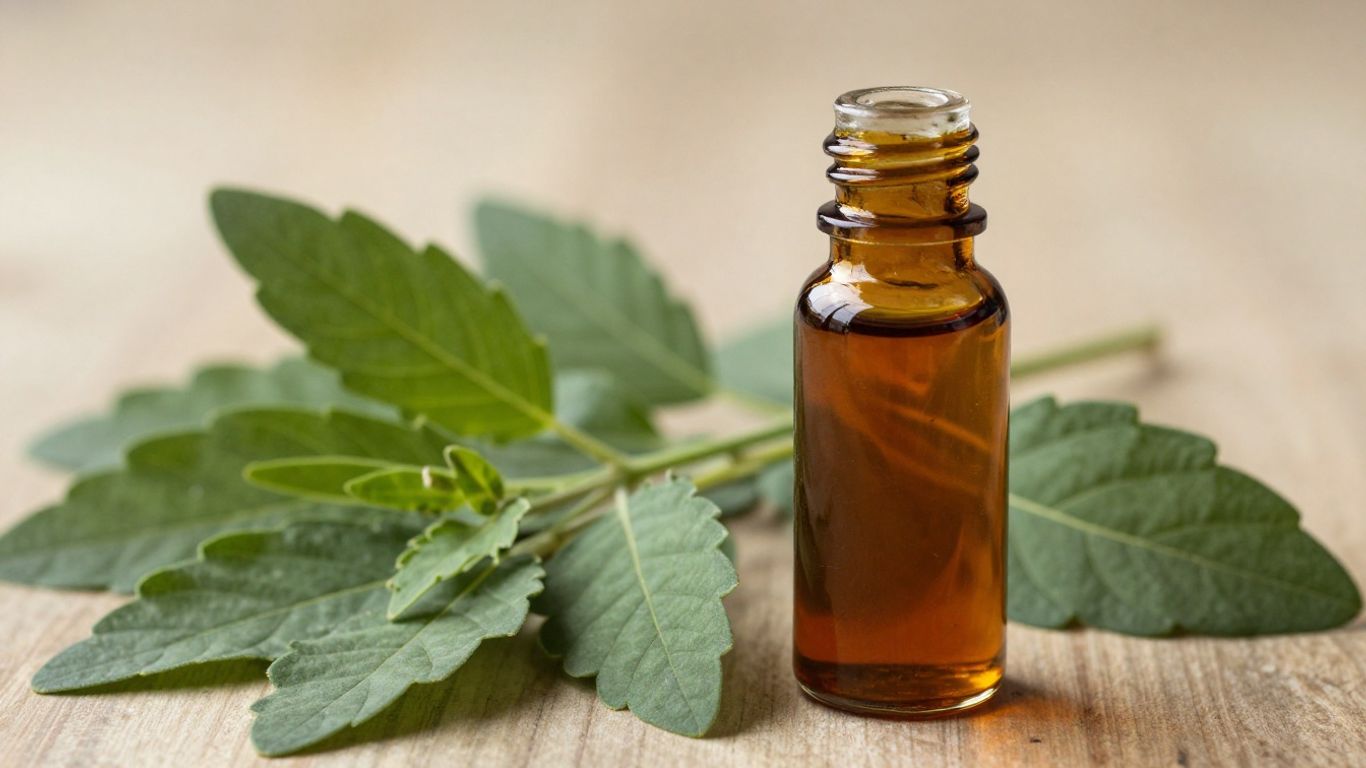
    Patchouli leaves with essential oil droplets.

    Historical Significance and Global Appeal

    Patchouli oil, with its deep, earthy, and musky scent, has a long history that stretches back centuries, particularly across Asia. It was initially valued for its use in traditional medicine and spiritual ceremonies. Over time, its unique aroma and perceived therapeutic qualities led to its adoption in perfumery and aromatherapy worldwide. This distinctive fragrance has made it a sought-after ingredient in a wide array of products, from fine fragrances to incense and personal care items. Its complex scent profile has cemented its place as a staple in many formulations.

    Patchouli Oil Market Trends : Dynamics and Price Hikes

    Recently, we’ve seen a significant jump in the price of patchouli oil. This surge patchouli oil market trends, largely due to challenges in its primary growing regions, especially Indonesia, which accounts for a vast majority of the global supply. Adverse weather conditions have severely impacted crop yields. These environmental issues, combined with other market pressures, have created a situation where supply is struggling to meet demand, pushing prices upward. This has naturally caused concern for businesses and consumers who rely on this essential oil.

    Factors Influencing Patchouli Oil Market Trends

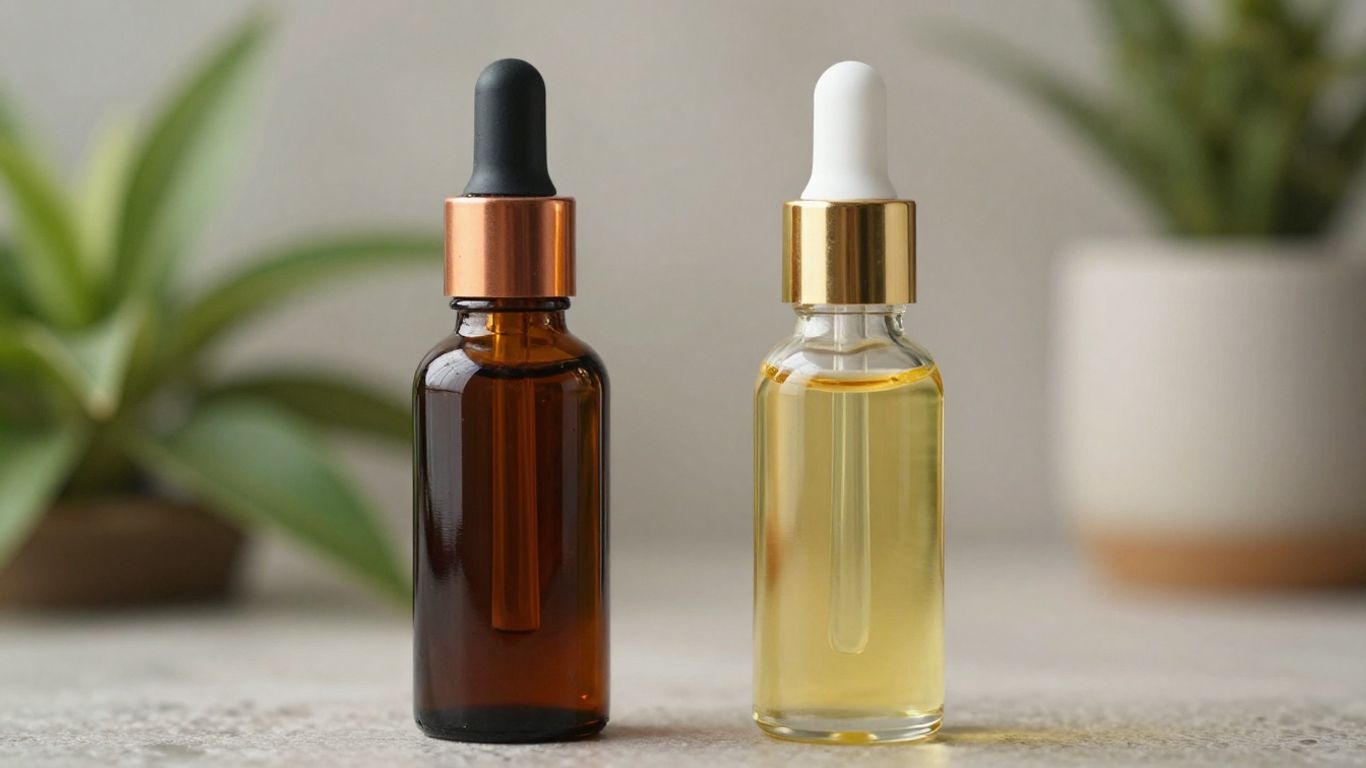
    Patchouli oil pouring from dropper into vial with leaves.

    Climate Impact on Patchouli Production And Affected Patchouli Oil Market Trends

    We all notice how oddly unpredictable the weather seems lately, and that’s actually a real headache for patchouli farmers. Patchouli needs stable humid conditions, and when things get too dry or temperatures spike, the plants just don’t produce as much oil. Heavy rain or flooding can rot the roots, while drought dries the plants out. Year by year, these climate swings are making patchouli production a real gamble. What used to be a fairly steady yield is now far less reliable, pushing prices up whenever harvests come up short.

    YearAverage Patchouli Oil Yield (kg/ha)Reported Major Weather Event
    20221,100Strong drought
    2023950Extended wet season
    20241,280Normal season

    Patchouli Oil Market Trends, Supply Chain Disruptions, and Agricultural Adaptations

    Beyond the weather, getting patchouli oil from farm to bottle has its own set of potholes. After the harvest, processing, shipping, and customs all add layers where things can go wrong. Political issues, port delays, and high fuel prices add extra stress; a jam at one port and the whole chain backs up.

    Smallholder farmers are experimenting with new methods like intercropping or organic farming to soften the blow of harsh weather, but these changes can be costly and slow to catch on. There are also strategies for adding value and staying competitive, something more producers are considering as a way to tackle instability in the sector. Every step, from planting to shipping, ends up shaping supply and, in turn, the market price.

    Navigating the Patchouli Oil Market Trends

    Patchouli oil pouring from dropper into vial with leaves.

    Industry Adjustments and Consumer Impact

    The patchouli oil market trends is always shifting, and we’re seeing a few big trends that affect how we get and use this oil. For starters, there’s a growing push for sustainable sourcing. Companies are working harder to make sure the patchouli they buy is grown and harvested in ways that don’t harm the environment.

    This is partly because consumers are more aware and want products that are good for the planet. It means we might see more “organic” or “sustainably sourced” labels on patchouli oil products.

    We’re also noticing a rise in demand for natural and organic ingredients across the board, not just for patchouli. This ties into the popularity of aromatherapy and wellness practices. People are looking for natural ways to relax and feel better, and patchouli oil fits right into that. This increased interest means that responsible sourcing and production methods are becoming more important than ever. It’s a good thing for the environment and for the long-term availability of quality patchouli oil.

    Ensuring Future Supply and Quality

    Looking ahead, keeping a steady supply of good quality patchouli oil is a big focus. We’ve seen how things like bad weather or supply chain hiccups can really affect prices and availability. So, the industry is exploring ways to make production more reliable.

    This includes looking at different growing regions and improving farming techniques. For example, understanding the nuances of patchouli oil from different regions is key to managing expectations and sourcing the right type for specific uses.

    There’s also a lot of work going into developing new products and finding innovative uses for patchouli oil. Companies are investing in research to find better ways to extract the oil and to create new formulations for skincare, personal care, and even food and beverages. The goal is to meet the growing demand while also maintaining the high quality that users expect. It’s a balancing act, but one that’s necessary to keep the patchouli market healthy and growing.

    Thinking about the patchouli oil market trends? It’s a fascinating area with lots of potential. Understanding the trends and what drives prices is key for anyone involved. Want to learn more about the latest in patchouli oil and other essential oils? Visit our website today for all the details!

    Conclusion

    So, after looking at all the twists and turns in the patchouli oil market trends, it’s clear that a lot of things are at play. We’ve seen how weather in Indonesia, changing farming habits, and even global demand can send prices up or down in a flash. As a group, we need to keep an eye on how these factors shape what’s on our shelves and in our homes.

    It’s not just about the cost—it’s about making sure the oil we use is real and responsibly sourced. Moving forward, we think it’s important to support efforts that help farmers adapt and keep the supply steady. If we all stay informed and make thoughtful choices, we can help keep patchouli oil available for everyone who loves it, now and in the future.

  • What Is Patchoulol Content and Why It Matters in Perfumery?

    What Is Patchoulol Content and Why It Matters in Perfumery?

    Understanding Patchouli Oil Specification And Aromatic Profile

    Patchouli leaves and amber essential oil in a vial.

    The Role of Patchoulol in Scent

    Patchouli’s scent is quite distinct, isn’t it? It’s a smell that many people either love or find a bit much. This strong character comes from a specific chemical compound called patchoulol. It’s the main ingredient that gives patchouli oil its deep, earthy, and slightly sweet aroma. Think of it as the backbone of the scent. When patchoulol is present in higher amounts, the oil often has a richer, more complex smell, sometimes even with hints of dark chocolate.

    This compound is also what makes the scent last so long, which is why it’s so popular in perfumes as a base note. It helps other, lighter scents stick around longer on the skin. The quality of the patchouli oil really depends on how much patchoulol it contains; higher percentages usually mean a better grade of oil.

    Factors Influencing Oil Quality

    So, what makes one patchouli oil smell different from another? A lot of things, actually. The place where the patchouli plant grows, its ‘terroir’, plays a big part. Soil type, rainfall, and sunshine all affect the plant’s chemistry. For instance, plants grown in volcanic soil tend to produce oil with a different profile than those grown elsewhere. The way the oil is extracted also matters.

    Steam distillation is common, but how it’s done can change the final scent. Even how the leaves are dried before distillation can have an impact. We’ve found that hilly areas often yield a higher grade of oil compared to flat coastal regions. It’s a complex process, and getting it just right is key to producing that sought-after rich, earthy aroma that makes Patchouli Paris by Guerlain so distinctive.

    Patchouli Oil Specification in Perfumery

    Patchouli leaves and essential oil vial

    When we talk about patchouli oil specification for perfumes, we’re not just talking about any old bottle. There are specific things we look for to make sure it smells just right and performs well in a fragrance. It’s a bit like baking – you need the right ingredients in the right amounts.

    Key Constituents for Best Quality Patchouli oil Specification

    We often look at the chemical makeup of the oil. Patchoulol is the star player here, as its percentage directly relates to that classic, rich patchouli scent. Higher levels usually mean a deeper, more complex aroma, which is what fine perfumery aims for.

    Other compounds like alpha-patchoulene and beta-patchoulene also play a role in the overall scent profile, contributing to its earthy and woody notes. We also pay attention to things like alpha-guaiene, which can add a spicy fragrance, and caryophyllene, known for its anti-inflammatory properties and contribution to the scent.

    ConstituentTypical Range (%)Impact on Scent
    Patchoulol30-50%Rich, earthy, deep, characteristic patchouli
    α-Patchoulene10-20%Woody, earthy
    β-Patchoulene5-15%Earthy, slightly herbaceous
    α-Guaiene2-8%Spicy, woody
    Caryophyllene2-7%Woody, spicy, contributes to complexity

    Beyond Traditional Metrics

    But it’s not all about numbers on a lab report. The origin of the patchouli plant matters a lot. For instance, patchouli from Indonesia is often considered the gold standard for perfumery due to its high patchoulol content and deep aroma. You can read more about how the origin of patchouli affects its scent. We also consider how the oil was processed and aged. Sometimes, a bit of aging can smooth out the scent, making it more refined. It’s a balance of science and art, really, to get that perfect patchouli oil for our creations.
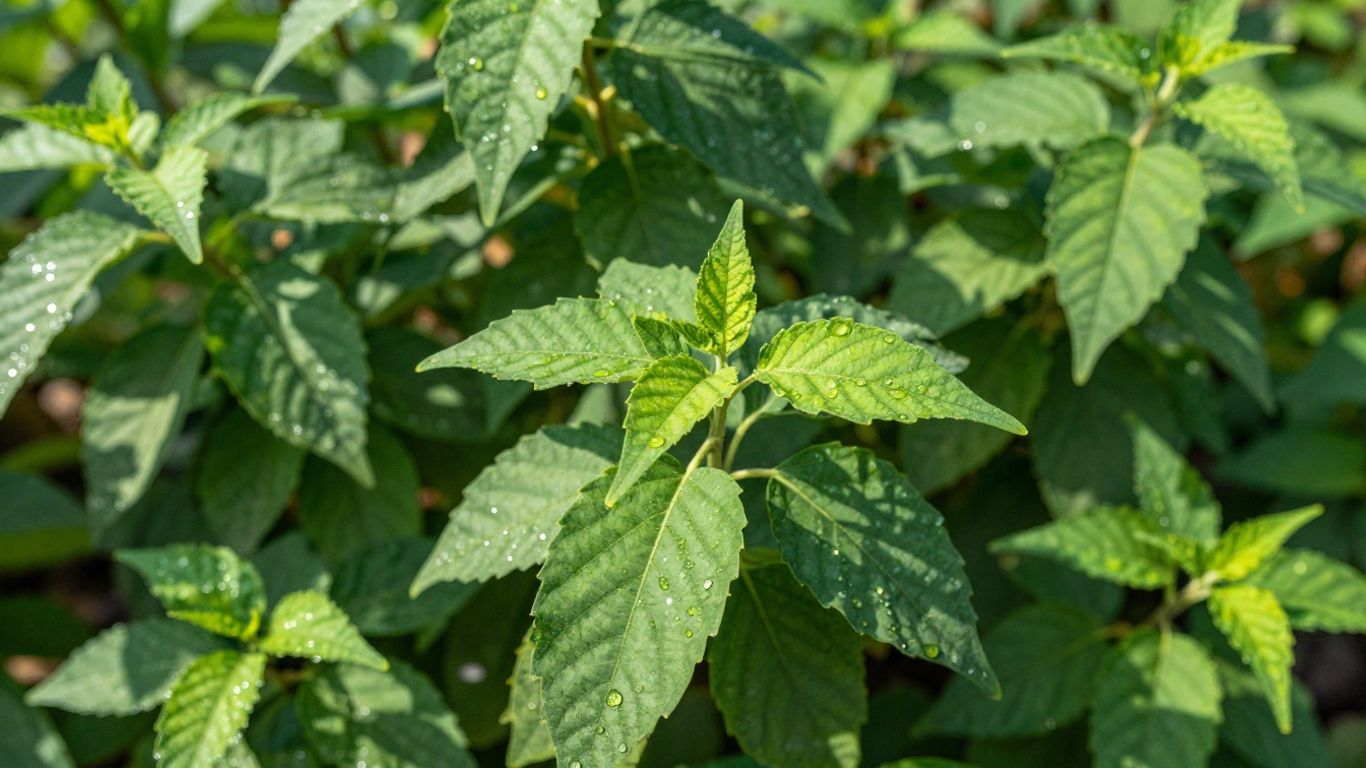
    The Journey of Patchouli Oil Specification in Fragrance Industry

    Patchouli leaves and oil vial

    Historical Significance and Perception

    Patchouli’s story in fragrance is quite a ride, really. For a long time, especially in Europe during the 1800s, it wasn’t really about the smell itself. Merchants used dried patchouli leaves to keep insects away from valuable fabrics like silks and wools during long sea voyages from India.

    People started linking that distinct, earthy scent to the fancy textiles, and suddenly, everyone wanted their own fabrics to smell like patchouli. It was like a status symbol, a way to make local goods seem more exotic.

    Then, in the 1960s and 70s, patchouli got a whole new image. It became the scent of the counterculture, associated with hippies and a more bohemian lifestyle. This is where things get a bit complicated. For some, this connection brings back memories of earthy, free-spirited times. For others, it might bring up less pleasant associations, maybe with crowded spaces or a scent that felt a bit too strong.

    Our personal experiences and what we associate with a smell play a huge part in how we perceive it today. It’s funny how a scent can carry so much history and baggage, isn’t it?

    Modern Applications and Trends

    These days, patchouli is getting a bit of a makeover in the perfume world. While some folks might still think of the “hippie” vibe, perfumers are finding new ways to use it. It’s showing up in more sophisticated, modern fragrances, often in gender-neutral scents that reflect city life rather than just nature. Think of it as moving from a very specific niche to a broader appeal.

    We’re seeing patchouli pop up more in perfumes that lean towards warmer, richer notes like amber and oud. It’s a solid base note that adds depth and staying power to a fragrance. Because it lasts so long on the skin, it’s perfect for creating scents that have a lasting impression. The demand for patchouli oil seems to be growing steadily as these types of perfumes become more popular. It’s interesting to see how a scent with such a long history is finding new life and relevance in today’s fragrance market.

    Patchouli has a long and interesting history in the world of perfumes. It started out as a way to protect fabrics from moths, but people soon realized its unique, earthy smell was perfect for creating rich and complex scents. Today, it’s a key ingredient in many popular fragrances, adding a deep, musky note that many people love. Want to learn more about the amazing scents that make up your favorite perfumes? Visit our website to explore the world of fragrance!

    Wrapping Up Our Patchouli Oil Specification For Industrial Use

    So, we’ve talked a lot about patchouli oil specification, especially this thing called patchoulol. It turns out, it’s pretty important for that classic patchouli smell we know and sometimes love. Knowing about patchoulol content helps us understand why some patchouli oils smell richer and deeper than others. It’s not just about the plant itself, but also how it’s grown and processed. We hope this chat has given you a clearer picture of why patchoulol matters in the world of scents and maybe even inspired you to take a closer sniff next time you encounter patchouli.

  • Patchouli Oil for Perfumery vs Aromatherapy: Key Differences

    Patchouli Oil for Perfumery vs Aromatherapy: Key Differences

    Patchouli Oil’s Role In Perfumery

    Patchouli leaves and oil bottle for perfumery

    A Foundation : Patchouli Oil For Perfumery And Fragrance Creation

    Patchouli oil has a long history in the world of scent creation. It’s not just a fleeting top note; it’s often the backbone of a perfume. We use it as a base note because it sticks around, giving other, lighter scents a place to land and linger. Think of it like the sturdy foundation of a house – everything else is built upon it. Its deep, earthy, and woody character provides a richness that’s hard to find elsewhere. It’s this lasting quality that makes it so valuable for making fragrances that people remember.

    Balancing Patchouli Oil For Perfumery Potent Aroma

    Now, patchouli has a really distinct smell, and we have to be careful with it. It’s one of those ingredients that can easily take over if you’re not mindful. Some people find it a bit polarizing – you either really love it or you’re not so keen. Because of its strength, we often use it in smaller amounts, blending it with other notes to create harmony.

    It pairs wonderfully with florals like rose or ylang-ylang, and also with resins or woods. Getting the balance right is key to making sure patchouli adds depth and complexity without overwhelming the entire fragrance. It’s a bit like adding a strong spice to a dish; a little goes a long way to transform the flavor profile.

    Patchouli Oil For Perfumery And Aromatherapy

    Patchouli leaves and bottle of essential oil

    When we turn to patchouli oil for its therapeutic qualities, we’re often seeking a sense of calm and a connection to ourselves. It’s widely recognized for its ability to help soothe frayed nerves and ease feelings of stress or anxiety. Just a few drops diffused into the air can create a tranquil atmosphere, making it a popular choice for winding down after a long day. While its aroma is potent, it’s this very intensity that can help ground us.

    Promoting Calm And Well-Being

    Many find that patchouli oil acts as a natural mood lifter. Its rich, earthy scent is thought to interact with scent receptors in the brain, promoting a feeling of emotional balance. We often reach for it when we need a moment of peace, using it in diffusers or even adding a drop to a warm bath. It’s a simple way to introduce a sense of serenity into our daily routines.

    Spiritual And Grounding Properties

    Beyond relaxation, patchouli oil is deeply associated with spiritual practices. It’s considered a grounding oil, helping to connect our physical selves with our minds and spirits. This quality makes it a favored companion during meditation or quiet reflection.

    Historically, its scent has been linked to a sense of mystery and sensuality, and for some, it evokes a feeling of being deeply rooted, much like the plant itself. The origin of patchouli oil, with its deep, rich aroma, often comes from Indonesian sources, which are considered a global standard for fine perfumery and valued in aromatherapy for their complex profile.

    Patchouli oil for perfumery is often used for its calming and grounding effects. Many people find its earthy scent helps to reduce stress and promote a sense of well-being. It’s a popular choice for diffusers and massage blends. Want to learn more about how patchouli oil can benefit you? Visit our website for a wide selection of pure essential oils and expert advice.

    Wrapping It Up : Patchouli Oil For Perfumery, Aromatherapy, And Fragrance Creation

    So, we’ve looked at how patchouli oil for perfumery plays a role in both making nice smells and helping us feel better. In perfumery, it’s a strong player, adding depth and lasting power to scents, often used as a base note that holds everything together.

    It’s a bit of a chameleon, fitting into both old-school and new fragrances. On the other hand, in aromatherapy, we’re talking about its potential to calm us down, ease stress, and even help us feel more grounded. It’s clear that while the same oil is involved, how we use it and what we aim for are quite different. One is about crafting an olfactory experience, the other about well-being. Both show just how versatile this earthy oil can be.

  • Aceh vs Sulawesi Patchouli Oil: What’s the Difference?

    Aceh vs Sulawesi Patchouli Oil: What’s the Difference?

    Understanding Patchouli Origin Comparison

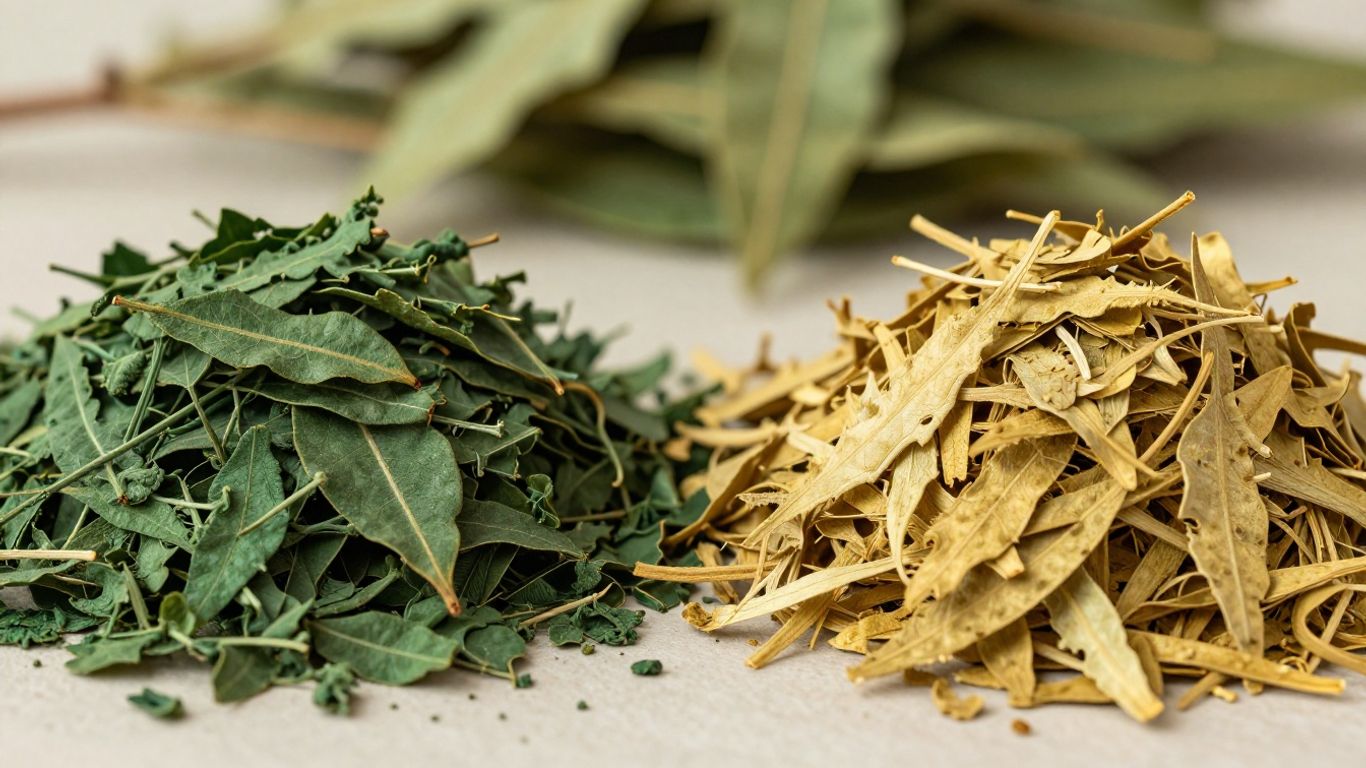
    Two piles of patchouli leaves, one green, one golden.

    The Distinct Scent Profile of Indonesian Patchouli

    When we talk about patchouli, especially the kind from Indonesia, it really stands out. It’s not just a simple earthy smell; it’s got layers. Think deep, rich, and a bit spicy, with a sweetness that sneaks in. This complexity is what makes Indonesian patchouli a favorite in high-end perfumes.

    It tends to be thicker, too, which helps the scent stick around longer. Compared to patchouli from places like India or China, which can be a bit simpler or more herbaceous, Indonesian patchouli has this captivating depth that just keeps unfolding.

    Key Differences in Aroma and Longevity

    So, what makes Indonesian patchouli different from others? For starters, its aroma is generally more vibrant and less musty than some other varieties. The top notes are brighter, the middle notes are richer and spicier, and the base notes are wonderfully deep, woody, and subtly sweet. This isn’t just about smelling nice; it’s about how long that scent lasts.

    We’ve found that Indonesian patchouli can linger on the skin for a good six to eight hours, sometimes even longer. Other types might fade after just three to five hours. This staying power is largely thanks to a higher concentration of a compound called patchoulol, which is the main player in patchouli’s scent. Plus, the oil itself is a bit thicker, which helps it cling to your skin better.

    Factors Influencing Patchouli Quality

    Aceh and Sulawesi patchouli plants side-by-side.

    When we talk about patchouli oil, especially the kind that comes from Indonesia, a few things really make a difference in how good it turns out. It’s not just about where it’s grown, but also how it’s handled from the plant to the bottle.

    Ideal Growing Conditions and Harvesting Techniques

    The climate in places like Indonesia, with its warm temperatures, high humidity, and plenty of rain, is just perfect for patchouli plants. This kind of weather helps the plants produce those aromatic compounds we love. The soil plays a big part too; rich, volcanic soil gives the leaves the nutrients they need to develop a strong scent.

    We’ve found that traditional harvesting methods, like picking the leaves by hand and letting them dry in the sun, really help keep the oil’s quality high. Some producers are also looking into farming in ways that are better for the environment, focusing on keeping the soil healthy and supporting local wildlife. This helps make sure that patchouli farming can continue for a long time without harming the land.

    The Role of Soil and Climate in Patchouli Potency

    We’ve seen that the specific conditions where patchouli grows have a direct impact on the oil’s strength and character. The fertile soil, often found in volcanic regions, is packed with minerals that seem to boost the plant’s ability to create its signature scent.

    This is why patchouli origin comparison, like Aceh, Sumatra, and Java, is so highly regarded. The climate, with its consistent warmth and moisture, encourages robust growth and a rich concentration of the compounds that give patchouli its deep, earthy aroma. It’s a natural process, but one that requires the right environmental factors to truly shine.

    Identifying Authentic Patchouli : Patchouli Origin Comparison

    Aceh and Sulawesi patchouli oil comparison

    What to Look for on Product Labels

    When we’re looking for the real deal in patchouli oil, especially the kind from Indonesia, checking the label is our first step. We want to see specific regions mentioned, like Aceh, Sumatra, or Java. These places are famous for growing patchouli that just smells better, and good oils will often say where they came from. It’s like knowing your coffee beans are from a specific farm – it tells you something about the quality.

    Why Region Matters for Patchouli Oil, Patchouli Origin Comparison

    The place where patchouli is grown really does make a difference. Indonesia, with its rich soil and tropical weather, is like a perfect greenhouse for patchouli plants. This special environment helps the plants develop those deep, complex scents we love. When a label says it’s from a particular Indonesian region, it’s a good sign that you’re getting oil with that sought-after, earthy, and slightly sweet aroma that lasts a long time. It’s not just about where it’s from, but what that place does for the plant.

    We’ve noticed that oils from these well-known areas tend to have a richer scent profile and stick around longer on the skin compared to those with less specific origins. It’s this connection to the land that gives authentic Indonesian patchouli its reputation.

    Spotting real patchouli oil is key. Look for its deep, earthy scent, which is quite distinct. If it smells too sweet or artificial, it’s probably not the genuine stuff. Want to learn more about finding the best patchouli and other pure essential oils? click here to see details patchouli origin comparison

    So, Which Patchouli Reigns Supreme?

    After looking at Aceh and Sulawesi patchouli, it’s pretty clear they’re both good, but they’re not exactly the same. Indonesian patchouli, in general, seems to have that richer, longer-lasting scent that folks in the perfume and aromatherapy worlds really like.

    Aceh patchouli, often coming from Sumatra, is frequently mentioned for its top-notch quality and that classic deep, earthy smell. Sulawesi is newer to the scene but is showing it can produce a great oil too, thanks to its unique soil. For us, if you’re after that really complex, potent aroma that sticks around, the Indonesian varieties, especially those from well-known regions like Aceh, are usually the way to go. But hey, the best way to know for sure is to give them a sniff yourself and see which one speaks to you.

  • How to Choose a Reliable Patchouli Oil Supplier in Indonesia

    How to Choose a Reliable Patchouli Oil Supplier in Indonesia

    Ensuring Quality and Purity in Your Patchouli Oil

    Patchouli oil bottle and leaves

    Understanding Key Quality Indicators

    When we look for patchouli oil, it’s easy to get lost in the descriptions. Many bottles claim to be “pure” or “therapeutic grade,” but these terms don’t always mean much on their own. We need to look closer at what actually makes patchouli oil good. Here are tips to choose bulk patchouli oil supplier The botanical name is important; we want to see Pogostemon cablin. Sometimes, a similar plant, Pogostemon heyneanus, is used, and it just doesn’t have the same qualities. Also, where the patchouli comes from matters. Regions like Sumatra in Indonesia or Sarawak in Malaysia have a long history of growing and distilling patchouli, and the soil and climate there are just right for it. We should also check the harvest and distillation dates. Freshly distilled oil, usually within the last year or so, will have the best scent and properties. Older oil can lose its potency. The way the oil is extracted is also key. We’re looking for steam-distilled oil, not anything extracted with solvents or CO₂. That’s how we get the true essential oil.

    The Importance of Batch-Level Testing

    To really know what’s in a bottle of patchouli oil, we need to look at lab reports, specifically Gas Chromatography-Mass Spectrometry (GC-MS) reports. These reports break down the oil’s chemical makeup. We want to see a good amount of patchoulol, which is a main component that gives patchouli its characteristic scent and benefits. A level of 25% or higher is usually a good sign. We also want to check for things like alpha-bulnesene; too much of this can mean the leaves weren’t selected well or the distillation process was too hot. A reputable supplier will provide a GC-MS report for each specific batch of oil they sell. This batch number is important because it links the report directly to the oil in the bottle. It’s our best tool for confirming purity and making sure we’re not getting something diluted or altered. Without this kind of testing, we’re just guessing.

    Navigating the Bulk Patchouli Oil Supplier Supply Chain From Indonesia

    Patchouli leaves in a lush Indonesian plantation

    When we look at getting bulk patchouli oil supplier from Indonesia, it’s helpful to think about the whole system. It’s not just about one farm or one factory; it’s a network of people and processes that all work together. This mature system means that getting oil ready for export is usually pretty straightforward.

    Building a Reliable Supply Chain

    Indonesia has a well-established way of doing things when it comes to patchouli. You’ve got farmers, people who gather the crops, distillers, and then the exporters. This whole setup makes it easier for us to get what we need. They use standard drums and containers, and they’re used to shipping things internationally. This makes the whole process of buying patchouli oil much simpler for us. We can often find partners who are already set up for global trade, which cuts down on a lot of potential headaches. It’s good to know that the International Labour Organization has been working to strengthen economic growth and community well-being in areas like this, which can only help make the supply chain more stable.

    Regulatory Compliance and Documentation Choosing The Right Bulk Patchouli Oil Supplier

    For us to bring patchouli oil into our country, it needs to meet certain rules. The good news is that many Indonesian exporters are already familiar with international standards for safety and how to label things correctly. They usually provide all the necessary paperwork, like technical data sheets and safety information. Having this documentation ready means that when the oil arrives, it moves through customs more smoothly. This also helps us when we need to register our own products that use the oil. It’s all about making sure everything is above board and that we have the records we need to show where our oil came from and that it’s safe to use.

    Choosing a Responsible Bulk Patchouli Oil Supplier

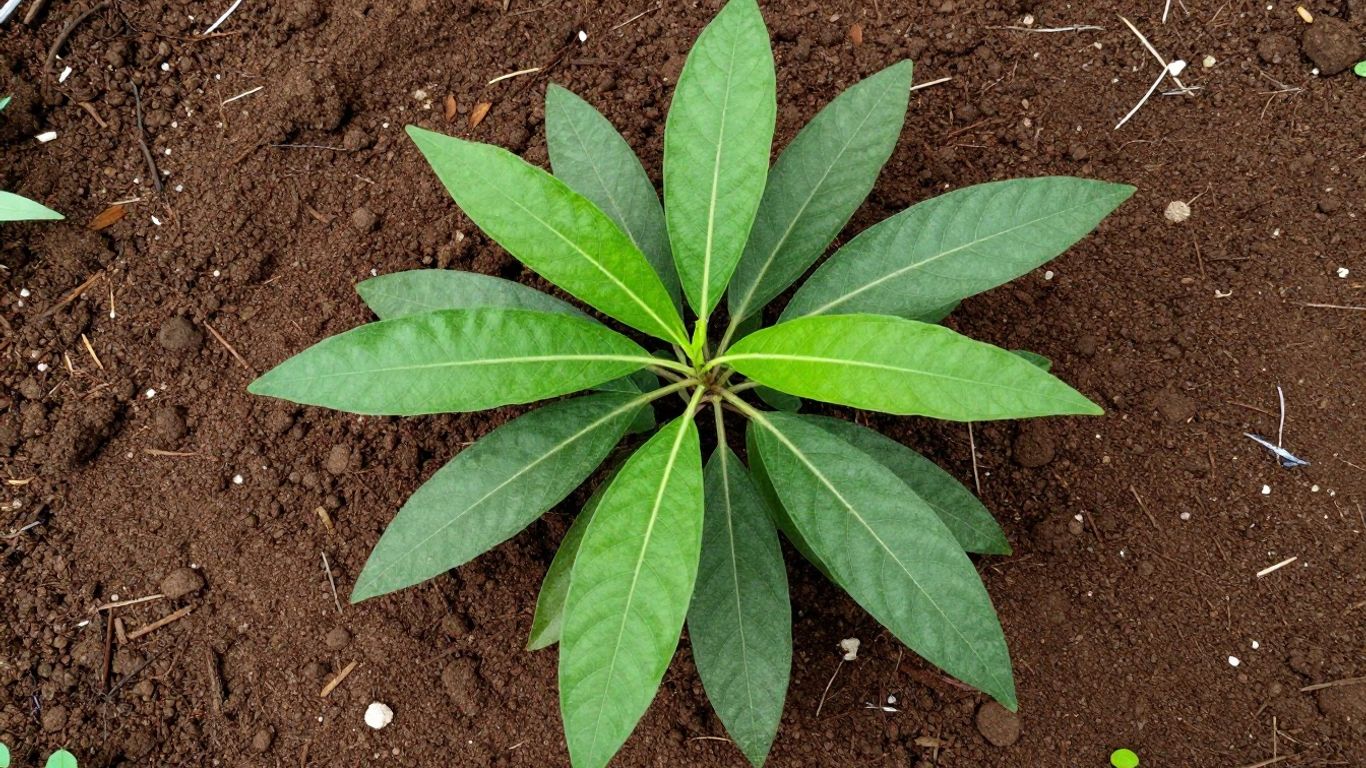
    Patchouli plants in Indonesian soil

    When we look for bulk patchouli oil, especially from a place like Indonesia, it’s not just about getting a good price. We need to think about where it comes from and how it’s made. This means looking beyond just the product itself and considering the people and the environment involved.

    Sustainability and Community Support Bulk Patchouli Oil Supplier

    We want to work with suppliers who care about the land and the farmers. This often means they support sustainable farming practices, which helps keep the soil healthy for future harvests. It’s also important that they treat their farmers fairly, paying them a good price for their hard work. Some companies even help fund community projects or provide training for farmers. Looking for suppliers who are transparent about their sustainability efforts is key. For example, some companies work directly with farmer cooperatives, which can help ensure better practices and fairer pay across the board. You can often find information about these initiatives on their websites, or by asking them directly about their farmer relationships and environmental policies. It’s good to see companies like PT Mitra Ayu Adi Pratama from Indonesia, who focus on working closely with farmers to promote sustainability in their operations [f34a].

    Identifying Trusted Sources and Red Flags Bulk Patchouli Oil Supplier

    Finding a reliable bulk patchouli oil supplier takes a bit of detective work. We should be wary of suppliers who use vague language about their oil, like calling it “mystical” or “exotic” without giving specific details about where it was grown or distilled. If a supplier offers several different “premium” patchouli oils from various regions at the same price, that’s also a bit of a warning sign, as quality can vary. We should always ask for detailed testing reports, like GC-MS (gas chromatography-mass spectrometry), for each batch.

    A reputable supplier will readily provide these, showing the specific compounds and their percentages. If they hesitate or can’t provide this information, it’s best to look elsewhere. Also, pay attention to the oil’s physical properties; pure patchouli oil should be thick and flow slowly, not like water. If an oil evaporates too quickly or leaves a greasy ring on paper, it might be diluted or adulterated. We want to see clear documentation, including batch analytics and packing details, especially when dealing with long shipping routes.

    Finding the right place to buy patchouli oil in large amounts is super important. You want to make sure you’re getting good quality stuff from a company you can trust. We know how tricky it can be to find a supplier that’s both honest and provides great products. That’s why we’re here to help you out. Check out our website to learn more about how to pick a great supplier and get the best patchouli oil for your needs.

    Wrapping Up Our Search for Quality

    So, we’ve looked at a lot of things when it comes to finding a good bulk patchouli oil supplier in Indonesia. It’s not just about grabbing the first bottle you see. We need to think about where it comes from, how it’s made, and if the supplier is upfront about all of it. Asking for those lab reports and checking out their practices really makes a difference. By taking our time and being a bit picky, we can find suppliers who offer the real deal, supporting good farming and giving us a product we can trust. It’s worth the effort to get that authentic Indonesian patchouli.

  • How to Import Patchouli Oil to USA / Europe / Middle East

    How to Import Patchouli Oil to USA / Europe / Middle East

    Navigating Patchouli Oil Import USA Regulations

    Patchouli oil being imported internationally.

    Understanding U.S. Customs and Border Protection Requirements

    Bringing patchouli oil into the United States involves working with U.S. Customs and Border Protection (CBP). To Run patchouli oil import USA, We need to make sure all our shipments meet their standards. This means having the right paperwork ready, like commercial invoices and bills of lading. We also have to consider any duties or taxes that might apply to our specific import.

    It’s a good idea to check the Harmonized Tariff Schedule of the United States (HTSUS) to see where patchouli oil falls and what the rates are. We also need to be aware of any specific labeling requirements or restrictions that CBP might have for imported botanical products. Staying informed about these rules helps avoid delays and unexpected costs when our products arrive.

    Meeting European Union Import Standards and Documentation

    Importing patchouli oil into the European Union requires us to follow a different set of rules. The EU has specific regulations for cosmetic ingredients and essential oils, especially concerning safety and labeling. We must provide documentation that proves the oil’s origin, purity, and composition. This often includes a Certificate of Analysis (CoA) and an International Nomenclature of Cosmetic Ingredients (INCI) declaration.

    We also need to be mindful of any restricted substances or allergens that might be present, as the EU has strict guidelines on these. Familiarizing ourselves with the EU’s General Product Safety Regulation and any specific directives related to cosmetics is key. Making sure our documentation is complete and accurate will help our shipments move smoothly through EU customs and reach our customers without issues.

    Key Considerations for Patchouli Oil Exporters

    Patchouli oil bottle with leaves on wooden surface.

    When we look at sending patchouli oil to new markets, there are a few things we really need to think about. It’s not just about having a good product; it’s about making sure it gets there correctly and meets all the rules. We’ve seen how important it is to get the details right.

    Ensuring Quality Control and Traceability for Global Markets

    First off, quality is king. The patchouli oil we export needs to be top-notch. This means paying close attention to how it’s grown, when the leaves are harvested, and how the oil is extracted. Different regions produce different kinds of patchouli oil, like the deep, earthy Indonesian variety or the sweeter Hawaiian type Patchouli oil varies significantly based on its origin.

    We need to know exactly what we’re sending and be able to prove it. This is where traceability comes in. We should have systems in place to track our oil from the farm all the way to the customer. This helps build trust and makes it easier to deal with any issues that might pop up. It also helps us meet the growing demand for natural and ethically sourced products.

    Exploring Market Opportunities Patchouli Oil Import USA and Europe

    Looking at patchouli oil import USA and Europe, we see some great chances. These markets are really interested in natural ingredients for things like perfumes, cosmetics, and aromatherapy. Consumers there are more aware of what’s in their products and prefer things that are good for them and the environment. The market for patchouli oil is growing, and it’s expected to keep growing over the next few years. We need to understand what these markets want.

    For example, Europe is a big importer of essential oils, and many of those come from developing countries. We should aim to be a reliable supplier that meets their high standards for quality and transparency. Being aware of market trends, like the move towards clean beauty and wellness, can help us position our patchouli oil effectively.

    When you’re thinking about exporting patchouli oil, there are a few important things to keep in mind. Making sure your product is top-notch and meets all the rules is super important. Also, knowing where your oil comes from and how it’s made helps a lot. If you want to learn more about how to do this right and find the best patchouli oil, check out our website!

    Wrapping It Up

    So, we’ve walked through the steps involved in bringing patchouli oil import USA, Europe, and the Middle East. It’s definitely a process with a few moving parts, from understanding regulations to finding reliable suppliers. But with the growing interest in natural products and the unique scent of patchouli, it seems like a worthwhile endeavor for many. We hope this guide has given you a clearer picture of what to expect. Remember to do your homework, stay organized, and you’ll be well on your way to importing this versatile oil.