Category: Article

  • Patchouli Oil Export from Indonesia: Regulations, Quality Standards & Documentation

    Patchouli Oil Export from Indonesia: Regulations, Quality Standards & Documentation

    Navigating Patchouli Oil Export Indonesia Regulations
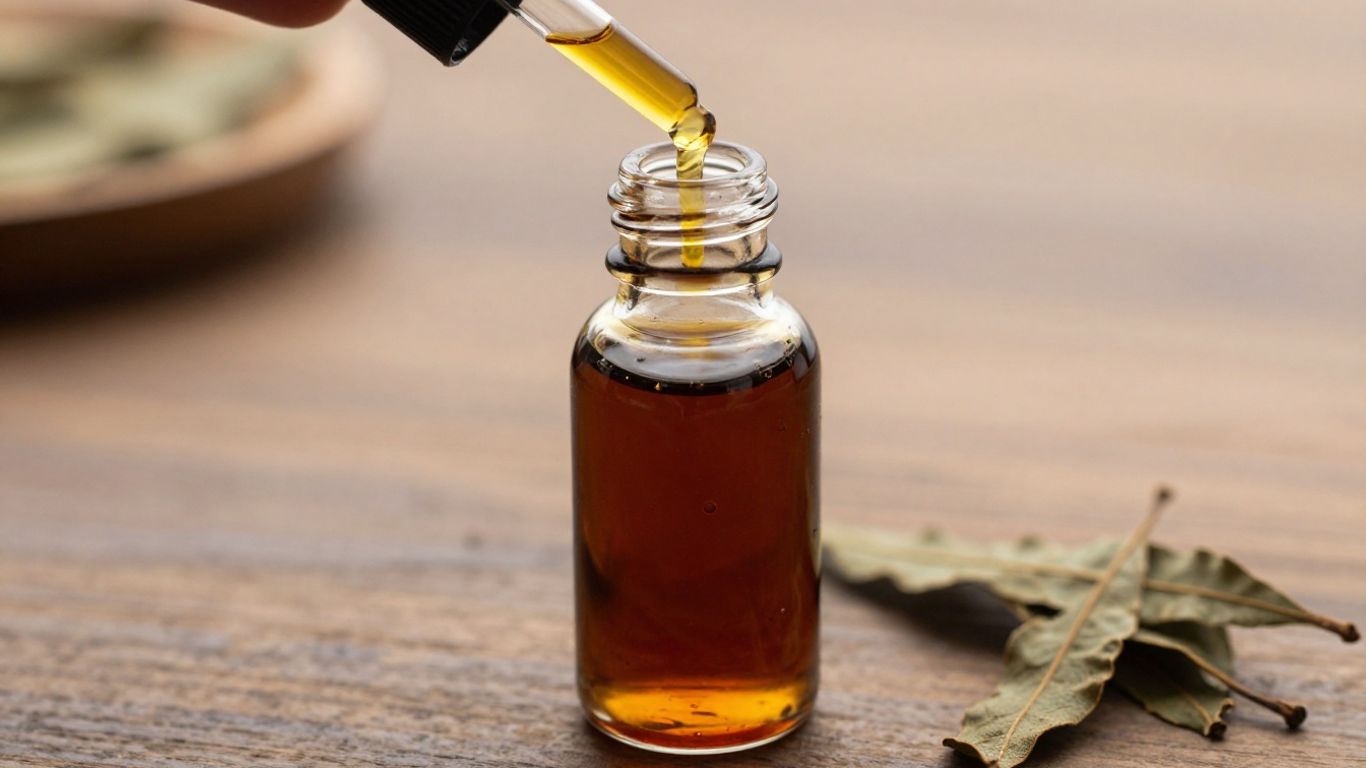
    Patchouli oil pouring from dropper into vial

    When we look to export patchouli oil from Indonesia, we need to pay close attention to the rules and requirements. It’s not just about having a good product; it’s about making sure it meets all the necessary standards for international trade. This involves understanding the compliance requirements set by both Indonesian authorities and the destination countries.

    Understanding Export Compliance Requirements

    To get our patchouli oil export Indonesia and into the hands of international buyers, we must follow specific procedures. This includes obtaining the correct permits and ensuring our product documentation is in order. We need to be aware of any trade agreements or specific import regulations in the countries we are exporting to. For instance, European markets often have detailed rules about chemical substances, like those covered by REACH regulations, which we must adhere to for shipments over a certain volume. Proper paperwork, such as certificates of origin and technical data sheets, is key to a smooth process. We also need to consider any specific labeling requirements or restrictions that might apply to our product in different regions.

    Meeting International Quality Standards

    Beyond just regulations, we also have to think about quality. Buyers expect patchouli oil that meets certain quality benchmarks. This means our oil should be pure and consistent, often with specific chemical profiles. Organizations like the International Organization for Standardization (ISO) have set guidelines for essential oils, which are important to be aware of, especially for cosmetic ingredients [1657]. We should be prepared to provide certificates of analysis that detail the oil’s properties, like its specific gravity and refractive index. For markets that prioritize natural and chemical-free products, having certifications like organic status can be a significant advantage. This shows our commitment to quality and meets the demands of a discerning global market.

    Ensuring Quality and Documentation for Patchouli Oil Exports Indonesia
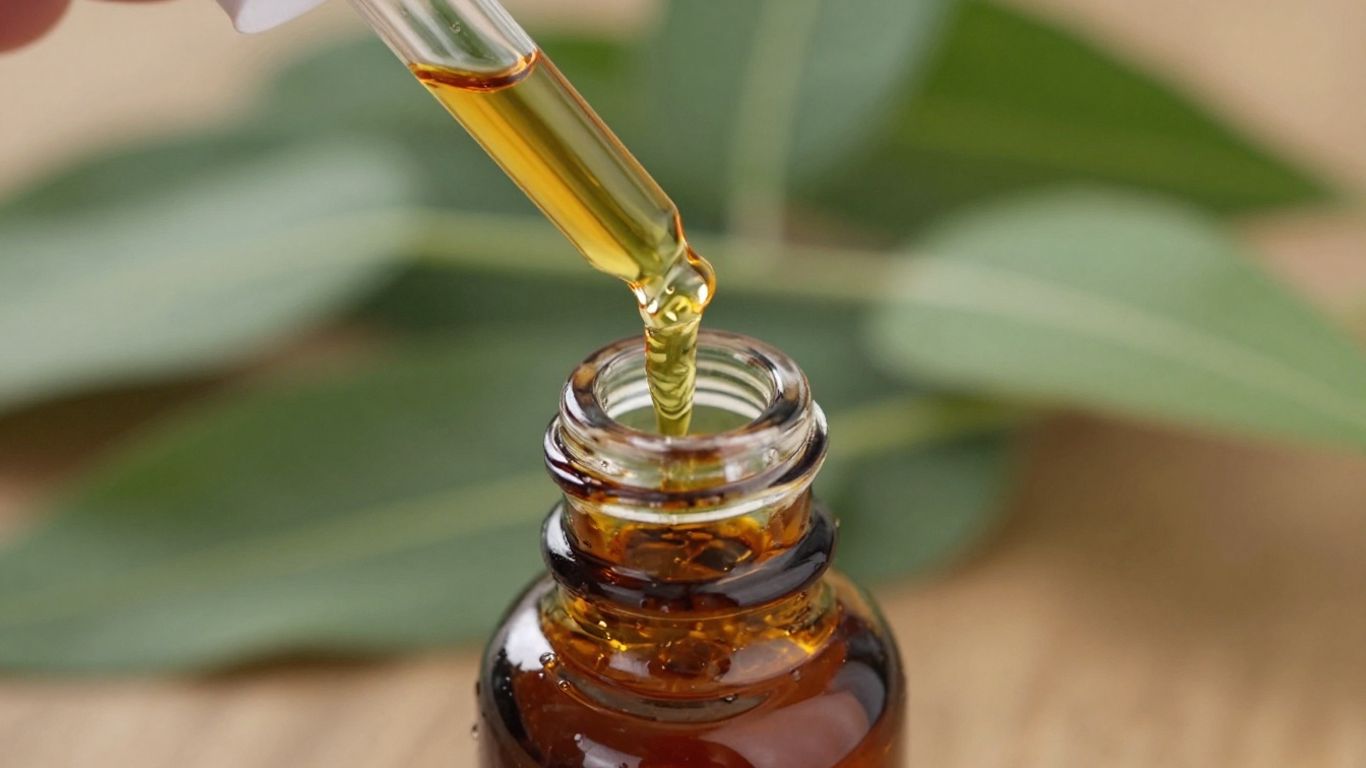
    Patchouli oil being poured into a vial.

    Key Quality Assurance Practices

    When patchouli oil export Indonesia, we know quality is the first thing buyers care about. It’s not just about the smell; it’s about what’s inside the oil. We make sure every batch is checked using Gas Chromatography-Mass Spectrometry (GC-MS). This test tells us exactly what compounds are in the oil and in what amounts. It helps us confirm that our patchouli oil has the right levels of patchouli alcohol, which is key for its scent and fixative properties. We also look at other components like seychellene and alpha-bulnesene.

    Our goal is to provide a consistent product that meets the specific needs of perfumers, cosmetic makers, and aromatherapy practitioners. We also pay attention to how the oil is extracted; steam distillation is our preferred method because it keeps the natural compounds intact. Some buyers might want organic certification, and we can provide that too, showing that the oil was produced without chemicals or GMOs.

    Patchouli Oil Export Indonesia Documentation

    Getting our patchouli oil to other countries means we need the right paperwork. It’s a bit like a passport for the oil. We always prepare a Certificate of Analysis (CoA) for each shipment. This document details the GC-MS results, physical properties like specific gravity and refractive index, and confirms the oil’s purity. We also provide a Material Safety Data Sheet (MSDS), which gives information on safe handling and potential hazards. A Certificate of Origin is another important piece, showing that the oil truly comes from Indonesia. For markets like Europe, we need to be aware of regulations like REACH, which might require chemical registration for larger volumes.

    We work closely with our logistics partners to make sure all these documents are accurate and submitted on time. This helps avoid any hold-ups at customs and makes the whole process smoother for everyone involved. Understanding the pricing and competitive landscape for these oils can also be quite helpful for exporters [e3cd]. We aim to make this part as straightforward as possible.

    Making sure our patchouli oil is top-notch and well-documented is super important for exporting. We follow strict rules to guarantee the best quality, so you know you’re getting pure, amazing oil every time. Want to learn more about our quality checks and how we document everything? Visit our website today!

    Wrapping It Up : Patchouli Oil Export Indonesia

    So, we’ve looked at what it takes to get Indonesian patchouli oil out into the world. It’s not just about growing the plants and distilling the oil, is it? We need to pay close attention to the rules and regulations, make sure our oil meets the right quality marks, and have all our paperwork in order. It might seem like a lot, but doing things right means our patchouli oil can reach customers everywhere smoothly and reliably. We’re committed to making sure that happens.

  • HS Code for Patchouli Oil and Import Regulations

    HS Code for Patchouli Oil and Import Regulations

    Understanding The HS Code For Patchouli Oil

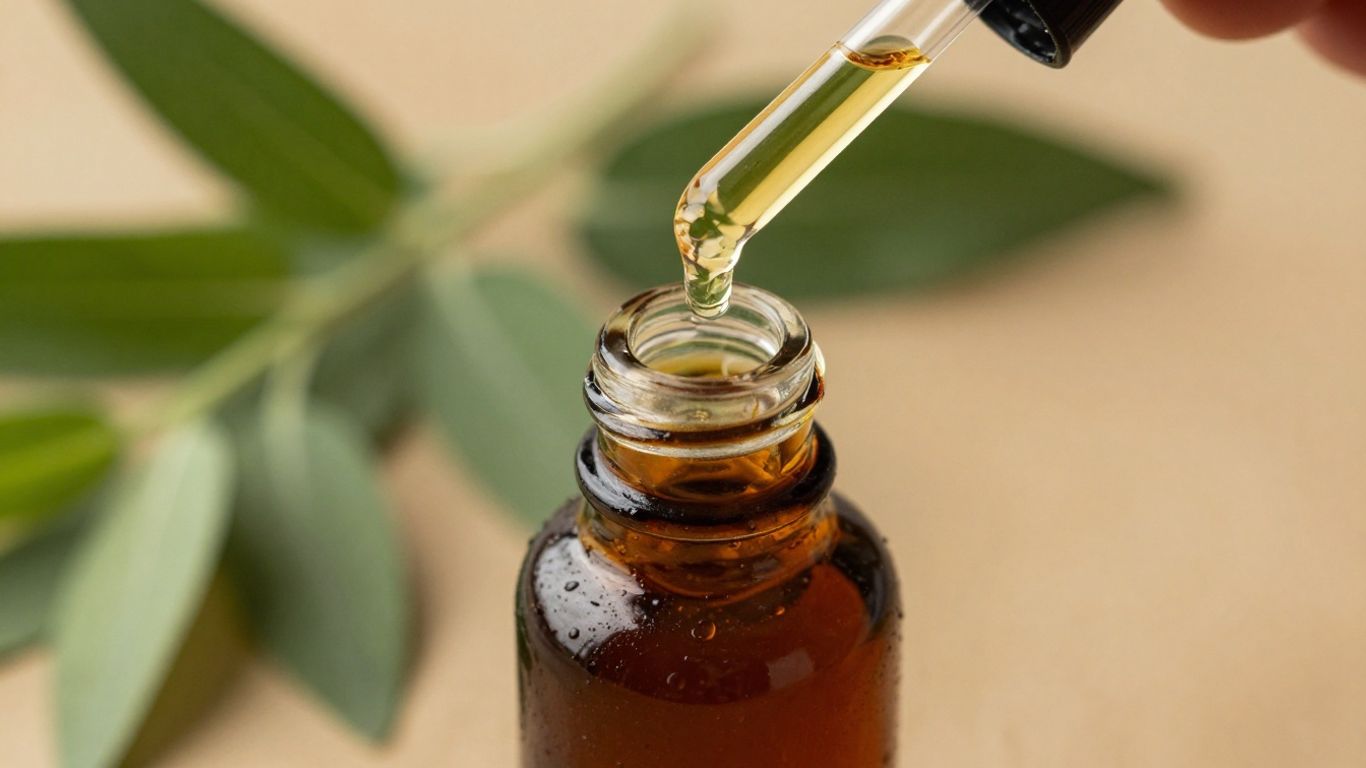
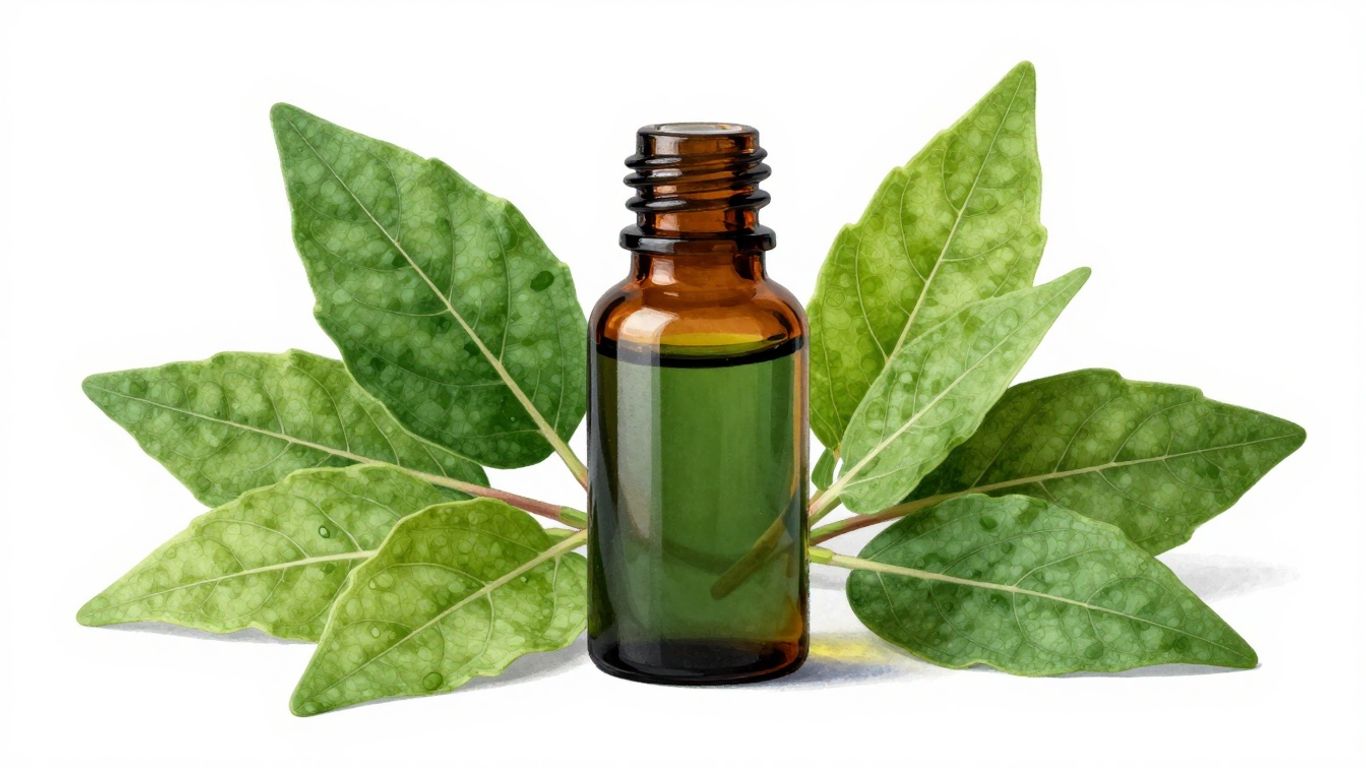
    Patchouli oil in a bottle with fresh leaves.

    Classifying HS Code For Patchouli Oil Export

    When we talk about importing or exporting patchouli oil, the first thing we need to get right is its classification under the Harmonized System (HS). This system is like a global language for trade, used by customs authorities everywhere to identify products. For patchouli oil, we typically find it falling under Chapter 33, which covers essential oils and perfumery or cosmetic preparations.

    More specifically, it often lands in the subheading 3301.90. This category is for ‘Other’ essential oils, which includes things like concentrates, aqueous distillates, and solutions. The exact HS code can vary slightly depending on the form of the patchouli oil, whether it’s a pure essential oil, an absolute, or a concentrate.

    Key Characteristics Defining The HS Code For Patchouli Oil

    So, what makes patchouli oil fit into a particular HS code? It really comes down to its physical and chemical properties, and how it’s been processed. The Harmonized System has specific descriptions for different types of essential oil preparations. For instance, if we’re dealing with concentrates obtained by methods like enfleurage or maceration, or even aqueous distillates, these fall under a specific code, often 3301.90.90. This code covers concentrates of essential oils in fats, fixed oils, or waxes, as well as aqueous distillates and solutions. It’s important to look at the details of the product.

    For example, patchouli infused into coconut oil would be classified differently than a steam-distilled patchouli essential oil. Understanding these distinctions helps us avoid any mix-ups with customs. If you’re unsure about the exact classification, it’s always best to consult the official tariff schedule or a customs broker. This is especially true when dealing with products that might have sustainability certifications, as these can sometimes influence trade regulations [d678].

    Navigating Import Regulations For Patchouli Oil

    Patchouli oil being poured from a dropper into a vial.

    When we bring patchouli oil into a country, there are rules we need to follow. These aren’t just random; they help make sure products are safe and that trade is fair. Think of it like a checklist to make sure everything is in order before the oil arrives.

    Essential Oils And Their Regulatory Framework

    Essential oils, including patchouli oil, fall under a broad category of regulations. These rules often cover how the oil is classified, its purity, and sometimes even where it came from. Different countries have their own specific requirements, so it’s important to check the rules for the destination country. For instance, some regulations might focus on the chemical makeup of the oil, while others might look at its intended use. We found that understanding the Combined Nomenclature for Chapter 33 is a good starting point for knowing how essential oils are categorized globally.

    Specific Import Controls And Trade Policies

    Beyond general rules, there can be specific controls. These might involve things like CITES (Convention on International Trade in Endangered Species of Wild Fauna and Flora) if the plant used for the oil is protected, though patchouli itself is not typically listed. We also need to be aware of any trade agreements or specific duties that apply. Sometimes, there are import quotas or licensing requirements, especially for larger commercial shipments. It’s always wise to look into any trade restrictions and policies that might affect your specific import. This can save a lot of trouble down the line.

    Understanding the rules for bringing patchouli oil into a country can be tricky. We’ve broken down the important details to help you out. Want to learn more about how to import essential oils smoothly? Visit our website for all the answers!

    Wrapping Things Up

    So, we’ve gone over the HS code for patchouli oil, which is 33019090. It’s important to get this right for importing. We also touched on some of the rules and regulations, like CITES export controls, that might affect your shipment. It can get a bit complicated with all the different country agreements and tariff preferences, but knowing the basics helps. We hope this clears things up a bit for anyone looking to import patchouli oil.

  • Unlock Healthy Hair: A Comprehensive List of Essential Oils and Their Uses

    Unlock Healthy Hair: A Comprehensive List of Essential Oils and Their Uses

    Exploring Key List Of Essential Oils And Their Uses For Hair Health

    a woman getting her hair washed in a sink

    We’re seeing a big shift in how we care for our hair. Many people are moving away from products with lots of chemicals and choosing natural options instead. Essential oils are leading this change. These are concentrated plant essences that have been used for a long time to help hair look and feel its best. They work by helping your scalp and hair in different ways. Here are list of essential oil and their uses for hair

    Tea Tree Oil: The Scalp Clarifier

    The first list of essential oils and their uses for hair is Tea tree oil. It is well-known for its cleaning properties. It can help clear up a dry, itchy scalp. This is because it has natural properties that can fight off things that might bother your scalp. A healthy scalp is the first step to healthy hair. Using tea tree oil can help create a better environment for hair to grow.

    Lavender Oil: The Calming Accelerator

    Second list of essential oils and their uses for hair is Lavender oil. It is often used for its relaxing scent, but it’s also great for hair. It can help calm an irritated scalp and may even help hair grow a bit faster. We find that when the scalp is happy and not inflamed, hair tends to grow more smoothly. It’s a gentle oil that many people find works well for them. it should include in list of essential oils and their uses for hair

    Cedarwood Oil: The Anti-Thinning Specialist

    Third list of essential oils and their uses for hair Is cedarwood. For those worried about hair thinning, cedarwood oil is worth looking into. It’s thought to help balance the oil glands on the scalp. It may also help increase circulation to the scalp. Better circulation means more good stuff can get to the hair follicles, which can help reduce hair loss and support stronger hair growth.

    Harnessing Essential Oils For Specific Hair Concerns

    Sometimes, our hair needs a little extra help for particular issues. We’ve found that essential oils can be really useful here. They work directly on the scalp and hair to help with common problems.

    Peppermint Oil: The Wake-Up Call For Follicles

    Fourth list of essential oils and their uses for hair is Peppermint oil. It is known for its tingly feeling. When we put it on our scalp, it wakes up the hair follicles. This can help hair grow better and faster. It’s like giving your scalp a refreshing drink. We like to add a few drops to our shampoo or conditioner. You can also mix it with a carrier oil for a scalp massage. Just a little goes a long way to get things moving.

    Chamomile Oil: The Shine Enhancer

    Fifth list of essential oils and their uses for hair is Chamomile oil. It is a gentler option. It’s great for making hair look shiny and healthy. It calms the scalp, which can help reduce itchiness. For us, it makes hair reflect light better, giving it a nice glow. We often use it in a hair rinse after washing. It leaves our hair feeling soft and looking bright.

    Ylang Ylang Oil: The Moisture Regulator

    Sixth list of essential oils and their uses for hair Ylang ylang oil. It is wonderful for balancing moisture. If your scalp is too dry or too oily, this oil can help. It works to bring things back to normal. This means it can help with dryness and also with too much oil. We find it works well in leave-in treatments. A few drops on the ends of damp hair can help control frizz and add moisture where it’s needed. It also has a lovely smell, which is a nice bonus. For more on natural hair care, you can check out lemongrass oil benefits.

    Choosing And Using Essential Oils Effectively

    Understanding Essential Oil Purity And Quality

    When we talk about using essential oils for our hair, the first thing we need to think about is what we’re actually buying. Not all oils are made the same, and some things sold as essential oils are just fake scents. These won’t help our hair and might even cause problems. We want to make sure we’re getting the real deal: 100% pure essential oils.

    How do we know if it’s pure? Look at the bottle. It should say “100% Pure Essential Oil.” It should also list the plant’s scientific name, like Lavandula angustifolia for lavender. Sometimes you’ll see “therapeutic grade,” which isn’t a real rule, but it often means the company cares about making good oil. Also, good oils come in dark glass bottles, like amber or blue, to keep the light from messing them up. If a company is open about where they get their plants and how they make the oil, that’s usually a good sign too.

    The Importance Of Dilution With Carrier Oils

    Essential oils are super strong. Think of them as the plant’s concentrated power. Because they are so strong, we can’t just put them straight on our scalp or hair. Doing that could make our skin red, itchy, or worse. It’s like trying to drink juice without adding any water – way too much!

    This is where carrier oils come in. These are regular oils, like coconut oil, jojoba oil, or argan oil. They are not as strong as essential oils. When we mix them together, the carrier oil spreads out the essential oil’s power. It also helps the good stuff from the essential oil get into our scalp and hair better. We never skip this step; it’s key to using essential oils safely and getting the best results for our hair. A good starting point for most people is about 2 to 3 drops of essential oil for every teaspoon of carrier oil. If you have sensitive skin, you might use even less, like 1 drop per teaspoon.

    Want to get the most out of your essential oils? Learning how to pick and use them the right way is key to unlocking their full benefits. It’s not just about smelling nice; it’s about using them smartly for your well-being. Ready to become an essential oil pro? Visit our website to discover all the tips and tricks you need to know.

    A Natural Path Forward

    So, we’ve looked at a bunch of different oils and how they can help our hair. It’s pretty amazing what nature can do, right? From helping with thinning hair to making things smoother and shinier, there’s an oil for pretty much every hair concern. The main things to remember are to use pure oils and to be consistent with it. It’s not like a quick fix, but over time, we think you’ll see a real difference. We hope this guide helps you pick the right oils and start your own journey to healthier hair.

  • The Applications of Original Vetiver in Aromatherapy and Massage Therapy

    Aromatherapy and massage therapy have long been used for their therapeutic benefits, offering relaxation, stress relief, pain management, and overall well-being. Essential oils are central to these practices, providing natural solutions that can enhance physical, emotional, and mental health. Among the most powerful and grounding essential oils is original vetiver.

    Derived from the roots of the Chrysopogon zizanioides plant, vetiver has been cherished for centuries for its calming and healing properties. Known for its deep, earthy, and grounding aroma, original vetiver essential oil has a wide range of applications in both aromatherapy and massage therapy. This article will explore how original vetiver essential oil is used in these two healing practices, its benefits, and how it can contribute to holistic wellness.

    What is Vetiver Oil?

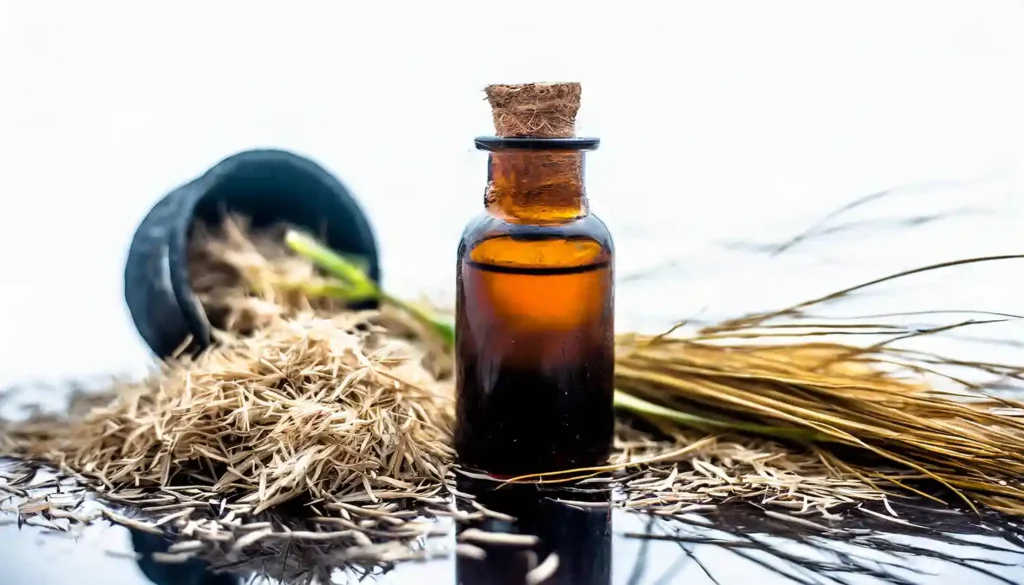
    Original vetiver essential oil is steam-distilled from the roots of the vetiver plant, which is native to India but now grown in various parts of the world, including Indonesia, Haiti, and Madagascar. The oil is thick, dark brown in color, and has a distinct earthy, woody, and slightly sweet fragrance. Often referred to as the “oil of tranquility,” vetiver is highly regarded for its grounding and stabilizing effects on both the body and mind.

    Original vetiver oil has a complex chemical composition, rich in sesquiterpenes, which contribute to its deep, calming effects. These compounds are known for their ability to influence the nervous system, reduce stress, and provide emotional support. Because of its robust aroma and calming properties, vetiver is commonly used in both aromatherapy and massage therapy, offering a range of benefits for physical relaxation, mental clarity, and emotional healing.

    The Role of Original Vetiver in Aromatherapy

    Aromatherapy relies on essential oils to promote wellness, often focusing on the emotional, mental, and physical effects of these plant-based oils. Original vetiver oil plays an important role in aromatherapy, especially due to its grounding and soothing properties. Below are some of the key applications of vetiver in aromatherapy:

    1. Stress and Anxiety Relief

    One of the most well-known benefits of vetiver oil is its ability to relieve stress and reduce anxiety. The deep, earthy aroma of vetiver helps calm the nervous system, encouraging a sense of stability and emotional balance. This makes original vetiver essential oil particularly beneficial for individuals experiencing chronic stress, anxiety, or nervous tension.

    To utilize vetiver oil for stress relief, it can be diffused in a room using an essential oil diffuser. A few drops of vetiver oil can fill the air with its calming fragrance, helping to create a peaceful environment. Inhaling vetiver vapor can have a sedative effect on the body, making it easier to relax and manage stress levels throughout the day. It’s also helpful for individuals who have trouble calming their racing thoughts or experiencing mental overload.

    2. Improved Sleep Quality

    Due to its calming and grounding properties, original vetiver essential oil is widely used to promote better sleep. Its soothing aroma is excellent for individuals who struggle with insomnia or have difficulty falling asleep. Vetiver oil helps quiet the mind, reduces anxiety, and fosters a sense of calm, all of which contribute to a more restful night’s sleep.

    To improve sleep quality, a few drops of original vetiver oil can be added to a diffuser or placed on a cotton ball beside your bed. Alternatively, a few drops can be added to a pillow or bed linens. The calming effects of vetiver can help to quiet the mind, making it easier to drift off into a peaceful sleep. Some people may even combine vetiver with other calming oils like lavender or chamomile for a more powerful sleep blend.

    3. Emotional Balance and Grounding

    Vetiver oil is known for its grounding and stabilizing effects on the emotions. It is particularly useful for individuals who feel disconnected, overwhelmed, or scattered. By promoting emotional stability, vetiver helps individuals reconnect with their inner self and restore a sense of calm and balance.

    In aromatherapy, original vetiver is often used during meditation or mindfulness practices to encourage a sense of grounding and focus. By inhaling vetiver’s earthy aroma, individuals can center themselves, releasing any emotional tension or imbalance. It is also helpful for those who experience mood swings, emotional volatility, or feelings of instability, as it fosters a sense of security and emotional strength.

    4. Mental Clarity and Focus

    In addition to its grounding and calming properties, vetiver oil can also support mental clarity and concentration. The oil’s deep, woody fragrance has been shown to stimulate the mind and improve focus, which can be beneficial during work or study. For individuals who experience mental fatigue or difficulty concentrating, vetiver is a valuable tool for improving cognitive function and alertness.

    By diffusing original vetiver oil or applying it topically during times of mental exhaustion, individuals can experience improved focus and clarity. The oil can help clear mental fog, allowing for better concentration on tasks at hand.

    The Role of Vetiver in Massage Therapy

    Massage therapy, an ancient practice that involves the manipulation of soft tissue to promote relaxation and healing, can be enhanced with the use of essential oils. Original vetiver oil, with its soothing and grounding qualities, is an ideal addition to massage therapy. Here are some ways that vetiver oil can be used effectively in massage:

    1. Muscle Relaxation and Pain Relief

    Vetiver essential oil is known for its anti-inflammatory and analgesic properties, making it an excellent choice for relieving muscle tension, joint pain, and other forms of discomfort. Its soothing effects help relax tight muscles, reduce inflammation, and ease pain, making it a great addition to any massage oil blend for muscle relaxation.

    For muscle relief, vetiver oil can be diluted with a carrier oil, such as coconut or almond oil, and massaged directly into sore muscles or tense areas. The warming sensation of vetiver can help improve circulation, reducing stiffness and promoting a sense of physical relaxation.

    2. Stress Relief Through Touch and Aroma

    Massage therapy combined with aromatherapy is a powerful method for relieving stress and anxiety. When vetiver oil is used in a massage, the physical benefits of the massage – including improved circulation, reduced muscle tension, and relaxation – are amplified by the grounding effects of vetiver’s aroma. The deep, earthy scent helps to calm the mind, enhancing the relaxation process.

    For a full-body stress-relief massage, a blend of original vetiver oil and a carrier oil can be applied to the back, neck, shoulders, and legs, focusing on areas of tension and stress. The combined benefits of the massage and the grounding properties of vetiver can help reduce anxiety, stabilize mood, and foster a deep sense of relaxation.

    3. Detoxification and Skin Healing

    Vetiver oil is also beneficial for skin health due to its antiseptic and regenerative properties. It can aid in the detoxification process, helping to cleanse the body of toxins and promoting the healing of scars, stretch marks, or other skin imperfections. The oil’s anti-inflammatory properties also help soothe skin irritation, redness, or rashes.

    In massage therapy, vetiver oil can be combined with other oils like tea tree or frankincense to create a detoxifying and skin-healing blend. When massaged into the skin, vetiver helps promote a sense of renewal and rejuvenation, supporting both the physical and emotional aspects of healing.

    4. Improved Circulation

    Massaging with vetiver oil can also help stimulate blood flow and improve circulation. This is particularly beneficial for individuals experiencing poor circulation or those recovering from injuries. Vetiver oil’s warming effect helps dilate blood vessels, promoting better blood flow throughout the body.

    By incorporating vetiver oil into a massage, clients can benefit from improved circulation, reduced swelling, and increased energy. This can be particularly helpful after physical exertion or for individuals dealing with chronic pain or fatigue.

    How to Use Vetiver Oil in Aromatherapy and Massage Therapy

    To fully enjoy the benefits of vetiver essential oil in aromatherapy and massage therapy, there are a few practical tips and methods for incorporating it into your routine:

    • Aromatherapy Diffusion: Add a few drops of vetiver oil to an essential oil diffuser to fill the room with its grounding aroma. This is ideal for stress relief, better sleep, and emotional balance.
    • Topical Application: Dilute vetiver oil with a carrier oil (like coconut or jojoba oil) before applying it to the skin for massage. Be sure to test for any skin sensitivity by doing a patch test first.
    • Relaxing Bath: Add a few drops of vetiver oil to a warm bath to experience its calming and muscle-relaxing effects.

    Conclusion

    Original vetiver essential oil is a versatile and powerful tool in both aromatherapy and massage therapy. Its grounding, soothing, and healing properties make it ideal for relieving stress, anxiety, muscle tension, and emotional imbalance. Whether used in diffusers to calm the mind or in massage blends to relax the body, vetiver oil offers a wide range of benefits for both physical and emotional well-being. By incorporating vetiver oil into your wellness routine, you can achieve greater relaxation, improved mental clarity, and a sense of deep grounding and stability.

  • Why Lemongrass Oil is a Natural Remedy for Stress and Anxiety

    Why Lemongrass Oil is a Natural Remedy for Stress and Anxiety

    In our fast-paced, modern world, stress and anxiety have become nearly unavoidable. From juggling work and family responsibilities to dealing with uncertainty and health concerns, mental well-being often takes a back seat. While many turn to pharmaceutical solutions, there is a growing interest in natural remedies that offer holistic, side-effect-free relief. Lemongrass oil is one such powerful, plant-based ally.

    With its refreshing citrus aroma and a long history in traditional healing practices, lemongrass oil is now being recognized as a potent natural remedy for reducing stress and managing anxiety. In this article, we’ll explore the science, benefits, and practical uses of lemongrass oil for emotional balance and mental wellness.


    What is Lemongrass Oil?

    Lemongrass oil is extracted through steam distillation from the leaves and stalks of the lemongrass plant (Cymbopogon citratus), a tall tropical grass native to Asia. Known for its lemony, earthy aroma, the oil is rich in powerful compounds such as:

    • Citral – known for its antimicrobial and calming effects
    • Geraniol – supports mood and acts as a natural antioxidant
    • Limonene – uplifts mood and provides anti-inflammatory benefits
    • Myrcene and Nerol – promote relaxation and soothe the nervous system

    These active constituents make lemongrass oil a natural choice for promoting relaxation, reducing mental fatigue, and combating stress-related symptoms.


    The Science Behind Stress Relief with Lemongrass Oil

    Aromatherapy, the practice of using essential oils to promote psychological and physical well-being, is supported by science. When we inhale essential oil molecules, they travel through the olfactory system and directly impact the limbic system—the part of the brain that governs emotions, memory, and behavior.

    Lemongrass oil in particular has been shown to:

    • Lower cortisol levels (the stress hormone)
    • Stimulate serotonin and dopamine production (mood-lifting neurotransmitters)
    • Reduce sympathetic nervous system activity, which governs the “fight or flight” response

    Together, these effects explain why lemongrass oil is so effective in calming the mind and body.


    Top Benefits of Lemongrass Oil for Stress and Anxiety


    1. Reduces Mental Fatigue

    Mental exhaustion often accompanies stress and anxiety, leaving you feeling drained and foggy. Lemongrass oil provides an energizing boost while still being calming—helping you feel refreshed without overstimulation.

    How to use: Add a few drops to a diffuser while working or studying to promote mental clarity and reduce tension.


    2. Relieves Anxiety Symptoms

    Lemongrass oil’s aroma has been found to have anxiolytic (anxiety-reducing) effects. It soothes nervous energy, lowers heart rate, and encourages deep, relaxed breathing—all of which reduce anxiety levels.

    Scientific support: A study published in The Journal of Alternative and Complementary Medicine found that inhaling lemongrass oil for just 10 minutes significantly reduced anxiety in participants undergoing stress-inducing situations.

    How to use: Place 1-2 drops on a tissue or cotton ball and inhale deeply when feeling anxious. Alternatively, apply (diluted) to pulse points like wrists or temples.


    3. Promotes Better Sleep

    Anxiety often leads to insomnia or poor-quality sleep. Lemongrass oil’s sedative effects help the body and mind wind down, making it easier to fall asleep and stay asleep.

    How to use: Diffuse lemongrass oil in your bedroom 30 minutes before bedtime. You can also add a few drops to your pillow or a warm bath.


    4. Eases Tension and Headaches

    Physical symptoms of stress often manifest as muscle tension, headaches, and jaw tightness. Lemongrass oil has analgesic and anti-inflammatory properties that help relax muscles and reduce pain.

    How to use: Blend 2-3 drops with a carrier oil like jojoba or coconut oil and massage into tense areas like the neck, shoulders, and forehead.


    5. Balances Mood and Emotions

    Lemongrass oil works as a natural mood enhancer. It has a balancing effect—neither overly sedating nor overly stimulating. It uplifts low spirits while calming mental restlessness.

    How to use: Create a personal aromatherapy roller blend using lemongrass and complementary oils like lavender or bergamot, and apply throughout the day.


    Other Holistic Benefits That Support Mental Well-being

    While the direct effects of lemongrass oil on stress and anxiety are impressive, its indirect health benefits also play a role in promoting overall mental wellness.


    6. Detoxifies the Body

    A buildup of toxins in the body can affect mood, energy levels, and brain function. Lemongrass oil has detoxifying effects that support liver function, flush out waste, and restore internal balance.

    How to use: Add to a massage oil and apply along the spine or abdomen for gentle detoxification.


    7. Boosts Immunity

    Chronic stress weakens the immune system. Lemongrass oil’s antimicrobial and antioxidant properties help protect the body from illness, keeping you healthier and more resilient to stress.


    8. Improves Circulation

    Good blood circulation is essential for delivering oxygen and nutrients to the brain, which supports better mood and mental focus. Lemongrass oil stimulates circulation, which may also help in reducing stress-related fatigue.


    How to Use Lemongrass Oil Safely

    Lemongrass oil is powerful and should be used with care. Here are some safety tips:

    • Always dilute before applying to the skin (typically 2–3% dilution in a carrier oil).
    • Patch test before first use to check for allergic reactions.
    • Avoid contact with eyes and mucous membranes.
    • Not recommended for pregnant or breastfeeding women without medical consultation.
    • Do not ingest unless advised by a qualified healthcare provider.

    Complementary Oils for Stress Relief

    For an enhanced calming effect, blend lemongrass oil with other stress-relieving essential oils such as:

    • Lavender – deep relaxation and sleep support
    • Bergamot – natural antidepressant
    • Frankincense – grounding and spiritual focus
    • Ylang-ylang – emotional balancing and soothing
    • Clary sage – hormone-related mood support

    Simple DIY Aromatherapy Recipes

    Here are a couple of easy ways to incorporate lemongrass oil into your daily routine:


    🌿 Stress-Relief Room Spray

    Ingredients:

    • 1/2 cup distilled water
    • 10 drops lemongrass oil
    • 5 drops lavender oil
    • 1 tsp witch hazel (to help mix)

    Instructions:
    Combine all ingredients in a spray bottle. Shake well and spray around your room or workspace to refresh and calm the atmosphere.


    🛁 Calming Bath Soak

    Ingredients:

    • 1 cup Epsom salts
    • 5 drops lemongrass oil
    • 5 drops bergamot oil
    • 1 tbsp carrier oil (like sweet almond)

    Instructions:
    Mix ingredients and add to a warm bath. Soak for at least 20 minutes to relax your body and mind.


    Conclusion

    In a world filled with stressors and overstimulation, finding natural, effective ways to relax is more important than ever. Lemongrass essential oil offers a time-tested, science-backed solution for calming the nervous system, reducing anxiety, and restoring emotional balance.

    Whether diffused into your environment, applied topically in a soothing massage, or added to your nighttime routine, lemongrass oil is a gentle yet powerful tool for nurturing mental wellness.

    As always, consistency and mindfulness in usage are key. Combined with healthy lifestyle habits such as regular sleep, movement, and a balanced diet, lemongrass oil can become a staple in your self-care toolkit—bringing peace, clarity, and calm to your daily life.

  • Powerful Clove Oil Truth: Myths Debunked, Benefits in 2025

    Powerful Clove Oil Truth: Myths Debunked, Benefits in 2025

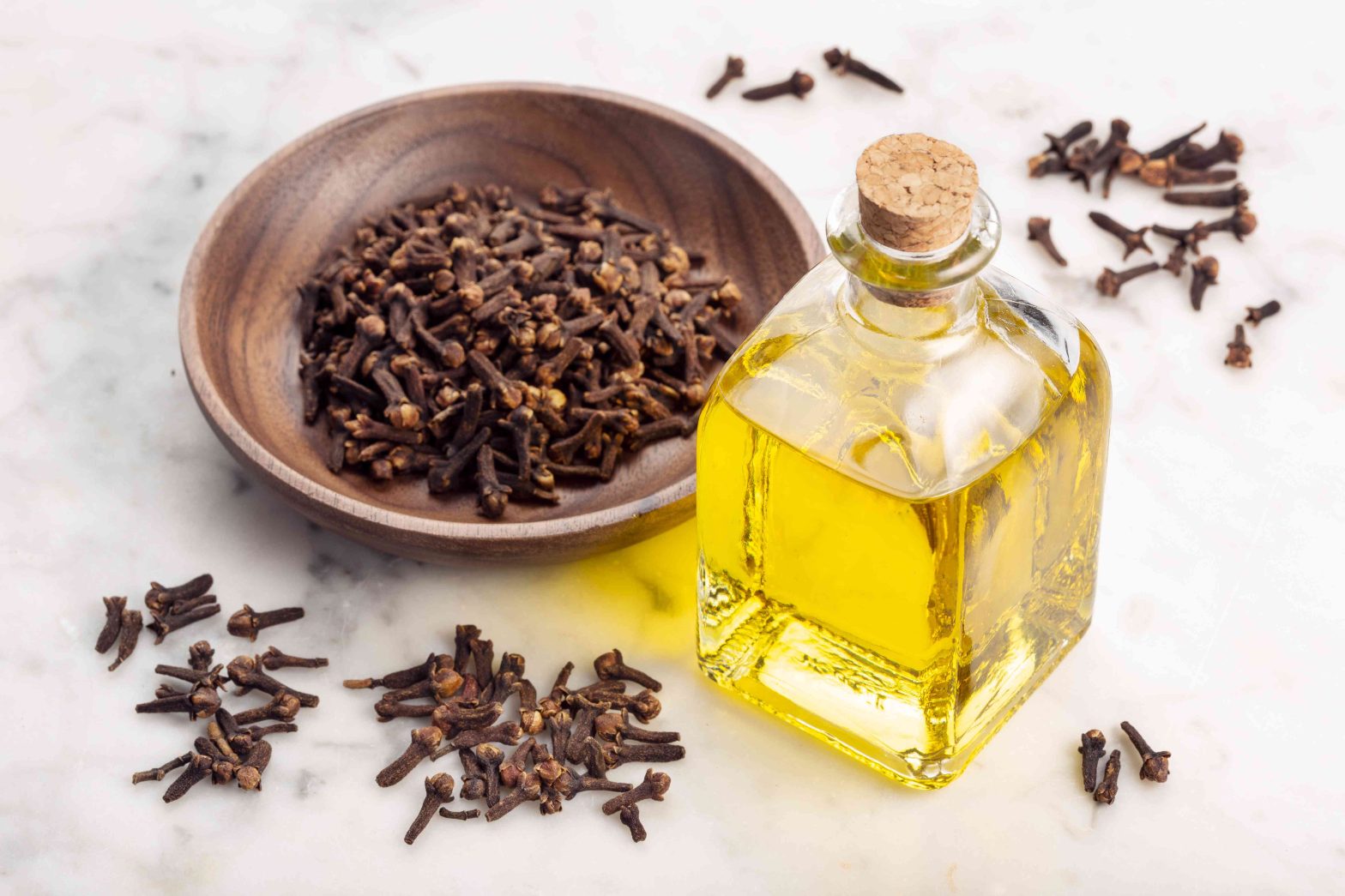
    clove oil, myths, debunked, fiction

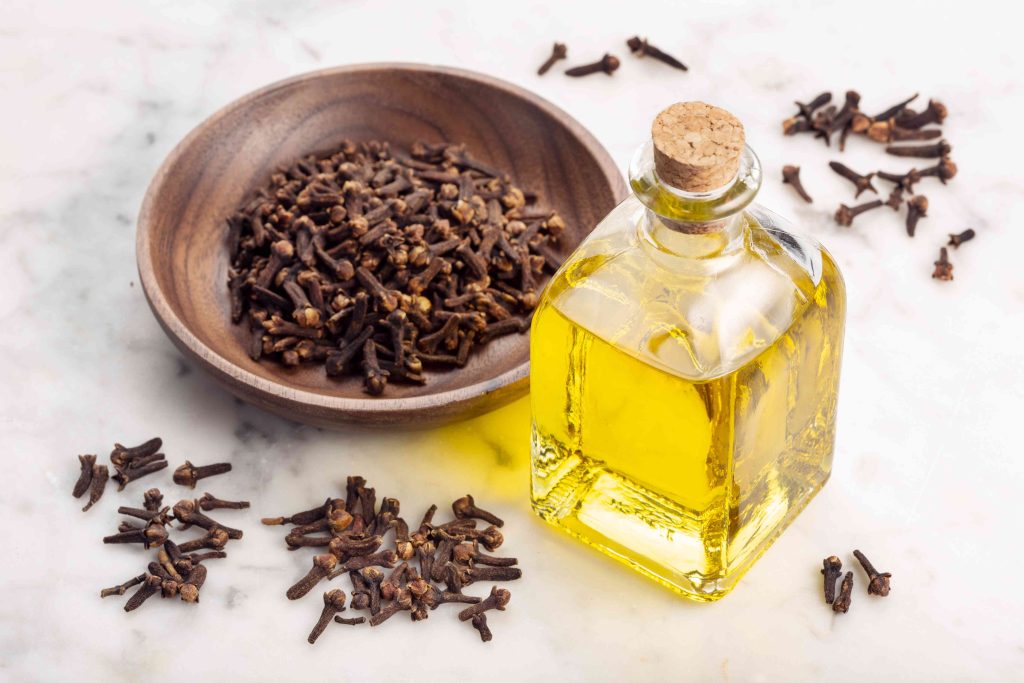
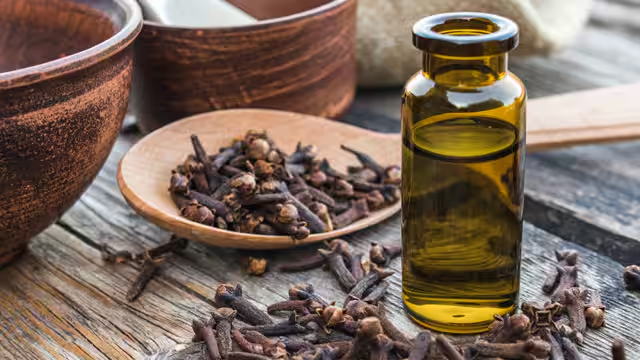
    For centuries, clove oil has been praised for its medicinal, culinary, and aromatic properties. Derived from the dried flower buds of the clove tree (Syzygium aromaticum), this essential oil has traveled across cultures and generations, finding a place in traditional remedies and modern wellness practices alike. But as with many natural products, myths and misconceptions have grown around it—sometimes exaggerating its benefits, other times creating unnecessary fears.

    In this article, we’ll separate fact from fiction, breaking down the most common myths about clove oil and uncovering what science and history actually tell us.


    Myth 1: Clove Oil Is a Cure-All for Every Illness

    clove oil, myths, debunked, fiction

    Fiction: Some claim clove oil is a miracle cure, capable of healing everything from headaches and arthritis to chronic diseases and infections.

    Fact: While clove oil does have proven medicinal properties, it is not a cure-all. Its most researched compound, eugenol, possesses anti-inflammatory, antibacterial, and analgesic effects. Studies have shown its effectiveness in relieving toothaches, reducing inflammation, and fighting certain bacteria and fungi. However, it cannot replace professional medical treatment for serious conditions such as diabetes, cancer, or viral infections.

    The truth lies in moderation: clove oil can support health and wellness when used correctly, but it is not a substitute for evidence-based medicine.


    Myth 2: Clove Oil Is Always Safe Because It’s Natural

    Fiction: Many people believe that anything natural is automatically safe, and clove oil is no exception. Some assume they can use it in large amounts without concern.

    Fact: Natural does not always equal safe. In concentrated form, clove oil can cause skin irritation, allergic reactions, and even toxicity if ingested in high doses. Children and pregnant women, in particular, should use it with caution and under guidance.

    Topical application should always be diluted with a carrier oil, such as coconut or olive oil, to prevent burns or irritation. When inhaled or used in aromatherapy, moderation is key. The line between beneficial and harmful depends on how responsibly the oil is applied.


    Myth 3: Clove Oil Can Replace Dental Treatment

    Fiction: A popular belief is that clove oil alone can treat cavities, gum disease, and other dental issues, eliminating the need for professional dental care.

    Fact: Clove oil has indeed been used for centuries as a natural remedy for toothaches. Eugenol acts as a mild anesthetic and antibacterial agent, which explains why it provides temporary pain relief. In fact, some dental products still use eugenol as an ingredient.

    However, clove oil cannot reverse tooth decay, repair cavities, or cure gum disease. It may soothe pain for a short while, but professional dental treatment is necessary to address the root cause of oral health problems. At best, clove oil is a helpful home remedy—not a replacement for the dentist’s chair.


    Myth 4: Clove Oil Works the Same for Everyone

    Fiction: Another misconception is that clove oil has universal effects, and what works for one person will work the same way for another.

    Fact: Like any natural remedy, clove oil interacts differently with each individual. Factors such as skin sensitivity, existing health conditions, allergies, and dosage can all influence the outcome. For example, one person may find clove oil extremely effective for soothing muscle pain, while another may experience irritation or no relief at all.

    Listening to your body and consulting healthcare professionals before using clove oil extensively is essential. Its effects are not one-size-fits-all.


    Myth 5: Clove Oil Has No Side Effects

    Fiction: Because it is plant-based, some assume clove oil has no side effects and can be freely used in cooking, skincare, and medicine.

    Fact: While clove oil is generally safe when used properly, overuse or misuse can lead to problems. Ingesting large amounts may cause nausea, dizziness, liver damage, or even seizures in extreme cases. Topical misuse may result in rashes or burning sensations.

    Even small amounts of pure, undiluted clove oil can irritate delicate tissues. Therefore, understanding proper dosage and method of application is crucial. Side effects are rare when clove oil is used wisely, but they can be serious if ignored.


    Myth 6: Clove Oil Is Only Useful for Dental Pain

    Fiction: Because clove oil is most commonly associated with toothaches, many believe that’s its only real purpose.

    Fact: Clove oil has a wide range of applications beyond dental care. Traditionally, it has been used as a natural insect repellent, an ingredient in perfumes, and a flavoring in foods and beverages. Its antimicrobial properties also make it valuable in preserving foods.

    In aromatherapy, clove oil is believed to boost mood, reduce stress, and even improve mental clarity. While more research is needed to confirm these broader effects, its versatility extends far beyond the dentist’s office.


    Myth 7: Clove Oil Can Be Consumed Without Any Limitations

    Fiction: Since clove oil comes from a spice commonly used in cooking, some assume consuming the oil itself is just as safe in any quantity.

    Fact: There is a major difference between cooking with clove spice and ingesting concentrated clove oil. A pinch of ground cloves in food is harmless for most people, but even a few drops of clove oil may be too strong if swallowed directly. Internal use should always be approached with caution and preferably under the supervision of a healthcare professional.


    Myth 8: Clove Oil Is a Modern Wellness Trend

    Fiction: With its growing popularity in the wellness and aromatherapy industries, some assume clove oil is a recent discovery.

    Fact: The use of clove oil dates back thousands of years. Ancient Chinese and Indian medicine both recorded its applications, and it was a highly prized commodity during the spice trade. In Europe, clove oil became known as a valuable remedy during the Middle Ages, particularly for oral health and infection control.

    Its resurgence today is less about new discovery and more about rediscovery—modern wellness practices are simply bringing traditional knowledge back into the spotlight.


    How to Use Clove Oil Safely

    Now that we’ve separated fact from fiction, here are some guidelines for safe and effective use:

    • Dilution is key: Always dilute clove oil with a carrier oil before applying to the skin.
    • Test first: Perform a patch test to check for allergic reactions.
    • Avoid overuse: Limit topical application to a few drops, and avoid frequent internal use without guidance.
    • Seek medical advice: Consult a healthcare professional before using clove oil for chronic pain, pregnancy, or serious conditions.
    • Use responsibly in aromatherapy: A few drops in a diffuser are sufficient for most purposes.

    Conclusion

    Clove oil is a remarkable natural product with a long history of use in medicine, cuisine, and wellness. However, separating fact from fiction is crucial to avoid exaggerated expectations and potential risks. While it offers real benefits—especially for oral health, inflammation, and antimicrobial purposes—it is not a cure-all, nor is it free from side effects.

    By debunking the myths and embracing the facts, we can appreciate clove oil for what it truly is: a powerful, versatile, but not magical natural remedy. Used responsibly, it can enrich our lives and well-being without falling into the trap of overhype or misinformation.

  • The Impact of Climate Change on Agarwood Production

    The Impact of Climate Change on Agarwood Production

    Agarwood, often referred to as “liquid gold,” is one of the most precious natural resources in the world. Derived from the heartwood of Aquilaria and Gyrinops trees, agarwood forms when the tree is infected by a specific type of mold (Phialophora parasitica and related fungi). The tree responds to this invasion by producing a dark, resinous substance, which is highly valued for its use in perfumes, incense, and traditional medicines across Asia and the Middle East.

    The global demand for agarwood continues to rise, with prices reaching thousands of dollars per kilogram for high-grade material. However, the very conditions that sustain agarwood production are being threatened by climate change, creating significant risks for producers, traders, and local communities that depend on this commodity.

    This article explores how shifting climate are impacting agarwood production, the ecological and economic consequences, and strategies being developed to adapt to these changes.


    1. Agarwood Ecology and Its Vulnerability to Climate

    Agarwood trees thrive in humid, tropical forests across South and Southeast Asia, particularly in countries like India, Indonesia, Thailand, Cambodia, Vietnam, and Malaysia. These trees require:

    • High humidity for optimal growth.
    • Consistent rainfall (1,500–2,500 mm annually).
    • Stable temperatures between 20–35°C.

    Because agarwood resin forms only when trees are stressed—whether by fungal infection, wounding, or environmental pressure—the right balance between tree health and stress is crucial. Climate change threatens this balance in multiple ways.


    2. Rising Temperatures and Heat Stress

    Global warming is already raising average temperatures in tropical regions. For agarwood trees, excessive heat stress can:

    • Impair photosynthesis, reducing growth rates.
    • Increase tree mortality, especially in seedlings and young plantations.
    • Reduce the quality of the resin, since resin biosynthesis is affected by physiological stress beyond certain thresholds.

    Some regions that were once ideal for Aquilaria cultivation may soon become unsuitable if the upward temperature trend continues.


    3. Shifts in Rainfall and Water Availability

    Climate change has also disrupted rainfall patterns. Both droughts and floods can negatively affect agarwood production:

    • Drought conditions stunt tree growth, increase mortality, and make trees more vulnerable to pests and diseases. Water stress can sometimes encourage resin production, but excessive dryness can kill the trees before valuable agarwood can form.
    • Excessive rainfall or flooding can waterlog soils, limit oxygen availability to roots, and increase fungal infections that kill the tree instead of encouraging controlled resin formation.

    Since agarwood formation depends on a careful interplay between fungal infection and tree survival, unstable water availability disrupts this delicate process.


    4. Increased Incidence of Pests and Diseases

    Rising temperatures and humidity shifts also influence the spread of invasive pests and pathogens. Studies have shown that climate change creates new habitats for harmful fungi and insects, which can:

    • Kill agarwood trees prematurely.
    • Spread more aggressively across plantations.
    • Compete with the agarwood-inducing fungi, lowering resin yield.

    For example, soilborne fungi other than Phialophora species can destroy plantations if climate-driven flooding or humidity increases. This not only reduces yield but also threatens biodiversity in agarwood-producing ecosystems.


    5. Habitat Loss and Deforestation Pressures

    Agarwood-producing trees are already listed under CITES (the Convention on International Trade in Endangered Species of Wild Fauna and Flora) due to overharvesting and deforestation. Climate change exacerbates this by:

    • Shifting the geographic distribution of suitable habitats.
    • Forcing agarwood trees to higher elevations or cooler microclimates.
    • Combining with logging and land-use changes to reduce wild populations drastically.

    As natural habitats shrink, reliance on cultivated agarwood plantations increases. But plantations themselves face risks from changing climate conditions.


    6. Socioeconomic Impacts on Local Communities

    Millions of rural households in agarwood-producing countries depend on this high-value crop for their livelihoods. Climate-related threats could:

    • Reduce income from agarwood harvests due to lower yields or inferior quality resin.
    • Increase investment risks for smallholder farmers who cannot afford adaptive technologies.
    • Force communities into unsustainable practices, such as overharvesting remaining wild agarwood trees, which further threatens biodiversity.

    These socioeconomic impacts ripple across supply chains, from collectors and traders to exporters and perfumers worldwide.


    7. Potential Positive Effects: Controlled Stress as an Opportunity?

    Interestingly, some scientists suggest that certain climate-driven stresses—like mild drought or moderate temperature increases—may stimulate agarwood resin production. Since the resin is a defense mechanism, trees under moderate stress may produce more agarwood. However, this potential benefit is overshadowed by the risks of extreme climate stress, which often kills trees rather than promoting healthy resin accumulation. Balancing stress with survival remains a major challenge.


    8. Adaptation Strategies

    To address these challenges, researchers and producers are exploring a range of adaptation measures:

    a. Selective Breeding and Biotechnology

    Developing Aquilaria strains with greater heat and drought tolerance can help maintain productivity under changing climates. Biotechnological advances, such as fungal inoculation and tissue culture techniques, are already being used to produce resin more reliably in controlled conditions.

    b. Agroforestry and Climate-Smart Cultivation

    Integrating agarwood trees into mixed farming systems can buffer them against extreme weather. Shaded plantations, soil conservation practices, and water management improve resilience.

    c. Geographic Diversification

    Shifting agarwood cultivation to regions projected to remain climatically stable may ensure long-term supply. This may include higher-altitude areas that retain humidity and cooler temperatures.

    d. Sustainable Harvesting Policies

    Governments and international organizations, including CITES, can promote adaptive management by enforcing sustainable harvesting, supporting plantation cultivation, and providing resources for climate resilience research.

    e. Community-Based Adaptation

    Empowering local communities with training, financial support, and access to markets helps build resilience against climate-driven production shocks.


    9. Future Outlook

    The global agarwood industry faces a paradox: while demand continues to grow, climate change threatens the very ecological processes that make agarwood possible. Without adaptation, production costs may rise, resin quality may decline, and illegal harvesting of wild trees may intensify. However, innovations in biotechnology, climate-smart agriculture, and sustainable governance offer hope. If producers, researchers, and policymakers act decisively, it may be possible not only to secure agarwood’s future but also to ensure that rural communities benefit from its trade in a sustainable way.


    Conclusion

    The impact of climate change on agarwood production is complex and multifaceted. Rising temperatures, shifting rainfall, increased pests, and habitat loss all pose significant challenges. While mild stress can sometimes encourage resin production, extreme conditions often prove fatal to agarwood trees. The livelihoods of millions who depend on agarwood, as well as the cultural traditions tied to its use, are at stake.

    Adapting through selective breeding, agroforestry, sustainable harvesting, and community-based strategies is essential to mitigate climate risks. Ultimately, the story of agarwood under climate change is not just about conserving a precious natural product but about balancing ecological resilience, economic livelihoods, and cultural heritage in a rapidly changing world

  • Interviews With Leading Citronella Farmers and Distillers

    Interviews With Leading Citronella Farmers and Distillers

    Citronella oil, known for its crisp, lemony scent and natural insect-repelling qualities, is a staple in aromatherapy, cosmetics, and household products worldwide. While consumers often encounter citronella in candles, sprays, or essential oil bottles, the story behind its production is far richer and deeply rooted in rural farming communities. To better understand the people, practices, and challenges shaping this industry, we spoke with leading citronella farmers and distillers from Indonesia, Sri Lanka, and India—countries that dominate the global market for this fragrant oil.


    The Farmers: Guardians of Tradition and Land

    For many farmers, citronella cultivation is both an inheritance and a lifeline. In the highlands of Java, Indonesia, we met Agus, a third-generation farmer who has cultivated citronella for more than 20 years.

    “Citronella is a hardy crop,” he explained, gently running his fingers over the sharp-edged leaves. “It thrives where other crops might fail. We don’t need expensive fertilizers, just patience and good soil care.”

    In Sri Lanka, farmer Kamala echoed this sentiment, emphasizing the plant’s resilience. “Even in heavy rains or dry spells, citronella can withstand the weather. It gives farmers like us stability, especially when other crops are uncertain.”

    For both, citronella is not just about income—it’s about heritage. Families pass down techniques for planting, harvesting, and maintaining soil health, ensuring the land continues to provide for future generations.


    The Harvest: Timing is Everything

    The quality and yield of citronella oil depend heavily on the harvest. Leaves are typically cut every two to three months, with farmers timing their work around the growth cycle.

    According to Rajesh, a farmer in southern India, “The best yield comes when the grass is about three feet tall and three months old. Harvesting too early reduces the oil content, while waiting too long weakens the fragrance.”

    Harvesting is still largely manual. Farmers rise early, using sickles to cut the long, blade-like leaves. Bundles of citronella are then transported—sometimes by motorbike or ox cart—to local distilleries. The labor is intense, but as Rajesh noted, “The fragrance of freshly cut citronella makes the work worth it. It is the smell of our livelihood.”


    The Distillers: Science Meets Craft

    Once harvested, citronella leaves must be distilled within 24 hours to preserve oil content. Distillation is where science and craft intersect. In a small facility outside Yogyakarta, Indonesia, distiller Ahmad explained the process.

    “We use steam distillation,” he said, showing us a large steel chamber. “The steam passes through the leaves, breaking down plant cells and releasing the oil. The vapor then condenses, separating oil from water.”

    The process takes several hours, and skill is required to ensure quality. If the heat is too high, the oil can burn; too low, and the yield decreases. Ahmad described distillation as an art: “Each batch is different, depending on the season, the soil, the rainfall. My job is to capture the true essence of the plant.”

    Sri Lankan distiller Priya added that even storage after distillation matters. “Citronella oil must be kept in dark glass bottles, away from sunlight. Exposure can reduce its strength and alter its aroma.”


    Sustainability and Organic Practices

    Global demand for natural, eco-friendly products has placed citronella at the heart of sustainability discussions. Many farmers are transitioning toward organic practices, avoiding synthetic pesticides and fertilizers.

    “International buyers now ask for organic certification,” said Agus. “We use compost from farm waste and practice crop rotation to maintain soil fertility. It protects our land and also increases the value of our oil.”

    In Sri Lanka, cooperatives are forming to support small-scale farmers. Kamala explained, “By working together, we share resources for organic certification and access to global markets. Alone, it would be too costly.”

    This shift toward sustainability benefits both farmers and the environment. Healthier soil, cleaner water, and reduced chemical inputs ensure long-term productivity and align with global wellness trends.


    Challenges in the Citronella Industry

    Despite its promise, citronella farming and distillation come with challenges. Price fluctuations in the global essential oil market often leave farmers vulnerable.

    “Sometimes, the price of oil drops suddenly because of oversupply or competition,” Rajesh noted. “Farmers invest months of work, but the returns may not match.”

    Labor is another issue. Younger generations are increasingly moving to cities, leaving fewer hands to carry on traditional farming. “My children prefer jobs in technology,” Ahmad admitted. “They see farming as hard labor with uncertain income.”

    Additionally, counterfeit or adulterated citronella oil has become a growing concern. Some traders mix genuine oil with cheaper substitutes, damaging the reputation of authentic products. Distillers like Priya emphasize the importance of traceability and transparency to maintain trust with buyers.


    Innovation and the Future of Citronella

    While challenges exist, innovation is bringing hope. Agricultural researchers are experimenting with improved citronella varieties that produce higher yields and richer oil content. Distillers are upgrading equipment to increase efficiency and reduce energy use.

    Some farmers are also exploring value-added products. Instead of selling only raw oil, cooperatives in Sri Lanka are producing citronella-based candles, soaps, and repellents. “By processing the oil ourselves, we earn more and reach new markets,” said Kamala proudly.

    Global wellness trends also point toward a bright future. As consumers demand natural alternatives to synthetic chemicals, citronella oil is positioned as a sustainable solution—whether in mosquito repellents, skincare, or aromatherapy.


    Voices of Pride and Resilience

    When asked what citronella means to them personally, all the farmers and distillers expressed a sense of pride.

    “For me, citronella is independence,” Agus reflected. “It gives my family food, education, and dignity. We don’t rely on big companies; we rely on our land.”

    Priya added a spiritual note: “The scent of citronella connects us to nature. It cleanses not only the home but also the mind. That is why I love my work.”

    Their voices highlight a truth often overlooked by consumers: every drop of citronella oil carries with it the labor, tradition, and resilience of communities across Asia.


    Conclusion

    Interviews with leading citronella farmers and distillers reveal an industry that blends tradition with innovation, hardship with hope. From the careful cultivation of hardy grass to the precision of steam distillation, citronella’s journey reflects both cultural heritage and modern sustainability.

    While global markets and environmental challenges pose risks, the dedication of these farmers and distillers ensures citronella oil remains a vital part of natural wellness. For consumers, understanding the stories behind this fragrant oil adds deeper value to every product—reminding us that wellness is not just about personal health, but also about supporting the communities and ecosystems that make it possible.

  • Fennel Seed Oil Safety Tips: Precautions and Usage Guidelines

    Fennel Seed Oil Safety Tips: Precautions and Usage Guidelines

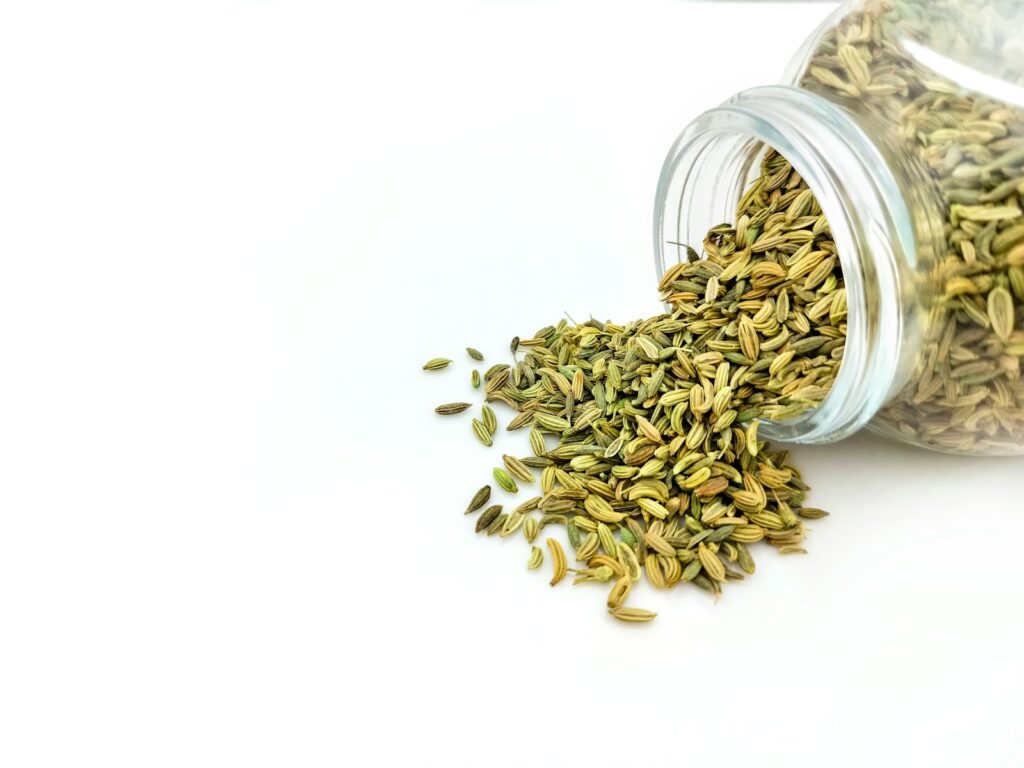
    Fennel seed oil, derived from the crushed seeds of the Foeniculum vulgare plant, has long been valued in traditional medicine, aromatherapy, and natural wellness. With its sweet, anise-like aroma and rich profile of bioactive compounds, fennel seed oil offers a range of benefits—from aiding digestion to supporting respiratory health and balancing hormones. However, like many potent essential oils, fennel seed oil must be used with care. Misuse or overuse can cause side effects, and certain individuals should avoid it altogether.

    This article explores essential safety tips, precautions, and usage guidelines to help you enjoy the benefits of fennel seed oil responsibly.


    Understanding Fennel Seed Oil

    Fennel seed oil is extracted primarily through steam distillation. The main active components include:

    • Anethole: Provides the characteristic licorice-like scent and potential digestive support.
    • Estragole: A compound that has raised safety concerns when used in excess.
    • Fenchone: Known for its antimicrobial and expectorant properties.

    While these compounds provide therapeutic effects, they also require mindful usage. Essential oils are concentrated plant extracts, and fennel seed oil is no exception. A single drop may contain the equivalent of several grams of fennel seeds, making moderation vital.


    General Safety Guidelines

    1. Always Dilute Before Use

    Fennel seed oil should never be applied directly to the skin in its concentrated form. It must be diluted with a carrier oil such as coconut, jojoba, or almond oil.

    • Recommended dilution: 1–2 drops of fennel seed oil per teaspoon (5 ml) of carrier oil for topical application.

    2. Internal Use: Proceed with Caution

    While fennel seed has a long history in culinary and medicinal use, fennel essential oil is far more potent. Ingesting essential oils without professional guidance can lead to nausea, vomiting, or toxicity.

    • Only use food-grade fennel essential oil internally under the supervision of a qualified healthcare professional.
    • Limit dosage strictly—usually one drop diluted in a carrier like honey or olive oil is sufficient, and not for prolonged use.

    3. Patch Testing

    Before applying fennel seed oil to larger areas of skin, always perform a patch test. Apply a diluted drop to a small area of skin (such as the inside of your elbow) and wait 24 hours. If redness, itching, or irritation occurs, discontinue use.

    4. Diffusion Guidelines

    Fennel seed oil can be used in aromatherapy to ease stress, support digestion, and improve focus. However, excessive diffusion can irritate sensitive individuals.

    • Diffuse for 15–30 minutes at a time in a well-ventilated room.
    • Avoid continuous exposure for hours.

    Precautions for Specific Groups

    1. Pregnant and Breastfeeding Women

    Fennel seed oil has phytoestrogenic properties, meaning it may mimic estrogen in the body. While fennel seeds are sometimes used in small amounts for lactation support, fennel seed oil is far stronger and may pose risks.

    • Pregnant women should avoid fennel seed oil, as it may stimulate uterine contractions.
    • Breastfeeding women should also exercise caution—consult a healthcare provider before using.

    2. Children and Infants

    Fennel seed oil is not recommended for children under 6 years old. For infants and toddlers, even diluted application can be too strong and may cause skin sensitivity or respiratory irritation.

    3. People with Hormone-Sensitive Conditions

    Because fennel seed oil has estrogen-like effects, it may worsen conditions such as breast cancer, uterine fibroids, or endometriosis. Those with hormone-sensitive conditions should avoid fennel oil.

    4. Epilepsy and Seizure Disorders

    The compound fenchone may act as a stimulant to the nervous system, which could trigger seizures in sensitive individuals. People with epilepsy or seizure disorders should not use fennel seed oil.

    5. Medication Interactions

    Fennel seed oil may interact with certain medications:

    • Blood thinners (anticoagulants): Fennel oil could increase bleeding risk.
    • Hormonal therapies: May interfere due to its estrogen-like activity.
    • Antibiotics or antifungal drugs: Potential for interaction with liver metabolism.

    Always check with a healthcare provider if you are on medication.


    Safe Usage Methods

    1. Topical Applications

    When diluted properly, fennel seed oil can be used for:

    • Massage oils: To relieve muscle spasms or cramps.
    • Abdominal rubs: Diluted application may help ease bloating or indigestion.
    • Skin care: Used sparingly for acne or oily skin due to antimicrobial properties.

    2. Aromatherapy and Diffusion

    • Add 3–4 drops of fennel seed oil to a diffuser filled with water.
    • Blend with oils like lavender, peppermint, or lemon for a balanced aroma.
    • Helps with relaxation, focus, and respiratory comfort.

    3. Bath Blends

    Mix 2–3 drops of fennel oil into a tablespoon of carrier oil or unscented bath gel before adding to warm bathwater. This can provide a soothing and aromatic experience while helping relieve tension.

    4. Culinary Caution

    If you are using fennel seed oil for flavoring (and it is certified food-grade):

    • Use only one drop for an entire dish.
    • Blend with a neutral oil or honey before adding to food.
    • Avoid frequent or high-dose ingestion.

    Storage and Shelf Life

    To maintain fennel seed oil’s potency and safety:

    • Store in a dark glass bottle, tightly sealed.
    • Keep in a cool, dark place, away from sunlight and heat.
    • Shelf life: Approximately 2–3 years if stored properly.
    • Discard if the oil develops a rancid or unusual odor.

    Recognizing Adverse Reactions

    It’s important to recognize when fennel seed oil may be causing problems. Possible adverse effects include:

    • Skin irritation: Redness, itching, rash.
    • Digestive upset: Nausea or stomach pain if ingested in excess.
    • Neurological symptoms: Dizziness, headache, or in rare cases, seizures.
    • Hormonal imbalance: Irregular menstrual cycles if overused.

    If any of these occur, discontinue use immediately and consult a medical professional.


    Safer Alternatives to Consider

    If fennel seed oil seems too strong for your needs, you might consider alternatives with similar benefits but fewer safety concerns:

    • Peppermint oil: For digestive and respiratory support.
    • Ginger oil: For nausea and stomach discomfort.
    • Chamomile oil: For calming and gentle hormone support.

    Conclusion

    Fennel seed oil can be a powerful ally for natural wellness when used with respect and caution. Its digestive, antimicrobial, and calming properties make it valuable in aromatherapy, massage, and even culinary applications. However, its potency requires careful handling.

    Always dilute before topical use, avoid excessive ingestion, and consult a healthcare professional if you are pregnant, breastfeeding, managing a health condition, or taking medications. With mindful use, fennel seed oil can provide safe and effective support, blending the wisdom of traditional remedies with the safety standards of modern wellness.

    By following these precautions and usage guidelines, you can enjoy the benefits of fennel seed oil while minimizing risks—making it a safe and rewarding addition to your natural health toolkit.

  • Investigating Lemongrass Oil Adulteration and Quality Control Issues

    Investigating Lemongrass Oil Adulteration and Quality Control Issues

    Lemongrass oil, extracted from the stalks and leaves of Cymbopogon citratus and Cymbopogon flexuosus, is one of the most widely used essential oils in aromatherapy, perfumery, and food flavoring. Its fresh, citrus-like aroma makes it highly desirable, while its natural antifungal, antimicrobial, and anti-inflammatory properties enhance its therapeutic value. However, the growing global demand for lemongrass oil has led to increasing challenges in maintaining quality and authenticity.

    One of the major concerns in the essential oil industry today is adulteration—the deliberate or unintentional addition of foreign substances to natural oils. For lemongrass oil, adulteration not only compromises quality but can also pose safety risks to consumers and threaten the credibility of producers. This article explores the issue of lemongrass oil adulteration, the challenges in quality control, and the methods used to ensure purity and authenticity.


    Why Lemongrass Oil is Prone to Adulteration

    Lemongrass oil is composed primarily of citral, a mixture of geranial and neral, which gives it its distinctive lemony aroma and therapeutic qualities. Pure lemongrass oil typically contains 65–85% citral, making this compound its most valuable component.

    Because citral is in high demand, suppliers sometimes adulterate lemongrass oil with:

    • Synthetic citral: Cheaper, lab-made citral is added to increase yield artificially.
    • Other citrus oils: Lemon or orange oils may be blended in to mimic aroma.
    • Carrier oils: Neutral oils such as soybean or sunflower oil are sometimes used to dilute lemongrass oil.
    • Recycled or low-grade oils: Distillation residues or substandard oils may be mixed in to cut costs.

    These practices reduce the natural integrity of the oil while making it more profitable for unscrupulous suppliers.


    Consequences of Adulteration

    Adulteration has wide-ranging consequences for both consumers and the industry.

    1. Loss of Therapeutic Value
      Adulterated lemongrass oil may lack the full spectrum of bioactive compounds, reducing its effectiveness in aromatherapy, skincare, and medical applications.
    2. Health Risks
      Some adulterants, especially synthetic chemicals, can cause allergic reactions, skin irritation, or toxic effects. For example, prolonged exposure to impure citral can result in sensitization and dermatitis.
    3. Damage to Market Trust
      Consumers rely on essential oils for wellness. Adulteration undermines trust in both brands and the wider essential oil market.
    4. Economic Impacts
      Producers of genuine, high-quality lemongrass oil often face unfair competition from those selling cheaper, adulterated versions, which can destabilize local farming economies.

    Quality Control Challenges

    Ensuring the purity of lemongrass oil is not simple. Several challenges complicate quality control:

    • High demand and limited supply: With rising global consumption, there is pressure to meet demand, increasing the temptation to adulterate.
    • Complex composition: Lemongrass oil contains not just citral but dozens of trace compounds. Distinguishing natural from synthetic citral requires advanced technology.
    • Supply chain issues: Essential oils often pass through multiple intermediaries, making it difficult to trace their origin and quality.
    • Lack of strict regulation: In many countries, essential oils are not tightly regulated, giving adulterators opportunities to exploit loopholes.

    Methods of Detecting Adulteration

    Advances in analytical chemistry have made it possible to detect adulteration with greater precision. Common methods include:

    1. Gas Chromatography–Mass Spectrometry (GC-MS)

    • The most widely used method for analyzing essential oils.
    • Identifies the chemical composition and compares it to authentic profiles.
    • Can distinguish between natural and synthetic citral.

    2. Isotope Ratio Mass Spectrometry (IRMS)

    • Analyzes the isotopic composition of citral.
    • Synthetic citral often has different carbon isotope ratios compared to natural sources.

    3. Fourier Transform Infrared Spectroscopy (FTIR)

    • Detects subtle differences in molecular vibrations between natural and synthetic oils.

    4. Chiral Analysis

    • Natural compounds often occur in specific stereoisomeric forms, while synthetic versions may contain both.
    • Chiral analysis can confirm authenticity.

    5. Physical Tests

    • Density, refractive index, and solubility tests are sometimes used as quick screening methods, though they are less accurate than advanced techniques.

    Industry Standards and Regulations

    Several organizations and regulatory bodies provide guidelines to maintain quality in essential oils:

    • ISO Standards (International Organization for Standardization): Specific standards exist for lemongrass oil composition and purity.
    • Pharmacopeias: Some national pharmacopeias list quality criteria for lemongrass oil used in medicine.
    • Industry Certifications: Certifications such as organic or fair trade may include quality control measures, although they do not guarantee freedom from adulteration.

    Still, enforcement varies widely, and many essential oil markets lack stringent oversight.


    Steps Producers Can Take to Ensure Quality

    1. Direct Sourcing
      Companies should work directly with farmers and distillers to reduce the risk of adulteration during distribution.
    2. Regular Testing
      Routine GC-MS or other analytical testing ensures consistency and prevents adulterated oils from entering the market.
    3. Traceability Systems
      Implementing batch tracking and transparent supply chains builds trust with consumers.
    4. Farmer Training
      Educating smallholder farmers on proper harvesting, distillation, and storage techniques helps maintain oil quality at the source.
    5. Certification and Third-Party Audits
      Independent testing and certification can provide additional assurance to buyers.

    What Consumers Can Do

    For consumers, identifying pure lemongrass oil can be challenging, but some practical tips can help:

    • Buy from reputable brands with transparent sourcing and testing practices.
    • Check for GC-MS reports provided by the seller.
    • Examine price carefully—if the oil is significantly cheaper than market average, it may be adulterated.
    • Observe physical properties—pure lemongrass oil is yellow to amber in color and has a strong, lemony scent with earthy undertones.

    The Future of Quality Control

    As demand for essential oils, including lemongrass, continues to rise, so will the need for robust quality control. Emerging technologies such as portable spectroscopic devices and blockchain-based supply chain tracking may play a role in combating adulteration. Increasing consumer awareness will also push companies toward greater transparency.


    Conclusion

    Lemongrass oil remains one of the most popular essential oils worldwide, valued for its fragrance, therapeutic properties, and versatility. However, the prevalence of adulteration threatens its integrity and poses risks to consumers. Through improved testing methods, stronger regulations, and greater industry transparency, these challenges can be mitigated.

    For producers, investing in quality assurance ensures long-term sustainability and market trust. For consumers, awareness and careful purchasing choices are key. By addressing adulteration and quality control issues, the industry can preserve the natural purity of lemongrass oil, ensuring that its benefits are enjoyed safely and authentically.