Understanding Patchouli Origin Comparison
The Distinct Scent Profile of Indonesian Patchouli
When we talk about patchouli, especially the kind from Indonesia, it really stands out. It’s not just a simple earthy smell; it’s got layers. Think deep, rich, and a bit spicy, with a sweetness that sneaks in. This complexity is what makes Indonesian patchouli a favorite in high-end perfumes.
It tends to be thicker, too, which helps the scent stick around longer. Compared to patchouli from places like India or China, which can be a bit simpler or more herbaceous, Indonesian patchouli has this captivating depth that just keeps unfolding.
Key Differences in Aroma and Longevity
So, what makes Indonesian patchouli different from others? For starters, its aroma is generally more vibrant and less musty than some other varieties. The top notes are brighter, the middle notes are richer and spicier, and the base notes are wonderfully deep, woody, and subtly sweet. This isn't just about smelling nice; it's about how long that scent lasts.
We've found that Indonesian patchouli can linger on the skin for a good six to eight hours, sometimes even longer. Other types might fade after just three to five hours. This staying power is largely thanks to a higher concentration of a compound called patchoulol, which is the main player in patchouli's scent. Plus, the oil itself is a bit thicker, which helps it cling to your skin better.
Factors Influencing Patchouli Quality
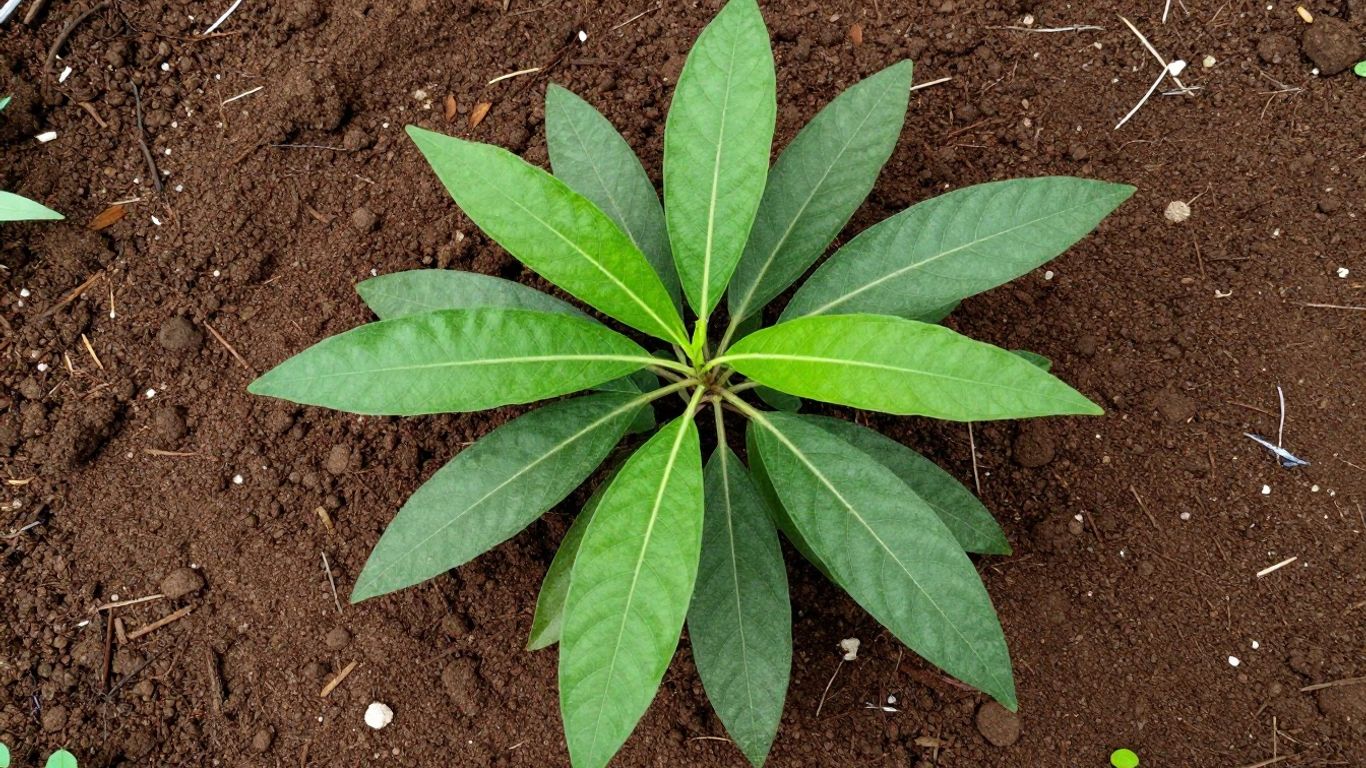
When we talk about patchouli oil, especially the kind that comes from Indonesia, a few things really make a difference in how good it turns out. It's not just about where it's grown, but also how it's handled from the plant to the bottle.
Ideal Growing Conditions and Harvesting Techniques
The climate in places like Indonesia, with its warm temperatures, high humidity, and plenty of rain, is just perfect for patchouli plants. This kind of weather helps the plants produce those aromatic compounds we love. The soil plays a big part too; rich, volcanic soil gives the leaves the nutrients they need to develop a strong scent.
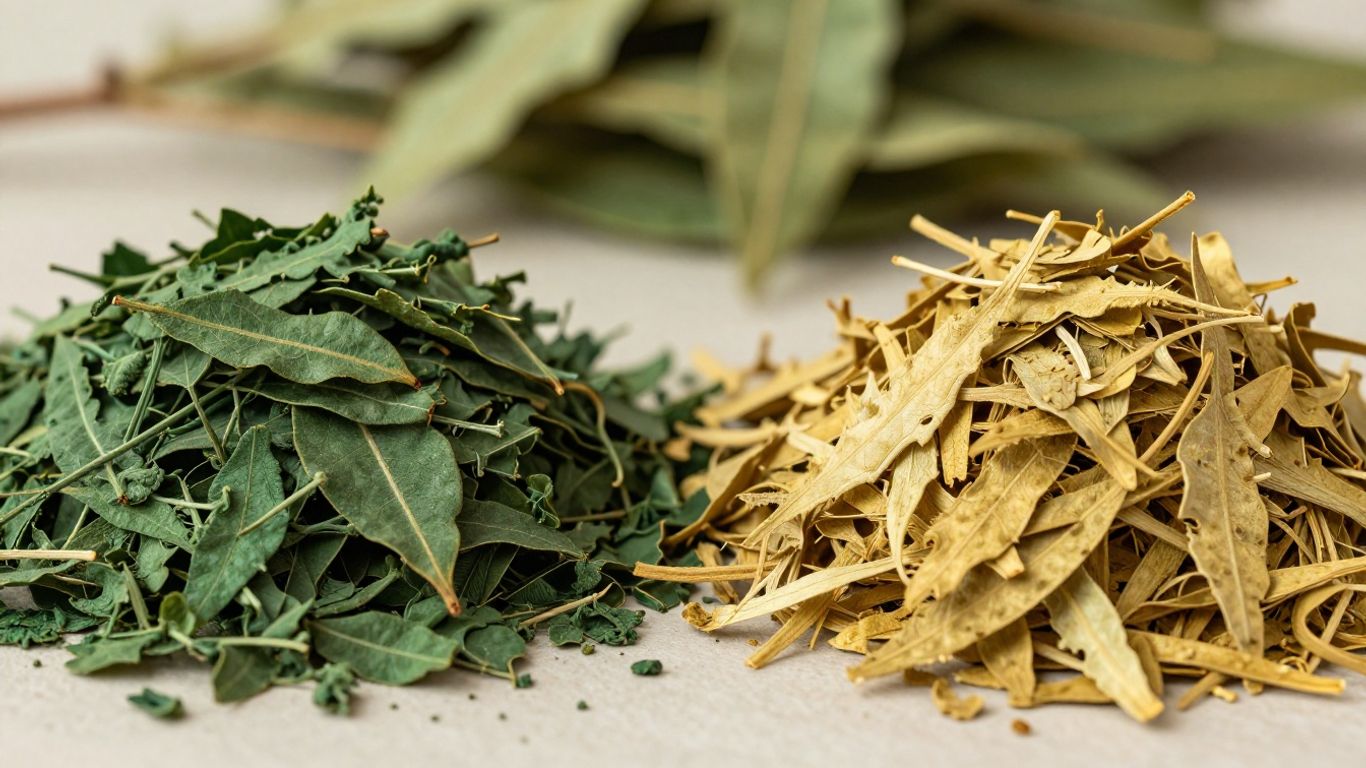
We've found that traditional harvesting methods, like picking the leaves by hand and letting them dry in the sun, really help keep the oil's quality high. Some producers are also looking into farming in ways that are better for the environment, focusing on keeping the soil healthy and supporting local wildlife. This helps make sure that patchouli farming can continue for a long time without harming the land.
The Role of Soil and Climate in Patchouli Potency
We've seen that the specific conditions where patchouli grows have a direct impact on the oil's strength and character. The fertile soil, often found in volcanic regions, is packed with minerals that seem to boost the plant's ability to create its signature scent.
This is why patchouli origin comparison, like Aceh, Sumatra, and Java, is so highly regarded. The climate, with its consistent warmth and moisture, encourages robust growth and a rich concentration of the compounds that give patchouli its deep, earthy aroma. It's a natural process, but one that requires the right environmental factors to truly shine.
Identifying Authentic Patchouli : Patchouli Origin Comparison
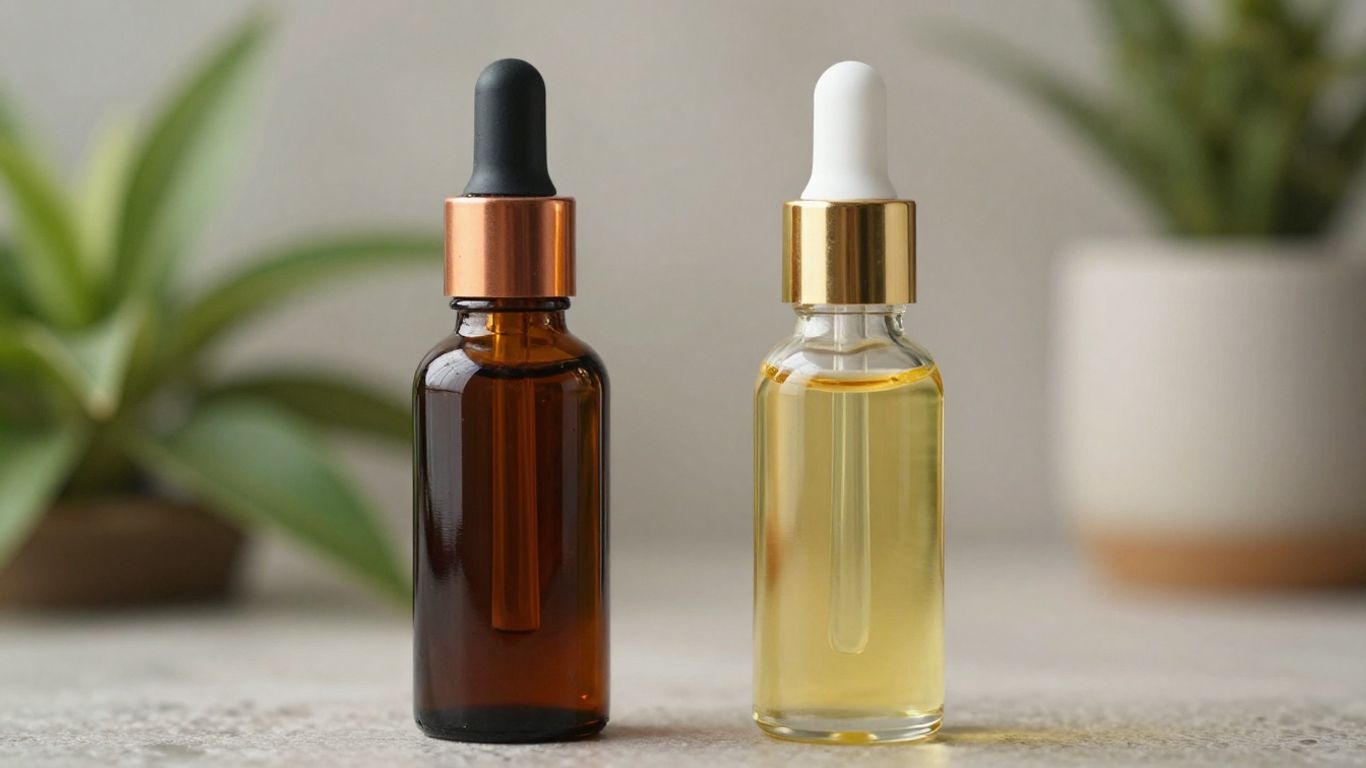
What to Look for on Product Labels
When we're looking for the real deal in patchouli oil, especially the kind from Indonesia, checking the label is our first step. We want to see specific regions mentioned, like Aceh, Sumatra, or Java. These places are famous for growing patchouli that just smells better, and good oils will often say where they came from. It's like knowing your coffee beans are from a specific farm – it tells you something about the quality.
Why Region Matters for Patchouli Oil, Patchouli Origin Comparison
The place where patchouli is grown really does make a difference. Indonesia, with its rich soil and tropical weather, is like a perfect greenhouse for patchouli plants. This special environment helps the plants develop those deep, complex scents we love. When a label says it's from a particular Indonesian region, it's a good sign that you're getting oil with that sought-after, earthy, and slightly sweet aroma that lasts a long time. It's not just about where it's from, but what that place does for the plant.
We've noticed that oils from these well-known areas tend to have a richer scent profile and stick around longer on the skin compared to those with less specific origins. It’s this connection to the land that gives authentic Indonesian patchouli its reputation.
Spotting real patchouli oil is key. Look for its deep, earthy scent, which is quite distinct. If it smells too sweet or artificial, it's probably not the genuine stuff. Want to learn more about finding the best patchouli and other pure essential oils? click here to see details patchouli origin comparison
So, Which Patchouli Reigns Supreme?
After looking at Aceh and Sulawesi patchouli, it's pretty clear they're both good, but they're not exactly the same. Indonesian patchouli, in general, seems to have that richer, longer-lasting scent that folks in the perfume and aromatherapy worlds really like.
Aceh patchouli, often coming from Sumatra, is frequently mentioned for its top-notch quality and that classic deep, earthy smell. Sulawesi is newer to the scene but is showing it can produce a great oil too, thanks to its unique soil. For us, if you're after that really complex, potent aroma that sticks around, the Indonesian varieties, especially those from well-known regions like Aceh, are usually the way to go. But hey, the best way to know for sure is to give them a sniff yourself and see which one speaks to you.