
Category: Article

  • DIY Aromatherapy: Blending Fennel Seed Oil for Relaxation

    DIY Aromatherapy: Blending Fennel Seed Oil for Relaxation

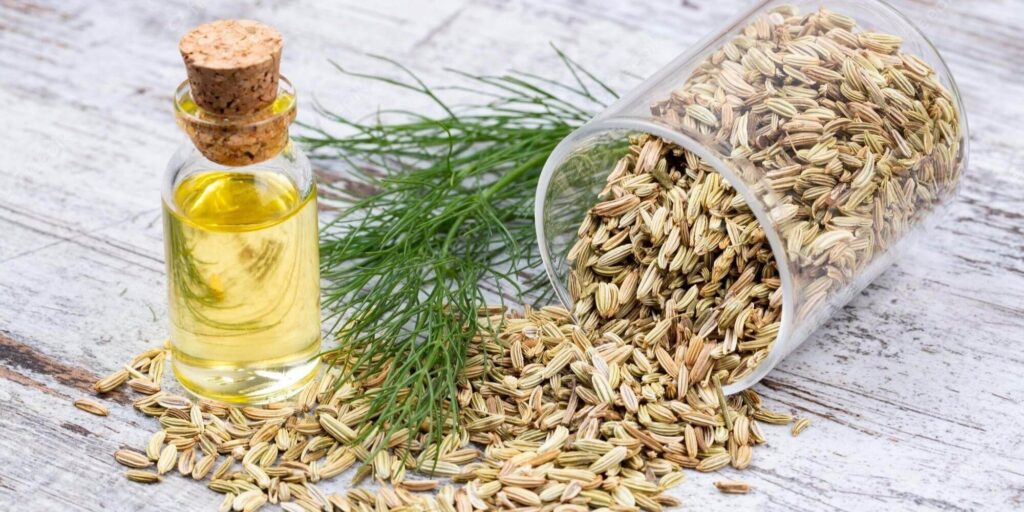
    Aromatherapy has become a popular, natural way to enhance well-being and manage stress. While lavender and peppermint oils often get the spotlight, fennel seed oil is a lesser-known gem in the aromatherapy toolkit. With its sweet, spicy, and slightly licorice-like aroma, fennel seed oil offers a unique profile that promotes relaxation, eases tension, and balances the mood.

    This article explores how you can incorporate fennel seed oil into your own DIY aromatherapy blends at home, the science behind its soothing effects, and step-by-step methods for creating custom oils for stress relief, sleep, and calm.


    What is Fennel Seed Oil?

    Fennel (Foeniculum vulgare) is a flowering plant from the carrot family, prized for its aromatic seeds. The essential oil is derived from these seeds through steam distillation, yielding a concentrated oil rich in beneficial compounds such as:

    • Anethole (the primary constituent, known for its sweet scent and calming effects)
    • Fenchone
    • Estragole
    • Limonene

    Fennel seed oil has a warm, herbaceous aroma with sweet undertones, making it an excellent oil for grounding and relaxing the mind. It’s often used in massage, bath blends, diffusers, and personal inhalers.


    Benefits of Fennel Seed Oil in Aromatherapy

    Fennel oil’s relaxing effects stem from both its chemical composition and its impact on the nervous system. Here are some key benefits:

    1. Reduces Stress and Anxiety

    Anethole and fenchone have mild sedative properties that help relax the nervous system. Inhaling fennel oil can reduce feelings of restlessness or tension.

    2. Eases Muscle Tension

    Its antispasmodic properties make fennel oil great for massage blends, helping soothe tight muscles and reduce physical stress.

    3. Aids in Sleep

    Used in evening routines, fennel can support deeper relaxation and help improve sleep quality.

    4. Improves Mood

    The uplifting scent helps counteract fatigue, irritability, and mental fog, promoting a balanced emotional state.


    Safety and Precautions

    Before creating your own blends, keep these safety tips in mind:

    • Dilution is essential: Never apply essential oils directly to the skin without diluting in a carrier oil.
    • Avoid during pregnancy: Fennel oil has mild estrogen-like effects and should be avoided by pregnant women or those with hormone-sensitive conditions.
    • Do a patch test: Check for skin sensitivity by testing a small diluted amount on your wrist or forearm.
    • Use high-quality oil: Choose 100% pure, therapeutic-grade fennel seed essential oil from a trusted supplier.

    Tools and Ingredients You’ll Need

    For making your own aromatherapy blends, gather the following:

    Essential Supplies:

    • Fennel seed essential oil
    • Complementary oils (like lavender, bergamot, or sweet orange)
    • Carrier oils (such as sweet almond, jojoba, or coconut)
    • Glass bottles (preferably amber or cobalt to protect from light)
    • Droppers or pipettes
    • Rollerball bottles or diffuser

    Best Essential Oil Combinations with Fennel

    Fennel blends well with a variety of essential oils, especially those with calming or uplifting effects. Try combining it with:

    • Lavender – deeply relaxing and perfect for sleep
    • Bergamot – bright, citrusy, and great for mood lifting
    • Frankincense – grounding and meditative
    • Clary Sage – balancing, especially for emotional stress
    • Sweet Orange – cheerful and energizing
    • Patchouli – earthy and stabilizing

    DIY Relaxation Blend Recipes with Fennel Seed Oil

    Here are a few easy and effective recipes to incorporate fennel seed oil into your relaxation routine:


    1. Calming Diffuser Blend (for Stress Relief)

    Ingredients:

    • 3 drops fennel seed oil
    • 4 drops lavender
    • 2 drops bergamot

    Instructions:
    Add the oils to your diffuser with water (according to your device’s instructions) and inhale deeply for 15–30 minutes. This blend is great during work breaks or before meditation.


    2. Soothing Massage Oil (for Muscle Relaxation)

    Ingredients:

    • 6 drops fennel seed oil
    • 6 drops sweet orange
    • 3 drops frankincense
    • 30 mL (1 oz) sweet almond oil

    Instructions:
    Mix all ingredients in a small amber bottle. Shake gently before each use. Apply to shoulders, neck, and feet for a calming self-massage after a long day.


    3. Relaxing Bath Blend (for Evening Unwind)

    Ingredients:

    • 5 drops fennel seed oil
    • 5 drops clary sage
    • 1 tablespoon milk or unscented bath gel (to disperse the oil)

    Instructions:
    Combine essential oils with milk or bath gel before adding to warm bath water. Soak for 15–20 minutes to relax your body and mind.


    4. Bedtime Roller Blend (for Sleep Support)

    Ingredients:

    • 3 drops fennel seed oil
    • 4 drops lavender
    • 3 drops patchouli
    • 10 mL jojoba oil

    Instructions:
    Add oils to a 10 mL roller bottle, top with jojoba oil, and apply to wrists, temples, or the back of the neck before bedtime.


    5. Pocket Inhaler Blend (for On-the-Go Calm)

    Ingredients:

    • 2 drops fennel seed oil
    • 2 drops bergamot
    • 1 drop frankincense

    Instructions:
    Apply essential oils to the cotton wick of a personal inhaler. Use during moments of stress or overwhelm by inhaling deeply for a few breaths.


    Creating Your Own Signature Blend

    Once you’re comfortable working with fennel seed oil, consider crafting your own signature aromatherapy blend. Here’s how to experiment:

    1. Start with a theme – Do you want to feel calm, uplifted, or grounded?
    2. Choose 2–3 oils that work toward that goal. Pair fennel with complementary oils based on emotional tone.
    3. Follow the 3-2-1 ratio: For a balanced blend, try 3 drops of the base oil, 2 drops of the middle note, and 1 drop of the top note.
    4. Test the aroma: Add drops to a cotton pad and smell it over time.
    5. Dilute and bottle: Once satisfied, blend with a carrier oil for skin-safe use or put into a diffuser.

    Storage Tips

    • Store essential oils and blends in dark glass bottles away from sunlight and heat.
    • Label each blend with the name, ingredients, and date.
    • Use your blends within 6–12 months for optimal aroma and effectiveness.

    Final Thoughts

    Fennel seed oil may not be as well-known as lavender or eucalyptus, but it has a rich, calming aroma that deserves a place in any DIY aromatherapy collection. With its stress-reducing, mood-lifting properties, fennel oil can become a trusted ally in your relaxation rituals. Whether you’re blending it into a diffuser mix, a massage oil, or a soothing bath soak, the key is to explore, personalize, and enjoy the process of creating scents that speak to your senses.

    Take a deep breath, relax, and let the gentle aroma of fennel transport you to a place of peace.


  • How Cajuput Oil Is Quietly Transforming Rural Incomes in Developing Nations

    How Cajuput Oil Is Quietly Transforming Rural Incomes in Developing Nations

    In the quiet villages of Southeast Asia and parts of Africa, a subtle revolution is underway. It doesn’t involve large machinery, foreign investment, or even sweeping policy changes. Instead, it revolves around a plant—Melaleuca cajuputi—and the essential oil extracted from its leaves. Known as cajuput oil, this natural resource has quietly emerged as a transformative economic force, improving rural livelihoods in some of the world’s most underserved regions.

    What Is Cajuput Oil?

    Cajuput oil is a pale yellow essential oil derived primarily from the leaves and twigs of the cajuput tree, a member of the Myrtaceae family. It is closely related to the more widely known tea tree oil, both in its chemical composition and its medicinal properties. Traditionally used for its antiseptic, analgesic, and expectorant properties, cajuput oil has long been a part of indigenous medical systems across Indonesia, Malaysia, and northern Australia.

    Today, cajuput oil is in growing demand in both traditional and modern markets, including aromatherapy, natural medicine, cosmetics, and wellness industries. As global interest in natural products continues to rise, so does the commercial potential of this versatile oil.

    A Source of Rural Prosperity

    In many developing countries, especially in rural areas, economic opportunities are scarce. Limited access to education, infrastructure, and markets keeps communities trapped in cycles of poverty. In such environments, small-scale and sustainable agricultural enterprises like cajuput oil production offer a viable escape route.

    Low Barrier to Entry

    One of the main reasons cajuput oil is transforming rural incomes is its low barrier to entry. The cajuput tree is hardy, resistant to pests, and can grow in poor soils with minimal care. This makes it ideal for cultivation in marginal lands where other crops might fail. Farmers don’t need extensive training or expensive machinery to get started. With just a few trees and access to a simple distillation unit, families can begin producing oil within a few months.

    Labor-Intensive but Inclusive

    The process of cajuput oil extraction—mainly through steam distillation—requires manual labor. While this may seem like a limitation, it’s actually a feature in rural economies where employment opportunities are limited. From collecting leaves to feeding the distillation boilers, cajuput oil production provides consistent employment to entire households and communities, including women and older individuals who may be excluded from other forms of labor.

    Year-Round Income

    Unlike seasonal crops, cajuput trees can be harvested multiple times a year, offering regular income. In places like Indonesia’s Maluku and Nusa Tenggara regions, farmers can distill cajuput oil three to four times annually. This frequency of production allows for better financial planning and reduces vulnerability to income shocks—a significant improvement over traditional subsistence farming models.

    Success Stories from the Field

    Several government and NGO-led initiatives have begun to recognize the potential of cajuput oil. In Indonesia, the Ministry of Environment and Forestry has supported community-based forestry programs that include cajuput plantations. These projects not only generate income but also promote sustainable land use and forest regeneration.

    In Timor-Leste, a nation rebuilding after years of conflict, cajuput oil has become an essential part of rural development. NGOs like Acelda have worked with local communities to establish small-scale cajuput processing units, creating income streams for hundreds of households. According to field reports, families involved in the industry have seen income increases of up to 40% compared to traditional farming.

    In Tanzania and Kenya, pilot projects have successfully introduced cajuput as an alternative cash crop. Farmers previously reliant on volatile markets for coffee or maize have turned to cajuput with promising results, particularly in areas affected by climate change where traditional crops no longer thrive.

    Environmental and Social Benefits

    Aside from direct economic advantages, cajuput oil production also offers several environmental and social co-benefits.

    Agroforestry and Reforestation

    Cajuput trees are excellent for agroforestry—the integration of trees and shrubs into crop and livestock farming systems. Their deep roots prevent soil erosion, and they help rehabilitate degraded lands. In countries battling deforestation and land degradation, cultivating cajuput contributes to broader environmental goals while still being economically beneficial.

    Empowering Women

    In many cajuput-growing regions, women play a central role in harvesting and oil processing. By organizing into cooperatives or self-help groups, women gain not just income but also decision-making power in their households and communities. Programs that focus on training and microfinance for women in the cajuput sector have seen strong results in both gender equality and productivity.

    Resilience to Climate Change

    Cajuput trees are drought-tolerant and adaptable to a variety of soil types. This makes them ideal for climate-resilient agriculture, particularly important in regions increasingly affected by erratic rainfall and rising temperatures. Farmers adopting cajuput can diversify their income sources and reduce their reliance on crops vulnerable to climate variability.

    Challenges and the Path Forward

    While cajuput oil offers great promise, there are challenges that need to be addressed to fully unlock its potential.

    Quality Control and Market Access

    Many small-scale producers face difficulties in maintaining consistent oil quality, which limits their access to premium markets. Investment in training, testing labs, and cooperatives can help standardize production and improve bargaining power. Government certification schemes and private sector partnerships can also help bridge the gap between rural producers and global buyers.

    Value Addition and Branding

    Much of the cajuput oil produced in developing nations is sold as a raw material, with little value added locally. By investing in **product development—such as balms, soaps, and cosmetics—**rural entrepreneurs can capture more of the value chain. Branding local cajuput oil as organic, fair-trade, or community-produced can also appeal to ethically conscious consumers.

    Policy Support

    For cajuput oil to be a long-term driver of rural development, supportive policies are essential. Governments must invest in infrastructure (like roads and rural electricity), research on improved cultivation techniques, and export facilitation. Inclusion of cajuput in national agricultural strategies could open doors for international development funding and technical assistance.

    Conclusion

    Cajuput oil may not be making headlines, but its impact in the rural corners of the developing world is real and growing. By providing a low-cost, sustainable, and inclusive source of income, it is helping families lift themselves out of poverty and building resilient communities in the face of global economic and environmental challenges.

    With continued investment, innovation, and support, cajuput oil could very well become a flagship example of how natural resources—when managed wisely—can be powerful tools for grassroots development. It’s not just oil—it’s opportunity in every drop.


  • The Shocking Truth About Nutmeg from Different Regions

    The Shocking Truth About Nutmeg from Different Regions

    For centuries, nutmeg has been a prized spice, gracing kitchens and medicine cabinets around the world. From holiday eggnog to traditional medicines and luxury perfumes, this little seed has traveled vast distances and touched countless cultures. But not all nutmeg is created equal. The nutmeg from Indonesia, Grenada, India, and Sri Lanka may come from the same seed species—Myristica fragrans—but it carries with it a spectrum of flavors, chemical properties, histories, and even controversies. The truth about nutmeg from different regions is far more complex—and surprising—than most consumers realize.

    A Brief History: Nutmeg’s Dark and Twisted Past

    Before diving into the regional differences, it’s important to understand the historical weight nutmeg carries. In the 15th and 16th centuries, nutmeg was more valuable than gold in Europe. Native to the Banda Islands in Indonesia, it was at the center of bloody colonial battles between European powers. The Dutch eventually took control of the Banda Islands, monopolizing the nutmeg trade by destroying trees outside their territories to maintain scarcity and prices.

    It wasn’t until nutmeg trees were smuggled out and grown in other regions like Grenada and Sri Lanka that this monopoly was broken. This shift not only changed the economics of the spice trade but introduced subtle regional differences that are still present today.

    Indonesia: The Original and Most Potent Source

    Indonesia, particularly the Banda Islands and parts of Java and Sulawesi, remains one of the largest producers of nutmeg. The region’s volcanic soil and humid tropical climate are ideal for cultivating nutmeg with high oil content and intense aroma.

    Indonesian nutmeg is considered the most potent in flavor and aroma due to its high concentration of essential oils, especially myristicin and elemicin—two compounds that are also mildly psychoactive in large doses. This richness makes Indonesian nutmeg preferred for essential oil extraction and in perfumery. However, its intense potency can overwhelm culinary dishes if not used sparingly.

    In addition, because of the climate and high production volume, there’s a higher risk of aflatoxin contamination from poor drying and storage practices. This has led to concerns about quality control, especially among cheaper exports.

    Grenada: The “Island of Spice” with a Milder Touch

    Grenada, often referred to as the “Island of Spice,” has built its identity and economy around nutmeg since the 18th century. After the British introduced nutmeg trees to the island, they flourished in its rich volcanic soil and relatively drier climate.

    Grenadian nutmeg tends to be milder in flavor and lighter in color than its Indonesian counterpart. This makes it particularly prized for use in baking and light, creamy dishes where the spice needs to blend subtly without overpowering the other flavors. Grenadian farmers also cultivate a variety known as “West Indian nutmeg,” which is slightly different in taste and chemical makeup.

    What sets Grenadian nutmeg apart is its consistent quality and relatively low risk of contamination. Local farmers use traditional drying and storage methods passed down through generations, contributing to the nutmeg’s clean, aromatic profile. The country also exports large quantities of mace—the lacy red aril that surrounds the nutmeg seed and has a delicate, warm flavor of its own.

    India: Functional Medicine and Culinary Staples

    India, particularly in the southern state of Kerala, is a growing hub for nutmeg cultivation. Indian nutmeg, like its counterparts, comes from Myristica fragrans, but the flavor profile leans toward sweet and woody notes with moderate potency.

    In India, nutmeg is more than a culinary spice. It plays a key role in Ayurvedic medicine. It’s used for its supposed sleep-inducing, digestive, and aphrodisiac properties. Ground nutmeg is commonly mixed with milk as a natural sleep aid, and it’s also found in several traditional remedies for colds, pain relief, and even skin care.

    While not as rich in essential oils as Indonesian nutmeg, Indian varieties are often organically grown and have fewer issues with chemical residues. The country’s booming herbal and natural medicine markets ensure a high domestic demand for high-quality nutmeg.

    Sri Lanka: Balanced Flavor and Ethical Farming

    Sri Lanka, formerly Ceylon, is renowned for producing some of the world’s finest spices, and nutmeg is no exception. Grown in the central highlands and parts of the wet zone, Sri Lankan nutmeg is known for its balanced aroma—a middle ground between the intensity of Indonesian nutmeg and the mildness of Grenadian spice.

    One of the biggest advantages of Sri Lankan nutmeg is its integration into ethical and sustainable farming practices. Many plantations are certified organic and follow fair trade guidelines. This commitment has earned Sri Lankan nutmeg a strong following among conscious consumers.

    Sri Lankan nutmeg also boasts a slightly different chemical composition due to the island’s unique terroir. The essential oil levels are moderate, but the nutmeg has a smoother, less bitter aftertaste. This makes it suitable for both savory and sweet applications, as well as cosmetic and medicinal uses.

    Chemical Differences: More Than Just Flavor

    Beyond taste and aroma, the chemical profile of nutmeg varies subtly from region to region. These differences affect how nutmeg interacts with the human body. The two most notable psychoactive compounds—myristicin and safrole—occur in varying amounts depending on soil quality, climate, and post-harvest processing.

    High levels of myristicin, for example, are found in Indonesian nutmeg, which can act as a hallucinogen in large doses, though it’s toxic and dangerous in such amounts. Grenadian and Sri Lankan nutmegs tend to have lower concentrations of these compounds, making them safer and more suitable for culinary use.

    This variance has real implications. Some health professionals advise against excessive consumption of Indonesian nutmeg, especially in children and pregnant women. Meanwhile, nutmeg from Grenada and Sri Lanka is often preferred for use in supplements and herbal preparations.

    The Truth in Your Spice Rack

    The next time you reach for that small jar of nutmeg, consider its origin. While the label might simply say “ground nutmeg,” its region of origin can drastically alter the flavor, quality, and even safety of the spice.

    Whether you’re looking for intense aroma (Indonesia), mild sweetness (Grenada), medicinal benefits (India), or ethically-sourced flavor (Sri Lanka), understanding where your nutmeg comes from can deepen your appreciation and improve your cooking.

    Final Thoughts

    Nutmeg is more than a spice; it’s a global story of power, culture, medicine, and flavor. The truth is, depending on its origin, your nutmeg could be a subtle companion to your pie or a potent ingredient in traditional remedies. Its journey from seed to spice rack involves generations of farmers, centuries of history, and a chemistry all its own.

    Knowing the difference not only elevates your dishes but connects you to a richer, more nuanced world of flavors and stories—hidden in plain sight inside that aromatic brown seed.

  • Pure Clove Oil in Culinary Delights: Adding Flavor and Health

    Pure Clove Oil in Culinary Delights: Adding Flavor and Health

    Clove oil, distilled from the dried flower buds of the Syzygium aromaticum tree, is often praised for its potent aroma and medicinal benefits. While most commonly associated with dental care and aromatherapy, pure clove oil also holds a special place in the culinary world. Its warm, spicy-sweet flavor has been used for centuries in both savory and sweet dishes, particularly in Asian, Middle Eastern, and European cuisines. Beyond flavor, this essential oil brings with it a host of health benefits, making it a valuable addition to the modern kitchen.

    A Historical Spice with Deep Roots

    Clove has a long and storied history, dating back over 2,000 years. Ancient Chinese and Indian texts mention clove for both culinary and medicinal uses. During the spice trade era, cloves were highly prized and even more expensive than gold by weight in certain parts of Europe. Though whole and ground cloves are commonly used, clove oil—especially in its purest form—has gained popularity among chefs and health-conscious cooks seeking intense flavor and natural wellness support.

    The Culinary Charm of Clove Oil

    Pure clove oil offers a concentrated punch of the spice’s signature flavor. Just a drop or two can transform a dish, providing a warming, slightly sweet and pungent character that pairs well with a variety of ingredients.

    Sweet Applications

    Clove oil is a staple in many dessert recipes. Its deep, aromatic profile complements cinnamon, nutmeg, and ginger—making it ideal for:

    • Baked goods like gingerbread, spice cookies, and fruit cakes.
    • Mulled wines and ciders, where it contributes to the cozy warmth of holiday beverages.
    • Chutneys and compotes, especially those involving apples, pears, and plums.

    Just a trace of clove oil intensifies flavors without overpowering, but precision is key. Because it’s highly concentrated, even a slight excess can make a dish bitter.

    Savory Uses

    In savory cooking, clove oil shines in:

    • Curries and stews, especially Indian and Middle Eastern recipes that rely on complex spice blends.
    • Marinades and rubs for meat, particularly beef, pork, and lamb.
    • Pickling and brining solutions, where it adds depth and acts as a natural preservative.

    Many chefs use it as a finishing oil—adding it just before serving or mixing it with other oils to create spiced dressings and dips.

    Tips for Cooking with Pure Clove Oil

    1. Dilute it: Always dilute clove oil in a carrier like olive oil, coconut oil, or even a broth. One drop goes a long way.
    2. Add at the right time: Essential oils can be volatile. Adding clove oil at the end of the cooking process preserves its aromatic profile.
    3. Pair wisely: It complements spices like cinnamon, cardamom, star anise, and pepper. Avoid using it with delicate herbs like basil or dill, as it may overwhelm them.
    4. Storage: Keep your clove oil in a dark glass bottle away from heat to preserve its potency.

    Health Benefits Beyond the Plate

    Adding pure clove oil to your cooking doesn’t just boost flavor—it also introduces a host of health benefits. These are largely attributed to eugenol, the oil’s primary active compound, which has been extensively studied for its antimicrobial, anti-inflammatory, and antioxidant properties.

    1. Digestive Aid

    Clove oil has traditionally been used to stimulate digestion and alleviate issues like bloating, gas, and indigestion. Incorporating it into food may support gastrointestinal health, especially when used in rich or heavy meals.

    2. Antimicrobial Properties

    Eugenol has strong antimicrobial effects, which help inhibit the growth of bacteria and fungi. In food, this translates to enhanced preservation and safety, especially in dishes that are stored for extended periods.

    3. Anti-Inflammatory and Pain Relief

    While clove oil is known for topical pain relief—especially for toothaches—consuming it in small culinary doses may support internal inflammation reduction, particularly in the gut.

    4. Rich in Antioxidants

    Clove oil is one of the most antioxidant-rich essential oils available. Antioxidants help neutralize free radicals, which are linked to aging and chronic diseases. This makes clove oil a flavorful way to give your meals a nutritional upgrade.

    5. Immune Support

    Thanks to its antiviral and antibacterial properties, clove oil may help bolster the immune system, especially during cold and flu season. Many people add a drop to warm teas or honey for added protection and relief from sore throats.

    Culinary and Holistic Caution

    Despite its benefits, clove oil must be used with caution. Overconsumption can cause adverse effects such as nausea, digestive upset, or even toxicity in extreme cases. Only food-grade, pure clove oil should be used in the kitchen, and always in very small amounts. For general guidance:

    • Stick to 1 drop per recipe unless directed otherwise by a recipe or culinary expert.
    • Do not ingest clove oil directly or undiluted.
    • Pregnant women, children, and people with liver conditions should consult a doctor before using it.

    Modern Trends: Clove Oil in Gourmet and Functional Foods

    As interest grows in functional foods—meals that offer health benefits beyond basic nutrition—clove oil is emerging in gourmet health-conscious cuisine. High-end restaurants and wellness chefs are experimenting with essential oils to create:

    • Functional desserts with digestive support.
    • Immune-boosting soups and elixirs using essential oils.
    • Fusion cuisine where Eastern medicinal herbs meet Western culinary techniques.

    Artisanal chocolatiers and beverage makers are also infusing clove oil into their products, capitalizing on its strong flavor and natural preservative qualities.

    DIY Ideas for Home Cooks

    If you’re interested in experimenting with pure clove oil in your kitchen, here are a few simple ideas:

    • Spiced Honey Drizzle: Mix 1 drop of clove oil with 1/4 cup of honey. Drizzle over roasted carrots, sweet potatoes, or warm toast.
    • Holiday Coffee Syrup: Blend clove oil with cinnamon and vanilla extract into a simple syrup. Add to lattes or hot cocoa.
    • Savory Oil Blend: Mix clove oil with olive oil, crushed garlic, and lemon juice for a bold marinade or salad dressing.

    Conclusion

    Pure clove oil is much more than a medicinal remedy—it’s a culinary powerhouse capable of enhancing both flavor and health. From decadent desserts to hearty stews, its unique profile can transform everyday meals into aromatic, health-boosting delights. When used thoughtfully and sparingly, clove oil offers a fusion of tradition and innovation, bringing ancient spice wisdom into the modern kitchen.

    Whether you’re a gourmet chef or a home cook, embracing clove oil in your culinary repertoire could be the flavorful, functional twist your dishes have been waiting for.

  • Citronella Oil Insect Repellent: Safe, Natural, Effective

    Citronella Oil Insect Repellent: Safe, Natural, Effective

    In a world increasingly wary of synthetic chemicals, many people are turning to nature for safer, cleaner alternatives—especially when it comes to personal care and pest control. Among natural remedies, citronella oil insect repellent has stood the test of time as one of the most reliable and recognizable insect repellents. Derived from fragrant grasses, citronella oil is celebrated for its ability to repel mosquitoes and other pests without the harsh effects associated with chemical-based products. But how effective is it really? And how can it be used safely?

    This article dives into everything you need to know about citronella oil insect repellent: how it works, its safety profile, how to use it, and why it remains a favorite in natural pest control.


    What Is Citronella Oil?

    Citronella oil is an essential oil extracted from the leaves and stems of various species of lemongrass in the Cymbopogon family, most notably Cymbopogon nardus and Cymbopogon winterianus. It has a fresh, citrusy aroma that is both pleasant to humans and offensive to many insects.

    The oil contains several active compounds, such as:

    • Citronellal
    • Citronellol
    • Geraniol
      These constituents are responsible for its insect-repelling effects.

    Citronella has been used in candles, sprays, lotions, and diffusers for decades, often marketed as a non-toxic alternative to DEET and other synthetic repellents.


    How Does Citronella Oil Insect Repellent?

    Insects, particularly mosquitoes, rely heavily on their sense of smell to locate humans. They are attracted to body heat, carbon dioxide, and the natural odors produced by our skin. Citronella oil works by masking these human scents, effectively making it more difficult for mosquitoes to find you.

    Unlike pesticides, citronella oil doesn’t kill insects—it simply deters them. It creates a barrier that confuses or irritates their scent receptors. This makes it especially effective as a repellent rather than an insecticide.

    Studies have shown that citronella oil insect repellent can be effective in repelling:

    • Mosquitoes (including Aedes aegypti, which spreads dengue and Zika)
    • Houseflies
    • Fleas
    • Ticks
    • Lice

    Is Citronella Oil Effective?

    Citronella oil insect repellent is moderately effective when used properly. Numerous studies have shown it provides a level of protection similar to lower concentrations of DEET—but with shorter duration. In general, citronella oil repels mosquitoes for about 30 to 60 minutes per application, depending on environmental conditions.

    For longer-lasting protection, citronella is often combined with other essential oils such as eucalyptus, lemongrass, cedarwood, or peppermint. Encapsulated formulations or creams tend to last longer than sprays or candles.

    Key factors that influence effectiveness include:

    • Concentration of oil in the product
    • Formulation (oil-based products adhere better to skin)
    • Weather (heat and sweat can degrade the oil quickly)
    • Air movement (wind can disperse scent quickly)

    While not a perfect substitute for strong chemical repellents in high-risk zones, citronella is a great option for casual outdoor use in backyards, patios, and parks.


    Safety of Citronella Oil

    One of the main appeals of citronella oil insect repellent is its excellent safety profile, especially compared to synthetic insecticides. It is generally regarded as safe for use on human skin and around children and pets when used properly.

    Skin Use

    Citronella oil insect repellent is usually well-tolerated, but it is a concentrated essential oil, so it must be diluted before applying to the skin. Pure citronella oil can cause irritation, redness, or allergic reactions in sensitive individuals.

    To use safely:

    • Always dilute with a carrier oil (such as coconut, jojoba, or almond oil).
    • Do a patch test before full application.
    • Avoid contact with eyes, mucous membranes, or open wounds.

    Pets and Children

    Citronella oil insect repellent is considered safe around pets in diluted or diffused forms, though ingestion should be avoided. Cats may be more sensitive to essential oils in general, so use caution and ensure good ventilation.

    For children over 2 years old, citronella can be used in low concentrations (e.g., 1% to 2%) and is preferable to chemical-based repellents.


    How to Use Citronella Oil as a Repellent

    There are many ways to use citronella oil to keep insects at bay. The best method depends on your environment and personal preferences.

    1. Topical Application

    • Mix 5–10 drops of citronella oil with 1 ounce (30 mL) of carrier oil.
    • Apply to exposed skin areas before going outdoors.
    • Reapply every 30–60 minutes or as needed.

    2. Citronella Candles

    • Popular for use in gardens, patios, and campgrounds.
    • Effective in small, enclosed outdoor spaces with little wind.
    • Provide ambient scent and light, but effectiveness drops rapidly in windy or open areas.

    3. Diffusers and Sprays

    • Add citronella oil to an essential oil diffuser for indoor or covered outdoor spaces.
    • Create your own natural spray by combining:
      • 10–15 drops of citronella oil
      • ½ cup witch hazel or distilled water
      • 1 tablespoon alcohol (as a preservative)
      • Store in a spray bottle and shake well before each use.

    4. Lotions and Creams

    • Look for natural repellents with citronella as an active ingredient.
    • These offer longer skin adherence and less need for reapplication.

    5. Planting Citronella

    • While citronella-scented plants (like Cymbopogon nardus or citronella geraniums) are beautiful, they don’t repel mosquitoes unless the leaves are crushed or distilled. Simply having the plant nearby offers little protection.

    Citronella vs. Other Natural Repellents

    Citronella oil is one of several natural options available for insect repellent. Here’s how it compares:

    RepellentDurationScent StrengthBest Used For
    Citronella Oil30–60 minsStrong, citrusyMosquitoes, flies
    Lemon Eucalyptus2–6 hoursMedium-strongMosquitoes, ticks
    Tea Tree Oil1–2 hoursMedicinalLice, flies
    Lavender Oil30–45 minsLight, floralMoths, flies
    Peppermint Oil30–60 minsStrong, mintyAnts, spiders

    Citronella is particularly effective when used in combination with other oils, enhancing both protection and fragrance.


    Conclusion: A Trusted Natural Defender

    Citronella oil is a time-honored, safe, and effective way to ward off insects naturally. While it may not offer the prolonged protection of chemical repellents, it’s a gentle alternative well-suited for everyday outdoor activities—especially for those with sensitivities, children, and pets.

    From topical use to candles and sprays, citronella oil offers flexible application methods to suit your lifestyle. With its pleasant aroma and minimal side effects, it’s easy to see why citronella remains a staple in natural insect repellent options.

    For best results, combine citronella use with other protective measures like wearing long sleeves, avoiding stagnant water, and using physical barriers like screens and nets. Whether you’re enjoying a picnic, gardening, or simply lounging outdoors, citronella oil can help you stay bite-free—naturally.


  • Culinary Delights: Cooking with Fennel Seed Oil

    Culinary Delights: Cooking with Fennel Seed Oil

    In the world of culinary arts, where flavor reigns supreme, even the subtlest ingredients can transform a dish from mundane to magical. Among the array of exotic and aromatic oils, fennel seed oil is a hidden gem—less commonly used than olive or sesame oil, but no less potent in the flavor it imparts. Extracted from the tiny seeds of the fennel plant (Foeniculum vulgare), this oil offers a unique blend of sweetness, warmth, and anise-like undertones that make it a favorite among chefs looking to innovate with flavor.

    This article explores the wonders of cooking with fennel seed oil, diving into its history, health benefits, and the many creative ways it can enhance your culinary repertoire.


    A Brief History of Fennel and Its Oil

    Fennel has a long and storied past, dating back to ancient Egypt and Greece. The Greeks considered fennel a symbol of strength and courage, and it was widely used in traditional medicine for its digestive properties. The essential oil, distilled from fennel seeds, became popular in aromatherapy and herbal remedies, but more recently, its culinary potential has garnered attention.

    In Mediterranean and Indian cuisines especially, fennel seeds have long been a staple. The oil, though more concentrated, carries the same aromatic intensity and has found a niche among chefs who seek depth and complexity in their dishes.


    Health Benefits of Fennel Seed Oil

    Beyond its robust flavor, fennel seed oil is packed with health-promoting compounds. It contains anethole, a powerful phytochemical responsible for its sweet aroma and many of its medicinal properties. Here are a few potential benefits:

    • Digestive Aid: Fennel seed oil can help relieve bloating, gas, and indigestion when consumed in small amounts.
    • Antioxidant Rich: It contains compounds that combat oxidative stress and support cellular health.
    • Anti-inflammatory: It may reduce inflammation in the body, potentially benefiting those with inflammatory conditions.
    • Antimicrobial Properties: Its natural antimicrobial action helps fight off harmful bacteria in the gut.

    Of course, like any concentrated oil, it should be used in moderation. Just a few drops are typically enough to impart both flavor and benefits.


    Flavor Profile and Culinary Applications

    The flavor of fennel seed oil is distinct—slightly sweet, with notes of licorice, anise, and a mild earthiness. It’s highly aromatic, and a little goes a long way. This makes it an excellent oil for:

    • Finishing dishes: Drizzle it over roasted vegetables, grilled seafood, or fresh salads.
    • Infusing sauces: A drop or two in tomato-based sauces or creamy dressings can add a surprising twist.
    • Flavoring breads: Add it to dough for focaccia or flatbreads for a subtle, fragrant lift.
    • Enhancing marinades: Use it alongside olive oil and vinegar in meat or tofu marinades.
    • Pairing with citrus: Fennel and citrus are a match made in heaven—think fennel seed oil vinaigrette with orange segments over arugula.

    Cooking Tips: How to Use Fennel Seed Oil

    Because fennel seed oil is a concentrated essential oil or cold-pressed culinary oil (depending on the type you buy), it’s best used thoughtfully. Here are a few guidelines:

    1. Use It Sparingly

    A few drops are often enough to flavor an entire dish. Overuse can overpower other ingredients.

    2. Add It at the End

    Fennel seed oil is delicate. High heat can destroy its flavor and therapeutic properties, so it’s best added toward the end of cooking or used raw.

    3. Combine with Neutral Oils

    To mellow out the flavor and create volume for cooking, consider blending fennel seed oil with neutral oils like grapeseed or avocado oil.

    4. Store It Properly

    Keep the oil in a dark, cool place to preserve its flavor and nutrients. Like all essential oils, it’s sensitive to light and heat.


    Recipe Inspirations with Fennel Seed Oil

    Let’s look at a few simple ways to bring fennel seed oil into your kitchen.

    1. Fennel-Citrus Vinaigrette

    Ingredients:

    • 1/2 cup olive oil
    • 2 tsp lemon juice
    • 1 tsp orange zest
    • 1 tsp honey
    • 2 drops fennel seed oil
    • Salt and pepper to taste

    Instructions:
    Whisk all ingredients together and drizzle over a mixed greens salad with shaved fennel, orange slices, and walnuts.


    2. Roasted Carrots with Fennel Drizzle

    Ingredients:

    • 1 lb baby carrots
    • 2 tbsp olive oil
    • Salt and pepper
    • 2–3 drops fennel seed oil

    Instructions:
    Roast carrots in olive oil at 400°F (200°C) for 20–25 minutes until tender. Remove from oven, drizzle with fennel seed oil, and serve warm.


    3. Fennel-Infused Pasta Sauce

    Ingredients:

    • 2 tbsp olive oil
    • 1 small onion, diced
    • 2 garlic cloves, minced
    • 1 can (14 oz) crushed tomatoes
    • 1 tsp sugar
    • 1–2 drops fennel seed oil
    • Fresh basil to garnish

    Instructions:
    Sauté onions and garlic in olive oil. Add tomatoes and sugar, simmer for 15 minutes. Remove from heat, stir in fennel oil, and serve over pasta.


    Culinary Pairings and Creative Uses

    Here are a few flavor companions that work exceptionally well with fennel seed oil:

    • Proteins: Pork, chicken, fish (especially salmon or trout)
    • Vegetables: Carrots, fennel bulbs, potatoes, beets
    • Herbs: Dill, tarragon, parsley, basil
    • Fruits: Apples, pears, oranges
    • Spices: Coriander, cumin, cardamom

    You can even add a drop to cocktails or mocktails for a unique herbal twist—try it in a gin and tonic or a citrusy spritzer.


    Final Thoughts

    Cooking with fennel seed oil opens the door to a world of flavor that’s at once classic and adventurous. Its aromatic charm, health benefits, and versatility make it an excellent addition to any culinary toolkit. Whether you’re a seasoned chef or a home cook looking to explore new ingredients, fennel seed oil is worth a try. Start small, experiment boldly, and let this ancient essence inspire modern creations in your kitchen.

  • Using Lemongrass Oil in Homemade Soaps, Candles, and Cleaners

    Using Lemongrass Oil in Homemade Soaps, Candles, and Cleaners

    Lemongrass oil, extracted from the fresh stalks and leaves of the Cymbopogon citratus plant, is a refreshing, citrus-scented powerhouse celebrated for its antimicrobial and deodorizing properties.

    While it is widely used in aromatherapy, creating lemongrass essential oil blends for soap, candles, and eco-friendly cleaners has become immensely popular among both DIY enthusiasts and natural skincare entrepreneurs.

    If you are looking for a classic lemongrass soap recipe or want to know how to harness its clean fragrance for your household, this guide provides practical, step-by-step methods to bring nature into your daily crafting routine.


    Benefits of Lemongrass Oil

    1. Antimicrobial PropertiesLemongrass oil naturally fights bacteria, fungi, and microbes, making it ideal for personal hygiene products and natural disinfectants.
    2. Mood-Boosting Aroma – The fresh citrus scent can help reduce stress and boost mental clarity.
    3. Deodorizing Power – Its clean fragrance eliminates odors, perfect for candles and cleaning sprays.
    4. Skin-Friendly – When properly diluted, it can help cleanse pores and tone the skin.

    Using Lemongrass Oil in Homemade Soaps

    Why Formulators Use Lemongrass in Soap Making

    Lemongrass oil blends well with soap bases, adding fragrance and antibacterial benefits. It pairs beautifully with oils like coconut, olive, and shea butter for moisturizing and cleansing effects.

    Sourcing Bulk Lemongrass Oil for Commercial Soap Production
    For hobbyists, a small dropper bottle of essential oil is more than enough to make a single batch of soap. However, if you are running an artisanal soap brand, a cosmetics startup, or a commercial candle business, retail sourcing will quickly drain your profit margins.

    To maintain scent consistency and product quality across large batches, businesses must source directly from reliable origin suppliers. Global Essential Oil works hand-in-hand with local Indonesian farmers to manufacture 100% pure, unadulterated Lemongrass Oil (Minyak Serai Dapur) through industrial-grade steam distillation. We provide scalable wholesale quantities with complete documentation (COA and MSDS) to back your production standards.

    📦 Ready to scale your production? [Explore our Wholesale Bulk Lemongrass Oil and request a quote today.]

    The Perfect Lemongrass Soap Recipe for Beginners

    Ingredients:

    • 1 kg melt-and-pour soap base (goat’s milk, glycerin, or shea butter)
    • 20–25 drops lemongrass essential oil
    • 2 tbsp dried lemongrass or calendula petals (optional)
    • Soap mold

    Steps:

    1. Cut the soap base into cubes and melt using a double boiler or microwave.
    2. Once melted, stir in the lemongrass oil and dried petals.

    3. Pour into molds and let set for 3–4 hours.
    4. Remove from molds, wrap, and store in a cool place.

    Tip: For an exfoliating version, add poppy seeds or oatmeal.


    Using Lemongrass Oil in Homemade Candles

    Why It Works in Candles

    Lemongrass oil’s bright scent works well as an energizing home fragrance. It blends nicely with other essential oils like eucalyptus, lavender, or peppermint.

    Basic Lemongrass Candle Recipe

    Ingredients:

    • 500 g soy wax or beeswax
    • 30–40 drops lemongrass essential oil
    • Cotton or wooden wicks
    • Candle jars or tins

    Steps:

    1. Melt the wax in a double boiler.
    2. Let the wax cool slightly before adding the lemongrass oil (to prevent evaporation).
    3. Secure the wick in the container.
    4. Pour the wax and allow to set for 24 hours.

    Tip: Combine with citronella oil for outdoor candles that repel insects.


    Using Lemongrass Oil in Homemade Cleaners

    Why It Works in Cleaners

    Its antibacterial and deodorizing properties make lemongrass oil ideal for surface sprays, floor cleaners, and bathroom disinfectants.

    All-Purpose Lemongrass Cleaner Recipe

    Ingredients:

    • 2 cups distilled water
    • 1 cup white vinegar
    • 20–25 drops lemongrass essential oil
    • Spray bottle

    Steps:

    1. Combine all ingredients in a spray bottle.
    2. Shake well before each use.
    3. Spray on countertops, tiles, or glass surfaces and wipe clean.

    Tip: Avoid using vinegar on marble or natural stone surfaces.


    Safety Tips When Using Lemongrass Oil

    • Always dilute essential oils before skin contact.
    • Perform a patch test to check for allergic reactions.
    • Keep away from eyes and mucous membranes.
    • Store in dark, airtight bottles away from heat and sunlight.

    Scent Pairing Ideas

    • For Soaps: Lemongrass + Lavender for calming freshness.
    • For Candles: Lemongrass + Eucalyptus for a spa-like vibe.
    • For Cleaners: Lemongrass + Tea Tree Oil for extra antibacterial power.

    Sustainability and Cost Savings

    Making soaps, candles, and cleaners at home with lemongrass oil not only reduces exposure to synthetic chemicals but also cuts costs and minimizes plastic packaging waste. Bulk buying ingredients and reusing containers can further lower expenses.


    Conclusion

    Lemongrass oil is more than just a fragrant essential oil—it’s a versatile, natural powerhouse for homemade soaps, candles, and cleaners. Its antimicrobial, mood-enhancing, and deodorizing qualities make it a favorite among eco-conscious DIYers. By mastering a few simple recipes, you can create beautiful, functional, and health-friendly products for yourself, your home, or even as thoughtful gifts.

    Whether you’re crafting a soothing soap, a refreshing candle, or a powerful cleaner, lemongrass oil adds both scent and substance—bringing freshness, wellness, and nature into every corner of your life.


  • Sustainable and Ethical Sourcing of Vetiver Plant for Oil Distillation

    Sustainable and Ethical Sourcing of Vetiver Plant for Oil Distillation

    Among these, vetiver oil—often referred to as the “oil of tranquility”—stands out for its rich, earthy aroma and grounding therapeutic qualities. Extracted from the roots of the vetiver plant (Chrysopogon zizanioides), this oil is treasured across industries from high-end perfumery to holistic health. However, as demand rises, so does the need for sustainable and ethical sourcing.

    This article explores the practices, challenges, and innovations involved in the responsible cultivation and harvesting of vetiver plant, with a focus on environmental stewardship, fair labor, and long-term community impact.


    Understanding Vetiver Plant and Its Uses

    Vetiver is a tall, perennial grass native to India but now cultivated widely across tropical regions, including Haiti, Indonesia, Madagascar, and parts of Africa. Unlike many aromatic plants whose oils are derived from leaves or flowers, vetiver oil is distilled from its dense, fibrous root system, which penetrates deep into the soil.

    The oil is widely used in:

    • Perfumery: As a fixative and base note in luxury fragrances.
    • Aromatherapy: For grounding, stress relief, and emotional balance.
    • Cosmetics and skincare: Due to its anti-inflammatory and regenerative properties.
    • Traditional medicine: In Ayurvedic and Chinese systems.

    Because harvesting vetiver requires uprooting the plant to access its roots, this makes sustainable sourcing critical to ensure the plant’s ecological and economic viability.


    Environmental Considerations in Vetiver Cultivation

    1. Soil Erosion Control and Land Restoration

    One of the remarkable qualities of vetiver is its environmental benefit as a natural erosion control agent. Its roots grow vertically, making it highly effective in binding the soil and preventing land degradation. In many tropical countries, vetiver is strategically planted on slopes, riverbanks, and degraded lands to:

    • Prevent landslides
    • Stabilize soil in flood-prone areas
    • Reclaim degraded or saline lands

    When cultivated responsibly, vetiver serves dual purposes: producing valuable oil while restoring the land.

    2. Water Usage and Biodiversity

    Unlike some commercial crops, vetiver requires relatively low water input once established. However, monoculture plantations can reduce biodiversity and increase the risk of pests or disease. Sustainable producers often:

    • Use intercropping systems to maintain biodiversity.
    • Practice rotational harvesting, allowing time for root systems to regrow.
    • Avoid harmful pesticides and opt for organic or regenerative practices.

    3. Distillation Impact

    The distillation of vetiver oil is energy-intensive, often involving wood-fired stills in rural areas. To address environmental concerns, sustainable operations are increasingly turning to:

    • Solar or biomass-powered distillation units
    • Improved efficiency through closed-loop systems
    • Reusing post-distillation biomass for fertilizer or fuel

    Ethical Sourcing: Supporting Farmers and Communities

    Sustainable vetiver sourcing isn’t just about the environment—it’s also about human impact. Ethical practices ensure that the people growing, harvesting, and distilling vetiver receive fair compensation and work in safe conditions.

    1. Fair Trade and Transparent Supply Chains

    In countries like Haiti and Madagascar, vetiver cultivation provides livelihoods for thousands of smallholder farmers. However, these communities often face challenges like:

    • Unstable pricing
    • Lack of market access
    • Poor working conditions

    Ethical sourcing involves:

    • Fair trade certification or similar practices
    • Transparent pricing models where farmers are paid above-market rates
    • Long-term contracts that offer security and income stability

    2. Women’s Empowerment and Community Development

    Vetiver farming is labor-intensive and often involves entire families. Some sustainability initiatives specifically focus on empowering women by:

    • Providing training in agronomy and distillation
    • Creating women-led cooperatives
    • Investing profits into schools, healthcare, and clean water projects

    A notable example is in Les Cayes, Haiti, where vetiver oil production supports over 30,000 people. Through community partnerships, some distilleries have helped fund local infrastructure, improving life beyond the field.

    3. Training and Education

    Investing in farmer education is critical for long-term sustainability. Ethical suppliers often offer training in:

    • Organic farming practices
    • Safe harvesting techniques
    • Efficient distillation
    • Financial literacy and cooperative development

    This creates a mutually beneficial relationship—higher-quality oil for buyers and better outcomes for producers.


    Traceability and Certifications

    As sustainability and ethical sourcing become priorities for brands and consumers, third-party certifications and traceability systems are becoming essential. These include:

    • ECOCERT, Fair for Life, and Fair Trade International
    • Organic Certification
    • Sustainable Agriculture Network (SAN) Standards
    • Blockchain-based traceability platforms, allowing brands and consumers to follow the oil’s journey from root to bottle

    Such systems help to build consumer trust, combat exploitation, and encourage best practices across the industry.


    Challenges to Sustainable Vetiver Sourcing

    Despite the progress, several obstacles remain:

    • Climate Change: More frequent droughts, floods, and hurricanes threaten vetiver crops, especially in island nations like Haiti.
    • Market Pressure: The rising global demand can incentivize overharvesting or cutting corners in sustainability.
    • Lack of Infrastructure: In many rural regions, farmers lack access to distillation equipment or roads to transport their harvest.
    • Price Volatility: Prices for vetiver oil can fluctuate, which may discourage long-term investment in sustainable methods.

    Addressing these challenges requires collaboration between governments, NGOs, brands, and consumers.


    The Role of Brands and Consumers

    Brands that use vetiver oil—whether in perfumes, skincare, or wellness products—have a powerful role to play. Responsible brands should:

    • Vet their supply chains thoroughly
    • Partner with cooperatives or certified suppliers
    • Contribute to reforestation or land restoration initiatives
    • Educate consumers about where ingredients come from

    Consumers, too, can drive change by:

    • Supporting brands that prioritize sustainability
    • Asking questions about sourcing and certifications
    • Choosing quality over quantity

    The more conscious the demand, the more ethical the supply must become.


    Looking Forward: A Regenerative Future

    Sustainable and ethical vetiver sourcing is more than just a trend—it’s a necessity. With the right investment in communities, land stewardship, and fair trade practices, vetiver oil can be both a luxury and a force for good.

    As the global market grows, stakeholders must ensure that the people behind the product are uplifted and the environments they depend on are preserved. In doing so, the story of vetiver transforms from one of extraction to one of regeneration—where every drop of oil reflects care for the earth and respect for those who work its soil.

  • The Use of White Patchouli in Incense, Potpourri, and Natural Fabric Fresheners

    The Use of White Patchouli in Incense, Potpourri, and Natural Fabric Fresheners

    Patchouli is a name that conjures rich, earthy scents and nostalgic memories of bohemian vibes and calming rituals. But among the many varieties of this aromatic herb, white patchouli has emerged as a refined, more delicate version that’s gaining attention in the world of natural aromatics. With its softer, more powdery scent, white patchouli is becoming a favorite in incense, potpourri, and natural fabric fresheners.

    If you’ve ever been curious about this subtle cousin of traditional patchouli, or you’re looking for ways to add more natural fragrance to your life, read on. This article explores the unique benefits and uses of white patchouli across three aromatic applications: incense, potpourri, and fabric fresheners.


    What Is White Patchouli?

    White patchouli is a lighter and more sophisticated version of traditional patchouli (Pogostemon cablin). While classic patchouli is known for its deep, musky, and almost damp earth aroma, white patchouli is more refined and airy, often blended with hints of white florals, soft spices, and clean musk tones.

    In some cases, white patchouli refers to a specific essential oil blend created by combining patchouli with lighter essential oils or diluting patchouli to soften its intensity. In other contexts, it’s a fragrance interpretation used in perfumery and aromatherapy products.

    Regardless of its form, white patchouli maintains the grounding and calming effects of its traditional counterpart — but with a more versatile scent profile that appeals to a wider range of tastes.


    1. White Patchouli in Incense: A Scent for the Soul

    Incense has been used for centuries in spiritual practices, meditation, and home fragrance. With its mellow yet earthy character, white patchouli makes an excellent addition to incense sticks and cones.

    Why Use White Patchouli in Incense?

    • Calming and Grounding: Like traditional patchouli, white patchouli helps center the mind. It’s ideal for use during meditation, yoga, or simply winding down after a long day.
    • Less Overpowering: Some people find regular patchouli too strong or pungent. White patchouli offers a subtler scent that blends beautifully with sandalwood, frankincense, or white sage.
    • Elegant Aroma: Its refined character makes it more suitable for modern spaces or mixed-use environments like home offices or living rooms, where a heavy scent might be too much.

    How to Use It

    White patchouli incense sticks can be burned in any well-ventilated space. Place the incense in a holder, light the tip until it glows, and let it smolder. The rising smoke releases the fragrance slowly, filling the room with a peaceful, aromatic presence.

    It pairs especially well with meditative music, journaling, or reflective practices, offering a sense of inner calm without the intensity of heavier incenses.


    2. Potpourri: Bringing White Patchouli into the Home

    Potpourri is a classic, elegant way to keep your home smelling fresh using dried botanicals and essential oils. White patchouli adds a sophisticated and long-lasting base note that helps anchor lighter floral or citrus scents in your mix.

    Why Use It in Potpourri?

    • Excellent Fixative: Patchouli oil is known for its ability to hold and prolong fragrance in potpourri. White patchouli provides that same staying power but without the overpowering muskiness.
    • Blends Well with Others: It combines beautifully with dried roses, lavender, lemon peel, sandalwood chips, or cloves.
    • Natural Air Freshener: Unlike synthetic air sprays or plug-ins, potpourri infused with white patchouli provides a continuous, gentle aroma without harmful chemicals.

    DIY Potpourri Recipe Featuring White Patchouli

    Here’s a simple potpourri blend you can make at home:

    Ingredients:

    • 1 cup dried rose petals
    • ½ cup dried orange peel
    • ¼ cup dried lavender buds
    • 1 tablespoon sandalwood chips
    • 10–15 drops white patchouli essential oil
    • A few drops of bergamot or ylang-ylang (optional)

    Instructions:

    1. Mix all dry ingredients in a bowl.
    2. Add essential oils drop by drop while stirring gently.
    3. Transfer to a glass jar or decorative bowl with a lid.
    4. Let sit for a few days to cure before displaying.

    Stir occasionally to refresh the scent. You can also revive the aroma after a few weeks with a few extra drops of white patchouli.


    3. Natural Fabric Fresheners: Clean Scents Without Chemicals

    We all love that fresh-laundry scent, but most store-bought fabric sprays and dryer sheets are packed with synthetic fragrances and harsh chemicals. White patchouli offers a natural and non-toxic alternative for refreshing fabrics, linens, and even clothes.

    Why White Patchouli Works for Fabric Freshening

    • Mild Yet Distinctive: It gives fabrics a soft, luxurious scent that isn’t overwhelming.
    • Long-Lasting: Thanks to its base note nature, white patchouli clings well to fabric fibers, letting the scent linger for days.
    • Combines Easily with Other Oils: It pairs wonderfully with lavender, lemon, vanilla, or cedarwood to create custom blends.

    DIY White Patchouli Fabric Spray

    Ingredients:

    • 1 cup distilled water
    • 1 tablespoon witch hazel or vodka (helps disperse oil)
    • 10–12 drops white patchouli essential oil
    • Optional: 5 drops lavender or lemon oil for added scent

    Instructions:

    1. Combine all ingredients in a spray bottle.
    2. Shake well before each use.
    3. Lightly mist over curtains, couches, throw pillows, linens, or clothes.

    This spray is great for creating a calming atmosphere in bedrooms or living areas and offers a chemical-free way to keep things smelling fresh.


    Final Thoughts: A New Classic in Natural Fragrance

    White patchouli is more than just a scent trend — it’s a versatile aromatic that bridges the gap between earthy tradition and modern refinement. Whether you’re burning incense, crafting potpourri, or freshening up fabrics, white patchouli brings a calm, clean, and classy fragrance to every space.

    Its grounding effects, combined with a softer, more universally appealing scent profile, make it perfect for both personal rituals and daily use. And because it blends well with a wide range of other natural aromas, you can easily make it your signature scent — or a beautiful base for seasonal variations.

    So the next time you’re reaching for synthetic air fresheners or incense that overwhelms the senses, consider trying white patchouli instead. Its natural, elegant scent just might be the breath of fresh air your space has been waiting for.

  • Promoting Sustainable Organic Nutmeg Production While Ensuring Fair Wages and Livelihoods for Farmers

    Promoting Sustainable Organic Nutmeg Production While Ensuring Fair Wages and Livelihoods for Farmers

    Nutmeg, a warm and aromatic spice, has been an essential part of global cuisine and traditional medicine for centuries. Indigenous to the islands of Indonesia and Malaysia, nutmeg has spread around the world and is now cultivated in numerous tropical countries, with India, Sri Lanka, and Grenada being major producers. As demand for organic and sustainably sourced products increases, nutmeg cultivation faces new challenges and opportunities. For farmers, especially those in developing countries, the shift toward organic and sustainable farming practices presents both a potential boon and a significant hurdle.

    Promoting sustainable organic nutmeg production while ensuring fair wages and livelihoods for farmers requires a balanced approach that fosters environmental responsibility, supports economic development, and empowers local communities. In this article, we will explore the importance of sustainable organic nutmeg farming, how fair wages and better livelihoods for farmers can be integrated into this model, and the global benefits of this approach.

    The Importance of Sustainable Organic Nutmeg Production

    Sustainability in agriculture refers to practices that maintain or increase productivity while minimizing harm to the environment. Organic farming, in particular, is centered on avoiding synthetic fertilizers, pesticides, and genetically modified organisms, while promoting the health of soil, water, and biodiversity. When applied to nutmeg production, these principles not only help conserve the environment but also offer a premium product that can command higher market prices.

    1. Environmental Benefits of Organic Farming
      Traditional methods of organic nutmeg cultivation often rely on heavy chemical inputs, which can lead to soil degradation, water pollution, and biodiversity loss. The use of chemical pesticides and fertilizers can damage surrounding ecosystems, harming pollinators, beneficial insects, and the health of the soil. In contrast, sustainable organic farming practices promote healthier ecosystems by avoiding harmful chemicals, enriching soil through crop rotations, composting, and using organic fertilizers. These methods help retain soil fertility, preserve water quality, and protect wildlife, making organic nutmeg cultivation a much more environmentally friendly choice.
    2. Soil Health and Long-Term Productivity
      Organic farming enhances soil health by encouraging the use of organic matter such as compost, green manure, and cover crops. This promotes biodiversity in the soil, increases microbial activity, and improves the structure of the soil. As a result, farms that adopt organic methods typically experience higher long-term productivity as the soil becomes more fertile and resilient to environmental stresses such as droughts or heavy rains.
    3. Consumer Demand for Organic Products
      With growing awareness about environmental degradation and the health risks of pesticides, consumers are increasingly choosing organic products. The organic food market has seen significant growth, and nutmeg is no exception. Organic spices, including nutmeg, are in high demand due to their perceived health benefits and the desire for eco-friendly products. By transitioning to organic farming, organic nutmeg producers can tap into these lucrative markets and gain a competitive edge in the global spice trade.

    Ensuring Fair Wages and Livelihoods for Farmers

    While the environmental and market benefits of organic farming are clear, the challenge of ensuring fair wages and better livelihoods for organic nutmeg farmers is equally important. Many nutmeg farmers, especially in developing countries, live in poverty and face significant hardships. The implementation of sustainable practices must not only benefit the environment but also improve the financial well-being of the farmers who grow these essential crops. Here’s how this can be achieved:

    1. Fair Trade Practices
      One of the most effective ways to ensure fair wages for farmers is through Fair Trade certification. Fair Trade organizations work to establish minimum price guarantees for farmers, provide access to global markets, and offer premiums that go directly to community development. For nutmeg farmers, Fair Trade certification means receiving a fair price for their produce that reflects the true value of their labor and product. This model ensures that farmers are paid a living wage, which is essential for their survival and well-being, while also empowering them to invest in their farms and communities.
    2. Support for Farmer Cooperatives
      Cooperatives are another effective way to promote fair wages and enhance livelihoods for organic nutmeg farmers. By working together in cooperatives, farmers can pool their resources, access shared knowledge, and gain better negotiating power in the marketplace. These cooperatives can also provide training on organic farming techniques, offer access to organic certification, and assist with marketing efforts to improve the sale of their products. Farmer cooperatives can help farmers secure higher prices for their organic nutmeg, improve their bargaining position, and achieve economies of scale that they would be unable to accomplish individually.
    3. Access to Education and Training
      Farmers who are transitioning to organic farming may face difficulties in adopting new practices without the necessary knowledge and skills. To ensure a smooth transition and successful production, it is critical to provide farmers with access to education and training programs. These programs should focus on sustainable farming practices, pest and disease management, organic certification processes, and market access. Additionally, financial literacy programs can help farmers manage their income more effectively, improve their business practices, and ensure long-term profitability.
    4. Diversifying Income Sources
      For many organic nutmeg farmers, especially smallholders, agriculture alone may not provide a sufficient or stable income. By promoting diversified farming systems, where organic nutmeg is grown alongside other crops, farmers can reduce the risks associated with relying on a single commodity. Diversification helps stabilize income throughout the year, while also protecting the environment through polyculture, which reduces the risk of soil depletion and pest outbreaks. Additionally, farmers can explore value-added products, such as nutmeg oil, nutmeg-based cosmetics, or specialty spice blends, which can command higher prices and provide an additional revenue stream.
    5. Government and NGO Support
      Governments and non-governmental organizations (NGOs) play a critical role in promoting sustainable farming and fair wages. Governments can create policies that encourage organic farming, such as offering subsidies or tax incentives for those who adopt sustainable practices. NGOs can assist by providing technical support, funding for certification processes, and facilitating market access. In many regions, NGOs help bridge the gap between farmers and larger markets, ensuring that the benefits of sustainable farming practices are not only environmental but also social and economic.

    The Role of Consumers and Global Markets

    In an increasingly interconnected world, global consumers also have a role to play in promoting sustainable organic nutmeg production. By choosing to purchase sustainably produced and Fair Trade certified products, consumers can send a strong message that ethical sourcing matters. This growing consumer demand for sustainably sourced spices helps create a market incentive for producers to adopt organic farming practices, which in turn benefits the environment and the farmers who rely on fair wages for their livelihoods.

    Furthermore, the demand for traceability in supply chains is growing. Consumers want to know where their food and spices come from and how they were produced. Nutmeg producers who can demonstrate their commitment to sustainable practices, fair wages, and organic certification can build trust with consumers, resulting in more robust sales and long-term business success.

    Conclusion

    Promoting sustainable organic nutmeg production while ensuring fair wages and better livelihoods for farmers requires a multifaceted approach. From adopting eco-friendly farming practices that protect the environment to ensuring that farmers are paid fairly for their hard work, every aspect of the nutmeg supply chain must be addressed. Fair trade practices, farmer cooperatives, training programs, and government support all play critical roles in helping farmers transition to organic farming while improving their financial stability. Meanwhile, the growing demand for organic and ethically sourced products provides a powerful market-driven incentive for producers to make the shift to more sustainable practices.

    By prioritizing both environmental sustainability and social equity, the nutmeg industry has the potential to create a thriving ecosystem where farmers, consumers, and the planet all benefit. Through collaboration, education, and commitment to fairness, the future of nutmeg production can be one that supports not only the spice but the people who grow it.