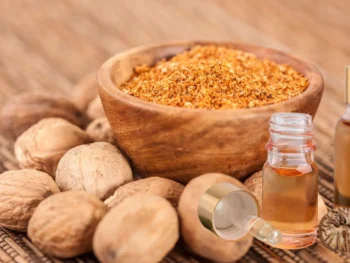

Clove oil, distilled from the dried flower buds of the Syzygium aromaticum tree, is often praised for its potent aroma and medicinal benefits. While most commonly associated with dental care and aromatherapy, pure clove oil also holds a special place in the culinary world. Its warm, spicy-sweet flavor has been used for centuries in both savory and sweet dishes, particularly in Asian, Middle Eastern, and European cuisines. Beyond flavor, this essential oil brings with it a host of health benefits, making it a valuable addition to the modern kitchen.
A Historical Spice with Deep Roots
Clove has a long and storied history, dating back over 2,000 years. Ancient Chinese and Indian texts mention clove for both culinary and medicinal uses. During the spice trade era, cloves were highly prized and even more expensive than gold by weight in certain parts of Europe. Though whole and ground cloves are commonly used, clove oil—especially in its purest form—has gained popularity among chefs and health-conscious cooks seeking intense flavor and natural wellness support.
The Culinary Charm of Clove Oil

Pure clove oil offers a concentrated punch of the spice's signature flavor. Just a drop or two can transform a dish, providing a warming, slightly sweet and pungent character that pairs well with a variety of ingredients.
Sweet Applications
Clove oil is a staple in many dessert recipes. Its deep, aromatic profile complements cinnamon, nutmeg, and ginger—making it ideal for:
- Baked goods like gingerbread, spice cookies, and fruit cakes.
- Mulled wines and ciders, where it contributes to the cozy warmth of holiday beverages.
- Chutneys and compotes, especially those involving apples, pears, and plums.
Just a trace of clove oil intensifies flavors without overpowering, but precision is key. Because it’s highly concentrated, even a slight excess can make a dish bitter.
Savory Uses
In savory cooking, clove oil shines in:
- Curries and stews, especially Indian and Middle Eastern recipes that rely on complex spice blends.
- Marinades and rubs for meat, particularly beef, pork, and lamb.
- Pickling and brining solutions, where it adds depth and acts as a natural preservative.
Many chefs use it as a finishing oil—adding it just before serving or mixing it with other oils to create spiced dressings and dips.
Tips for Cooking with Pure Clove Oil
- Dilute it: Always dilute clove oil in a carrier like olive oil, coconut oil, or even a broth. One drop goes a long way.
- Add at the right time: Essential oils can be volatile. Adding clove oil at the end of the cooking process preserves its aromatic profile.
- Pair wisely: It complements spices like cinnamon, cardamom, star anise, and pepper. Avoid using it with delicate herbs like basil or dill, as it may overwhelm them.
- Storage: Keep your clove oil in a dark glass bottle away from heat to preserve its potency.
Health Benefits Beyond the Plate

Adding pure clove oil to your cooking doesn’t just boost flavor—it also introduces a host of health benefits. These are largely attributed to eugenol, the oil's primary active compound, which has been extensively studied for its antimicrobial, anti-inflammatory, and antioxidant properties.
1. Digestive Aid
Clove oil has traditionally been used to stimulate digestion and alleviate issues like bloating, gas, and indigestion. Incorporating it into food may support gastrointestinal health, especially when used in rich or heavy meals.
2. Antimicrobial Properties
Eugenol has strong antimicrobial effects, which help inhibit the growth of bacteria and fungi. In food, this translates to enhanced preservation and safety, especially in dishes that are stored for extended periods.
3. Anti-Inflammatory and Pain Relief
While clove oil is known for topical pain relief—especially for toothaches—consuming it in small culinary doses may support internal inflammation reduction, particularly in the gut.
4. Rich in Antioxidants
Clove oil is one of the most antioxidant-rich essential oils available. Antioxidants help neutralize free radicals, which are linked to aging and chronic diseases. This makes clove oil a flavorful way to give your meals a nutritional upgrade.
5. Immune Support
Thanks to its antiviral and antibacterial properties, clove oil may help bolster the immune system, especially during cold and flu season. Many people add a drop to warm teas or honey for added protection and relief from sore throats.
Culinary and Holistic Caution
Despite its benefits, clove oil must be used with caution. Overconsumption can cause adverse effects such as nausea, digestive upset, or even toxicity in extreme cases. Only food-grade, pure clove oil should be used in the kitchen, and always in very small amounts. For general guidance:
- Stick to 1 drop per recipe unless directed otherwise by a recipe or culinary expert.
- Do not ingest clove oil directly or undiluted.
- Pregnant women, children, and people with liver conditions should consult a doctor before using it.
Modern Trends: Clove Oil in Gourmet and Functional Foods
As interest grows in functional foods—meals that offer health benefits beyond basic nutrition—clove oil is emerging in gourmet health-conscious cuisine. High-end restaurants and wellness chefs are experimenting with essential oils to create:
- Functional desserts with digestive support.
- Immune-boosting soups and elixirs using essential oils.
- Fusion cuisine where Eastern medicinal herbs meet Western culinary techniques.
Artisanal chocolatiers and beverage makers are also infusing clove oil into their products, capitalizing on its strong flavor and natural preservative qualities.
DIY Ideas for Home Cooks

If you're interested in experimenting with pure clove oil in your kitchen, here are a few simple ideas:
- Spiced Honey Drizzle: Mix 1 drop of clove oil with 1/4 cup of honey. Drizzle over roasted carrots, sweet potatoes, or warm toast.
- Holiday Coffee Syrup: Blend clove oil with cinnamon and vanilla extract into a simple syrup. Add to lattes or hot cocoa.
- Savory Oil Blend: Mix clove oil with olive oil, crushed garlic, and lemon juice for a bold marinade or salad dressing.
Conclusion
Pure clove oil is much more than a medicinal remedy—it's a culinary powerhouse capable of enhancing both flavor and health. From decadent desserts to hearty stews, its unique profile can transform everyday meals into aromatic, health-boosting delights. When used thoughtfully and sparingly, clove oil offers a fusion of tradition and innovation, bringing ancient spice wisdom into the modern kitchen.
Whether you're a gourmet chef or a home cook, embracing clove oil in your culinary repertoire could be the flavorful, functional twist your dishes have been waiting for.