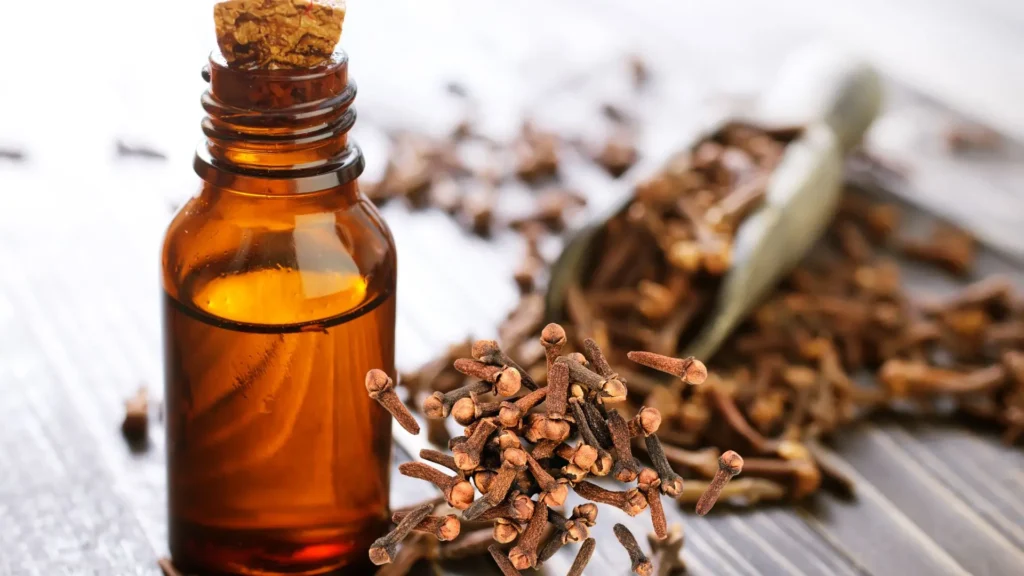
If you are looking for a reliable eugenol manufacturer Indonesia, you are in the right place. Indonesia is the world's dominant source of natural eugenol — and for good reason.
The country's Maluku Islands produce the highest-quality clove in the world, and clove oil contains 70–92% eugenol depending on the plant part distilled (bud, leaf, or stem).
No other country combines Indonesia's clove production scale, distillation infrastructure, and established eugenol isolation capability to compete at this level.
Eugenol (CAS 97-53-0) is a critical industrial compound used across dental anaesthetics, pharmaceutical topicals, fine fragrance, food flavouring, and increasingly as a green chemistry feedstock for synthesising other aroma chemicals.
Demand has been growing steadily — and recent market data confirms that eugenol prices have entered a sustained bullish cycle, with pharmaceutical-grade material trading at $30–60/kg and food/fragrance grade at $25–50/kg, with landed costs in North America up 10–25% since early 2025.
This guide — written by Global Essential Oil, an Indonesian clove oil manufacturer and eugenol supplier — covers everything a B2B buyer needs: the different grades of eugenol, the isolation process, technical specifications, current pricing context, supplier verification, and how to structure a bulk order. For our product page, see: Eugenol USP from Indonesia.
Related Reading
→ Eugenol USP — Product Specifications & Sample Request
→ Clove Essential Oil — Product Page (Source Material for Eugenol)
→ Bulk Clove Oil Supplier Indonesia — Complete Sourcing Guide
Why Indonesia Is the World’s Primary Source of Natural Eugenol
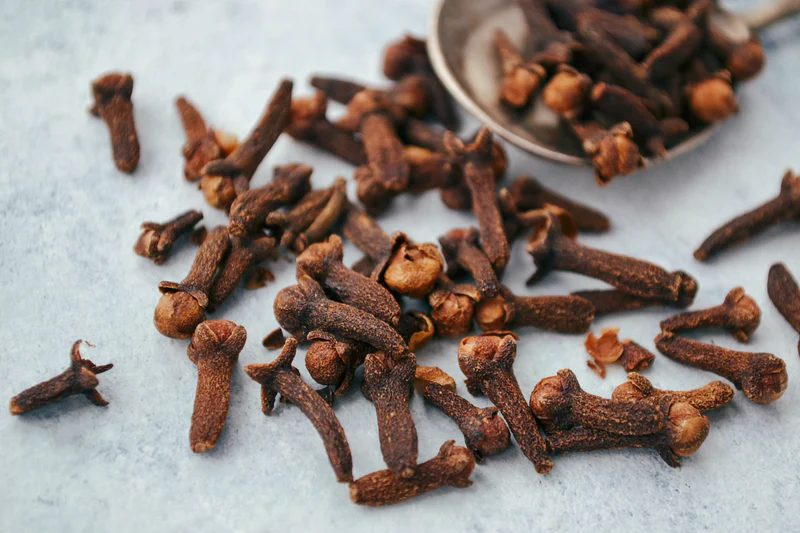
Natural eugenol can technically be isolated from multiple plant sources — including nutmeg, cinnamon, basil, and bay leaf — but the economics and scale of production are overwhelmingly determined by one source: clove oil from Indonesia. Here is why:
- Highest eugenol concentration in clove oil: Clove stem oil contains 80–92% eugenol by GC analysis — the highest natural concentration of any commercially available essential oil feedstock. This makes isolation efficient and cost-effective compared to other botanical sources where eugenol is present at 1–10%
- Indonesia's scale of clove production: Indonesia accounts for approximately 70–80% of global clove production, with the Maluku Islands, East Java, and Sulawesi as the primary producing regions. This production scale creates a eugenol supply base that no other country can match
- Established isolation infrastructure: Decades of clove oil processing have created a mature vacuum fractional distillation infrastructure in Indonesia — the industrial process used to isolate eugenol from crude clove oil at scale
- Halal-native supply chain: For Middle East, Malaysian, and Southeast Asian buyers requiring Halal-certified eugenol, Indonesian manufacturers offer MUI Halal certification as a standard credential — something non-Indonesian suppliers cannot provide with the same authenticity
| Market Context 2025–2026 Eugenol prices have entered a bullish market cycle — driven by: (1) climate-induced supply pressure on Indonesian clove harvests (extended rainy season keeping yields under pressure), (2) new US tariffs adding 10–25% to North American landed costs for Indonesian products, and (3) accelerating pharmaceutical and natural ingredient demand. Food/fragrance grade: $25–50/kg. Pharmaceutical (USP) grade: $30–60/kg (2025 benchmark). For buyers, this means strategic inventory planning and direct Indonesian manufacturer relationships are increasingly valuable. |
Eugenol Grades: USP, Food, Fragrance & Industrial — What's the Difference?
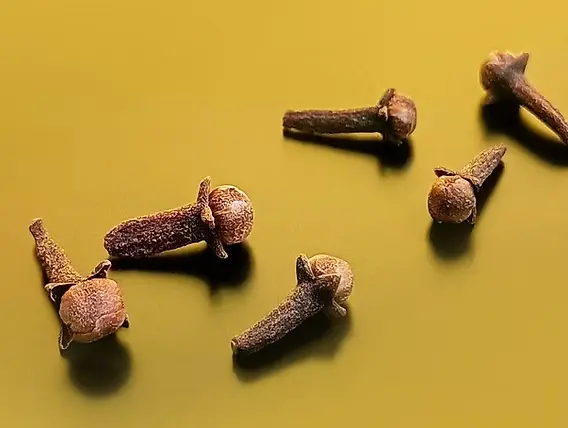
Not all eugenol is equal. The grade determines purity level, documentation requirements, permitted applications, and price. Understanding which grade you need before requesting quotes is essential for accurate procurement.
| Grade | Purity | Primary Application | Key Documentation | Price Tier (2025) |
| Eugenol USP | ≥99.0% (United States Pharmacopoeia) | Dental anaesthetic, pharmaceutical topicals, drug compounding | CoA meeting USP monograph; MSDS; Halal (if required) | $30–60/kg |
| Eugenol BP/Ph.Eur. | ≥98.0% (British/European Pharmacopoeia) | EU pharmaceutical use; cosmetic active ingredient | CoA meeting Ph.Eur. monograph; EU REACH registration preferred | $28–55/kg |
| Eugenol Food Grade (FCC/FEMA) | ≥98.0%–99.0% | Food flavouring (FEMA 2467), beverage, confectionery | FCC compliant; FEMA GRAS status; Halal/Kosher if required | $25–50/kg |
| Eugenol Fragrance Grade | ≥97.0%–98.0% | Fine fragrance, personal care, aroma chemical feedstock | Standard CoA + GCMS; IFRA compliance documentation | $22–45/kg |
| Eugenol Industrial Grade | ≥95.0%–97.0% | Aroma chemical synthesis (isoeugenol, methyl eugenol), agricultural chemical | Basic CoA + MSDS; no pharmacopoeia compliance required | $18–35/kg |
| Which grade does your application require? Dental/pharmaceutical → USP or BP/Ph.Eur. grade only — no substitution acceptable in regulated applications. Food flavouring → Food Grade (FCC) minimum — FEMA GRAS status required for US market; EU flavouring regulation compliance for EU. Cosmetic formulation → Fragrance or USP grade — depends on application concentration and market. EU cosmetics requires REACH compliance. Fragrance manufacturing → Fragrance grade — most cost-effective for aroma applications where pharmacopoeia compliance is not required. Aroma chemical synthesis → Industrial grade — lowest cost per kg; purity sufficient for downstream chemical conversion. |
How Indonesian Eugenol Is Produced: From Clove to Isolated Compound
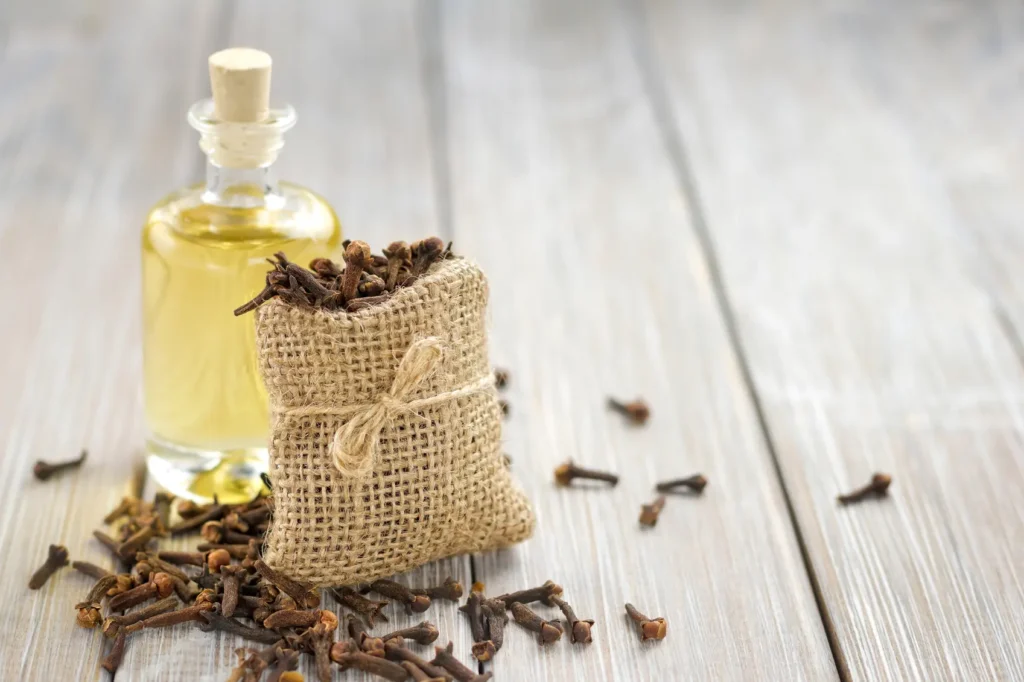
Understanding the production process helps buyers evaluate supplier capabilities and verify that the eugenol they receive was genuinely isolated from natural Indonesian clove oil — not synthetic or from a non-Indonesian source.
Step 1 — Clove Oil Distillation
The process begins with steam distillation of clove stems, leaves, or buds to produce crude clove essential oil. The choice of plant part matters significantly:
- Clove stem oil: Highest eugenol content (80–92%) — preferred feedstock for eugenol isolation due to the high yield and cost-effectiveness
- Clove leaf oil: Medium eugenol content (70–78%) — widely available, commonly used as eugenol source
- Clove bud oil: High eugenol (75–85%) but more expensive raw material — typically reserved for premium whole oil applications rather than eugenol isolation
Step 2 — Alkali Washing (Separation)
Crude clove oil is treated with sodium or potassium hydroxide solution, which converts eugenol (a phenol) into its sodium phenolate salt. This salt is water-soluble and separates from the non-phenolic fraction (caryophyllene, other terpenes) which floats on top and is removed. The sodium eugenolate solution is retained.
Step 3 — Acidification and Separation
The sodium eugenolate solution is acidified with dilute sulfuric or hydrochloric acid, regenerating free eugenol which separates as a distinct oily layer. The eugenol layer is separated by liquid-liquid extraction.
Step 4 — Vacuum Fractional Distillation (Purification)
The crude eugenol fraction is purified by vacuum fractional distillation — the key step that determines the final purity grade. USP grade requires distillation to ≥99.0% purity; fragrance grade to ≥97%; industrial grade to ≥95%.
The quality of the distillation equipment and process control directly determines the achievable purity — this is where a genuine manufacturer differs from a trader who sources crude isolation and re-labels it.
| Why This Process Matters for Supplier Verification A genuine eugenol manufacturer has the following on-site or contracted: steam distillation equipment, alkali washing facility, liquid-liquid extraction capability, and vacuum fractional distillation column. When you conduct a supplier video call, you should be able to see evidence of this infrastructure. A supplier without this equipment is a trader or broker who sources from a third-party manufacturer — not a producer. This distinction matters for traceability, documentation ownership, and price negotiation. |
Technical Specifications: USP Eugenol from Indonesian Clove Oil
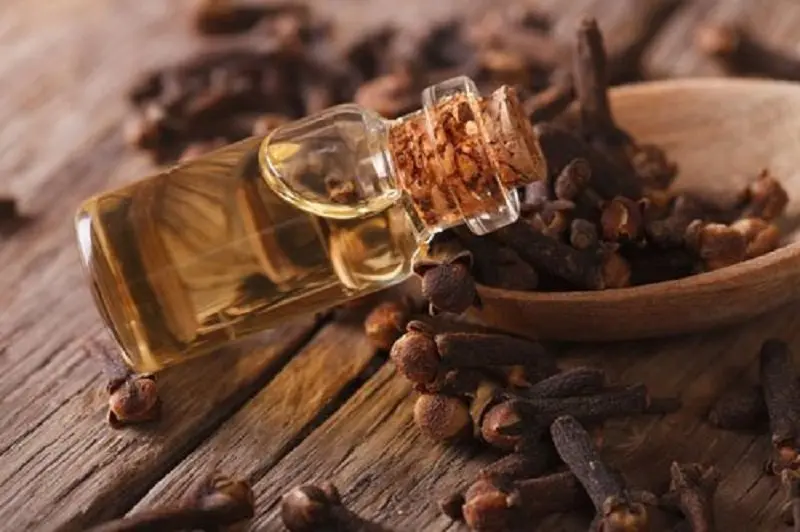
The following specifications apply to Eugenol USP (CAS 97-53-0) produced from Indonesian clove oil.
These are the parameters that should appear on the batch-specific Certificate of Analysis:
| Parameter | USP Specification | Method | Why It Matters |
| Chemical Name | 4-Allyl-2-methoxyphenol | — | IUPAC identifier for regulatory documentation |
| CAS Number | 97-53-0 | — | Universal chemical registry — verify on all documentation |
| Molecular Formula | C₁₀H₁₂O₂ | — | Confirms correct compound — MW 164.20 |
| Purity (GC) | ≥99.0% | Gas Chromatography | Primary quality parameter — USP requires minimum 99.0% |
| Appearance | Clear, colourless to pale yellow liquid | Visual | Cloudiness or dark colour indicates impurity or degradation |
| Refractive Index (20°C) | 1.540 – 1.542 | Refractometry | Key authenticity check — synthetic eugenol can have different RI |
| Specific Gravity (25°C) | 1.064 – 1.070 | Hydrometry | Purity and authenticity indicator |
| Optical Rotation | Practically optically inactive (−0.1° to +0.1°) | Polarimetry | Confirms no chiral impurities from incomplete isolation |
| Boiling Point | ~254°C (at 760 mmHg) | — | Physical constant — confirms correct compound |
| Flash Point | ~112°C | — | Shipping classification — DG Class 3 |
| Solubility | Slightly soluble in water; miscible with ethanol, chloroform, ether | — | Relevant for formulation compatibility |
| Heavy Metals | ≤10 ppm (USP specification) | ICP-MS or colorimetric | Required for pharmaceutical and food applications |
| Residual Solvents | Within USP Class 2/3 limits | GC Headspace | Required for pharmaceutical grade |
| Origin | Indonesia (ex. clove oil — Syzygium aromaticum) | — | Natural isolate — non-GMO, non-synthetic |
For guidance on reading and verifying Certificate of Analysis documentation for essential oil-derived products, see: Understanding COA & GCMS Reports in Essential Oil Trading.
Industry Applications of Eugenol from Indonesia
Dental & Pharmaceutical (Largest Sector)
Eugenol is best known globally as a dental anaesthetic and antiseptic — it has been used in dentistry for over a century. Key pharmaceutical applications:
- Dental cement and restorations: Zinc oxide-eugenol (ZOE) cement is one of the most widely used dental materials globally for temporary fillings, root canal sealers, and pulp capping
- Periodontal dressings: Eugenol provides analgesic and antimicrobial action in post-surgical periodontal dressings
- Topical anaesthetics: Combined with benzocaine or as standalone application for pain relief in oral mucosa
- Pharmaceutical topicals: Anti-inflammatory and analgesic ointments, creams, and gels for dermatological conditions
- Animal feed additive: Increasingly used to improve immunity in livestock — cattle, poultry, and swine applications growing rapidly
For dental and pharmaceutical applications, only USP or BP/Ph.Eur. grade is acceptable. See our safety guide: Clove Oil Safety for Cosmetic & Industrial Use — IFRA Limits & MSDS.
Fine Fragrance & Aroma Chemicals
Eugenol is a key building block in the fragrance and aroma chemical industry. Its warm, spicy, clove character is used directly in fragrance compositions — and it is also a feedstock for chemical synthesis of several other important aroma chemicals:
- Isoeugenol: Synthesised from eugenol via isomerisation — used in fragrance (carnation, spicy notes) and as a flavouring agent
- Methyl eugenol: Methyl ether of eugenol — used in fragrance and as an insect attractant in agricultural applications
- Eugenyl acetate: Acetate ester of eugenol — softer, sweet-spicy character used in fine fragrance and as a flavouring agent
- Vanillin (via guaiacol route): Eugenol can be converted to vanillin via guaiacol — an important industrial synthesis pathway for synthetic vanilla flavour
Food Flavouring
Eugenol carries FEMA GRAS status (FEMA 2467) for food use in the United States and is approved as a flavouring substance in the EU (Regulation EC 1334/2008). Applications include: clove-flavoured confectionery, spice blends, meat products, beverages, and bakery.
For food applications, FCC (Food Chemical Codex) grade minimum is required, with documentation confirming natural origin from Indonesian clove oil.
Cosmetics & Personal Care
Eugenol is used in cosmetic formulations for its antimicrobial, anti-inflammatory, and fragrance properties.
Key applications: mouthwash and toothpaste (antimicrobial active), skin care (penetration enhancer, anti-inflammatory), and fragrance compounds.
Important: eugenol is classified as an allergen under EU Cosmetics Regulation — it must be declared on the label if present above 0.001% in leave-on products or 0.01% in rinse-off products. See our full compliance guide: Clove Oil Safety for Cosmetic Use — IFRA Limits & Formulation Guidelines.
How to Verify an Eugenol Manufacturer Indonesia vs a Trader
The eugenol market has a significant broker and trader problem — particularly for pharmaceutical-grade material where margins are highest.
Many entities present themselves as manufacturers when they are simply purchasing isolated eugenol from a third party and re-packaging. Here is a systematic verification approach:
| Verification Point | Genuine Manufacturer | Trader/Broker |
| Production facility | Has distillation equipment + isolation facility — will show on video call | Warehouse or office only — no production equipment |
| COA ownership | Issues CoA in their own company name from their own QC laboratory | Passes through third-party CoA, often with batch numbers inconsistent with their own packaging |
| Source material specification | Can confirm which clove plant part (stem/leaf/bud) is used as feedstock | Cannot specify — does not know or control the feedstock |
| Batch-specific GCMS | Provides GCMS from their own or contracted analytical lab for each batch | Cannot provide batch-specific GCMS — relies on generic documentation |
| Halal certification | MUI certificate in their own company name | May claim Halal but certificate belongs to their supplier |
| DUNS registration | Verifiable at dnb.com in their company name | May not have independent DUNS — operates under parent company |
| Business registration (NIB) | Active NIB and export license verifiable at oss.go.id | May not hold independent export license |
| MOQ flexibility | Can accommodate trial orders + scale to full industrial supply | Fixed large MOQ — cannot adjust |
| Origin specificity | Can name the Maluku district where clove is sourced | Vague — 'from Indonesia' |
| Price transparency | Explains pricing based on clove leaf/stem cost + processing margin | Cannot explain cost structure — just quotes a number |
Step-by-Step Verification Checklist
- Request NIB and export license: Verify at oss.go.id — confirm export authorization for chemical products, not just essential oils
- Verify Halal certificate at halalmui.org: Certificate must be in the manufacturer's own name — not a parent company or affiliated entity
- Confirm DUNS number at dnb.com: Established manufacturers have this; newly-formed trading companies often do not
- Request video call with facility tour: Must see distillation equipment, isolation/fractionation column, and QC lab — not just storage facility
- Order sample with USP-compliant CoA: CoA must show purity ≥99.0% by GC, refractive index, specific gravity, heavy metals — all for the specific batch being sampled
- Verify GCMS compound profile: Authentic natural eugenol from Indonesian clove has a specific trace impurity profile — synthetic eugenol has a different GC profile. Third-party lab verification recommended for first orders
- Check for residual solvents (USP/pharma): USP grade requires residual solvent testing — confirm the CoA includes this or request separately
Related Reading
→ Complete Supplier Verification Guide — How to Source Essential Oils from Indonesia
→ COA & GCMS Verification Guide — Essential Reading Before Any Bulk Order
MOQ, Pricing & Logistics for Bulk Eugenol from Indonesia
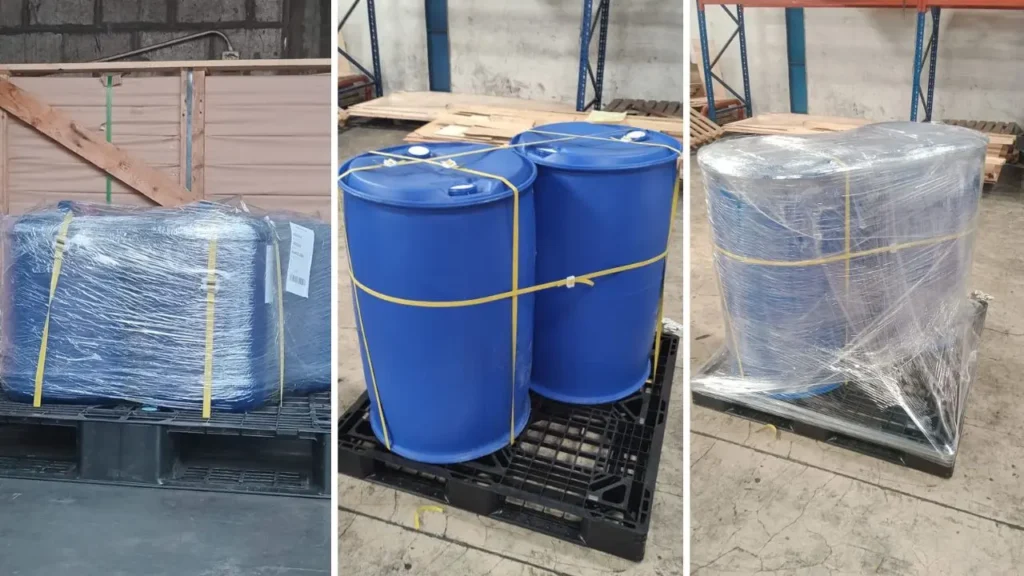
Minimum Order Quantities
- Sample: 100ml–500ml — CoA, GCMS, MSDS, Halal certificate included. Essential before bulk commitment
- Small bulk: 5–25kg in aluminium jerrycan — trial order tier for new buyer relationships
- Standard bulk: 50–180kg in aluminium drum — single container unit; most common B2B order
- Industrial bulk: 500kg–1,000kg+ in IBC tank or multiple drums — for pharmaceutical manufacturers and aroma chemical producers
Packaging
Eugenol must be shipped in aluminium containers — it is a reactive phenol that can discolour and degrade in contact with iron or oxidising materials.
Sealed, nitrogen-blanketed drums are recommended for large bulk orders to prevent oxidation during long sea freight transit.
Flash point of eugenol is approximately 112°C, classifying it as a DG Class 3 Flammable Liquid — all shipments must comply with IMDG regulations for sea freight.
Market Pricing Context (2025–2026)
- Fragrance grade (≥97%): $22–45/kg FOB Indonesia
- Food grade (FCC, ≥98%): $25–50/kg FOB Indonesia
- USP/Pharma grade (≥99%): $30–60/kg FOB Indonesia
- Industrial grade (≥95%): $18–35/kg FOB Indonesia
Note on current market: Eugenol pricing is in a bullish cycle as of 2025–2026 due to supply pressure from Indonesian clove harvest challenges and rising global pharmaceutical demand.
Buyers planning large volumes should consider forward purchasing agreements with trusted manufacturers to lock in pricing ahead of further increases.
Documentation for Import Compliance
- Certificate of Analysis (CoA): Batch-specific, signed by QC — purity %, RI, SG, heavy metals, residual solvents (for pharma grade)
- GCMS report: Compound profile confirming natural origin from clove oil — distinguishes from synthetic eugenol
- MSDS/SDS: Required for DG Class 3 shipping and customs clearance
- Halal certificate (MUI): Verifiable at halalmui.org — required for Middle East and Muslim-market pharma/food applications
- Certificate of Origin: Confirms Indonesian natural origin — relevant for import duty and 'natural' ingredient declarations
- REACH registration (EU buyers): For EU import — check if supplier has REACH registration for eugenol (pre-registered substance) or if buyer needs to register as importer
Eugenol USP from Global Essential Oil — Indonesian Manufacturer
As a leading eugenol manufacturer Indonesia with production facilities in West Java and sourcing networks across Maluku, Global Essential Oil offers eugenol isolated from Indonesian clove oil with complete pharmaceutical and food-grade documentation:
- Grade available: Eugenol USP (≥99.0%) and Eugenol Fragrance/Food Grade — specify at time of inquiry
- Source material: Indonesian clove stem and leaf oil from Maluku — complete origin traceability
- Batch-specific CoA: Purity by GC, refractive index, specific gravity, heavy metals — per batch, not generic
- GCMS report: Natural isolate verification — confirms authentic Indonesian clove origin vs synthetic
- Halal certified (MUI): Verifiable at halalmui.org — certificate in our company name
- DUNS registered: Verified manufacturer credentials — verifiable at dnb.com
- Companion clove products: Clove Bud Oil, Clove Leaf Oil, and Clove Stem Oil also available — view clove oil range
- Sample policy: 100ml–500ml sample with full documentation available — no bulk commitment required to evaluate quality
Related Reading
→ Clove Essential Oil — Bud, Leaf & Stem: Source Material for Eugenol
→ Essential Oils from Indonesia — Full Product Range
| Request Eugenol USP Sample with CoA & GCMS Documentation Contact our team to request a eugenol USP sample from our current Indonesian production with batch-specific CoA (purity ≥99.0% by GC), GCMS compound profile confirming natural clove origin, MSDS, and Halal certificate. Ready to discuss bulk pricing? Tell us your volume, grade requirement, and destination market. We respond within 1 business day. → Contact Global Essential Oil — Request Eugenol USP Sample & Bulk Quote |
Or visit our Eugenol USP product page for full specifications, or our Clove Essential Oil page for whole clove oil products.