
Category: Article

  • Citronella Oil Production as an Economic Boost for Developing Regions

    Citronella Oil Production as an Economic Boost for Developing Regions

    In the pursuit of sustainable economic growth, many developing countries are turning to agriculture-based industries that can both empower rural communities and generate international trade opportunities. One such promising sector is the production of citronella oil—a fragrant essential oil derived from the leaves and stems of Cymbopogon plants, commonly known as lemongrass. Recognized for its use in perfumes, insect repellents, soaps, and aromatherapy, citronella oil is gaining renewed interest not only for its commercial potential but also for its ability to transform local economies.

    Understanding Citronella Oil

    Citronella oil is extracted through steam distillation from two main species of lemongrass: Cymbopogon nardus and Cymbopogon winterianus. These plants grow best in tropical and subtropical climates, making them well-suited for many developing regions in Asia, Africa, and Latin America.

    There are two types of citronella oil: Ceylon citronella (from C. nardus) and Java citronella (from C. winterianus). Java citronella is more commercially valuable due to its higher concentrations of citronellal and geraniol, the compounds responsible for its pleasant scent and insect-repelling properties.

    Economic Potential of Citronella Oil Production

    The global demand for essential oils has been steadily rising, driven by increased consumer interest in natural products. Citronella oil, in particular, is in demand for use in:

    • Personal care products (soaps, shampoos, deodorants)
    • Aromatherapy and wellness
    • Natural insect repellents (including sprays and candles)
    • Perfumes and cleaning products

    This demand presents an opportunity for developing nations to tap into international markets. As a high-value, low-volume product, citronella oil is ideal for smallholder farmers who may not have access to large tracts of land but can still benefit economically from cultivating lemongrass.

    Employment and Income Generation

    One of the most immediate benefits of citronella oil production is job creation. The entire value chain—from planting and harvesting lemongrass to distilling and packaging the oil—requires labor. This creates opportunities for employment in rural areas where job options may be limited. Women and marginalized communities, in particular, can be actively involved in citronella farming, often through cooperatives or small family-run operations.

    For farmers, citronella cultivation provides a resilient and profitable income source. Lemongrass is relatively hardy and can be cultivated on marginal lands, making it a viable crop even in areas with low soil fertility. It also offers multiple harvests per year, ensuring a steady cash flow for producers.

    Low Entry Barriers and Sustainable Growth

    Unlike some agricultural ventures that require heavy capital investment or sophisticated technology, citronella oil production is relatively accessible. A basic distillation unit can be assembled with moderate investment, and governments or NGOs often support these projects through grants or technical training.

    Additionally, citronella cultivation is environmentally sustainable. The crop requires minimal chemical input, and the plant’s natural insect-repelling qualities reduce the need for pesticides. Crop residues can be used as mulch or livestock fodder, contributing to a circular economy model.

    Case Studies: Regional Success Stories

    Several countries have successfully integrated citronella oil production into their rural development strategies:

    India

    India is one of the leading producers of citronella oil, especially in the northeastern states like Assam and Meghalaya. Here, farmers have been trained in modern distillation techniques, and government initiatives have provided seedlings and equipment. The region has seen a measurable improvement in household incomes and reduced dependence on subsistence farming.

    Indonesia

    Indonesia, a key exporter of Java citronella, has incorporated citronella cultivation into agroforestry programs. Farmers grow lemongrass alongside other crops, improving land use efficiency and biodiversity. The country has also attracted foreign investment in essential oil processing, boosting local economies and job creation.

    East Africa

    In countries like Uganda and Kenya, NGOs and cooperatives have introduced citronella farming as a climate-resilient income source. Small-scale producers often work together to purchase distillation units and collectively market their oil to buyers in Europe and North America.

    Challenges to Address

    Despite its potential, citronella oil production faces several challenges that need to be addressed for sustained growth:

    1. Quality Control: To compete in global markets, producers must adhere to strict quality standards. Variability in distillation methods and poor storage can lead to lower-quality oil, reducing export value.
    2. Market Access: Farmers often lack direct access to international buyers and rely on middlemen who take a large share of the profit. Establishing cooperatives and digital marketplaces can help bridge this gap.
    3. Training and Infrastructure: In many regions, there is a lack of technical knowledge regarding best agricultural and distillation practices. Investment in farmer training and basic infrastructure is crucial.
    4. Climate Vulnerability: Though lemongrass is hardy, extreme weather events linked to climate change can affect yields. Developing climate-resilient farming practices is essential.

    The Role of Governments and NGOs

    To realize the full economic potential of citronella oil production, coordinated support from governments, NGOs, and development agencies is essential. This includes:

    • Providing technical training and agricultural extension services
    • Facilitating microcredit and financing for small farmers
    • Investing in processing infrastructure like distillation units
    • Supporting the formation of farmer cooperatives and market linkages
    • Encouraging research and development for higher-yield plant varieties

    Public-private partnerships can also play a role in building export channels and ensuring that small-scale producers can benefit from global trade.

    The Road Ahead

    As the world increasingly turns to sustainable and natural alternatives, citronella oil production offers a powerful pathway for rural development and economic empowerment in developing regions. By leveraging their natural climates and available labor, these countries can become significant players in the global essential oils market.

    However, for this promise to be realized, strategic investment, policy support, and community engagement are essential. With the right frameworks in place, citronella oil production can go beyond being just an agricultural activity—it can become a catalyst for inclusive growth and long-term economic resilience.


    Conclusion

    Citronella oil production is more than a niche agricultural pursuit—it represents a scalable, sustainable opportunity for economic growth in the developing world. With increasing global demand and relatively low production barriers, it has the potential to uplift communities, diversify incomes, and strengthen local economies. By investing in this sector, countries can turn a simple grass into a powerful tool for change.

  • The Difference Between Vetiver Essential Oil and Fragrance/Perfume Oil

    The Difference Between Vetiver Essential Oil and Fragrance/Perfume Oil

    Vetiver essential oil, often called the “oil of tranquility” in India and Sri Lanka, is a deeply grounding, earthy scent extracted from the roots of the Chrysopogon zizanioides plant. Widely used in perfumery, aromatherapy, and traditional medicine, vetiver appears in two main forms: essential oil and fragrance (or perfume) oil. While they might smell similar to the untrained nose, these two types of oil are vastly different in origin, composition, purpose, and application. Understanding their differences is crucial for consumers, aromatherapists, and perfumers alike.

    What is Vetiver Essential Oil?

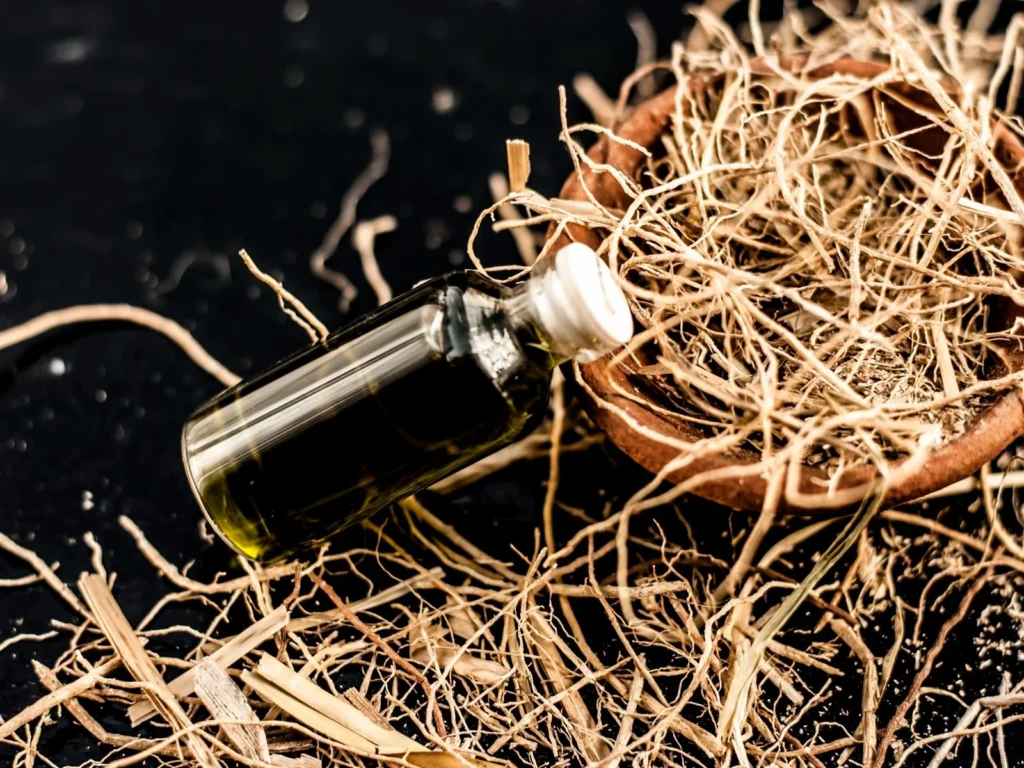
    Vetiver essential oil is a natural extract obtained primarily through the steam distillation of the roots of the vetiver grass. Native to India, but now grown in tropical regions worldwide, the plant’s root system grows deep into the earth, producing a rich, woody, smoky aroma that has been used for centuries in traditional medicine and rituals.

    Key Characteristics:

    • Extraction Method: Steam distillation from plant roots.
    • 100% natural and unadulterated (when pure).
    • Color: Thick, amber to dark brown.
    • Scent Profile: Deep, earthy, smoky, with woody and balsamic undertones.
    • Chemical Composition: Contains natural sesquiterpenes, vetiverol, vetivone, and khusimol—compounds with therapeutic benefits.
    • Uses: Aromatherapy, emotional support, skin healing, insect repellent, and natural perfumery.

    Vetiver essential oil is known for its calming effects on the mind and body. It’s commonly used in aromatherapy to promote relaxation, reduce anxiety, aid sleep, and balance emotions. It also has antiseptic and anti-inflammatory properties, making it suitable for skin care applications.

    What is Vetiver Fragrance or Perfume Oil?

    Vetiver fragrance oil, also called vetiver perfume oil, is typically a synthetic or blended product created to mimic the aroma of natural vetiver or to enhance it for perfumery purposes. These oils may include a combination of natural essential oils, synthetic aroma compounds, and carrier oils.

    Key Characteristics:

    • Made in laboratories to replicate or enhance the scent of vetiver.
    • May include synthetic chemicals or natural isolates.
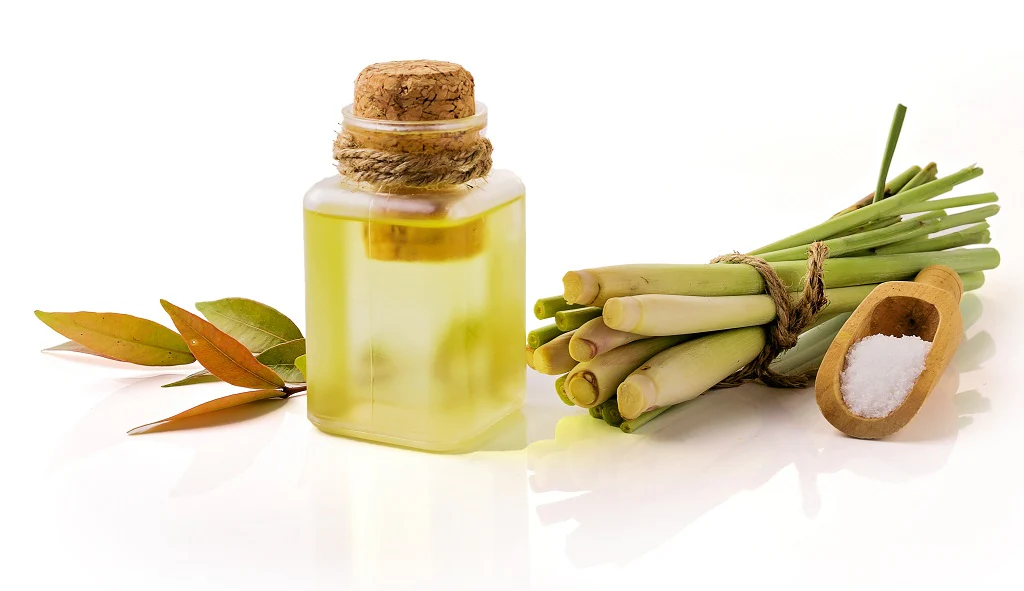
    • Color: Can vary, but generally lighter than essential oil.
    • Scent Profile: More refined or “designer-like”; may be lighter, sweeter, or more uniform than essential oil.
    • Stability: More stable for use in commercial products.
    • Uses: Primarily in perfumery, cosmetics, candles, soaps, and personal care products.

    Fragrance oils are designed for scent rather than therapeutic effect. They are used where consistency, affordability, and fragrance longevity are priorities, such as in mass-produced perfumes, lotions, and bath products.


    Main Differences Between Vetiver Essential Oil and Fragrance Oil

    1. Source and Composition

    • Essential Oil: Derived directly from the vetiver plant through steam distillation. Contains only the plant’s volatile compounds, with no added ingredients.
    • Fragrance Oil: Can be entirely synthetic or a blend of natural and synthetic ingredients designed to smell like vetiver. Often contains stabilizers and carriers.

    2. Scent Complexity and Authenticity

    • Essential Oil: Offers a rich, complex, evolving aroma that changes over time. Each batch can vary slightly due to weather, soil, and harvest conditions.
    • Fragrance Oil: Designed to be consistent and predictable. The scent is usually more linear and doesn’t evolve like a natural oil does.

    3. Aromatherapeutic Benefits

    • Essential Oil: Contains therapeutic compounds known to support emotional well-being, promote relaxation, and treat skin and health conditions.

    • Fragrance Oil: Lacks therapeutic properties. Its primary role is to provide scent, not wellness benefits.

    4. Cost

    • Essential Oil: More expensive due to the complex and time-consuming extraction process and the large quantity of raw plant material required.
    • Fragrance Oil: Generally cheaper to produce and purchase, especially at scale, which is why it’s common in commercial products.

    5. Shelf Life

    • Essential Oil: Can last many years if stored properly, but its scent may change subtly over time.
    • Fragrance Oil: Often includes preservatives or stabilizers to maintain scent consistency, leading to a longer or more predictable shelf life.

    6. Skin Safety and Allergies

    • Essential Oil: Potent and concentrated; should be diluted before topical use. Some individuals may experience sensitivities or allergic reactions.
    • Fragrance Oil: May contain allergens or synthetic irritants. Skin-safe versions are usually tested and regulated, but reactions can still occur, especially with synthetic additives.

    Choosing Between the Two

    The choice between vetiver essential oil and fragrance oil depends largely on your intended use.

    Choose Vetiver Essential Oil If:

    • You want therapeutic benefits (e.g., stress relief, sleep support).
    • You’re practicing aromatherapy.
    • You prefer natural products without synthetic ingredients.
    • You’re formulating natural skincare or wellness products.

    Choose Vetiver Fragrance Oil If:

    • You want a consistent, long-lasting vetiver scent.
    • You’re creating perfumes, soaps, or candles and need stability and affordability.
    • You’re sensitive to the strong, earthy aroma of pure vetiver and prefer a lighter or sweeter version.

    How to Tell Them Apart

    If you’re unsure whether a product labeled “vetiver oil” is essential or fragrance oil, here are some tips:

    • Check the ingredient label: Pure essential oils will list the botanical name (Chrysopogon zizanioides) with no additives.
    • Price: If it’s significantly cheaper than typical essential oil prices, it’s likely synthetic.
    • Scent: Essential oil smells raw, earthy, and smoky. Fragrance oil often smells smoother or sweeter.
    • Source: Reputable essential oil brands typically provide GC/MS reports or origin data.

    Environmental and Ethical Considerations

    Vetiver essential oil is harvested sustainably in many regions, with efforts to support small farming communities. However, overharvesting and poor land management can lead to soil degradation. Always seek ethically sourced and sustainably farmed vetiver essential oils.

    Fragrance oils, while sometimes more sustainable due to reduced reliance on plant material, often involve petrochemicals or synthetic processes that raise environmental concerns. Consumers seeking eco-friendly options should investigate the sourcing and formulation methods of fragrance oils.


    Final Thoughts

    While both vetiver essential oil and vetiver fragrance oil share a common goal—delivering a beautiful scent—their compositions, benefits, and applications are quite different. Whether you’re drawn to the therapeutic richness of natural vetiver essential oil or the accessible consistency of a vetiver fragrance oil, understanding the distinction allows you to make informed choices based on your needs, values, and preferences.

    For aromatherapy, wellness, and natural skincare, vetiver essential oil offers unmatched benefits. For perfumery and scented products where consistency and cost-effectiveness matter, vetiver fragrance oil plays an important role. Both have their place in the world of scent—each adding unique value in its own right.

  • The Role of Lemongrass Oil in Aromatherapy Massage Therapy

    The Role of Lemongrass Oil in Aromatherapy Massage Therapy

    Aromatherapy massage therapy combines the therapeutic benefits of massage with the healing properties of essential oils. Among the variety of essential oils used in this practice, lemongrass oil stands out due to its refreshing scent and impressive range of therapeutic properties. Derived from the lemongrass plant (Cymbopogon citratus), this oil has been used for centuries in traditional medicine, particularly in Southeast Asia. Today, lemongrass oil is widely recognized in aromatherapy for its ability to uplift the mood, relieve stress, and treat physical ailments.

    This article explores the role of lemongrass oil in aromatherapy massage therapy, including its physical and psychological benefits, mechanisms of action, and guidelines for safe use.


    Understanding Lemongrass Oil

    Lemongrass oil is extracted from the leaves and stalks of the lemongrass plant through steam distillation. It contains several bioactive compounds, including citral, limonene, and geraniol, which contribute to its strong citrus aroma and therapeutic effects. The oil is known for its antibacterial, antifungal, anti-inflammatory, and analgesic properties, making it a powerful addition to massage therapy.


    Aromatherapy Massage Therapy: A Holistic Approach

    Aromatherapy massage therapy involves the use of essential oils to enhance the healing effects of massage. Essential oils are either inhaled through the olfactory system or absorbed through the skin during the massage. This dual-action approach provides both psychological and physiological benefits, making aromatherapy massage a holistic healing technique.

    Lemongrass oil, when integrated into this practice, not only enhances the sensory experience but also targets specific physical and emotional conditions.


    Physical Benefits of Lemongrass Oil in Massage

    1. Pain Relief and Muscle Relaxation

    One of the most valued benefits of lemongrass oil in massage therapy is its ability to relieve muscle pain and tension. The oil has natural analgesic properties, which help reduce inflammation and soothe sore muscles. When massaged into the skin, lemongrass oil stimulates blood circulation, easing cramps, sprains, and joint pain.

    Athletes and individuals suffering from chronic conditions like arthritis or fibromyalgia may benefit significantly from regular massages with lemongrass oil.

    2. Detoxification and Circulation

    Lemongrass oil supports the body’s natural detoxification process by stimulating the lymphatic system. Improved circulation and lymphatic drainage help the body eliminate toxins more efficiently. This can result in reduced swelling, improved skin tone, and a general sense of vitality after a massage session.

    3. Antimicrobial Properties

    Due to its antimicrobial effects, lemongrass oil may help cleanse the skin and reduce the risk of infections. In massage therapy, this can be particularly beneficial when treating conditions such as acne, athlete’s foot, or minor skin irritations.

    4. Digestive Support

    While not a direct result of topical application, the calming effects of lemongrass oil on the nervous system may help support digestive function. A massage incorporating lemongrass oil around the abdomen can help relieve symptoms of bloating or indigestion, thanks to its antispasmodic action on the gastrointestinal tract.


    Psychological and Emotional Benefits

    1. Stress Reduction and Mood Enhancement

    Lemongrass oil has a fresh, lemony aroma that is known to elevate mood, reduce anxiety, and combat depression. Inhalation of the scent during a massage can positively influence the limbic system—the brain’s emotional center—thereby promoting relaxation and emotional well-being.

    Research has shown that lemongrass oil can help reduce cortisol levels, the hormone associated with stress, helping clients feel calm, clear-minded, and energized after a session.

    2. Mental Clarity and Focus

    Unlike some relaxing oils that may cause drowsiness, lemongrass oil offers mental clarity and stimulation. This makes it a popular choice for clients who want to relax physically without feeling mentally sedated. It can be used in morning or mid-day massages to refresh the senses and promote productivity.


    How Lemongrass Oil Works in the Body

    The therapeutic effects of lemongrass oil stem from its chemical composition. Citral, the primary active compound, has been found to exert strong anti-inflammatory and antioxidant effects. When used in massage, these compounds are absorbed through the skin and enter the bloodstream, providing systemic benefits.

    Inhalation of the oil also plays a key role. The olfactory system sends scent signals directly to the brain, influencing the autonomic nervous system and emotional centers. This dual delivery system—topical absorption and inhalation—makes aromatherapy massage with lemongrass oil particularly effective.


    Safe Usage and Precautions

    While lemongrass oil offers many benefits, it must be used properly to avoid adverse reactions:

    • Dilution: Lemongrass oil is highly concentrated and should be diluted with a carrier oil such as coconut, jojoba, or almond oil before application. A typical dilution ratio is 1–2% (about 6–12 drops per ounce of carrier oil).
    • Patch Testing: Due to its potency, a patch test is recommended to check for skin sensitivity or allergic reactions.
    • Avoiding Sensitive Areas: The oil should not be applied near the eyes, mucous membranes, or broken skin.
    • Pregnancy and Medical Conditions: Pregnant women, nursing mothers, and individuals with medical conditions should consult a healthcare provider before using lemongrass oil.

    Practical Applications in Massage Therapy

    Lemongrass oil can be incorporated into massage therapy in various ways:

    • Full-Body Massage: For clients experiencing stress, fatigue, or muscle soreness, a full-body massage with lemongrass oil can rejuvenate both body and mind.
    • Localized Treatment: It can be used for targeted relief, such as on sore shoulders, lower back, or legs after exercise.
    • Blends with Other Oils: Lemongrass pairs well with lavender, eucalyptus, tea tree, and peppermint oils, enhancing its effects or balancing its strong scent.
    • Aromatic Ambience: Diffusing lemongrass oil in the massage room can enhance the therapeutic atmosphere even before the massage begins.

    Conclusion

    Lemongrass oil plays a versatile and powerful role in aromatherapy massage therapy. Its combination of physical, emotional, and mental benefits makes it a valuable tool for massage therapists and clients alike. Whether used for stress relief, pain management, or simply to uplift the spirit, lemongrass oil enhances the holistic healing experience that aromatherapy massage aims to provide.

    As with any essential oil, proper use and individual consideration are key to reaping the full benefits of lemongrass oil. With careful application, it can be a refreshing and revitalizing addition to any wellness routine.

  • The Art of Agarwood Blending: Crafting Unique Fragrances

    The Art of Agarwood Blending: Crafting Unique Fragrances

    Agarwood, often referred to as “liquid gold” or “oud,” is among the rarest and most luxurious raw materials used in perfumery. Prized for its deep, complex, and mysterious aroma, agarwood has captivated cultures across Asia, the Middle East, and increasingly, the West. But the real magic lies not just in agarwood itself, but in how skilled artisans and perfumers blend it to create truly unique, evocative fragrances.

    This article explores the intricate world of agarwood blending—a fine art that requires patience, expertise, and a deep understanding of olfactory harmony.


    What is Agarwood?

    Agarwood is a fragrant resin produced by the Aquilaria tree when it becomes infected by a specific type of mold (Phialophora parasitica). In response to this infection, the tree produces a dark, aromatic resin that saturates the heartwood, giving agarwood its signature scent—an incredibly rich combination of woody, balsamic, sweet, smoky, and earthy notes.

    It is incredibly rare because only a small percentage of Aquilaria trees become naturally infected. Even when cultivated through artificial inoculation, producing quality agarwood can take years. This rarity, along with its powerful aroma, has made agarwood one of the most sought-after ingredients in the fragrance world.


    The Cultural Significance of Agarwood

    Before diving into blending, it’s essential to understand the cultural backdrop of agarwood. For centuries, agarwood has held spiritual and ceremonial significance. In Japan, it is used in Kōdō (the Way of Incense), a meditative incense appreciation ritual. In the Middle East, it is burned in homes and mosques, and worn on the body as a luxurious personal scent.

    In traditional Chinese medicine and Ayurvedic practices, agarwood is believed to have calming, therapeutic effects. The reverence surrounding agarwood transcends its aroma—it symbolizes purity, wealth, and spiritual elevation.


    The Philosophy of Blending

    Blending agarwood is both a science and an art. Much like composing music or painting, it involves combining different aromatic notes to create a harmonious, multi-layered olfactory experience.

    Agarwood is typically used as a base note—the foundation of a fragrance that provides depth, longevity, and richness. Perfumers will then layer middle (heart) and top notes around the oud to build complexity and balance.

    • Top notes: These are the first impressions, often light and volatile (e.g., citrus, herbs).
    • Middle notes: These form the core of the scent, adding body and character (e.g., florals, spices).
    • Base notes: These emerge last and linger the longest (e.g., agarwood, sandalwood, musk).

    The true skill of blending lies in achieving synergy—ensuring the components evolve together and tell a story from the first spray to the final dry-down.


    Key Ingredients Blended with Agarwood

    To create unique and memorable fragrances, perfumers often pair agarwood with complementary ingredients:

    1. Rose: The floral sweetness of rose softens the smokiness of oud, resulting in a luxurious contrast beloved in Middle Eastern perfumery.
    2. Amber: Adds warmth and a resinous quality that enhances the balsamic depth of agarwood.
    3. Saffron: Provides a metallic, leathery sharpness that sharpens oud’s natural intensity.
    4. Citrus oils (e.g., bergamot, neroli): Brighten the composition and balance the heaviness of oud.
    5. Sandalwood: Smooth and creamy, it works in harmony with oud for a soft, woody accord.
    6. Patchouli and Vetiver: Earthy, grounding elements that deepen the scent profile.

    Traditional vs. Contemporary Blending Approaches

    There are two primary approaches to agarwood blending:

    1. Traditional Blending

    This involves the use of pure, natural ingredients. In many Middle Eastern and Southeast Asian cultures, oil blends (known as attar or mukhallat) are made using high-quality oud, aged oils, and natural extracts. These blends are usually oil-based and alcohol-free, aged for months—or even years—for the components to marry beautifully.

    Traditional blends are revered for their complexity, authenticity, and spiritual resonance.

    2. Contemporary Perfumery

    Modern perfumers may combine natural oud with synthetic aroma molecules to create more accessible or innovative interpretations. These compositions often use alcohol as a carrier and explore a broader creative spectrum—such as gourmand ouds (paired with chocolate or vanilla) or aquatic ouds (blended with marine accords).

    While purists may prefer traditional methods, contemporary oud perfumes have brought agarwood into global awareness, expanding its artistic potential.


    The Aging Process: Patience Makes Perfection

    One of the most critical aspects of crafting a perfect agarwood blend is aging. Just like fine wine, a well-blended agarwood oil or perfume needs time for the ingredients to harmonize. This process, which can take weeks or even years, allows harsh edges to mellow, sharp notes to soften, and the composition to become seamless.

    Aged oud oils, in particular, are known to develop smoother, sweeter, and more refined characteristics over time, making them even more prized.


    Challenges in Agarwood Blending

    Crafting a unique oud fragrance comes with several challenges:

    • Sourcing Quality Oud: Due to overharvesting and illegal trade, natural agarwood is increasingly rare and expensive. Sustainable cultivation through plantations is growing but still limited.
    • Olfactory Complexity: Oud’s aroma can be overpowering or unbalanced if not blended skillfully. Too much can dominate the composition; too little may render it undetectable.
    • Batch Variation: Because it is a natural product, no two oud oils are exactly alike. Variations in aroma can make it difficult to recreate a specific blend consistently.

    The Future of Agarwood Blending

    The future of agarwood blending lies in innovation and sustainability. As demand increases, sustainable agarwood cultivation through inoculation and ethical harvesting practices are becoming essential. Additionally, advancements in biotechnology may eventually allow for the production of lab-grown oud that replicates the complex aroma of natural agarwood without harming forests.

    In perfumery, oud will continue to evolve—fused with new aromatic trends, storytelling techniques, and artistic experimentation.


    Conclusion

    The art of agarwood blending is a symphony of tradition, creativity, and deep respect for nature. From its sacred roots in ancient rituals to its place in modern perfumery, agarwood remains one of the most enigmatic and revered ingredients in the world.

    Crafting a unique agarwood fragrance is not just about mixing oils—it’s about telling a story through scent. It is a sensory journey that blends culture, emotion, and craftsmanship into a fragrance that lingers long after the wearer has gone.

    .

  • Studying the Natural Antifungal and Antimicrobial Properties of Patchouli Oil

    Studying the Natural Antifungal and Antimicrobial Properties of Patchouli Oil

    Patchouli oil, derived from the leaves of the Pogostemon cablin plant, has long been prized for its distinctive scent and use in perfumery. However, beyond its aromatic appeal, patchouli oil has garnered increasing scientific interest for its notable antifungal and antimicrobial properties. As antibiotic resistance becomes a growing global concern, natural alternatives like patchouli oil offer promising complementary or even standalone therapeutic avenues. This article explores the scientific evidence supporting the antimicrobial and antifungal efficacy of patchouli oil, its mechanisms of action, potential applications, and the future scope of research in this area.

    Origins and Composition of Patchouli Oil

    Patchouli is a tropical plant native to Southeast Asia, especially countries such as Indonesia, India, and the Philippines. The essential oil is extracted from its leaves through steam distillation and has been used for centuries in traditional medicine systems, including Ayurveda and Traditional Chinese Medicine.

    Chemically, patchouli oil is rich in sesquiterpenes and sesquiterpenols, which are believed to be primarily responsible for its biological activity. The major constituents include patchoulol (patchouli alcohol), α-bulnesene, α-guaiene, and seychellene. Patchoulol, in particular, is widely regarded as the primary active component with potent antimicrobial and antifungal effects.

    Antimicrobial Properties of Patchouli Oil

    Several studies have confirmed the antimicrobial efficacy of patchouli oil against a broad spectrum of bacteria, including both Gram-positive and Gram-negative strains.

    Effectiveness Against Bacteria

    Research has demonstrated that patchouli oil exhibits strong activity against Staphylococcus aureus, a common cause of skin infections, pneumonia, and food poisoning. In laboratory tests, the oil inhibited the growth of methicillin-resistant Staphylococcus aureus (MRSA), suggesting its potential as an alternative in managing drug-resistant infections.

    Patchouli oil has also shown activity against Escherichia coli, a Gram-negative bacterium associated with gastrointestinal illnesses. Its action against Pseudomonas aeruginosa and Bacillus subtilis further underscores its broad-spectrum capability.

    Mechanism of Action

    The antimicrobial action of patchouli oil is attributed to the disruption of bacterial cell membranes. The hydrophobic components in the oil penetrate the lipid bilayer, increasing cell permeability and causing leakage of vital cellular contents. This leads to cell lysis and death. In addition to membrane disruption, some studies suggest that patchouli oil may interfere with bacterial quorum sensing—an essential process for biofilm formation and virulence.

    Antifungal Properties of Patchouli Oil

    Fungal infections, especially those caused by Candida albicans and Aspergillus species, pose significant challenges in clinical and agricultural settings. Patchouli oil has been found effective in inhibiting these fungi and preventing their growth.

    Activity Against Common Fungal Pathogens

    Patchouli oil exhibits strong antifungal activity against Candida albicans, the primary agent of candidiasis. It disrupts fungal cell walls and inhibits the formation of hyphae, a process essential for fungal invasion and infection.

    Additionally, the oil has shown effectiveness against Aspergillus niger, Trichophyton mentagrophytes, and Cryptococcus neoformans, all of which are medically relevant fungi that can cause severe infections, particularly in immunocompromised individuals.

    Use in Agriculture

    In the agricultural sector, patchouli oil is being explored as a biofungicide to combat fungal infections in crops. Studies have shown that it can inhibit plant pathogens such as Fusarium oxysporum and Botrytis cinerea, both of which are responsible for root rot and gray mold, respectively.

    Advantages of Using Patchouli Oil

    One of the most compelling reasons to explore patchouli oil as an antimicrobial and antifungal agent is its natural origin and relative safety profile. Unlike synthetic chemicals, it is biodegradable and less likely to contribute to environmental pollution. Its low toxicity to human cells in controlled concentrations also makes it a promising candidate for pharmaceutical and cosmetic applications.

    Multi-Targeted Action

    Another benefit of patchouli oil is its multi-targeted mode of action. Because it comprises a complex mixture of bioactive compounds, it is harder for microorganisms to develop resistance. This makes it a particularly valuable asset in the fight against antibiotic-resistant strains.

    Compatibility with Other Treatments

    Patchouli oil can be used in combination with other natural extracts or conventional drugs to enhance antimicrobial activity. For example, synergistic effects have been observed when patchouli oil is combined with tea tree oil, eucalyptus oil, or even traditional antibiotics. These combinations often result in lower effective dosages, reducing the potential for side effects.

    Challenges and Limitations

    Despite its potential, several challenges must be addressed before patchouli oil can be widely adopted in clinical or agricultural use.

    Standardization

    The chemical composition of patchouli oil can vary significantly depending on factors such as plant origin, harvesting methods, and distillation processes. Standardizing the concentration of active ingredients like patchoulol is essential for ensuring consistent efficacy and safety.

    Stability and Solubility

    Essential oils are volatile and prone to degradation when exposed to light, air, or high temperatures. Formulating stable and effective delivery systems—such as encapsulated nanoparticles, gels, or emulsions—is a critical area of ongoing research.

    Regulatory Hurdles

    Bringing a natural product to market involves navigating complex regulatory landscapes. More in-depth toxicological studies and clinical trials are needed to gain approval from regulatory agencies like the FDA or EMA for use as a pharmaceutical or food-grade antimicrobial.

    Future Directions

    As scientific interest in natural antimicrobials grows, patchouli oil is likely to be the subject of more extensive research. Future studies may focus on:

    • Nanoformulations: Using nanotechnology to enhance the bioavailability and stability of patchouli oil.
    • Clinical Trials: Testing its efficacy in real-world settings, especially for treating skin infections and oral candidiasis.
    • Genomic Studies: Understanding how patchouli oil affects microbial gene expression could provide insights into resistance mechanisms and therapeutic targets.

    Additionally, sustainable cultivation practices and advanced distillation technologies will be critical in scaling up production without depleting natural resources.

    Conclusion

    Patchouli oil stands out as a promising natural agent with significant antifungal and antimicrobial properties. Its ability to combat a wide range of pathogenic bacteria and fungi, combined with its low toxicity and environmental friendliness, makes it an attractive candidate for both pharmaceutical and agricultural applications. While challenges such as standardization and regulatory approval remain, ongoing research and technological advancements are paving the way for its broader use. In an era increasingly defined by antibiotic resistance and environmental consciousness, patchouli oil offers a compelling blend of ancient wisdom and modern scientific relevance.

  • Evaluating Different Chemotypes and Grades of Citronella Oil

    Evaluating Different Chemotypes and Grades of Citronella Oil

    Citronella oil is a widely used essential oil known for its pleasant aroma and mosquito-repellent properties. Extracted from the leaves and stems of various Cymbopogon species, citronella oil has long held significance in aromatherapy, perfumery, and agriculture. However, not all citronella oils are created equal. They vary significantly depending on their botanical origin, chemical composition (chemotype), and production quality (grade). This article evaluates the various chemotypes and grades of citronella oil, highlighting the importance of accurate classification in commercial, therapeutic, and industrial applications.

    1. Botanical Origins and Chemotypes

    Citronella oil is primarily derived from two plant species in the Cymbopogon genus:

    • Cymbopogon nardus (commonly known as Ceylon citronella)
    • Cymbopogon winterianus (commonly known as Java citronella)

    The term “chemotype” refers to chemically distinct entities within the same species or genus of a plant, arising due to genetic and environmental factors. In the case of citronella oil, the two primary chemotypes—Ceylon and Java—have different dominant chemical constituents, giving rise to different olfactory properties and functional applications.

    Ceylon Citronella (C. nardus)

    Ceylon citronella oil typically contains:

    • Citronellal (5–15%)
    • Geraniol (18–20%)
    • Limonene
    • Methyl isoeugenol
    • Citronellol

    This chemotype has a warm, citrusy scent with slightly woody and floral undertones. Ceylon citronella is generally considered milder and is commonly used in soaps, candles, and perfumery.

    Java Citronella (C. winterianus)

    Java citronella, in contrast, contains higher concentrations of key aromatic compounds:

    • Citronellal (32–45%)
    • Geraniol (20–25%)
    • Citronellol (10–15%)

    Its aroma is sharper and more pungent, making it especially effective as an insect repellent. Due to the higher content of citronellal and geraniol, Java citronella is often preferred in pharmaceutical and agricultural formulations.

    2. Chemical Composition and Standards

    The effectiveness and market value of citronella oil depend on its chemical makeup. Organizations like the International Organization for Standardization (ISO) and the Association Française de Normalisation (AFNOR) have developed standards to classify citronella oil based on composition.

    For instance, ISO 3848 specifies minimum and maximum concentration ranges for components like citronellal, geraniol, and citronellol for Java citronella. Deviations from these ranges may indicate adulteration, improper distillation, or use of inferior plant material.

    The higher citronellal content in Java citronella oil makes it more effective as an insect repellent and antifungal agent, which is critical for both consumer health products and agricultural applications.

    3. Grades of Citronella Oil

    Grading citronella oil involves assessing its purity, concentration of active compounds, and overall quality. Grades may vary based on the following criteria:

    a) Purity

    • Grade A: Pure essential oil with no adulterants or diluents. Typically meets ISO/AFNOR standards.
    • Grade B: Slightly lower purity, may contain trace additives or be blended with lower-cost oils like lemongrass or turpentine oil.
    • Industrial Grade: May contain synthetic citronellal or solvents, often used in cleaning agents or low-cost repellents.

    b) Method of Extraction

    • Steam Distilled: Considered the highest quality; retains most of the natural aromatic compounds.
    • Hydrodistilled or Solvent Extracted: May result in lower-grade oil with chemical residues.

    c) Storage and Handling

    Oxidation and degradation due to improper storage can affect oil grade. Exposure to light, air, or heat can deteriorate sensitive compounds, reducing both efficacy and shelf life.

    4. Applications Based on Chemotype and Grade

    Understanding chemotypes and grades allows industries to select the appropriate oil for their specific needs:

    a) Insect Repellents

    Java citronella’s high citronellal and geraniol content makes it more potent against mosquitoes and other pests. It is commonly used in:

    • Outdoor sprays
    • Incense sticks
    • Mosquito coils
    • Pet-safe insect repellents

    b) Aromatherapy and Perfumery

    Ceylon citronella, with its milder, floral scent, is better suited for:

    • Personal care products
    • Candles
    • Massage oils
    • Natural deodorants

    c) Pharmaceutical and Antimicrobial Use

    Citronella oil exhibits antifungal and antibacterial properties, especially Java type. It is used in:

    • Topical antiseptics
    • Anti-dandruff shampoos
    • Herbal ointments

    d) Industrial and Cleaning Products

    Lower-grade citronella oil, including blends and industrial-grade variants, is used in:

    • Floor cleaners
    • Disinfectants
    • Air fresheners

    5. Analytical Methods for Evaluation

    Modern techniques are used to evaluate the composition and quality of citronella oil, including:

    • Gas Chromatography-Mass Spectrometry (GC-MS): Identifies and quantifies chemical constituents.
    • High-Performance Liquid Chromatography (HPLC): Useful for detecting non-volatile compounds or adulterants.
    • Refractive Index and Specific Gravity Tests: Help confirm oil authenticity and grade.

    These methods are essential for quality control, especially for export compliance and regulatory certification.

    6. Adulteration Issues

    Adulteration is a common concern in the citronella oil market. Cheaper substances like turpentine, synthetic citronellal, or lemongrass oil are often mixed with citronella to increase volume at a lower cost. Such adulteration reduces the oil’s effectiveness and may pose safety risks, particularly in therapeutic or topical applications.

    To combat this, buyers often request a Certificate of Analysis (CoA) or third-party testing to verify oil purity and source.

    7. Sustainability and Ethical Sourcing

    The rising global demand for essential oils has raised concerns about sustainable harvesting and fair trade. Ethically sourced citronella oil supports local farming communities in countries like Indonesia, Sri Lanka, and India, where much of the global supply is produced. Organic certifications, sustainable farming practices, and traceable supply chains are becoming increasingly important markers of quality in addition to chemotype and grade.

    Conclusion

    Citronella oil is a valuable essential oil with diverse uses ranging from insect repellents to aromatherapy. However, its quality and efficacy vary significantly based on chemotype and grade. Java citronella oil, rich in citronellal and geraniol, is generally more potent for medicinal and pest control applications, while Ceylon citronella offers a gentler fragrance ideal for personal care products.

    Proper evaluation through chemical analysis, standardized grading, and transparent sourcing is essential for ensuring product efficacy and consumer safety. As the global market continues to grow, stakeholders must prioritize quality, sustainability, and scientific rigor in the production and use of citronella oil.

  • Making Natural Household Cleaners and Sprays with Cajuput Oil

    Making Natural Household Cleaners and Sprays with Cajuput Oil

    As people become more health-conscious and environmentally aware, many are turning to natural cleaning alternatives. These DIY solutions are often just as effective as commercial cleaners but without the harmful chemicals. One lesser-known but powerful ingredient in the world of natural cleaning is cajuput oil.

    In this guide, we’ll explore what cajuput oil is, its natural cleaning benefits, and how to make simple household cleaners and sprays using this potent essential oil.


    What Is Cajuput Oil?

    Cajuput oil is an essential oil derived from the leaves and twigs of the Melaleuca cajuputi tree, a relative of the tea tree and eucalyptus. Native to Australia and Southeast Asia, cajuput oil has a strong, fresh, camphor-like aroma and is known for its antiseptic, antifungal, antibacterial, and antiviral properties.

    Traditionally used in medicine for colds, muscle aches, and skin conditions, cajuput oil has also found its place in natural home care products due to its disinfecting power and refreshing scent.


    Why Use Cajuput Oil in Household Cleaning?

    Cajuput oil offers several advantages as a base ingredient for homemade cleaners:

    1. Natural Antimicrobial Agent

    Cajuput oil is rich in compounds like cineole and terpineol, which give it powerful antimicrobial effects. It can effectively kill bacteria, viruses, and fungi on surfaces.

    2. Deodorizing Power

    Its sharp, minty aroma helps eliminate odors rather than just mask them. It’s great for bathrooms, pet areas, kitchens, and shoes.

    3. Non-Toxic and Eco-Friendly

    Unlike bleach or ammonia, cajuput oil is non-toxic when diluted properly. It’s a safe alternative for homes with children or pets.

    4. Repels Insects

    The scent of cajuput is a natural insect repellent. Use it in sprays to deter ants, cockroaches, and mosquitoes.


    Safety Tips Before You Start

    • Always dilute essential oils before applying to surfaces.
    • Spot-test on delicate materials before wide use.
    • Avoid direct contact with eyes or skin in high concentrations.
    • Store essential oil blends in glass spray bottles—essential oils can degrade plastic over time.

    Basic Ingredients You’ll Need

    To make natural cleaners with cajuput oil, you’ll need a few basic household items:

    • Cajuput essential oil (100% pure)
    • White distilled vinegar – natural disinfectant and deodorizer
    • Baking soda – deodorizes and scrubs
    • Castile soap – gentle, biodegradable cleanser
    • Distilled water
    • Glass spray bottles
    • Optional: other essential oils like lemon, tea tree, or lavender

    Natural Cleaner Recipes with Cajuput Oil

    1. All-Purpose Surface Spray

    Best for: Countertops, sinks, bathroom tiles, doorknobs

    Ingredients:

    • 1 cup distilled water
    • 1 cup white vinegar
    • 15 drops cajuput oil
    • 10 drops lemon essential oil (optional)

    Instructions:

    1. Combine all ingredients in a spray bottle.
    2. Shake before each use.
    3. Spray directly onto surfaces and wipe with a cloth.

    Tip: Avoid using on natural stone like marble or granite (vinegar can etch it).


    2. Natural Disinfecting Bathroom Cleaner

    Best for: Toilet seats, showers, tubs, bathroom floors

    Ingredients:

    • ¾ cup baking soda
    • ¼ cup liquid castile soap
    • 10 drops cajuput oil
    • 5 drops tea tree oil (optional)
    • Enough water to form a paste

    Instructions:

    1. Mix all ingredients in a small bowl.
    2. Apply the paste to surfaces with a sponge.
    3. Let sit for 5–10 minutes, then scrub and rinse clean.

    Benefit: Disinfects and removes soap scum without harsh chemicals.


    3. Cajuput Deodorizing Spray

    Best for: Pet areas, garbage bins, shoes, gym bags, closets

    Ingredients:

    • 1 cup distilled water
    • 2 tbsp rubbing alcohol or witch hazel (helps disperse oils)
    • 10 drops cajuput oil
    • 5 drops lavender oil (optional)

    Instructions:

    1. Mix all ingredients in a spray bottle.
    2. Shake and spray in musty or smelly areas.
    3. Allow to air dry.

    Tip: Use regularly to freshen up enclosed spaces.


    4. Glass and Mirror Cleaner

    Best for: Windows, mirrors, glass tables

    Ingredients:

    • 1 cup distilled water
    • 1 cup white vinegar
    • 10 drops cajuput oil
    • 5 drops lemon oil (optional for shine)

    Instructions:

    1. Combine ingredients in a glass spray bottle.
    2. Spray onto glass and wipe with a microfiber cloth for streak-free shine.

    Bonus: Helps repel dust and kills germs on glass surfaces.


    5. Floor Cleaning Solution

    Best for: Tile, laminate, vinyl flooring (avoid on wood)

    Ingredients:

    • 1 gallon warm water
    • ¼ cup white vinegar
    • 10 drops cajuput oil
    • 1 tbsp castile soap

    Instructions:

    1. Mix all ingredients in a bucket.
    2. Mop the floor as usual, no need to rinse.

    Benefit: Cleans deeply while leaving a fresh, minty scent.


    6. Cajuput Air Freshener Spray

    Best for: Living rooms, offices, bathrooms

    Ingredients:

    • 1 cup distilled water
    • 1 tbsp witch hazel or vodka
    • 10 drops cajuput oil
    • 5 drops orange or grapefruit oil (optional)

    Instructions:

    1. Mix ingredients in a spray bottle.
    2. Shake and mist into the air.

    Natural deodorizer: Clears the air without synthetic fragrances.


    Additional Uses of Cajuput Oil in Home Care

    Mold and Mildew Control

    Mix 1 part vinegar, 1 part water, and 10 drops cajuput oil in a spray bottle. Spray on affected areas and scrub gently. Let it sit on tile grout or shower curtains before rinsing.

    Laundry Boost

    Add 3–5 drops of cajuput oil to your laundry detergent or put a few drops on a dryer ball to naturally disinfect and scent your laundry.

    Insect Spray

    Combine 1 cup water with 15 drops of cajuput oil and 10 drops of citronella or peppermint oil. Spray around windows, doors, and baseboards.


    Sustainable Cleaning with Cajuput Oil

    Making your own household cleaners isn’t just about safety—it’s also about sustainability. Commercial cleaners contribute to plastic waste, indoor air pollution, and water toxicity. By switching to cajuput-based homemade alternatives, you:

    • Reduce exposure to toxins
    • Lower your carbon footprint
    • Save money
    • Protect your family and pets
    • Support natural and ethical living

    Final Thoughts

    Cajuput oil is a powerful but underused essential oil that deserves a place in your natural cleaning toolkit. Its antimicrobial, deodorizing, and refreshing properties make it perfect for everything from bathroom scrubs to floor washes and room sprays.

    As with any essential oil, quality matters. Always choose 100% pure cajuput essential oil, and store your homemade products in dark glass containers to preserve potency.

    With just a few ingredients and a little effort, you can transform your home into a cleaner, safer, and more natural environment using this aromatic gift from nature.

  • Topical Benefits of Citronella Oil for Skincare and Hair Care

    Topical Benefits of Citronella Oil for Skincare and Hair Care

    Citronella oil, derived from the leaves and stems of the Cymbopogon plant, is globally famous as a natural insect repellent.

    However, this aromatic powerhouse offers incredible therapeutic properties for personal care. Packed with antibacterial, antifungal, and cell-regenerating properties, citronella essential oil for skin health and advanced hair care has seen a massive surge in popularity.

    Whether you are looking into citronella oil benefits for hair growth or targeting stubborn acne, this natural extract provides a holistic solution to elevate your daily beauty and manufacturing formulations.

    What is Citronella Oil?

    Citronella oil is a yellowish-brown essential oil extracted through steam distillation of dried lemongrass. It has a fresh, lemony aroma and is commonly used in aromatherapy, perfumery, and personal care products. The oil primarily contains compounds such as citronellal, geraniol, and limonene, which contribute to its therapeutic properties.


    Skincare Benefits of Citronella Oil

    1. Antibacterial and Antifungal Properties

    One of citronella oil’s most valued benefits is its strong antibacterial and antifungal activity. When applied topically (diluted with a carrier oil), citronella oil can help combat various skin infections such as acne, boils, and fungal infections like athlete’s foot. Its ability to reduce microbial growth makes it an effective natural alternative to chemical-based treatments.

    How to use:
    Mix a few drops of citronella oil with a carrier oil like coconut or jojoba oil and apply it to the affected area using a clean cotton swab.

    2. Acne Control

    Citronella oil helps regulate sebum production, making it ideal for oily and acne-prone skin. By balancing oil levels and cleansing pores, it helps prevent the formation of blackheads, whiteheads, and pimples. Additionally, its anti-inflammatory properties reduce redness and swelling associated with breakouts.

    How to use:
    Add 2-3 drops of citronella oil to your facial cleanser or toner. Alternatively, make a DIY toner by mixing it with witch hazel and water.

    3. Natural Astringent

    Citronella oil acts as a natural astringent that tightens the skin, reduces large pores, and promotes a smoother appearance. This effect also helps in reducing excess oil on the skin’s surface, making it beneficial for those with combination or oily skin types.

    How to use:
    Dilute the oil and dab it gently on your skin using a cotton ball after cleansing.

    4. Anti-inflammatory and Soothing Effects

    Skin inflammation caused by sunburn, rashes, or insect bites can be calmed with citronella oil. Its soothing properties help reduce itching and swelling, offering relief from discomfort. It can also be used to treat mild eczema and dermatitis when properly diluted.

    How to use:
    Add a few drops to aloe vera gel and apply it to the irritated area for soothing relief.

    5. Deodorizing Properties

    Citronella oil’s strong, refreshing scent makes it an excellent natural deodorant. Its antimicrobial action helps combat odor-causing bacteria, leaving your skin fresh and clean.

    How to use:
    Mix citronella oil with baking soda and coconut oil to create a DIY natural deodorant.

    FORMULATING A COMMERCIAL SKINCARE OR HAIR CARE LINE?
    Citronella oil is far more than a bug repellent—its high concentration of Citronellal, Geraniol, and Citronellol makes it a powerful active ingredient for anti-acne serums, clarifying toners, and anti-dandruff shampoos. If you are scaling up production, DIY solutions won’t suffice. Global Essential Oil provides 100% pure, industrial-grade Java Citronella Oil in bulk quantities with certified specification sheets for your R&D and manufacturing needs.
    → Contact Global Essential Oil — Start Your Sourcing Conversation Now

    Hair Care Benefits of Citronella Oil

    1. Scalp Health and Dandruff Control

    An unhealthy scalp is often the root cause of dandruff, itching, and hair loss. Citronella oil helps cleanse the scalp by removing excess oil, dead skin, and fungal growth, all of which contribute to dandruff. Its antifungal and antibacterial properties help keep the scalp healthy and balanced.

    How to use:
    Mix a few drops of citronella oil with your regular shampoo or dilute it with a carrier oil and massage into the scalp. Rinse thoroughly.

    2. Promotes Hair Growth and Scalp Vitality

    Although more scientific research is undergoing, anecdotal and industry evidence suggests that using citronella oil for hair helps stimulate hair follicles.

    The presence of natural citronellol for hair formulations is highly valued because it improves blood circulation directly to the scalp while acting as a natural preservative protector.

    A clean, highly circulated scalp environment is essential for sustaining strong, thick hair growth and reducing premature hair fall.

    How to use:
    Combine citronella oil with castor oil or argan oil, massage it into your scalp, leave it for 30 minutes, and then wash with a mild shampoo.

    3. Lice Prevention

    Citronella oil’s insect-repellent properties extend to hair care as well. It can be used as a natural way to deter head lice, especially in children. Unlike chemical lice treatments, citronella oil is gentle on the scalp when diluted properly.

    How to use:
    Add a few drops of citronella oil to a spray bottle filled with water and lightly spritz onto your child’s hair before school or social gatherings.

    4. Adds Shine and Reduces Frizz

    Citronella oil smoothens the hair cuticle and locks in moisture, helping to reduce frizz and add a natural shine. It is particularly helpful in humid environments where hair tends to become unmanageable.

    How to use:
    Blend a drop or two of citronella oil with a small amount of serum or leave-in conditioner and apply it to damp hair before styling.


    Precautions and Tips for Use

    While citronella oil offers numerous benefits, it must be used with caution:

    • Always dilute: Never apply citronella oil directly to the skin or scalp without diluting it in a carrier oil like coconut, olive, or almond oil.
    • Patch test first: Do a patch test on a small area of skin to check for any allergic reactions.
    • Avoid sensitive areas: Do not use citronella oil near the eyes, mouth, or broken skin.
    • Pregnancy and children: Consult a healthcare provider before using essential oils during pregnancy or on young children.
    • Sun exposure: Some essential oils can increase sensitivity to sunlight. Use citronella oil-based products at night or follow up with sunscreen.

    Conclusion

    Citronella oil is much more than just a natural bug repellent. When used correctly, it offers a wide array of topical benefits for both skin and hair. From fighting acne and controlling dandruff to soothing inflammation and boosting hair shine, this essential oil is a powerhouse of natural healing. As with any essential oil, proper usage and dilution are key to reaping its full benefits while avoiding potential irritation.

    Incorporating citronella oil into your skincare and hair care routine can be a refreshing and holistic way to maintain a healthier, more vibrant appearance—naturally.

  • Agarwood and Perfumery: Creating Exquisite Fragrances

    Agarwood and Perfumery: Creating Exquisite Fragrances

    Agarwood, often referred to as “liquid gold” in the world of perfumery, has captivated human senses for centuries. Derived from the heartwood of Aquilaria trees, agarwood forms when the tree becomes infected with a specific type of mold. The infection prompts the tree to produce a dark, fragrant resin as a defense mechanism. This resin-soaked wood is then harvested and either distilled into oil (known as oud oil) or used directly in incense and perfumes.

    In perfumery, agarwood is revered not only for its rich, complex scent but also for its rarity and cultural significance. From ancient rituals to modern luxury, the story of agarwood is one of nature, transformation, and olfactory mastery.


    A Rare and Precious Commodity

    Agarwood is among the most expensive raw materials in the fragrance industry. The high cost is due to its scarcity and the labor-intensive process of harvesting and distillation. Only a small percentage of Aquilaria trees naturally produce agarwood, making wild sources increasingly rare. To meet demand, many countries now cultivate agarwood through artificial inoculation methods, stimulating resin production in a sustainable manner.

    The resulting oud oil is extremely concentrated, with just a few drops enough to leave a lingering, intoxicating trail. The aroma profile of agarwood is incredibly diverse, ranging from deep, woody, and leathery tones to sweet, balsamic, and smoky notes. Each batch of oud varies depending on the tree species, the age of the wood, the method of infection, and the distillation process—adding to its mystique and exclusivity.


    Historical and Cultural Significance

    The use of agarwood spans cultures and centuries. In ancient China, agarwood was burned as incense for meditation and religious ceremonies. In India, it was prized for Ayurvedic medicine and spiritual purification. Middle Eastern cultures, perhaps more than any other, embraced agarwood wholeheartedly, incorporating it into daily rituals, religious practices, and elaborate perfume creations.

    In Islamic culture, oud is considered a sacred scent. It is mentioned in Hadith literature and has long been used to perfume clothing, homes, and mosques. The Prophet Muhammad is said to have loved its scent. Today, oud oil remains a symbol of status and hospitality in Gulf countries, where it is worn both by men and women during celebrations and social gatherings.


    The Art of Oud Extraction

    The extraction of oud oil is a delicate and complex process. The infected agarwood is first chipped into small pieces and soaked in water for several days or even weeks. This step helps to break down the wood fibers and release the resin. The soaked wood is then subjected to steam distillation, where the essential oil is extracted drop by drop over several hours or days.

    Master distillers often keep the specifics of their techniques a closely guarded secret, passing them down through generations. Factors such as temperature, pressure, water quality, and duration all influence the final scent of the oud oil. Traditional distillation, which can take up to 30 days, is still preferred by many artisans for the richness and authenticity it brings to the oil.


    Agarwood in Modern Perfumery

    In contemporary perfumery, agarwood has found a place in both niche and designer fragrance houses. It is typically used as a base note due to its powerful and long-lasting properties. Oud adds depth, sensuality, and an exotic aura to perfumes, often paired with florals like rose and jasmine, or spicy notes such as saffron, cardamom, and amber.

    Renowned fragrance houses like Tom Ford, Amouage, Dior, and Maison Francis Kurkdjian have developed entire lines around oud, each offering a unique interpretation of this ancient material. While traditional Middle Eastern oud perfumes tend to be strong, animalic, and assertive, Western interpretations often aim for a more refined, subtle, and wearable experience.

    Agarwood can be blended in various ways:

    • Oriental perfumes: Combining oud with spices, musk, and vanilla to create warm, opulent fragrances.
    • Floral-oud combinations: Mixing rose or jasmine with agarwood for a romantic yet mysterious profile.
    • Woody-oud compositions: Amplifying the earthiness of oud with sandalwood, cedar, and patchouli.

    These creative blends have helped introduce oud to new markets and demographics, expanding its appeal far beyond its traditional roots.


    Sustainability and the Future of Agarwood

    As demand for agarwood continues to grow, so do concerns about its sustainability. Wild Aquilaria trees are now protected under the Convention on International Trade in Endangered Species (CITES), and many countries have imposed strict regulations on harvesting and trade. This has led to an increase in plantation-grown agarwood, where trees are cultivated and inoculated under controlled conditions.

    Artificial inoculation techniques have become more advanced, ensuring that resin forms consistently and more quickly than in wild trees. This approach not only protects wild populations but also ensures a steady supply for the perfumery industry.

    Sustainable oud production also includes:

    • Certified ethical sourcing from managed plantations.
    • Eco-friendly distillation methods that conserve water and energy.
    • Waste reduction strategies, such as using leftover agarwood powder in incense or body products.

    As consumers become more conscious of the environmental impact of their purchases, ethical oud sourcing is likely to play a bigger role in shaping the future of the fragrance industry.


    The Experience of Wearing Oud

    To wear a fragrance with oud is to make a statement. It is bold, luxurious, and often evokes a sense of mystery and depth. Unlike more fleeting scents, oud lingers—both on the skin and in the memory. It can project power and sophistication or whisper softness and introspection, depending on how it’s blended.

    For perfumers, oud is both a challenge and a muse. Its complexity means it can easily overpower a composition if not used judiciously. But in skilled hands, it transforms a fragrance into something transcendent—evoking ancient temples, desert nights, and the richness of forgotten lands.

    Whether in a concentrated attar or a modern eau de parfum, agarwood remains an unparalleled ingredient in the olfactory world.


    Conclusion

    Agarwood’s journey from infected heartwood to precious perfume oil is a testament to nature’s ability to transform adversity into beauty. Its rich aroma, deep cultural heritage, and luxurious appeal make it one of the most sought-after ingredients in perfumery. As science and sustainability continue to evolve, agarwood’s legacy will likely endure—bridging the ancient with the modern, and continuing to enchant fragrance lovers around the world.


  • The Antispasmodic and Pain-Relieving Benefits of Citronella Oil

    The Antispasmodic and Pain-Relieving Benefits of Citronella Oil

    Citronella oil, a fragrant essential oil derived from Cymbopogon species (commonly known as lemongrass), is most often associated with its insect-repellent properties. However, beyond its familiar use in outdoor candles and sprays, citronella oil has gained increasing recognition for its therapeutic applications in pain relief and muscle relaxation. In particular, its antispasmodic and analgesic (pain-relieving) benefits make it a valuable natural remedy in traditional and modern holistic medicine.

    Understanding Citronella Oil

    Citronella oil is extracted through steam distillation from the leaves and stems of various lemongrass species, primarily Cymbopogon nardus and Cymbopogon winterianus. It contains a blend of active compounds such as citronellal, geraniol, citronellol, and limonene, which contribute to its medicinal properties.

    Though commonly used as a mosquito repellent, citronella oil’s chemical profile also lends itself to significant anti-inflammatory, antispasmodic, antimicrobial, and analgesic effects.

    What Does “Antispasmodic” Mean?

    An antispasmodic is a substance that relieves or prevents muscle spasms. Spasms are involuntary contractions of muscles, which can cause pain and discomfort. They may occur in smooth muscles (such as those in the digestive or respiratory system) or skeletal muscles (like those in the back or limbs).

    By relaxing muscle tissue and preventing these involuntary contractions, antispasmodic agents help alleviate cramps, twitches, and related forms of muscular pain.

    Citronella Oil’s Antispasmodic Properties

    Citronella oil has shown promising antispasmodic effects in both anecdotal and scientific observations. This benefit is largely attributed to its essential constituents:

    • Citronellal: This is a primary component known for its relaxing effects on muscle tissue. It acts on smooth muscle fibers to inhibit spasm-inducing signals in the body.
    • Geraniol and citronellol: These compounds help relax tight muscles, particularly when used in massage therapy or aromatherapy.
    • Anti-inflammatory activity: Inflammation often leads to or worsens muscle spasms. By reducing inflammation, citronella oil indirectly supports muscle relaxation.

    Use in Digestive Spasms

    Traditionally, citronella oil has been used to ease digestive cramps and discomfort caused by gas or indigestion. The oil, when diluted and used in abdominal massage or inhalation, can help calm spasms in the gastrointestinal tract, improving digestion and alleviating bloating.

    Use in Menstrual Cramps

    One of the common uses of citronella oil in folk medicine is for relieving menstrual cramps. Its antispasmodic and warming properties make it ideal for abdominal massages during menstruation, helping to reduce uterine contractions that cause pain.

    Pain-Relieving (Analgesic) Benefits

    In addition to its muscle-relaxing properties, citronella oil possesses notable analgesic (pain-relieving) effects. This makes it useful for managing various types of pain, including:

    • Muscle pain
    • Joint pain
    • Headaches
    • Nerve-related discomfort

    Mechanisms of Pain Relief

    The pain-relieving effects of citronella oil are likely due to its ability to:

    1. Block pain signals: Citronella’s active compounds may interfere with pain receptor pathways, dulling the sensation of pain.
    2. Reduce inflammation: Inflammation is a key cause of pain in joints, muscles, and tissues. Citronella’s anti-inflammatory action helps ease the underlying causes of pain.
    3. Improve circulation: Enhanced blood flow helps deliver oxygen and nutrients to sore tissues while removing waste byproducts that contribute to discomfort.

    Applications in Muscle and Joint Pain

    For individuals suffering from arthritis, fibromyalgia, or post-workout soreness, citronella oil can be a gentle, natural option for relief. When diluted in a carrier oil and massaged into sore areas, it can reduce stiffness, soothe inflamed joints, and promote relaxation.

    Some users also add citronella oil to bath water, allowing the warm steam and oil infusion to ease tension throughout the body.

    Aromatherapy Benefits

    Citronella oil’s uplifting scent is also useful in aromatherapy. Inhaling the vapor stimulates the limbic system, a part of the brain that controls emotions and nervous system function. This can lead to:

    • A reduction in perceived pain
    • Improved mood and reduced anxiety, which often accompany chronic pain
    • Relaxation of muscles via nervous system downregulation

    Essential oil diffusers, steam inhalation, and scented hot compresses are common ways to experience these benefits.

    Scientific Support

    While more large-scale human trials are needed, several laboratory and animal studies support the therapeutic potential of citronella oil:

    • A 2012 study published in the Journal of Natural Medicines showed that citronella oil exhibited spasmolytic activity (spasm-relieving effects) on smooth muscle tissue.
    • A 2015 study in Pharmacognosy Research found citronella oil reduced inflammatory markers and pain behavior in mice with induced inflammation.
    • Anecdotal and preliminary clinical reports suggest that topical citronella oil preparations can reduce the severity of muscle cramps and joint pain.

    How to Use Citronella Oil Safely

    Citronella oil is potent and should never be used undiluted on the skin. Here are safe and effective ways to use it for antispasmodic and pain-relief purposes:

    Topical Application

    • Dilution: Mix 2–3 drops of citronella oil with 1 tablespoon of carrier oil (like coconut, jojoba, or almond oil).
    • Massage: Gently massage the diluted oil into the area of pain or cramping. Use circular motions to promote circulation and absorption.
    • Warm Compress: Add a few drops of the oil to warm water, soak a cloth, and apply it to the affected area.

    Aromatherapy

    • Diffuser: Add 5–7 drops to an essential oil diffuser to fill the room with citronella’s soothing aroma.
    • Steam inhalation: Add 2–3 drops to a bowl of hot water, cover your head with a towel, and inhale the steam for several minutes.

    Bath Soak

    • Add 6–10 drops of citronella oil mixed with a tablespoon of carrier oil or milk to warm bath water.
    • Soak for 15–20 minutes to allow the oil to penetrate and relax muscles.

    Precautions

    Though citronella oil is generally safe, certain precautions should be taken:

    • Skin sensitivity: Always do a patch test before using it on larger areas of the body.
    • Pregnancy and nursing: Consult a healthcare provider before use, as essential oils can affect hormones and the fetus.
    • Children and pets: Avoid using citronella oil around young children and pets, as their systems are more sensitive.
    • Asthma and respiratory issues: Inhalation may trigger symptoms in individuals with respiratory sensitivities.

    Conclusion

    Citronella oil is more than just a bug repellent—it is a versatile essential oil with profound antispasmodic and pain-relieving properties. Whether used to calm muscle cramps, soothe joint inflammation, or reduce stress-induced tension, citronella oil can be a valuable addition to a natural pain management routine.

    As with all essential oils, mindful and informed use is key. With proper dilution and application, citronella oil offers a natural, aromatic path to relief and relaxation—one drop at a time.