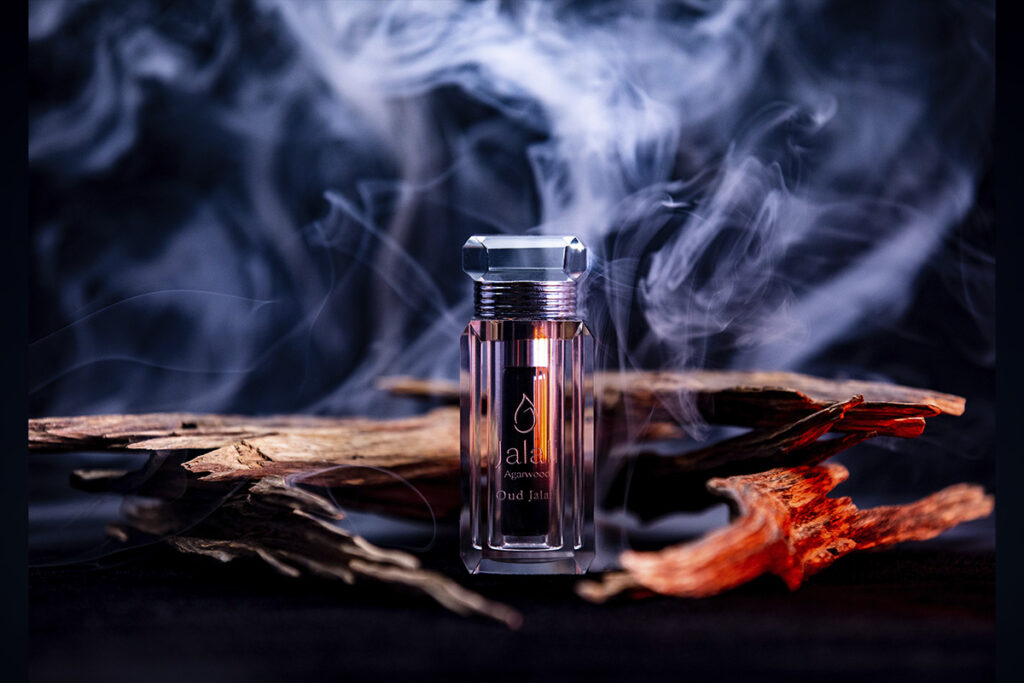
Agarwood, often referred to as "liquid gold" in the world of perfumery, has captivated human senses for centuries. Derived from the heartwood of Aquilaria trees, agarwood forms when the tree becomes infected with a specific type of mold. The infection prompts the tree to produce a dark, fragrant resin as a defense mechanism. This resin-soaked wood is then harvested and either distilled into oil (known as oud oil) or used directly in incense and perfumes.
In perfumery, agarwood is revered not only for its rich, complex scent but also for its rarity and cultural significance. From ancient rituals to modern luxury, the story of agarwood is one of nature, transformation, and olfactory mastery.
A Rare and Precious Commodity
Agarwood is among the most expensive raw materials in the fragrance industry. The high cost is due to its scarcity and the labor-intensive process of harvesting and distillation. Only a small percentage of Aquilaria trees naturally produce agarwood, making wild sources increasingly rare. To meet demand, many countries now cultivate agarwood through artificial inoculation methods, stimulating resin production in a sustainable manner.
The resulting oud oil is extremely concentrated, with just a few drops enough to leave a lingering, intoxicating trail. The aroma profile of agarwood is incredibly diverse, ranging from deep, woody, and leathery tones to sweet, balsamic, and smoky notes. Each batch of oud varies depending on the tree species, the age of the wood, the method of infection, and the distillation process—adding to its mystique and exclusivity.
Historical and Cultural Significance

The use of agarwood spans cultures and centuries. In ancient China, agarwood was burned as incense for meditation and religious ceremonies. In India, it was prized for Ayurvedic medicine and spiritual purification. Middle Eastern cultures, perhaps more than any other, embraced agarwood wholeheartedly, incorporating it into daily rituals, religious practices, and elaborate perfume creations.
In Islamic culture, oud is considered a sacred scent. It is mentioned in Hadith literature and has long been used to perfume clothing, homes, and mosques. The Prophet Muhammad is said to have loved its scent. Today, oud oil remains a symbol of status and hospitality in Gulf countries, where it is worn both by men and women during celebrations and social gatherings.
The Art of Oud Extraction
The extraction of oud oil is a delicate and complex process. The infected agarwood is first chipped into small pieces and soaked in water for several days or even weeks. This step helps to break down the wood fibers and release the resin. The soaked wood is then subjected to steam distillation, where the essential oil is extracted drop by drop over several hours or days.
Master distillers often keep the specifics of their techniques a closely guarded secret, passing them down through generations. Factors such as temperature, pressure, water quality, and duration all influence the final scent of the oud oil. Traditional distillation, which can take up to 30 days, is still preferred by many artisans for the richness and authenticity it brings to the oil.
Agarwood in Modern Perfumery
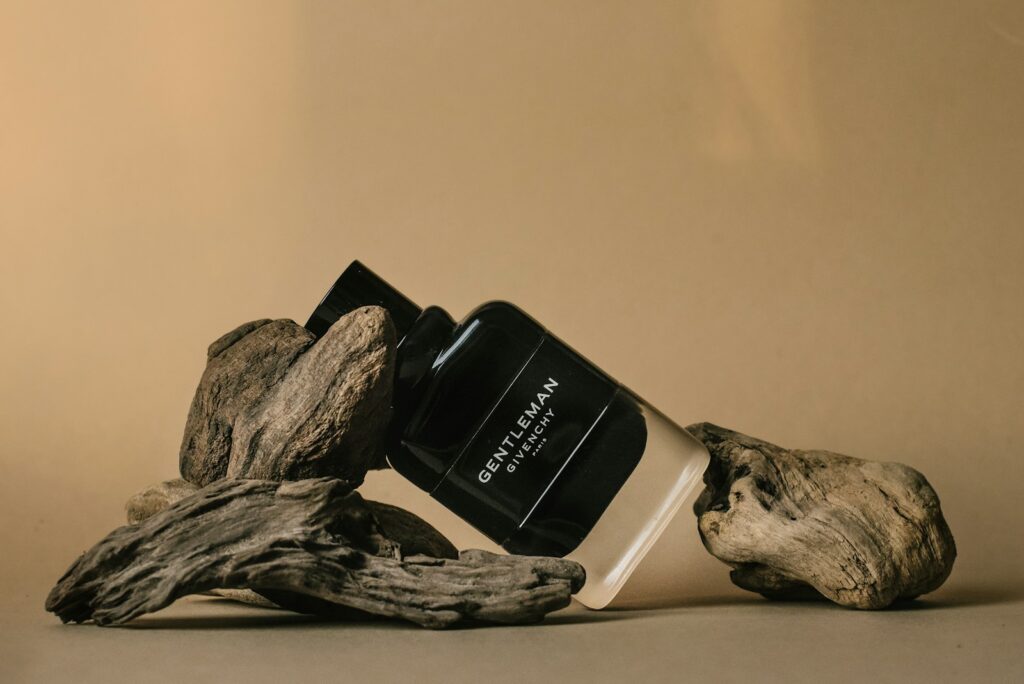
In contemporary perfumery, agarwood has found a place in both niche and designer fragrance houses. It is typically used as a base note due to its powerful and long-lasting properties. Oud adds depth, sensuality, and an exotic aura to perfumes, often paired with florals like rose and jasmine, or spicy notes such as saffron, cardamom, and amber.
Renowned fragrance houses like Tom Ford, Amouage, Dior, and Maison Francis Kurkdjian have developed entire lines around oud, each offering a unique interpretation of this ancient material. While traditional Middle Eastern oud perfumes tend to be strong, animalic, and assertive, Western interpretations often aim for a more refined, subtle, and wearable experience.
Agarwood can be blended in various ways:
- Oriental perfumes: Combining oud with spices, musk, and vanilla to create warm, opulent fragrances.
- Floral-oud combinations: Mixing rose or jasmine with agarwood for a romantic yet mysterious profile.
- Woody-oud compositions: Amplifying the earthiness of oud with sandalwood, cedar, and patchouli.
These creative blends have helped introduce oud to new markets and demographics, expanding its appeal far beyond its traditional roots.
Sustainability and the Future of Agarwood
As demand for agarwood continues to grow, so do concerns about its sustainability. Wild Aquilaria trees are now protected under the Convention on International Trade in Endangered Species (CITES), and many countries have imposed strict regulations on harvesting and trade. This has led to an increase in plantation-grown agarwood, where trees are cultivated and inoculated under controlled conditions.
Artificial inoculation techniques have become more advanced, ensuring that resin forms consistently and more quickly than in wild trees. This approach not only protects wild populations but also ensures a steady supply for the perfumery industry.
Sustainable oud production also includes:
- Certified ethical sourcing from managed plantations.
- Eco-friendly distillation methods that conserve water and energy.
- Waste reduction strategies, such as using leftover agarwood powder in incense or body products.
As consumers become more conscious of the environmental impact of their purchases, ethical oud sourcing is likely to play a bigger role in shaping the future of the fragrance industry.
The Experience of Wearing Oud

To wear a fragrance with oud is to make a statement. It is bold, luxurious, and often evokes a sense of mystery and depth. Unlike more fleeting scents, oud lingers—both on the skin and in the memory. It can project power and sophistication or whisper softness and introspection, depending on how it’s blended.
For perfumers, oud is both a challenge and a muse. Its complexity means it can easily overpower a composition if not used judiciously. But in skilled hands, it transforms a fragrance into something transcendent—evoking ancient temples, desert nights, and the richness of forgotten lands.
Whether in a concentrated attar or a modern eau de parfum, agarwood remains an unparalleled ingredient in the olfactory world.
Conclusion
Agarwood's journey from infected heartwood to precious perfume oil is a testament to nature’s ability to transform adversity into beauty. Its rich aroma, deep cultural heritage, and luxurious appeal make it one of the most sought-after ingredients in perfumery. As science and sustainability continue to evolve, agarwood's legacy will likely endure—bridging the ancient with the modern, and continuing to enchant fragrance lovers around the world.