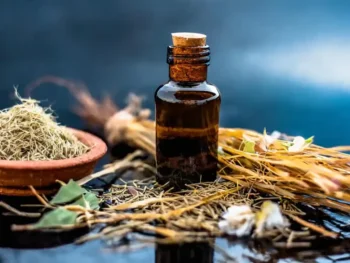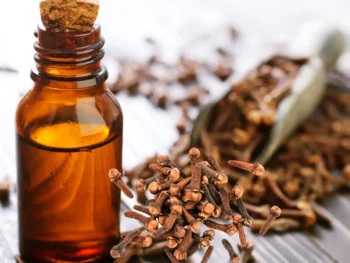
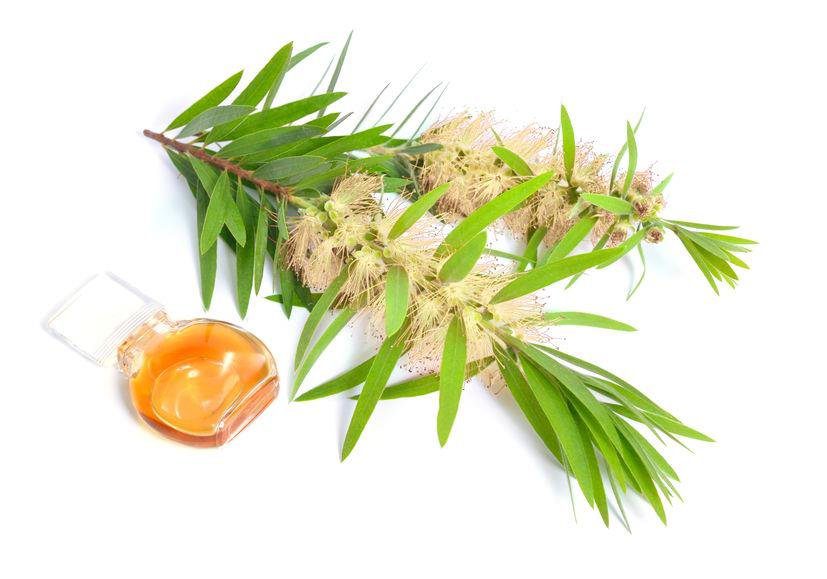
As people become more health-conscious and environmentally aware, many are turning to natural cleaning alternatives. These DIY solutions are often just as effective as commercial cleaners but without the harmful chemicals. One lesser-known but powerful ingredient in the world of natural cleaning is cajuput oil.
In this guide, we’ll explore what cajuput oil is, its natural cleaning benefits, and how to make simple household cleaners and sprays using this potent essential oil.
What Is Cajuput Oil?
Cajuput oil is an essential oil derived from the leaves and twigs of the Melaleuca cajuputi tree, a relative of the tea tree and eucalyptus. Native to Australia and Southeast Asia, cajuput oil has a strong, fresh, camphor-like aroma and is known for its antiseptic, antifungal, antibacterial, and antiviral properties.
Traditionally used in medicine for colds, muscle aches, and skin conditions, cajuput oil has also found its place in natural home care products due to its disinfecting power and refreshing scent.
Why Use Cajuput Oil in Household Cleaning?
Cajuput oil offers several advantages as a base ingredient for homemade cleaners:
1. Natural Antimicrobial Agent
Cajuput oil is rich in compounds like cineole and terpineol, which give it powerful antimicrobial effects. It can effectively kill bacteria, viruses, and fungi on surfaces.
2. Deodorizing Power
Its sharp, minty aroma helps eliminate odors rather than just mask them. It’s great for bathrooms, pet areas, kitchens, and shoes.
3. Non-Toxic and Eco-Friendly
Unlike bleach or ammonia, cajuput oil is non-toxic when diluted properly. It’s a safe alternative for homes with children or pets.
4. Repels Insects
The scent of cajuput is a natural insect repellent. Use it in sprays to deter ants, cockroaches, and mosquitoes.
Safety Tips Before You Start
- Always dilute essential oils before applying to surfaces.
- Spot-test on delicate materials before wide use.
- Avoid direct contact with eyes or skin in high concentrations.
- Store essential oil blends in glass spray bottles—essential oils can degrade plastic over time.
Basic Ingredients You’ll Need
To make natural cleaners with cajuput oil, you'll need a few basic household items:
- Cajuput essential oil (100% pure)
- White distilled vinegar – natural disinfectant and deodorizer
- Baking soda – deodorizes and scrubs
- Castile soap – gentle, biodegradable cleanser
- Distilled water
- Glass spray bottles
- Optional: other essential oils like lemon, tea tree, or lavender
Natural Cleaner Recipes with Cajuput Oil

1. All-Purpose Surface Spray
Best for: Countertops, sinks, bathroom tiles, doorknobs
Ingredients:
- 1 cup distilled water
- 1 cup white vinegar
- 15 drops cajuput oil
- 10 drops lemon essential oil (optional)
Instructions:
- Combine all ingredients in a spray bottle.
- Shake before each use.
- Spray directly onto surfaces and wipe with a cloth.
Tip: Avoid using on natural stone like marble or granite (vinegar can etch it).
2. Natural Disinfecting Bathroom Cleaner
Best for: Toilet seats, showers, tubs, bathroom floors
Ingredients:
- ¾ cup baking soda
- ¼ cup liquid castile soap
- 10 drops cajuput oil
- 5 drops tea tree oil (optional)
- Enough water to form a paste
Instructions:
- Mix all ingredients in a small bowl.
- Apply the paste to surfaces with a sponge.
- Let sit for 5–10 minutes, then scrub and rinse clean.
Benefit: Disinfects and removes soap scum without harsh chemicals.
3. Cajuput Deodorizing Spray
Best for: Pet areas, garbage bins, shoes, gym bags, closets
Ingredients:
- 1 cup distilled water
- 2 tbsp rubbing alcohol or witch hazel (helps disperse oils)
- 10 drops cajuput oil
- 5 drops lavender oil (optional)
Instructions:
- Mix all ingredients in a spray bottle.
- Shake and spray in musty or smelly areas.
- Allow to air dry.
Tip: Use regularly to freshen up enclosed spaces.
4. Glass and Mirror Cleaner
Best for: Windows, mirrors, glass tables
Ingredients:
- 1 cup distilled water
- 1 cup white vinegar
- 10 drops cajuput oil
- 5 drops lemon oil (optional for shine)
Instructions:
- Combine ingredients in a glass spray bottle.
- Spray onto glass and wipe with a microfiber cloth for streak-free shine.
Bonus: Helps repel dust and kills germs on glass surfaces.
5. Floor Cleaning Solution
Best for: Tile, laminate, vinyl flooring (avoid on wood)
Ingredients:
- 1 gallon warm water
- ¼ cup white vinegar
- 10 drops cajuput oil
- 1 tbsp castile soap
Instructions:
- Mix all ingredients in a bucket.
- Mop the floor as usual, no need to rinse.
Benefit: Cleans deeply while leaving a fresh, minty scent.
6. Cajuput Air Freshener Spray
Best for: Living rooms, offices, bathrooms
Ingredients:
- 1 cup distilled water
- 1 tbsp witch hazel or vodka
- 10 drops cajuput oil
- 5 drops orange or grapefruit oil (optional)
Instructions:
- Mix ingredients in a spray bottle.
- Shake and mist into the air.
Natural deodorizer: Clears the air without synthetic fragrances.
Additional Uses of Cajuput Oil in Home Care

➤ Mold and Mildew Control
Mix 1 part vinegar, 1 part water, and 10 drops cajuput oil in a spray bottle. Spray on affected areas and scrub gently. Let it sit on tile grout or shower curtains before rinsing.
➤ Laundry Boost
Add 3–5 drops of cajuput oil to your laundry detergent or put a few drops on a dryer ball to naturally disinfect and scent your laundry.
➤ Insect Spray
Combine 1 cup water with 15 drops of cajuput oil and 10 drops of citronella or peppermint oil. Spray around windows, doors, and baseboards.
Sustainable Cleaning with Cajuput Oil
Making your own household cleaners isn’t just about safety—it’s also about sustainability. Commercial cleaners contribute to plastic waste, indoor air pollution, and water toxicity. By switching to cajuput-based homemade alternatives, you:
- Reduce exposure to toxins
- Lower your carbon footprint
- Save money
- Protect your family and pets
- Support natural and ethical living
Final Thoughts
Cajuput oil is a powerful but underused essential oil that deserves a place in your natural cleaning toolkit. Its antimicrobial, deodorizing, and refreshing properties make it perfect for everything from bathroom scrubs to floor washes and room sprays.
As with any essential oil, quality matters. Always choose 100% pure cajuput essential oil, and store your homemade products in dark glass containers to preserve potency.
With just a few ingredients and a little effort, you can transform your home into a cleaner, safer, and more natural environment using this aromatic gift from nature.