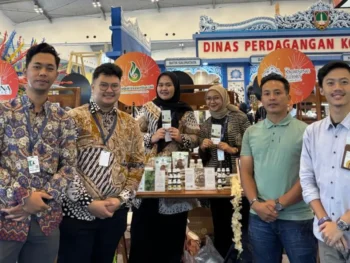

In the quiet villages of Southeast Asia and parts of Africa, a subtle revolution is underway. It doesn’t involve large machinery, foreign investment, or even sweeping policy changes. Instead, it revolves around a plant—Melaleuca cajuputi—and the essential oil extracted from its leaves. Known as cajuput oil, this natural resource has quietly emerged as a transformative economic force, improving rural livelihoods in some of the world’s most underserved regions.
What Is Cajuput Oil?
Cajuput oil is a pale yellow essential oil derived primarily from the leaves and twigs of the cajuput tree, a member of the Myrtaceae family. It is closely related to the more widely known tea tree oil, both in its chemical composition and its medicinal properties. Traditionally used for its antiseptic, analgesic, and expectorant properties, cajuput oil has long been a part of indigenous medical systems across Indonesia, Malaysia, and northern Australia.
Today, cajuput oil is in growing demand in both traditional and modern markets, including aromatherapy, natural medicine, cosmetics, and wellness industries. As global interest in natural products continues to rise, so does the commercial potential of this versatile oil.
A Source of Rural Prosperity

In many developing countries, especially in rural areas, economic opportunities are scarce. Limited access to education, infrastructure, and markets keeps communities trapped in cycles of poverty. In such environments, small-scale and sustainable agricultural enterprises like cajuput oil production offer a viable escape route.
Low Barrier to Entry
One of the main reasons cajuput oil is transforming rural incomes is its low barrier to entry. The cajuput tree is hardy, resistant to pests, and can grow in poor soils with minimal care. This makes it ideal for cultivation in marginal lands where other crops might fail. Farmers don’t need extensive training or expensive machinery to get started. With just a few trees and access to a simple distillation unit, families can begin producing oil within a few months.
Labor-Intensive but Inclusive
The process of cajuput oil extraction—mainly through steam distillation—requires manual labor. While this may seem like a limitation, it’s actually a feature in rural economies where employment opportunities are limited. From collecting leaves to feeding the distillation boilers, cajuput oil production provides consistent employment to entire households and communities, including women and older individuals who may be excluded from other forms of labor.
Year-Round Income
Unlike seasonal crops, cajuput trees can be harvested multiple times a year, offering regular income. In places like Indonesia’s Maluku and Nusa Tenggara regions, farmers can distill cajuput oil three to four times annually. This frequency of production allows for better financial planning and reduces vulnerability to income shocks—a significant improvement over traditional subsistence farming models.
Success Stories from the Field

Several government and NGO-led initiatives have begun to recognize the potential of cajuput oil. In Indonesia, the Ministry of Environment and Forestry has supported community-based forestry programs that include cajuput plantations. These projects not only generate income but also promote sustainable land use and forest regeneration.
In Timor-Leste, a nation rebuilding after years of conflict, cajuput oil has become an essential part of rural development. NGOs like Acelda have worked with local communities to establish small-scale cajuput processing units, creating income streams for hundreds of households. According to field reports, families involved in the industry have seen income increases of up to 40% compared to traditional farming.
In Tanzania and Kenya, pilot projects have successfully introduced cajuput as an alternative cash crop. Farmers previously reliant on volatile markets for coffee or maize have turned to cajuput with promising results, particularly in areas affected by climate change where traditional crops no longer thrive.
Environmental and Social Benefits

Aside from direct economic advantages, cajuput oil production also offers several environmental and social co-benefits.
Agroforestry and Reforestation
Cajuput trees are excellent for agroforestry—the integration of trees and shrubs into crop and livestock farming systems. Their deep roots prevent soil erosion, and they help rehabilitate degraded lands. In countries battling deforestation and land degradation, cultivating cajuput contributes to broader environmental goals while still being economically beneficial.
Empowering Women
In many cajuput-growing regions, women play a central role in harvesting and oil processing. By organizing into cooperatives or self-help groups, women gain not just income but also decision-making power in their households and communities. Programs that focus on training and microfinance for women in the cajuput sector have seen strong results in both gender equality and productivity.
Resilience to Climate Change
Cajuput trees are drought-tolerant and adaptable to a variety of soil types. This makes them ideal for climate-resilient agriculture, particularly important in regions increasingly affected by erratic rainfall and rising temperatures. Farmers adopting cajuput can diversify their income sources and reduce their reliance on crops vulnerable to climate variability.
Challenges and the Path Forward
While cajuput oil offers great promise, there are challenges that need to be addressed to fully unlock its potential.
Quality Control and Market Access
Many small-scale producers face difficulties in maintaining consistent oil quality, which limits their access to premium markets. Investment in training, testing labs, and cooperatives can help standardize production and improve bargaining power. Government certification schemes and private sector partnerships can also help bridge the gap between rural producers and global buyers.
Value Addition and Branding
Much of the cajuput oil produced in developing nations is sold as a raw material, with little value added locally. By investing in **product development—such as balms, soaps, and cosmetics—**rural entrepreneurs can capture more of the value chain. Branding local cajuput oil as organic, fair-trade, or community-produced can also appeal to ethically conscious consumers.
Policy Support
For cajuput oil to be a long-term driver of rural development, supportive policies are essential. Governments must invest in infrastructure (like roads and rural electricity), research on improved cultivation techniques, and export facilitation. Inclusion of cajuput in national agricultural strategies could open doors for international development funding and technical assistance.
Conclusion
Cajuput oil may not be making headlines, but its impact in the rural corners of the developing world is real and growing. By providing a low-cost, sustainable, and inclusive source of income, it is helping families lift themselves out of poverty and building resilient communities in the face of global economic and environmental challenges.
With continued investment, innovation, and support, cajuput oil could very well become a flagship example of how natural resources—when managed wisely—can be powerful tools for grassroots development. It’s not just oil—it’s opportunity in every drop.