Few ingredients in perfumery divide opinion as sharply as patchouli. For some, it's the quintessential hippie scent — heavy, earthy, and overwhelming.
For others, it's one of the most sophisticated base notes in fine fragrance, underpinning some of the world's best-selling and most iconic perfumes.
The truth is both of these reputations are earned — and understanding why reveals a lot about how patchouli works, what makes it so uniquely valuable to perfumers, and how to wear it in a way that suits the modern nose.
This guide covers everything: the scent profile of patchouli, its role in fragrance architecture, the famous perfumes built around it, and how to use patchouli essential oil as a personal fragrance.
| What Does Patchouli Smell Like? Patchouli has a rich, complex aroma that is difficult to reduce to a single descriptor. The most accurate description: • Earthy and woody — a deep, rich soil-like quality reminiscent of forest floor after rain • Musky and sweet — a warm, slightly sweet undertone that makes it sensual rather than sharp • Slightly spicy and balsamic — with cedar-like undertones and a hint of camphor when fresh • Smoky and dark — particularly in aged or dark patchouli variants Patchouli's defining characteristic is its depth and longevity. A single drop on a blotter can last for months. As it ages, it becomes smoother and sweeter — patchouli is one of the few fragrance ingredients that genuinely improves with time, similar to a fine wine. In Indonesian: Patchouli (nilam) memiliki aroma yang kaya, bersahaja, dan dalam — seperti tanah basah setelah hujan, dikombinasikan dengan nuansa manis dan hangat yang sensual. |
What Does Patchouli Smell Like? A Detailed Scent Description
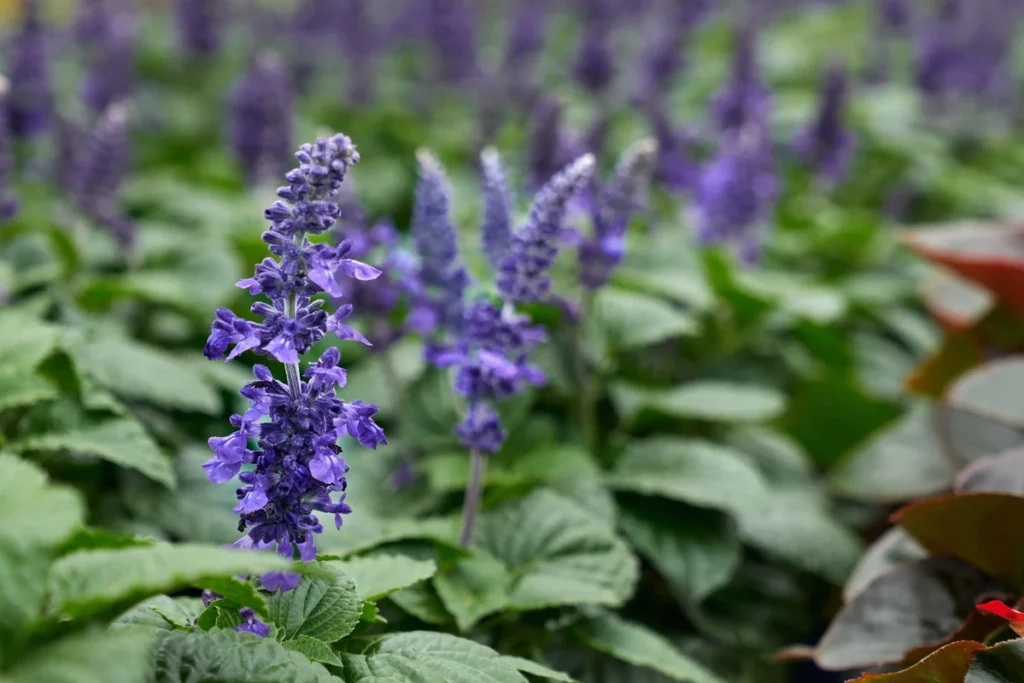
Patchouli is extracted via steam distillation from the dried leaves of Pogostemon cablin (also called Pogostemon patchouli), a tropical herb in the mint family native to Southeast Asia.
Despite being a plant in the mint family, it smells nothing like mint — its aromatic character comes from the roots and fermentation of the dried leaves, not the freshness of the green plant.
The Core Scent: Earthy, Woody, Sweet
The most universally agreed-upon descriptors for patchouli in fragrance are:
| Descriptor | What It Means in Scent Terms | Analogy |
| Earthy | Deep, grounding, soil-like — the dominant character | The smell of fresh earth after rain (petrichor) |
| Woody | Cedar-like, dry, structural — gives it backbone | Old wooden furniture, forest floor |
| Musky | Warm, sensual, slightly animal-like | Warm skin on a cool day |
| Sweet (balsamic) | Soft, resinous sweetness underneath | Aged dark wood, amber, vanilla undertone |
| Slightly spicy | Subtle pepper-like or camphor note when first applied | Like clove or cardamom — very subtle |
| Smoky | Particularly in dark or aged patchouli | Incense, church candles, oud at a distance |
The combination of these characteristics is what makes patchouli simultaneously polarizing and indispensable.
People who 'hate' patchouli often encountered it as an overpowering single note, worn neat in high concentration.
In well-formulated perfumes, patchouli operates as a modifier and fixative — it gives depth without dominating.
How Patchouli’s Scent Changes Over Time (The Aging Effect)
Patchouli is one of the few natural fragrance ingredients that improves with age — a phenomenon well-known among perfumers and oud traders. Fresh patchouli oil can smell slightly sharp, camphorous, and raw.
As it oxidizes over months and years, it becomes:
- Smoother and less sharp — the harsh top notes mellow significantly
- Sweeter and more balsamic — the deep sweetness comes forward
- More complex and nuanced — the range of descriptors in the scent expands
- Richer in color — from pale golden to dark amber as it ages
| The Aging Principle This is why high-end perfumers often prefer aged patchouli oil over fresh batches. At Global Essential Oil, we source patchouli that is allowed to properly age before processing — a critical quality differentiator for fragrance applications. |
Light Patchouli vs Dark Patchouli: What’s the Difference?
Most people only know one version of patchouli. But perfumers distinguish between two distinct profiles that create very different olfactory experiences:
| Light Patchouli | Dark Patchouli | |
| How it's made | Lightly processed, shorter fermentation, sometimes CO2 extracted | Longer fermentation, traditional steam distillation, often aged |
| Color | Pale gold to clear | Deep amber to dark brown |
| Scent profile | Fresher, greener, softer earth — more approachable | Deeper, smokier, more intensely earthy and balsamic |
| Used in | Modern, transparent, fresh perfumes | Oriental, amber, chypre, heavy woody compositions |
| Familiarity | More common in mass-market fragrances | More common in niche and artisan perfumery |
| Example | Clean, unisex modern fragrances | Angel by Thierry Mugler, Shalimar-type orientals |
Patchouli as a Base Note: Its Role in Fragrance Architecture

The Fragrance Pyramid: Where Patchouli Sits
Every perfume is built on a structure called the fragrance pyramid — three layers of scent that unfold over time on the skin:
| Layer | Notes | Duration | Character |
| Top Notes | Citrus, bergamot, green herbs | First 15–30 minutes | Fresh, bright, first impression |
| Heart Notes (Middle) | Rose, jasmine, lavender, spices | 30 min – 3 hours | The 'soul' of the fragrance |
| Base Notes | Patchouli, sandalwood, vetiver, musk, amber | 3+ hours, sometimes all day | The foundation — longest lasting |
Patchouli almost always functions as a base note. This means you typically won't smell it when you first spray a perfume — you'll smell it after an hour or two, as the lighter top and heart notes fade.
Patchouli is then what gives the fragrance its long-lasting character and depth.
Why Patchouli Is a Fixative — And Why Perfumers Love It
A fixative is an ingredient that 'fixes' or extends the longevity of other fragrance molecules that would otherwise evaporate too quickly.
Patchouli's primary active compound — patchouli alcohol (patchoulol) — is a heavy sesquiterpene molecule that evaporates extremely slowly.
When blended with lighter, more volatile notes, patchouli:
- Extends the life of floral notes like rose, jasmine, and iris — ingredients that would fade within an hour without a fixative
- Adds a 'shadow' of depth beneath bright top notes, making the overall fragrance feel more complex and expensive
- Creates a smooth transition as the perfume evolves on the skin over hours
- Anchors the entire composition — this is why perfumers describe patchouli as the 'anchor' of a fragrance
| The Patchouli + Rose Combination Perfume Society notes that patchouli used alongside rose 'extends and fixes rose's sweetness' — making this one of the most frequently used pairings in fine fragrance. You can smell this combination in Chanel Coco Mademoiselle and many chypre fragrances. |
Fragrance Families That Feature Patchouli
| Fragrance Family | How Patchouli Is Used | Typical Character |
| Chypre | Core ingredient — alongside bergamot, oakmoss, labdanum | Sophisticated, slightly dry, complex |
| Oriental / Amber | Anchors the warmth alongside vanilla, benzoin, incense | Rich, sensual, heavy, long-lasting |
| Woody | Deepens the dry wood character alongside cedar, vetiver | Earthy, masculine, grounding |
| Floral Oriental | Balances the sweetness of florals with earthy depth | Feminine but with serious depth |
| Gourmand | Adds dark complexity to sweet vanilla/caramel accords | Sophisticated sweetness, not cloying |
Famous Perfumes That Contain Patchouli
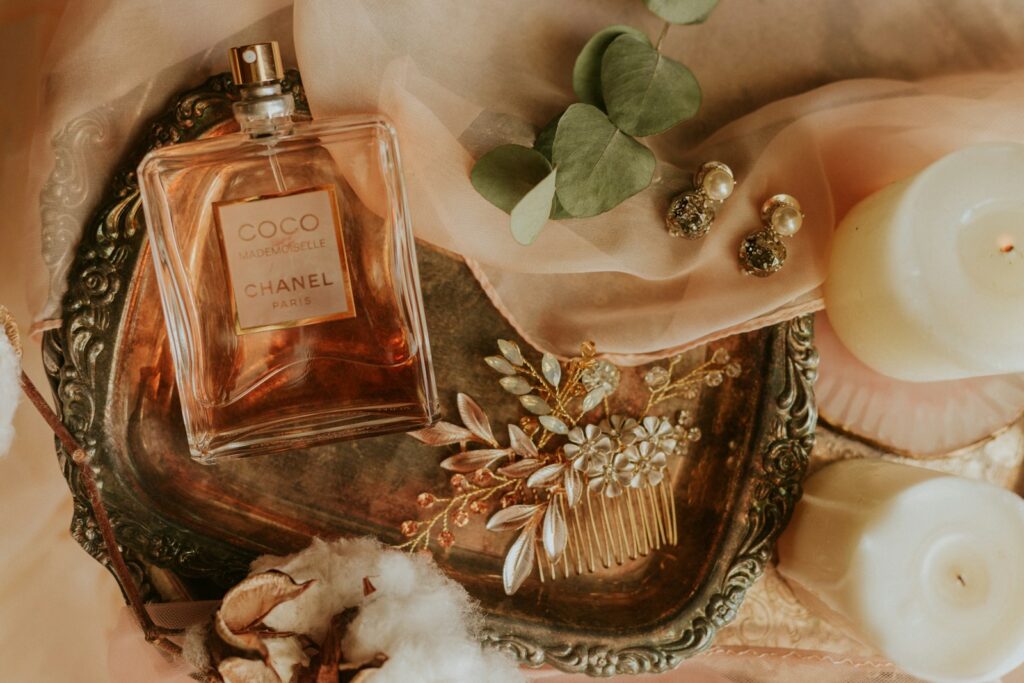
Patchouli is one of the most widely used ingredients in commercial perfumery. Here are some of the most iconic examples across different price points and styles:
Iconic Designer Perfumes with Patchouli
| Perfume | House | Patchouli's Role | Character |
| Coco Mademoiselle | Chanel | Key base note alongside vetiver | Fresh oriental — clean yet sensual |
| Chance | Chanel | Subtle base — light patchouli | Youthful, fresh, slightly citrusy |
| Angel | Thierry Mugler | Heavy patchouli — signature note | Iconic gourmand — chocolate + patchouli |
| Flowerbomb | Viktor & Rolf | Patchouli deepens the floral bouquet | Intense floral bomb with earthy base |
| Very Irresistible L'Intense | Givenchy | Prominent base note | Dark floral, sensual |
| L'Heure Défendue VII | Cartier | Patchouli as main character | Smoky, incense-like, luxurious |
Notice the range: patchouli appears in everything from fresh mainstream fragrances (Chanel Chance) to intensely earthy gourmands (Angel). This versatility is what makes it such a valuable ingredient for perfumers.
Niche & Artisan Fragrances with Patchouli
In niche perfumery, patchouli is often used more boldly — as a featured note rather than a background modifier:
- L'Artisan Parfumeur Patch — one of the few fragrances where patchouli is the explicit hero
- Jovoy Psychédélique — patchouli as the central character in an artisan composition
- SokiLondon Empress — patchouli in a modern, lighter interpretation
- Cartier L'Heure Défendue VII — patchouli in a sophisticated, smoky-incense context
A Brief History of Patchouli in Perfumery
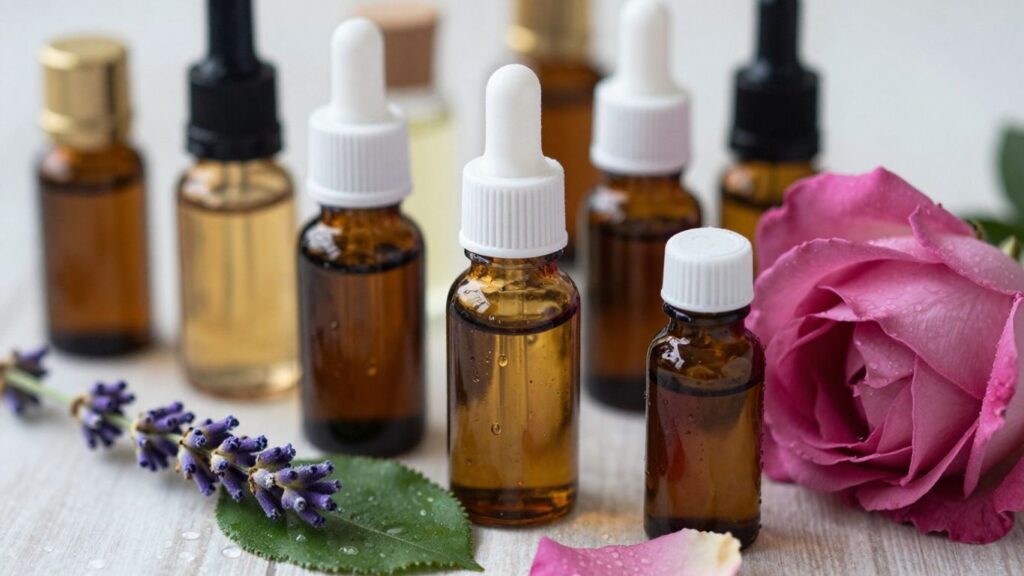
Understanding patchouli's history helps explain both its reputation and its modern rehabilitation as a luxury ingredient.
From the Silk Route to Victorian Europe
The name 'patchouli' comes from the old Tamil words patchai ('green') and ellai ('leaf').
The plant originated in India, Malaysia, and Indonesia, where it was used for centuries in traditional medicine and as an insect repellent.
Its entry into European perfumery came through an unlikely route: the Asian silk trade.
Merchants and traders packed paisley shawls and silk garments with patchouli leaves to protect against moths and insects during long voyages.
When the goods arrived in Europe, the fabrics were infused with patchouli's distinctive earthy-sweet aroma — and European consumers came to associate this scent with authenticity and luxury.
In 19th-century France, Empress Eugénie famously wore patchouli-scented shawls, and patchouli became the signature scent of Parisian high society.
This association with exotic luxury made it one of the first 'Oriental' fragrance ingredients used in Western perfumery.
Patchouli and the 1960s Counterculture
Patchouli's reputation shifted dramatically in the 1960s. Young people in the hippie movement adopted it — partly because the pure essential oil was inexpensive, readily available in health food stores, and could be worn neat directly on skin without dilution.
The problem? Without dilution and blending expertise, patchouli's more aggressive, camphorous qualities dominated.
Heavy, unblended patchouli became synonymous with the counterculture — and for many people who encountered it during this era, the association stuck permanently.
This is the origin of patchouli's 'hippie smell' reputation — which, ironically, has very little to do with how patchouli actually smells in fine fragrance applications.
Patchouli’s Renaissance in Luxury Perfumery
The late 20th century saw patchouli's complete rehabilitation. The launch of Thierry Mugler's Angel in 1992 — which put patchouli front and center as the signature note of a groundbreaking gourmand fragrance — changed everything.
Angel became one of the best-selling perfumes of the decade and demonstrated that patchouli, in the right hands, could be genuinely thrilling.
Today, patchouli appears in hundreds of fine fragrances across every major house.
The ingredient has shed its counterculture associations entirely among fragrance enthusiasts — it is now understood as one of perfumery's most sophisticated and versatile tools.
Patchouli Note Pairings: What Works Best
Part of patchouli's value as an ingredient is how well it supports and enhances other fragrance notes. Here's a guide to the most successful patchouli pairings:
| Paired With | Why It Works | Character of the Blend |
| Rose | Patchouli extends and deepens rose's sweetness; rose softens patchouli's earthiness | Classic chypre — romantic yet sophisticated |
| Bergamot | Bergamot's fresh citrus lifts patchouli's heaviness; patchouli anchors bergamot's volatility | Fresh oriental — bright but long-lasting |
| Sandalwood | Both are deep, woody, creamy — they blend seamlessly | Rich, smooth, deeply sensual |
| Vetiver | Earthy + earthy = extreme depth and complexity | Intensely grounding, unisex, meditative |
| Vanilla / Benzoin | Patchouli's earthiness grounds vanilla's sweetness | Warm gourmand — sophisticated, not cloying |
| Labdanum | Both are resinous and balsamic — natural affinity | Amber accord — warm, rich, almost addictive |
| Lavender | Patchouli adds depth to lavender's lightness | Relaxing yet complex — popular in aromatherapy |
How to Wear Patchouli Oil as Perfume
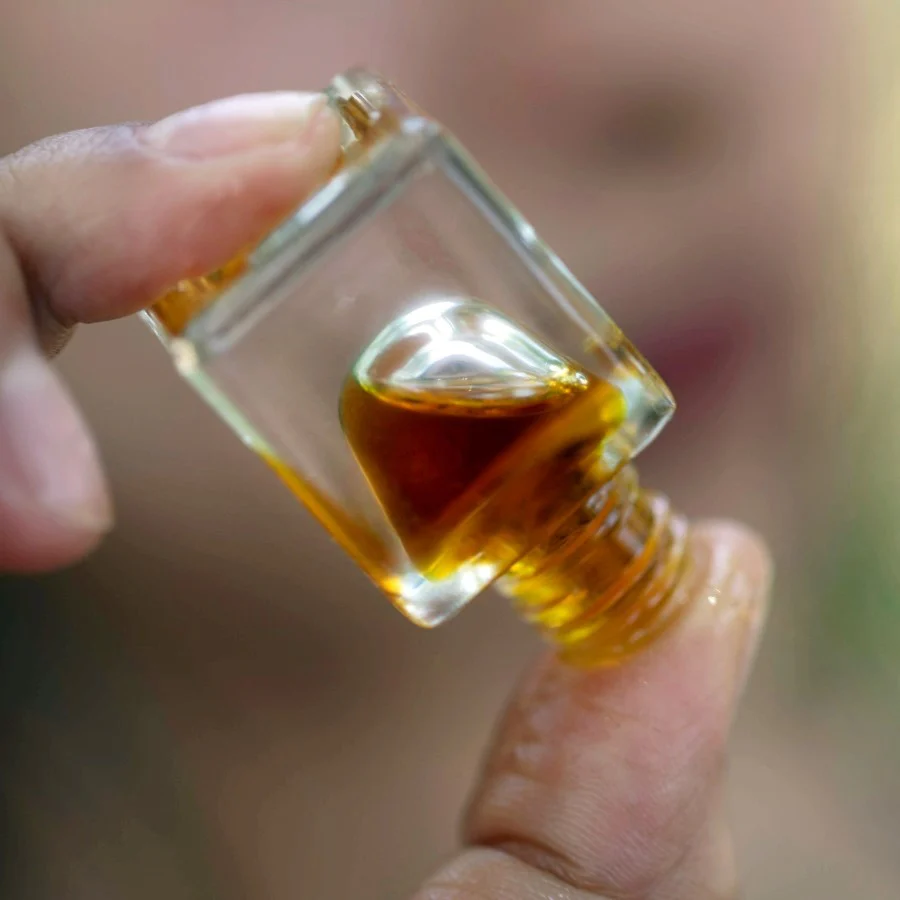
Patchouli essential oil can be worn directly as a personal fragrance — but it requires proper dilution and technique to avoid the overpowering effect associated with neat patchouli.
Dilution Guide for Wearing as Perfume
| Use Case | Dilution % | Drops per 10ml Carrier | Recommended Carrier |
| Subtle personal scent (pulse points) | 3–5% | 9–15 drops | Jojoba oil — absorbs cleanly, no greasiness |
| Stronger statement fragrance | 5–8% | 15–24 drops | Sweet almond or fractionated coconut oil |
| Perfume oil (rollerball format) | 10–15% | 30–45 drops | Jojoba oil in a rollerball bottle |
| Body oil (all-over application) | 2–3% | 6–9 drops | Fractionated coconut or sweet almond oil |
→ For full safety and dilution guidance: Patchouli Oil Safety and Precautions — includes patch test guide and contraindications.
Best Application Points for Long-Lasting Wear
- Inner wrists — classic pulse point; warmth from veins diffuses the scent
- Behind the ears — close to the face, enhances intimacy of the scent trail
- Base of throat / décolletage — projects scent at nose level when close
- Back of knees — scent rises with body heat throughout the day
- Hair ends (not scalp) — patchouli's fixative quality makes it exceptionally long-lasting in hair
Patchouli oil is a base note — this means it won't project loudly at first but will have incredible longevity, lasting 6–12 hours on skin and significantly longer on fabric or hair.
Layering Patchouli Oil with Other Fragrances
Patchouli oil's fixative properties make it an excellent layering base under lighter fragrances:
- Apply patchouli oil first to pulse points, wait 5 minutes
- Then apply a lighter floral or citrus fragrance on top
- The patchouli extends the life of the lighter fragrance and adds depth
- Try: patchouli oil + bergamot essential oil (2:1 ratio) for a classic fresh-earthy combination
- Or: patchouli oil + rose water spray for a romantic, chypre-inspired personal fragrance
Why Do Some People Dislike Patchouli? (And What They’re Missing)
Patchouli is genuinely polarizing — and that's worth understanding rather than dismissing. People who find patchouli unpleasant often have very specific reasons:
| The Complaint | The Reason | The Reframe |
| 'It smells like a head shop / hippie' | They encountered heavy, undiluted essential oil in a 1960s–70s context | In fine fragrance, patchouli is diluted, aged, and blended — completely different experience |
| 'It's too heavy and overwhelming' | High-concentration patchouli can overwhelm; some people are more sensitive to earthy notes | Light patchouli formulations and modern perfumes use it subtly |
| 'It smells dirty or musty' | Earthiness reads as 'dirty' to some noses — subjective but valid | This exact quality is what others call 'sensual' and 'grounding' |
| 'It gives me headaches' | Dense aromatic compounds can be intense at close range | Proper dilution and ventilation address this completely |
The key insight: the patchouli most people dislike is undiluted essential oil worn neat. The patchouli in fine fragrance is aged, processed, diluted, and blended by experts to enhance its best qualities and suppress its rough edges. These are genuinely different olfactory experiences.
Indonesian Patchouli Oil: The Gold Standard in Perfumery
Not all patchouli oil is equal — and in the fragrance world, origin matters significantly. Indonesia, particularly Java and Sulawesi, produces the patchouli oil most preferred by French perfumers and the global fragrance industry.
| Origin | Scent Character | Industry Preference | Notes |
| Indonesia (Java/Sulawesi) | Smooth, balanced, complex — rich but not harsh | Gold standard for fine fragrance | Highest patchouli alcohol content; most consistent quality |
| India (Rajasthan) | Softer, slightly rosy-earthy when aged | Traditional Ayurvedic 'khus' | Different chemotype; used in traditional applications |
| Haiti | More pungent, sharply earthy | Common in US and European mass market | Strong character; suits heavy oriental compositions |
| China | Lighter, less complex | Budget formulations | Lower patchouli alcohol content |
Global Essential Oil produces certified Indonesian patchouli oil (Pogostemon cablin) from Java — GC-MS tested, Halal certified, and available for fragrance manufacturers and B2B buyers.
| Patchouli as a Base Note: Key Facts for Perfumers Patchouli's role in perfume composition: • Position: Base note — appears in the final stage of dry-down (after 1–2 hours) • Function: Fixative — slows evaporation of lighter notes, extending overall longevity • Key compound: Patchouli alcohol (patchoulol) — heavy sesquiterpene, very slow evaporation rate • Fragrance families: Most at home in chypre, oriental/amber, woody, and gourmand families • Best pairings: Rose, bergamot, sandalwood, vetiver, vanilla, labdanum • Origin quality: Indonesian (Java) patchouli is the industry standard for fine fragrance Used in: Chanel Coco Mademoiselle, Thierry Mugler Angel, Viktor & Rolf Flowerbomb, Givenchy Very Irresistible L'Intense |
Source Indonesian Patchouli Oil for Your Fragrance Line
For fragrance houses, perfumers, cosmetic manufacturers, and aromatherapy brands that require a consistent, certified supply of Indonesian patchouli essential oil — Global Essential Oil offers:
- 100% pure Pogostemon cablin patchouli oil from Java, Indonesia
- Available in both light (fresher) and aged (darker) profiles for different formulation needs
- GC-MS certificate of analysis available for every batch — patchouli alcohol content guaranteed
- Halal certified; MSDS and COA documentation provided
- Flexible MOQ from sample quantities to bulk container shipments
- Direct from manufacturer — no middleman pricing
→ Explore our bulk patchouli essential oil supply options or contact our team for a custom quote.
Frequently Asked Questions
What does patchouli smell like?
Patchouli has a rich, earthy, woody, and musky aroma with warm balsamic undertones. It is often described as the scent of damp soil, aged wood, and subtle spices, giving it a deep, grounding, and long-lasting character.
What is patchouli’s role in perfume?
Patchouli is primarily used as a base note and natural fixative in perfumes. It adds depth, extends fragrance longevity, and helps slow the evaporation of lighter top and middle notes.
What famous perfumes contain patchouli?
Patchouli is featured in many iconic fragrances, including Chanel Coco Mademoiselle, Thierry Mugler Angel, Viktor & Rolf Flowerbomb, and Givenchy Very Irresistible L'Intense. It remains one of the most widely used ingredients in modern perfumery.
Does patchouli smell the same as a base note and as pure essential oil?
No. Pure patchouli essential oil has a stronger and more intense aroma, while in perfume it is carefully blended with other ingredients to create a smoother, more balanced fragrance.
What does patchouli pair well with in perfume?
Patchouli blends well with rose, bergamot, sandalwood, vetiver, vanilla, benzoin, and lavender. Its versatility makes it one of the most popular base notes in both classic and modern perfumes.
How do I wear patchouli oil as a perfume?
Dilute patchouli essential oil to 3–5% in a carrier oil before applying it to pulse points such as the wrists or neck. Because it is a long-lasting base note, a small amount is usually sufficient.
Is Indonesian patchouli better than other varieties?
Indonesian patchouli, particularly from Java, is highly regarded for its rich aroma, balanced scent profile, and high patchouli alcohol content. It remains the preferred origin for many luxury fragrance houses worldwide.