Category: Article

  • What Is Patchoulol Content and Why It Matters in Perfumery?

    What Is Patchoulol Content and Why It Matters in Perfumery?

    Understanding Patchouli Oil Specification And Aromatic Profile

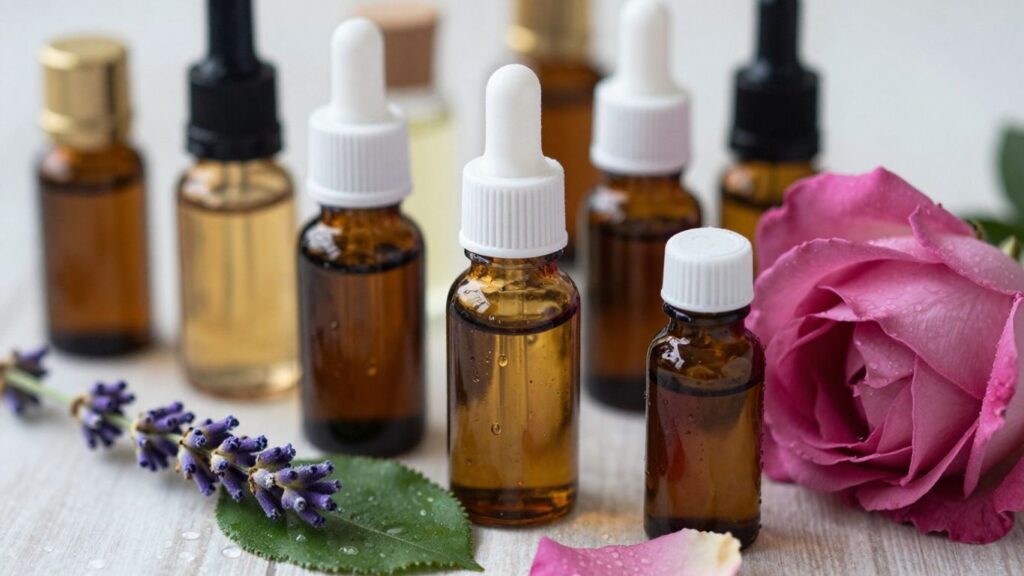
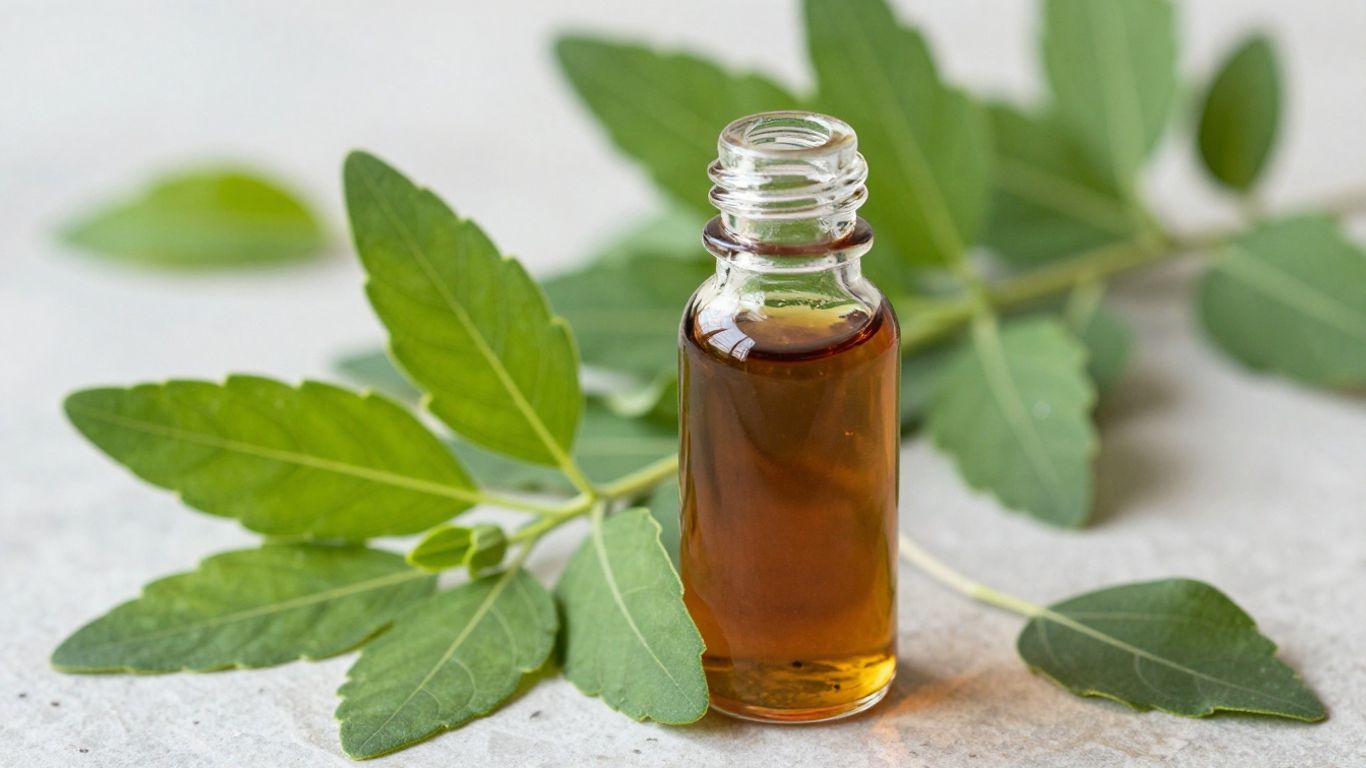
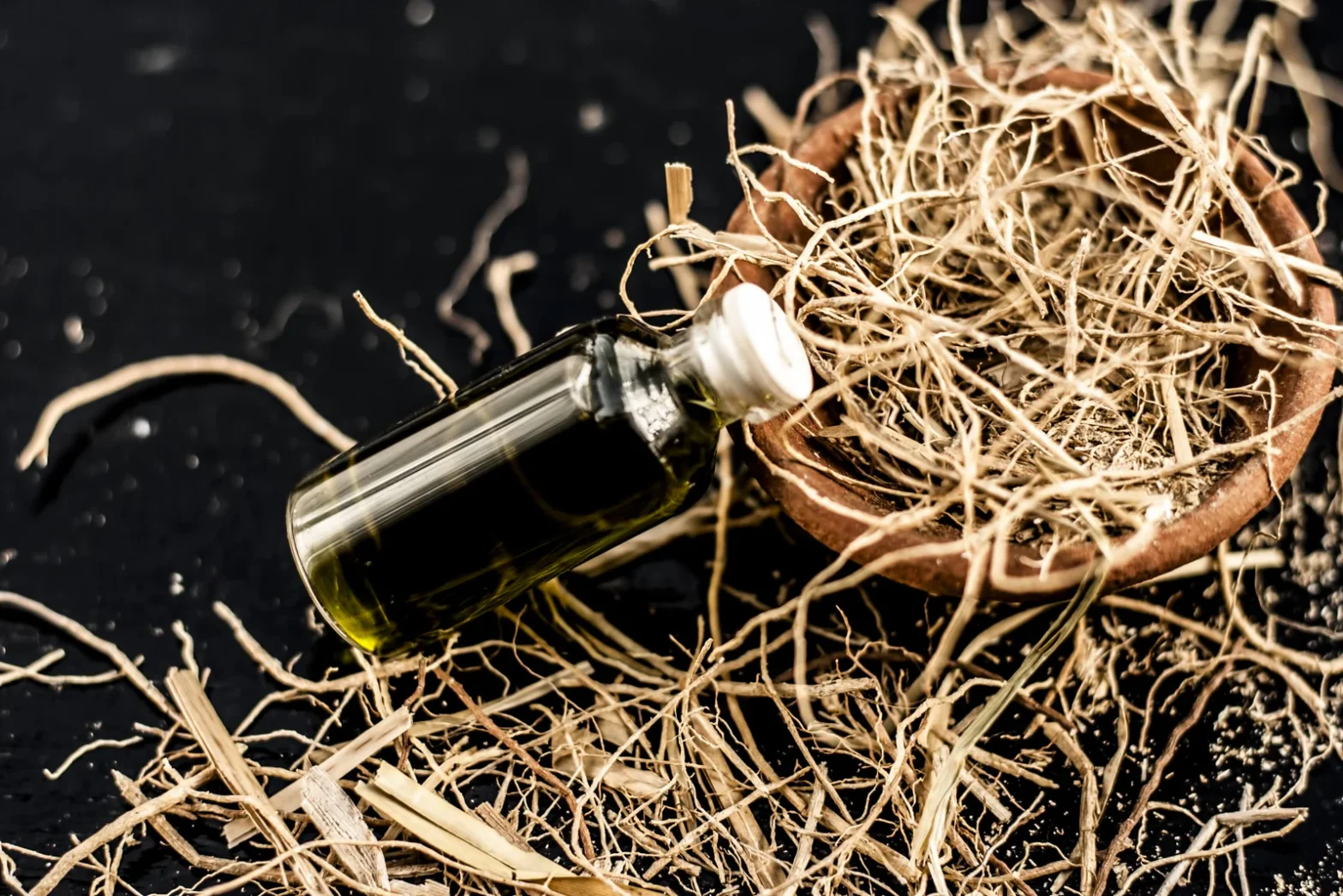
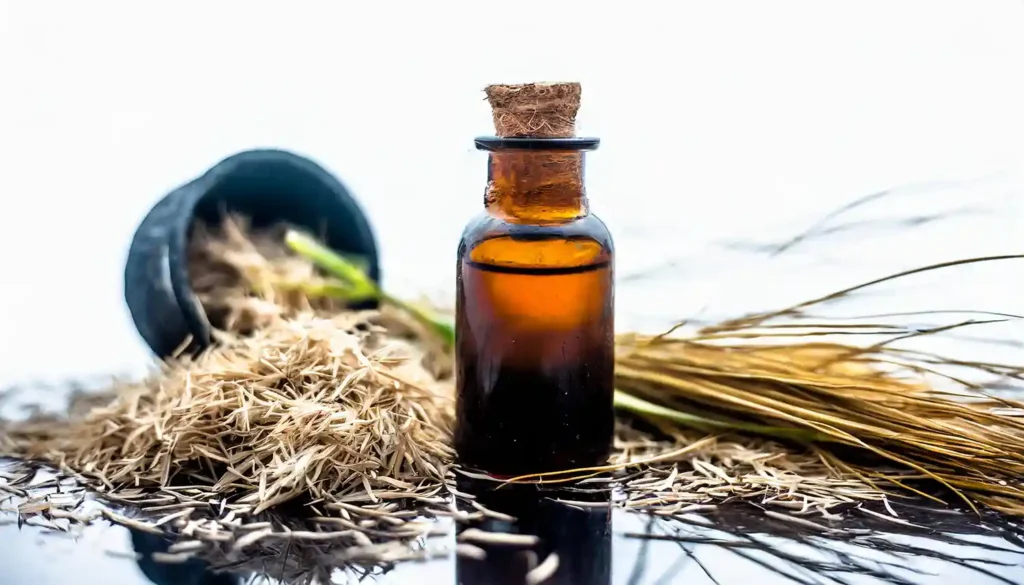
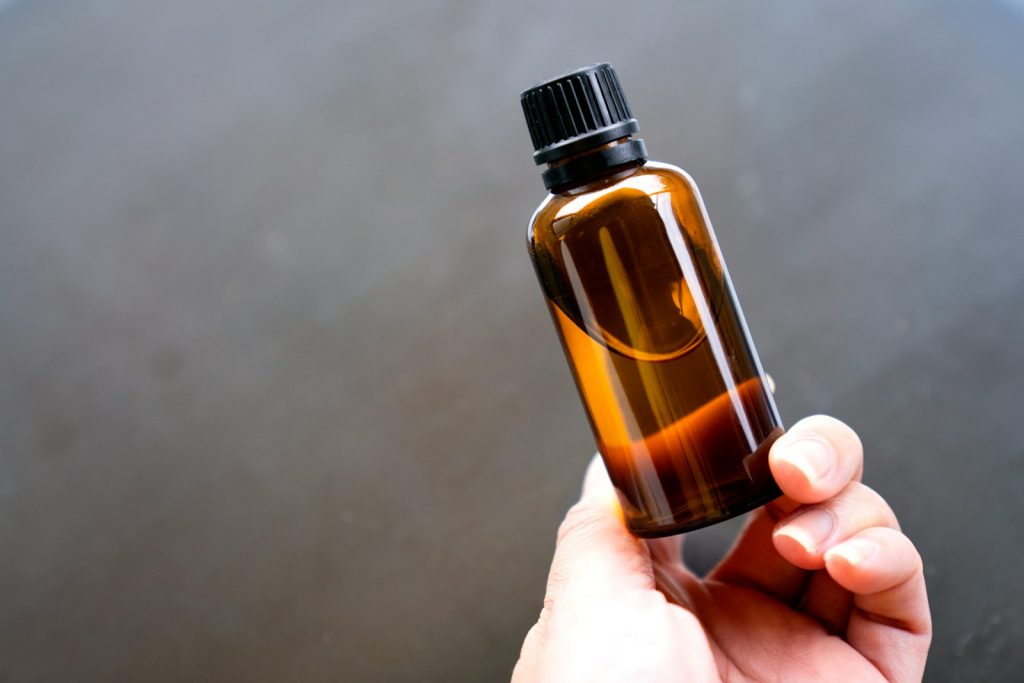
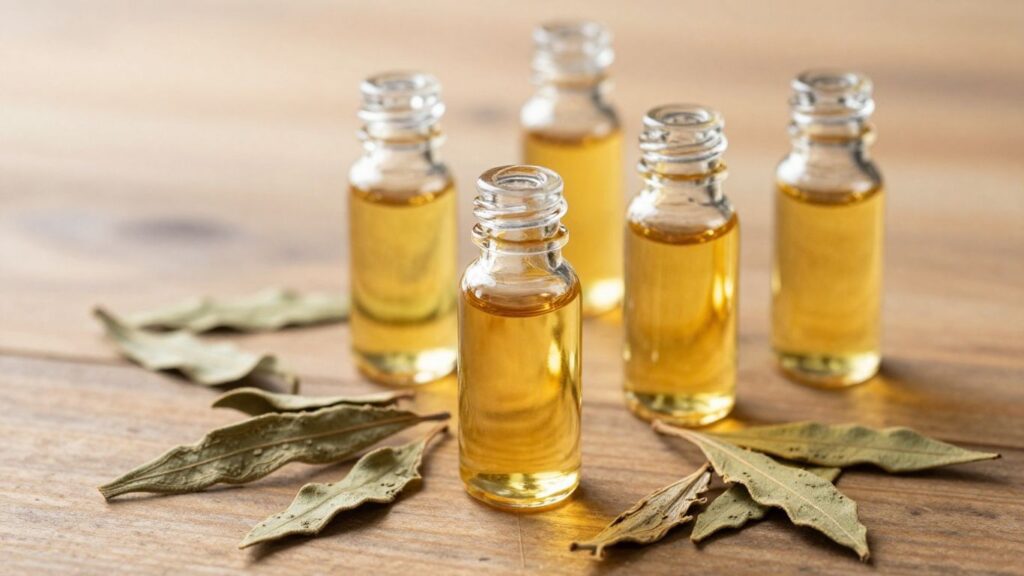
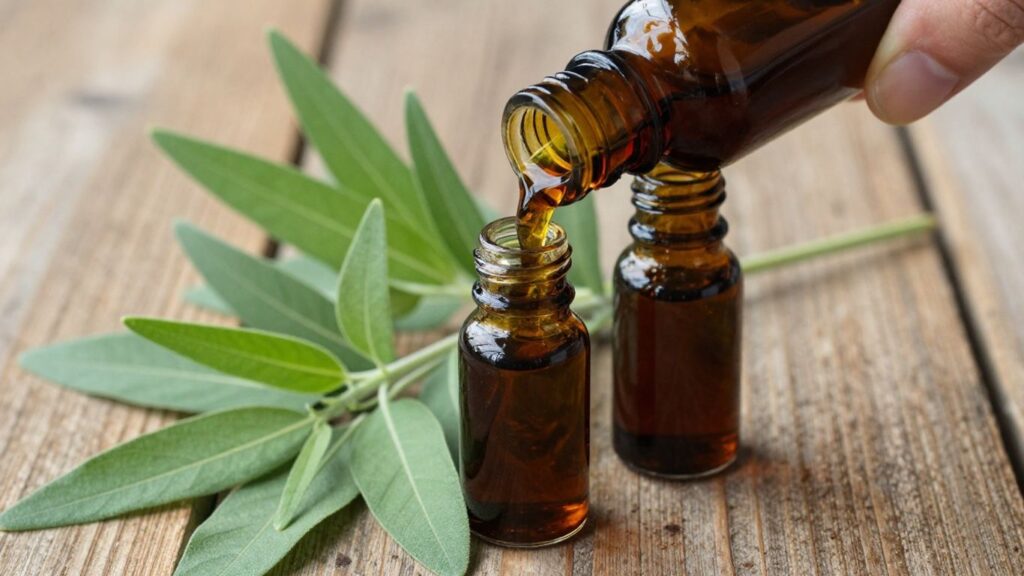
    Patchouli leaves and amber essential oil in a vial.

    The Role of Patchoulol in Scent

    Patchouli’s scent is quite distinct, isn’t it? It’s a smell that many people either love or find a bit much. This strong character comes from a specific chemical compound called patchoulol. It’s the main ingredient that gives patchouli oil its deep, earthy, and slightly sweet aroma. Think of it as the backbone of the scent. When patchoulol is present in higher amounts, the oil often has a richer, more complex smell, sometimes even with hints of dark chocolate.

    This compound is also what makes the scent last so long, which is why it’s so popular in perfumes as a base note. It helps other, lighter scents stick around longer on the skin. The quality of the patchouli oil really depends on how much patchoulol it contains; higher percentages usually mean a better grade of oil.

    Factors Influencing Oil Quality

    So, what makes one patchouli oil smell different from another? A lot of things, actually. The place where the patchouli plant grows, its ‘terroir’, plays a big part. Soil type, rainfall, and sunshine all affect the plant’s chemistry. For instance, plants grown in volcanic soil tend to produce oil with a different profile than those grown elsewhere. The way the oil is extracted also matters.

    Steam distillation is common, but how it’s done can change the final scent. Even how the leaves are dried before distillation can have an impact. We’ve found that hilly areas often yield a higher grade of oil compared to flat coastal regions. It’s a complex process, and getting it just right is key to producing that sought-after rich, earthy aroma that makes Patchouli Paris by Guerlain so distinctive.

    Patchouli Oil Specification in Perfumery

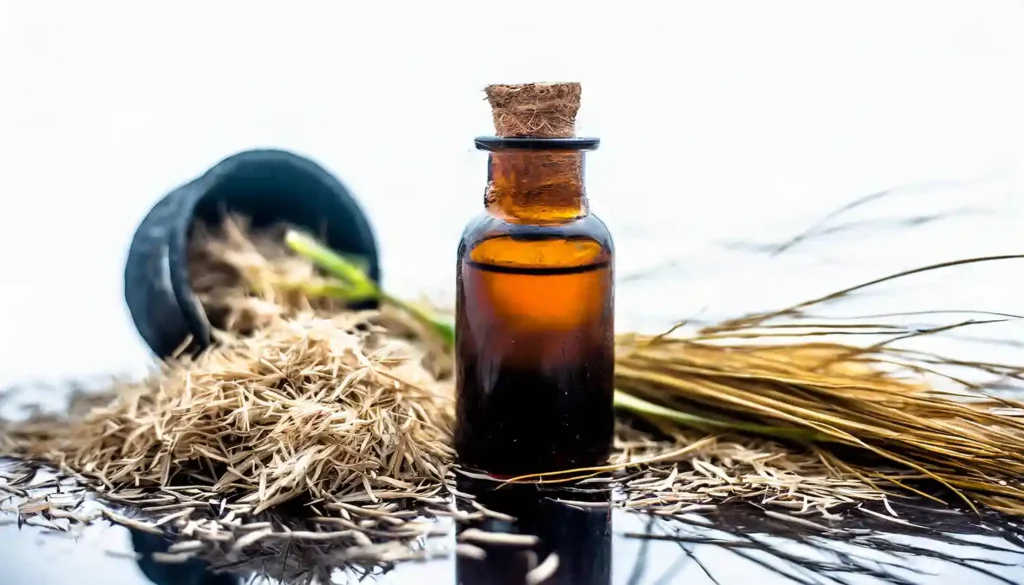
    Patchouli leaves and essential oil vial

    When we talk about patchouli oil specification for perfumes, we’re not just talking about any old bottle. There are specific things we look for to make sure it smells just right and performs well in a fragrance. It’s a bit like baking – you need the right ingredients in the right amounts.

    Key Constituents for Best Quality Patchouli oil Specification

    We often look at the chemical makeup of the oil. Patchoulol is the star player here, as its percentage directly relates to that classic, rich patchouli scent. Higher levels usually mean a deeper, more complex aroma, which is what fine perfumery aims for.

    Other compounds like alpha-patchoulene and beta-patchoulene also play a role in the overall scent profile, contributing to its earthy and woody notes. We also pay attention to things like alpha-guaiene, which can add a spicy fragrance, and caryophyllene, known for its anti-inflammatory properties and contribution to the scent.

    ConstituentTypical Range (%)Impact on Scent
    Patchoulol30-50%Rich, earthy, deep, characteristic patchouli
    Ξ±-Patchoulene10-20%Woody, earthy
    Ξ²-Patchoulene5-15%Earthy, slightly herbaceous
    Ξ±-Guaiene2-8%Spicy, woody
    Caryophyllene2-7%Woody, spicy, contributes to complexity

    Beyond Traditional Metrics

    But it’s not all about numbers on a lab report. The origin of the patchouli plant matters a lot. For instance, patchouli from Indonesia is often considered the gold standard for perfumery due to its high patchoulol content and deep aroma. You can read more about how the origin of patchouli affects its scent. We also consider how the oil was processed and aged. Sometimes, a bit of aging can smooth out the scent, making it more refined. It’s a balance of science and art, really, to get that perfect patchouli oil for our creations.

    The Journey of Patchouli Oil Specification in Fragrance Industry

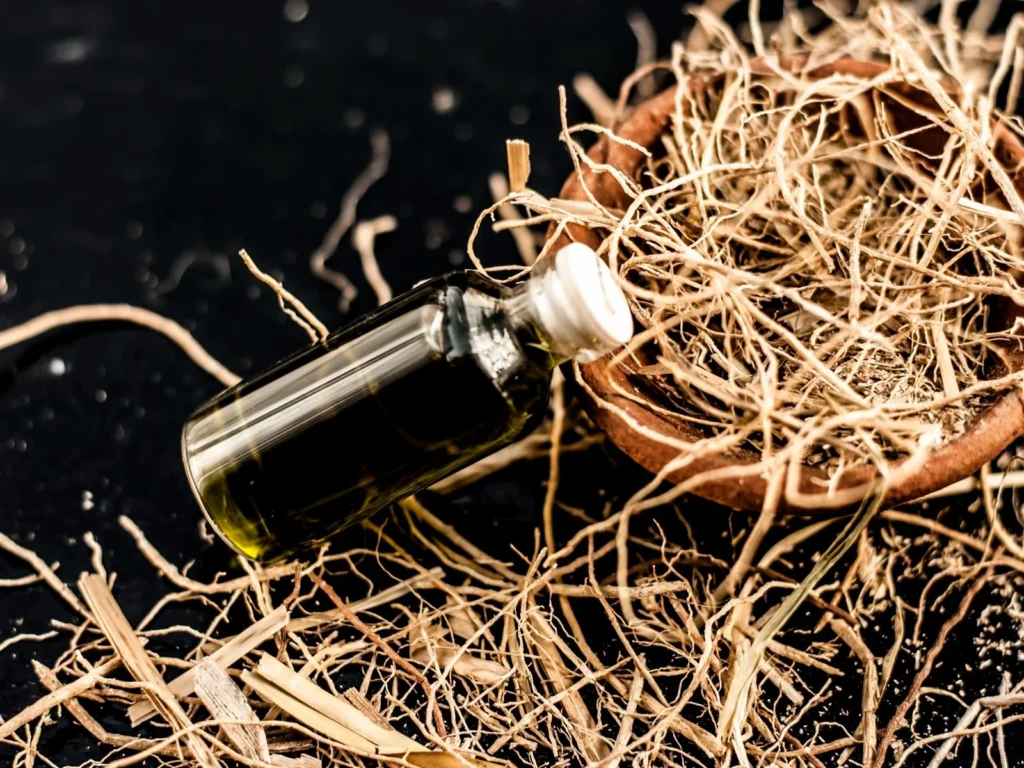
    Patchouli leaves and oil vial

    Historical Significance and Perception

    Patchouli’s story in fragrance is quite a ride, really. For a long time, especially in Europe during the 1800s, it wasn’t really about the smell itself. Merchants used dried patchouli leaves to keep insects away from valuable fabrics like silks and wools during long sea voyages from India.

    People started linking that distinct, earthy scent to the fancy textiles, and suddenly, everyone wanted their own fabrics to smell like patchouli. It was like a status symbol, a way to make local goods seem more exotic.

    Then, in the 1960s and 70s, patchouli got a whole new image. It became the scent of the counterculture, associated with hippies and a more bohemian lifestyle. This is where things get a bit complicated. For some, this connection brings back memories of earthy, free-spirited times. For others, it might bring up less pleasant associations, maybe with crowded spaces or a scent that felt a bit too strong.

    Our personal experiences and what we associate with a smell play a huge part in how we perceive it today. It’s funny how a scent can carry so much history and baggage, isn’t it?

    Modern Applications and Trends

    These days, patchouli is getting a bit of a makeover in the perfume world. While some folks might still think of the “hippie” vibe, perfumers are finding new ways to use it. It’s showing up in more sophisticated, modern fragrances, often in gender-neutral scents that reflect city life rather than just nature. Think of it as moving from a very specific niche to a broader appeal.

    We’re seeing patchouli pop up more in perfumes that lean towards warmer, richer notes like amber and oud. It’s a solid base note that adds depth and staying power to a fragrance. Because it lasts so long on the skin, it’s perfect for creating scents that have a lasting impression. The demand for patchouli oil seems to be growing steadily as these types of perfumes become more popular. It’s interesting to see how a scent with such a long history is finding new life and relevance in today’s fragrance market.

    Patchouli has a long and interesting history in the world of perfumes. It started out as a way to protect fabrics from moths, but people soon realized its unique, earthy smell was perfect for creating rich and complex scents. Today, it’s a key ingredient in many popular fragrances, adding a deep, musky note that many people love. Want to learn more about the amazing scents that make up your favorite perfumes? Visit our website to explore the world of fragrance!

    Wrapping Up Our Patchouli Oil Specification For Industrial Use

    So, we’ve talked a lot about patchouli oil specification, especially this thing called patchoulol. It turns out, it’s pretty important for that classic patchouli smell we know and sometimes love. Knowing about patchoulol content helps us understand why some patchouli oils smell richer and deeper than others. It’s not just about the plant itself, but also how it’s grown and processed. We hope this chat has given you a clearer picture of why patchoulol matters in the world of scents and maybe even inspired you to take a closer sniff next time you encounter patchouli.

  • Documents Required to Export Essential Oils from Indonesia

    Documents Required to Export Essential Oils from Indonesia

    Essential Export Documents Requirements

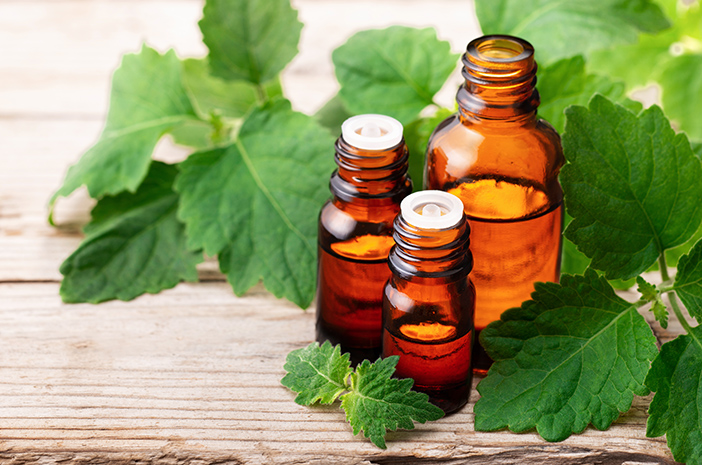
    Bottles of essential oils with dried botanicals.

    When we prepare to send our essential oils out of Indonesia, getting the paperwork right is a big deal. It’s not just about filling out forms; it’s about making sure everything flows smoothly from our facility to the buyer’s hands. Having the correct documents is key to avoiding delays and misunderstandings. We will deep down understand essential oil export documents

    Understanding Key Essential Oil Export Documents

    We need to make sure we have a few core essential oil export documents ready for every shipment. First up is the commercial invoice. This is basically our sales receipt for the international market, detailing what we’re selling, how much it costs, and who it’s going to. Alongside that, we’ll prepare a packing list. This document itemizes everything in the shipment – the type of oil, the quantity, the weight, and any other specifics. It helps everyone involved, from the shipping company to customs officials, know exactly what’s inside each box or container. Without these, things can get held up pretty quickly.

    Then there’s the Bill of Lading, or B/L. This is issued by the shipping company and acts as proof that they’ve received our goods and are responsible for getting them to their destination. It also serves as a title document for the shipment. For high-value items like our essential oils, the accuracy on the B/L is super important, especially if payment is being made via a Letter of Credit. Any small error here could cause problems with the bank or the buyer.

    Navigating Customs Declarations

    Customs declarations are where we officially tell the Indonesian government, and the destination country’s customs, what we’re exporting. This involves providing detailed information about the product, its value, and its intended use. We need to be precise with our descriptions to make sure our goods are classified correctly. This classification affects duties and taxes, and getting it wrong can lead to penalties or delays. We also need to be aware of any specific requirements for the destination country, like regulations on chemical compounds or specific labeling needs. For instance, if we’re sending patchouli oil, knowing its specific profile and market use is important for accurate declaration, as different grades have different applications Indonesian patchouli is prized for its deep, rich aroma.

    We also need to prepare a Certificate of Origin. This document confirms where our essential oils were produced, which is Indonesia in our case. It’s often required by the importing country to determine tariff rates or to comply with trade agreements. Making sure all these documents are complete, accurate, and submitted on time is our responsibility to ensure a successful export process.

    Obtaining Necessary Essential Oil Export Documents And Licenses

    Bottles of essential oils in a crate, ready for export.

    To export essential oils from Indonesia, we first need to meet a few big requirements set by the government. Essential oil export documents, basically, every exporter has to go through official registration processes with Indonesian authorities before shipping a single bottle. This means getting our Taxpayer Identification Number (NPWP) and a Business Identification Number (NIB), which shows we’ve got a real, legal company. We also have to get an Importer Identification Number (API), even though we’re exporting, not importingβ€”this step is just part of how things work here. Only when we’ve checked off all these boxes and registered with agencies like the Directorate General of Customs and Excise can we start thinking about licenses. More info about the need for proper licenses and registrations can be found in Indonesia export compliance.

    The Export License Application Process

    Once we’ve got everything lined up, the next step is to officially apply for an export license. For most essential oil shipments, we’ll be looking at the General Export License (API-U) or, if we’re manufacturers, the Producer Export License (API-P). We collect our company registration papers, tax numbers, and export agreement paperworkβ€”like contracts and purchase ordersβ€”and submit it all to the authorities. The paperwork also usually needs a bill of lading or airway bill, a packing list, and a certificate of origin to show exactly where our products come from.

    Application review times depend on which license we’re after and how complete our paperwork is. Sometimes it only takes a few days; other times, it stretches into weeks. There are fees, too, which are set by the type of license and the value of our shipments. Here’s a rough idea of what we need:

    DocumentApplies to
    NPWP (Tax ID)All exporters
    NIB (Business ID)All exporters
    API (Exporter ID)All exporters
    Company RegisterAll exporters
    Export Contract/POEach transaction
    Certificate of OriginEach export
    Packing ListEach shipment
    Bill of Lading/Airway BillEach shipment

    When everything checks out, Indonesia’s DGCE gives us the license and we’re good to go. We do need to double-check that all fees are paid and details are accurate, since mistakes can stall or block the exporting process altogether. Keeping up with these official steps isn’t just bureaucracyβ€”it’s what lets us get our essential oils from local producers to buyers around the world without getting stuck at customs or facing penalties.

    Ensuring Product Compliance and Standards

    Essential oils export from Indonesia

    Classifying Goods for International Trade

    When we export essential oils, figuring out the right classification for our goods is a big first step. This helps make sure all the paperwork is correct and that we’re following the rules. It’s like giving our product a unique ID for international trade. This classification affects things like duties and how customs officials look at our shipment. We need to be precise here to avoid any hiccups down the line. It’s important to get this right from the start.

    Adhering to Destination Country Regulations

    Every country we send our essential oils to has its own set of rules. We have to look into what each destination requires. For example, some places might have specific rules about allergens, while others might need certain certifications like Halal if we’re sending to Muslim-majority countries. The USA, for instance, has its own food-grade requirements through the FDA. We also need to be aware of international agreements like CITES, which regulates trade in endangered species. If our oil comes from a plant listed under CITES, we’ll need special permits. Staying on top of these varied regulations is key to a smooth export process. We found that understanding buyer requirements for natural ingredients can be quite helpful in this regard.

    We make sure all our products meet the highest quality rules and follow all the important standards. Your trust is important to us, and we work hard to keep it. Want to know more about how we guarantee quality? Visit our website today!

    Wrapping Things Up : Essential Oil Export Documents

    So, we’ve gone over a lot of the paperwork and steps needed to get your essential oils export documents out of Indonesia and into the world. It might seem like a lot at first, but really, it’s all about being prepared and knowing what the government expects. We’ve talked about getting the right licenses, making sure your product meets quality standards, and having all your documents in order. If you take it one step at a time and double-check everything, you’ll be well on your way to successful exporting. We hope this guide helps make the process feel a little less daunting.

  • Patchouli Oil for Perfumery vs Aromatherapy: Key Differences

    Patchouli Oil for Perfumery vs Aromatherapy: Key Differences

    Patchouli Oil’s Role In Perfumery

    Patchouli leaves and oil bottle for perfumery

    A Foundation : Patchouli Oil For Perfumery And Fragrance Creation

    Patchouli oil has a long history in the world of scent creation. It’s not just a fleeting top note; it’s often the backbone of a perfume. We use it as a base note because it sticks around, giving other, lighter scents a place to land and linger. Think of it like the sturdy foundation of a house – everything else is built upon it. Its deep, earthy, and woody character provides a richness that’s hard to find elsewhere. It’s this lasting quality that makes it so valuable for making fragrances that people remember.

    Balancing Patchouli Oil For Perfumery Potent Aroma

    Now, patchouli has a really distinct smell, and we have to be careful with it. It’s one of those ingredients that can easily take over if you’re not mindful. Some people find it a bit polarizing – you either really love it or you’re not so keen. Because of its strength, we often use it in smaller amounts, blending it with other notes to create harmony.

    It pairs wonderfully with florals like rose or ylang-ylang, and also with resins or woods. Getting the balance right is key to making sure patchouli adds depth and complexity without overwhelming the entire fragrance. It’s a bit like adding a strong spice to a dish; a little goes a long way to transform the flavor profile.

    Patchouli Oil For Perfumery And Aromatherapy

    Patchouli leaves and bottle of essential oil

    When we turn to patchouli oil for its therapeutic qualities, we’re often seeking a sense of calm and a connection to ourselves. It’s widely recognized for its ability to help soothe frayed nerves and ease feelings of stress or anxiety. Just a few drops diffused into the air can create a tranquil atmosphere, making it a popular choice for winding down after a long day. While its aroma is potent, it’s this very intensity that can help ground us.

    Promoting Calm And Well-Being

    Many find that patchouli oil acts as a natural mood lifter. Its rich, earthy scent is thought to interact with scent receptors in the brain, promoting a feeling of emotional balance. We often reach for it when we need a moment of peace, using it in diffusers or even adding a drop to a warm bath. It’s a simple way to introduce a sense of serenity into our daily routines.

    Spiritual And Grounding Properties

    Beyond relaxation, patchouli oil is deeply associated with spiritual practices. It’s considered a grounding oil, helping to connect our physical selves with our minds and spirits. This quality makes it a favored companion during meditation or quiet reflection.

    Historically, its scent has been linked to a sense of mystery and sensuality, and for some, it evokes a feeling of being deeply rooted, much like the plant itself. The origin of patchouli oil, with its deep, rich aroma, often comes from Indonesian sources, which are considered a global standard for fine perfumery and valued in aromatherapy for their complex profile.

    Patchouli oil for perfumery is often used for its calming and grounding effects. Many people find its earthy scent helps to reduce stress and promote a sense of well-being. It’s a popular choice for diffusers and massage blends. Want to learn more about how patchouli oil can benefit you? Visit our website for a wide selection of pure essential oils and expert advice.

    Wrapping It Up : Patchouli Oil For Perfumery, Aromatherapy, And Fragrance Creation

    So, we’ve looked at how patchouli oil for perfumery plays a role in both making nice smells and helping us feel better. In perfumery, it’s a strong player, adding depth and lasting power to scents, often used as a base note that holds everything together.

    It’s a bit of a chameleon, fitting into both old-school and new fragrances. On the other hand, in aromatherapy, we’re talking about its potential to calm us down, ease stress, and even help us feel more grounded. It’s clear that while the same oil is involved, how we use it and what we aim for are quite different. One is about crafting an olfactory experience, the other about well-being. Both show just how versatile this earthy oil can be.

  • Aceh vs Sulawesi Patchouli Oil: What’s the Difference?

    Aceh vs Sulawesi Patchouli Oil: What’s the Difference?

    Understanding Patchouli Origin Comparison

    Two piles of patchouli leaves, one green, one golden.

    The Distinct Scent Profile of Indonesian Patchouli

    When we talk about patchouli, especially the kind from Indonesia, it really stands out. It’s not just a simple earthy smell; it’s got layers. Think deep, rich, and a bit spicy, with a sweetness that sneaks in. This complexity is what makes Indonesian patchouli a favorite in high-end perfumes.

    It tends to be thicker, too, which helps the scent stick around longer. Compared to patchouli from places like India or China, which can be a bit simpler or more herbaceous, Indonesian patchouli has this captivating depth that just keeps unfolding.

    Key Differences in Aroma and Longevity

    So, what makes Indonesian patchouli different from others? For starters, its aroma is generally more vibrant and less musty than some other varieties. The top notes are brighter, the middle notes are richer and spicier, and the base notes are wonderfully deep, woody, and subtly sweet. This isn’t just about smelling nice; it’s about how long that scent lasts.

    We’ve found that Indonesian patchouli can linger on the skin for a good six to eight hours, sometimes even longer. Other types might fade after just three to five hours. This staying power is largely thanks to a higher concentration of a compound called patchoulol, which is the main player in patchouli’s scent. Plus, the oil itself is a bit thicker, which helps it cling to your skin better.

    Factors Influencing Patchouli Quality

    Aceh and Sulawesi patchouli plants side-by-side.

    When we talk about patchouli oil, especially the kind that comes from Indonesia, a few things really make a difference in how good it turns out. It’s not just about where it’s grown, but also how it’s handled from the plant to the bottle.

    Ideal Growing Conditions and Harvesting Techniques

    The climate in places like Indonesia, with its warm temperatures, high humidity, and plenty of rain, is just perfect for patchouli plants. This kind of weather helps the plants produce those aromatic compounds we love. The soil plays a big part too; rich, volcanic soil gives the leaves the nutrients they need to develop a strong scent.

    We’ve found that traditional harvesting methods, like picking the leaves by hand and letting them dry in the sun, really help keep the oil’s quality high. Some producers are also looking into farming in ways that are better for the environment, focusing on keeping the soil healthy and supporting local wildlife. This helps make sure that patchouli farming can continue for a long time without harming the land.

    The Role of Soil and Climate in Patchouli Potency

    We’ve seen that the specific conditions where patchouli grows have a direct impact on the oil’s strength and character. The fertile soil, often found in volcanic regions, is packed with minerals that seem to boost the plant’s ability to create its signature scent.

    This is why patchouli origin comparison, like Aceh, Sumatra, and Java, is so highly regarded. The climate, with its consistent warmth and moisture, encourages robust growth and a rich concentration of the compounds that give patchouli its deep, earthy aroma. It’s a natural process, but one that requires the right environmental factors to truly shine.

    Identifying Authentic Patchouli : Patchouli Origin Comparison

    Aceh and Sulawesi patchouli oil comparison

    What to Look for on Product Labels

    When we’re looking for the real deal in patchouli oil, especially the kind from Indonesia, checking the label is our first step. We want to see specific regions mentioned, like Aceh, Sumatra, or Java. These places are famous for growing patchouli that just smells better, and good oils will often say where they came from. It’s like knowing your coffee beans are from a specific farm – it tells you something about the quality.

    Why Region Matters for Patchouli Oil, Patchouli Origin Comparison

    The place where patchouli is grown really does make a difference. Indonesia, with its rich soil and tropical weather, is like a perfect greenhouse for patchouli plants. This special environment helps the plants develop those deep, complex scents we love. When a label says it’s from a particular Indonesian region, it’s a good sign that you’re getting oil with that sought-after, earthy, and slightly sweet aroma that lasts a long time. It’s not just about where it’s from, but what that place does for the plant.

    We’ve noticed that oils from these well-known areas tend to have a richer scent profile and stick around longer on the skin compared to those with less specific origins. It’s this connection to the land that gives authentic Indonesian patchouli its reputation.

    Spotting real patchouli oil is key. Look for its deep, earthy scent, which is quite distinct. If it smells too sweet or artificial, it’s probably not the genuine stuff. Want to learn more about finding the best patchouli and other pure essential oils? click here to see details patchouli origin comparison

    So, Which Patchouli Reigns Supreme?

    After looking at Aceh and Sulawesi patchouli, it’s pretty clear they’re both good, but they’re not exactly the same. Indonesian patchouli, in general, seems to have that richer, longer-lasting scent that folks in the perfume and aromatherapy worlds really like.

    Aceh patchouli, often coming from Sumatra, is frequently mentioned for its top-notch quality and that classic deep, earthy smell. Sulawesi is newer to the scene but is showing it can produce a great oil too, thanks to its unique soil. For us, if you’re after that really complex, potent aroma that sticks around, the Indonesian varieties, especially those from well-known regions like Aceh, are usually the way to go. But hey, the best way to know for sure is to give them a sniff yourself and see which one speaks to you.

  • How to Choose a Reliable Patchouli Oil Supplier in Indonesia

    How to Choose a Reliable Patchouli Oil Supplier in Indonesia

    Ensuring Quality and Purity in Your Patchouli Oil

    Patchouli oil bottle and leaves

    Understanding Key Quality Indicators

    When we look for patchouli oil, it’s easy to get lost in the descriptions. Many bottles claim to be “pure” or “therapeutic grade,” but these terms don’t always mean much on their own. We need to look closer at what actually makes patchouli oil good. Here are tips to choose bulk patchouli oil supplier The botanical name is important; we want to see Pogostemon cablin. Sometimes, a similar plant, Pogostemon heyneanus, is used, and it just doesn’t have the same qualities. Also, where the patchouli comes from matters. Regions like Sumatra in Indonesia or Sarawak in Malaysia have a long history of growing and distilling patchouli, and the soil and climate there are just right for it. We should also check the harvest and distillation dates. Freshly distilled oil, usually within the last year or so, will have the best scent and properties. Older oil can lose its potency. The way the oil is extracted is also key. We’re looking for steam-distilled oil, not anything extracted with solvents or COβ‚‚. That’s how we get the true essential oil.

    The Importance of Batch-Level Testing

    To really know what’s in a bottle of patchouli oil, we need to look at lab reports, specifically Gas Chromatography-Mass Spectrometry (GC-MS) reports. These reports break down the oil’s chemical makeup. We want to see a good amount of patchoulol, which is a main component that gives patchouli its characteristic scent and benefits. A level of 25% or higher is usually a good sign. We also want to check for things like alpha-bulnesene; too much of this can mean the leaves weren’t selected well or the distillation process was too hot. A reputable supplier will provide a GC-MS report for each specific batch of oil they sell. This batch number is important because it links the report directly to the oil in the bottle. It’s our best tool for confirming purity and making sure we’re not getting something diluted or altered. Without this kind of testing, we’re just guessing.

    Navigating the Bulk Patchouli Oil Supplier Supply Chain From Indonesia

    Patchouli leaves in a lush Indonesian plantation

    When we look at getting bulk patchouli oil supplier from Indonesia, it’s helpful to think about the whole system. It’s not just about one farm or one factory; it’s a network of people and processes that all work together. This mature system means that getting oil ready for export is usually pretty straightforward.

    Building a Reliable Supply Chain

    Indonesia has a well-established way of doing things when it comes to patchouli. You’ve got farmers, people who gather the crops, distillers, and then the exporters. This whole setup makes it easier for us to get what we need. They use standard drums and containers, and they’re used to shipping things internationally. This makes the whole process of buying patchouli oil much simpler for us. We can often find partners who are already set up for global trade, which cuts down on a lot of potential headaches. It’s good to know that the International Labour Organization has been working to strengthen economic growth and community well-being in areas like this, which can only help make the supply chain more stable.

    Regulatory Compliance and Documentation Choosing The Right Bulk Patchouli Oil Supplier

    For us to bring patchouli oil into our country, it needs to meet certain rules. The good news is that many Indonesian exporters are already familiar with international standards for safety and how to label things correctly. They usually provide all the necessary paperwork, like technical data sheets and safety information. Having this documentation ready means that when the oil arrives, it moves through customs more smoothly. This also helps us when we need to register our own products that use the oil. It’s all about making sure everything is above board and that we have the records we need to show where our oil came from and that it’s safe to use.

    Choosing a Responsible Bulk Patchouli Oil Supplier

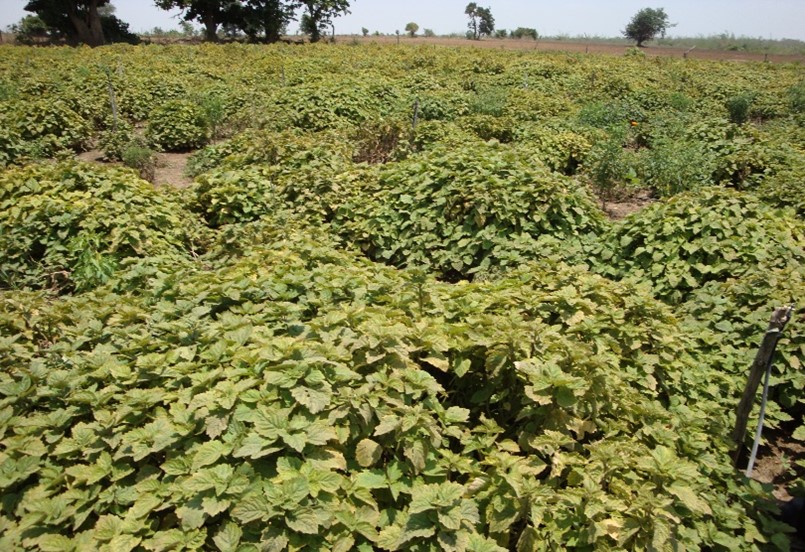
    Patchouli plants in Indonesian soil

    When we look for bulk patchouli oil, especially from a place like Indonesia, it’s not just about getting a good price. We need to think about where it comes from and how it’s made. This means looking beyond just the product itself and considering the people and the environment involved.

    Sustainability and Community Support Bulk Patchouli Oil Supplier

    We want to work with suppliers who care about the land and the farmers. This often means they support sustainable farming practices, which helps keep the soil healthy for future harvests. It’s also important that they treat their farmers fairly, paying them a good price for their hard work. Some companies even help fund community projects or provide training for farmers. Looking for suppliers who are transparent about their sustainability efforts is key. For example, some companies work directly with farmer cooperatives, which can help ensure better practices and fairer pay across the board. You can often find information about these initiatives on their websites, or by asking them directly about their farmer relationships and environmental policies. It’s good to see companies like PT Mitra Ayu Adi Pratama from Indonesia, who focus on working closely with farmers to promote sustainability in their operations [f34a].

    Identifying Trusted Sources and Red Flags Bulk Patchouli Oil Supplier

    Finding a reliable bulk patchouli oil supplier takes a bit of detective work. We should be wary of suppliers who use vague language about their oil, like calling it β€œmystical” or β€œexotic” without giving specific details about where it was grown or distilled. If a supplier offers several different β€œpremium” patchouli oils from various regions at the same price, that’s also a bit of a warning sign, as quality can vary. We should always ask for detailed testing reports, like GC-MS (gas chromatography-mass spectrometry), for each batch.

    A reputable supplier will readily provide these, showing the specific compounds and their percentages. If they hesitate or can’t provide this information, it’s best to look elsewhere. Also, pay attention to the oil’s physical properties; pure patchouli oil should be thick and flow slowly, not like water. If an oil evaporates too quickly or leaves a greasy ring on paper, it might be diluted or adulterated. We want to see clear documentation, including batch analytics and packing details, especially when dealing with long shipping routes.

    Finding the right place to buy patchouli oil in large amounts is super important. You want to make sure you’re getting good quality stuff from a company you can trust. We know how tricky it can be to find a supplier that’s both honest and provides great products. That’s why we’re here to help you out. Check out our website to learn more about how to pick a great supplier and get the best patchouli oil for your needs.

    Wrapping Up Our Search for Quality

    So, we’ve looked at a lot of things when it comes to finding a good bulk patchouli oil supplier in Indonesia. It’s not just about grabbing the first bottle you see. We need to think about where it comes from, how it’s made, and if the supplier is upfront about all of it. Asking for those lab reports and checking out their practices really makes a difference. By taking our time and being a bit picky, we can find suppliers who offer the real deal, supporting good farming and giving us a product we can trust. It’s worth the effort to get that authentic Indonesian patchouli.

  • How to Import Patchouli Oil to USA / Europe / Middle East

    How to Import Patchouli Oil to USA / Europe / Middle East

    Navigating Patchouli Oil Import USA Regulations

    Patchouli oil being imported internationally.

    Understanding U.S. Customs and Border Protection Requirements

    Bringing patchouli oil into the United States involves working with U.S. Customs and Border Protection (CBP). To Run patchouli oil import USA, We need to make sure all our shipments meet their standards. This means having the right paperwork ready, like commercial invoices and bills of lading. We also have to consider any duties or taxes that might apply to our specific import.

    It’s a good idea to check the Harmonized Tariff Schedule of the United States (HTSUS) to see where patchouli oil falls and what the rates are. We also need to be aware of any specific labeling requirements or restrictions that CBP might have for imported botanical products. Staying informed about these rules helps avoid delays and unexpected costs when our products arrive.

    Meeting European Union Import Standards and Documentation

    Importing patchouli oil into the European Union requires us to follow a different set of rules. The EU has specific regulations for cosmetic ingredients and essential oils, especially concerning safety and labeling. We must provide documentation that proves the oil’s origin, purity, and composition. This often includes a Certificate of Analysis (CoA) and an International Nomenclature of Cosmetic Ingredients (INCI) declaration.
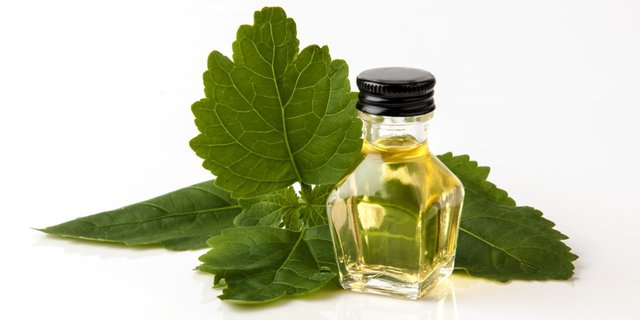
    We also need to be mindful of any restricted substances or allergens that might be present, as the EU has strict guidelines on these. Familiarizing ourselves with the EU’s General Product Safety Regulation and any specific directives related to cosmetics is key. Making sure our documentation is complete and accurate will help our shipments move smoothly through EU customs and reach our customers without issues.

    Key Considerations for Patchouli Oil Exporters

    Patchouli oil bottle with leaves on wooden surface.

    When we look at sending patchouli oil to new markets, there are a few things we really need to think about. It’s not just about having a good product; it’s about making sure it gets there correctly and meets all the rules. We’ve seen how important it is to get the details right.

    Ensuring Quality Control and Traceability for Global Markets

    First off, quality is king. The patchouli oil we export needs to be top-notch. This means paying close attention to how it’s grown, when the leaves are harvested, and how the oil is extracted. Different regions produce different kinds of patchouli oil, like the deep, earthy Indonesian variety or the sweeter Hawaiian type Patchouli oil varies significantly based on its origin.

    We need to know exactly what we’re sending and be able to prove it. This is where traceability comes in. We should have systems in place to track our oil from the farm all the way to the customer. This helps build trust and makes it easier to deal with any issues that might pop up. It also helps us meet the growing demand for natural and ethically sourced products.

    Exploring Market Opportunities Patchouli Oil Import USA and Europe

    Looking at patchouli oil import USA and Europe, we see some great chances. These markets are really interested in natural ingredients for things like perfumes, cosmetics, and aromatherapy. Consumers there are more aware of what’s in their products and prefer things that are good for them and the environment. The market for patchouli oil is growing, and it’s expected to keep growing over the next few years. We need to understand what these markets want.

    For example, Europe is a big importer of essential oils, and many of those come from developing countries. We should aim to be a reliable supplier that meets their high standards for quality and transparency. Being aware of market trends, like the move towards clean beauty and wellness, can help us position our patchouli oil effectively.

    When you’re thinking about exporting patchouli oil, there are a few important things to keep in mind. Making sure your product is top-notch and meets all the rules is super important. Also, knowing where your oil comes from and how it’s made helps a lot. If you want to learn more about how to do this right and find the best patchouli oil, check out our website!

    Wrapping It Up

    So, we’ve walked through the steps involved in bringing patchouli oil import USA, Europe, and the Middle East. It’s definitely a process with a few moving parts, from understanding regulations to finding reliable suppliers. But with the growing interest in natural products and the unique scent of patchouli, it seems like a worthwhile endeavor for many. We hope this guide has given you a clearer picture of what to expect. Remember to do your homework, stay organized, and you’ll be well on your way to importing this versatile oil.

  • Patchouli Oil Export from Indonesia: Regulations, Quality Standards & Documentation

    Patchouli Oil Export from Indonesia: Regulations, Quality Standards & Documentation

    Navigating Patchouli Oil Export Indonesia Regulations

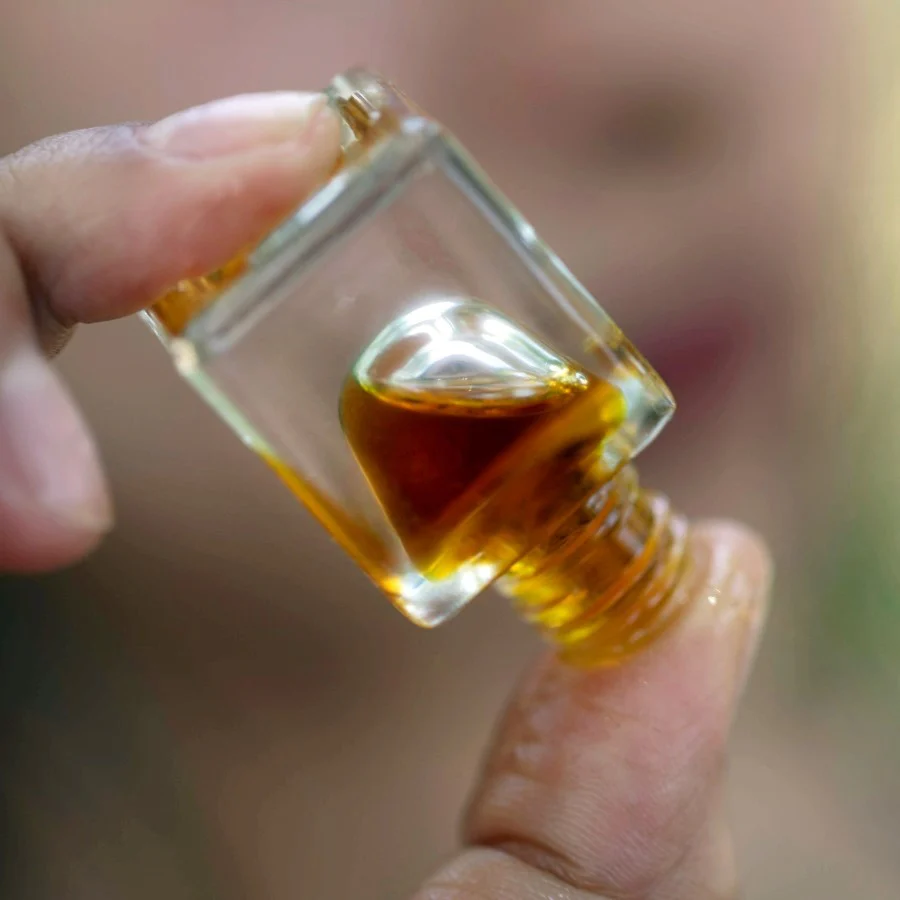
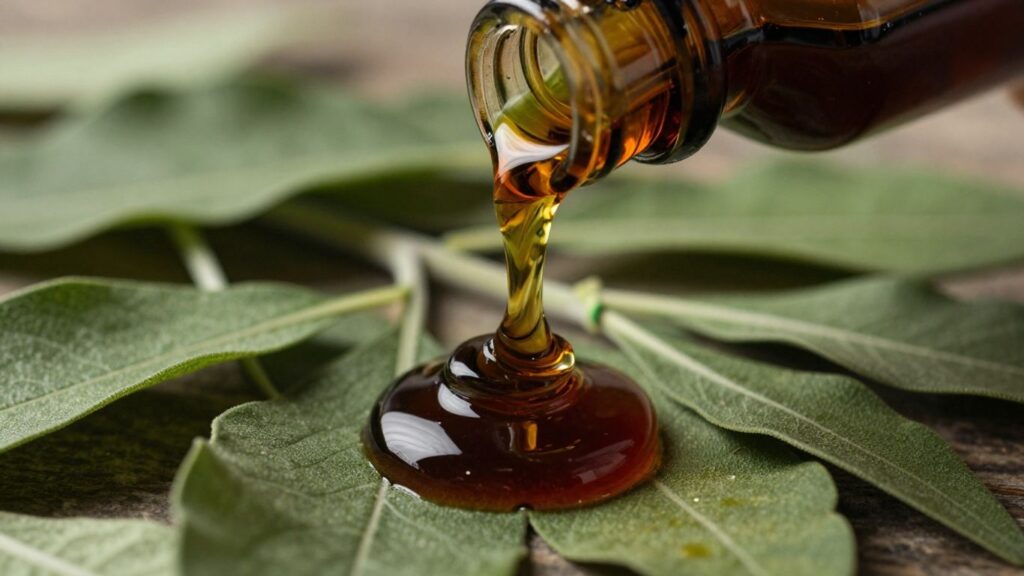
    Patchouli oil pouring from dropper into vial

    When we look to export patchouli oil from Indonesia, we need to pay close attention to the rules and requirements. It’s not just about having a good product; it’s about making sure it meets all the necessary standards for international trade. This involves understanding the compliance requirements set by both Indonesian authorities and the destination countries.

    Understanding Export Compliance Requirements

    To get our patchouli oil export Indonesia and into the hands of international buyers, we must follow specific procedures. This includes obtaining the correct permits and ensuring our product documentation is in order. We need to be aware of any trade agreements or specific import regulations in the countries we are exporting to. For instance, European markets often have detailed rules about chemical substances, like those covered by REACH regulations, which we must adhere to for shipments over a certain volume. Proper paperwork, such as certificates of origin and technical data sheets, is key to a smooth process. We also need to consider any specific labeling requirements or restrictions that might apply to our product in different regions.

    Meeting International Quality Standards

    Beyond just regulations, we also have to think about quality. Buyers expect patchouli oil that meets certain quality benchmarks. This means our oil should be pure and consistent, often with specific chemical profiles. Organizations like the International Organization for Standardization (ISO) have set guidelines for essential oils, which are important to be aware of, especially for cosmetic ingredients [1657]. We should be prepared to provide certificates of analysis that detail the oil’s properties, like its specific gravity and refractive index. For markets that prioritize natural and chemical-free products, having certifications like organic status can be a significant advantage. This shows our commitment to quality and meets the demands of a discerning global market.

    Ensuring Quality and Documentation for Patchouli Oil Exports Indonesia

    Patchouli oil being poured into a vial.

    Key Quality Assurance Practices

    When patchouli oil export Indonesia, we know quality is the first thing buyers care about. It’s not just about the smell; it’s about what’s inside the oil. We make sure every batch is checked using Gas Chromatography-Mass Spectrometry (GC-MS). This test tells us exactly what compounds are in the oil and in what amounts. It helps us confirm that our patchouli oil has the right levels of patchouli alcohol, which is key for its scent and fixative properties. We also look at other components like seychellene and alpha-bulnesene.

    Our goal is to provide a consistent product that meets the specific needs of perfumers, cosmetic makers, and aromatherapy practitioners. We also pay attention to how the oil is extracted; steam distillation is our preferred method because it keeps the natural compounds intact. Some buyers might want organic certification, and we can provide that too, showing that the oil was produced without chemicals or GMOs.

    Patchouli Oil Export Indonesia Documentation

    Getting our patchouli oil to other countries means we need the right paperwork. It’s a bit like a passport for the oil. We always prepare a Certificate of Analysis (CoA) for each shipment. This document details the GC-MS results, physical properties like specific gravity and refractive index, and confirms the oil’s purity. We also provide a Material Safety Data Sheet (MSDS), which gives information on safe handling and potential hazards. A Certificate of Origin is another important piece, showing that the oil truly comes from Indonesia. For markets like Europe, we need to be aware of regulations like REACH, which might require chemical registration for larger volumes.

    We work closely with our logistics partners to make sure all these documents are accurate and submitted on time. This helps avoid any hold-ups at customs and makes the whole process smoother for everyone involved. Understanding the pricing and competitive landscape for these oils can also be quite helpful for exporters [e3cd]. We aim to make this part as straightforward as possible.

    Making sure our patchouli oil is top-notch and well-documented is super important for exporting. We follow strict rules to guarantee the best quality, so you know you’re getting pure, amazing oil every time. Want to learn more about our quality checks and how we document everything? Visit our website today!

    Wrapping It Up : Patchouli Oil Export Indonesia

    So, we’ve looked at what it takes to get Indonesian patchouli oil out into the world. It’s not just about growing the plants and distilling the oil, is it? We need to pay close attention to the rules and regulations, make sure our oil meets the right quality marks, and have all our paperwork in order. It might seem like a lot, but doing things right means our patchouli oil can reach customers everywhere smoothly and reliably. We’re committed to making sure that happens.

  • HS Code for Patchouli Oil and Import Regulations

    HS Code for Patchouli Oil and Import Regulations

    Understanding The HS Code For Patchouli Oil

    Patchouli oil in a bottle with fresh leaves.

    Classifying HS Code For Patchouli Oil Export

    When we talk about importing or exporting patchouli oil, the first thing we need to get right is its classification under the Harmonized System (HS). This system is like a global language for trade, used by customs authorities everywhere to identify products. For patchouli oil, we typically find it falling under Chapter 33, which covers essential oils and perfumery or cosmetic preparations.

    More specifically, it often lands in the subheading 3301.90. This category is for ‘Other’ essential oils, which includes things like concentrates, aqueous distillates, and solutions. The exact HS code can vary slightly depending on the form of the patchouli oil, whether it’s a pure essential oil, an absolute, or a concentrate.

    Key Characteristics Defining The HS Code For Patchouli Oil

    So, what makes patchouli oil fit into a particular HS code? It really comes down to its physical and chemical properties, and how it’s been processed. The Harmonized System has specific descriptions for different types of essential oil preparations. For instance, if we’re dealing with concentrates obtained by methods like enfleurage or maceration, or even aqueous distillates, these fall under a specific code, often 3301.90.90. This code covers concentrates of essential oils in fats, fixed oils, or waxes, as well as aqueous distillates and solutions. It’s important to look at the details of the product.

    For example, patchouli infused into coconut oil would be classified differently than a steam-distilled patchouli essential oil. Understanding these distinctions helps us avoid any mix-ups with customs. If you’re unsure about the exact classification, it’s always best to consult the official tariff schedule or a customs broker. This is especially true when dealing with products that might have sustainability certifications, as these can sometimes influence trade regulations [d678].

    Navigating Import Regulations For Patchouli Oil

    Patchouli oil being poured from a dropper into a vial.

    When we bring patchouli oil into a country, there are rules we need to follow. These aren’t just random; they help make sure products are safe and that trade is fair. Think of it like a checklist to make sure everything is in order before the oil arrives.

    Essential Oils And Their Regulatory Framework

    Essential oils, including patchouli oil, fall under a broad category of regulations. These rules often cover how the oil is classified, its purity, and sometimes even where it came from. Different countries have their own specific requirements, so it’s important to check the rules for the destination country. For instance, some regulations might focus on the chemical makeup of the oil, while others might look at its intended use. We found that understanding the Combined Nomenclature for Chapter 33 is a good starting point for knowing how essential oils are categorized globally.

    Specific Import Controls And Trade Policies

    Beyond general rules, there can be specific controls. These might involve things like CITES (Convention on International Trade in Endangered Species of Wild Fauna and Flora) if the plant used for the oil is protected, though patchouli itself is not typically listed. We also need to be aware of any trade agreements or specific duties that apply. Sometimes, there are import quotas or licensing requirements, especially for larger commercial shipments. It’s always wise to look into any trade restrictions and policies that might affect your specific import. This can save a lot of trouble down the line.

    Understanding the rules for bringing patchouli oil into a country can be tricky. We’ve broken down the important details to help you out. Want to learn more about how to import essential oils smoothly? Visit our website for all the answers!

    Wrapping Things Up

    So, we’ve gone over the HS code for patchouli oil, which is 33019090. It’s important to get this right for importing. We also touched on some of the rules and regulations, like CITES export controls, that might affect your shipment. It can get a bit complicated with all the different country agreements and tariff preferences, but knowing the basics helps. We hope this clears things up a bit for anyone looking to import patchouli oil.

  • Unlock Healthy Hair: A Comprehensive List of Essential Oils and Their Uses

    Unlock Healthy Hair: A Comprehensive List of Essential Oils and Their Uses

    Exploring Key List Of Essential Oils And Their Uses For Hair Health

    a woman getting her hair washed in a sink

    We’re seeing a big shift in how we care for our hair. Many people are moving away from products with lots of chemicals and choosing natural options instead. Essential oils are leading this change. These are concentrated plant essences that have been used for a long time to help hair look and feel its best. They work by helping your scalp and hair in different ways. Here are list of essential oil and their uses for hair

    Tea Tree Oil: The Scalp Clarifier

    The first list of essential oils and their uses for hair is Tea tree oil. It is well-known for its cleaning properties. It can help clear up a dry, itchy scalp. This is because it has natural properties that can fight off things that might bother your scalp. A healthy scalp is the first step to healthy hair. Using tea tree oil can help create a better environment for hair to grow.

    Lavender Oil: The Calming Accelerator

    Second list of essential oils and their uses for hair is Lavender oil. It is often used for its relaxing scent, but it’s also great for hair. It can help calm an irritated scalp and may even help hair grow a bit faster. We find that when the scalp is happy and not inflamed, hair tends to grow more smoothly. It’s a gentle oil that many people find works well for them. it should include in list of essential oils and their uses for hair

    Cedarwood Oil: The Anti-Thinning Specialist

    Third list of essential oils and their uses for hair Is cedarwood. For those worried about hair thinning, cedarwood oil is worth looking into. It’s thought to help balance the oil glands on the scalp. It may also help increase circulation to the scalp. Better circulation means more good stuff can get to the hair follicles, which can help reduce hair loss and support stronger hair growth.

    Harnessing Essential Oils For Specific Hair Concerns

    Sometimes, our hair needs a little extra help for particular issues. We’ve found that essential oils can be really useful here. They work directly on the scalp and hair to help with common problems.

    Peppermint Oil: The Wake-Up Call For Follicles

    Fourth list of essential oils and their uses for hair is Peppermint oil. It is known for its tingly feeling. When we put it on our scalp, it wakes up the hair follicles. This can help hair grow better and faster. It’s like giving your scalp a refreshing drink. We like to add a few drops to our shampoo or conditioner. You can also mix it with a carrier oil for a scalp massage. Just a little goes a long way to get things moving.

    Chamomile Oil: The Shine Enhancer

    Fifth list of essential oils and their uses for hair is Chamomile oil. It is a gentler option. It’s great for making hair look shiny and healthy. It calms the scalp, which can help reduce itchiness. For us, it makes hair reflect light better, giving it a nice glow. We often use it in a hair rinse after washing. It leaves our hair feeling soft and looking bright.
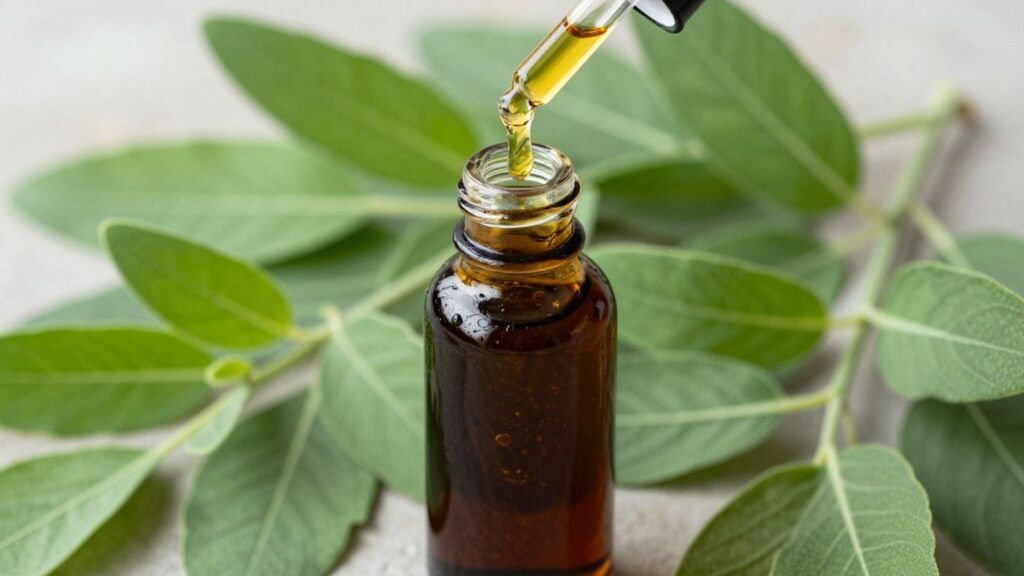
    Ylang Ylang Oil: The Moisture Regulator

    Sixth list of essential oils and their uses for hair Ylang ylang oil. It is wonderful for balancing moisture. If your scalp is too dry or too oily, this oil can help. It works to bring things back to normal. This means it can help with dryness and also with too much oil. We find it works well in leave-in treatments. A few drops on the ends of damp hair can help control frizz and add moisture where it’s needed. It also has a lovely smell, which is a nice bonus. For more on natural hair care, you can check out lemongrass oil benefits.

    Choosing And Using Essential Oils Effectively

    Understanding Essential Oil Purity And Quality

    When we talk about using essential oils for our hair, the first thing we need to think about is what we’re actually buying. Not all oils are made the same, and some things sold as essential oils are just fake scents. These won’t help our hair and might even cause problems. We want to make sure we’re getting the real deal: 100% pure essential oils.

    How do we know if it’s pure? Look at the bottle. It should say “100% Pure Essential Oil.” It should also list the plant’s scientific name, like Lavandula angustifolia for lavender. Sometimes you’ll see “therapeutic grade,” which isn’t a real rule, but it often means the company cares about making good oil. Also, good oils come in dark glass bottles, like amber or blue, to keep the light from messing them up. If a company is open about where they get their plants and how they make the oil, that’s usually a good sign too.

    The Importance Of Dilution With Carrier Oils

    Essential oils are super strong. Think of them as the plant’s concentrated power. Because they are so strong, we can’t just put them straight on our scalp or hair. Doing that could make our skin red, itchy, or worse. It’s like trying to drink juice without adding any water – way too much!

    This is where carrier oils come in. These are regular oils, like coconut oil, jojoba oil, or argan oil. They are not as strong as essential oils. When we mix them together, the carrier oil spreads out the essential oil’s power. It also helps the good stuff from the essential oil get into our scalp and hair better. We never skip this step; it’s key to using essential oils safely and getting the best results for our hair. A good starting point for most people is about 2 to 3 drops of essential oil for every teaspoon of carrier oil. If you have sensitive skin, you might use even less, like 1 drop per teaspoon.

    Want to get the most out of your essential oils? Learning how to pick and use them the right way is key to unlocking their full benefits. It’s not just about smelling nice; it’s about using them smartly for your well-being. Ready to become an essential oil pro? Visit our website to discover all the tips and tricks you need to know.

    A Natural Path Forward

    So, we’ve looked at a bunch of different oils and how they can help our hair. It’s pretty amazing what nature can do, right? From helping with thinning hair to making things smoother and shinier, there’s an oil for pretty much every hair concern. The main things to remember are to use pure oils and to be consistent with it. It’s not like a quick fix, but over time, we think you’ll see a real difference. We hope this guide helps you pick the right oils and start your own journey to healthier hair.

  • Is Citronella Toxic If Ingested? Understanding the Risks and Safety Precautions

    We often reach for citronella products, especially when the weather gets warmer, to keep bugs away. But have you ever wondered, ‘is citronella toxic if ingested?’ It’s a fair question, and one we should explore. While it’s generally known for repelling insects, understanding what happens if it accidentally gets into our bodies is important for safety. We’ll look into the potential risks, what the science says, and how to use these products safely.

    Key Takeaways

    • While citronella oil is generally recognized as safe as a food additive, ingesting larger amounts can cause irritation. Symptoms might include coughing or throat irritation.
    • The main components of citronella oil break down in the body and are expelled through urine. Studies haven’t shown it to damage genes, and some components may even have anti-cancer properties.
    • A minor component, methyleugenol, is considered a potential human carcinogen, though research on the overall oil’s cancer-causing potential is limited.
    • Children may be more sensitive, and certain citronella products are not recommended for infants under six months. Always follow label instructions for application, especially with young children.
    • Citronella is considered practically non-toxic to birds and unlikely to harm pollinators, though it can be slightly toxic to fish. Environmental breakdown is relatively quick.
    Understanding Citronella Ingestion Risks

    a person holding a candle in their hand

    We often use citronella products to keep bugs away, but what happens if some accidentally gets into our bodies? It’s a good question to ask, especially when we think about safety for our families. While citronella is generally considered safe when used as directed, understanding what might occur if it’s ingested is important.

    What Happens When Citronella Is Eaten?

    If a small amount of citronella oil is swallowed, it might cause some discomfort. People could experience a cough or feel irritation in their throat. It’s not typically a serious emergency, but it’s definitely something to avoid.

    Key Components and Their Breakdown

    Citronella oil is made up of a few main parts, like citronellol, citronellal, and geraniol. When these get into our system, our bodies start to break them down. They are processed and then leave the body, mostly through urine. This natural breakdown process helps the body get rid of the components.

    Potential for Mild Irritation

    Beyond just swallowing, citronella can also cause mild irritation if it comes into contact with skin or eyes. Some individuals might even develop skin allergies with repeated or long-term contact. This is why we always stress following the instructions on the product labels to minimize direct contact and prevent these reactions.

    Assessing Health Effects of Citronella Exposure

    Short-Term Exposure Symptoms

    When we come into brief contact with citronella, we might notice a few things. It can cause mild irritation if it gets on our skin or in our eyes. For some people, especially with repeated or longer contact, it might lead to skin allergies. If someone accidentally eats citronella, they might cough or feel a tickle in their throat.

    Long-Term Exposure Studies

    We’ve looked into what happens with longer exposure to citronella’s main parts, like citronellol and geraniol. Studies where small amounts were given to rats over several months showed no bad effects. Even when given in moderate amounts for a while, these components didn’t seem to cause problems. This suggests that, based on current research, long-term exposure to these specific components at tested levels is generally safe.

    Skin and Eye Irritation Potential

    Citronella can be a bit harsh on the skin and eyes. We’ve seen that direct contact can lead to redness or a burning feeling. It’s important to be careful when using products with citronella, especially around sensitive areas. If irritation occurs, washing the affected area with soap and water is usually recommended. Always check the product label for specific first-aid advice.

    We need to be mindful that even natural products can cause reactions. It’s always best to test a small area first if you have sensitive skin.

    Here’s a quick look at potential short-term effects:

    • Skin Contact: Mild irritation, redness, or itching.
    • Eye Contact: Burning sensation, redness, or watering.
    • Ingestion: Coughing, throat irritation.
    • Allergic Reactions: Some individuals may develop skin rashes or hives with repeated exposure.

    Citronella and Cancer Concerns

    We often hear about citronella as a natural way to keep bugs away, but some people wonder if it could cause cancer. It’s a good question to ask, especially when we use products with citronella around our homes and on our skin. Let’s look at what we know about citronella and cancer.

    Current Research on Carcinogenicity

    When we look at the science, the potential for citronella oil itself to cause cancer hasn’t been studied a lot. However, studies have shown that citronella oil does not damage genes. This is a good sign. Some research even suggests that geraniol, a main part of citronella, might help slow down the growth of certain cancers. This is interesting because it’s a component found in the oil we use.

    Component-Specific Cancer Studies

    Scientists have looked at the individual parts of citronella oil. In some studies, large amounts of certain minor parts of citronella were given to rodents over a long time. The results showed no increase in cancer rates in these animals. This suggests that, for the most part, the common components of citronella are not linked to cancer.

    Methyleugenol: A Minor Component of Concern

    There is one part of citronella, called methyleugenol, that has raised some concerns. The U.S. Department of Health and Human Services lists methyleugenol as something that might cause cancer in humans. This is because it has caused tumors in mice in some studies. It’s important to know that methyleugenol is only a small part of citronella oil. The amount present can change depending on the type of grass it comes from. While this is a point of caution, it doesn’t mean all citronella products are dangerous. We should still be mindful of how we use these products, especially with long-term exposure.

    It’s helpful to remember that many natural substances have complex chemical makeups. While one component might have a potential risk, the overall product might not pose the same danger, especially at the levels we typically encounter.

    We should always follow the instructions on product labels. This helps us use citronella products safely and reduces any potential risks. If you have worries about specific products or ingredients, talking to a doctor or a poison control center is always a good idea.

    Safety Considerations for Children

    When we use citronella products, especially around little ones, we need to be extra careful. Children can be more sensitive to things like insect repellents than adults. It’s important to remember that their bodies are still developing, and they might react differently to certain ingredients.

    Children’s Sensitivity to Pesticides

    It’s a good idea to know that children can sometimes be more sensitive to pesticides, and citronella is used as a repellent. If applied directly to the skin, citronella oil can cause irritation or allergic reactions in some kids. Because of this, some citronella products aren’t recommended for children under six months old unless a doctor says it’s okay. Always check the product label for these specific instructions.

    Application Precautions for Young Children

    To keep children safe, we should take a few extra steps when applying citronella products. Never let young children apply repellents themselves. Little kids often put their hands in their mouths, and we don’t want them to ingest the product. When applying it to your child, it’s best to avoid their hands, eyes, and mouth. A good way to do this is to put the repellent on your own hands first, and then gently rub it onto your child’s skin. This gives us more control over where it goes.

    Importance of Label Instructions

    Reading and following the instructions on the citronella product label is really important. These labels have specific advice about how to use the product safely, especially for children. They might tell you which age groups the product is suitable for or how often it can be applied. If you’re ever unsure about using a citronella product on or around your child, it’s always best to ask your doctor or a pharmacist for advice. You can also find helpful information on safe product use at poison control.

    Environmental and Wildlife Impact

    Lantern hanging on a textured wall with plants

    When we use citronella products, it’s good to think about how they might affect the world around us, especially animals and nature. We want to be sure we’re using them safely for everyone.

    Citronella’s Fate in the Environment

    Citronella oil comes from plants, and when it gets into the environment, it doesn’t stick around for too long. Microbes in the soil and water can break it down pretty quickly. This means it’s not likely to build up and cause long-term problems in nature. Its natural breakdown is a good thing for the environment.

    Toxicity to Birds and Aquatic Life

    We’ve looked into how citronella affects different kinds of wildlife. For birds, citronella oil is considered practically non-toxic. This means it’s very unlikely to harm them. However, it can be a little toxic to fish and other creatures living in the water. This is why we should be careful not to let large amounts of citronella products get into our lakes, rivers, or streams. The good news is that citronella is mostly used in ways that don’t put it directly into water bodies in large quantities.

    Impact on Pollinators

    Citronella is known for repelling insects rather than killing them. This is great news for important helpers like bees and other pollinators. Because it just makes insects want to stay away, it’s not likely to harm them. This means we can use citronella to keep bugs away from us without putting these vital creatures at risk. It’s important to remember that even natural products can have effects, so using them as directed is always best.

    While citronella is generally considered safe for many forms of wildlife, responsible use is key. Avoiding direct application to water sources and minimizing overuse helps protect aquatic life and maintain ecological balance.

    • Birds: Practically non-toxic.
    • Fish and Aquatic Life: Slightly toxic.
    • Bees and Pollinators: Not likely to be harmed due to repellent action.

    If you’re concerned about specific environmental impacts or need more details on how pesticides break down, resources like the EPA’s pesticide information can be helpful.

    Safe Usage and Handling of Citronella Products

    When we use citronella products, it’s important to handle them with care. These products are often used to keep bugs away or to add a nice smell to an area. We can find them in many forms, like candles, sprays, and lotions. Knowing how to use them right helps us stay safe and get the most benefit.

    Common Citronella Product Types

    Citronella is available in several forms for different uses. We see it most often in:

    • Candles and Torches: These are popular for outdoor gatherings to create a pleasant atmosphere and deter insects.
    • Sprays and Lotions: These are applied to skin or clothing as insect repellents. Always check the label to see if it’s meant for skin application.
    • Diffusers: Used indoors or outdoors to spread the scent, often for a calming effect or to repel pests.
    • Pouches and Pellets: These can be placed in gardens or other areas to release the scent over time.

    Following Label Instructions

    Always read and follow the instructions on the product label before using any citronella product. This is the most important step for safe use. Labels provide specific details on how to apply the product, where to use it, and what to avoid. For example, some sprays are not meant for direct skin contact, while others are. If you are unsure about how to use a product, the label is your best guide. For more detailed safety information on handling and storing products, you can refer to safety information for handling.

    When to Seek Professional Advice

    Most of the time, citronella products are safe when used as directed. However, if you experience a strong reaction or have concerns, it’s good to know who to contact. If you accidentally ingest a large amount of a citronella product or have a severe skin reaction, you should contact the Poison Control Center right away. For questions about pesticide issues or if you’re worried about a specific product, the National Pesticide Information Center (NPIC) is a good resource.

    Using citronella products correctly means we can enjoy their benefits without unnecessary risks. Pay attention to labels and know when to ask for help.

    When using citronella products, it’s important to be careful. Always follow the instructions on the label to make sure you’re using them safely. Keep them away from kids and pets, and don’t put them on your skin if you have allergies. For more tips on how to use citronella products the right way, check out our website!

    Wrapping Things Up

    So, we’ve looked at citronella and what happens if it gets into our bodies. For the most part, it seems to break down and leave the body without too much fuss. While it’s not something we want to be eating, brief exposure usually just means a little irritation. We also touched on the cancer question, and while there are some complex details, the general takeaway is that it’s not a major concern for most people. Still, it’s always smart to be careful, especially with kids.

    Following the instructions on products and keeping them out of reach is key. We can use citronella products safely if we just pay attention to the labels and use common sense. If anything does happen, we know who to call. It’s good to have this information handy so we can make informed choices about how we use these products around our homes and families.