Citronella, a fragrant grass native to Southeast Asia, is most commonly known today for its use in insect repellents and essential oils. However, its legacy extends far beyond modern practicality. For centuries, citronella has held a place in various cultures not only for its medicinal and functional uses, but also for its deep spiritual symbolism. This article explores the rich cultural history and spiritual significance of citronella, tracing its journey through time and tradition.
Origins and Botanical Background
Citronella belongs to the Cymbopogon genus, which includes two main varieties: Cymbopogon nardus and Cymbopogon winterianus. These aromatic grasses thrive in tropical climates and are cultivated in countries such as Indonesia, Sri Lanka, India, and parts of Africa. The name "citronella" is derived from the French word meaning "little lemon," referencing its citrus-like aroma.
The essential oil extracted from citronella has been used since antiquity for its antiseptic, antifungal, and insect-repelling properties. But beyond its physical applications, citronella has served as a symbol of purification, protection, and spiritual clarity in many traditional cultures.
Citronella in Southeast Asian Cultures

Indonesia and Bali
In Indonesia, particularly in Bali, citronella plays a vital role in daily spiritual practice. Balinese Hindu rituals often include offerings and incense infused with citronella. The scent is believed to purify the environment, warding off malevolent spirits and negative energy. During ceremonies, burning citronella can act as a signal to ancestral spirits that they are being honored and remembered.
Citronella is also used to cleanse sacred spaces. Temples and homes are frequently smudged with citronella-infused smoke, especially during the New Year or after moments of grief or illness. The plant represents a fresh beginning, a clearing away of spiritual clutter to make way for balance and harmony.
India
Though citronella is not as central to Indian religious tradition as other herbs like sandalwood or tulsi, it still holds a respected place in Ayurvedic medicine and spiritual hygiene. Ayurveda, the ancient Indian holistic system of medicine, uses citronella for its cooling properties and its ability to balance the pitta dosha, which governs fire and heat.
In traditional Indian households, citronella oil might be diffused in living spaces to promote mental clarity and concentration during meditation or prayer. Its scent is thought to bring calm and drive away mental fog, which is considered essential for spiritual focus.
African Traditions and Folk Practices

In many African cultures, citronella has long been associated with protection and cleansing. Healers and spiritual leaders, often called shamans or herbalists, use citronella in herbal baths and smoke rituals to remove curses or the "evil eye." It is believed that the plant’s sharp, fresh scent cuts through spiritual stagnation and deters negative entities.
Citronella leaves may be carried in amulets or charms as a talisman against spiritual attack. In these traditions, the plant is not only seen as a physical insect deterrent but also as a metaphysical protector, keeping both seen and unseen pests at bay.
Caribbean and Afro-Caribbean Religions
The cultural influence of African spiritual practices carried by the transatlantic slave trade contributed to the use of citronella in the Caribbean, particularly in Afro-Caribbean religions such as Santería, Vodou, and Obeah.
In these belief systems, citronella is used in spiritual baths, often combined with other herbs such as basil, rue, or rosemary. These baths serve to cleanse the body and spirit of negative energies. Practitioners believe that citronella has the power to remove hexes and spiritual blockages, allowing for the free flow of energy and favor from the spirits or ancestors.
During spiritual rituals, citronella oil may be rubbed on the body or poured in the corners of ritual spaces to invoke divine protection and to sanctify the area.
Western Adaptations and New Age Symbolism

In more contemporary Western spiritual and metaphysical circles, citronella has found new interpretations. The plant’s clarity-inducing scent has aligned it with the element of air, and it is often associated with the third eye and solar plexus chakras. These chakras govern intuition and personal power, respectively.
New Age practitioners may use citronella in aromatherapy or spiritual rituals aimed at increasing self-awareness, dispelling illusions, and fortifying personal boundaries. The oil is often used in manifestation practices where protection and clarity are required—especially when one is embarking on a new endeavor or entering unfamiliar territory.
Citronella has also been adopted into Wiccan and Pagan practices. In spellwork, it is considered an herb of purification and is burned to cleanse tools, altars, and sacred spaces. It is also used in spells to banish unwanted influences or protect against psychic attack.
Symbolism of Citronella
Across its various cultural and spiritual uses, citronella embodies several core symbolic themes:
1. Purification
The most common symbolic thread is purification. Whether used in incense, baths, or diffusers, citronella is believed to cleanse the mind, body, and space of negative energies and spiritual impurities.
2. Protection
Citronella's insect-repelling property is mirrored in its spiritual symbolism. It acts as a barrier against harmful influences—be they physical, emotional, or spiritual.
3. Clarity and Focus
The plant’s sharp, lemony scent cuts through mental clutter, promoting focus, intention, and mindfulness. This makes it especially valuable in meditative and prayerful states.
4. Renewal and Fresh Beginnings
Citronella is often used during rituals of renewal, such as the beginning of a new year or after a period of illness or emotional turmoil. It symbolizes starting anew with a clean and protected slate.
Conclusion
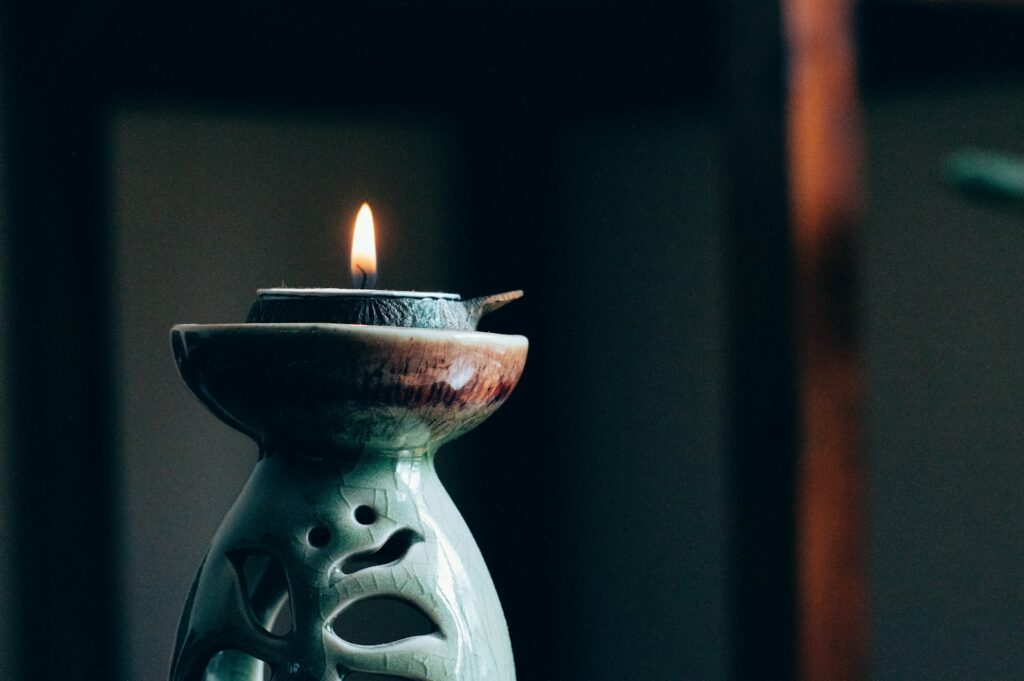
While citronella may be best known today as a natural mosquito repellent, its spiritual and cultural significance reaches far deeper. Across continents and centuries, it has been used as a tool for spiritual hygiene, protection, and clarity. Its powerful scent continues to carry symbolic resonance, reminding us that nature’s gifts often serve more than just physical needs—they offer pathways to emotional and spiritual well-being.
By exploring the historical and symbolic layers of plants like citronella, we not only deepen our understanding of cultural traditions but also reawaken a connection to the natural world as a source of healing and sacred meaning.
If you are looking for high-quality citronella essential oil for your product formulation, Global Essential Oil supplies bulk citronella oil directly from Indonesia. Explore our citronella oil or contact our team for samples and pricing.