

A patchouli oil specification should do more than state a single patchoulol percentage.
For B2B buyers, it should define the product identity, the parameters that control acceptance, the documents required for each batch, and the criteria that must remain consistent from sample approval to bulk delivery.
Patchoulol - also called patchouli alcohol - is one of the most important constituents used to evaluate Pogostemon cablin oil.
Scientific literature identifies patchouli alcohol as a major constituent of patchouli oil, but the overall chemical profile also contains other sesquiterpenes that contribute to its character.
A scientific review of Pogostemon cablin discusses patchouli alcohol together with other volatile constituents reported in the oil.
For procurement teams, the practical point is simple: patchoulol matters, but a purchase decision should not be based on patchoulol alone.
The specification should reflect the intended application and the actual batch that will be supplied.
What Is Patchoulol Content in Patchouli Oil?
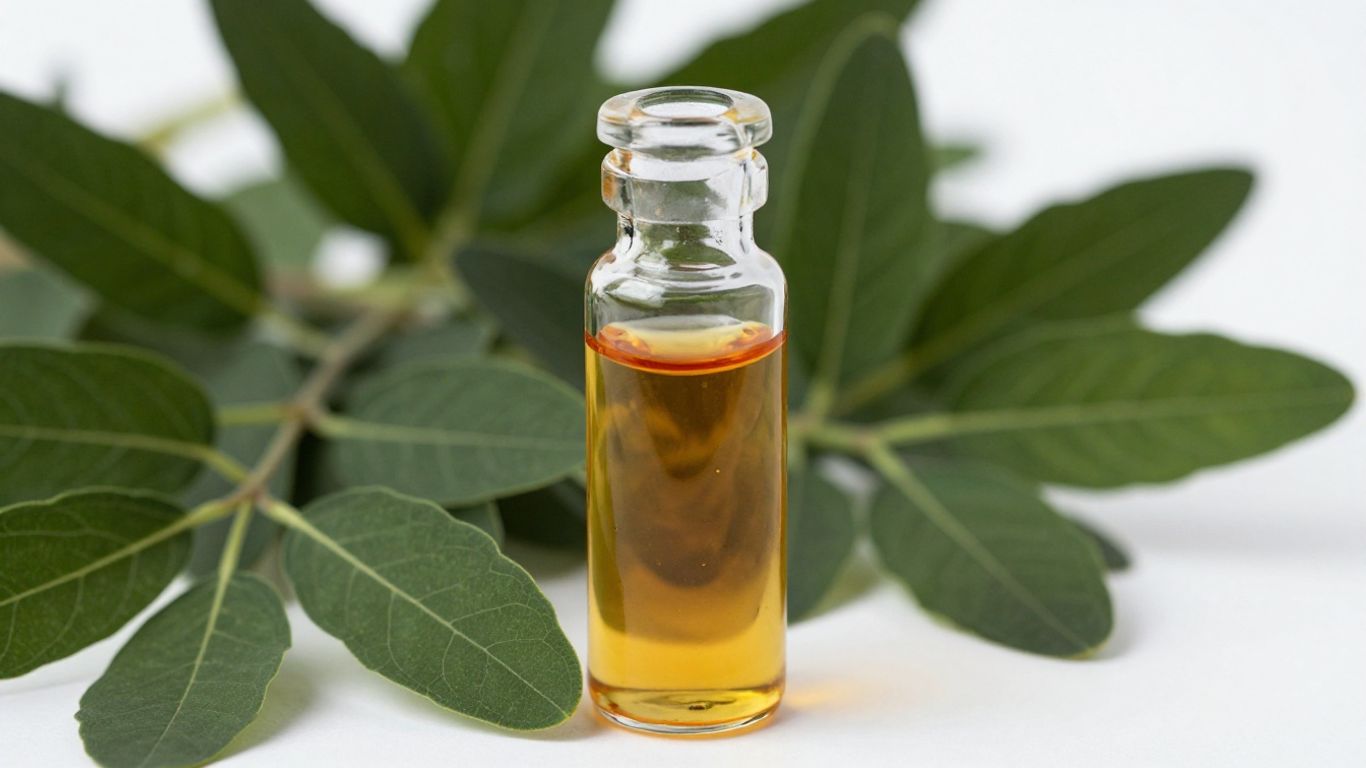
Patchoulol is a sesquiterpene alcohol commonly used as an analytical marker when evaluating patchouli oil.
It is closely associated with the characteristic earthy, woody, long-lasting profile of patchouli and is normally assessed as part of a chromatographic analysis.
In commercial discussions, buyers may see terms such as patchoulol content, patchouli alcohol percentage, or PA percentage.
These terms should always be interpreted in the context of the test method, the grade being offered, and the full batch specification.
Patchoulol percentage is useful because it gives the buyer one measurable chemical criterion.
It does not, by itself, confirm every aspect of identity, sensory quality, grade, processing history, or formulation performance.
Why Patchoulol Percentage Matters - and What It Cannot Tell You

A defined patchoulol criterion can help procurement and QC teams compare samples, review batch-to-batch consistency, and establish a measurable acceptance point for incoming material.
However, two patchouli oil batches with similar patchoulol values can still differ in color, odor, secondary constituents, processing history, and performance in a finished formulation.
That is why "higher patchoulol" should not automatically be translated into "better oil" for every application.
A fragrance house may prioritize similarity to an approved olfactory reference. A cosmetic manufacturer may care about color impact and compatibility with the base.
A procurement team may prioritize repeatable analytical and sensory criteria across multiple deliveries. The correct specification therefore depends on what the oil must do in the buyer's product.
If the main question is which commercial grade - Dark, Light/Iron-Free, MD, or another supplier-defined material - fits the application, use our Patchouli Oil Grades Explained guide. This page focuses instead on how to define and evaluate the specification itself.
Key Parameters in a Patchouli Oil Specification

The exact specification should be agreed between buyer and supplier.
International standard ISO 3757:2002 for oil of patchouli specifies characteristics used to support quality assessment of Pogostemon cablin oil.
In practice, B2B specifications may combine product identity, physical parameters, chemical criteria, sensory requirements, and documentation.
| Parameter | What It Tells the Buyer | How to Use It in a Specification |
| Botanical identity | Confirms the material is the intended botanical product. | State Pogostemon cablin and any plant-part or processing information that matters to the purchase. |
| Grade / processing description | Clarifies whether the offer is Dark, Light/Iron-Free, MD, aged, or another defined material. | Use a clear grade definition, but do not rely on the grade name alone. |
| Patchoulol / patchouli alcohol | Provides a measurable chemical marker within the batch profile. | Define the agreed criterion only after aligning the grade, analytical method, and application requirement. |
| Specific gravity / relative density | Supports physical identity and batch consistency checks. | Record the accepted range and the measurement temperature used by the agreed method. |
| Refractive index | Provides another physical parameter for consistency and identity review. | Compare the batch result with the agreed product specification using the stated test conditions. |
| Optical rotation | Adds another identity/consistency parameter where relevant to the buyer's quality system. | Use the agreed method and compare against the acceptance range defined for the material. |
| Appearance and color | Shows whether the batch fits the visual profile required by the formulation. | Important for color-sensitive products; define what is acceptable for the selected grade. |
| Odor / sensory profile | Confirms whether the material matches the approved olfactory reference. | Use a retained or approved sample when sensory consistency matters. |
| GC / GC-MS profile | Provides a broader view of volatile composition beyond one constituent. | Use it to support identity, composition review, and supplier/batch comparison where required. |
| Batch documentation | Links analytical results to the actual lot being supplied. | Require documents that identify the batch/lot and correspond to the offered material. |
Published characterization work also shows patchouli oil being evaluated through parameters such as density, refractive index, optical rotation, and selected volatile components, with patchouli alcohol used as a phytochemical marker in the reported specification framework.
See the EFSA characterization of patchouli oil for an example of how multiple analytical parameters are considered together.
Specification vs COA vs GC-MS: They Are Not the Same Thing

A product specification defines what the buyer expects to receive. A Certificate of Analysis (COA) reports results for a specific batch or analysis.
A GC or GC-MS report provides a more detailed chemical profile of the volatile components.
The documents support each other, but they are not interchangeable. A COA only becomes useful for acceptance when the reported results can be compared with the agreed specification.
Likewise, a chromatographic profile is more meaningful when the buyer knows which compounds or consistency markers matter to the intended application.
For a parameter-by-parameter explanation of specific gravity, refractive index, optical rotation, batch identification, and chromatographic data, see our Essential Oil COA and GC-MS Guide.
How B2B Buyers Should Set Patchouli Oil Acceptance Criteria
A weak purchase request says only "premium patchouli oil" or "high patchoulol patchouli oil." Those descriptions leave too much room for interpretation.
A stronger specification converts the formulation and procurement requirement into criteria that both sides can check.
Before approving a commercial specification, align the following:
- Product identity: the botanical name and the material being purchased.
- Accepted grade or processing description: what the buyer means by Dark, Light/Iron-Free, MD, aged, or another supplier-defined grade.
- Chemical criteria: the patchoulol or broader chromatographic parameters that actually matter to the application.
- Physical criteria: the relevant identity and consistency parameters used by the buyer's QC system.
- Sensory criteria: the approved odor profile, visual appearance, and any retained reference sample used for comparison.
- Required documents: specification, batch COA, GC/GC-MS where applicable, SDS/MSDS, and any additional records required by the buyer or destination market.
- Test method and conditions: especially where temperature, instrument, or analytical method affects the reported value.
- Allowed variation: realistic acceptance limits for a natural material rather than expecting every batch to report an identical number.
The goal is not to make the specification unnecessarily tight. It is to make it clear enough that the supplier, laboratory, procurement team, and receiving QC team are evaluating the same material using the same acceptance logic.
Why Two Batches With Similar Patchoulol Can Still Perform Differently
Natural essential oils are complex mixtures. Patchoulol is important, but it sits within a wider chemical and sensory profile.
Differences in raw material, origin, drying, distillation, post-distillation processing, storage, and aging can influence the finished oil.
That means two batches can meet a similar patchoulol criterion yet still smell different, show different color intensity, or behave differently in a fragrance or cosmetic base.
This is one reason a serious approval process combines analytical review with sample evaluation.
For a broader explanation of origin, grades, sourcing workflow, and sample evaluation, see our Indonesian Patchouli Oil B2B Guide.
Common Patchouli Oil Specification Mistakes
1. Using patchoulol as the only quality criterion
A single constituent cannot describe the complete physical, chemical, and sensory behavior of a natural oil.
2. Treating a grade name as a universal standard
Terms such as Dark, Light, Iron-Free, and MD should be connected to a clear supplier specification and approved sample.
3. Accepting a generic COA that is not batch-linked
The document should correspond to the lot being evaluated or supplied. Otherwise, the buyer cannot reliably compare the physical material with the reported data.
4. Ignoring sensory approval
For fragrance-led applications, analytical values alone cannot confirm that the batch matches the required olfactory profile.
5. Copying a competitor specification without checking formulation needs
A parameter that is critical for one application may be less important for another. The specification should reflect the buyer's own product and quality system.
6. Expecting identical natural variation in every batch
Natural materials vary. The purpose of acceptance limits is to control meaningful variation, not to force every batch to produce the same exact number.
From Sample Approval to a Bulk Purchase Specification
A practical sourcing process should connect the approved sample to the commercial order.
The specification is the bridge between "this sample works" and "the delivered bulk batch is acceptable."
- Define the application and required grade or processing profile.
- Request a representative sample together with the available batch documentation.
- Review patchoulol and the other physical, chemical, and sensory parameters relevant to the application.
- Test the sample in the intended formulation or evaluation system.
- Record what was approved and convert those criteria into the purchasing specification or purchase order.
- When the bulk batch is offered, compare the batch-linked documentation and, where required, the physical sample against the approved criteria before release.
This approach reduces ambiguity. It also makes supplier changes, repeat orders, and receiving inspection easier because the decision is based on documented acceptance criteria rather than a vague description such as "high quality patchouli oil."
Need a Current Patchouli Oil Specification or Batch Documents?
If your procurement, QC, or formulation team is evaluating Indonesian patchouli oil, review our Bulk Patchouli Essential Oil product page for current product information and sourcing options.
You can also contact Global Essential Oil to discuss the required grade, current batch specification, available COA/GC or GC-MS documentation, sample availability, packaging, quantity, destination, and quotation requirements.
Frequently Asked Questions
What is the most important parameter in a patchouli oil specification?
Patchoulol is an important chemical marker, but it should not be treated as the only parameter. A useful B2B specification normally combines botanical identity, grade or processing description, physical parameters, chemical profile, sensory criteria, and batch-linked documentation.
Is higher patchoulol always better?
No. A higher patchoulol value may be desirable for some briefs, but it does not automatically mean the oil is better for every application. Color, odor profile, grade, secondary constituents, consistency, and performance in the finished formulation can also affect suitability.
What is the difference between a patchouli oil specification and a COA?
The specification defines the acceptance requirements. The COA reports the measured results for a specific batch or analysis. Buyers use the COA to compare the offered batch against the agreed specification.
Should patchouli oil buyers request GC-MS?
GC or GC-MS data can be useful when a buyer needs a broader view of chemical composition, identity, or batch consistency. The required document package should be agreed based on the application, supplier qualification process, and destination-market requirements.
Should Dark, Light, and MD patchouli use the same specification?
Not necessarily. Different grades or processing routes can have different visual, sensory, and analytical expectations. Buyers should define the grade first, then apply acceptance criteria that fit that material and the intended application.
How should a buyer approve patchouli oil for repeat bulk orders?
Evaluate a representative sample, review the supporting documents, test it in the intended application, record the approved criteria, and use those criteria when checking future commercial batches. The purchase order should make the acceptance requirements clear to both buyer and supplier.