Indonesia supplies over 70% of the world's clove production, and a significant share of that ends up as clove essential oil exported to fragrance houses, dental product manufacturers, food companies, and pharmaceutical formulators around the globe.
If you're sourcing clove oil in bulk, partnering with a reliable bulk clove oil supplier Indonesia is not just logical. It's the most competitive decision you can make.
But knowing where to look is only half the battle. The real challenge for first-time importers is understanding the differences between oil types, what quality documents to request, how to calculate realistic MOQs, and, most critically, how to tell a genuine manufacturer apart from a middleman broker.
This guide gives you the complete picture, straight from an experienced Indonesian essential oil manufacturer.
Why Indonesia Is the Best Source for Bulk Clove Oil
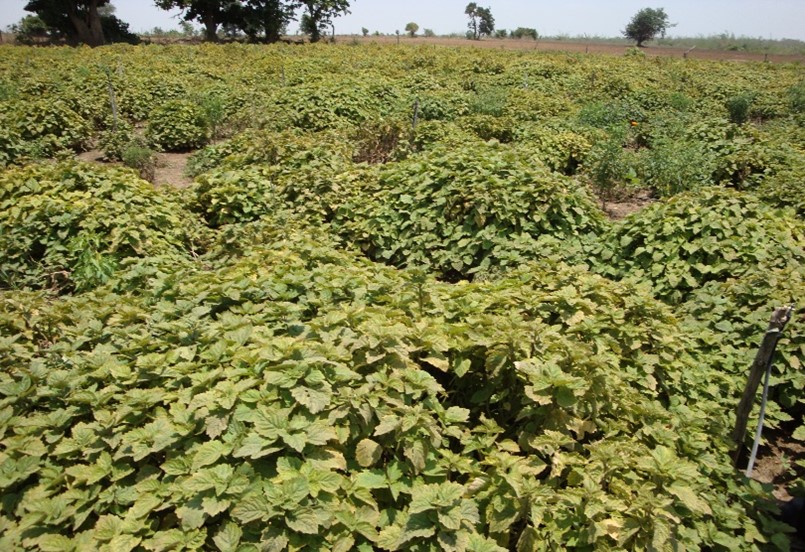
Clove (Syzygium aromaticum) has been cultivated in Indonesia for centuries, primarily in the Maluku (Moluccas) islands, historically known as the 'Spice Islands'. Today, major production regions include Maluku, North Sulawesi, East Java, and parts of Sumatra.
What makes Indonesian clove oil stand out globally:
- Terroir advantage: volcanic soil and tropical humidity produce clove with consistently high eugenol content (70–90% depending on type)
- Supply volume: Indonesia's annual clove production allows reliable bulk supply year-round
- Multi-facility infrastructure: reputable manufacturers like Global Essential Oil operate distillation facilities across multiple provinces, ensuring supply chain resilience
- Competitive pricing: buying direct from Indonesian manufacturers cuts out layers of middlemen
- Certification ecosystem: Indonesian suppliers can provide Halal, ISO, DUNS, and FDA-registered documentation increasingly demanded by global buyers
Related Reading: Why Indonesia Is the World’s Largest Patchouli Oil Producer
Clove Oil Types: Bud, Leaf, Stem — Which One Do You Need?

This is where most first-time buyers make mistakes. 'Clove oil' is not one single product, it refers to at least three distinct oils (plus a derivative), each with different chemical profiles, pricing, and industry applications.
| Type | Source Part | Eugenol Content | Aroma Profile | Main Industry Use |
| Clove Bud Oil | Dried flower buds | 75 – 85% | Warm, rich, sweet-spicy | Aromatherapy, fine fragrance, dental |
| Clove Leaf Oil | Leaves of clove tree | 70 – 75% | Harsher, woody-spicy | Perfumery, soap, personal care |
| Clove Stem Oil | Dried stems/stalks | 80 – 90% | Stronger, more medicinal | Pharmaceutical, flavoring, animal feed |
| Eugenol USP | Isolated from leaf/bud oil | ≥ 95% | Very concentrated, sharp | Dental, food & beverage, pharma |
Clove Bud Oil
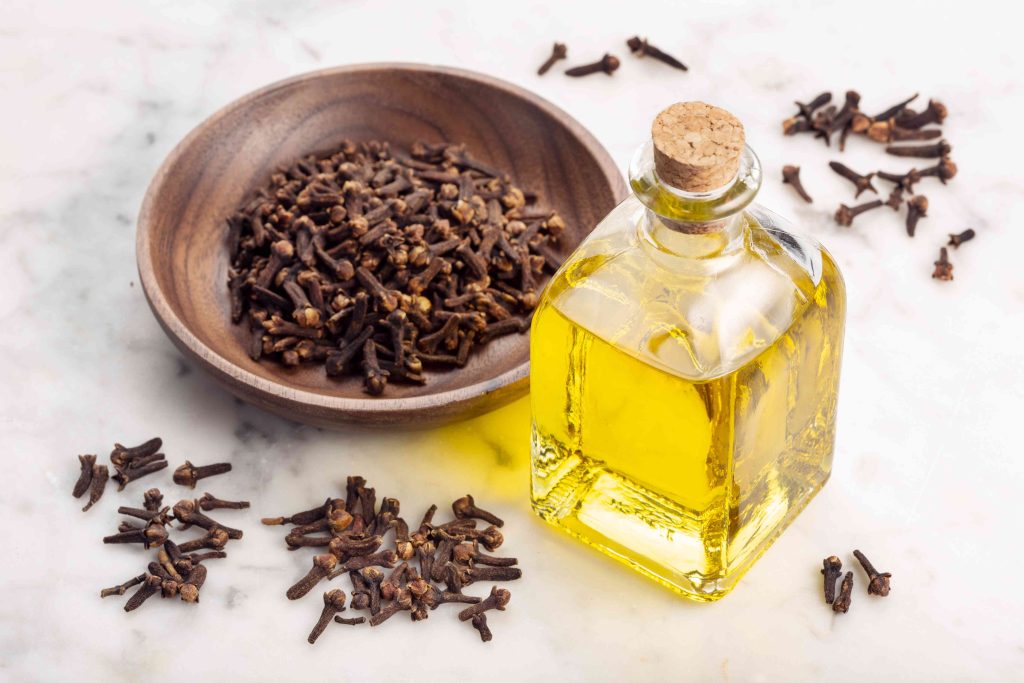
Extracted from the dried flower buds before they open. This is the most sought-after and expensive of the three. Its warm, rich aroma with a slightly sweet note makes it the preferred choice for fine fragrance, aromatherapy, and dental formulations. Eugenol content typically ranges from 75–85%.
Clove Leaf Oil
Produced from the leaves of the clove tree. Clove leaf oil has a harsher, more woody aroma compared to bud oil. Because it is significantly cheaper and still has high eugenol content (70–75%), it is widely used in soap manufacturing, personal care products, and as a raw material for eugenol isolation.
Clove Stem Oil
Distilled from dried stalks and stems. Eugenol content is often the highest of the three (80–90%), but the aroma is considered less desirable for consumer products. It is predominantly used in pharmaceutical compounding, feed supplement formulations, and industrial flavoring.
Eugenol USP (Isolated Eugenol)
This is a highly purified derivative, not a whole essential oil. Eugenol is isolated through fractional distillation of clove leaf oil, resulting in ≥95% pure eugenol. It is the active compound used in dental anesthetics, food flavoring concentrates, and pharmaceutical ingredients.
See our Eugenol USP product page for full specifications.
MOQ, Packaging & Pricing: What to Expect
Minimum Order Quantity (MOQ)
MOQ for bulk clove oil from Indonesian manufacturers is generally negotiable, but here are realistic benchmarks:
- Sample order: 50–200ml (for quality testing before bulk commitment)
- Small bulk: 25–50 kg (jerrycan, for initial trial orders)
- Standard bulk: 180 kg (one standard aluminium drum)
- Large bulk: 500 kg – 1 MT+ (multiple drums or IBC tank)
For first-time buyers, we recommend starting with a sample + one drum order to validate quality before scaling. Manufacturers who refuse small trial orders or immediately push you toward very large MOQs should be approached with caution.
Packaging Options
- Aluminium drums (180 kg): Standard for most bulk essential oil shipments. Aluminium is non-reactive with eugenol-based oils, unlike some metals that cause discolouration or contamination.
- Jerrycan (5–25 kg): Ideal for smaller bulk orders or when a buyer wants to split an order into manageable quantities.
- IBC Tank (1,000 kg): For very large volume orders, used by industrial buyers and large fragrance houses.
- Flexi Bag (in container): Used for full-container loads, most economical per-kg but requires dedicated container logistics.
Pricing Factors
Clove oil pricing fluctuates based on several variables:
- Harvest season: Clove in Indonesia is typically harvested between July–October. Prices are most stable shortly after harvest and tend to rise in off-seasons due to low raw material availability.
- Global eugenol demand: Since clove oil is the primary source of eugenol for dental and pharmaceutical use, spikes in those industries affect raw clove oil pricing.
- Order volume: Larger orders almost always receive better per-kg pricing.
- Oil type: Clove bud > clove stem > clove leaf in terms of price per kg, broadly speaking.
Tip for buyers: Always ask for a price validity period when requesting a quotation. Clove oil prices can shift significantly within weeks due to commodity market dynamics.
Documents to Request Before Placing a Bulk Order
This section is where experienced buyers separate themselves from newcomers. Requesting and verifying the right documents is your primary quality assurance mechanism when buying remotely.
Certificate of Analysis (COA)
The COA is the single most important document in any essential oil transaction. It should specify:
- Eugenol content (% by GC analysis)
- Specific gravity at 20°C
- Refractive index at 20°C
- Optical rotation
- Color description
- Batch number and production date
- Shelf life/expiry
A trustworthy supplier will issue a COA for every batch, not a generic document.
For guidance on reading COA documents, see: Understanding COA & GCMS in Essential Oil Trading.
GCMS Report (Gas Chromatography–Mass Spectrometry)
The GCMS report is a detailed chemical fingerprint of the oil. It allows you to verify that the oil you're receiving is genuine clove oil, not a synthetic blend or an adulterated product. Always request a GCMS report from the same batch as the COA. Mismatched batch numbers between COA and GCMS are a red flag.
MSDS (Material Safety Data Sheet)
The MSDS provides safety, handling, and transportation information. It is required by most freight forwarders and customs authorities for DG (Dangerous Goods) classification during shipping. Clove oil with high eugenol content is typically classified as a flammable liquid.
Halal Certification
For buyers in the Middle East, Southeast Asia, and markets with Muslim consumer bases, Halal certification is increasingly a non-negotiable. Check that the certification is issued by a recognized certifying body (MUI in Indonesia is widely accepted).
Certificate of Origin (SKA)
The Certificate of Origin confirms that the product was manufactured in Indonesia. This is required for customs clearance and may affect import duty rates under trade agreements (e.g., ASEAN-FTA).
Related Reading: Documents Required to Export Essential Oils from Indonesia
How to Verify a Bulk Clove Oil Supplier Indonesia
Indonesia's essential oil industry includes genuine manufacturers, small-scale distillers, brokers, and, unfortunately, a number of opportunistic middlemen who present themselves as manufacturers. Here's how to tell them apart.
Signs of a Legitimate Manufacturer
- Owns distillation equipment: They can share photos or videos of their facility. A manufacturer has stills, storage tanks, and quality control labs on-site.
- Consistent production capacity: They can discuss harvest volumes, production timelines, and raw material sourcing, knowledge brokers typically lack.
- Has verifiable certifications: DUNS Number (verifiable via Bisnode/D&B), Halal cert from MUI, ISO or FDA registration are hard to fake.
- Willing to do video call factory tour: Legitimate manufacturers welcome transparency. If a supplier refuses any form of facility verification, that is a major red flag.
- Active in trade exhibitions: Participation in events like Cosmoprof, In-Cosmetics, or Dewan Atsiri Indonesia (DAI) exhibitions signals a serious, established business.
- References from past buyers: A reputable supplier will be able to connect you with existing clients or point you to verifiable testimonials.
Red Flags to Watch For
- Price too far below market: Significantly undercut pricing often signals adulterated oil or a bait-and-switch tactic.
- Cannot produce batch-specific COA: Generic or undated COA documents are a serious quality control warning.
- Pressure to skip the sample stage: Any supplier who discourages sample orders is protecting something.
- Vague about origin of raw materials: Clove oil sourced from outside Indonesia is not 'Indonesian clove oil', regardless of where it's processed.
Related Reading: How to Choose a Reliable Bulk Essential Oil Supplier from Indonesia
Pre-Order Checklist for Bulk Clove Oil Buyers
Use this checklist before confirming any bulk order with an Indonesian clove oil supplier:
| Action | What to Check |
| Request COA (Certificate of Analysis) | Verify eugenol %, specific gravity, refractive index, and color |
| Request GCMS Report | Confirm the oil is not adulterated or blended with synthetic eugenol |
| Check Halal Certification | Required for buyers in Middle East, Muslim-majority markets |
| Verify Export License | Supplier must have active Indonesian export registration (NIB/SIUP) |
| Confirm MSDS | Needed for safe shipping and customs clearance globally |
| Order Sample First | Test before committing to bulk, 50–200ml sample is standard |
| Clarify MOQ & Packaging | Drum 180kg, IBC tank, or flexi bag, confirm before purchase order |
| Check DUNS / ISO / FDA | Bonus credentials that signal a professional, export-ready supplier |
Final Thoughts
Sourcing bulk clove oil from Indonesia is one of the smartest raw material decisions a fragrance, pharmaceutical, or personal care business can make, provided you work with the right partner. The key is combining due diligence on documentation with transparency in the supplier relationship.
At Global Essential Oil, we have been exporting Indonesian clove oil, bud, leaf, stem, and Eugenol USP to buyers in Europe, Asia, and the Middle East for years.
We operate multiple facilities across Indonesia, hold Halal and DUNS certifications, and provide full COA, GCMS, and MSDS documentation for every batch.
Whether you're placing your first trial order or looking to scale an existing supply chain, we invite you to reach out to our team.
Request a Free Clove Oil Sample + COA
Contact our sales team to request a sample kit (Clove Bud Oil, Clove Leaf Oil, or Eugenol USP), complete with COA and GCMS report. No minimum commitment required for samples.