
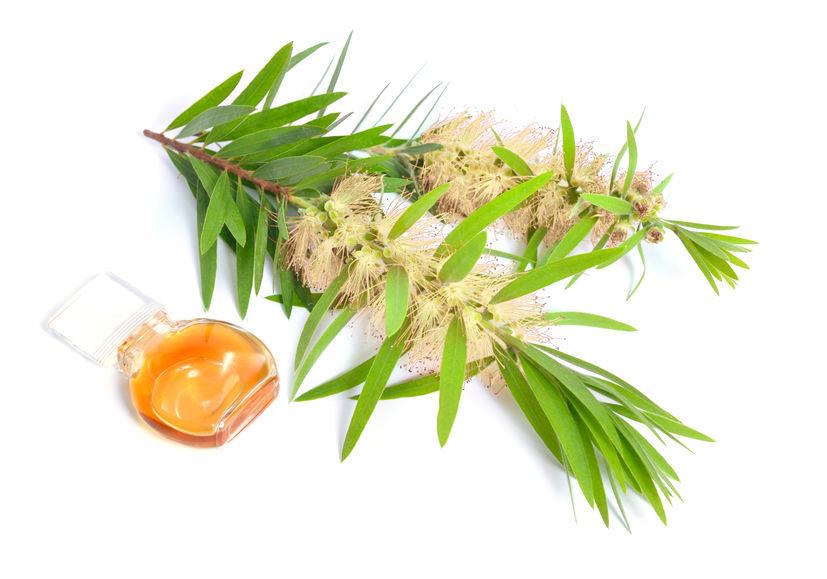
Cajuput essential oil — distilled from the leaves and twigs of Melaleuca cajuputi — is one of Southeast Asia's most historically significant medicinal plants, and one of Indonesia's most commercially important essential oil exports.
Used for centuries in traditional Malay, Javanese, and Malukan medicine for respiratory conditions, pain relief, and wound care, cajuput oil is today recognised in both traditional medicine systems and modern pharmaceutical formulations for its high 1,8-cineole content and broad-spectrum antimicrobial activity.
Indonesia — specifically the Maluku Islands (Moluccas) — is the primary global source of cajuput oil.
The country's Melaleuca cajuputi forests and cultivated plantations produce an oil with consistently high 1,8-cineole content (typically 50–65%), making Indonesian cajuput one of the most therapeutically active in the global market.
This guide serves two audiences. For consumers and wellness practitioners curious about cajuput oil's traditional and functional properties, the first sections explain its key therapeutic characteristics and safe usage.
For pharmaceutical manufacturers, wellness product formulators, and essential oil buyers, the latter sections provide technical specification, industry application data, and sourcing information for bulk Indonesian cajuput oil.
Related Reading
→ Cajuput Essential Oil — Product Specifications & Sample Request
→ How to Source Essential Oils from Indonesia — Importer's Complete Guide
What Is Cajuput Essential Oil? Botanical Profile & Origin
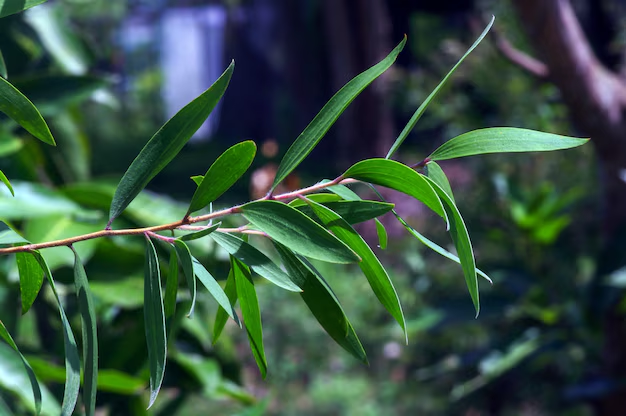
Melaleuca cajuputi Powell (syn. M. leucadendron var. cajuputi) is a medium to large tree in the Myrtaceae family — related to tea tree (M. alternifolia) and niaouli (M. quinquenervia).
Native to the coastal and lowland forests of Indonesia, Malaysia, Papua New Guinea, and northern Australia, it is known in Indonesia as "kayu putih" — literally "white wood" — referring to the characteristic white bark of the tree.
Indonesia's Maluku Islands (particularly Ambon, Buru, and Seram) are historically the heartland of cajuput production, with the oil extracted by steam distillation of fresh or wilted leaves and young twigs.
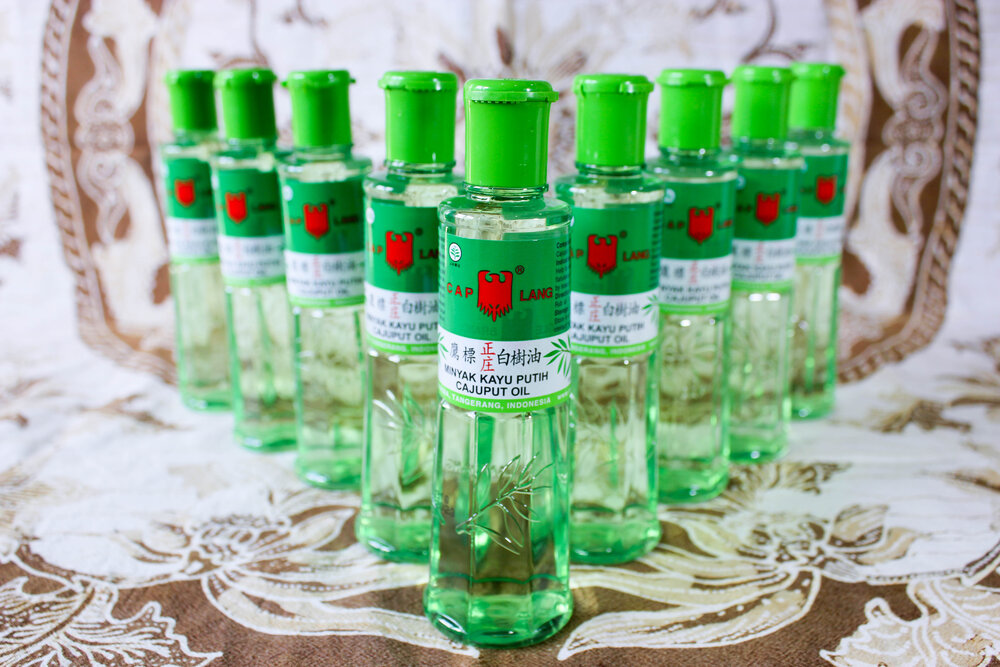
The distinctive fresh, camphoraceous, slightly fruity aroma of cajuput oil is immediately recognisable — and is the aromatic signature of Minyak Kayu Putih, Indonesia's most widely sold traditional medicinal product, consumed by millions across the archipelago for generations.
| Indonesia's Cajuput Heritage Cajuput oil has been commercially distilled in Indonesia for over 300 years — making it one of the oldest established essential oil industries in the country. The iconic Minyak Kayu Putih brand ("Kayu Putih Oil") is found in virtually every Indonesian household, used topically for everything from colds and muscle pain to insect bites. This deep domestic market has sustained a mature distillation infrastructure that now serves both Indonesian consumers and international B2B buyers. |
The Key Compound: Why 1,8-Cineole Defines Cajuput Oil Quality
The therapeutic and industrial value of cajuput oil is fundamentally determined by its 1,8-cineole content (also known as eucalyptol — CAS 470-82-6).
This oxygenated monoterpene is the primary active compound responsible for cajuput oil's antimicrobial, expectorant, analgesic, and anti-inflammatory properties, and it is the single most important specification parameter for any B2B buyer evaluating cajuput oil quality.
Key Compounds in Indonesian Cajuput Oil
| Compound | % Range (Indonesian) | Primary Activity | Significance |
| 1,8-Cineole (Eucalyptol) | 50 – 65% | Antimicrobial, expectorant, analgesic, anti-inflammatory | Primary quality indicator — higher % = more potent therapeutic action |
| α-Terpineol | 4 – 8% | Antimicrobial, antifungal | Secondary active; contributes to broad-spectrum antimicrobial profile |
| α-Pinene | 3 – 8% | Anti-inflammatory, bronchodilatory | Contributes to respiratory applications |
| Limonene | 1 – 5% | Antifungal, antioxidant | Fresh citrus character; minor active compound |
| β-Caryophyllene | 1 – 3% | Anti-inflammatory (CB2 agonist) | Contributes to anti-inflammatory activity |
| Terpinen-4-ol | 1 – 3% | Antimicrobial, immunomodulatory | Active compound shared with tea tree oil |
| 1,8-Cineole Specification — What to Request from Your Supplier For pharmaceutical and wellness applications, always specify minimum 1,8-cineole % in your purchase order. Indonesian cajuput oil typically ranges from 50–65% 1,8-cineole. For chest rub and expectorant formulations (pharma-grade application), specify minimum 55%. For personal care and cosmetic applications, minimum 50% is acceptable. Always verify via batch-specific COA and GCMS report. See: Understanding COA & GCMS Reports. |
Traditional Uses and Wellness Properties of Cajuput Oil
Cajuput oil's traditional uses across Southeast Asia represent centuries of empirical evidence for its functional properties.
While these do not constitute medical claims, they reflect the accumulated knowledge of communities that have used this oil extensively — and many are supported by modern phytochemical research on its constituent compounds.
Respiratory Support
The most widely documented traditional use of cajuput oil is as a respiratory aid — specifically for colds, coughs, congestion, and bronchitis.
This application is directly supported by the pharmacology of 1,8-cineole, which has well-documented mucolytic (mucus-thinning), expectorant, and bronchodilatory properties.
Inhalation of 1,8-cineole has been shown in clinical research to reduce mucus viscosity and support airway clearance — the mechanism behind cajuput oil's traditional use in steam inhalation for respiratory congestion.
Analgesic and Anti-inflammatory Properties
Topical application of cajuput oil is traditionally used for muscle pain, joint discomfort, and headache.
The mechanism involves the combined action of 1,8-cineole (which inhibits inflammatory mediators) and α-pinene (with documented anti-inflammatory activity).
The characteristic cooling-then-warming sensation of cajuput oil on skin — the result of cineole's interaction with thermoreceptors — is part of the perceived analgesic effect in traditional topical preparations.
Antimicrobial Properties
Laboratory studies confirm that cajuput oil demonstrates inhibitory activity against a range of bacteria and fungi — including S. aureus, E. coli, and Candida species.
This antimicrobial activity (primarily driven by 1,8-cineole and α-terpineol) supports its traditional use for skin infections, insect bites, and minor wound care.
Insect Repellent
Cajuput oil is a component in some natural insect repellent formulations, where its 1,8-cineole content contributes to repellent efficacy.
It is often combined with citronella oil (for citronellal content) and lemongrass oil (for citral content) in natural DEET-free repellent formulations.
| ⚠️ Important: These are not medical claims The properties described above reflect the pharmacological activity of cajuput oil's constituent compounds, supported by laboratory and phytochemical research. Cajuput essential oil is not a medicine and cannot be promoted as treating, curing, or preventing any disease in consumer products in the EU, US, UK, or Australia without regulatory approval. For pharmaceutical use, products must comply with relevant pharmacopoeia standards and regulatory requirements in the target market. Always consult regulatory specialists for claim compliance. |
Industrial Applications: Where Cajuput Oil Is Used in B2B Markets
Cajuput oil's high 1,8-cineole content positions it as a versatile industrial ingredient across multiple sectors. Here is the breakdown of its primary commercial applications:
| Industry | Application | Key Active | Recommended Spec |
| Pharmaceutical — OTC | Chest rubs (e.g., Vicks-type), expectorant syrups, nasal decongestant | 1,8-Cineole | Min 55% cineole; BP/USP-compliant where required |
| Pharmaceutical — Topical | Analgesic liniments, muscle pain rubs, joint pain preparations | 1,8-Cineole + α-Pinene | Min 50% cineole; MSDS + COA batch-specific |
| Traditional Medicine | Jamu (Indonesian herbal) formulations, Ayurvedic preparations | Full oil profile | Halal certified; COA + GCMS required |
| Personal Care — Spa/Wellness | Massage oil, aromatherapy blend, wellness diffuser product | 1,8-Cineole | Min 50% cineole; Halal if Middle East market |
| Natural Repellent Products | Insect repellent spray, body lotion, outdoor personal care | 1,8-Cineole | Blend with citronella; IFRA compliance required |
| Oral Care | Mouthwash, toothpaste (cineole as antimicrobial agent) | 1,8-Cineole | Food-grade quality documentation; BP standard |
| Household Cleaning | Disinfectant spray, surface cleaner, floor wash | 1,8-Cineole | Industrial grade; MSDS required |
| Fragrance / Aroma Chemical | Camphoraceous note in fragrance compounds; feedstock for cineole isolation | 1,8-Cineole | GCMS-verified; standard commercial grade |
Related Reading
→ Clove Oil Safety & IFRA Compliance Guide — Companion Pharma Article
→ Bulk Clove Oil Supplier Indonesia — Another Indonesian Pharma-Grade Oil
Technical Specifications for Indonesian Cajuput Oil

Every bulk order of cajuput oil should be accompanied by a batch-specific COA confirming the following parameters.
Indonesian cajuput oil aligns with the general monograph for cajuput oil in the European Pharmacopoeia (Ph. Eur.) where applicable:
| Parameter | Indonesian Cajuput Specification | Notes |
| Botanical Name | Melaleuca cajuputi Powell | Confirms species — distinguish from M. leucadendron and M. quinquenervia |
| CAS Number | 8008-98-8 | Standard regulatory identifier |
| Plant Part | Fresh or wilted leaves and young twigs | Steam distillation of leaf material |
| 1,8-Cineole Content | 50 – 65% (commercial grade) | Primary quality parameter — specify minimum on PO |
| Colour | Colourless to pale yellow | Clear, mobile liquid |
| Specific Gravity (20°C) | 0.900 – 0.930 | Purity and authenticity check |
| Refractive Index (20°C) | 1.460 – 1.475 | Optical confirmation of genuine cajuput profile |
| Optical Rotation | (+) 0° to (+) 10° | Distinguishes from adulterated or synthetic cineole blends |
| Flash Point | Approx. 45–55°C | DG Class 3 Flammable Liquid — sea freight required for bulk |
| Shelf Life | 24 months (sealed, cool, dark) | Cineole is relatively stable; store away from heat and UV |
| Origin | Maluku Islands, Indonesia | Primary producing region — Ambon, Buru, Seram |
Safe Usage Guide for Cajuput Oil
Aromatherapy / Inhalation
Add 3–5 drops to a diffuser or steam inhalation bowl. The 1,8-cineole vapour supports respiratory comfort during diffusion. Duration: 15–30 minutes. Not recommended for prolonged exposure or for infants and young children in the same room.
Topical Application (Diluted)
Blend 1–3% cajuput oil in a carrier oil (Virgin Coconut Oil or jojoba) for topical massage application. Apply to affected area — chest for respiratory use, muscles/joints for analgesic use. Avoid broken skin, eyes, and mucous membranes. Perform patch test before first use.
Bath Use
Add 5–8 drops to 1 tablespoon of bath dispersant before adding to warm bath. Cajuput oil does not mix directly with water — always pre-dilute. The steam inhalation during bathing amplifies the respiratory benefits.
| Safety Notes Do not apply undiluted to skin. Always dilute to maximum 3% for leave-on skin applications. Do not ingest without guidance from a qualified medical practitioner. Keep away from children under 2 years — high 1,8-cineole concentration can cause respiratory distress in infants. Not for use during pregnancy without medical guidance. If you are formulating pharmaceutical products with cajuput oil, consult current pharmacopoeia monographs and applicable regulations for your target market. |
Sourcing Indonesian Cajuput Oil in Bulk
For pharmaceutical manufacturers, wellness product formulators, and personal care brands sourcing cajuput oil in bulk from Indonesia, here is what to specify in your purchase order:
- Minimum 1,8-cineole %: State explicitly — 'min 55% 1,8-cineole' for pharmaceutical/OTC; 'min 50%' for personal care/wellness
- Botanical species: Melaleuca cajuputi — specify on PO to distinguish from other Melaleuca species
- Batch-specific COA: 1,8-cineole %, specific gravity, refractive index, optical rotation, colour
- GCMS report: Full compound profile — verify cineole content and detect adulteration with synthetic cineole
- MSDS: Required for DG Class 3 shipping compliance
- Halal certificate (MUI): Required for Middle East, South Asian, and Muslim-market products
- Certificate of Origin: Confirms Indonesian (Maluku) origin — relevant for import duty and provenance documentation
For the complete supplier verification and bulk sourcing guide, see: How to Source Essential Oils from Indonesia.
Indonesian Cajuput Oil from Global Essential Oil

As one of Indonesia's leading essential oil manufacturers, Global Essential Oil produces cajuput oil from our distillation networks across the Maluku Islands — the heartland of Indonesian cajuput production.
Our cajuput oil is available for bulk pharmaceutical and industrial applications with complete compliance documentation.
- Origin: Maluku Islands, Indonesia — historically the global benchmark for cajuput quality
- 1,8-Cineole content verified: Batch-specific COA confirms cineole % — not a generic document
- GCMS report: Full compound fingerprint for adulteration-free verification
- MSDS: Current safety data for shipping and handling compliance
- Halal certified (MUI): Verifiable at halalmui.org
- DUNS registered: Verified manufacturer credentials — not a broker
- Companion pharma products: Clove oil and Eugenol USP also available — single supplier for multiple pharmaceutical-grade Indonesian oils
| Private Label Wellness Products with Cajuput Oil Looking to launch a Minyak Kayu Putih-style traditional wellness product, a natural chest rub, or an aromatherapy blend under your own brand? Global Essential Oil's private label service can formulate and package cajuput-based products — body oils, balms, massage preparations — with your brand name and specifications. Contact our team to discuss your product concept. |
| Request a Cajuput Oil Sample with COA & 1,8-Cineole Specification Contact our team to request a Melaleuca cajuputi oil sample from our current Maluku stock, with batch-specific COA (1,8-cineole %), GCMS compound profile, MSDS, and Halal certificate. Ready to discuss bulk pricing or pharma-grade supply? We respond within 1 business day. → Contact Global Essential Oil — Request Cajuput Oil Sample & Bulk Quote |
Or visit our Cajuput Essential Oil product page for full specifications, or explore our complete range of Indonesian essential oils.