
Selecting essential oils for perfumery is more than choosing an attractive scent.
For fragrance manufacturers, each natural ingredient must fit an olfactory brief, perform in a finished formula, and meet quality and documentation requirements.
Indonesian essential oils provide a varied palette, from the earthy depth of patchouli to the warm spice of nutmeg and the green brightness of citronella.
This guide focuses on how professional buyers and formulators can evaluate those materials before development or bulk purchasing.
It is a selection framework rather than a general list of Indonesian oils or a step-by-step supplier directory.
Why Indonesian Essential Oils Matter in Perfumery

Indonesia is an important origin for several natural aromatic ingredients used in fragrance and personal care products. Oils from different botanicals bring distinctive odor profiles and may support different parts of a fragrance composition.
However, origin alone does not establish fitness for a particular formulation: botanical identity, processing, sensory quality, and batch-to-batch consistency all matter.
For a wider overview of the country's botanicals and industry applications, see our list of essential oils from Indonesia. Here, the emphasis is narrower: matching specific materials to the requirements of a fragrance brief.
Indonesian Essential Oils for Different Fragrance Profiles
The following comparison is a starting point for sample selection, not a universal ranking.
Fragrance-note classifications describe common sensory roles; actual performance changes with concentration, ingredient quality, and the surrounding formula.
| Oil | Typical character | Possible role | Selection check |
| Patchouli | Earthy, woody, sometimes sweet or camphoraceous | Base / depth; long-lasting character | Compare odor profile and grade |
| Nutmeg | Warm, dry, spicy, mildly woody | Spicy accent or heart-to-base transition | Check sharpness and batch profile |
| Citronella | Fresh, citrus-like, green, rosy nuances | Bright functional-fragrance accent | Avoid overwhelming the accord |
| Vetiver | Earthy, woody, root-like, sometimes smoky | Base / dry woody structure | Assess strength and color |
| Clove | Warm, intense, sweet-spicy | Small spicy accent | Review eugenol-related limitations |
Patchouli Oil: Building an Earthy, Woody Base
Patchouli oil is a familiar material in woody, amber, chypre, and other fragrance styles that benefit from an earthy, persistent foundation. Its character can range from dark and rustic to cleaner and more refined depending on the material and processing.
A buyer should not assume that two patchouli samples with similar specification headlines will smell identical in the concentrate.
When evaluating Indonesian patchouli oil for bulk supply, compare the odor on blotter and in the intended base, not only a single marker such as patchouli alcohol.
Our separate patchouli oil grades guide explains grade-level choices in more detail; the central question here is whether a specific sample serves the fragrance brief.
Nutmeg Oil: A Warm, Spicy Accent
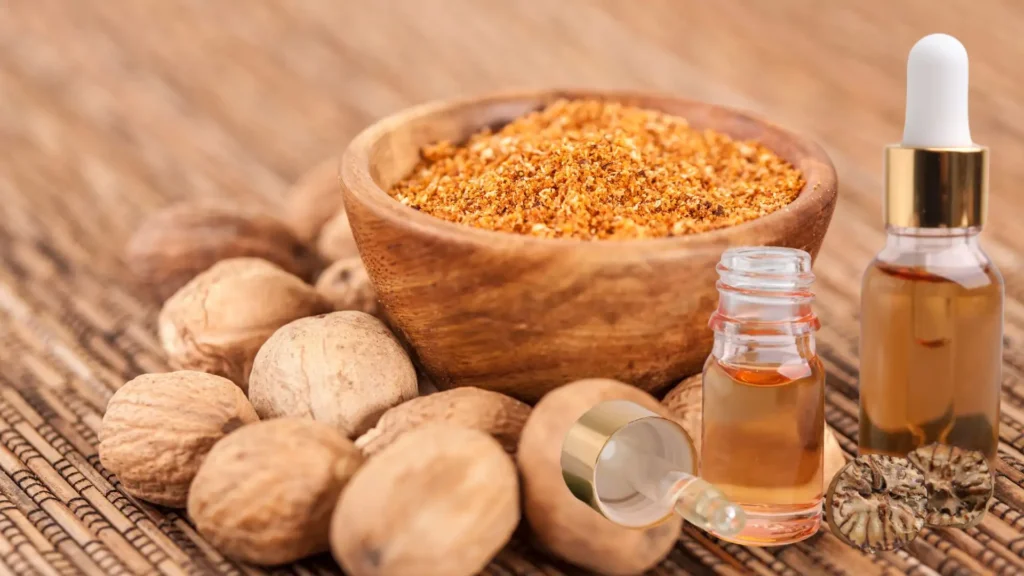
Nutmeg essential oil can contribute warmth, spice, and a dry woody nuance to fragrances.
It can be useful where a composition needs a subtle aromatic lift or a bridge between fresher notes and deeper accords.
Yet its strength and complexity mean that a pleasant standalone aroma does not guarantee a balanced result in a finished blend.
Ask for the botanical identity, current batch data, and a representative sample of nutmeg essential oil.
Evaluate how its spicy facets change at different trial levels and after aging within the fragrance matrix.
Any use level should be determined through formulation testing and applicable safety requirements, not a generic recipe.
Citronella Oil: Fresh, Green, and Citrus-Like

Citronella oil is generally associated with an energetic lemony-green scent, sometimes with rosy nuances.
Its character is especially recognizable in home-care and functional-fragrance contexts, although formulators may also study it as a fresh accent in other products.
It is not a direct substitute for fine-fragrance citrus oils: its green and citronellal-rich character can quickly dominate an accord.
For fragrance development, citronella essential oil should be evaluated by odor character, botanical source, analytical profile, and behavior in the finished product.
Where a formula is aimed at the EU market, relevant fragrance allergens and constituent restrictions also need review.
Vetiver Oil: Dry Woody Structure and Depth

Vetiver can add dry, earthy, smoky, or root-like depth. As with patchouli, its lasting character may support the lower portion of a fragrance composition, but its odor is distinct.
Origin, distillation conditions, and batch variations can influence the balance of woody and smoky facets.
When testing Indonesian vetiver oil, pay attention to the intensity of the base note in context.
A sample that works in a bold woody concentrate may be too dominant for a delicate personal-care fragrance.
Compare the same material in at least two realistic application bases if the project involves multiple products.
Clove Oil: Powerful Spicy Character
Clove oil offers a strong, warm, spicy character and can contribute recognizable accents at carefully evaluated levels.
The oil and its constituent profile require particular attention: eugenol is a relevant fragrance ingredient with use considerations that depend on the application and governing standards.
Before considering clove essential oil for a new fragrance, review the batch composition and formulation limits rather than relying on its familiar scent.
Keep this ingredient in the comparison as an option to test, not a recommendation that it fits every fragrance category.
How to Choose Essential Oils Based on a Fragrance Brief
A fragrance brief is the best starting point for narrowing the list of possible raw materials.
Instead of asking which Indonesian essential oil is 'best,' fragrance teams can make a more useful selection through four decisions.
1. Define the scent direction and target product
Specify the fragrance family, desired emotional or sensory character, and finished application.
A dry-woody fine fragrance, a fresh shower gel, and a scented home-care product may need very different balances of essential oils.
Note any restrictions on color, stability, appearance, or scent intensity.
2. Identify the role of each material
Classify candidates by the role they may play within the formula: freshness, aromatic lift, spicy character, structural depth, or lasting base notes.
This is more useful than selecting oils solely because they come from the same country.
For example, patchouli and vetiver might both offer depth while delivering different sensory results; nutmeg might add contrast rather than structure.
3. Screen technical and commercial requirements
Before ordering large quantities, define expected botanical names, origin, acceptable batch variability, packaging needs, and procurement quantities.
If two oils are interchangeable only in theory, ask for samples and specifications rather than assuming identical performance.
Cost-in-use matters, but reformulation risk and consistency can be equally important for manufacturing.
4. Test performance in the real formula
Evaluate blotter aroma, then test the candidate in the actual concentrate and finished product.
Compare initial impression, dry-down, storage behavior, and interactions with other ingredients. Where relevant, repeat the test on more than one batch.
The final choice should come from a documented trial rather than aroma descriptions alone.
Evaluating Essential Oil Samples Before Manufacturing
Supplier screening becomes more meaningful when the formulator and purchasing team use the same evaluation checklist.
For each candidate oil, consider the following before approval for repeat production:
- Botanical identity and origin: confirm the species, plant part, extraction method, and traceable batch information.
- Organoleptic assessment: examine appearance and odor, including the opening, middle development, and dry-down on a standardized basis.
- Analytical information: review the Certificate of Analysis (COA), specifications, and GC-MS information where applicable and available; use them alongside sensory evaluation, not as a substitute for it.
- Practical compatibility: test stability, coloration, clarity, and fragrance performance in the intended application at compliant use levels.
- Repeatability: agree on what batch variability is acceptable and how future shipments will be checked against the approved reference sample.
A well-organized sampling process also helps prevent sourcing decisions from being driven by price alone.
If the buyer needs a broader supplier-verification checklist, our existing guide to sourcing essential oils from Indonesia covers the procurement process without duplicating it here.
What European Fragrance Manufacturers Should Consider
For buyers in France, Spain, and other European markets, the selection process should include documentation and compliance review alongside scent quality.
The exact requirements depend on the material, volume, intended use, role of the parties, and final product category.
European buyers commonly request technical documentation such as a Technical Data Sheet (TDS), Safety Data Sheet (SDS), COA, allergen information, and traceability records.
The CBI guide to entering the European essential oil market discusses these buyer expectations as well as REACH, CLP, and cosmetic-sector considerations. A buyer should confirm which obligations apply with its regulatory team before placing an order.
For fragrance applications, constituent-level restrictions can matter even when an oil is a natural ingredient.
The International Fragrance Association's guidance on its standards explains that IFRA certificates of conformity generally apply to fragrance mixtures rather than individual raw materials.
Buyers should therefore avoid treating an 'IFRA certificate for every essential oil' as a universal supplier requirement.
Instead, request the information needed for a qualified fragrance safety assessment and the relevant product-category review.
Documentation should support—not replace—physical testing. For example, two acceptable batches on paper may still produce slightly different fragrance impressions.
Clear communication about approved samples, future batch checks, and shipment expectations is especially useful for cross-border supply chains.
Sourcing Indonesian Essential Oils for Fragrance Production

At Global Essential Oil, we work with international business customers exploring Indonesian aromatic raw materials for fragrance and related applications.
Our team welcomes discussions about the oil being evaluated, desired odor profile, target quantity, packaging preference, and the specifications or documents needed for an initial assessment.
Product and documentation availability should be confirmed for each request.
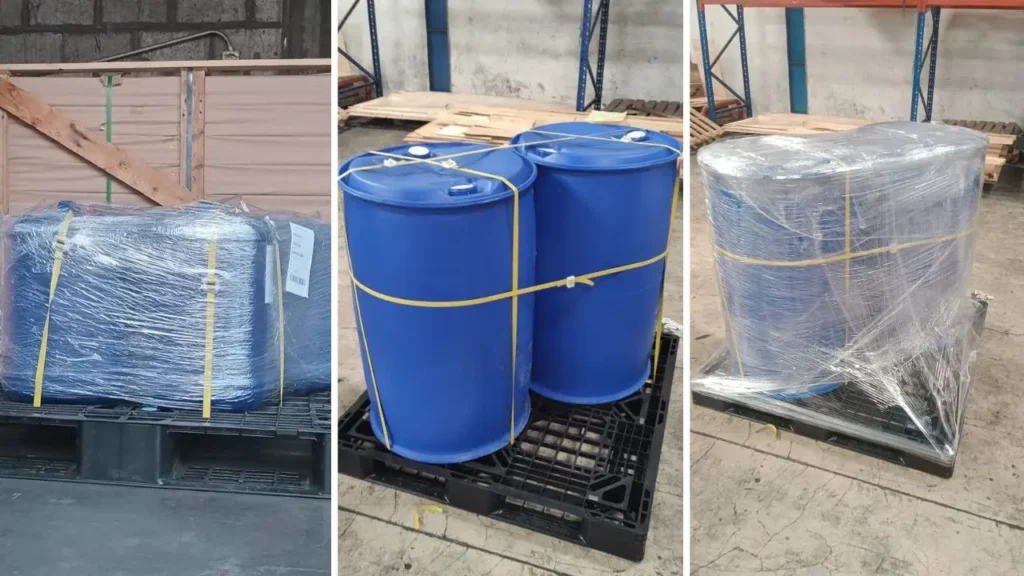
For a practical next step, identify two or three candidate oils, define the fragrance brief, and arrange sample or specification review before scaling up.
Buyers considering bulk patchouli oil, nutmeg oil, or citronella oil can review the relevant product information, then contact our team to discuss sourcing requirements, documentation, and quotation options.
Final Thoughts
The most useful way to select Indonesian essential oils for perfumery is to start with the fragrance brief, compare the actual scent profiles, and verify that each material can perform consistently in production.
This approach helps fragrance manufacturers make confident ingredient decisions while giving suppliers clear information about what the formulation needs.
Frequently Asked Questions
Which Indonesian essential oils are commonly considered in perfumery?
Patchouli and vetiver are often evaluated for woody or earthy depth, while nutmeg and clove may contribute spicy accents. Citronella offers a fresher, greener character. The right choice depends on the fragrance brief and testing results rather than a fixed list of preferred oils.
What should a fragrance manufacturer request before buying in bulk?
Start with botanical identity, representative samples, product specification, batch-related analytical information where available, SDS, and details on packaging and traceability. For European markets, check applicable regulatory and allergen requirements with the buyer's compliance team before commercial approval.