The citronella oil market is shaped by a combination of industrial demand, agricultural supply, distillation capacity, quality requirements, and international logistics.
For B2B buyers, the most useful question is not simply whether the market is growing, but what current market conditions mean for availability, specification consistency, purchasing timing, and supplier discussions.
Citronella is used across insect-repellent products, fragrance, personal care, home care, and other formulations, while supply still depends on cultivated Cymbopogon grass and distillation at origin.
That makes the market sensitive to crop conditions, labour, processing costs, inventories, freight, and changes in downstream demand.
Published market-size estimates vary significantly between research providers because their definitions, application categories, geographic coverage, and methodologies are not identical.
For procurement teams, those headline figures are best treated as directional context rather than a single universal benchmark.
This guide therefore focuses on the market factors that can actually affect sourcing decisions.
Citronella Oil Market at a Glance
| Market Factor | What B2B Buyers Should Know |
| Demand | Diversified across insect repellents, fragrance, personal care, home care, aromatherapy, and other industrial applications. |
| Supply | Dependent on agricultural production, harvest conditions, raw-material availability, and distillation capacity. |
| Main commercial types | Java type and Ceylon type, which differ in botanical identity, chemical profile, and commercial positioning. |
| Key producing region | Asia-Pacific is central to citronella cultivation and processing, with Indonesia an important origin for Java-type material. |
| Price sensitivity | Affected by crop availability, labour, distillation costs, required specification, downstream demand, freight, and commercial terms. |
| Buyer risk | Availability gaps, batch variation, specification mismatch, logistics disruption, and sudden changes in purchasing conditions. |
How Large Is the Global Citronella Oil Market?

There is no single market-size figure that every research provider reports in the same way.
Published reports can differ materially because one study may define the market by natural essential oil, another may include broader product categories, and another may use different applications, channels, or geographic assumptions.
As a result, figures from separate reports should not be compared as if they were measuring exactly the same market.
For a B2B buyer, the more useful signal is that multiple market-research providers continue to track citronella as a commercially relevant essential-oil category across personal care, household products, aromatherapy, fragrance, and related applications.
Coherent Market Insights and MarketsandMarkets both segment the market by end-use and geography, although their reported market values and forecast assumptions differ.
| Buyer takeaway Use market-size reports to understand direction, end-use demand, and regional structure. For actual sourcing, focus more heavily on available supply, required specification, lead time, quality documentation, and current commercial terms. |
What Is Driving Demand for Citronella Oil?
Citronella demand is not tied to a single industry.
That diversification matters because weakness in one end-use segment can be partly offset by purchasing activity in another.
The exact demand mix also varies by region and season.
Insect-Repellent Products
Citronella remains closely associated with insect-repellent applications, including sprays, outdoor products, candles, and related formulations.
Demand from this segment can become more active during warmer or mosquito-heavy periods in certain markets, although purchasing cycles differ by geography and product category.
Fragrance and Perfumery
Citronella also functions as an aromatic raw material with a fresh citrus-green profile.
Fragrance buyers may use it directly in suitable compositions or as a source material within broader fragrance and derivative manufacturing.
Requirements in this segment can be sensitive to aroma profile, batch consistency, and chemical composition.
Personal Care and Cosmetics
Personal-care and cosmetic manufacturers may use citronella in fragrance systems and selected formulations where the material fits the product brief and applicable safety or regulatory requirements.
For these buyers, documentation and consistency can matter as much as availability.
Household and Home-Care Products
Citronella is also used in soaps, cleaning-related products, candles, home fragrance, and other household formulations.
This creates a demand base that extends beyond seasonal repellent products and can support year-round industrial purchasing.
Aromatherapy and Other Applications
Aromatherapy and specialty-product markets add further demand, but B2B buyers should avoid assuming that demand patterns are identical across consumer wellness, industrial fragrance, household, and repellent categories.
Each segment has different purchasing volumes, documentation expectations, and formulation requirements.
Is Citronella Oil Demand Seasonal?
Part of citronella demand can be seasonal, especially where insect-repellent products are strongly linked to warmer weather or mosquito activity.
However, the overall market is more diversified than a single seasonal-use case.
Fragrance, personal care, household products, and industrial formulations can create purchasing demand outside peak repellent periods.
For procurement teams, this means that “seasonality” should be evaluated by destination market and application rather than treated as one global calendar.
Buyers with predictable annual consumption can reduce uncertainty by discussing demand forecasts and expected purchase windows with suppliers before the highest-demand periods.
Where Does Global Citronella Oil Supply Come From?
Commercial citronella supply is concentrated in tropical growing regions where Cymbopogon grasses can be cultivated and processed through distillation.
Asia-Pacific plays a central role in both production and downstream trade, with Indonesia, India, Sri Lanka, China, and other origins participating in different parts of the market.
Indonesia and Java-Type Citronella
Indonesia is an important commercial origin for Java-type citronella. Production depends on cultivation, harvest, and a network of farmers, distillers, processors, and downstream trading or export businesses.
A 2024 study of Indonesia’s upstream citronella supply chain notes that distillation is commonly carried out by small- to medium-sized enterprises and that supply-chain reliability and fluctuating commercial conditions affect farmers and distillers.
Other Producing Origins
India, Sri Lanka, China, and other tropical producing regions also contribute to global citronella supply.
Their market roles can differ by botanical type, production scale, domestic demand, quality profile, and export structure.
Buyers should therefore compare origin together with botanical identity and specification rather than treating all citronella oil as interchangeable.
Java Type vs Ceylon Type in the Citronella Market
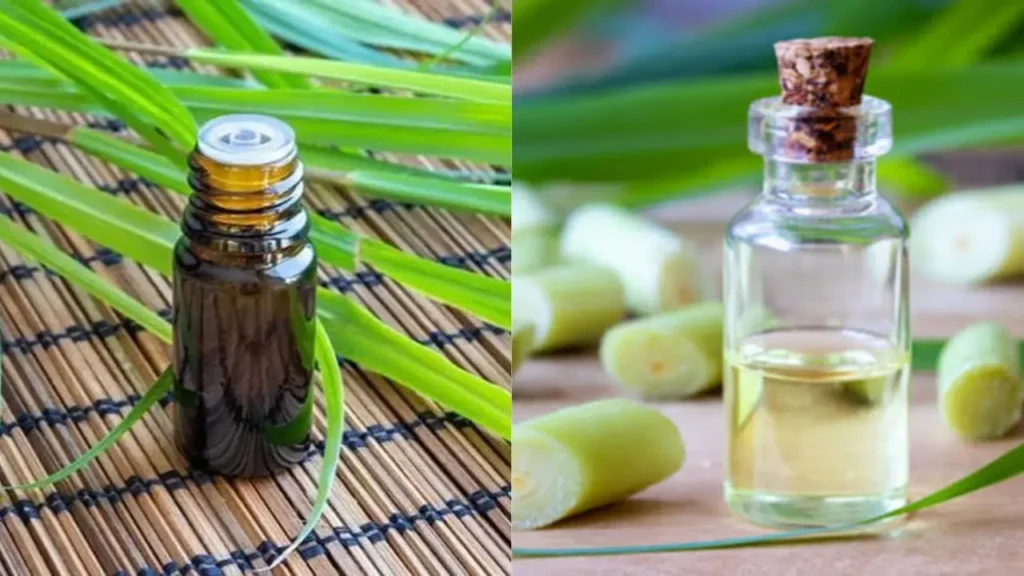
Java-type and Ceylon-type citronella are not simply two trade names for identical oil.
They come from different botanical species and have different chemical profiles, which can affect aroma, formulation suitability, quality specifications, and commercial positioning.
Buyers should make the required type explicit before requesting samples or quotations.
For a technical side-by-side comparison, see our Java Type vs Ceylon Type Citronella buyer guide.
Why Citronella Oil Supply Can Be Volatile
Citronella is an agricultural raw material before it becomes an essential oil.
That creates supply risks that do not exist in the same way for fully synthetic fragrance ingredients.
Buyers should understand the upstream variables that can tighten or loosen availability.
Agricultural Raw-Material Availability
The amount of grass available for distillation depends on cultivated area, farmer participation, crop productivity, and competition with alternative crops.
If fresh biomass becomes less available, distillers have less raw material to process even when downstream demand remains stable.
Weather and Harvest Conditions
Rainfall distribution, humidity, temperature, field conditions, and harvest timing can influence biomass availability, oil yield, and sometimes composition.
Recent research in Indonesia’s Gayo Highlands also shows that cultivation conditions and distillation methods can affect productivity and quality, reinforcing the link between agriculture and marketable supply.
Labour Availability
Harvesting and distillation both require labour. Delays at farm or processing level can slow the movement of fresh material into distilled oil, particularly when production is fragmented across smaller suppliers and distillation units.
Distillation Capacity and Operating Costs
A larger crop does not automatically translate into immediately available export oil.
Distillation capacity, fuel or energy use, equipment condition, throughput, and processing efficiency can all limit how quickly harvested material becomes finished oil.
Inventory Across the Supply Chain
Distillers, processors, traders, and exporters may hold different inventory levels.
When old stocks are drawn down faster than fresh production replenishes them, buyers can experience tighter availability even before any formal shortage appears in market reports.
Quality and Specification Requirements
Total market availability is not the same as availability that meets a specific buyer specification.
A manufacturer that needs a defined botanical type, chemical profile, documentation set, or narrow acceptance range may face tighter practical supply than the headline market suggests.
What Drives Citronella Oil Prices?
Citronella oil does not have one universal market price. Bulk quotations can move for reasons that have little to do with a supplier simply being “cheap” or “expensive.”
The most important drivers are usually connected to supply, specification, logistics, and commercial terms.
| Price Driver | Why It Matters |
| 1. Grass and crude-oil availability | Tighter raw-material supply or reduced distillation output can change purchasing conditions at origin. |
| 2. Weather and harvest conditions | Poor field conditions, delayed harvests, or lower yields can reduce fresh supply. |
| 3. Labour and distillation costs | Harvest labour, processing throughput, fuel, and energy influence the cost of producing marketable oil. |
| 4. Botanical type and required specification | Java and Ceylon types are not identical, and tighter analytical or quality requirements can narrow the available supply pool. |
| 5. Downstream industrial demand | Repellent, fragrance, personal-care, and home-care purchasing can affect how quickly available inventory is absorbed. |
| 6. Freight and international logistics | Container availability, route conditions, fuel, and freight costs affect the landed cost for importers. |
| 7. Order structure and commercial terms | Volume, packaging, destination, Incoterm, payment terms, and documentation requirements can change the final quotation. |
Recent procurement-market commentary also highlights cultivation, harvest timing, labour, distillation costs, freight, and downstream demand as recurring influences on citronella purchasing conditions.
See the Citronella Oil Price Trend analysis from Procurement Resource. This article intentionally does not reproduce market price figures; buyers should request current quotations based on their own specification and commercial requirements.
Why Citronella Oil Price per Kg Is Not a Reliable Market Benchmark by Itself
Two quotations expressed as a price per kilogram may still represent very different commercial offers.
A buyer comparing only the headline number can overlook important differences in what is actually being supplied.
- Botanical type and origin
- Required chemical or physical specification
- Batch quality and documentation
- Order volume and packaging format
- Freight, insurance, and destination costs
- Incoterm and payment terms
- Lead time and stock availability
- Any destination-specific documentation or handling requirements
For a purchasing-focused discussion of MOQ, packaging, sample evaluation, and quotation preparation, use our Bulk Citronella Oil Wholesale buyer guide rather than treating a market article as a live price list.
Indonesia’s Role in the Citronella Oil Supply Chain
Indonesia’s role in citronella is not limited to growing grass.
The supply chain connects farms, harvest labour, distillation units, processors, collectors or traders in some regions, quality-control activities, and exporters serving international buyers.
This structure can create both resilience and complexity.
Research on Indonesia’s upstream citronella sector identifies farmers and distillers as key participants and notes that supply-chain conditions can influence profitability and continuity of production.
Global Essential Oil also has a dedicated article on citronella oil production economics for readers who want a deeper look at the production-side factors behind commercial supply.
For international buyers, the practical implication is that origin relationships matter.
A stable sourcing program depends not only on finding a seller with stock today, but also on understanding how the supplier accesses raw material, manages distillation or processing relationships, verifies quality, and communicates changes in availability.
Key Market Risks for Citronella Oil Buyers
| Risk | Buyer Implication |
| Supply availability | Raw-material or production constraints can reduce available volume or extend lead times. |
| Price volatility | Agriculture, processing, logistics, and demand can change commercial conditions between buying cycles. |
| Batch variation | Natural materials can vary; buyers should define acceptance criteria instead of relying only on a product name. |
| Specification mismatch | An available batch may not match the botanical type, chemical profile, or application requirement needed by the buyer. |
| Logistics disruption | Freight routes, port congestion, carrier rules, and documentation issues can affect delivery planning. |
| Supplier concentration | Depending on a single supply route or origin without contingency planning can increase procurement risk. |
What Should B2B Buyers Monitor Before Contracting Citronella Supply?
Market intelligence becomes useful when it changes procurement decisions.
Before confirming a larger supply commitment, buyers should review the following points with their internal team and supplier:
- Required citronella type and botanical identity
- Current availability and expected replenishment timing
- Target product specification and application requirements
- Whether the available batch documentation matches the buyer’s approval process
- Sample or trial evaluation requirements
- Quotation validity period and lead time
- Packaging and destination requirements
- Freight or shipping assumptions included in the commercial offer
- Expected purchasing schedule and whether repeat supply is important
For a structured sample-to-purchase-order workflow, see our Essential Oil Sample Evaluation Before Bulk Orders guide.
For analytical documentation, our Essential Oil COA and GC-MS guide explains what buyers should review before approving a batch.
Citronella Oil Market Outlook: What Buyers Should Watch
Published market reports generally point to continued commercial demand for citronella across multiple end-use sectors, but exact growth forecasts vary by provider.
For buyers, the more actionable outlook is to monitor the variables that can change purchasing conditions from one quarter or buying cycle to the next.
- Demand from insect-repellent and outdoor-product manufacturers
- Growth or contraction in personal-care, fragrance, and home-care purchasing
- Weather and crop conditions in major producing regions
- Changes in planted area and farmer participation
- Distillation capacity and operating costs
- Inventory levels and availability of specification-compliant material
- Freight conditions and international logistics
- Regulatory or formulation changes that affect downstream use
- Substitution between natural materials and alternative fragrance or functional ingredients
A buyer who follows these signals is better positioned to decide when to request samples, when to secure a supply window, and when to build additional lead time into procurement planning.
Sourcing Citronella Oil from Indonesia
Market analysis is only the first step.
Once a buyer understands the demand and supply environment, the next step is to define the exact material required: botanical type, intended application, target specification, quantity, documentation needs, packaging, and destination.
Global Essential Oil works with B2B buyers sourcing Indonesian citronella essential oil and can discuss current product availability, sample requirements, specifications, documentation availability, and quotations based on the buyer’s needs.
If you are still comparing Java and Ceylon material, review our Java Type vs Ceylon Type Citronella guide.
If quality verification is the next step, see our Citronella Oil Quality guide.
Buyers ready to discuss a specific product can also review our Citronella Essential Oil product page or contact our team with their sourcing requirements.
Frequently Asked Questions
Is the citronella oil market growing?
Multiple market-research providers continue to forecast commercial demand for citronella oil across several end-use sectors. However, reported market sizes and growth rates differ by methodology, so buyers should focus on demand direction and sourcing conditions rather than relying on one forecast number.
What industries drive demand for citronella oil?
Major demand comes from insect-repellent products, fragrance and perfumery, personal care, household and home-care products, aromatherapy, and selected specialty applications. The importance of each segment differs by market and season.
Which countries produce citronella oil?
Citronella is produced across several tropical origins, particularly in Asia. Indonesia is an important source of Java-type citronella, while India, Sri Lanka, China, and other regions also participate in global supply.
What affects citronella oil prices?
Pricing is influenced by raw-material availability, weather and harvest conditions, labour, distillation costs, botanical type, required specification, downstream demand, freight, order structure, destination, and commercial terms.
Why does citronella oil price vary between suppliers?
Supplier quotations may reflect different botanical types, quality specifications, batch documentation, quantities, packaging, freight assumptions, Incoterms, and stock positions. Price per kilogram alone does not show whether two offers are technically or commercially equivalent.
What is the difference between Java and Ceylon citronella in the market?
Java and Ceylon citronella come from different botanical species and have different chemical profiles. This can affect aroma, application suitability, quality specifications, and commercial positioning, so buyers should state the required type clearly.
Is Indonesia a major source of citronella oil?
Indonesia is an important producing origin, particularly for Java-type citronella. Its supply chain includes farmers, distillers, processors, and exporters, making origin-level agricultural and processing conditions relevant to international buyers.