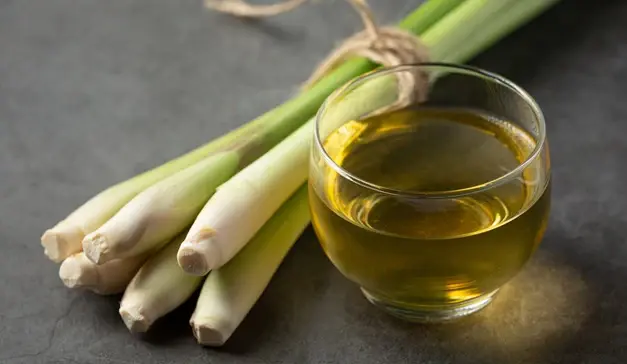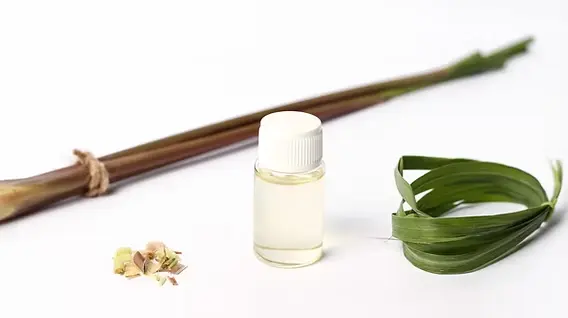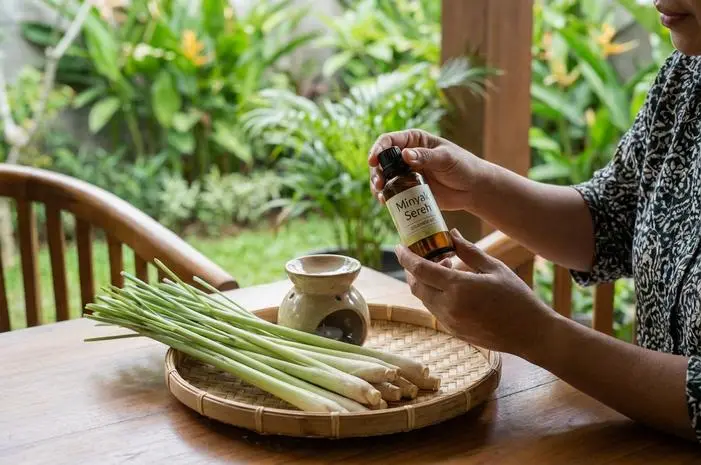
Citronella oil is often associated with outdoor products and insect-repellent fragrances, but its value in professional perfumery is broader than that stereotype.
As a natural aromatic material, citronella essential oil can contribute fresh citrus, green, grassy, rosy, and lightly woody facets to a fragrance composition.
Its perfumery relevance also comes from naturally occurring constituents such as citronellal, citronellol, and geraniol.
For perfumers and B2B fragrance buyers, the important question is not simply whether citronella smells “lemony.”
The practical questions are how the material behaves in a composition, whether a specific batch fits the fragrance brief, how the whole essential oil differs from isolated aroma chemicals, and whether the supplier can support a consistent commercial approval process.
This guide focuses on citronella oil as a natural perfumery raw material.
It also explains the difference between citronella essential oil, citronellal, citronellol, geraniol, and citronella fragrance oil so buyers do not treat different materials as interchangeable.
Citronella Oil for Perfumery: Quick Material Profile
| Parameter | Perfumery Consideration |
| Material type | Natural essential oil / complex botanical mixture |
| Botanical context | Java type is associated with Cymbopogon winterianus; Ceylon type with Cymbopogon nardus |
| Typical extraction | Steam distillation of aromatic grass material |
| Olfactory direction | Fresh citrus, lemony, green, grassy, rosy, herbal, with a lightly woody-sweet background |
| Key aroma-related constituents | Citronellal, citronellol, geraniol, plus other naturally occurring constituents that shape the whole-oil profile |
| Possible fragrance role | Fresh green lift, citrus-rosy modification, natural aromatic texture, and support in selected green, citrus, floral, or woody structures |
| Buyer checks | Botanical identity, origin, batch traceability, sample aroma, specification, COA, GC or GC-MS profile where relevant, and formulation performance |
| Quick answer Citronella essential oil can be useful in perfumery as a complete natural aromatic material. It should not be confused with purified citronellal or citronellol, and it is not the same product as a formulated “citronella fragrance oil.” |
What Does Citronella Oil Smell Like in Perfumery?
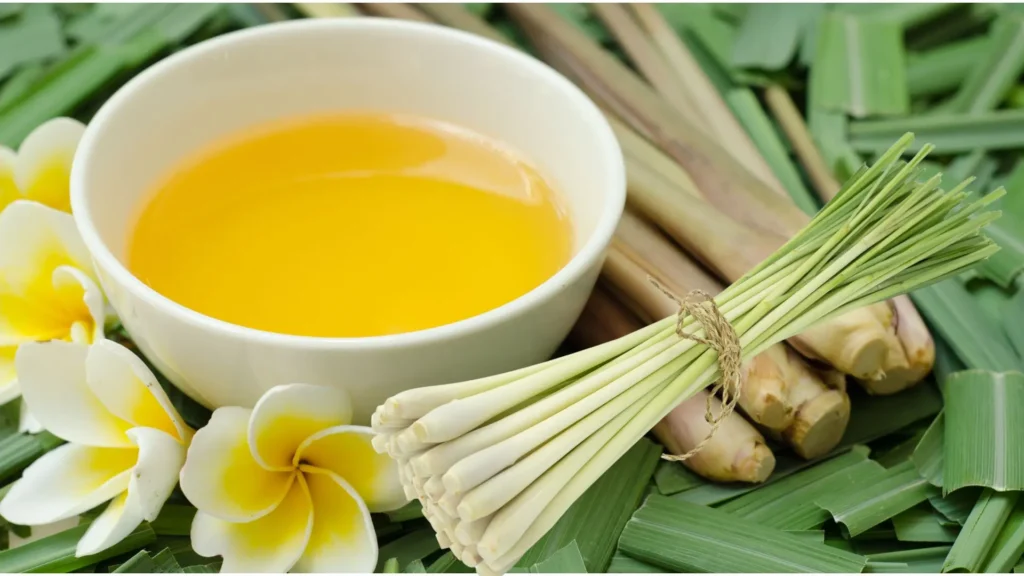
Professional essential-oil references describe Java citronella as more nuanced than a single lemon note.
The exact balance varies by origin and batch, but the material can combine citrus brightness with green, grassy, rosy, herbal, and softly woody facets.
Fresh Citrus and Lemony Opening
The opening can feel bright and immediate. Citronellal and other volatile constituents help create a sharp citrus-green impression that can provide lift in a fragrance structure.
This freshness is one reason citronella can connect naturally with citrus, aromatic, green, and cologne-style directions.
Green and Grassy Character
Behind the citrus impression, citronella often carries a recognizably green and grassy character.
In a professional formula, that facet can be useful when the perfumer wants the composition to feel botanical, outdoorsy, leafy, or naturally aromatic rather than polished into a purely synthetic citrus effect.
Rosy and Floral Facets
Citronella also has a floral-rosy side. Citronellol and geraniol are particularly relevant to this perception, helping explain why citronella can connect with rose, geranium, floral-citrus, and green-floral structures instead of functioning only as an “outdoor” note.
Woody-Sweet Drydown
As the brighter top character softens, a light woody, sweet, or herbal background may remain. The drydown is not comparable to a true base-note material such as patchouli or vetiver, but it can help the oil feel more rounded than a simple linear lemon aroma.
Why Is Citronella Oil Used in Perfumery?
As a Complete Natural Fragrance Material
A perfumer may use the whole essential oil when the creative brief calls for natural citrus-green freshness with a recognizable botanical texture.
The value is the interaction of many constituents in the oil, not only one isolated molecule. At a controlled level, citronella can add freshness, green lift, rosy-citrus character, or a more rustic natural edge.
As a Source of Important Aroma Chemicals
Citronella is also important to the fragrance industry because Java citronella has historically served as a natural source of aroma chemicals such as citronellal, citronellol, and geraniol.
That industrial relationship helps explain why searches for “citronella oil for perfumery” often surface pages about individual molecules rather than only the complete essential oil.
A recent Perfumer & Flavorist industry article, for example, discusses natural citronellol obtained from Java citronella oil and its rosy, citrusy, light-floral role in fragrance creation.
The buyer should still treat natural citronella oil and purified citronellol as different raw materials with different specifications and performance.
Citronella Oil vs Citronellal vs Citronellol vs Geraniol
The names sound related because they are chemically and botanically connected, but they should not be used as synonyms in a fragrance brief, supplier request, specification, or purchase order.
| Material | What It Is | Perfumery Relevance |
| Citronella essential oil | A complete natural essential oil containing many volatile constituents | Provides the combined natural citrus-green, rosy, herbal, and woody character of the whole botanical material. |
| Citronellal | An individual aldehydic aroma constituent found in citronella oil | Contributes a strong fresh citrus-green effect and can be used as an aroma material or chemical intermediate. |
| Citronellol | An individual aroma constituent found naturally in citronella and other botanicals | Commonly associated with rosy, floral, citrusy, and soft green fragrance effects. |
| Geraniol | An individual terpene alcohol present in citronella and other natural materials | Provides floral-rosy character and is an important building block in many fragrance structures. |
A fragrance buyer sourcing the whole oil should therefore request “citronella essential oil” with the required botanical identity and specification.
If the formula requires purified citronellal, citronellol, or geraniol, that is a different sourcing request.
Citronella Essential Oil vs Citronella Fragrance Oil
SERPs for citronella-related fragrance queries frequently mix natural essential oil with products labelled “citronella fragrance oil.” For a professional buyer, this distinction matters.
| Factor | Citronella Essential Oil | Citronella Fragrance Oil |
| Origin | Botanical material obtained from Cymbopogon species | Formulated fragrance product created from selected aroma materials |
| Composition | Natural multi-component mixture that can vary between batches | Composition is designed by the fragrance supplier and may combine synthetic and/or natural materials |
| Olfactory behavior | Carries natural variation, botanical texture, and the full-oil character | Can be engineered for a specific odor profile, consistency, cost, or technical performance |
| Buyer documentation | Botanical identity, specification, COA, SDS, chromatographic information where relevant | Fragrance supplier documentation for the specific mixture and intended use |
| Best choice when | The brief specifically needs a natural citronella essential oil | The brief needs a citronella-like fragrance accord rather than the botanical oil itself |
Neither material is universally “better.” The correct choice depends on the fragrance brief, natural-origin requirements, cost structure, consistency target, regulatory assessment, and the desired finished-product performance.
Where Does Citronella Sit in a Fragrance Composition?
It is tempting to assign citronella a fixed top, middle, or heart-note label, but natural essential oils do not always behave that rigidly.
The brighter citrus-green facets can be noticed early, while the rosy, herbal, and softly woody character can continue into the early heart.
For practical formulation, it is more useful to think of citronella as a fresh aromatic modifier with opening-to-heart behavior.
At low levels it may add brightness or green texture without becoming recognizably “citronella.” At a more obvious level, the familiar citrus-green signature can become part of the fragrance identity.
Fragrance Styles That Can Use Citronella Oil
Citrus and Cologne Structures
Citronella can reinforce freshness while preventing a citrus accord from feeling too flat or juice-like. Its greener and rosier facets can help bridge citrus materials into aromatics, florals, and woods.
Green Fragrances
The grassy and herbal side of citronella can support leafy, botanical, outdoor, and natural fragrance concepts. It is particularly relevant when the formulator wants a clearly botanical impression rather than a perfectly clean synthetic green note.
Rosy and Floral Accords
Because citronellol and geraniol contribute floral-rosy effects, the whole oil can be evaluated beside geranium, rose-style structures, floral citrus, and other compositions where a fresh rosy lift is useful.
Woody-Green Compositions
Citronella can create contrast against drier, heavier materials. Used carefully with woods such as vetiver, cedarwood-type notes, or patchouli, it can brighten the top of the composition while the woody materials provide depth and persistence.
Functional and Natural Fragrance Concepts
Citronella remains strongly associated with outdoor, household, and functional fragrance categories. That association can be useful when the brief intentionally wants a fresh natural, clean, garden, botanical, or outdoorsy identity. In fine fragrance, dosage and surrounding materials become especially important so the oil supports the accord rather than dominating it with an overly familiar functional-product association.
How Citronella Works With Other Perfumery Materials
The purpose of blending is not to create a universal recipe. A professional perfumer should decide what citronella is meant to contribute to a specific brief, then evaluate the natural material in that context.
| Fragrance Direction | Possible Partners | What Citronella Can Contribute |
| Citrus-green | Bergamot-style citrus, petitgrain-style materials, other fresh aromatics | Fresh green lift and a more botanical transition from the opening into the heart. |
| Rosy-floral | Geranium, rose-style accords, floral materials | Citrus-rosy brightness and natural green texture. |
| Woody-green | Vetiver, cedarwood-type notes, patchouli | Fresh contrast over a dry, earthy, or woody base. |
| Herbal-aromatic | Lavender-style, rosemary-style, and other aromatic materials | Green aromatic lift and an outdoorsy natural character. |
| Chypre-style / mossy-green | Citrus, woods, mossy materials, dry green notes | A fresh natural sparkle that can connect citrus and green-woody elements. |
If the formulation also considers lemongrass, use our Citronella Oil vs Lemongrass Oil comparison for the separate decision between the two Cymbopogon oils. This article keeps its focus on citronella as a perfumery raw material.
Java vs Ceylon Citronella for Perfumery

The trade name “citronella oil” can refer to more than one botanical type. Java citronella is associated with Cymbopogon winterianus, while Ceylon citronella is associated with Cymbopogon nardus.
Their chemical balance and olfactory character can differ, so fragrance buyers should not approve material only from the common name.
For perfumery, the practical question is not whether one type is universally “better.” It is whether the offered type and batch match the required sensory and analytical profile.
Java type is commercially important in the fragrance and aroma-chemical supply chain, while Ceylon type presents a different composition and odor balance.
For a deeper review of citronella types, chemistry, and quality differences, see our Citronella Oil quality guide.
Why Citronella Oil Can Smell Different From Batch to Batch
Natural essential oil is not produced as a single standardized molecule. Even genuine citronella lots can vary because the crop and processing conditions change.
The important procurement response is to define an acceptable window, not to assume every genuine lot must smell exactly identical.
- Harvest timing and plant maturity can influence the balance of aroma-related constituents.
- Weather and growing conditions can affect the chemical profile of the distilled oil.
- Distillation conditions can change the balance between lighter and heavier volatile fractions.
- Storage, oxygen exposure, heat, and light can alter the sensory profile after production.
- Different origins or botanical types may have meaningfully different chemical and olfactory profiles.
A study on Cymbopogon winterianus harvest timing and weather conditions found significant changes in essential-oil composition across harvest timing, including changes in citronellol and geraniol.
For fragrance buyers, the lesson is straightforward: approve the material by batch and reference profile rather than relying only on the product name.
How Fragrance Buyers Should Evaluate a Citronella Oil Sample
1. Verify Botanical Identity and Batch Traceability
Confirm the botanical name, declared type, origin, extraction method, batch or lot reference, and whether the documentation corresponds to the physical sample. A trade name by itself is not enough for a professional approval process.
2. Evaluate the Raw Aroma
Assess the oil on a blotter and, when appropriate, at a controlled dilution. Record the opening, green character, rosy facets, drydown, intensity, and any off-note that matters to the creative brief. Use written evaluation records instead of relying only on memory.
3. Evaluate at a Controlled Dilution
Neat essential oil can be more aggressive than it will be in a fragrance concentrate. Dilution can reveal whether the material becomes cleaner, rosier, greener, sweeter, more woody, or more balanced at the level relevant to development work.
4. Test in the Intended Accord or Fragrance Base
A raw material can look good on paper and still fail in the actual fragrance. Test the sample in the intended accord or concentrate and observe diffusion, persistence, interaction with other naturals, and whether the citronella supports or overwhelms the intended identity.
5. Compare With an Approved Reference
If the buyer already has a reference lot or an approved sensory target, compare the new sample under the same conditions. Natural variation may be acceptable, but the acceptable range should be defined before the purchase moves to commercial volume.
6. Review Batch Documentation
Use the specification, COA, and chromatographic information where relevant to confirm that the sample fits the required identity and analytical expectations. For the full sample-to-purchase-order workflow, use our Essential Oil Sample Evaluation Before Bulk Orders guide.
What Documents Should Perfumery Buyers Request?
The exact document package depends on the oil, buyer quality system, destination market, and intended finished product. A typical fragrance procurement review may include the following.
Product Specification
The specification should identify the material and define the parameters used to accept or reject the commercial lot. Botanical identity and the applicable citronella type should be clear.
Certificate of Analysis (COA)
The COA summarizes the reported results for the batch. Buyers should verify that the batch reference matches the physical material being evaluated and that the reported parameters align with the agreed specification.
GC or GC-MS Profile
Chromatographic data can support review of the chemical profile, especially when citronellal, citronellol, geraniol, and the wider natural composition matter to the fragrance brief or internal quality system. It should be interpreted in context rather than treated as a single automatic authenticity test.
SDS / MSDS
The Safety Data Sheet supports handling, hazard communication, storage, and logistics. It is not a purity certificate and should not be used as proof that a raw material is analytically authentic.
Current Fragrance Compliance Information
The buyer should also review the information needed for the intended finished-product category and target market. For a deeper explanation of analytical documents and common red flags, see our Essential Oil COA and GC-MS guide.
IFRA and Natural-Ingredient Considerations for Citronella Oil
Citronella essential oil should be treated as a natural complex substance rather than as one isolated molecule.
Its constituents can contribute to fragrance-safety calculations, and the relevant limits depend on the intended finished-product category and the actual composition used in the formula.
IFRA explains that Certificates of Conformity are generally not issued for raw materials. Those certificates are principally used for fragrance mixtures intended for finished consumer products.
Where a raw material is covered by an IFRA Standard or contains restricted constituents, the supplier and user should exchange the relevant conformity and compositional information instead of treating an “IFRA certificate for the essential oil” as a universal document.
For procurement teams, this means there should be no universal statement such as “citronella is always allowed at X%.”
The formulator should use the current IFRA Standards, the actual material composition where available, the finished-product category, and the destination-market requirements as part of the compliance assessment.
Common Mistakes When Evaluating Citronella for Perfumery
- Treating citronella essential oil and citronella fragrance oil as the same material.
- Confusing whole citronella oil with purified citronellal, citronellol, or geraniol.
- Choosing a batch only by one compound percentage while ignoring the complete olfactory profile.
- Approving the raw aroma but skipping a test in the actual fragrance concentrate or accord.
- Assuming every Java-type or every Ceylon-type batch will smell identical.
- Using generic IFRA numbers without checking the current standard, material composition, and finished-product category.
- Accepting analytical documents that cannot be connected to the sample or commercial batch being offered.
B2B Citronella Oil Buyer Checklist for Fragrance Applications
| Checkpoint | What to Confirm |
| Product identity | Common name plus botanical identity and citronella type |
| Origin and extraction | Declared origin and distillation method where relevant to the brief |
| Olfactory fit | Sample matches the desired citrus, green, rosy, herbal, and drydown characteristics |
| Reference sample | Approved sample or target profile is recorded for later lot comparison |
| Analytical profile | Key chemical and physical parameters fit the buyer specification |
| Batch documentation | COA, GC/GC-MS where required, SDS, and other relevant information correspond to the offered batch |
| Formulation trial | Material performs acceptably in the intended accord or fragrance concentrate |
| Regulatory review | Current IFRA and destination-market requirements are evaluated for the finished product |
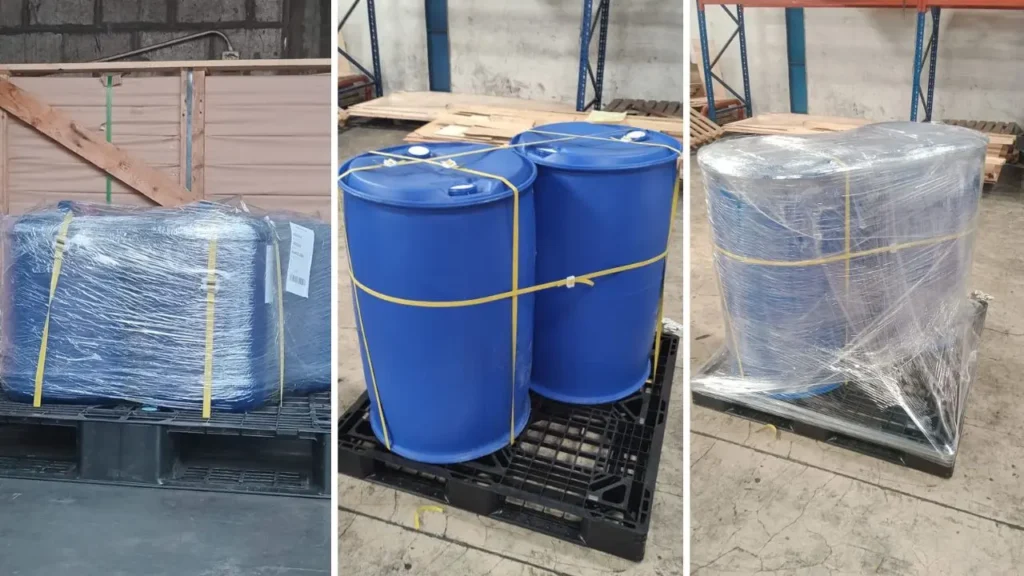
| Commercial requirements | Quantity, packaging, lead time, destination, and quotation terms are confirmed separately from technical approval |
Sourcing Indonesian Citronella Oil for Perfumery
Indonesia is an important commercial origin for citronella oil, and fragrance buyers evaluating Indonesian material should define the exact product they need before requesting a quotation.
Start with the intended olfactory role, botanical identity or type, target specification, required documents, sample quantity, expected commercial volume, and destination.
Global Essential Oil works with B2B buyers evaluating Indonesian Citronella Essential Oil for fragrance, personal-care, and other industrial applications.
Buyers can review the Citronella Essential Oil product page for the product route, then discuss current specifications, available documentation, sample requirements, packaging, and quotation details with our team.
If procurement is still at the quality-screening stage, review our Citronella Oil quality guide.
If the team is moving from market context into supplier-level purchasing, the Citronella Oil Market guide and Bulk Citronella Oil sourcing guide cover those separate intents without duplicating the perfumery discussion here.
| Discuss Citronella Oil for a Fragrance Project Share your intended fragrance application, target sensory profile, required documentation, approximate quantity, and destination. Our team can discuss the current Citronella Essential Oil option and the next step for sample or bulk evaluation. |
Frequently Asked Questions
Is citronella oil used in perfumery?
Yes. Citronella essential oil can be used as a natural aromatic raw material in selected fragrance compositions. It can provide citrus, green, grassy, rosy, herbal, and lightly woody facets. Its value depends on the fragrance brief, dosage, surrounding materials, and the specific batch.
What does citronella oil smell like in perfume?
Citronella is typically perceived as fresh, citrusy, lemony, green, grassy, and slightly rosy, with herbal and lightly woody-sweet nuances. The balance varies between botanical type, origin, harvest, distillation, and batch.
Is citronella a top, middle, or heart note?
Citronella does not need to be treated as one fixed note position. Its brighter citrus-green character can appear early, while rosy, herbal, and softer woody facets may continue into the early heart. In practice, it is useful to evaluate the material as an opening-to-heart aromatic modifier.
What is the difference between citronella oil and citronellal?
Citronella essential oil is a natural multi-component botanical mixture. Citronellal is one individual aroma constituent found within the oil. A request for citronellal is therefore not the same as a request for whole citronella essential oil.
Is citronella essential oil the same as citronella fragrance oil?
No. Citronella essential oil is a botanical raw material obtained from Cymbopogon species. Citronella fragrance oil is a formulated scent product whose composition depends on the fragrance supplier and may contain synthetic and/or natural aroma materials.
What fragrance materials blend well with citronella oil?
Citronella can be evaluated with citrus, geranium, rose-style, herbal, woody, vetiver, cedarwood-type, patchouli, and mossy-green materials, depending on the creative brief. These are formulation directions rather than universal blending ratios.
Is Java citronella suitable for perfumery?
Java-type citronella is commercially important in the fragrance and aroma-chemical supply chain and can be evaluated as a whole natural material for fragrance work. The buyer should still approve the actual batch through sensory and analytical review rather than relying on the type name alone.
What should fragrance buyers check before ordering citronella essential oil?
Confirm botanical identity, citronella type where relevant, origin, batch traceability, sample aroma, specification, COA, chromatographic information where needed, SDS, formulation performance, current compliance requirements, quantity, packaging, and destination.