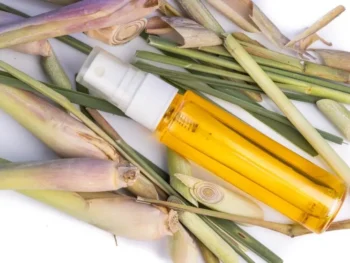
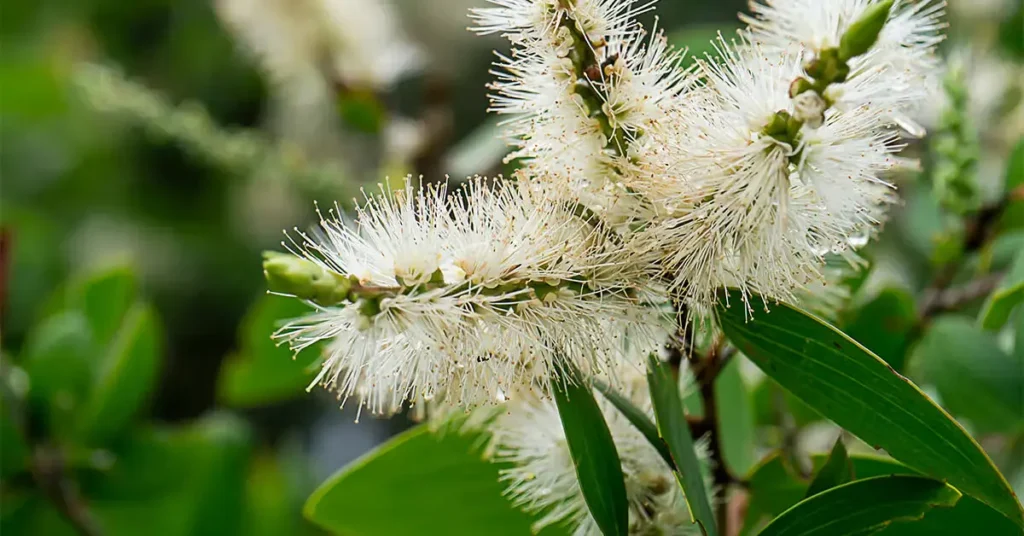
Cajuput oil antibacterial activity has been demonstrated in laboratory studies against selected Gram-positive and Gram-negative bacteria.
Research on Melaleuca cajuputi essential oil has reported inhibitory activity against organisms including Staphylococcus aureus, Streptococcus pyogenes, methicillin-resistant S. aureus, Klebsiella pneumoniae, and Escherichia coli.
However, laboratory inhibition does not establish cajuput oil as a treatment for skin, oral, or respiratory infections.
Cajuput oil - also commonly spelled cajeput oil - is a concentrated volatile oil associated with Melaleuca cajuputi.
It is not eucalyptus oil, even though both plants belong to the Myrtaceae family and their oils may share constituents such as 1,8-cineole.
For B2B use, antibacterial performance must be evaluated together with botanical identity, batch composition, concentration, formulation design, safety, and the regulatory requirements of the finished product.
| Quick answer Current evidence supports cajuput oil as an antibacterial research and formulation candidate, not as a stand-alone medical treatment. The strongest interpretation is to use laboratory findings to guide formulation research, then validate safety and performance in the complete finished product. |
Cajuput Oil Antibacterial Activity: 5 Research Insights
1. Melaleuca cajuputi Essential Oil Has Shown In Vitro Antibacterial Activity
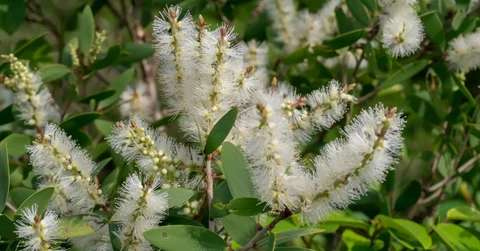
A 2022 study of Melaleuca cajuputi essential oil tested the oil against S. aureus, S. pyogenes, MRSA, K. pneumoniae, and E. coli.
The oil inhibited all tested organisms under the study conditions, with larger inhibition zones against the Gram-positive bacteria than against the Gram-negative bacteria.
This supports antibacterial activity in vitro. It does not prove that pure cajuput essential oil can safely treat an infection on human skin, inside the mouth, or in the respiratory tract.
2. Different Bacteria Can Respond Differently
Another 2022 cajuput-oil kinetics study evaluated water-steam-distilled cajuput oil against E. coli, Bacillus cereus, and S. aureus.
The study also reported a GC-MS profile that differed substantially from a simple “high-cineole” formula, illustrating why the chemical composition of one tested batch should not automatically be applied to every commercial cajuput oil.
For formulators, this means the target microorganism and the actual batch composition both matter.
A general label such as “antibacterial essential oil” is not enough for product-development decisions.
3. Cajuput Oil Has Been Screened in Antimicrobial Material Research
A 2020 study screening 20 essential oils identified cajeput oil, cinnamon leaf oil, and clove oil as among the more active oils against S. aureus and E. coli in the experimental screen.
The researchers then loaded selected oils onto cellulose acetate/polycaprolactone microfibers as a potential antimicrobial delivery material.
This is useful formulation research, but it should not be translated into claims that cajuput oil directly treats acne, wounds, eczema, psoriasis, ringworm, or another skin condition.
The study evaluated antimicrobial performance in a laboratory/material context, not clinical treatment.
4. Oral-Care Research Has Tested a Cajuput-Oil-Containing Formulation
A study on Cajuputs candy and mixed oral biofilms examined a functional candy containing Melaleuca cajuputi essential oil.
In vitro, the formulation reduced mixed-biofilm biomass and viable cells involving Candida albicans and Streptococcus mutans.
The important limitation is the formulation itself: the research tested a finished candy system, not direct application of concentrated essential oil to teeth, gums, or oral mucosa.
The results support oral-care formulation research; they do not establish pure cajuput oil as a treatment for cavities, oral thrush, gingivitis, or periodontitis.
5. Laboratory Activity Is Only the Starting Point for Product Development
An essential oil can inhibit microorganisms in a laboratory assay and still perform differently in a real product.
Formulators must evaluate variables that are absent from a simple inhibition test:
- The concentration that can be used safely in the intended product.
- Solubility, dispersion, and delivery of the oil in the formulation.
- Contact time with the target surface or microorganism.
- Stability during processing and storage.
- Interactions with surfactants, preservatives, flavors, fragrances, or other actives.
- Sensory impact, especially in oral-care and personal-care products.
- Finished-product efficacy, challenge testing, and applicable regulatory requirements.
What Is Cajuput Essential Oil?

Cajuput vs Cajeput: Two Spellings for the Same Common Oil Name
“Cajuput” and “cajeput” are common spelling variants used for the oil and plant. We use “cajuput oil” as the primary commercial term, while research literature and search queries may use either spelling.
Melaleuca cajuputi Is Not Eucalyptus
Cajuput oil is associated with the genus Melaleuca, while eucalyptus oils come from Eucalyptus species.
Both genera belong to the Myrtaceae family, which helps explain some overlap in aroma and volatile constituents, but the botanical materials are not interchangeable.
For a broader overview of cajuput composition, general benefits, and the differences from eucalyptus, see our guide to oleum cajuput benefits and practical uses.
Why Chemical Composition Varies
Cajuput essential oil is often discussed as a cineole-rich oil, but commercial and research samples can vary considerably.
The volatile profile can be affected by botanical material, geographic origin, harvest conditions, distillation method, and batch.
Depending on the oil, reported constituents may include 1,8-cineole, alpha-terpineol, p-cymene, limonene, alpha-pinene, terpinen-4-ol, beta-caryophyllene, and other terpenes.
A buyer should therefore compare the supplier specification with a batch-specific GC-MS or GC-FID report rather than assuming that every cajuput oil has the same cineole percentage or the same antibacterial performance.
What Does Research Show About Cajuput Oil Antibacterial Activity?
Staphylococcus aureus and MRSA
The 2022 Melaleuca cajuputi essential-oil study reported inhibition of S. aureus and methicillin-resistant S. aureus under agar-diffusion and MIC testing conditions.
This is relevant to antibacterial screening, including research on materials or formulations intended to control bacterial contamination.
It does not mean a cosmetic or topical product containing cajuput oil can claim to treat an MRSA infection. Medical or therapeutic claims require a different level of clinical evidence and regulatory authorization.
Escherichia coli and Other Gram-Negative Bacteria
The same study reported activity against E. coli and K. pneumoniae, but the inhibition zones were smaller than those observed for the tested Gram-positive organisms.
The study authors noted that the Gram-negative bacteria were less susceptible under their experimental conditions.
This is one reason “broad-spectrum antibacterial” should not be treated as a universal performance guarantee. The organism, assay, concentration, and oil composition all affect the result.
Bacillus cereus
The cajuput-oil kinetics research also investigated antibacterial activity against B. cereus, alongside E. coli and S. aureus.
This adds another organism to the research record but still represents laboratory evidence rather than a finished-product efficacy claim.
Cajuput Oil in Skin-Related Formulation Research

Skin-related product developers may be interested in cajuput oil because of its laboratory activity against bacteria associated with contamination and skin environments.
The useful question is not “Which skin diseases does cajuput oil cure?” but “Can a cajuput-oil-containing formulation achieve the required antimicrobial performance at a safe and stable concentration?”
What the Laboratory Evidence Supports
- Antibacterial screening against selected Gram-positive and Gram-negative bacteria.
- Research on delivery materials that incorporate cajeput oil.
- Further formulation work for personal-care, cleansing, or antimicrobial-material concepts.
What the Evidence Does Not Establish
- Treatment of acne.
- Treatment of infected cuts or open wounds.
- Treatment of ringworm, athlete’s foot, or other fungal infections.
- Treatment of eczema or psoriasis.
- Safe direct application of concentrated cajuput essential oil to damaged skin.
Any personal-care or topical product requires formulation-specific concentration limits, irritation and sensitization assessment, stability testing, and compliance with the target market’s cosmetic, biocidal, or medical-claim rules.
Cajuput Oil and Oral-Care Research
Streptococcus mutans and Candida albicans Mixed Biofilm
The Cajuputs candy study is particularly relevant to oral-care product development because it tested a complete cajuput-containing formulation against a mixed biofilm of S. mutans and C. albicans.
The formulation reduced biofilm biomass and viable cells under in vitro conditions.
Pure Oil vs Formulated Oral-Care Product
The research does not justify adding drops of concentrated cajuput oil directly to toothpaste, mouthwash, or drinking water.
A finished oral-care product must control concentration, dispersion, flavor impact, mucosal exposure, stability, and microbiological performance.
For B2B buyers, the oral-care opportunity is therefore a formulation question: whether a characterized cajuput oil can be incorporated into a safe, acceptable, and validated finished system.
Essential Oil vs Extract vs 1,8-Cineole
Search results and scientific literature can mix several materials under the same plant name. They should be separated when making claims.
| Material | What It Is | Do Not Automatically Treat It As |
| Cajuput essential oil | Steam- or water-steam-distilled volatile oil from Melaleuca material. | Equivalent to a solvent leaf extract. |
| Melaleuca leaf extract | Extract produced with a specified solvent or extraction process. | Evidence for the complete essential oil. |
| Isolated 1,8-cineole | A single volatile constituent found in several essential oils. | Evidence for the entire cajuput-oil mixture. |
| Cajuput-containing candy or oral-care formulation | A finished product containing cajuput-derived material and other ingredients. | Direct evidence for swallowing or applying concentrated oil. |
| Eucalyptus oil | Essential oil from Eucalyptus species. | The same botanical material as cajuput oil. |
What About Respiratory Applications?
Cajuput oil has a long history of use in aromatic respiratory preparations in Southeast Asia, and some commercial cajuput oils contain substantial 1,8-cineole.
However, evidence involving isolated 1,8-cineole, eucalyptus preparations, or multi-ingredient vapor products should not automatically be treated as clinical evidence for pure cajuput essential oil.
This article therefore does not claim that cajuput oil treats asthma, bronchitis, influenza, sinusitis, allergies, or another respiratory disease.
For broader historical and general-use context, review our oleum cajuput benefits and practical uses article.
Safety and Exposure Considerations
Concentrated Essential Oil Requires Formulation Control
Essential oils are concentrated raw materials. “Natural” does not mean that a high concentration is appropriate for skin, oral mucosa, inhalation, or another route of exposure.
Product developers should work from the intended use, exposure route, target population, and batch composition.
Avoid DIY Oral Dosing
This article does not recommend adding drops of cajuput essential oil to toothpaste, mouthwash, salt water, beverages, or homemade oral preparations.
Oral-care use should rely on a properly formulated product with controlled concentration and appropriate safety assessment.
Skin and Mucosal Tolerance Matter
A raw oil that inhibits bacteria in vitro may still irritate skin or mucosal tissue at the tested concentration.
Irritation, sensitization, compatibility, and cumulative exposure should be assessed in the intended finished product.
Children, Pregnancy, and Sensitive Users
Products intended for children, pregnant or breastfeeding users, people with respiratory sensitivity, or other sensitive populations require application-specific safety review.
Do not rely on a generic “mild” or “pharmaceutical grade” label as proof of suitability for every population.
Considerations for B2B Formulators and Buyers
1. Confirm Botanical Identity
- Botanical name and plant part.
- Country or region of origin.
- Distillation method.
- Whole oil, rectified material, fraction, or blend.
2. Review Batch Composition
Ask for the product specification and the current-batch chromatographic data. Compare cineole and other relevant constituents against the agreed specification rather than relying on one generic marketing profile.
3. Request the Right Documents
- Product specification.
- Batch-specific Certificate of Analysis (COA).
- GC-MS or GC-FID report, where available and relevant.
- SDS or MSDS for handling and hazard information.
- Origin, certification, or regulatory documents required by the destination market.
4. Validate the Finished Product
- Antibacterial or microbiological efficacy testing appropriate to the claim.
- Preservative or challenge testing where required.
- Stability and packaging compatibility.
- Skin, mucosal, or exposure-route safety assessment.
- Sensory testing for aroma, taste, or after-feel where relevant.
- Regulatory review of every antibacterial, antiseptic, or therapeutic claim.
You can review our Indonesian cajuput essential oil specifications and use the essential-oil COA and GC-MS guide when comparing supplier documents.
Source Indonesian Cajuput Essential Oil for B2B Applications
Global Essential Oil supplies Indonesian cajuput essential oil for B2B applications.
Formulators and procurement teams can discuss botanical identity, cineole specifications, available COA, GC-MS and SDS documentation, samples, packaging, and bulk supply requirements with the export team.
Contact Us to request product information or discuss a quotation.
Antibacterial performance and safety should be validated in the complete finished formulation and under its intended conditions of use.
Frequently Asked Questions
Does cajuput oil have antibacterial activity?
Yes. Laboratory studies have reported antibacterial activity against selected bacteria, including S. aureus, S. pyogenes, MRSA, K. pneumoniae, E. coli, and B. cereus. These findings do not prove clinical treatment efficacy.
Is cajuput oil the same as cajeput oil?
“Cajuput” and “cajeput” are common spelling variants. The botanical identity and supplier specification are more important than the spelling used in a product listing.
Is cajuput oil the same as eucalyptus oil?
No. Cajuput oil is associated with Melaleuca species, while eucalyptus oils come from Eucalyptus species. They are related botanically at the family level and may share constituents, but they are different raw materials.
Can cajuput oil treat acne or skin infections?
Current laboratory evidence supports antibacterial research, not a general claim that cajuput essential oil treats acne or skin infections. A finished product would need appropriate safety, efficacy, and regulatory validation.
Can cajuput oil be used in toothpaste or mouthwash?
Cajuput-derived material can be researched for oral-care formulations, but concentrated essential oil should not be casually added to toothpaste or mouthwash. The finished formulation must control concentration, exposure, taste, stability, and safety.
Does cajuput oil kill Streptococcus mutans?
A cajuput-oil-containing candy formulation reduced S. mutans and C. albicans mixed-biofilm measures in vitro. That result applies to the experimental formulation and does not prove that pure essential oil should be used directly in the mouth.
Why does GC-MS matter for cajuput oil?
Cajuput-oil composition varies between batches and origins. GC-MS or GC-FID data helps buyers review the volatile profile and compare the batch with the agreed specification. Analytical data does not, by itself, prove finished-product antibacterial efficacy.