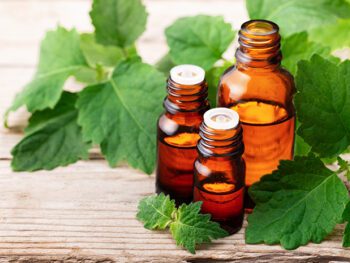
Agarwood, often referred to as “liquid gold,” is one of the most precious natural resources in the world. Derived from the heartwood of Aquilaria and Gyrinops trees, agarwood forms when the tree is infected by a specific type of mold (Phialophora parasitica and related fungi). The tree responds to this invasion by producing a dark, resinous substance, which is highly valued for its use in perfumes, incense, and traditional medicines across Asia and the Middle East.
The global demand for agarwood continues to rise, with prices reaching thousands of dollars per kilogram for high-grade material. However, the very conditions that sustain agarwood production are being threatened by climate change, creating significant risks for producers, traders, and local communities that depend on this commodity.
This article explores how shifting climate are impacting agarwood production, the ecological and economic consequences, and strategies being developed to adapt to these changes.
1. Agarwood Ecology and Its Vulnerability to Climate
Agarwood trees thrive in humid, tropical forests across South and Southeast Asia, particularly in countries like India, Indonesia, Thailand, Cambodia, Vietnam, and Malaysia. These trees require:
- High humidity for optimal growth.
- Consistent rainfall (1,500–2,500 mm annually).
- Stable temperatures between 20–35°C.
Because agarwood resin forms only when trees are stressed—whether by fungal infection, wounding, or environmental pressure—the right balance between tree health and stress is crucial. Climate change threatens this balance in multiple ways.
2. Rising Temperatures and Heat Stress

Global warming is already raising average temperatures in tropical regions. For agarwood trees, excessive heat stress can:
- Impair photosynthesis, reducing growth rates.
- Increase tree mortality, especially in seedlings and young plantations.
- Reduce the quality of the resin, since resin biosynthesis is affected by physiological stress beyond certain thresholds.
Some regions that were once ideal for Aquilaria cultivation may soon become unsuitable if the upward temperature trend continues.
3. Shifts in Rainfall and Water Availability
Climate change has also disrupted rainfall patterns. Both droughts and floods can negatively affect agarwood production:
- Drought conditions stunt tree growth, increase mortality, and make trees more vulnerable to pests and diseases. Water stress can sometimes encourage resin production, but excessive dryness can kill the trees before valuable agarwood can form.
- Excessive rainfall or flooding can waterlog soils, limit oxygen availability to roots, and increase fungal infections that kill the tree instead of encouraging controlled resin formation.
Since agarwood formation depends on a careful interplay between fungal infection and tree survival, unstable water availability disrupts this delicate process.
4. Increased Incidence of Pests and Diseases
Rising temperatures and humidity shifts also influence the spread of invasive pests and pathogens. Studies have shown that climate change creates new habitats for harmful fungi and insects, which can:
- Kill agarwood trees prematurely.
- Spread more aggressively across plantations.
- Compete with the agarwood-inducing fungi, lowering resin yield.
For example, soilborne fungi other than Phialophora species can destroy plantations if climate-driven flooding or humidity increases. This not only reduces yield but also threatens biodiversity in agarwood-producing ecosystems.
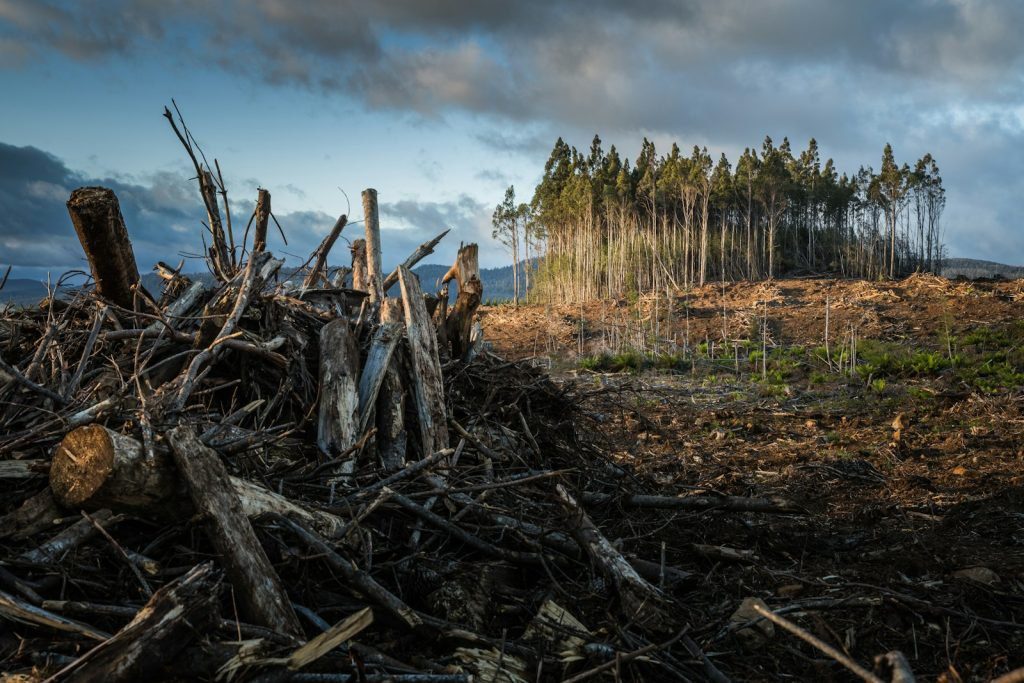
5. Habitat Loss and Deforestation Pressures
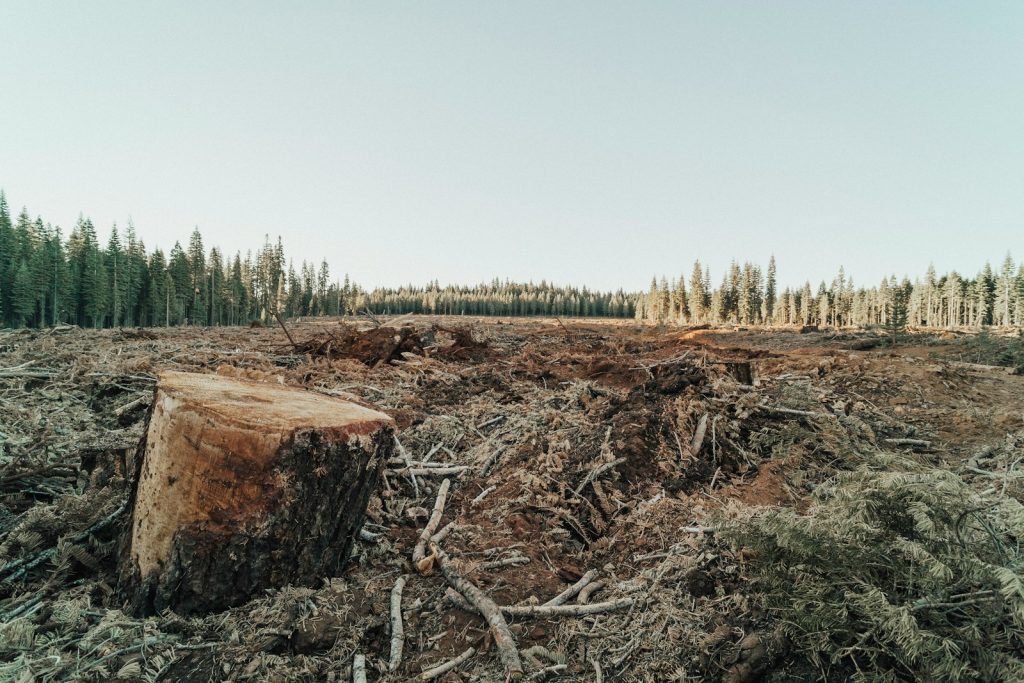
Agarwood-producing trees are already listed under CITES (the Convention on International Trade in Endangered Species of Wild Fauna and Flora) due to overharvesting and deforestation. Climate change exacerbates this by:
- Shifting the geographic distribution of suitable habitats.
- Forcing agarwood trees to higher elevations or cooler microclimates.
- Combining with logging and land-use changes to reduce wild populations drastically.
As natural habitats shrink, reliance on cultivated agarwood plantations increases. But plantations themselves face risks from changing climate conditions.
6. Socioeconomic Impacts on Local Communities
Millions of rural households in agarwood-producing countries depend on this high-value crop for their livelihoods. Climate-related threats could:
- Reduce income from agarwood harvests due to lower yields or inferior quality resin.
- Increase investment risks for smallholder farmers who cannot afford adaptive technologies.
- Force communities into unsustainable practices, such as overharvesting remaining wild agarwood trees, which further threatens biodiversity.
These socioeconomic impacts ripple across supply chains, from collectors and traders to exporters and perfumers worldwide.
7. Potential Positive Effects: Controlled Stress as an Opportunity?
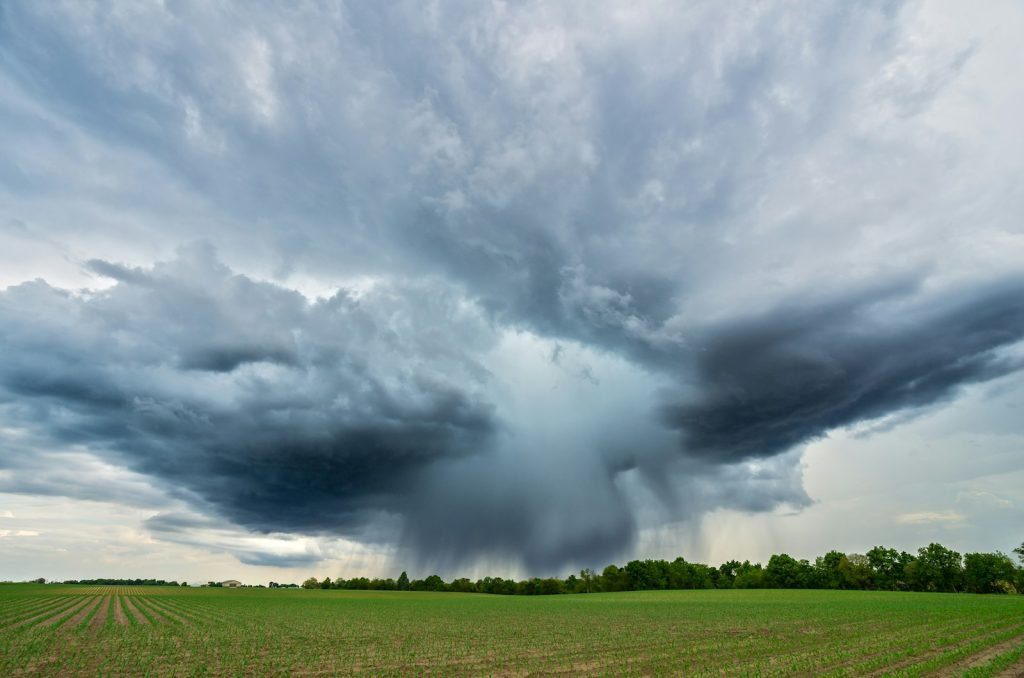
Interestingly, some scientists suggest that certain climate-driven stresses—like mild drought or moderate temperature increases—may stimulate agarwood resin production. Since the resin is a defense mechanism, trees under moderate stress may produce more agarwood. However, this potential benefit is overshadowed by the risks of extreme climate stress, which often kills trees rather than promoting healthy resin accumulation. Balancing stress with survival remains a major challenge.
8. Adaptation Strategies
To address these challenges, researchers and producers are exploring a range of adaptation measures:
a. Selective Breeding and Biotechnology
Developing Aquilaria strains with greater heat and drought tolerance can help maintain productivity under changing climates. Biotechnological advances, such as fungal inoculation and tissue culture techniques, are already being used to produce resin more reliably in controlled conditions.
b. Agroforestry and Climate-Smart Cultivation
Integrating agarwood trees into mixed farming systems can buffer them against extreme weather. Shaded plantations, soil conservation practices, and water management improve resilience.
c. Geographic Diversification
Shifting agarwood cultivation to regions projected to remain climatically stable may ensure long-term supply. This may include higher-altitude areas that retain humidity and cooler temperatures.
d. Sustainable Harvesting Policies
Governments and international organizations, including CITES, can promote adaptive management by enforcing sustainable harvesting, supporting plantation cultivation, and providing resources for climate resilience research.
e. Community-Based Adaptation
Empowering local communities with training, financial support, and access to markets helps build resilience against climate-driven production shocks.
9. Future Outlook
The global agarwood industry faces a paradox: while demand continues to grow, climate change threatens the very ecological processes that make agarwood possible. Without adaptation, production costs may rise, resin quality may decline, and illegal harvesting of wild trees may intensify. However, innovations in biotechnology, climate-smart agriculture, and sustainable governance offer hope. If producers, researchers, and policymakers act decisively, it may be possible not only to secure agarwood’s future but also to ensure that rural communities benefit from its trade in a sustainable way.
Conclusion
The impact of climate change on agarwood production is complex and multifaceted. Rising temperatures, shifting rainfall, increased pests, and habitat loss all pose significant challenges. While mild stress can sometimes encourage resin production, extreme conditions often prove fatal to agarwood trees. The livelihoods of millions who depend on agarwood, as well as the cultural traditions tied to its use, are at stake.
Adapting through selective breeding, agroforestry, sustainable harvesting, and community-based strategies is essential to mitigate climate risks. Ultimately, the story of agarwood under climate change is not just about conserving a precious natural product but about balancing ecological resilience, economic livelihoods, and cultural heritage in a rapidly changing world