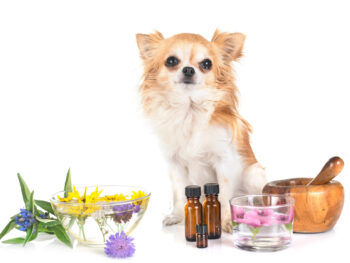
Is Patchouli Oil Toxic To Dogs? Understanding Essential Oil Risks for Dogs
We all want our homes to smell nice, and sometimes that means using essential oils. But when we share our lives with dogs, we need to be extra careful. Is patchouli oil toxic to dogs? Dogs have a much stronger sense of smell than we do, and what smells good to us can be really overwhelming for them. It's not just about a strong scent, though. Many essential oils contain compounds that can be harmful, even toxic, to our canine friends. It's vital to know which oils are safe and which ones to avoid entirely.
Common Symptoms of Essential Oil Poisoning
If your dog has been exposed to a harmful essential oil, you might see a few different signs. Some dogs might start drooling a lot, or they could vomit. You might also notice they seem weak, have trouble walking, or even start to tremble or have seizures. Sometimes, their body temperature can drop too low. Other signs can include heavy panting, restlessness, or irritation around their eyes and mouth. If you see any of these, it's time to contact your vet right away.
Routes of Exposure and Absorption
Dogs can be exposed to essential oils in a few ways. They might lick an oil off their fur if it was applied topically, or if it spilled. They can also breathe in the tiny particles released by diffusers. Sometimes, a curious dog might even try to chew on a diffuser or a bottle. Once the oil gets into their system, whether through their skin, by breathing it in, or by swallowing it, their bodies process it differently than ours. This can lead to problems, especially with their liver and kidneys, or even affect their nervous system. For instance, oils like eucalyptus can be particularly concerning for a dog's nervous system, and it's best to keep them away from products containing it Eucalyptus is toxic to a dog's nervous system.
Identifying Potentially Harmful Essential Oils
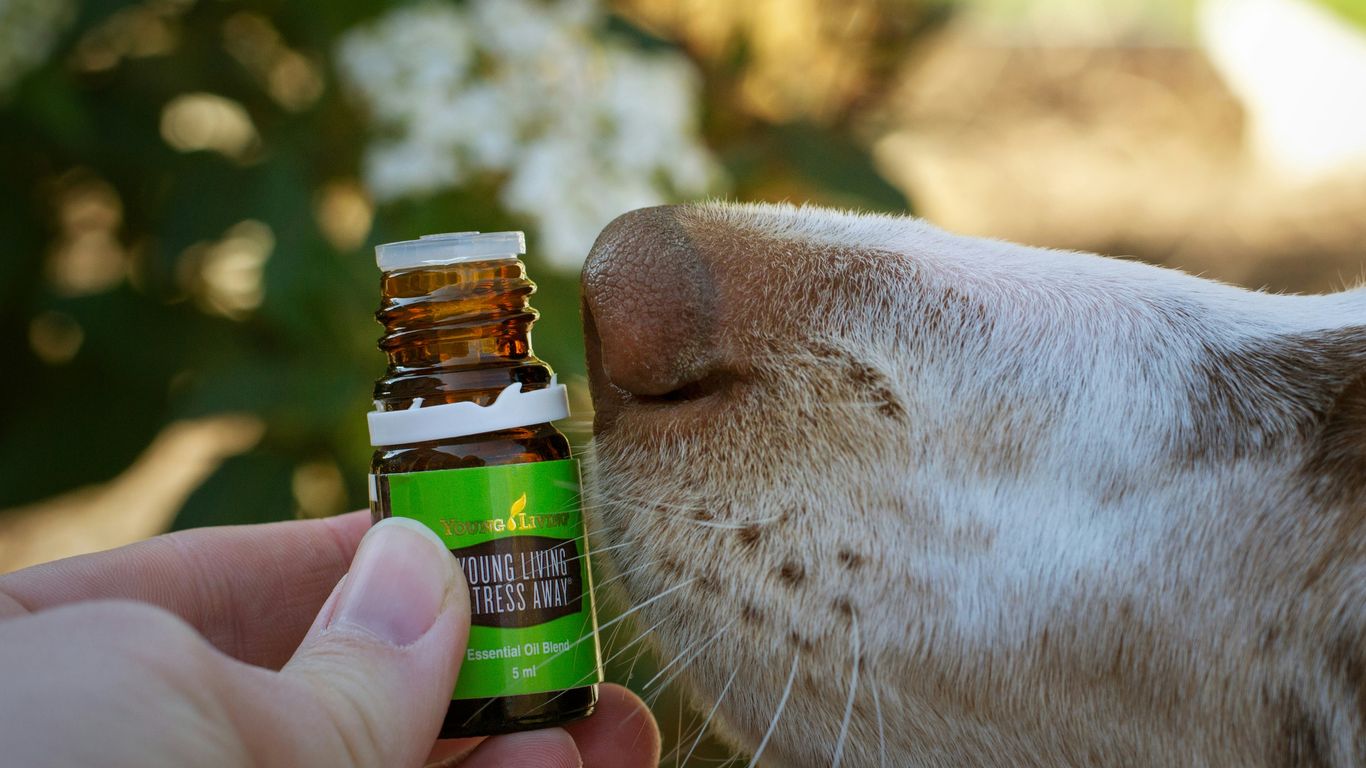
Oils Known for High Toxicity
When we talk about essential oils and our pets, it's really important to know that some are just plain dangerous. Because pets are so much more sensitive than we are, even a little bit of certain oils can cause big problems. We've seen that oils like tea tree, pennyroyal, wintergreen, and citrus oils are particularly risky for dogs. For cats, their bodies handle things differently, and oils containing phenols can be especially hard on their livers. It's not just about a strong smell; these oils have compounds that can really upset their systems.
We need to be aware that even oils that seem natural and safe for us can be toxic to our furry friends. For instance, peppermint and eucalyptus oils can cause issues like increased heart rate or blood pressure in pets. Some oils, like clove or camphor, have even been linked to seizures in animals, especially those with existing health concerns. Always check with your veterinarian before using any essential oil around your pets.
Oils Causing Respiratory or Skin Irritation
Beyond the oils that can cause serious internal harm, others can lead to immediate discomfort for our pets. When essential oils are diffused, tiny particles go into the air. For pets, especially those with breathing issues like asthma, this can cause coughing, wheezing, or difficulty breathing. Oils like pine, cinnamon, and citrus can be quite irritating to their sensitive airways. Even if you don't diffuse them, direct contact can be a problem. If an oil gets on your pet's skin or fur, it can cause redness or irritation. If it gets in their eyes or mouth, it can cause stinging and discomfort. We must be careful to avoid applying oils directly to their faces or areas where they might lick them off. Remember, a pet's sense of smell is much stronger than ours, so what smells mild to us can be overwhelming for them. If you're looking for ways to make your home smell nice without the risk, consider pet-safe alternatives for a healthier environment.
Some essential oils can be tricky and might cause problems if not used carefully. It's important to know which ones to be cautious with. Want to learn more about keeping yourself safe? Visit our website for detailed guides and tips on using essential oils the right way.
Wrapping Up: Is Patchouli Oil Toxic to Dogs? Prioritizing Your Dog’s Safety From Now !
So, after looking at all this, it's pretty clear that while we might enjoy the scent of patchouli, our dogs really don't. We've seen how easily they can get into trouble with essential oils, even ones that seem pretty mild. Things like drooling, vomiting, or even more serious stuff like seizures can happen. It's not worth the risk, honestly. We need to be super careful about what we use around them, and when in doubt, it's always best to just skip it or ask our vet. Keeping our furry friends safe and sound should always be our top priority, and that means being smart about the scents in our homes.