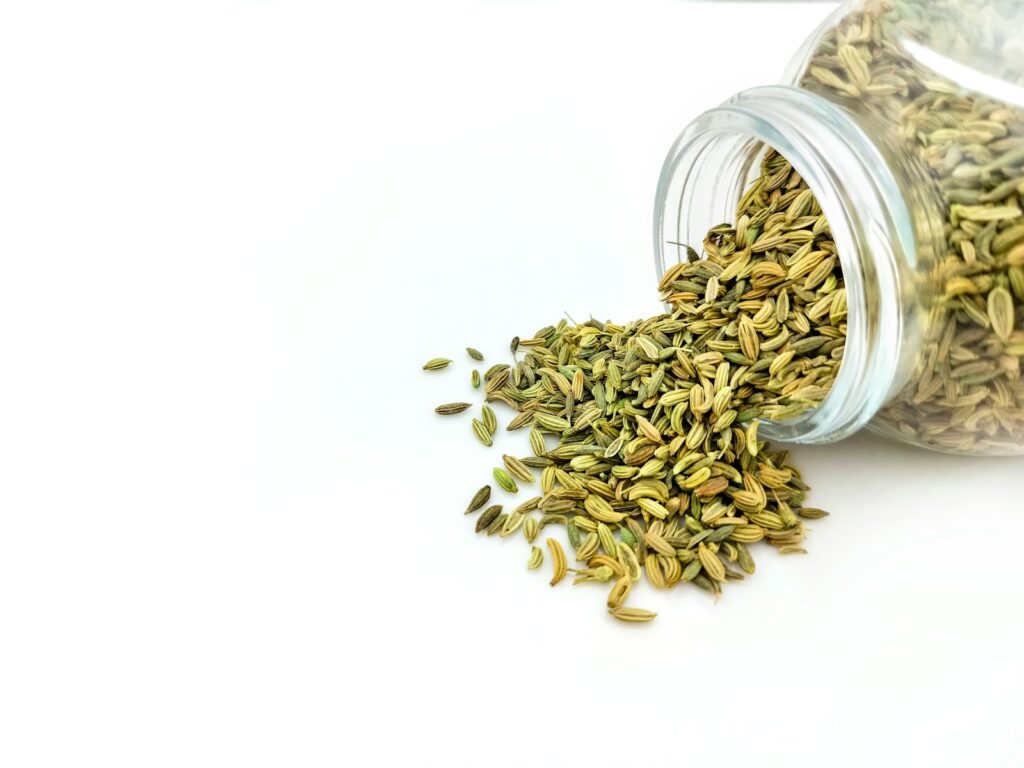
Fennel seed oil, derived from the crushed seeds of the Foeniculum vulgare plant, has long been valued in traditional medicine, aromatherapy, and natural wellness. With its sweet, anise-like aroma and rich profile of bioactive compounds, fennel seed oil offers a range of benefits—from aiding digestion to supporting respiratory health and balancing hormones. However, like many potent essential oils, fennel seed oil must be used with care. Misuse or overuse can cause side effects, and certain individuals should avoid it altogether.
This article explores essential safety tips, precautions, and usage guidelines to help you enjoy the benefits of fennel seed oil responsibly.
Understanding Fennel Seed Oil
Fennel seed oil is extracted primarily through steam distillation. The main active components include:
- Anethole: Provides the characteristic licorice-like scent and potential digestive support.
- Estragole: A compound that has raised safety concerns when used in excess.
- Fenchone: Known for its antimicrobial and expectorant properties.
While these compounds provide therapeutic effects, they also require mindful usage. Essential oils are concentrated plant extracts, and fennel seed oil is no exception. A single drop may contain the equivalent of several grams of fennel seeds, making moderation vital.
General Safety Guidelines
1. Always Dilute Before Use
Fennel seed oil should never be applied directly to the skin in its concentrated form. It must be diluted with a carrier oil such as coconut, jojoba, or almond oil.
- Recommended dilution: 1–2 drops of fennel seed oil per teaspoon (5 ml) of carrier oil for topical application.
2. Internal Use: Proceed with Caution
While fennel seed has a long history in culinary and medicinal use, fennel essential oil is far more potent. Ingesting essential oils without professional guidance can lead to nausea, vomiting, or toxicity.
- Only use food-grade fennel essential oil internally under the supervision of a qualified healthcare professional.
- Limit dosage strictly—usually one drop diluted in a carrier like honey or olive oil is sufficient, and not for prolonged use.
3. Patch Testing
Before applying fennel seed oil to larger areas of skin, always perform a patch test. Apply a diluted drop to a small area of skin (such as the inside of your elbow) and wait 24 hours. If redness, itching, or irritation occurs, discontinue use.
4. Diffusion Guidelines
Fennel seed oil can be used in aromatherapy to ease stress, support digestion, and improve focus. However, excessive diffusion can irritate sensitive individuals.
- Diffuse for 15–30 minutes at a time in a well-ventilated room.
- Avoid continuous exposure for hours.
Precautions for Specific Groups

1. Pregnant and Breastfeeding Women
Fennel seed oil has phytoestrogenic properties, meaning it may mimic estrogen in the body. While fennel seeds are sometimes used in small amounts for lactation support, fennel seed oil is far stronger and may pose risks.
- Pregnant women should avoid fennel seed oil, as it may stimulate uterine contractions.
- Breastfeeding women should also exercise caution—consult a healthcare provider before using.
2. Children and Infants
Fennel seed oil is not recommended for children under 6 years old. For infants and toddlers, even diluted application can be too strong and may cause skin sensitivity or respiratory irritation.
3. People with Hormone-Sensitive Conditions
Because fennel seed oil has estrogen-like effects, it may worsen conditions such as breast cancer, uterine fibroids, or endometriosis. Those with hormone-sensitive conditions should avoid fennel oil.
4. Epilepsy and Seizure Disorders
The compound fenchone may act as a stimulant to the nervous system, which could trigger seizures in sensitive individuals. People with epilepsy or seizure disorders should not use fennel seed oil.
5. Medication Interactions
Fennel seed oil may interact with certain medications:
- Blood thinners (anticoagulants): Fennel oil could increase bleeding risk.
- Hormonal therapies: May interfere due to its estrogen-like activity.
- Antibiotics or antifungal drugs: Potential for interaction with liver metabolism.
Always check with a healthcare provider if you are on medication.
Safe Usage Methods

1. Topical Applications
When diluted properly, fennel seed oil can be used for:
- Massage oils: To relieve muscle spasms or cramps.
- Abdominal rubs: Diluted application may help ease bloating or indigestion.
- Skin care: Used sparingly for acne or oily skin due to antimicrobial properties.
2. Aromatherapy and Diffusion
- Add 3–4 drops of fennel seed oil to a diffuser filled with water.
- Blend with oils like lavender, peppermint, or lemon for a balanced aroma.
- Helps with relaxation, focus, and respiratory comfort.
3. Bath Blends
Mix 2–3 drops of fennel oil into a tablespoon of carrier oil or unscented bath gel before adding to warm bathwater. This can provide a soothing and aromatic experience while helping relieve tension.
4. Culinary Caution
If you are using fennel seed oil for flavoring (and it is certified food-grade):
- Use only one drop for an entire dish.
- Blend with a neutral oil or honey before adding to food.
- Avoid frequent or high-dose ingestion.
Storage and Shelf Life
To maintain fennel seed oil’s potency and safety:
- Store in a dark glass bottle, tightly sealed.
- Keep in a cool, dark place, away from sunlight and heat.
- Shelf life: Approximately 2–3 years if stored properly.
- Discard if the oil develops a rancid or unusual odor.
Recognizing Adverse Reactions

It’s important to recognize when fennel seed oil may be causing problems. Possible adverse effects include:
- Skin irritation: Redness, itching, rash.
- Digestive upset: Nausea or stomach pain if ingested in excess.
- Neurological symptoms: Dizziness, headache, or in rare cases, seizures.
- Hormonal imbalance: Irregular menstrual cycles if overused.
If any of these occur, discontinue use immediately and consult a medical professional.
Safer Alternatives to Consider
If fennel seed oil seems too strong for your needs, you might consider alternatives with similar benefits but fewer safety concerns:
- Peppermint oil: For digestive and respiratory support.
- Ginger oil: For nausea and stomach discomfort.
- Chamomile oil: For calming and gentle hormone support.
Conclusion
Fennel seed oil can be a powerful ally for natural wellness when used with respect and caution. Its digestive, antimicrobial, and calming properties make it valuable in aromatherapy, massage, and even culinary applications. However, its potency requires careful handling.
Always dilute before topical use, avoid excessive ingestion, and consult a healthcare professional if you are pregnant, breastfeeding, managing a health condition, or taking medications. With mindful use, fennel seed oil can provide safe and effective support, blending the wisdom of traditional remedies with the safety standards of modern wellness.
By following these precautions and usage guidelines, you can enjoy the benefits of fennel seed oil while minimizing risks—making it a safe and rewarding addition to your natural health toolkit.