Fennel seed, with its warm, sweet, and slightly licorice-like flavor, has held a prominent place in culinary traditions around the world for thousands of years. From ancient Egyptian feasts to Roman banquets, and from medieval spice racks to contemporary kitchens, fennel seed has endured not just as a spice but as a symbol of health, flavor, and tradition.
In this article, we’ll take a deep dive into the fascinating journey of fennel seed in culinary history, exploring its roles in ancient civilizations, its spread through global trade routes, and its continued relevance in today’s modern kitchens.
What is Fennel Seed?
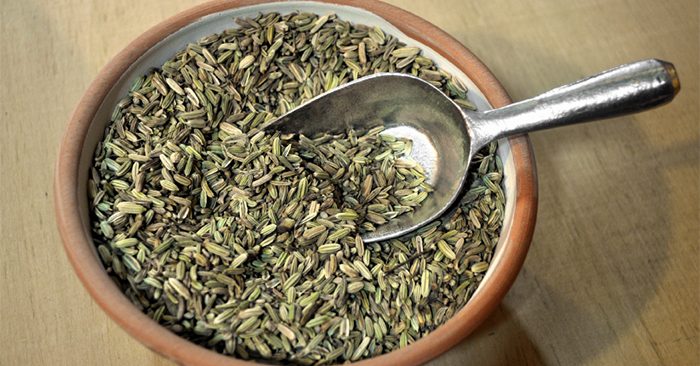
Fennel seed comes from the fennel plant (Foeniculum vulgare), a hardy perennial herb in the carrot family, native to the Mediterranean region. The seeds are harvested once the plant has flowered and fruited. With a shape similar to cumin and a taste reminiscent of anise, fennel seeds are known for their aromatic and digestive properties.
Used both whole and ground, fennel seeds can be found in sweet and savory dishes alike, adding a distinctive, slightly sweet and peppery kick that enhances flavors without overwhelming them.
Fennel in Ancient Civilizations

Ancient Egypt
Fennel seeds were prized in ancient Egypt, both for culinary and medicinal purposes. Egyptian texts refer to their use as a digestive aid, and fennel was frequently included in food preparations to improve digestion after rich meals.
Pharaohs believed that fennel had protective properties. Seeds were often buried with the dead or placed in tombs to provide nourishment in the afterlife.
Ancient Greece
The ancient Greeks viewed fennel as a symbol of knowledge and strength. The name “marathon” (the site of the famous battle and now an Olympic race) comes from the Greek word for fennel, marathonis, as the plant grew abundantly in the area.
Greek athletes consumed fennel seeds as part of their diet to enhance stamina and endurance. It was also believed to suppress appetite, making it a common remedy for weight management.
Ancient Rome
The Romans elevated fennel's role in cooking and medicine. Pliny the Elder, the Roman author and naturalist, documented fennel in his encyclopedic work Natural History, praising its healing qualities for eyesight, digestion, and even snake bites.
Fennel seeds were used liberally in Roman cuisine, often paired with roasted meats and stews. They also featured in herb-infused wines, sauces, and as a breath freshener after meals.
The Spread Through Trade and the Middle Ages

As the Roman Empire expanded, so did the use of fennel. The spice traveled via the Silk Road and Mediterranean trade routes, reaching the Middle East, India, and China.
In the medieval period, fennel became an important spice in European monasteries and kitchens. It was a part of Charlemagne's list of essential herbs to be grown in imperial gardens. Monks used it in monastic cooking, often blending it into bread, broths, and herbal teas.
During Lent, when meat was forbidden, fennel seeds were consumed to suppress hunger—leading to the tradition of "fennel fasting."
Fennel in Eastern Culinary Traditions
India
Fennel holds a prominent role in Indian cuisine and Ayurveda. Known as saunf, it is used in spice blends like panch phoron (five-spice mix) and garam masala, and is often added to curries, dals, and pickles.
After meals, fennel seeds are commonly offered as a digestive aid and mouth freshener—either plain or sugar-coated.
In Ayurveda, fennel is celebrated for its ability to cool the digestive system, balance doshas (especially Pitta), and stimulate metabolism.
China
Fennel seeds have long been used in traditional Chinese medicine (TCM) to alleviate bloating, stomach cramps, and indigestion. They are one of the ingredients in the iconic Chinese five-spice powder, along with star anise, cloves, Sichuan peppercorns, and cinnamon.
Middle East and North Africa
Fennel is used in spice blends like za’atar and berbere, often featured in meat dishes, vegetable stews, and infused teas. The warm, aromatic profile of fennel complements the robust spices typical of Middle Eastern and North African cooking.
Fennel in European Cuisine

In Europe, fennel was once a kitchen staple. In Italian cooking, fennel seeds are key in sausage making, lending their characteristic flavor to sweet and spicy Italian sausages. They're also used in biscotti, roasted pork, and pasta sauces.
In France, fennel seeds are part of herbes de Provence, a classic blend used in grilling and stewing.
In Scandinavian cuisine, fennel seeds show up in pickling brines, rye bread, and mulled drinks.
Modern Culinary Uses of Fennel Seeds
Today, fennel seeds are appreciated by chefs and home cooks around the world for their versatility and depth of flavor. They’re used in both sweet and savory dishes:
Savory Dishes:
- Spice rubs for grilled meats and seafood
- Tomato sauces and braises
- Vegetable stir-fries
- Indian-style dals and curries
- Bread doughs and crackers
Sweet Dishes:
- Herbal teas and tisanes
- Cookies and biscotti
- Fruit compotes
- Homemade liqueurs and syrups
You can toast fennel seeds briefly in a dry pan to release their essential oils, intensifying the flavor. Ground fennel is useful in spice blends, but the whole seeds provide a longer-lasting flavor and texture.
Health and Wellness Appeal
Fennel seed continues to find a place in health-conscious cooking. It's known to support:
- Digestion: Fennel tea is a popular remedy for bloating, gas, and cramps.
- Detoxification: Rich in antioxidants and phytochemicals.
- Hormonal balance: Traditionally used for menstrual support and lactation in herbal medicine.
With the rise of holistic wellness, fennel is often featured in detox teas, herbal tonics, and natural supplements.
Fennel in Global Fusion Cuisine
As global culinary boundaries blur, fennel seed is appearing in fusion recipes that bridge traditional and modern food cultures:
- Fennel-spiced lamb tacos
- Coconut and fennel seed chutney
- Fennel-infused kombucha
- Chocolate truffles with fennel and sea salt
- Fennel and citrus vinaigrettes for gourmet salads
Chefs use it to add an exotic edge to dishes while still honoring its deep historical roots.
Conclusion: A Seed That Stood the Test of Time
From ancient civilizations to modern experimental kitchens, fennel seed has proven to be more than a fleeting trend. Its adaptability, unique flavor, and health-promoting qualities make it a staple that transcends time, geography, and cuisine.
Whether you’re steeping it in tea, blending it into a spice mix, or baking it into artisanal bread, fennel seed connects your cooking to a global legacy of flavor and tradition. It's a humble spice with a powerful past—and an even more flavorful future.