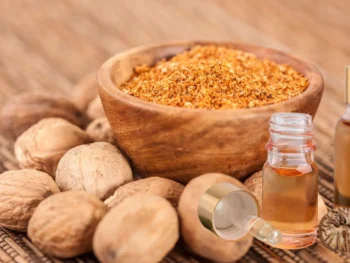

Nutmeg—warm, spicy, and slightly sweet—is often associated with cozy desserts and aromatic dishes. But beyond its culinary uses, nutmeg essential oil is a powerful natural ingredient with numerous benefits for skin, mood, and overall well-being. Derived from the seeds of the Myristica fragrans tree, nutmeg oil has been used in traditional medicine for centuries. Today, it’s becoming a popular addition to homemade, natural cosmetics, soaps, candles, and room sprays.
In this guide, we explore how to create your own DIY products using nutmeg essential oil—safely, effectively, and beautifully.
Benefits of Nutmeg Essential Oil
Before jumping into recipes, it's helpful to understand the properties that make nutmeg oil a valuable addition to personal care and home products:
- Anti-inflammatory: Useful in skincare to reduce puffiness and redness.
- Antibacterial: Helps in fighting acne-causing bacteria.
- Aromatic stimulant: Known to relieve fatigue, uplift the mood, and ease anxiety.
- Pain relief: Traditionally used to alleviate muscle and joint pain.
- Digestive and respiratory benefits (via aromatherapy): Can help clear congestion and support digestion.
Because of its potency, nutmeg oil should always be used in small amounts and properly diluted before skin application.
1. DIY Nutmeg Oil Cosmetics
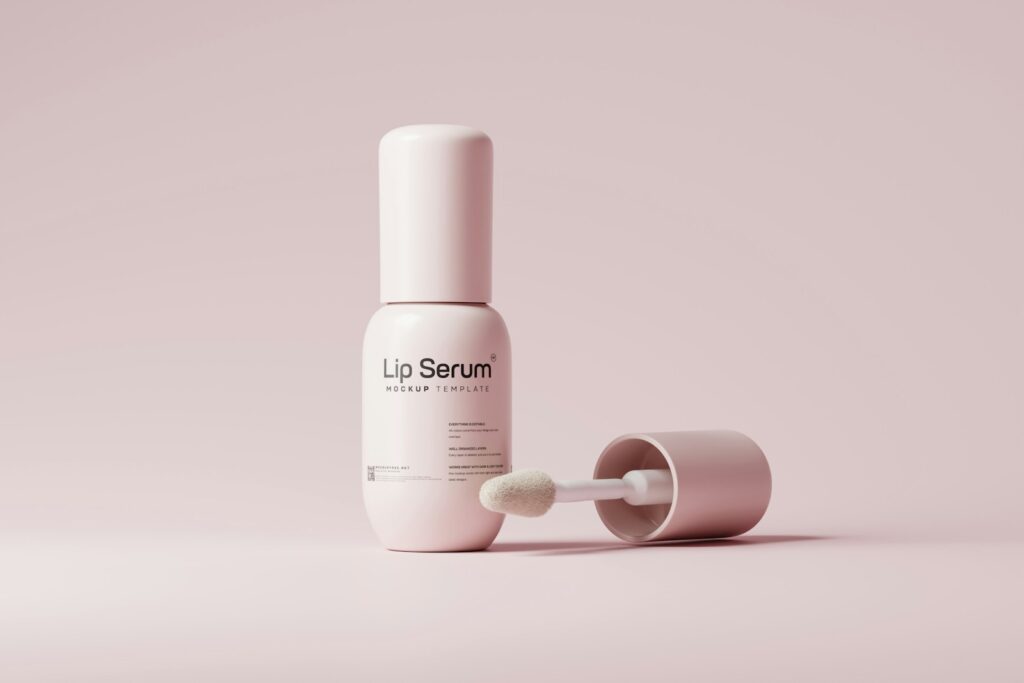
Nutmeg-Infused Facial Serum
Nutmeg oil can be included in your skincare routine as a part of a facial oil blend. Its antibacterial and toning properties make it ideal for balancing the skin.
Ingredients:
- 2 tablespoons jojoba or argan oil (carrier oil)
- 2 drops nutmeg essential oil
- 2 drops tea tree oil (optional, for acne-prone skin)
- 3 drops lavender oil (calming)
Instructions:
- Combine all ingredients in a small glass dropper bottle.
- Shake well before each use.
- Apply 3–4 drops to cleansed skin at night.
Note: Patch test on your wrist before applying to your face.
Nutmeg Lip Balm
Add a hint of spice and warmth to your homemade lip balm.
Ingredients:
- 1 tablespoon beeswax pellets
- 1 tablespoon coconut oil
- 1 tablespoon shea butter
- 1 drop nutmeg essential oil
- 1 drop vanilla extract (optional)
Instructions:
- Melt beeswax, coconut oil, and shea butter in a double boiler.
- Remove from heat, stir in nutmeg oil and vanilla.
- Pour into lip balm tubes or tins and let cool.
2. DIY Nutmeg Oil Soaps
Nutmeg's antibacterial and invigorating scent makes it a perfect addition to cold-process or melt-and-pour soaps.
Nutmeg & Orange Glycerin Soap
This quick melt-and-pour method is beginner-friendly and yields beautifully aromatic bars.
Ingredients:
- 1 lb glycerin melt-and-pour soap base
- 10 drops nutmeg essential oil
- 10 drops sweet orange essential oil
- 1 tsp ground nutmeg (optional for texture and exfoliation)
- Silicone soap molds
Instructions:
- Melt the soap base in a microwave-safe container in 30-second bursts.
- Once fully melted, stir in essential oils and ground nutmeg.
- Pour into molds and allow to set for 2–3 hours.
- Remove from molds and wrap in wax paper for storage.
Tip: Nutmeg blends beautifully with cinnamon, clove, and vanilla oils for a warming autumn soap scent.
3. DIY Nutmeg Oil Candles
Nutmeg oil adds a cozy, comforting aroma to homemade candles—perfect for relaxing evenings or holiday ambiance.
Nutmeg Soy Wax Candle
Ingredients:
- 1 cup soy wax flakes
- 10–12 drops nutmeg essential oil
- 10 drops cinnamon or vanilla essential oil (optional)
- Candle wick
- Small glass jar
Instructions:
- Melt soy wax in a double boiler or microwave.
- Once fully melted, let cool for 1–2 minutes.
- Stir in essential oils.
- Place wick in center of jar, using a stick or clip to hold it upright.
- Pour wax into the jar and let set completely (4–6 hours).
- Trim wick and enjoy.
Note: Use only essential oils and candle-safe containers. Test scent strength before scaling up.
4. DIY Nutmeg Room Sprays
Nutmeg oil's warm and invigorating aroma makes it perfect for natural room sprays. It pairs beautifully with citrus or woody oils for a well-rounded scent.
Nutmeg Citrus Room Spray
Ingredients:
- 1/2 cup distilled water
- 2 tablespoons witch hazel or vodka (helps disperse oil)
- 10 drops nutmeg essential oil
- 10 drops lemon or bergamot essential oil
- 5 drops cedarwood oil (optional)
- 4 oz spray bottle
Instructions:
- Add witch hazel or vodka to the spray bottle.
- Add essential oils.
- Top off with distilled water.
- Shake well before each use and spray as desired.
Tip: Great for kitchens, living rooms, or cozy reading corners.
Safety Considerations When Using Nutmeg Oil

While nutmeg essential oil offers many benefits, it's a potent substance and should be used with care.
- Dilute: Always dilute in a carrier oil or base product before applying to skin.
- Patch Test: Test any cosmetic product on a small skin area before full application.
- Avoid ingestion: Never consume nutmeg oil; it can be toxic in high doses.
- Pregnancy caution: Avoid during pregnancy unless cleared by a healthcare provider.
- Avoid overuse: High concentrations can cause skin irritation or dizziness.
Blending Tips and Aroma Profiles
Nutmeg oil blends well with:
- Citrus oils: Like orange, lemon, or bergamot for an energizing aroma.
- Woody oils: Like sandalwood or cedarwood for depth and grounding.
- Spice oils: Like cinnamon or clove for warm, autumnal blends.
- Floral oils: Like lavender or rose for a soft, balanced bouquet.
Its aroma is spicy, warm, slightly woody, and slightly sweet—perfect for seasonal or everyday use.
Sourcing Quality Nutmeg Oil
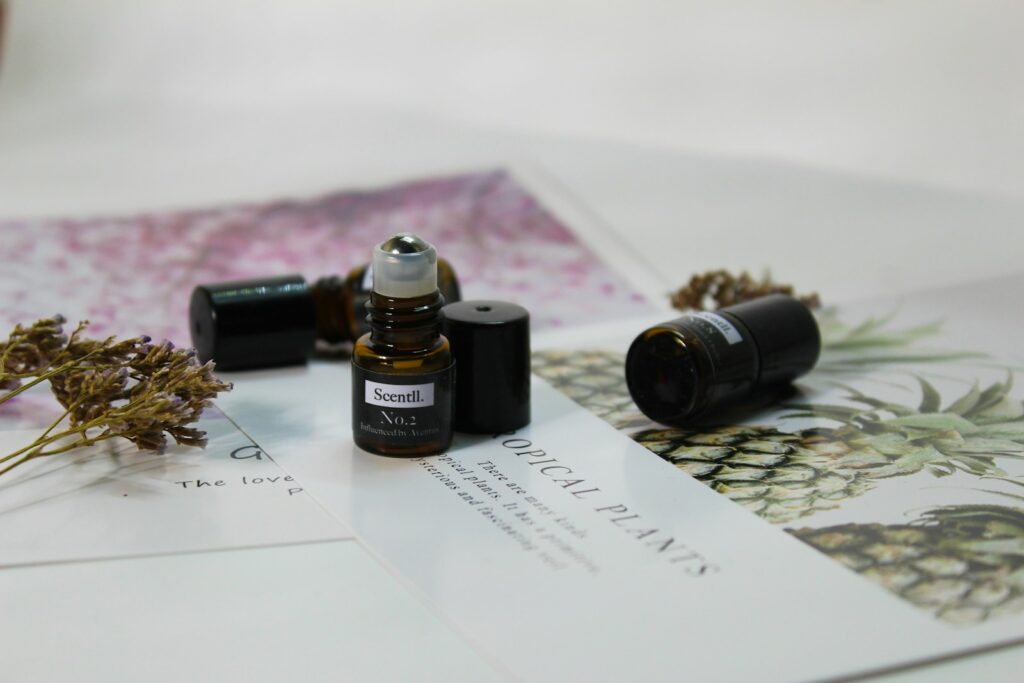
For effective and safe results, choose 100% pure, therapeutic-grade nutmeg essential oil. Look for suppliers that provide:
- GC/MS testing results (to verify purity)
- Organic or ethically sourced certifications
- Bottles with proper safety labeling and usage instructions
Avoid oils labeled “fragrance oil” or those with additives if you intend to use them in skincare or health products.
Conclusion: Spicing Up Your DIY Creations Naturally
Nutmeg essential oil is more than just a holiday scent—it’s a versatile, powerful ingredient with deep roots in both natural healing and aromatic tradition. Whether you're crafting a nourishing facial oil, a festive candle, or an invigorating room spray, nutmeg oil can elevate your DIY projects with its warmth and wellness benefits.
By blending this ancient spice with modern techniques and clean ingredients, you create not only products you can trust—but experiences you’ll look forward to. Cozy, calming,