
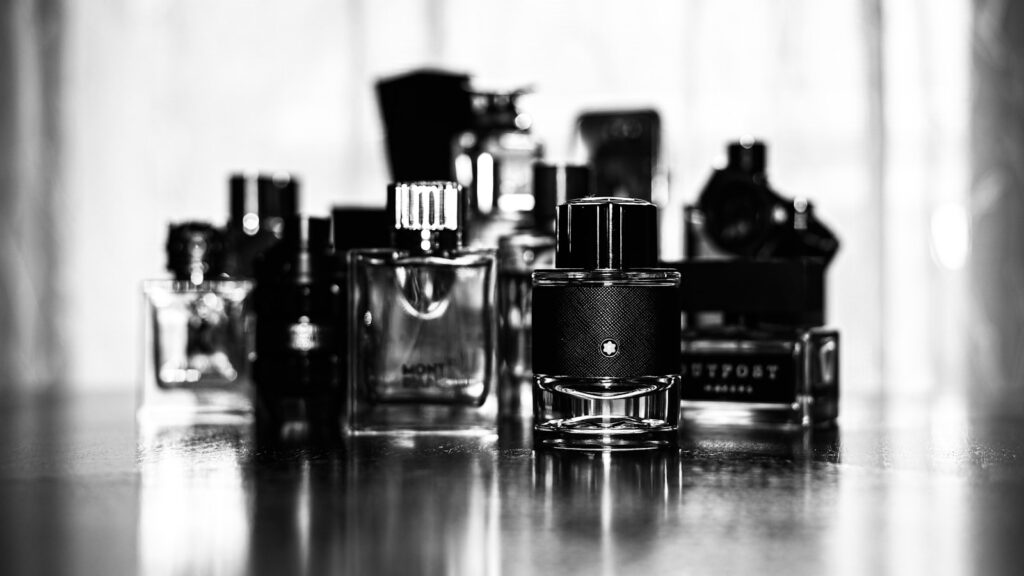
Agarwood, often referred to as "liquid gold" or "oud," is among the rarest and most luxurious raw materials used in perfumery. Prized for its deep, complex, and mysterious aroma, agarwood has captivated cultures across Asia, the Middle East, and increasingly, the West. But the real magic lies not just in agarwood itself, but in how skilled artisans and perfumers blend it to create truly unique, evocative fragrances.
This article explores the intricate world of agarwood blending—a fine art that requires patience, expertise, and a deep understanding of olfactory harmony.
What is Agarwood?
Agarwood is a fragrant resin produced by the Aquilaria tree when it becomes infected by a specific type of mold (Phialophora parasitica). In response to this infection, the tree produces a dark, aromatic resin that saturates the heartwood, giving agarwood its signature scent—an incredibly rich combination of woody, balsamic, sweet, smoky, and earthy notes.
It is incredibly rare because only a small percentage of Aquilaria trees become naturally infected. Even when cultivated through artificial inoculation, producing quality agarwood can take years. This rarity, along with its powerful aroma, has made agarwood one of the most sought-after ingredients in the fragrance world.
The Cultural Significance of Agarwood

Before diving into blending, it’s essential to understand the cultural backdrop of agarwood. For centuries, agarwood has held spiritual and ceremonial significance. In Japan, it is used in Kōdō (the Way of Incense), a meditative incense appreciation ritual. In the Middle East, it is burned in homes and mosques, and worn on the body as a luxurious personal scent.
In traditional Chinese medicine and Ayurvedic practices, agarwood is believed to have calming, therapeutic effects. The reverence surrounding agarwood transcends its aroma—it symbolizes purity, wealth, and spiritual elevation.
The Philosophy of Blending
Blending agarwood is both a science and an art. Much like composing music or painting, it involves combining different aromatic notes to create a harmonious, multi-layered olfactory experience.
Agarwood is typically used as a base note—the foundation of a fragrance that provides depth, longevity, and richness. Perfumers will then layer middle (heart) and top notes around the oud to build complexity and balance.
- Top notes: These are the first impressions, often light and volatile (e.g., citrus, herbs).
- Middle notes: These form the core of the scent, adding body and character (e.g., florals, spices).
- Base notes: These emerge last and linger the longest (e.g., agarwood, sandalwood, musk).
The true skill of blending lies in achieving synergy—ensuring the components evolve together and tell a story from the first spray to the final dry-down.
Key Ingredients Blended with Agarwood
To create unique and memorable fragrances, perfumers often pair agarwood with complementary ingredients:
- Rose: The floral sweetness of rose softens the smokiness of oud, resulting in a luxurious contrast beloved in Middle Eastern perfumery.
- Amber: Adds warmth and a resinous quality that enhances the balsamic depth of agarwood.
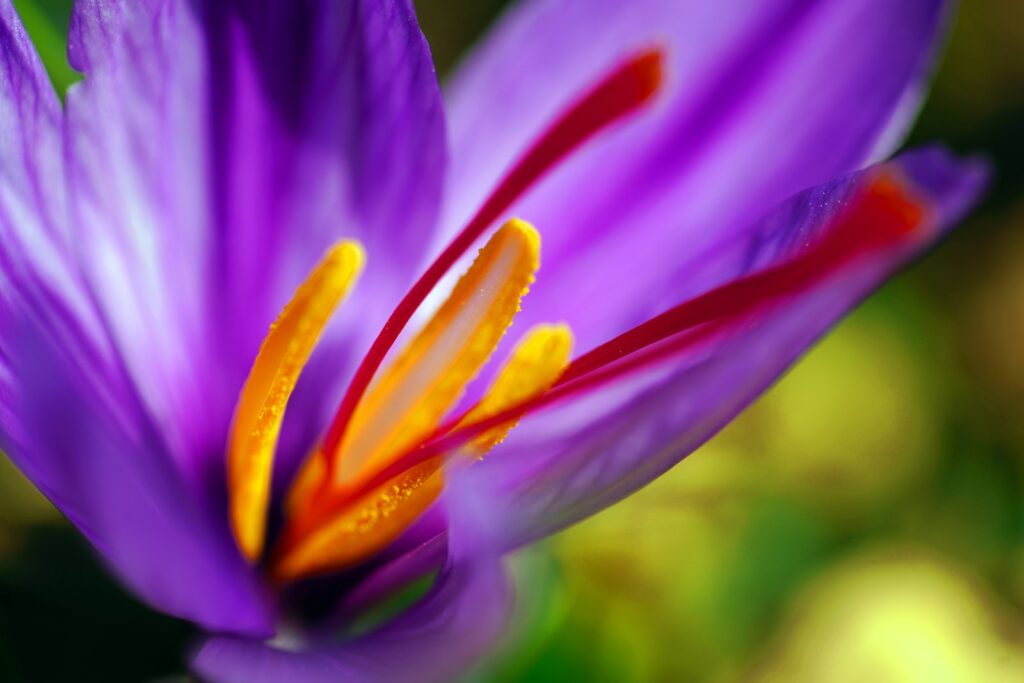
- Saffron: Provides a metallic, leathery sharpness that sharpens oud’s natural intensity.
- Citrus oils (e.g., bergamot, neroli): Brighten the composition and balance the heaviness of oud.
- Sandalwood: Smooth and creamy, it works in harmony with oud for a soft, woody accord.
- Patchouli and Vetiver: Earthy, grounding elements that deepen the scent profile.
Traditional vs. Contemporary Blending Approaches
There are two primary approaches to agarwood blending:
1. Traditional Blending
This involves the use of pure, natural ingredients. In many Middle Eastern and Southeast Asian cultures, oil blends (known as attar or mukhallat) are made using high-quality oud, aged oils, and natural extracts. These blends are usually oil-based and alcohol-free, aged for months—or even years—for the components to marry beautifully.
Traditional blends are revered for their complexity, authenticity, and spiritual resonance.
2. Contemporary Perfumery
Modern perfumers may combine natural oud with synthetic aroma molecules to create more accessible or innovative interpretations. These compositions often use alcohol as a carrier and explore a broader creative spectrum—such as gourmand ouds (paired with chocolate or vanilla) or aquatic ouds (blended with marine accords).
While purists may prefer traditional methods, contemporary oud perfumes have brought agarwood into global awareness, expanding its artistic potential.
The Aging Process: Patience Makes Perfection
One of the most critical aspects of crafting a perfect agarwood blend is aging. Just like fine wine, a well-blended agarwood oil or perfume needs time for the ingredients to harmonize. This process, which can take weeks or even years, allows harsh edges to mellow, sharp notes to soften, and the composition to become seamless.
Aged oud oils, in particular, are known to develop smoother, sweeter, and more refined characteristics over time, making them even more prized.
Challenges in Agarwood Blending
Crafting a unique oud fragrance comes with several challenges:
- Sourcing Quality Oud: Due to overharvesting and illegal trade, natural agarwood is increasingly rare and expensive. Sustainable cultivation through plantations is growing but still limited.
- Olfactory Complexity: Oud's aroma can be overpowering or unbalanced if not blended skillfully. Too much can dominate the composition; too little may render it undetectable.
- Batch Variation: Because it is a natural product, no two oud oils are exactly alike. Variations in aroma can make it difficult to recreate a specific blend consistently.
The Future of Agarwood Blending
The future of agarwood blending lies in innovation and sustainability. As demand increases, sustainable agarwood cultivation through inoculation and ethical harvesting practices are becoming essential. Additionally, advancements in biotechnology may eventually allow for the production of lab-grown oud that replicates the complex aroma of natural agarwood without harming forests.
In perfumery, oud will continue to evolve—fused with new aromatic trends, storytelling techniques, and artistic experimentation.
Conclusion
The art of agarwood blending is a symphony of tradition, creativity, and deep respect for nature. From its sacred roots in ancient rituals to its place in modern perfumery, agarwood remains one of the most enigmatic and revered ingredients in the world.
Crafting a unique agarwood fragrance is not just about mixing oils—it’s about telling a story through scent. It is a sensory journey that blends culture, emotion, and craftsmanship into a fragrance that lingers long after the wearer has gone.
.


