
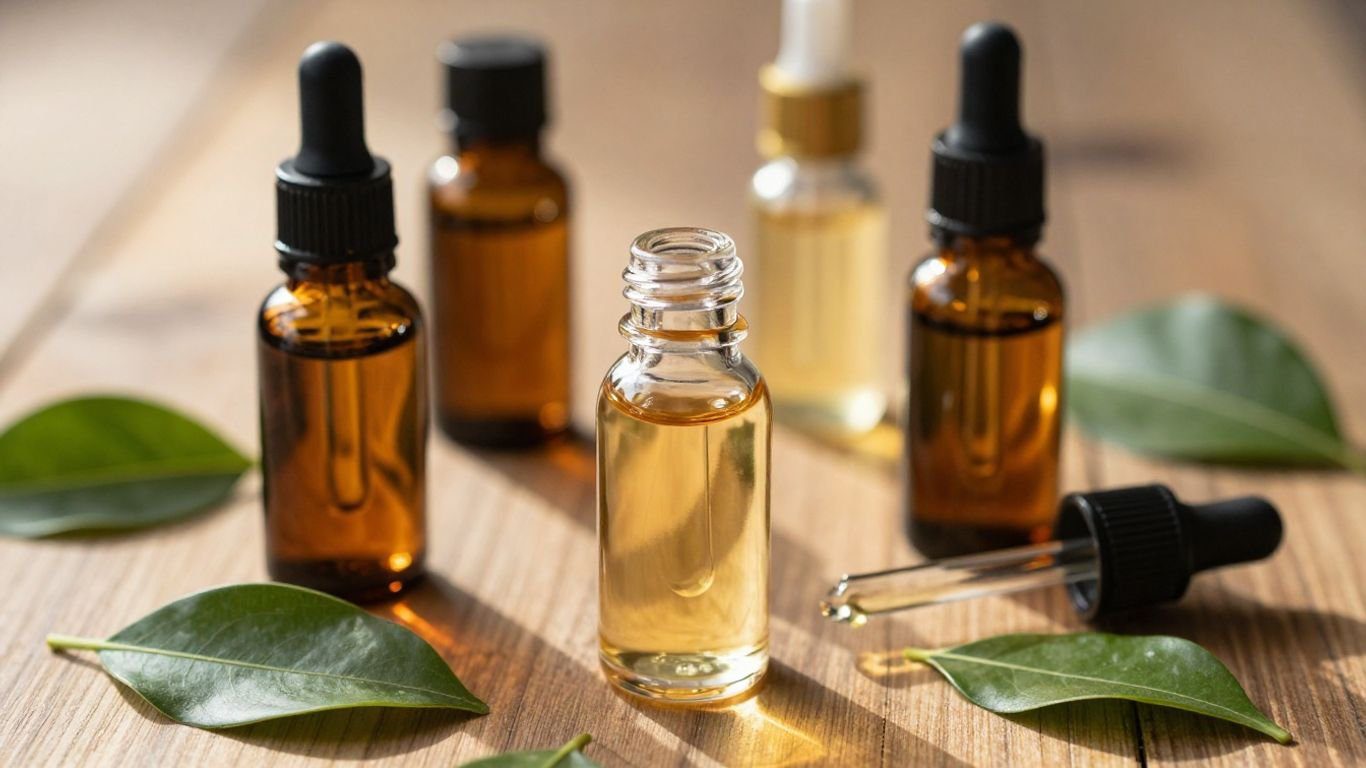
When we prepare to send our essential oils out of Indonesia, getting the paperwork right is a big deal. It’s not just about filling out forms; it’s about making sure everything flows smoothly from our facility to the buyer’s hands. Having the correct documents is key to avoiding delays and misunderstandings. We will deep down understand essential oil export documents
Tag Archives: floral fragrance
Patchouli Oil for Perfumery vs Aromatherapy: Key Differences
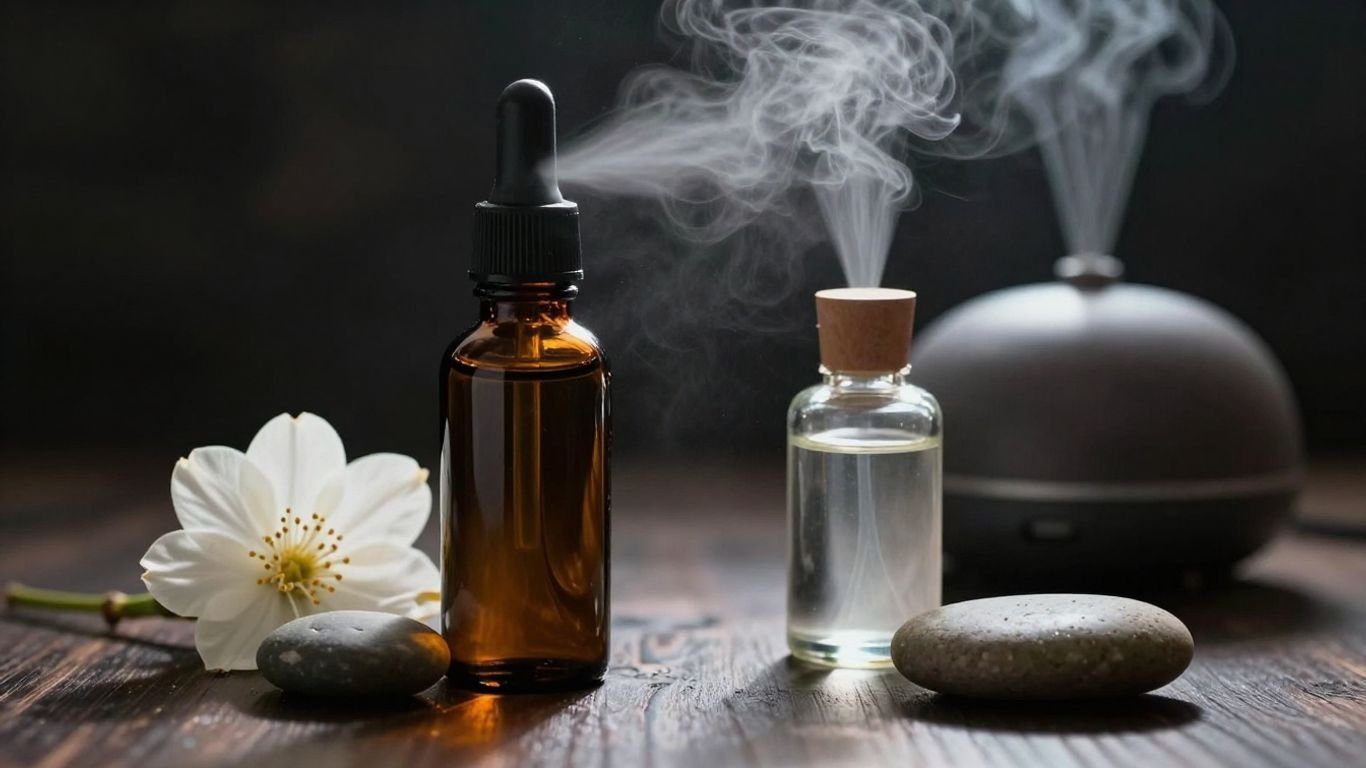
Patchouli oil has a long history in the world of scent creation. It’s not just a fleeting top note; it’s often the backbone of a perfume. We use it as a base note because it sticks around, giving other, lighter scents a place to land and linger. Think of it like the sturdy foundation of a house – everything else is built upon it. Its deep, earthy, and woody character provides a richness that’s hard to find elsewhere. It’s this lasting quality that makes it so valuable for making fragrances that people remember.
HS Code for Patchouli Oil and Import Regulations
When we talk about importing or exporting patchouli oil, the first thing we need to get right is its classification under the Harmonized System (HS). This system is like a global language for trade, used by customs authorities everywhere to identify products. For patchouli oil, we typically find it falling under Chapter 33, which covers essential oils and perfumery or cosmetic preparations.