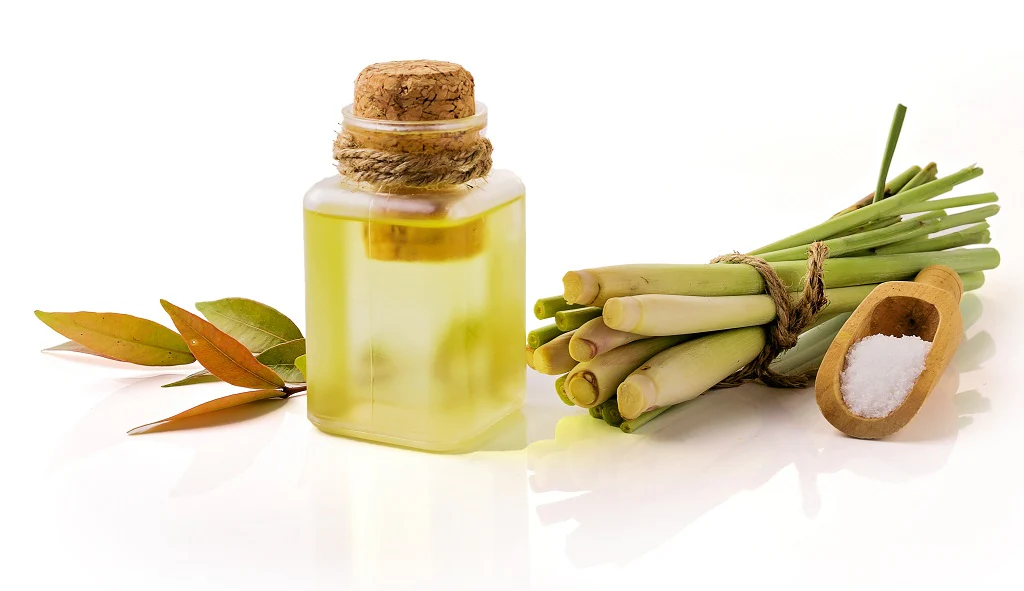
Lemongrass oil, known for its bold citrusy aroma and earthy undertones, has long been a cherished herb in many traditional cuisines. While the fresh stalks and dried leaves are commonly used in soups, stews, and teas, lemongrass essential oil—extracted through steam distillation from the plant’s leaves and stalks—is gaining attention in culinary circles for its intensely aromatic, concentrated flavor. This oil offers a practical, potent alternative to fresh lemongrass when used properly.
In this article, we’ll explore how lemongrass oil is utilized in Asian, Caribbean, and Latin American cuisines, highlighting its unique culinary contributions, methods of use, cultural significance, and tips for safe, effective use in the kitchen.
Understanding Lemongrass Oil in Culinary Use
Lemongrass oil is not only popular in aromatherapy and cosmetics—it has a distinct, lemony flavor with grassy and ginger-like notes that blend beautifully into savory and sweet dishes. However, due to its high concentration, it must be used sparingly in food—often diluted in a carrier (oil, broth, or cream) or added in drop-by-drop quantities.
Key Characteristics:
- Flavor: Citrusy, herbaceous, with hints of mint and ginger.
- Volatility: Should be added late in cooking to preserve flavor.
- Usage: Ideal for marinades, sauces, curries, soups, and drinks.
1. Lemongrass Oil in Asian Cuisine
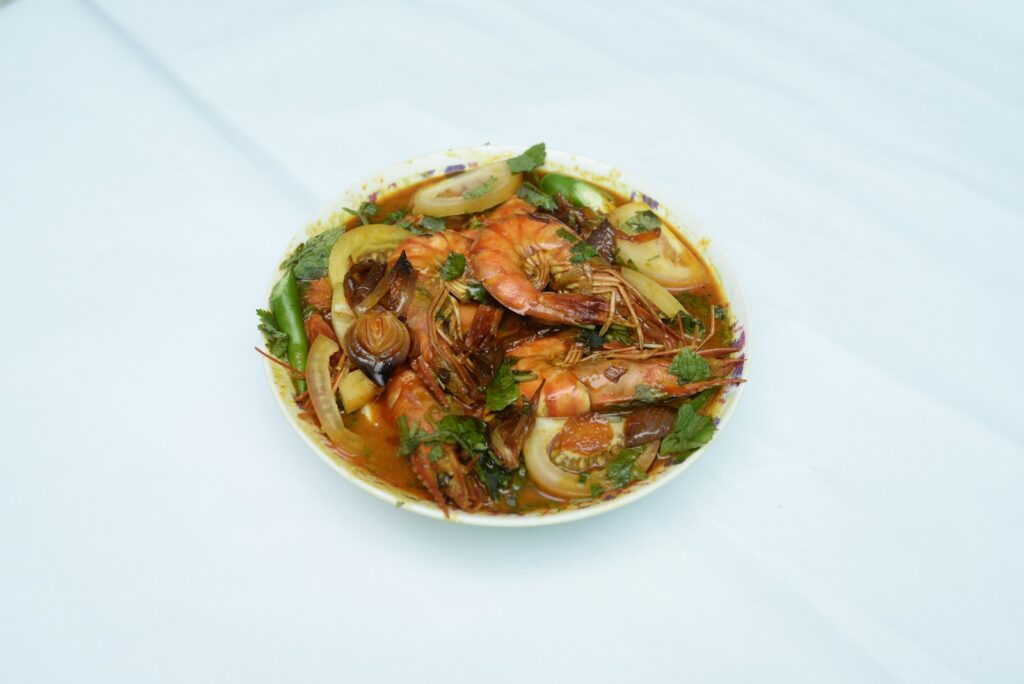
Asian culinary traditions—particularly those of Thailand, Vietnam, Indonesia, and India—have long revered lemongrass for its bright, citrusy essence. Lemongrass oil captures that flavor in its most concentrated form and is often used as a substitute when fresh lemongrass is unavailable.
Thailand
In Thai cuisine, lemongrass is essential to iconic dishes like Tom Yum Goong (hot and sour shrimp soup) and green curry. Lemongrass oil can be:
- Blended into curry pastes for an intense lemony punch.
- Added to coconut milk-based soups, such as Tom Kha Gai, to enhance the citrus balance.
- Infused into cooking oils for stir-frying vegetables or seafood.
Tip: Add 1 drop of lemongrass oil to 1 tablespoon of coconut oil for frying to replicate the flavor of fresh stalks.
Vietnam
Lemongrass is a backbone flavor in Vietnamese dishes like lemongrass chicken and beef skewers. Lemongrass oil can be:
- Mixed with fish sauce, lime juice, garlic, and chili for a vibrant marinade.
- Added to dipping sauces like nuoc cham for an extra aromatic layer.
Indonesia & Malaysia
Here, lemongrass oil is used in rich spice pastes like sambal and rempah, where it's mixed with galangal, turmeric, and shallots. The oil’s intense aroma complements:
- Grilled meats (satay)
- Coconut rice
- Rendang stews
2. Lemongrass Oil in Caribbean Cuisine
In Caribbean cooking, particularly in Jamaican, Trinidadian, and Haitian kitchens, lemongrass is known locally as fever grass and is traditionally brewed into herbal teas or added to soups and stews.
While lemongrass stalks are common in herbal remedies, lemongrass oil is now gaining popularity in modern Caribbean fusion cuisine for its ease of use and strong flavor.
Jamaica
- Used in jerk marinades alongside allspice, scallions, and thyme.
- Infused in coconut oil or butter and brushed over grilled seafood like red snapper or shrimp.
- Blended into fruit-based sauces (e.g., mango-lime sauce) to balance sweetness with citrus zest.
Trinidad & Tobago
- Added to curry bases along with cumin, garlic, and pepper.
- A drop or two mixed with lime juice and hot pepper sauce creates a tangy condiment for doubles, roti, or pelau.
Haiti
- Lemongrass oil can be used to enhance bouillon soups, especially those with root vegetables and meat.
- It adds brightness to pikliz, a spicy pickled slaw used as a condiment.
3. Lemongrass Oil in Latin American Cuisine
Lemongrass is not as traditional in Latin cuisine as it is in Asian or Caribbean dishes, but its flavor aligns beautifully with ingredients like lime, cilantro, chili, and garlic. As global culinary trends evolve, lemongrass oil is making its way into Latin American kitchens—particularly in fusion cuisine and modern gastronomy.
Brazil
- Lemongrass oil is used to flavor moquecas (seafood stews with coconut milk), bringing brightness and complexity.
- It is sometimes added to passion fruit desserts or brigadeiros (Brazilian truffles) for a gourmet twist.
Mexico
- A drop of lemongrass oil in citrus-based marinades can elevate grilled chicken, pork, or fish tacos.
- It works well in aguas frescas (refreshing fruit drinks), particularly when paired with cucumber, mint, or pineapple.
- Some chefs use it in ceviches, balancing the acidity of lime with a perfumed citrus aroma.
Peru
- Lemongrass oil is a creative addition to Leche de Tigre (the citrusy marinade used in ceviche), adding depth to the tangy flavor.
- Infused into butter or cream for sauces served over grilled Amazonian fish.
Safety & Best Practices for Cooking with Lemongrass Oil

✅ Use food-grade oil only
Ensure you are using certified food-grade lemongrass essential oil. Not all essential oils are safe to ingest.
✅ Less is more
Lemongrass oil is potent. Start with 1 drop per dish or dilute in a carrier before adding to recipes. For strong-flavored dishes like curries or sauces, 1–2 drops per 4 servings is often sufficient.
✅ Add late in cooking
To preserve the delicate citrus aroma, add the oil at the end of cooking or during the marinating stage.
✅ Dilute appropriately
Dilute in oil, vinegar, honey, or broth to distribute flavor evenly and avoid overwhelming the dish.
Creative Uses in Drinks and Desserts
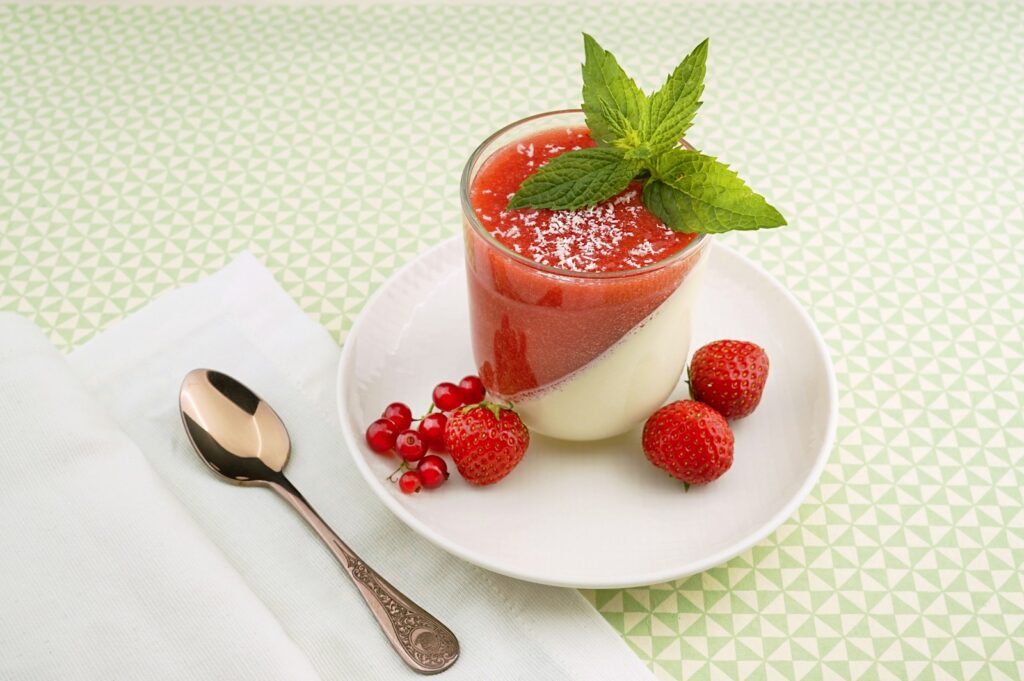
Lemongrass oil also shines in the realm of beverages and sweets:
- Cocktails: Infuse vodka, gin, or rum with a drop of lemongrass oil for a tropical flair. Pair with ginger, lime, and mint for a refreshing drink.
- Teas & Infusions: A drop in herbal teas offers a clean, citrusy boost.
- Desserts: Combine with coconut milk in puddings, panna cotta, or sorbets.
- Chocolates: Mix with white or dark chocolate for a fragrant, exotic note.
Conclusion
Lemongrass oil is a remarkable culinary tool that bridges the flavors of Asian, Caribbean, and Latin cuisines. Whether used to flavor Thai curries, Haitian soups, or Brazilian seafood stews, it brings a distinctive zest that transforms both traditional and modern dishes.
Its concentrated flavor and versatility make it a pantry staple for adventurous cooks and professional chefs alike. Just remember: a little goes a long way. With proper use, lemongrass oil opens up a world of bold, aromatic possibilities across global kitchens.