Citronella oil, known for its crisp, lemony scent and natural insect-repelling qualities, is a staple in aromatherapy, cosmetics, and household products worldwide. While consumers often encounter citronella in candles, sprays, or essential oil bottles, the story behind its production is far richer and deeply rooted in rural farming communities. To better understand the people, practices, and challenges shaping this industry, we spoke with leading citronella farmers and distillers from Indonesia, Sri Lanka, and India—countries that dominate the global market for this fragrant oil.
The Farmers: Guardians of Tradition and Land
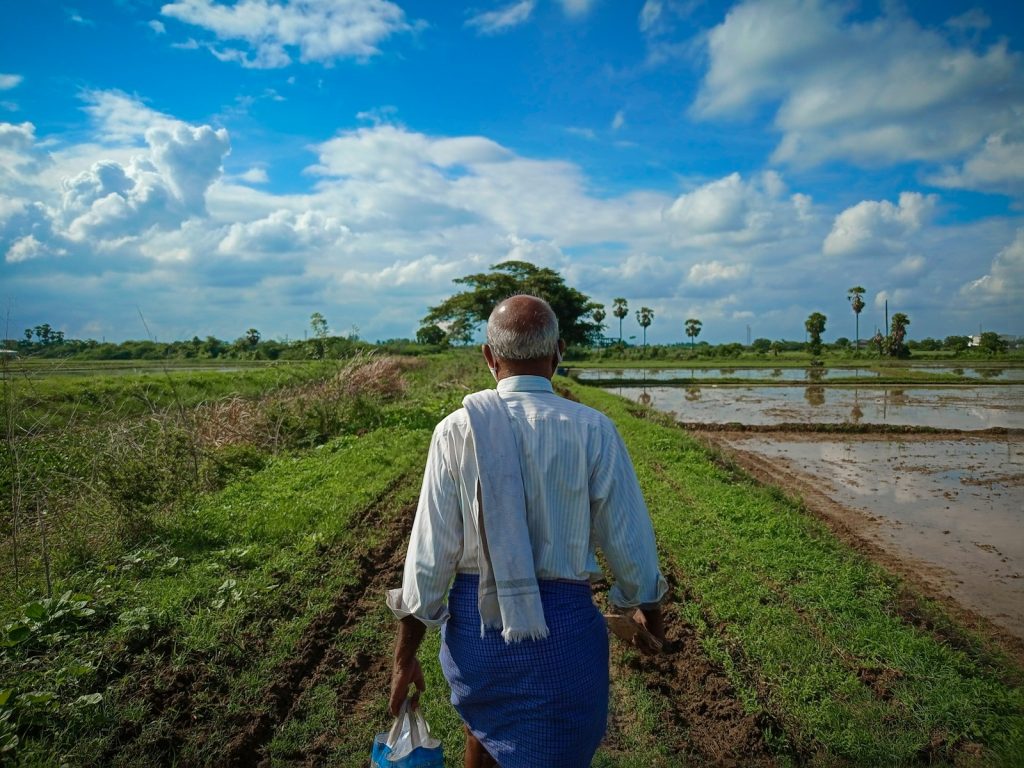
For many farmers, citronella cultivation is both an inheritance and a lifeline. In the highlands of Java, Indonesia, we met Agus, a third-generation farmer who has cultivated citronella for more than 20 years.
“Citronella is a hardy crop,” he explained, gently running his fingers over the sharp-edged leaves. “It thrives where other crops might fail. We don’t need expensive fertilizers, just patience and good soil care.”
In Sri Lanka, farmer Kamala echoed this sentiment, emphasizing the plant’s resilience. “Even in heavy rains or dry spells, citronella can withstand the weather. It gives farmers like us stability, especially when other crops are uncertain.”
For both, citronella is not just about income—it’s about heritage. Families pass down techniques for planting, harvesting, and maintaining soil health, ensuring the land continues to provide for future generations.
The Harvest: Timing is Everything
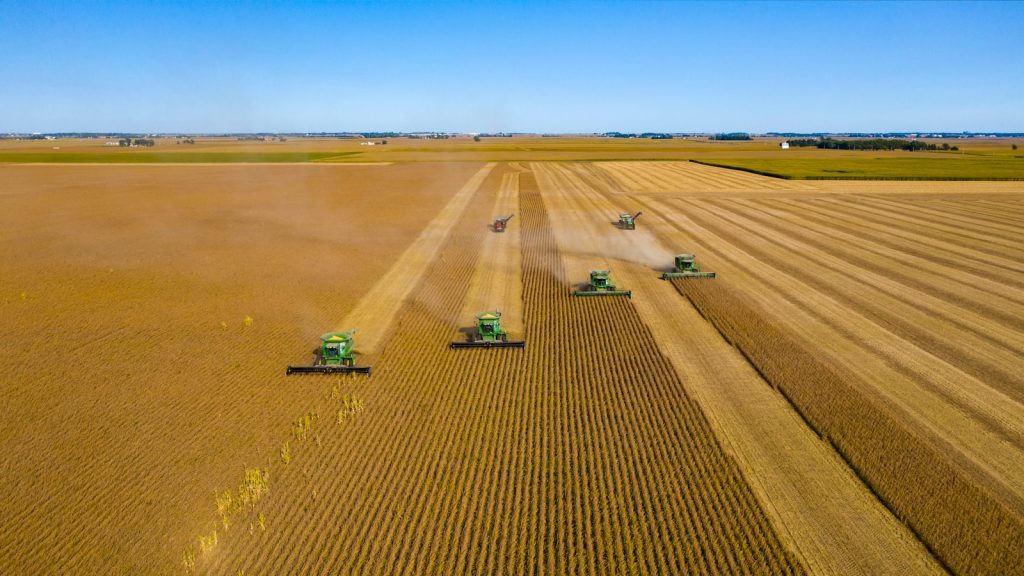
The quality and yield of citronella oil depend heavily on the harvest. Leaves are typically cut every two to three months, with farmers timing their work around the growth cycle.
According to Rajesh, a farmer in southern India, “The best yield comes when the grass is about three feet tall and three months old. Harvesting too early reduces the oil content, while waiting too long weakens the fragrance.”
Harvesting is still largely manual. Farmers rise early, using sickles to cut the long, blade-like leaves. Bundles of citronella are then transported—sometimes by motorbike or ox cart—to local distilleries. The labor is intense, but as Rajesh noted, “The fragrance of freshly cut citronella makes the work worth it. It is the smell of our livelihood.”
The Distillers: Science Meets Craft
Once harvested, citronella leaves must be distilled within 24 hours to preserve oil content. Distillation is where science and craft intersect. In a small facility outside Yogyakarta, Indonesia, distiller Ahmad explained the process.
“We use steam distillation,” he said, showing us a large steel chamber. “The steam passes through the leaves, breaking down plant cells and releasing the oil. The vapor then condenses, separating oil from water.”
The process takes several hours, and skill is required to ensure quality. If the heat is too high, the oil can burn; too low, and the yield decreases. Ahmad described distillation as an art: “Each batch is different, depending on the season, the soil, the rainfall. My job is to capture the true essence of the plant.”
Sri Lankan distiller Priya added that even storage after distillation matters. “Citronella oil must be kept in dark glass bottles, away from sunlight. Exposure can reduce its strength and alter its aroma.”
Sustainability and Organic Practices

Global demand for natural, eco-friendly products has placed citronella at the heart of sustainability discussions. Many farmers are transitioning toward organic practices, avoiding synthetic pesticides and fertilizers.
“International buyers now ask for organic certification,” said Agus. “We use compost from farm waste and practice crop rotation to maintain soil fertility. It protects our land and also increases the value of our oil.”
In Sri Lanka, cooperatives are forming to support small-scale farmers. Kamala explained, “By working together, we share resources for organic certification and access to global markets. Alone, it would be too costly.”
This shift toward sustainability benefits both farmers and the environment. Healthier soil, cleaner water, and reduced chemical inputs ensure long-term productivity and align with global wellness trends.
Challenges in the Citronella Industry
Despite its promise, citronella farming and distillation come with challenges. Price fluctuations in the global essential oil market often leave farmers vulnerable.
“Sometimes, the price of oil drops suddenly because of oversupply or competition,” Rajesh noted. “Farmers invest months of work, but the returns may not match.”
Labor is another issue. Younger generations are increasingly moving to cities, leaving fewer hands to carry on traditional farming. “My children prefer jobs in technology,” Ahmad admitted. “They see farming as hard labor with uncertain income.”
Additionally, counterfeit or adulterated citronella oil has become a growing concern. Some traders mix genuine oil with cheaper substitutes, damaging the reputation of authentic products. Distillers like Priya emphasize the importance of traceability and transparency to maintain trust with buyers.
Innovation and the Future of Citronella
While challenges exist, innovation is bringing hope. Agricultural researchers are experimenting with improved citronella varieties that produce higher yields and richer oil content. Distillers are upgrading equipment to increase efficiency and reduce energy use.
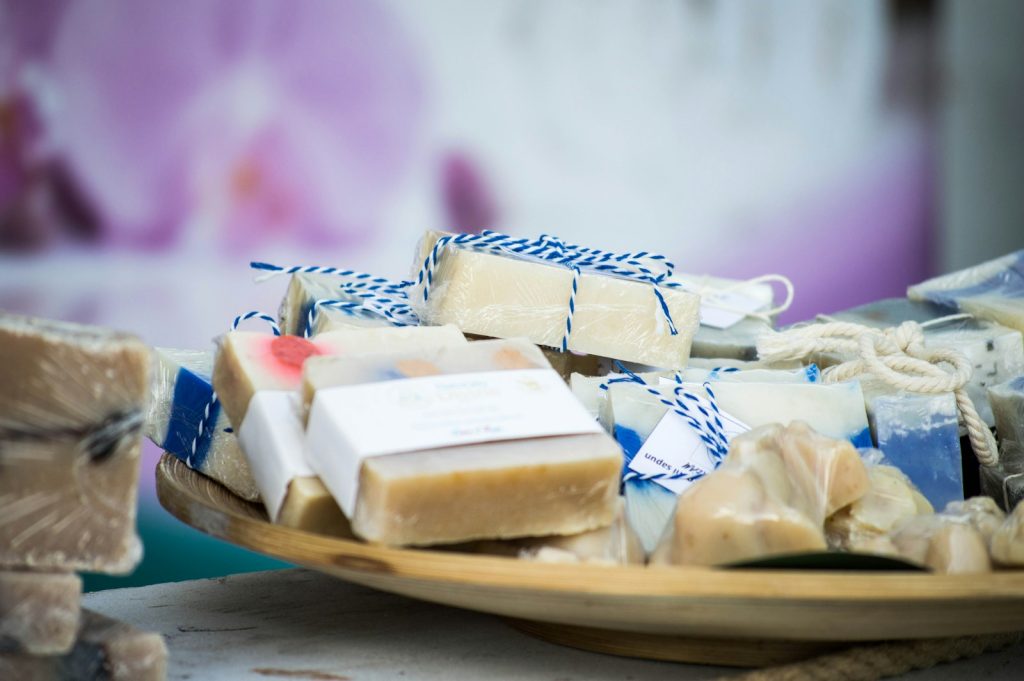
Some farmers are also exploring value-added products. Instead of selling only raw oil, cooperatives in Sri Lanka are producing citronella-based candles, soaps, and repellents. “By processing the oil ourselves, we earn more and reach new markets,” said Kamala proudly.
Global wellness trends also point toward a bright future. As consumers demand natural alternatives to synthetic chemicals, citronella oil is positioned as a sustainable solution—whether in mosquito repellents, skincare, or aromatherapy.
Voices of Pride and Resilience
When asked what citronella means to them personally, all the farmers and distillers expressed a sense of pride.
“For me, citronella is independence,” Agus reflected. “It gives my family food, education, and dignity. We don’t rely on big companies; we rely on our land.”
Priya added a spiritual note: “The scent of citronella connects us to nature. It cleanses not only the home but also the mind. That is why I love my work.”
Their voices highlight a truth often overlooked by consumers: every drop of citronella oil carries with it the labor, tradition, and resilience of communities across Asia.
Conclusion
Interviews with leading citronella farmers and distillers reveal an industry that blends tradition with innovation, hardship with hope. From the careful cultivation of hardy grass to the precision of steam distillation, citronella’s journey reflects both cultural heritage and modern sustainability.
While global markets and environmental challenges pose risks, the dedication of these farmers and distillers ensures citronella oil remains a vital part of natural wellness. For consumers, understanding the stories behind this fragrant oil adds deeper value to every product—reminding us that wellness is not just about personal health, but also about supporting the communities and ecosystems that make it possible.