Aromatherapy has become a popular, natural way to enhance well-being and manage stress. While lavender and peppermint oils often get the spotlight, fennel seed oil is a lesser-known gem in the aromatherapy toolkit. With its sweet, spicy, and slightly licorice-like aroma, fennel seed oil offers a unique profile that promotes relaxation, eases tension, and balances the mood.
This article explores how you can incorporate fennel seed oil into your own DIY aromatherapy blends at home, the science behind its soothing effects, and step-by-step methods for creating custom oils for stress relief, sleep, and calm.
What is Fennel Seed Oil?
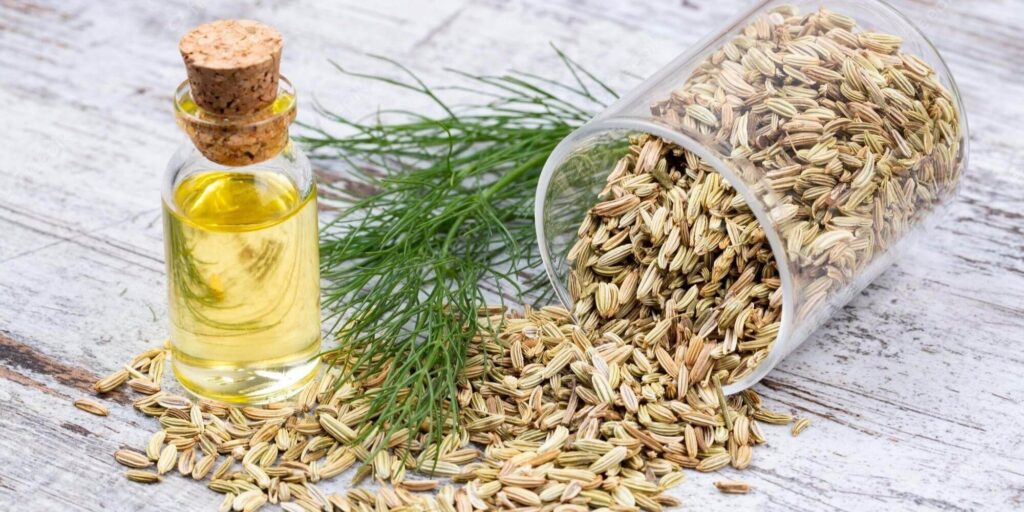
Fennel (Foeniculum vulgare) is a flowering plant from the carrot family, prized for its aromatic seeds. The essential oil is derived from these seeds through steam distillation, yielding a concentrated oil rich in beneficial compounds such as:
- Anethole (the primary constituent, known for its sweet scent and calming effects)
- Fenchone
- Estragole
- Limonene
Fennel seed oil has a warm, herbaceous aroma with sweet undertones, making it an excellent oil for grounding and relaxing the mind. It's often used in massage, bath blends, diffusers, and personal inhalers.
Benefits of Fennel Seed Oil in Aromatherapy

Fennel oil’s relaxing effects stem from both its chemical composition and its impact on the nervous system. Here are some key benefits:
1. Reduces Stress and Anxiety
Anethole and fenchone have mild sedative properties that help relax the nervous system. Inhaling fennel oil can reduce feelings of restlessness or tension.
2. Eases Muscle Tension
Its antispasmodic properties make fennel oil great for massage blends, helping soothe tight muscles and reduce physical stress.
3. Aids in Sleep
Used in evening routines, fennel can support deeper relaxation and help improve sleep quality.
4. Improves Mood
The uplifting scent helps counteract fatigue, irritability, and mental fog, promoting a balanced emotional state.
Safety and Precautions
Before creating your own blends, keep these safety tips in mind:
- Dilution is essential: Never apply essential oils directly to the skin without diluting in a carrier oil.
- Avoid during pregnancy: Fennel oil has mild estrogen-like effects and should be avoided by pregnant women or those with hormone-sensitive conditions.
- Do a patch test: Check for skin sensitivity by testing a small diluted amount on your wrist or forearm.
- Use high-quality oil: Choose 100% pure, therapeutic-grade fennel seed essential oil from a trusted supplier.
Tools and Ingredients You’ll Need
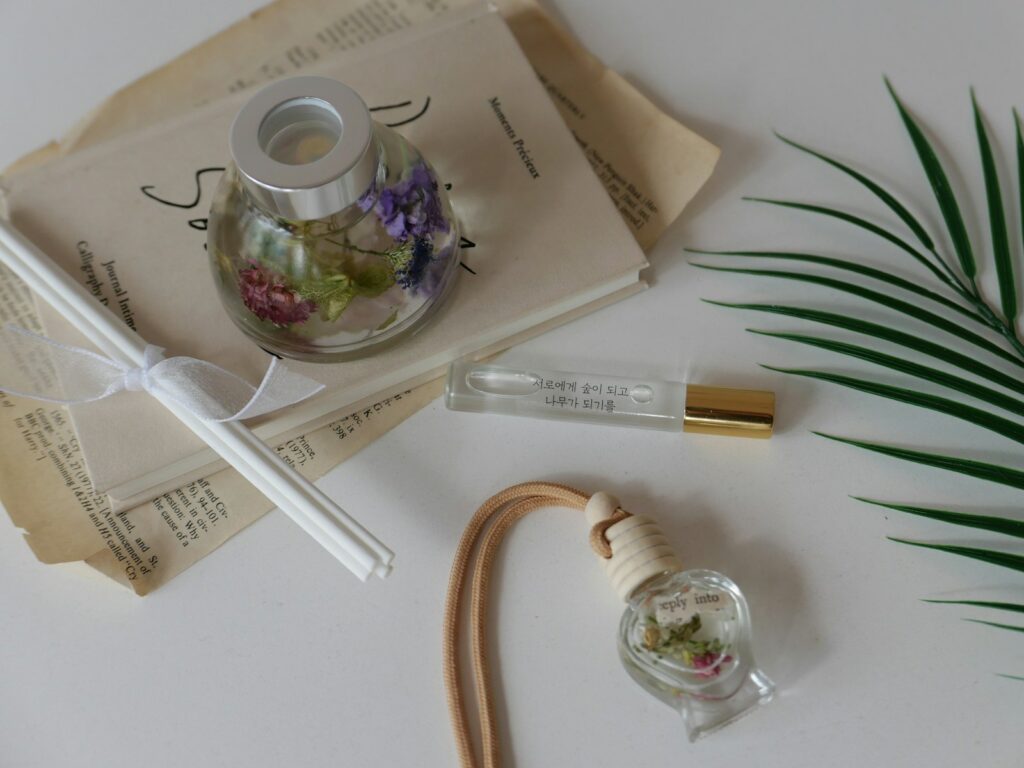
For making your own aromatherapy blends, gather the following:
Essential Supplies:
- Fennel seed essential oil
- Complementary oils (like lavender, bergamot, or sweet orange)
- Carrier oils (such as sweet almond, jojoba, or coconut)
- Glass bottles (preferably amber or cobalt to protect from light)
- Droppers or pipettes
- Rollerball bottles or diffuser
Best Essential Oil Combinations with Fennel
Fennel blends well with a variety of essential oils, especially those with calming or uplifting effects. Try combining it with:
- Lavender – deeply relaxing and perfect for sleep
- Bergamot – bright, citrusy, and great for mood lifting
- Frankincense – grounding and meditative
- Clary Sage – balancing, especially for emotional stress
- Sweet Orange – cheerful and energizing
- Patchouli – earthy and stabilizing
DIY Relaxation Blend Recipes with Fennel Seed Oil

Here are a few easy and effective recipes to incorporate fennel seed oil into your relaxation routine:
1. Calming Diffuser Blend (for Stress Relief)
Ingredients:
- 3 drops fennel seed oil
- 4 drops lavender
- 2 drops bergamot
Instructions:
Add the oils to your diffuser with water (according to your device’s instructions) and inhale deeply for 15–30 minutes. This blend is great during work breaks or before meditation.
2. Soothing Massage Oil (for Muscle Relaxation)
Ingredients:
- 6 drops fennel seed oil
- 6 drops sweet orange
- 3 drops frankincense
- 30 mL (1 oz) sweet almond oil
Instructions:
Mix all ingredients in a small amber bottle. Shake gently before each use. Apply to shoulders, neck, and feet for a calming self-massage after a long day.
3. Relaxing Bath Blend (for Evening Unwind)
Ingredients:
- 5 drops fennel seed oil
- 5 drops clary sage
- 1 tablespoon milk or unscented bath gel (to disperse the oil)
Instructions:
Combine essential oils with milk or bath gel before adding to warm bath water. Soak for 15–20 minutes to relax your body and mind.
4. Bedtime Roller Blend (for Sleep Support)
Ingredients:
- 3 drops fennel seed oil
- 4 drops lavender
- 3 drops patchouli
- 10 mL jojoba oil
Instructions:
Add oils to a 10 mL roller bottle, top with jojoba oil, and apply to wrists, temples, or the back of the neck before bedtime.
5. Pocket Inhaler Blend (for On-the-Go Calm)
Ingredients:
- 2 drops fennel seed oil
- 2 drops bergamot
- 1 drop frankincense
Instructions:
Apply essential oils to the cotton wick of a personal inhaler. Use during moments of stress or overwhelm by inhaling deeply for a few breaths.
Creating Your Own Signature Blend
Once you’re comfortable working with fennel seed oil, consider crafting your own signature aromatherapy blend. Here’s how to experiment:
- Start with a theme – Do you want to feel calm, uplifted, or grounded?
- Choose 2–3 oils that work toward that goal. Pair fennel with complementary oils based on emotional tone.
- Follow the 3-2-1 ratio: For a balanced blend, try 3 drops of the base oil, 2 drops of the middle note, and 1 drop of the top note.
- Test the aroma: Add drops to a cotton pad and smell it over time.
- Dilute and bottle: Once satisfied, blend with a carrier oil for skin-safe use or put into a diffuser.
Storage Tips
- Store essential oils and blends in dark glass bottles away from sunlight and heat.
- Label each blend with the name, ingredients, and date.
- Use your blends within 6–12 months for optimal aroma and effectiveness.
Final Thoughts
Fennel seed oil may not be as well-known as lavender or eucalyptus, but it has a rich, calming aroma that deserves a place in any DIY aromatherapy collection. With its stress-reducing, mood-lifting properties, fennel oil can become a trusted ally in your relaxation rituals. Whether you're blending it into a diffuser mix, a massage oil, or a soothing bath soak, the key is to explore, personalize, and enjoy the process of creating scents that speak to your senses.
Take a deep breath, relax, and let the gentle aroma of fennel transport you to a place of peace.