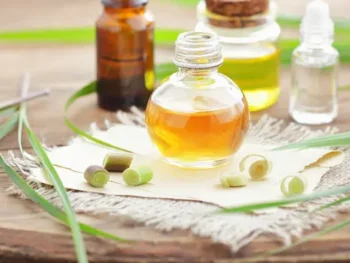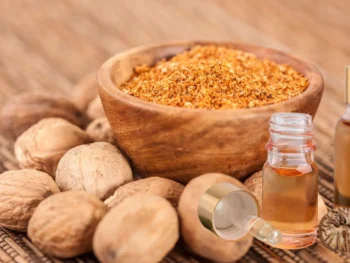

In the world of culinary arts, where flavor reigns supreme, even the subtlest ingredients can transform a dish from mundane to magical. Among the array of exotic and aromatic oils, fennel seed oil is a hidden gem—less commonly used than olive or sesame oil, but no less potent in the flavor it imparts. Extracted from the tiny seeds of the fennel plant (Foeniculum vulgare), this oil offers a unique blend of sweetness, warmth, and anise-like undertones that make it a favorite among chefs looking to innovate with flavor.
This article explores the wonders of cooking with fennel seed oil, diving into its history, health benefits, and the many creative ways it can enhance your culinary repertoire.
A Brief History of Fennel and Its Oil
Fennel has a long and storied past, dating back to ancient Egypt and Greece. The Greeks considered fennel a symbol of strength and courage, and it was widely used in traditional medicine for its digestive properties. The essential oil, distilled from fennel seeds, became popular in aromatherapy and herbal remedies, but more recently, its culinary potential has garnered attention.
In Mediterranean and Indian cuisines especially, fennel seeds have long been a staple. The oil, though more concentrated, carries the same aromatic intensity and has found a niche among chefs who seek depth and complexity in their dishes.
Health Benefits of Fennel Seed Oil
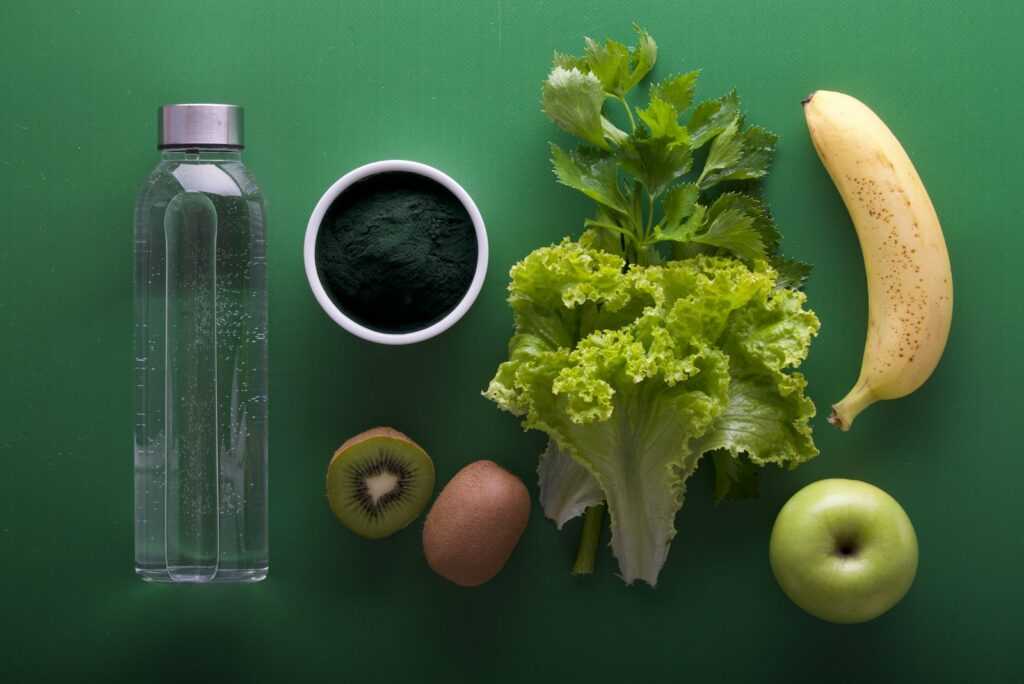
Beyond its robust flavor, fennel seed oil is packed with health-promoting compounds. It contains anethole, a powerful phytochemical responsible for its sweet aroma and many of its medicinal properties. Here are a few potential benefits:
- Digestive Aid: Fennel seed oil can help relieve bloating, gas, and indigestion when consumed in small amounts.
- Antioxidant Rich: It contains compounds that combat oxidative stress and support cellular health.
- Anti-inflammatory: It may reduce inflammation in the body, potentially benefiting those with inflammatory conditions.
- Antimicrobial Properties: Its natural antimicrobial action helps fight off harmful bacteria in the gut.
Of course, like any concentrated oil, it should be used in moderation. Just a few drops are typically enough to impart both flavor and benefits.
Flavor Profile and Culinary Applications

The flavor of fennel seed oil is distinct—slightly sweet, with notes of licorice, anise, and a mild earthiness. It's highly aromatic, and a little goes a long way. This makes it an excellent oil for:
- Finishing dishes: Drizzle it over roasted vegetables, grilled seafood, or fresh salads.
- Infusing sauces: A drop or two in tomato-based sauces or creamy dressings can add a surprising twist.
- Flavoring breads: Add it to dough for focaccia or flatbreads for a subtle, fragrant lift.
- Enhancing marinades: Use it alongside olive oil and vinegar in meat or tofu marinades.
- Pairing with citrus: Fennel and citrus are a match made in heaven—think fennel seed oil vinaigrette with orange segments over arugula.
Cooking Tips: How to Use Fennel Seed Oil
Because fennel seed oil is a concentrated essential oil or cold-pressed culinary oil (depending on the type you buy), it’s best used thoughtfully. Here are a few guidelines:
1. Use It Sparingly
A few drops are often enough to flavor an entire dish. Overuse can overpower other ingredients.
2. Add It at the End
Fennel seed oil is delicate. High heat can destroy its flavor and therapeutic properties, so it’s best added toward the end of cooking or used raw.
3. Combine with Neutral Oils
To mellow out the flavor and create volume for cooking, consider blending fennel seed oil with neutral oils like grapeseed or avocado oil.
4. Store It Properly
Keep the oil in a dark, cool place to preserve its flavor and nutrients. Like all essential oils, it’s sensitive to light and heat.
Recipe Inspirations with Fennel Seed Oil
Let’s look at a few simple ways to bring fennel seed oil into your kitchen.
1. Fennel-Citrus Vinaigrette
Ingredients:
- 1/2 cup olive oil
- 2 tsp lemon juice
- 1 tsp orange zest
- 1 tsp honey
- 2 drops fennel seed oil
- Salt and pepper to taste
Instructions:
Whisk all ingredients together and drizzle over a mixed greens salad with shaved fennel, orange slices, and walnuts.
2. Roasted Carrots with Fennel Drizzle
Ingredients:
- 1 lb baby carrots
- 2 tbsp olive oil
- Salt and pepper
- 2–3 drops fennel seed oil
Instructions:
Roast carrots in olive oil at 400°F (200°C) for 20–25 minutes until tender. Remove from oven, drizzle with fennel seed oil, and serve warm.
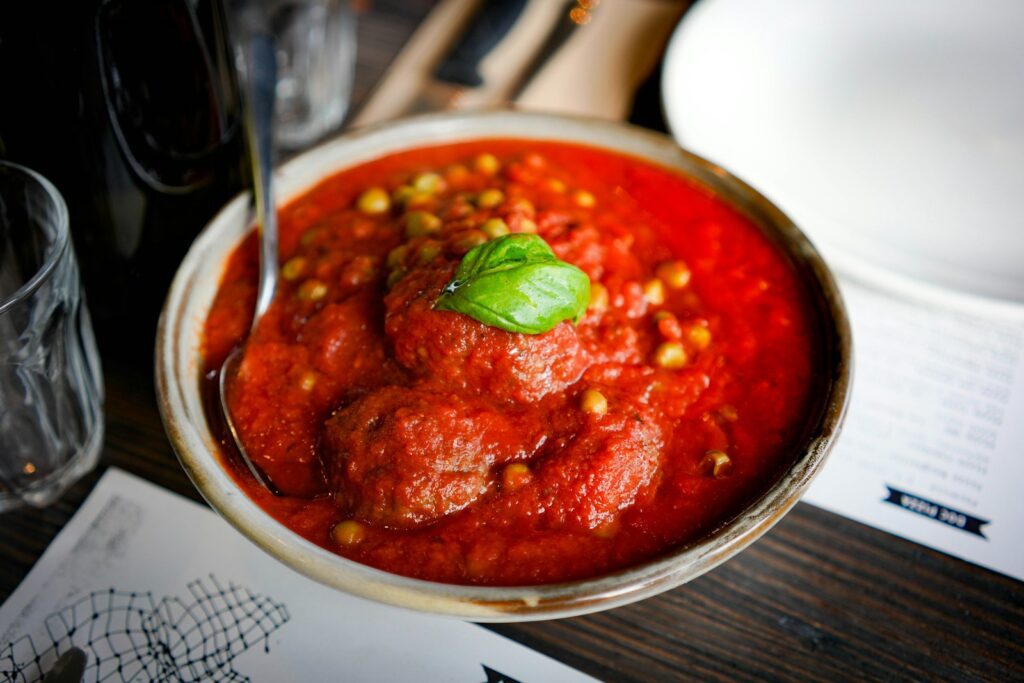
3. Fennel-Infused Pasta Sauce
Ingredients:
- 2 tbsp olive oil
- 1 small onion, diced
- 2 garlic cloves, minced
- 1 can (14 oz) crushed tomatoes
- 1 tsp sugar
- 1–2 drops fennel seed oil
- Fresh basil to garnish
Instructions:
Sauté onions and garlic in olive oil. Add tomatoes and sugar, simmer for 15 minutes. Remove from heat, stir in fennel oil, and serve over pasta.
Culinary Pairings and Creative Uses
Here are a few flavor companions that work exceptionally well with fennel seed oil:
- Proteins: Pork, chicken, fish (especially salmon or trout)
- Vegetables: Carrots, fennel bulbs, potatoes, beets
- Herbs: Dill, tarragon, parsley, basil
- Fruits: Apples, pears, oranges
- Spices: Coriander, cumin, cardamom
You can even add a drop to cocktails or mocktails for a unique herbal twist—try it in a gin and tonic or a citrusy spritzer.
Final Thoughts
Cooking with fennel seed oil opens the door to a world of flavor that’s at once classic and adventurous. Its aromatic charm, health benefits, and versatility make it an excellent addition to any culinary toolkit. Whether you’re a seasoned chef or a home cook looking to explore new ingredients, fennel seed oil is worth a try. Start small, experiment boldly, and let this ancient essence inspire modern creations in your kitchen.