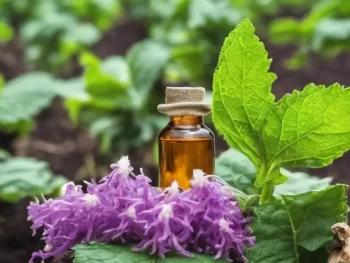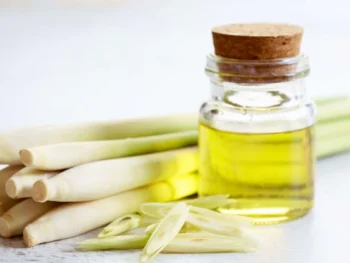
Few essential oils have the cross-industry versatility of patchouli. In fine fragrance, it is one of the most indispensable base notes — appearing in thousands of commercial compositions from classic orientals to contemporary masculine fragrances.
When sourcing patchouli oil for cosmetics, its fixative and skin-compatible properties make it a valued active in premium skincare formulations.
In soap manufacturing, its earthy, tenacious aroma survives the alkaline environment of saponification better than almost any other essential oil.
And in candle-making, its slow-burning, complex scent profile creates one of the most distinctive home fragrance experiences available from a single natural ingredient.
This guide is written for cosmetic formulators, fragrance developers, soap manufacturers, and product developers who want a technically grounded, application-focused understanding of patchouli oil across all four categories — with recommended usage rates, grade selection guidance, IFRA compliance notes, and blending recommendations using complementary Indonesian essential oils.
If you want to understand the broader context of Indonesian patchouli oil origins and supply, read our guide: Indonesian Patchouli Oil — Origins, Grades & Sourcing Guide. For a deep technical dive into grade differences (Dark, Light, MD), see: Patchouli Oil Grades Explained.
Related Reading
→ Patchouli Essential Oil — Product Page & Specifications
→ Patchouli Oil Grades Explained: Dark, Light (Iron-Free) & MD
→ Indonesian Patchouli Oil — Origins, Sulawesi vs Sumatra Guide
Why Patchouli Oil Works Across Multiple Industries
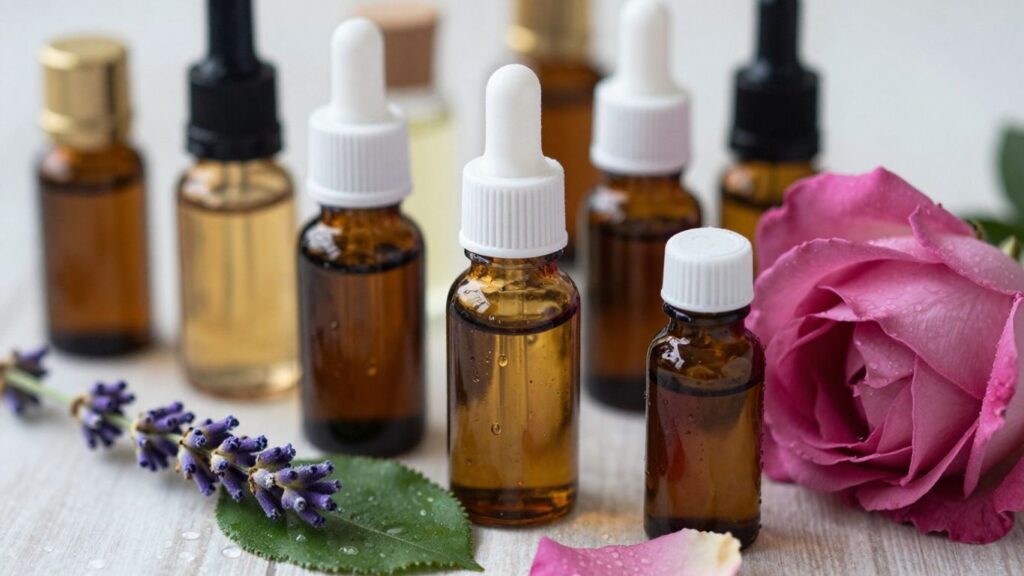
The secret to patchouli oil's versatility across cosmetics, fragrance, soap, and candle applications lies in its unique chemical composition — particularly the dominance of heavy sesquiterpene alcohols, primarily patchoulol (patchouli alcohol), which typically constitutes 29–35% of the oil depending on grade and origin.
- Extraordinary tenacity and fixation: Patchoulol's high molecular weight and low volatility mean the scent lingers — on skin, in soap, in fabric, in a room — far longer than most other essential oils. This makes patchouli one of the most effective natural fixatives in any formulation, extending the overall scent life of a composition.
- Compatibility with diverse bases: Patchouli oil is stable across a wide pH range, tolerates the alkaline environment of cold-process soapmaking, withstands candle pour temperatures when used correctly, and blends harmoniously with both synthetic and natural fragrance components.
- Skin-functional properties: Beyond aroma, patchouli oil has documented skin-compatible properties — mild anti-inflammatory activity, wound-healing support, and sebum-regulating effects — that make it more than just a fragrance ingredient in cosmetic formulations.
- Grade flexibility: The availability of Dark, Light (Iron-Free), and Molecular Distilled grades means the same base material can be deployed across applications with different colour requirements — from opaque incense and dark soap to transparent serum and white lotion.
| Key Compound: Patchoulol Patchoulol (patchouli alcohol) is the primary quality indicator for all patchouli oil applications. Dark grade: 29–32% · Light grade: 29–32% · MD grade: 32–35%+ Higher patchoulol = richer aroma, stronger fixation, and more consistent batch-to-batch performance. Always verify patchoulol % in the COA before approving any batch for production. See: Understanding COA & GCMS Reports for Essential Oils |
Using Patchouli Oil for Cosmetics & Skincare
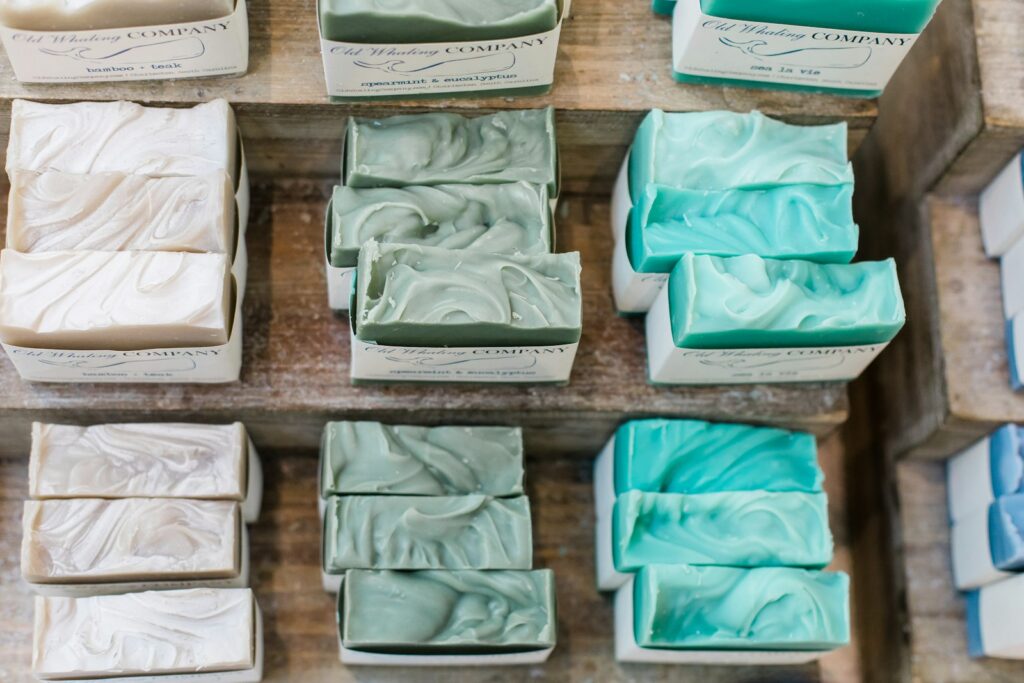
Skincare Applications
In skincare formulations, patchouli oil functions simultaneously as a fragrance component and a functional active. Its mild anti-inflammatory and skin-regenerating properties make it particularly well-suited for formulations targeting mature skin, acne-prone skin, and dry or cracked skin conditions.
| Product Type | Recommended Grade | Usage Rate | Key Benefit in Formulation |
| Face serum / facial oil | Light (Iron-Free) or MD | 0.5 – 1.5% | Colour-neutral; fixative extends other fragrance notes; mild anti-inflammatory |
| Anti-ageing moisturiser | Light or MD | 0.5 – 1.0% | Skin cell regeneration support; does not discolour white/pale cream bases |
| Acne treatment / spot serum | Light | 0.5 – 1.0% | Mild sebum-regulating; antimicrobial activity against P. acnes |
| Body lotion (opaque) | Dark or Light | 1.0 – 2.0% | Dark acceptable in opaque bases; excellent longevity on skin |
| Massage oil blend | Dark | 1.0 – 3.0% | Grounding aroma; muscle-relaxing effect; blends well with carrier oils |
| Men's grooming (beard oil, aftershave) | Dark or Light | 1.0 – 3.0% | Signature masculine note; excellent carrier oil compatibility |
Hair Care Applications
Patchouli oil's sebum-regulating and antifungal properties make it a functional ingredient in hair care formulations, particularly for oily scalp and dandruff management products. The Light (Iron-Free) grade is strongly preferred for hair care applications because: (1) it does not impart amber colour to shampoo or conditioner bases, and (2) its cleaner aroma profile is more compatible with modern hair care fragrance briefs.
- Shampoo & conditioner: 0.3–0.8% — sebum regulation, scalp health, natural fragrance note
- Scalp treatment serum: 0.5–1.0% — antifungal activity against Malassezia (dandruff-causing fungus)
- Hair mask / deep conditioning: 0.3–0.5% — moisture retention support, grounding aroma
| ⚠️ IFRA & Cosmetic Safety Notes for Leave-On Formulations Patchouli oil is IFRA-approved but has usage concentration limits that vary by product category. Leave-on skin products (creams, serums, oils) have stricter limits than rinse-off products (shampoo, body wash). For EU market: CPSR (Cosmetic Product Safety Report) is required for any leave-on cosmetic — ensure your formulation is assessed by a qualified safety assessor before commercial launch. For US market: ingredient declaration via INCI name (Pogostemon Cablin Leaf Oil) is required. |
Related Reading
→ Lemongrass Essential Oil Benefits for Cosmetics — Complementary Formulator's Guide
→ Patchouli Oil Grades Explained — Which Grade Is Right for Your Cosmetic?
Patchouli Oil in Fine Fragrance & Perfumery
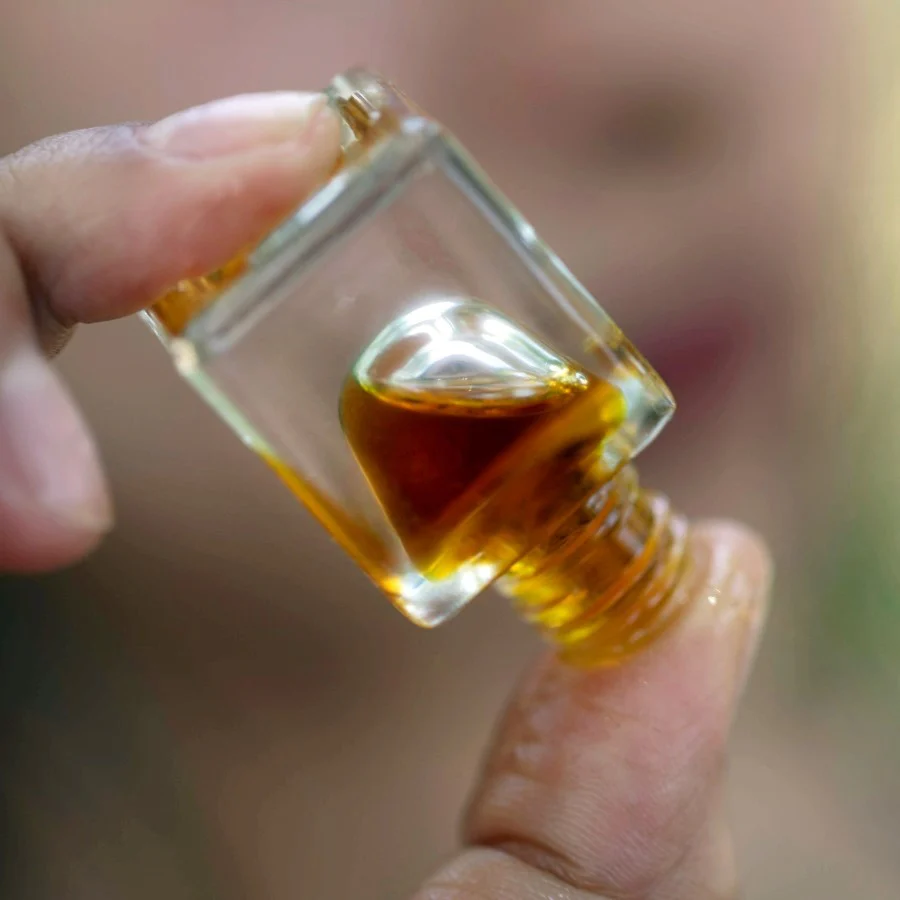
Patchouli’s Role in Fragrance Composition
Patchouli is universally classified as a base note — one of the most tenacious and functional in the naturals palette. It serves three distinct roles in fragrance composition:
- Fixative: At 1–3% concentration, patchouli anchors lighter volatile top and heart notes, extending the overall longevity of the composition on skin and fabric. A fragrance without fixation can lose its character within 30–60 minutes; patchouli-anchored compositions often persist for 6–12+ hours.
- Structural base note: At 5–10%+ concentration, patchouli becomes an active olfactory character in the composition — its earthy, smoky, musky depth defines the base and gives the fragrance its 'weight' and identity.
- Blending bridge: Patchouli has a remarkable ability to harmonise disparate elements — linking synthetic musks with natural woods, connecting citrus top notes with resinous bases, and adding naturalness to compositions that rely heavily on synthetic molecules.
Usage Rates by Fragrance Category
| Fragrance Family / Product | Recommended Grade | Usage Rate in Concentrate | Application Notes |
| Oriental / amber composition | Dark or MD | 5 – 10% | Patchouli is structural — use Dark for maximum character depth |
| Fougère (classic masculine) | Dark | 5 – 8% | Classic structure: lavender + coumarin + oakmoss + patchouli base |
| Chypre | Dark or Light | 3 – 7% | Light if cleaner, greener facets preferred in modern chypre interpretation |
| Oud / Middle Eastern accord | Dark | 5 – 12% | Dark patchouli's smoky character complements agarwood beautifully |
| Fresh / citrus (fixative use) | Light or MD | 1 – 3% | Fixative function only — Light/MD to avoid heavy earthiness dominating |
| Niche / natural perfumery | MD | 3 – 8% | MD for highest patchoulol, cleanest aroma, maximum performance |
| Eau de Cologne (light) | Light | 0.5 – 2% | Trace fixation — Light to preserve lightness of composition |
| Fragrance oil for candles/diffusers | Dark | 3 – 8% | Dark grade acceptable; excellent heat stability and room throw |
Best Blending Partners — Indonesian Essential Oils
The following blending partners work exceptionally well with Indonesian patchouli oil and are all available from Global Essential Oil — enabling single-supplier sourcing with unified documentation:
- Vetiver Oil (Garut, Java) at 1:2 (vetiver:patchouli) — deep, smoky oriental base accord
- Lemongrass Oil at 1:8 (lemongrass:patchouli) — citrus brightness lifts heavy patchouli base
- Agarwood / Oud Oil at 1:4 (oud:patchouli) — luxury Indonesian oud-inspired accord
- Virgin Coconut Oil (VCO) as carrier — 3–5% patchouli in VCO for skin-safe application
| Indonesian Patchouli in Famous Fragrances Chanel N°5 (1921): patchouli as earthy anchor beneath its iconic floral-aldehydic accord · Guerlain Vetiver (1959): paired with vetiver for classic masculine depth · Terre d'Hermès: patchouli in the mineralic-woody accord · These iconic compositions confirm patchouli's irreplaceable role in fine fragrance — and the formulator's guide to working with it begins with choosing the right Indonesian grade for the composition. |
Patchouli Oil in Soap Manufacturing
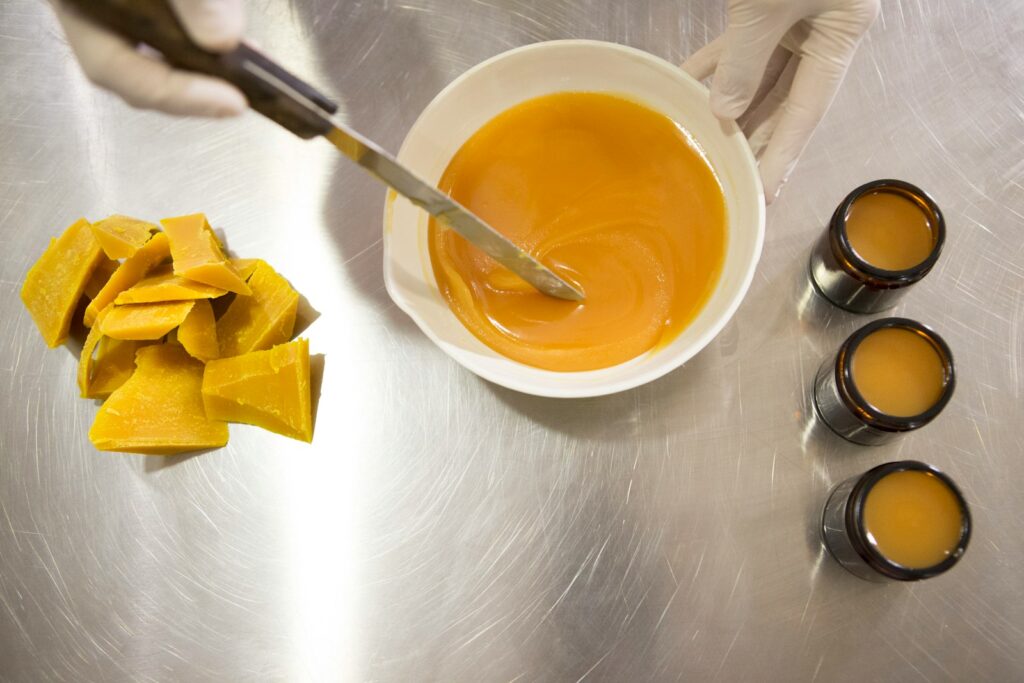
Why Patchouli is Ideal for Soap
Of all essential oils used in soap manufacturing, patchouli is one of the most reliable. Three properties make it exceptionally well-suited for both cold-process (CP) and hot-process (HP) soap:
- Alkali stability: Unlike many delicate floral essential oils (rose, jasmine, lavender at high temperatures) that degrade or fade in the high-pH saponification environment, patchouli's heavy sesquiterpenes are chemically stable throughout the saponification process. The scent survives cure and remains strong in the finished bar.
- High usage rate tolerance: Patchouli can be used at 1–3% in finished soap without causing skin sensitisation at typical soap wash-off use patterns — higher than many other essential oils.
- Acceleration behaviour: At very high concentrations (above 2% in some bases), patchouli can mildly accelerate trace in cold-process soap — worth testing in a small batch before scaling production.
Grade Selection for Soap
| Soap Type | Recommended Grade | Usage Rate | Reasoning |
| Opaque bar soap (cold or hot process) | Dark | 1.5 – 3.0% | Colour not visible in finished bar; Dark provides maximum aroma at lower cost |
| Transparent / glycerin soap | Light (Iron-Free) | 1.0 – 2.0% | Dark grade will visibly tint transparent base amber — Light grade essential |
| White or pale-coloured bars | Light (Iron-Free) | 1.0 – 2.0% | Same reasoning — Light grade prevents unwanted colouration |
| Artisan / natural soap (marketing angle) | Dark or Light | 1.0 – 2.5% | Dark for authentic 'earthy' brand story; Light for cleaner aesthetic |
| Liquid soap / body wash | Light | 0.5 – 1.5% | Light grade preferred for colour-neutral liquid product |
| Shampoo bar | Light | 0.5 – 1.0% | Hair care application — Light grade, lower concentration |
Blending Patchouli in Soap
Patchouli blends exceptionally well with the following essential oils in soap formulations:
- Citronella + Patchouli (1:1): Fresh-earthy outdoor soap — natural insect repellent properties
- Lemongrass + Patchouli (3:1): Bright citrus-grounding combination — one of the most popular natural soap accords
- Cedarwood + Patchouli (1:2): Deep woody masculine — excellent for men's bar soap range
- Lemongrass + Patchouli + VCO carrier: Natural body oil blend — 2% lemongrass, 1.5% patchouli in VCO base
Patchouli Oil in Candles & Home Fragrance

Patchouli in Candle Formulations
Patchouli oil is one of the most effective essential oils for candle-making — its heavy molecular structure gives it excellent hot throw (scent released when candle is burning) and reasonable cold throw (scent when candle is unlit). Its thermal stability means it withstands candle pour temperatures without significant degradation when used correctly.
- Recommended pour temperature: Add patchouli oil when wax has cooled to 55–60°C — above this temperature, some lighter aromatic compounds can volatilise before the candle sets
- Recommended usage rate: 3–6% in soy wax; 4–8% in paraffin wax. Dark grade is preferred — lower cost per kg, maximum aroma strength, colour adds visual warmth to the finished candle
- Wax compatibility: Compatible with soy, coconut, beeswax, and paraffin. Performs best in soy and coconut wax for even scent release throughout the burn
- Flash point: Patchouli oil flash point is approximately 100°C+ — well within safe parameters for candle use. Always verify flash point from the COA/MSDS provided by your supplier
Home Fragrance & Reed Diffuser Applications
In reed diffusers, patchouli's high molecular weight sesquiterpenes provide long, sustained release through the reed — making it one of the best essential oils for this format. Recommended usage: 5–8% patchouli in diffuser base (typically DPG or isopropyl myristate + ethanol). Dark grade preferred for maximum aroma intensity and cost efficiency.
Sourcing Patchouli Oil for Industrial Formulation: What to Specify
If you are sourcing patchouli oil for cosmetics, fragrances, soaps, or candles in bulk, the quality and documentation requirements differ from retail purchases. Here is what to specify in your purchase order:
- Grade: State explicitly — Dark, Light (Iron-Free), or MD. Do not assume a default grade.
- Minimum patchoulol %: State the minimum acceptable — e.g., 'patchoulol ≥29%' for Dark/Light or 'patchoulol ≥32%' for MD
- Origin: Sulawesi or Sumatra — specify if origin matters for your formulation or brand story
- COA requirement: Batch-specific COA with patchoulol %, specific gravity, refractive index, optical rotation, and colour
- GCMS report: For premium applications — confirm the compound fingerprint matches Indonesian origin spec
- Halal certificate: Required for Middle East, Malaysian, and Muslim-market cosmetics and fragrance products
- Packaging: Aluminium drum (180kg) or aluminium jerrycan (25kg) — never galvanized or plain steel which can react with the oil
For a complete guide to supplier verification, documentation requirements, and structuring your first bulk order from Indonesia, see: How to Source Essential Oils from Indonesia — Importer's Complete Guide.
Related Reading
→ How to Source Essential Oils from Indonesia — Verification, QC & Export Docs
→ Understanding COA & GCMS Reports — What Every Buyer Must Know
→ Private Label Patchouli Products — Launch Your Own Brand
Sourcing Patchouli Oil from Global Essential Oil
As one of Indonesia's largest patchouli oil manufacturers, Global Essential Oil supplies cosmetic manufacturers, fragrance houses, soap producers, and candle brands across Europe, Asia, and the Middle East with all three grades of Indonesian patchouli oil — Dark, Light (Iron-Free), and MD.
- All grades available: Dark, Light (Iron-Free), MD — from Sulawesi and Sumatra origins
- Batch-specific COA & GCMS: For every shipment — patchoulol %, specific gravity, refractive index, optical rotation
- Halal certified (MUI): Verifiable at halalmui.org
- DUNS registered: Verified manufacturer — not a broker or trader
- Sample kit available: Dark + Light + MD from same harvest — compare all grades side-by-side before bulk order
- Private label: Patchouli-based blended formulations available under your brand
| Request a Patchouli Oil Grade Sample Kit Contact our team to request a complimentary patchouli grade sample kit — Dark, Light (Iron-Free), and MD from our current Indonesian stock — with batch-specific COA, GCMS report, and Halal certificate for each grade. Ideal for formulation testing before bulk commitment. We respond within 1 business day. → Contact Global Essential Oil — Request Patchouli Sample Kit Now |
Or go directly to our Patchouli Essential Oil product page for full specifications and ordering information.