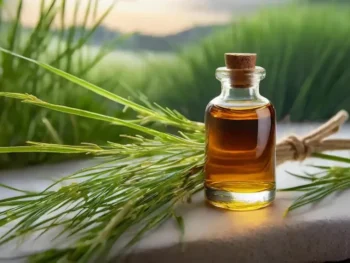
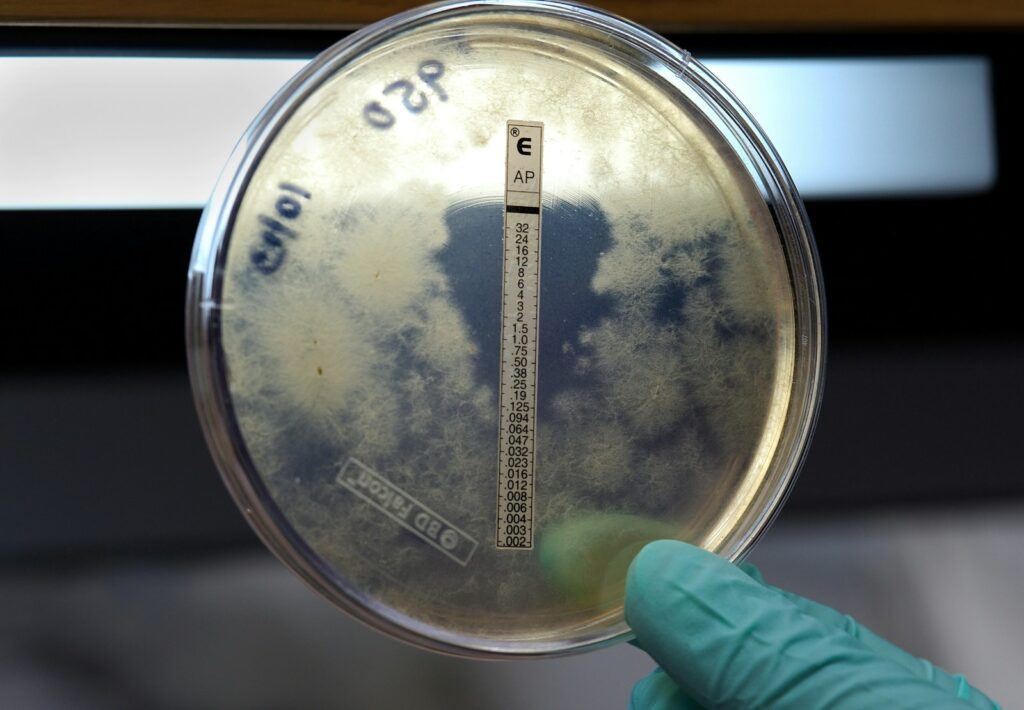
Nutmeg (Myristica fragrans) has long been appreciated for its culinary, aromatic, and medicinal uses. Beyond its common role in flavoring food, researchers have increasingly turned their attention to the essential oil extracted from nutmeg seeds. Nutmeg oil contains a complex mix of bioactive compounds, including monoterpenes and phenylpropanoids, that have demonstrated a range of pharmacological and biological activities. Among its most compelling properties are its insecticidal and antifungal effects—offering promising alternatives to synthetic pesticides and fungicides.
This article explores the scientific investigation into nutmeg oil’s effectiveness against insects and fungi, including the mechanisms behind its bioactivity, research findings, and potential applications in agriculture, public health, and food preservation.
Chemical Composition of Nutmeg Oil
Nutmeg essential oil is obtained through steam distillation of dried nutmeg seeds. The oil is pale yellow and strongly aromatic, composed mainly of:
- Sabinene
- α-pinene
- β-pinene
- Myristicin
- Safrole
- Eugenol
- Terpinene
- Limonene
These compounds are known for their biological activity and are thought to act synergistically in contributing to the oil's antimicrobial and insecticidal actions. Particularly, myristicin and safrole have shown neurotoxic effects in insects, while eugenol is a well-documented antifungal agent.
Insecticidal Properties of Nutmeg Oil

1. Mechanism of Action
The insecticidal effect of nutmeg oil is attributed to its interference with the nervous system of insects. Terpenes like α-pinene and limonene disrupt neurotransmission, while phenylpropanoids such as myristicin can act as neurotoxins, leading to paralysis and death.
Some compounds in the oil are known to affect the respiratory system of insects by disrupting enzyme activity or causing oxidative stress at the cellular level.
2. Laboratory Studies
Several studies have evaluated the insecticidal activity of nutmeg oil against a variety of pests:
- Mosquitoes (Aedes aegypti): Nutmeg oil has shown larvicidal activity, with LC₅₀ values in the range of 50–100 ppm, making it effective at relatively low concentrations. It causes paralysis and death in mosquito larvae within hours.
- Houseflies (Musca domestica): Exposure to nutmeg oil vapor has demonstrated significant knockdown and mortality rates, suggesting potential use in fly repellent formulations.
- Stored grain pests (e.g., Tribolium castaneum, Sitophilus oryzae): Nutmeg oil exhibited contact toxicity and repellency, reducing infestation levels in stored grains.
In many cases, nutmeg oil performed comparably or even better than synthetic insecticides like permethrin, especially in settings where resistance to conventional chemicals is increasing.
3. Benefits in Agriculture
Nutmeg oil’s insecticidal properties can benefit organic farming and post-harvest storage, especially in tropical and subtropical regions. Its biodegradability, low mammalian toxicity, and minimal environmental impact make it an appealing alternative to synthetic pesticides.
However, large-scale field trials and formulation optimization are still needed before commercial adoption.
Antifungal Properties of Nutmeg Oil
1. Mechanism of Antifungal Action
The antifungal properties of nutmeg oil are mainly due to compounds like eugenol, safrole, and myristicin, which disrupt fungal cell walls and membranes, inhibit spore germination, and interfere with the synthesis of essential fungal proteins.
These compounds can alter membrane permeability, leading to leakage of cellular contents and eventual cell death. They may also generate reactive oxygen species (ROS), damaging DNA and protein structures within fungal cells.
2. Activity Against Pathogenic Fungi
Studies have demonstrated that nutmeg oil exhibits strong antifungal activity against a variety of pathogenic fungi:
- Candida albicans: Nutmeg oil has inhibited growth in both planktonic and biofilm forms, indicating potential in treating candidiasis or fungal contamination in medical settings.
- Aspergillus flavus and Aspergillus niger: These fungi are known producers of aflatoxins, harmful mycotoxins that contaminate food. Nutmeg oil has shown significant inhibition of mycelial growth and aflatoxin production.
- Fusarium spp. and Penicillium spp.: Common post-harvest pathogens, these fungi cause spoilage in cereals and fruits. Nutmeg oil, when used as a fumigant or spray, was able to reduce fungal load significantly.
3. Applications in Food Preservation
Nutmeg oil can be used as a natural food preservative, extending shelf life by inhibiting fungal spoilage. Edible coatings or packaging films infused with nutmeg oil have been tested on fruits like strawberries and apples, showing reduced fungal growth and longer freshness retention.
Additionally, in baked goods and spice blends, the antifungal properties of nutmeg oil contribute not only to microbial safety but also to flavor enhancement and aromatic quality.
Advantages and Limitations

Advantages
- Natural and Biodegradable: Safe for humans and animals at low doses.
- Multi-functional: Combines insecticidal and antifungal action.
- Cost-effective: Especially in countries where nutmeg is readily cultivated.
- Low Resistance Development: Reduced likelihood of pests developing resistance compared to synthetic chemicals.
Limitations
- Variability in Composition: Chemical content can vary based on origin, climate, and processing method.
- Short Residual Activity: Essential oils may evaporate quickly, reducing long-term effectiveness.
- Potential Toxicity: High concentrations of certain components (e.g., safrole) can be toxic or carcinogenic with prolonged exposure.
Future Research and Commercial Potential
There is increasing interest in incorporating nutmeg oil into integrated pest management (IPM) strategies and biofungicide formulations. To move from lab to market, more research is needed in the following areas:
- Nanoencapsulation: Enhancing stability and controlled release of active compounds.
- Synergistic Formulations: Combining nutmeg oil with other essential oils or bio-based agents for broader activity.
- Toxicological Studies: Ensuring long-term safety for humans and non-target organisms.
- Regulatory Approval: Meeting international standards for agricultural and pharmaceutical use.
Conclusion

The insecticidal and antifungal properties of nutmeg oil make it a powerful natural agent with wide-ranging applications. From protecting stored grains to combating fungal infections, nutmeg oil presents a sustainable, eco-friendly solution aligned with the growing demand for greener alternatives to synthetic chemicals. As research continues to unlock its full potential, nutmeg oil may soon become a cornerstone of bio-based pest and fungal management in both agriculture and public health sectors.