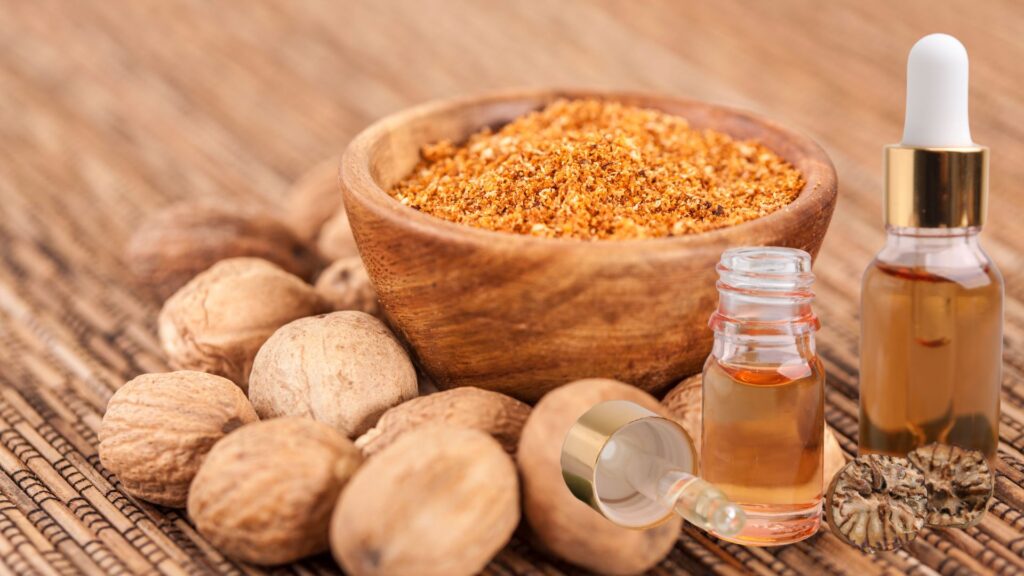
Nutmeg oil, derived from the seeds of the Myristica fragrans tree, is prized for its warm, spicy aroma and wide range of uses—from aromatherapy and culinary applications to massage blends and cosmetics. Like all essential oils, nutmeg oil has a limited shelf life and requires proper storage to maintain its potency, safety, and therapeutic effectiveness.
This article explores the shelf life of nutmeg essential oil, the factors that influence its degradation, and guidelines for optimal storage to help users get the most out of this valuable oil.
Understanding the Shelf Life of Nutmeg Oil
The shelf life of essential oils refers to the length of time they remain chemically stable, safe, and effective when stored under recommended conditions. For nutmeg essential oil, the average shelf life is:
- 2 to 4 years, depending on storage and quality
This relatively short lifespan compared to some other essential oils is due to the volatile nature of its constituents, particularly monoterpenes and phenolic compounds, which are prone to oxidation over time.
Key Compounds in Nutmeg Oil

Nutmeg essential oil contains:
- Sabinene
- Myristicin
- Eugenol
- Pinene
- Limonene
These compounds contribute to its aroma and therapeutic effects but are also sensitive to light, heat, and oxygen. As these compounds degrade, the oil may:
- Lose its aroma or change in scent
- Become less effective or even irritating
- Develop off-notes, signaling oxidation
Signs of Degraded or Expired Nutmeg Oil
While nutmeg oil doesn’t “go bad” like food, it can become ineffective or unsafe for topical or aromatic use. Signs that nutmeg oil is past its prime include:
- A rancid or sour smell
- A weakened or altered fragrance
- Cloudiness or sediment in the bottle
- Irritation upon use (if previously well-tolerated)
- A darker color than when first purchased
Using oxidized essential oils, especially on the skin, may lead to irritation, allergic reactions, or reduced therapeutic benefits.
Factors That Affect Nutmeg Oil’s Shelf Life

Several factors influence how long nutmeg oil will remain usable. These include:
1. Exposure to Light
UV light can break down the chemical constituents in nutmeg oil, leading to faster oxidation. Clear bottles or frequent exposure to sunlight will significantly reduce the oil's shelf life.
2. Temperature Fluctuations
Essential oils should be kept in cool, stable environments. Heat accelerates chemical reactions, which speeds up the degradation of delicate compounds in nutmeg oil.
3. Air and Oxygen
Every time you open the bottle, oxygen enters and interacts with the oil, gradually degrading its components. Minimizing air exposure is crucial.
4. Moisture Contamination
Introducing water into the oil—either by accident or through improper use—can create the perfect environment for microbial growth and spoilage.
5. Quality and Purity
Pure, undiluted essential oils with no synthetic additives typically have a longer shelf life. Adulterated oils may contain unstable carriers or alcohols that degrade faster.
Proper Storage Guidelines for Nutmeg Oil

To preserve the aroma, efficacy, and safety of nutmeg essential oil, follow these storage best practices:
1. Use Dark Glass Bottles
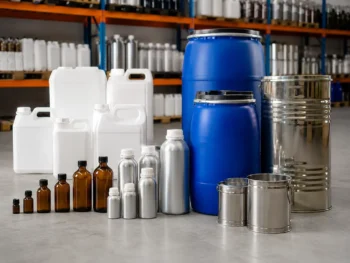
Essential oils should be stored in amber or cobalt blue glass bottles, which block UV light. Plastic containers should be avoided, as essential oils can degrade plastic and leach chemicals.
2. Store in a Cool, Dry Place
Keep nutmeg oil in a dark cabinet, drawer, or essential oil storage box, away from direct sunlight, heat sources, and humidity. Ideal temperature: between 10°C and 21°C (50°F to 70°F).
3. Tightly Seal the Bottle
Always replace the cap immediately and ensure it's tightly closed. This reduces oxygen exposure and prevents evaporation of volatile components.
4. Minimize Air Space in the Bottle
As the bottle empties, consider transferring the remaining oil into a smaller container to reduce the amount of air inside, slowing oxidation.
5. Label with Purchase or Opening Date
Keep track of when you purchased or opened your nutmeg oil. This helps monitor shelf life and usage over time.
Refrigeration: Is It Recommended?
Refrigerating nutmeg oil is not necessary but can help extend shelf life, especially in warmer climates. If refrigerated:
- Store in a glass bottle, tightly sealed
- Place the bottle in an airtight bag or container to prevent condensation
- Allow the oil to return to room temperature before opening to avoid moisture condensation inside the bottle
Note: Refrigeration may cause some oils to become cloudy or thick—this is normal and reversible once they warm up.
Safe Usage Tips for Older Nutmeg Oil
If your nutmeg oil is approaching the end of its shelf life but still smells acceptable and has no visible changes, you may still use it with caution, particularly in non-topical applications.
- Diffuse it in open spaces for aromatic use
- Use in homemade cleaning sprays (add to alcohol or vinegar base)
- Add to sachets or potpourri for natural fragrance
Avoid using older oils on the skin or in therapeutic applications without conducting a patch test.
Blending Nutmeg Oil for Preservation
Blending nutmeg oil with other antioxidant-rich oils, such as frankincense or sandalwood, may slow down oxidation. You can also add natural antioxidants like vitamin E (tocopherol) to your DIY formulations to enhance shelf stability.
Disposal of Expired Nutmeg Oil
If the oil has clearly degraded:
- Do not pour it down the drain (may damage plumbing or harm the environment).
- Mix it with an absorbent material (like baking soda or coffee grounds), seal it in a disposable container, and throw it in the trash.
Always handle expired oils with care and keep them out of reach of children or pets.
Conclusion
Nutmeg essential oil is a warm, comforting, and therapeutically valuable oil—but like all natural products, it is sensitive to environmental conditions and time. With a general shelf life of 2 to 4 years, proper storage is essential to maintaining its aroma, efficacy, and safety.
By following best practices—such as storing in dark, airtight glass bottles away from heat and light—you can extend the usability of your nutmeg oil and ensure it remains a reliable tool in your aromatic or therapeutic toolkit.
Remember: a well-cared-for oil not only saves money but also enhances the safety and quality of your aromatherapy practice.